Get in Touch with Taiguo

Thermal Oil Heater Working Principle

Contents
show
Thermal oil heaters are a star player in the realm of efficient and dependable heating systems in industrial settings. Not just providing heating to heat transfer processes in an orderly manner; they have become essential in plants demanding maintained temperature at processes. All thoughts behind the functionality of thermal oil heaters and why some industries choose them will be stripped bare in this article, starting with the conceptual principle of work of thermal oil heaters on sequential break-downs of the definite major parts, and subsequently commenting on their helpful properties. It must be pointed out here that through this reading, you will increasingly get the understanding about those ‘heating ways’ of thermal oil heat transfer and would-be advantages in relation to tah-heating systems. This article discusses the thermal oil heaters and their objectives for the provided heating.
Introduction to Thermal Oil Heating Systems
Definition and Overview of Thermal Oil Heaters
Custom equipment linked with straight transfer of heat via thermal oil to various industrial processes-Yes, that is what we call a thermal oil heater. One of the major differences between these and systems for steam or water is their distribution of high-temperature heat at much lower pressure. For this reason these applications involve a very high temperature range.
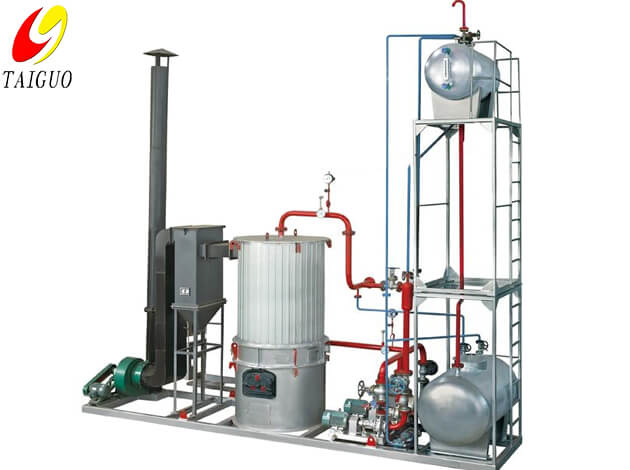
The major function of the thermal oil heater would be offering a stable, standardized means of heat across the industries such as chemical manufacturing plants, food processing plants, textiles, or oil & gas. Typically an oil heater would consist of a heater unit, a network of pipes circulating thermal oil, a pumping system, and an expansion tank heated in an indirect way so that the latter remains unaffected by direct contact with fire or exhaust gases, thereby allowing undisturbed and controlled heat transmission.
Unlike water-based systems, thermal oil systems have greater expandability and energy efficiency, are not plagued by corrosion or freezing, and can exercise perfect temperature control over a rather high range so long as precise thermal conditions are required for certain industries. In the actual case, users will realize substantial quantum returns from using thermal oil heaters-energy efficiency, process safety, and less downtime, enabling highly satisfactory efficiency of operations.
Importance of Thermal Fluids in Industrial Applications
Thermal fluids are very important to industrial applications in terms of efficiency and reliability of heat transfer. They form the essence in systems that operate under strict temperature control, such as chemical processing, food manufacture, and power generation. Thermal fluids tend to perform well even at high temperatures without any significant build up of pressure. Thus, these fluids ensure safety and high efficiency within industrial systems.
One of the most remarkable advantages these fluids positively offer is that they showcase excellent thermal performance over a long operating period. This continued performance is essential for industries like food, chemical processing where continuous heat transfer is required, and where the manufacturing processes rely immensely on the heat for quality of the product. Furthermore, thermal fluids make the equipment much less susceptible and virtually immune to any risks of freezing, corrosion, scaling, making their application more beneficial in the long period.
Thermal fluid systems are very energy-efficient, allowing for a reduction in overall operational costs. In that, it supports the evolution of sustainable industry practices by seeking to minimize heat losses and increase heat transfer efficiency. The fact that these fluids are adaptable to a wide range of temperatures has enforced the needs for many of today’s industrial processes involved in which heating with precision or norm is imperative.
Comparison with Traditional Steam Boilers
Brownian like, they operate more efficiently than steam boilers because:
Energy Efficiency: Thermal fluid systems offer more energy efficiency than steam boilers. The fact that one can achieve 90% heat utilization efficiency indicates that energy is well utilized due to minimal losses from heat, condensate recovery, and pipe insulation. In contrast to this, steam boilers can sometimes lose heat due to radiation, blowdown, and recovery of condensate.
Operating Range: Thermal fluid systems boast their operational performance in a wide range of operating temperatures without undergoing a full change in phase like water in steam systems. Recent thermal fluid systems perform proficiently between -100°F (-73°C) and above 750°F (400°C), while steam boilers will usually result in some form of failure under atmospheric pressure at less than 365° F (185°C).
Pressure Requirements: While very high pressures are necessary to achieve higher temperatures in steam systems, such temperatures can be attained in thermal fluid systems at atmospheric pressure. This inherently makes the thermal systems safer by conferring less hazards of pressurized vessels and less potential for catastrophic failures.
System Maintenance: Maintenance of thermal fluid systems is relatively less complicated than that of steam boilers. In steam boilers, a constant eye must be kept on water quality to avoid fouling and scale, which could lead to system failures. Thermal fluids therefore facilitate less maintenance activities concerning corrosion and scale, thereby minimizing any associated downtime.
Startup Times: Thermal fluid heaters startup quicker than steam boilers. Steam systems have to preheat until the pressure is raised, which takes considerable time. So, a thermal shut-off does help to get operating temperatures up faster, which makes for a productivity boost in time-sensitive applications.
Principle of Thermal Oil Heating
Thermodynamic Principles of Thermal Oil
Thermal oil heating is based on the principle of indirect heat transfer. In contrast to steam or direct flames, thermal oil systems work by means of a process in which heat is carried out through a specific heat transfer fluid (thermal oil) which is moved all along the system on the basis of the precision of the thermostat. This not only means precise temperature control but also the efficient energy transfer to different applications. It seems that although the steam system required large pressure as compared to the system operating with thermal oil, the thermal oil system becomes a safer and more energy-efficient alternative.
A thermal fluid heater, where the oil is heated to a certain temperature by a burner or another heat source, then, initiates the action. The fluid is then circulated around this closed-loop system, transferring thermal energy to the machinery or processes connected to it, such as reactors, dryers, heat exchangers, etc. It then leaves again and is pushed by circulating pumps. Reheating cycles also start from this point on, which would take the oil back to the terminal fluid heater for another round of heating. This way, heat is continuously delivered to the process and would not stop until maintenance held time.
One main benefit of thermal oil systems is that they can maintain a consistent temperature, even when very hot, without needing any pressure. This is due to the high boiling point and low viscosity of the carrier fluid, ensuring smooth heat-transfer processes. Together with the fact that energy losses are prevented in the closed loop, and that little maintenance is needed, these systems represent a truly dependable and successful way to address industrial heating requirements.
Heat Transfer Mechanism in Thermal Fluid Heating
Thermal fluid heating involves the spread of thermal energy through indirect source heat transfer in order to ensure the optimal distribution and application of energy. The mechanism of thermal transfer begins when the boiler or heater, which is very specifically designed for such uses, heats the thermal fluid. Energy changes within the system are carried away using heat cold fluid to the required system. After the aforementioned, this fluid is pumped through pipelines up to the inverter, so that it can be further utilized as and when required.
In the process, heat energy is then transmitted to the target machinery or application by the thermal fluid thus enabling temperature control in a consistent and reliable manner. Since with indirect heeding, there is proper thermal control; this enters to let the temperature bear an even distribution and thus be safe from localized overheating, while the fluid transmits energy from itself in a cycle in favor of a closed-loop system right back to the heater to be reheated.
Energy losses have been minimized and efficiency increased due to the closed system design, while limiting maintenance needs that come from a minimization of fluid contamination and evaporation. The thermal fluid systems are being engaged largely because of providing reliable, efficient, and precise heating in a variety of industrial applications.
Role of Thermal Oil in Heat Exchange
Thermal oil is the critical medium in heat exchangers because it transfers heat very efficiently from the industrial systems. Its desirable property is, for example, it can hold a steady temperature over a wide operating scale, which is needed in heat-sensitive or high-temperature applications. Unlike water-based systems, which pressurize when the temperature rises, thermal oil can work at higher temperatures without causing any pressurizing requirement; so, therefore, it was the best choice for various industries.
The use of thermal oil prevents the risks that would otherwise accompany corrosive damage or the solidification of minerals found in water-based systems, thereby enhancing the reliability and durability of the equipment as maintenance costs get minimized. Also, the thermal systems are designed so that their thermal stability over a long amount of time keeps ensuring consistent and efficient heating operations.
Its high thermal conductivity and heat accumulation make thermal oil a vital aid to heat exchange processes for industries like chemicals, food processing, and pharmaceuticals. With its capacity to accurately maintain any desired temperatures, it assures good quality products and a consistent process. On the whole, thermal oil provides an essential medium in the operation of modern industrial heat exchange systems, combining high efficiency with durability and precision, thus meeting the complicated heating needs in today’s industries.
Key Components of a Thermal Oil Heater
Overview of Thermal Oil Boiler Components
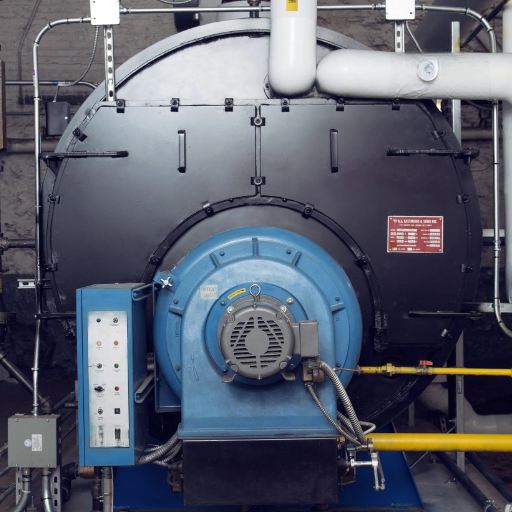
A thermal oil boiler is comprised of several critical components allowing for an efficient and safe heat transfer process in the machine. The most standard parts of the boilers are explained.
Heating Coil
This component of the thermal oil boiler is the closest to the heart. The heating coil typically serves as the heat exchange medium through which the thermal oil flows and takes the heat from the burning process. The coils are made of high-quality materials that further forbid or resist heat-from stainless steel-to withstand very high temperatures, with temperatures often reaching over 600F (315C).
Burner
The burner involved in the firing of the boiler heats the coil. It might run on natural gas, oil, and several other possibly viable fuels. Modern equipment burners are fitted with sophisticated control systems that are designed with a built-in advantage, fuel economy, and reduced release of harmful gas emissions in agreement with sustainability and compliance of environmental standards, namely the regulation of the Environmental Protection Agency (EPA).
Expansion Tank
Another electrically powered pump sends the thermal oil, which provides more power to the ventilator and evaporator in an air heater, over a heater. The choice of the type and capacity of an expansion tank should be based on the anticipated heat output range and its consequent payload accumulation rate. Heat goes into acting upon volumes processing these assignment arrangements where a circulator is infrequently used.
Pump and Circulation System
Pumps, which seal the thermal oil flow throughout their loop, are critical for transferring heat efficiently. These pumps are designed to withstand higher temperatures whilst pushing the envelope of overall system efficiency. Specifications for flow rate differ depending on the system’s tank and vary between 15 and 500 gallons per minute (GPM) for industrial uses.
Control System
New era thermal oil boilers are furnished with automatic operating systems that closely watch and handle temperature, pressure, and flow to deliver precision in the system. Today, many systems are also integrated with Internet of Things (IoT) frameworks and Supervisory Control and Data Acquisition (SCADA) frameworks for remote monitoring and diagnostics. This greatly reduces downtime and increases safety.
Insulation and Cladding
Boiler insulation and cladding are thoughtfully designed to prevent heat loss. The preservation of maximum energy efficiency, still assures by using materials such as ceramic fiber and mineral wool for insulation.
Safety Valves and Sensors
In every thermal oil boiler system, safety valves and sensors are indispensable elements that will quickly put an end to any abnormal operating conditions like overpressure or overheating. This way, equipment and personnel are protected by safety measures. Typically, standards such as the ASME Boiler and Pressure Vessel Code provide guidance on these safety features.
Thermal Oil
The determination of the thermal oil to be used has a substantial impact on overall system operation. High-quality synthetic oils operate up to 700 degrees Fahrenheit (371 degrees Celsius) without achieving breakdown, while mineral oils are limited to lower temperatures.
With the fusion of these components along with the cutting edge technology, today’s modern thermal oil boilers exemplify the most reliable, energy-efficient means of heating in diverse industries, from petrochemicals to food processing. They perform better with advancements in AI-enabled predictive maintenance and energy optimization software.
Heating Elements and Circulation Systems
Heating elements and circulation systems are vital towards proper operation of thermal oil boilers. As such, the heating elements are constructed with the aim to have an environment where a smooth and controllable heat transfer can be experienced by the fluid system itself, according to a number of applications thus resulting in achieving optimal performance. These heating elements are usually made of very resisting materials so as to stand up to very high temperatures and a high degree of service under continuous and long hours. The basic function of the heating elements is the release of energy, causing the heat to be transferred to the thermal oil.
Circulation systems make sure the heated thermal oil is equally supplied to the target equipment or system. This circulation is taken care of by making use of pumps in order to consistently distribute the thermal oil to the target areas and to prevent overheating. These help to improve the efficiency of the system by ensuring that the heat would be properly transmitted to the desired locations. Thus, proper circulation will prevent the formation of hot spots, capable of causing thermal oil deterioration, with other impacts yet to degrade system efficiency.
In order to deliver optimal boiler performance, the systems of heating and circulation demand regular maintenance and monitoring. Maintenance can be a part of removing deposits on the heating elements, checking circulation for leaks, and ensuring correct actuation of the pump. This will go a long way in optimizing energy efficiency, ensuring safety, and increasing the life span of the boiler as well.
Safety Mechanisms in Thermal Oil Heating Systems
Thermal oil heating systems are reinforced with numerous safety devices to ensure efficient and secure operation. The most crucial safety feature to consider is monitoring of temperature-informative control devices with safety cut-off (most likely a thermostat or limit switch) restricting overheating. These devices help secure the system by ensuring temperature constraints and protecting it from hazards of thermal oil degradation or fire hazard.
Next in line is the safety device in the form of a relief valve, designed to release the control pressure before it leads to severe damage to the system. Especially when a situation is thermal expansion or blockage, the relief valves protect the components of the system against problems arising out of overpressure. Maintaining the proper operational mechanism of the pressure release device is vital to the systems’ integrity, with the avoidance of accidents.
There are quite a number of safety controls for thermal oil systems that are generally provided with safety shut-off controls to shut down the system whenever something goes wrong, such as a pump stopping, flow rates falling out of bounds and too much pressure. The system activates an override, immediately shutting down the system so that more damage or danger does not happen. The coordinative working of these various functions ensures that thermal oil systems from further disastrous performance, ensuring the security and safety of equipment and people.
Advantages of Using Thermal Oil Heating Systems
Efficiency and Performance Benefits
The thermal oil systems impart unparalleled efficiency and superior performance benefits. A significant attraction of the whole system includes the ability to operate at very high temperatures without the need to work at high pressures, which drastically lessens the energy requirements that are typically associated with those of pressure systems, securing cost-effective energy transfer while remaining safe in operation.
In fact, the temperature control feature is another key aspect. Thermal oil systems have the advantage of uniform heat provision, ensuring that no overheating or fluctuations in temperature weaken the whole system. Thus, this consistency should especially serve industries for which a high temperature control-based processing is, indeed, necessary for superior production quality and delivery reliability.
There is further less maintenance needed for thermal oil systems when compared to various other methods of heating. Thermal oil systems operate more smoothly and are better for the wear and tear of any parts, not to mention the gentleness shown to the various heat transfer liquids in contrast to these oils. Hence every time these oils are put to use, the system’s life doubles; this in turn permits lesser operating costs, fewer breaks, and translates into a rise in overall productivity and benefits from system awareness.
Cost-Effectiveness in Industrial Applications
The thermal oil systems are highly cost-effective in industrial applications because they operate sparingly and last extremely long. Unlike steam and hot water-based systems, thermal oil systems operate under set, regular temperatures without pressures. This proportionally reduces energy consumption by heating, which leads to real savings in energy over time. But more importantly, no elements of high pressure mean therewith reduced layout possibilities from the design concept and any associated maintenance, thus driving down the operational cost.
One crucial advantage among others is the longer service life of thermal oils as compared to those of other heat transfer fluids. comparing to other heat transfer fluids, thermal oils degrade much less quickly, freeing continuous timeframes requiring minimal need for removal. In addition to reducing replacement costs, this long time before degradation results in reduced downtime with a continuous operation that has a great impact on operations. Ultimately, the added productivity and increased ROI well compensate for initial investment.
Thermal oil systems are additionally flexible and can be adapted to a variety of industrial requirements, making a highly economic purchase for applications in various fields. Whether manufacturing, chemical processing, or food manufacture, control over temperatures that deviates slightly leads to lesser wastage and an improved finished product. The result is lower operating costs because of high reliability conditioning, while still adhering to recognized industry standards of efficiency and safety.
Applications of Thermal Oil Boilers
Industries Utilizing Thermal Fluid Heating
Industries incorporating thermal fluid flow heating systems are versatile and benefit from the efficiencies that these systems provide. Indeed, to attain proper temperatures required for tasks like distillation, polymerisation, and certain chemical reactions in their various operations, accurate control of temperature is extremely important in industries like chemical processing. Correspondingly, thermal oil furnaces consistently and reliably heat up through their products for increased production with minimal energy wastage.
Furthermore, the food and beverage industry is another key sector that utilizes these systems. These systems directly act in activities connected with the regulation of temperatures during the processes like frying, baking, and pasteurization. Not only does it enhance quality, but it achieves compliance with food safety standards. The system purports to prevent contamination through heating indirectly, which is why it is preferred in food applications.
The dyeing, drying, straining, and finishing of fabrics constitutes a vital part of the textile industry. Unless the temperature can be closely controlled, the quality of the final product and hence the fiber being converted into fabrics will be largely compromised. In the presence of exceptional efficiency and a reliable process, thermal fluid heating has been designed to cater to, accurately and at low cost, the exacting requirements of various industries.
Case Studies for Heat Oil Application
Study 1: Application in Textile industry
In the textile industry, applying heat oil has shown itself to be a very reliable solution to the processes that require precise regulation of temperatures. For instance, fabric dyeing and drying need to run very precise temperature-control conditions. Through the use of thermal oil heaters, manufacturers can maintain an optimal temperature distribution, minimize energy loss, and avoid production inefficiencies. This not only helps in creating a uniform product in the long run but also, under an otherwise identical scenario, reduce operational costs.
Study 2: Manufacture of Chemicals
In many chemical applications, thermal oil systems are commonly employed to provide heat to the reaction vessel and for the distillation processes. Such processes have a requirement of good and stable heat transfer, the key to carrying out the right reactions. For illustrative purposes, take the production of polymers; specific temperature ranges are essential for achieving the quality of the final output. Thermal oil ensures uniform heating of substances without the threat of localized hot spots, thus, ensuring consistent end products along with enhancing safety in chemical manufacturing situations.
Case Study 3: Food Processing Operations
Even the food processing industry is a considerable user of thermal oil heating supporting such operations as baking, frying, and pasteurization. Its capability for indirect heating guarantees even processing of food without any risks of contamination. For example, in industrial bakeries, the thermal oil systems produce consistently high baking temperatures to assure uniformed baking. Thus, taste quality is improved altogether. The great efficiency and reliability render thermal oils indispensable in terms of high quality food production.
Future Trends in Thermal Oil Heating Technology
Thermal oils are not something to be forgotten by time, with all those efforts done towards the enhanced energy efficiency and how to live in better harmony with the ecology. The inclusion of developed control systems-presumably AI and IoT solutions-stand as the major news in this field. These two-technology tools continually ensure real-time monitoring and regulation of thermal-oil-based systems, thus proving the increased efficacy of their operation as well as the minimization of energy consumed in the system. These control systems further decrease the necessity of manual oversight, thereby creating safer and more well-organized systems.
Another trend is the growing attention to environmental solutions. Manufacturers are investigating biodegradable and renewable thermal fluids so as to minimize environmental impacts from the systems. These developments are intended for a reduction in carbon emissions and are in alignment to the various international sustainability programs. All this change signifies that the industry strives to meet the stricter environmental regulations while sustaining the operational “gears and wheels.”
At this time, a kind of modular and compact system design seems to be quite acceptable. Hence a good kind of exposure appears with the equipment for an ease of installation, maintenance, or expansion depending on production needs. An extension on a modular system is the system’s own ability to expand without too much disruption to the ongoing production. It also increases the overall integration of the system to other industries, thus reflecting thermal oil heating technology as a versatile and forward-looking solution for many application requirements.
Frequently Asked Questions (FAQ)
Q: What is the principle for the working of the thermal oil heater?
A: Thermal oil heaters function on the basic principle of heat transfer oil or hot oil streaming through a closed circuit where hot off the heater brought to temperature in the furnace by combustion or electric heating elements. From there, the heat is transferred to heat exchange equipment or other process equipment, from which the hot transfer stock returns to the boiler and gets heated by the oil pump to initiate the next heating cycle.
Q: What part of the thermal oil boiler does the circulation of oil play?
A: An oil pump drives oil through the thermal oil boilers from the piping and heat exchangers. The thermal oil then streams from the heater to the load and back to the thermal oil boiler to be reheated, ensuring the continuous heat to the heat transfer oil’s delivery and stabilizing temperatures without phase change like in a water boiler’s operating principle.
Q: What types of thermal fluid heaters and thermal oils are available?
A: There are many types of thermal fluid heaters, of which are heavy oil-fired, light oil, electric heaters, gas-fired designs, whereas the options of type of thermal oil include mineral oils to silicone and synthetic fluids at high sealing operating temperatures, which largely rely on the ambient temperature and system compatibility. The largest group of thermal oils tends to be mineral-based. Specialty oils are not to be used by choice, or by a lack of choice in using them.
Q: What are the reasons to opt for thermal oil boilers instead of a hot water boiler or steam boiler?
A: Carrying higher process temperatures at lower system pressures than hot water or steam systems, thermal oil boilers are the favored choices. They have numerous advantages, including more efficient circulation of thermal oil, lower risk with operation at low pressure, etc. Thermal oil boilers are indeed the best choice for an enormous variety of industrial boiler applications.
Q: Are thermal oil boilers safe, and what makes sure they remain safe?
A: Thermal oil boilers, these high-temperature oil heating appliances, are safe to use because of several safety features including temperature and pressure sensors, flow switches for monitoring oil circulation, the relief valve, and automatic shutdown systems in case of low oil flow or pump failure. Thermal oils that are well maintained and well-chosen to avoid deterioration, and thermal oils that are kept in closed-system configurations to minimize the risk of oxidation and contamination make a world of difference.
Q: In what ways are thermal oil heaters efficient? What are the main characteristics of thermal oils?
A: Thermal oil heating systems are generally considered to have high efficiencies because heat transfer oil experiences low heat losses, precise temperature control, and hence less fuel consumption for many processes. Main positive aspects that a thermal oil heating system offers include lower operating pressures, stable temperatures, and support for a multiple-distributed heat source (combustion, electric heaters) that though no heat generation would be possible through steam, which increases the general efficiency of the plant.
Q: Can thermal oil heaters use heavy oil or crude oil as fuel, and what version of fuel impacts operation?
A: Reliable design of thermal oil heaters for burning heavy oil or light distillate fuels is the method heavy oil-burning burners burn: they need preheating. Yet many plants are using natural gas or distillate from crude oil in refineries for cleaner combustion. Fuel choice affects emissions, burner maintenance, and efficiency; using heavy oil may require additional handling and ensures that boilers play a crucial role in combustion control and fuel treatment to maintain performance.
Q: What should be considered while selecting a customized thermal oil process for industrial boiler applications?
A: Please consider the working principles of thermal oil heater in reference to the processing temperatures; the type of boiler needed; the compatibility of the heat transfer oil; the amount of oil flow required; and consideration if this process calls for electrically powered heaters or combustion. In addition, examine the advantages of thermal oil in its specific process. Think about whether thermal oil boilers would come in contact with the flammable materials to be heat-treated, the possible requirement for multiple circuits, and the overall maintenance in the long run through oil examination to prevent deterioration due to distillation of residue petroleum components or other impurities.
References
- OAKTrust – Texas A&M University: Oil and Gas Air Heaters – Discusses design, working principles, and applications of heating systems.
- Purdue University: Chapter SM 9: Combustion Heating Equipment – Covers high-efficiency heating units and their principles.
- Academia.edu: Technical Investigation into Thermal Oil Technology – Highlights the role of thermal oil technology in energy efficiency.
- High-Efficiency Oil and Gas Fired Boiler – Industrial Steam Solutions Solutions
This comprehensive guide provides essential insights into thermal oil heater working principles, components, and applications. Invest in the right thermal oil heating system to achieve superior energy efficiency, operational safety, and long-term cost savings in your industrial processes.