Get in Touch with Taiguo

Autoclave for Wood Preservation
Autoclave for Wood Preservation — Industrial Vacuum-Pressure Impregnation Systems
Taiguo designs and manufactures horizontal wood preservation autoclaves employing vacuum-pressure impregnation for CCA, ACQ, creosote, and fire retardant processing. Seven standard sizes from DN1200 to DN3600 serve operations from small batch timber yards to very large commercial impregnation plants.
Equipment Overview
What Is a Wood Preservation Autoclave?
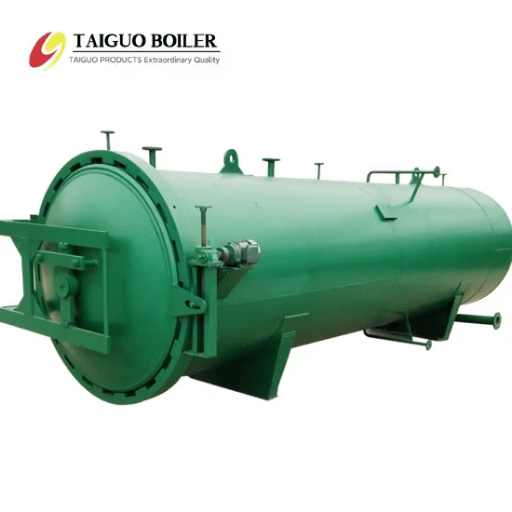
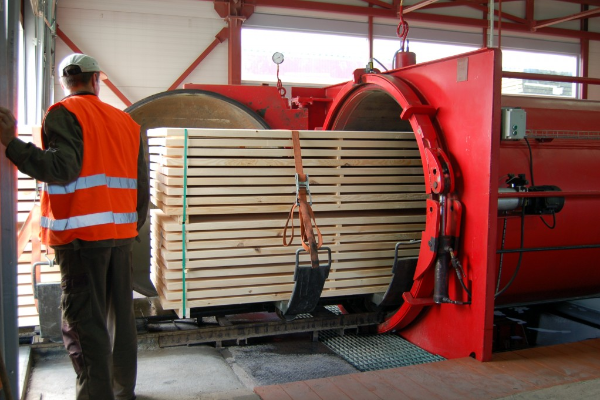
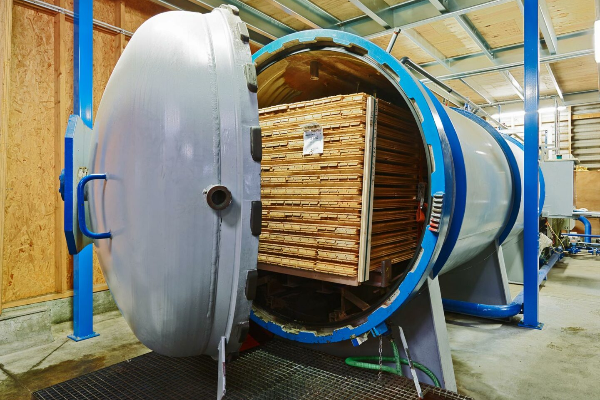
Wood preservative autoclaves are horizontal pressure vessel constructions, erected to impregnate timber with chemical preservatives using vacuum-pressure cycles. As opposed to surface-placed wood coatings which generally surface off after few seasons, autoclave treatment guarantees preservative solution forcibly penetrates wood cell structure, with a penetration thickness of 15 to 50 mm depending on species and processing parameters.
System Configuration
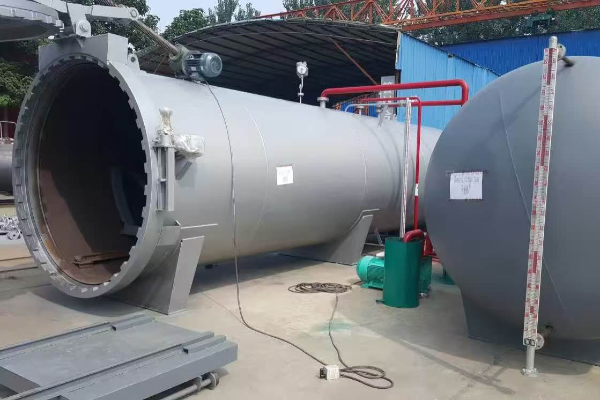
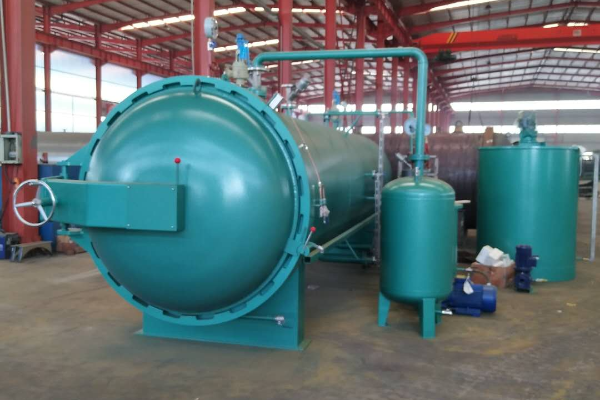
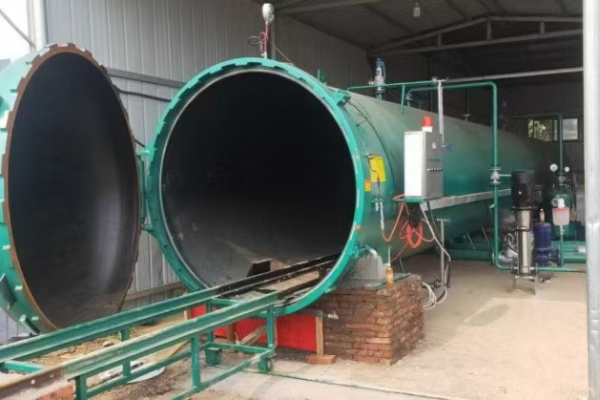
Inside sits a cylindrical steel autoclave rated for internal pressures of 1.0 to 1.4 MPa. It houses a vacuum pump for air extraction; a pressure pump for forcing the preservative through the wood; and a storage tank containing the treatment solution, positioned below the autoclave. An automated PLC control system handles vacuum, fill, pressure and drain.
Timber that has been autoclave-treated is protected against rot, fungi, mold, and bacteria. It also becomes resistant to insect attack, increasing the lifespan of timber from 5-10 years (untreated) to 30-50 years or more. This is why utility poles, railway sleepers, fencing, decking, and construction timber all go through autoclave impregnation.
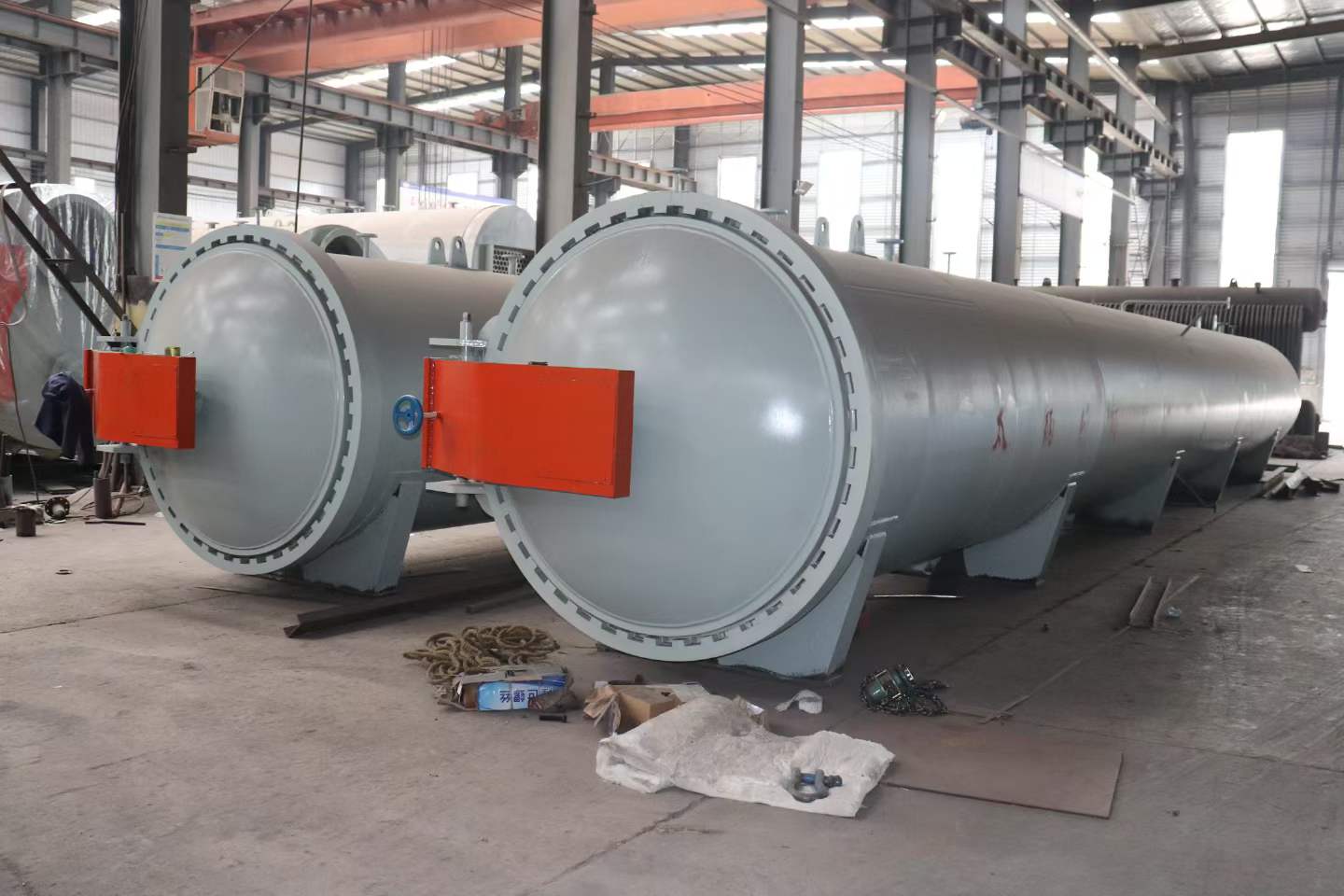
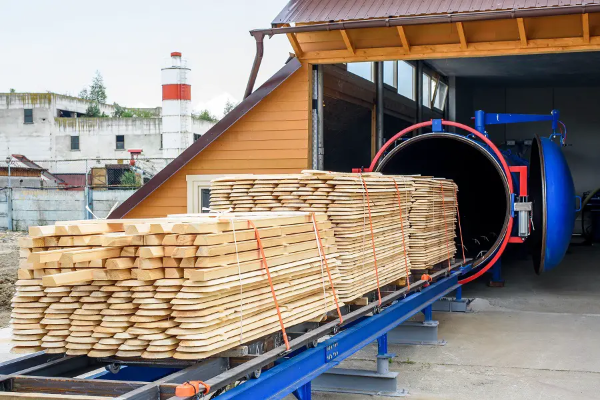
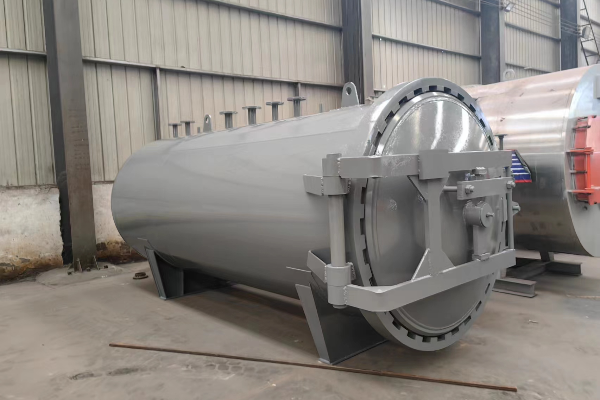
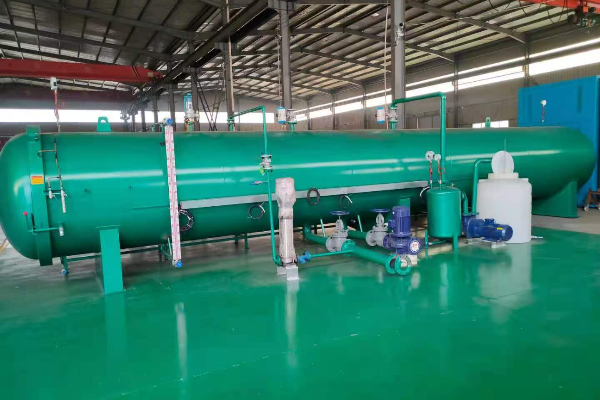
Autoclave for Wood Preservation Factory Gallery
Visit our state-of-the-art industrial autoclaves custom built for wood treatment and preservation. You can view factory setups, vessel engineering, and manufacture quality of these autoclaves.
×
❮
❯
Applications: What Wood Products Can Be Treated?
Autoclave-impregnated wood provides a safeguard against fungus, biological degradation, and insect damage for multiple structural and commercial wood products.
Construction Lumber and Structural Timber
Lumber framing, wide flange beams, and engineered wood products including glulam are treated using ACQ or Copper Azole for both residential and commercial structures. Structural timber, once treated, can survive decay for 30+ years even in a humid climate. Autoclave fire retardant treatment allows wood products to achieve Class B or Class A fire rating according to ASTM E84.
Utility Poles and Railway Sleepers
Power line pole, telephone pole, railroad tie—Creosote or CCA. Utility poles treated with creosote by the Bethell or Rueping process account for 40-60 years in service. Railroad ties require the highest retention levels requiring abrasions and ground contact (water).
Fencing, Decking, and Landscaping
Some to note are; fence posts, garden timber, decking boards, playground equipment and pergola frames. ACQ treated Southern Yellow Pine is the industry standard for residential decking in North America. Treated fence posts that are driven into soil last 5 or more times longer than untreated ones—25 to 30 years as opposed to 4 to 6 years for raw pine.
Marine Pilings and Dock Structures
CCA or dual-treatment (CCA + creosote) for pilings, dock framing, and marine-grade lumber. Saltwater marine applications require the maximum preservative retention levels – AWPA Use Category UC5A and 5 B require a CCA retention of 40 kg/m and a creosote retention of 400 kg/m, respectively. Only the Bethell process (full-cell) reaches these levels.
Agricultural and Vineyard Posts
Vineyard stakes, orchard supports, greenhouse frames, barn structural timber. Agricultural wood end-products are exposed to the elements. In contact with the soil, they must resist moisture, rain, and insect year-round. CCA vineyard posts are widely used in the wine-producing regions of South Europe, South Africa and Australia.
Window Frames and Joinery Timber
Wood window frames, door frames, and exterior joinery are drilled and subsequently impregnated with water-based preservatives to improve durability. As detailed in European building regulations under EN 351-1 wood used within outside joinery traditionally must be vacuum-pressure impregnation into Use Class 3 or 4 exposure conditions.
Why Choose Taiguo Wood Treatment Autoclaves
Taiguo has been producing pressure vessels since 1976. Our factory in Henan, China covers 60,000 m² and includes autoclave production lines and a physical and chemical testing laboratory. Annual output exceeds 1,800 pressure vessels.
Factory-Direct Pricing
Taiguo offers direct sales from our Henan production facility — no distributors or middlemen to inflate costs. As a result, our autoclave equipment costs 30-40% less than comparable pricing in Europe or North America. All quotations are offered with FOB or CIF delivery included.
Turnkey Impregnation Plant Design
Taiguo provides the autoclave vessel and the entire processing plant: vacuum pumps, pressure pumps, storage tanks, pipelines, PLC systems, rail tracks and containment. Our team prepares a detailed plant layout, foundation specifications and utilities needs before you pour the concrete.
Certified to International Standards
Every autoclave is manufactured to ISO 9001:2015 quality management standards. Vessels are CE marked in compliance with PED 2014/68/EU for installation within the EU and registered with the ASME Boiler and Pressure Vessel Code. All welded seams undergo radiographic and ultrasonic non-destructive testing examination.
Global Installation Experience
Taiguo autoclaves are installed across 100+ countries covering Southeast Asia, Africa, the Middle East, South America, and Eastern Europe. Our installation teams have commissioned wood treatment plants operating in tropical, desert, and temperate environments. We understand the needs of each region: high humidity corrosion protection, seismic foundation design.
Premium Components
Autoclave for Wood Preservation Accessories
❯

Electric Control Cabinet

Feed Water Pump

Pressure Controller
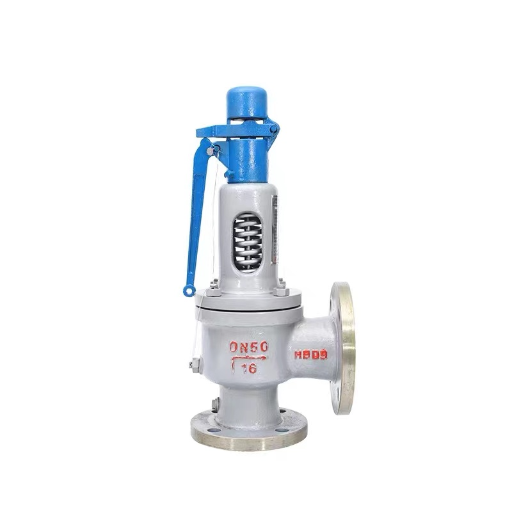
Safety Valve
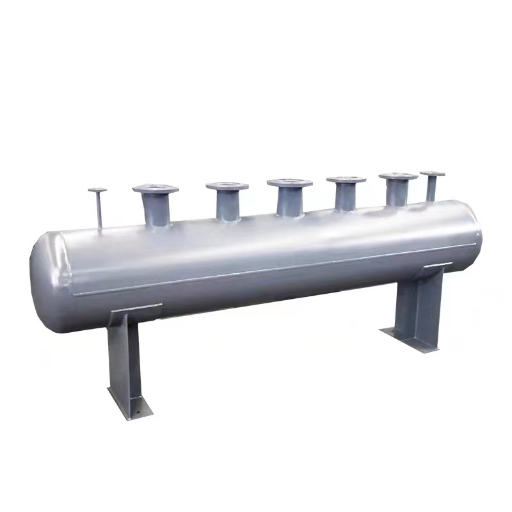
Steam Header
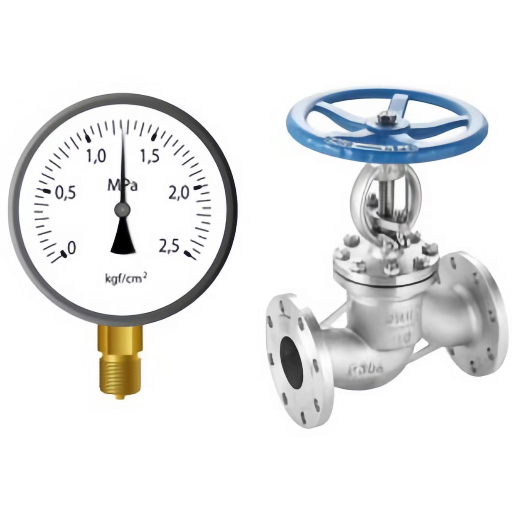
Valves & Gauges

Water Softener
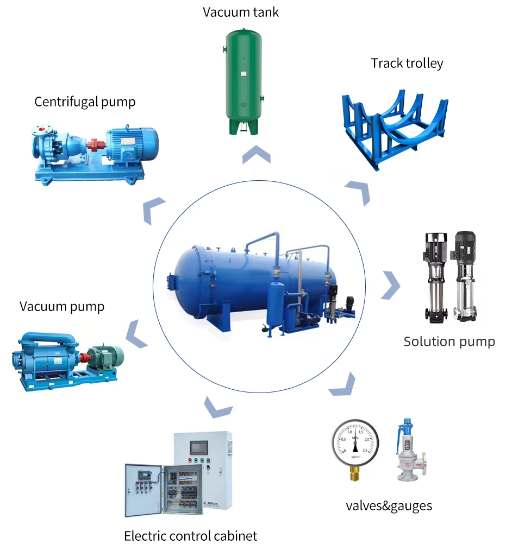
VPI System Diagram
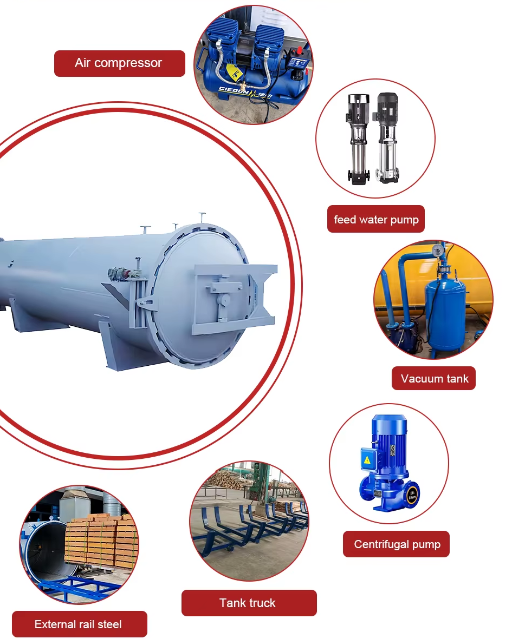
Auxiliary Equipment Overview

Industrial Autoclave Tank
×
❮
Case Studies: Wood Treatment Projects Worldwide
Utility Poles — Southeast Asia
CCA Treatment Plant for Electrical Utility Poles in Vietnam
A state utility had to treat eucalyptus poles for the use of rural electrification lines throughout the Mekong Delta. In that region’s humid tropical climate, termite damage and rot were destroying untreated poles within 3-4 years. Taiguo supplied two DN1800 autoclaves with a common 35 m³ CCA storage tank, interior shell lined with stainless steel to resist CCA corrosion, as well as a wastewater containment system to comply with local Vietnamese environmental standards. Bethell full-cell processing was configured to attain 12 kg/m³ CCA retention per AWPA_U1 Use Category_UC4A. At maximum run capacity, the facility runs 3 charges per autoclave per day – 12 m³ of eucalyptus each.
“We replaced poles every 3 years before this plant. Now our procurement department only buys once for a 40-year service life. The math on ROI was obvious.” — Procurement Director, regional utility company
72 m³/day
Treatment capacity
40+ years
Expected pole lifespan
12 kg/m³
CCA retention achieved
Railway Sleepers — East Africa
Creosote Impregnation Line for Railway Expansion in Kenya
A railway infrastructure contractor secured a 200 km track-laying project, and was looking to treat hardwood sleepers on-site rather than importing pre-treated timber at 3x the cost. They selected the DN2000 18000 mm – the largest vessel in the Taiguo standard line – because of its 32 m³ wood capacity per charge. Creosote treatment used the Rueping empty-cell process at 90C solution temperature in order to keep optimal viscosity. Included equipment features a 55 m³ heated creosote storage tank with thermal insulation and a closed-loop vapor recovery system. Taiguo sent a 4 man crew for 6 weeks of on-site completion and completed operator training for 8 local workers.
“Having our own treatment plant on-site cut our per-sleeper cost by nearly two-thirds. The Taiguo team stayed until every operator could run a full cycle independently.” — Project Manager, rail contractor
32 m³/charge
Sleeper volume
6 weeks
Install & commission
65%
Cost saving vs import
Residential Lumber — South America
ACQ Treatment Yard for Decking and Fencing in Brazil
A lumber distributor targeting the Brazilian homebuilding market, installed two DN1500 8000 mm autoclaves to treat Pinus elliottii for its domestic fence and decking industry. Complying with the latest IBAMA residential-use restrictions, they replaced their previous CCA treatment line with ACQ. Taiguo engineered the plants using corrosion resistant lined storage tanks – ACQ’s alkaline copper chemistry proves to be far more reactive on mild steel than its predecessor. Its PLC program runs a modified Bethell cycle with 45-minute initial vacuum and a 90-minute pressure hold at 1.05 MPa, achieving 6.4 kg/m³ copper retention in accordance with AWPA UC3B. Both autoclaves run 12 hours each day, 6 days each week, producing about 100 m of lumber per week between the two units.
“When we switched from CCA to ACQ, I was worried about preservative performance. The Taiguo autoclaves hit our retention targets from the first batch — we adjusted the vacuum time once and have not changed settings since.” — Plant Operations Manager, lumber distributor
100 m³/week
Production volume
6.4 kg/m³
Copper retention
25+ years
Treated wood lifespan
Wood Preservation Autoclave Price Guide
Autoclave pricing depends on four factors: cylinder diameter and length, pressure rating, automation level (manual vs. PLC), and whether you purchase the vessel alone or as part of a turnkey plant complete with ancillary equipment.
Small-Batch
$15,000–$22,000
- Dimensions: DN1200 × 4000–8000 mm
- Capacity: 3–5.2 m³ wood
- Door Type: Manual / Semi-auto
- Control: Basic PLC
- Application: R&D / Small Yards
Commercial
$28,000–$48,000
- Dimensions: DN1500–DN1800 × 8000 mm
- Capacity: 8.5–12 m³ wood
- Door Type: Hydraulic Mechanism
- Control: Full PLC + HMI
- Application: Sawmills / Yards
Industrial
$55,000–$85,000
- Dimensions: DN2000 × 18000 mm
- Capacity: 32 m³ wood
- Door Type: Full Hydraulic
- Control: Multi-cycle PLC
- Application: Large Plants / Utilities
What Affects the Final Price?
Several additional factors influence the final price:
Interior lining: CCA processing needs stainless steel or rubber lining to block corrosion – adds 15-25% to vessel cost
Automation level: conventional manual valve operation vs. PLC with remote monitoring
Preservative handling: heated storage tanks for creosote, corrosion-resistant tanks for ACQ
Turnkey vs. vessel-only: A complete impregnation plant (pumps, tanks, piping, PLCs, rails, etc.) adds 2-3 times the vessel cost
Certification requirements: CE/PED certification for European export adds to documentation and inspection costs
Autoclave for Wood Preservation Tools
Frequently Asked Questions (FAQs)
What Is a Wood Preservation Autoclave and How Does It Work?
A wood preservation autoclave is a sealed horizontal pressure vessel used to force chemical preservatives deep into the wood cell structure through vacuum-pressure impregnation. Processing starts with an initial vacuum phase lasting 30 to 90 minutes, which removes air from the wood fibers. Preservative solution then floods the tank from a storage tank below. Pressure builds to 1.0–1.4 MPa and holds for 30 to 180 minutes, forcing the preservative deep into the wood. A final vacuum draws excess solution back into storage. A full cycle typically runs 3 to 6 hours depending on timber species and target preservative retention.
What Are the Main Types of Autoclave Wood Treatment Processes?
Three standard processes exist. Bethell (full-cell) uses an initial vacuum to empty the wood cells before flooding with preservative under pressure — this gives maximum retention and is used for ground-contact and marine applications. Lowry (empty-cell, no initial vacuum) applies pressure directly, resulting in lower net retention. Rueping (empty-cell with pre-pressurization) applies initial air pressure before flooding, expelling more excess preservative while maintaining deep penetration. Most water-based treatments (CCA, ACQ) use Bethell. Oil-based treatments (creosote) use Rueping or Lowry.
What Wood Species Can Be Treated in an Autoclave?
Softwoods like Southern Yellow Pine, Scots Pine, and Radiata Pine accept treatment most readily because of their open cell structure — Southern Yellow Pine is the single most-treated species in North America for that reason. Hardwoods like eucalyptus and beech are treatable but need longer vacuum cycles due to higher density; typical vacuum time for eucalyptus is 60–90 minutes versus 30 minutes for pine. Refractory species — spruce, Douglas fir, white oak — resist penetration and may need incising (mechanical perforation of the surface) before autoclave treatment to allow preservative entry. Timber moisture content should be below 28% before entering the autoclave, otherwise water trapped inside the wood cells blocks preservative absorption and reduces retention levels.
How Long Does the Autoclave Treatment Cycle Take?
A single impregnation cycle runs 3 to 6 hours — initial vacuum takes 30 to 90 minutes, pressure phase runs 30 to 180 minutes, and final vacuum and drain adds 20–40 minutes. A well-run plant processes 2 to 3 charges per autoclave per day.
What Preservatives Are Used in Autoclave Wood Treatment?
Water-based options: CCA (Chromated Copper Arsenate) for industrial use, ACQ (Alkaline Copper Quaternary) for residential, and Copper Azole for general construction. Oil-based: creosote for railway ties, utility poles, and marine pilings. Fire retardant chemicals like monoammonium phosphate are applied for fire classification compliance. Each type needs specific cycle parameters — CCA typically runs 1.0–1.2 MPa for 60–120 minutes, while creosote runs at 85–100°C with longer pressure holds.
Is Autoclave-Treated Wood Safe for the Environment?
Modern water-based preservatives (ACQ, Copper Azole) meet EPA and EU Biocidal Products Regulation standards. CCA has been restricted for residential use in the US since 2004 but is approved for industrial and marine applications per AWPA standards. Treated wood extends timber lifespan from 5–10 years to 30–50 years, reducing replacement timber harvesting. Taiguo autoclaves include containment systems for solution management, and the closed-loop vacuum-pressure process minimizes chemical waste.
How Much Does a Wood Preservation Autoclave Cost?
A compact DN1200 unit starts at $15,000–$22,000 and suits R&D labs or small-batch treatment yards. Mid-range DN1500–DN1800 models with PLC control run $28,000–$48,000 — these are the most popular choice for commercial fence-post and utility-pole operations. Large DN2000 × 18000 mm units for high-volume plants range $55,000–$85,000. Keep in mind these are vessel prices only — a complete impregnation plant with storage tanks, vacuum pumps, pressure pumps, piping, and controls costs 2–3× the vessel price. Interior stainless steel lining for CCA processing adds 15–25% to the base cost. Taiguo offers factory-direct pricing without distributor markups, and every quotation includes line-item breakdowns so you can compare options easily.
What After-Sales Support Does Taiguo Provide?
Every order includes 24-hour technical response, remote PLC diagnostics, and on-site commissioning with operator training. Warranty covers the pressure vessel body for 2 years and electrical components for 1 year. Spare parts ship within 48 hours from Henan.