Get in Touch with Taiguo

YGL BIOMASS THERMAL OIL HEATER
YGL Biomass Thermal Oil Heater — Factory Direct Price from China Hot Oil Boiler Manufacturer
Get wholesale pricing for the YGL vertical biomass thermal oil heater directly from the factory in China. It is available in capacities of 300,000-2,400,000 kcal/h. These heating applications are used in the textile and rubber industries. It comes equipped for three-pass round coil structure, chain grate combustion, and flue gas heat recovery at peak thermal efficiency. CE certified, our product includes 24-hour customer support, and fast delivery in 135+ countries.
300K-2.4M kcal/h Capacity
CE & ISO Certified
45+ Years Experience
0
Countries Exported
0
Units Installed
0
Customer Satisfaction
24/7
Technical Support

What Is a YGL Biomass Thermal Oil Heater?
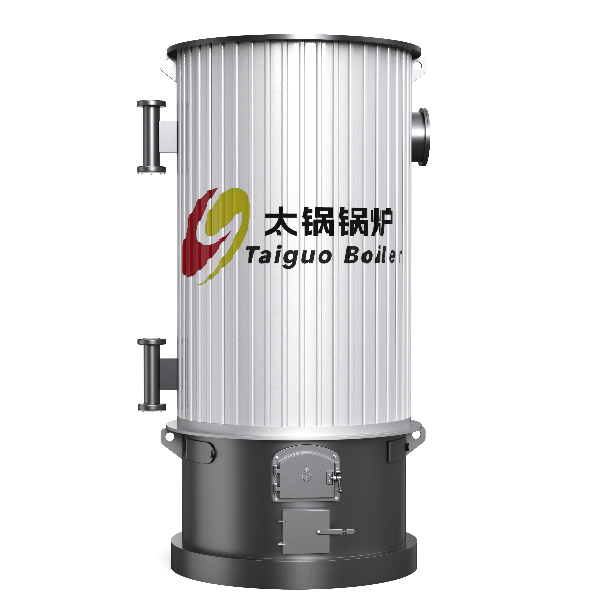
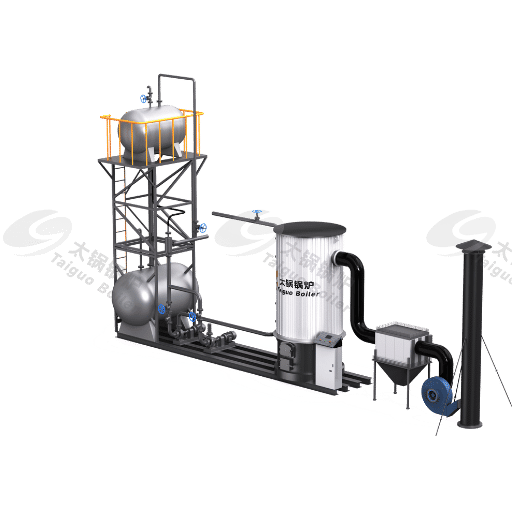
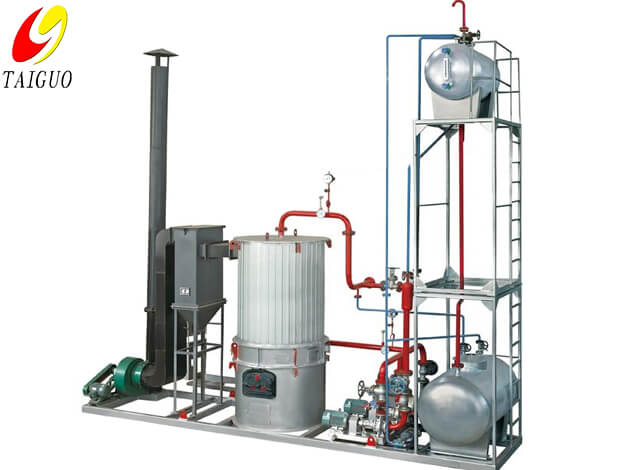
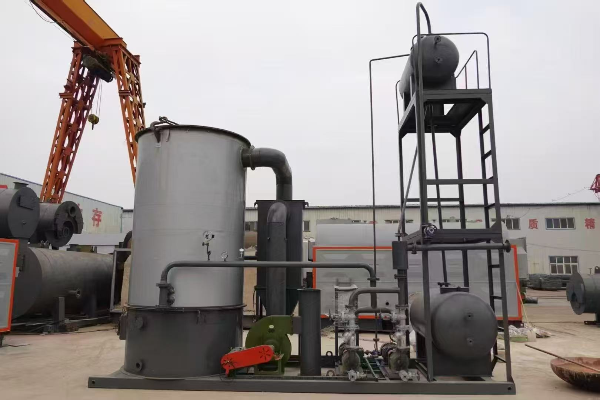
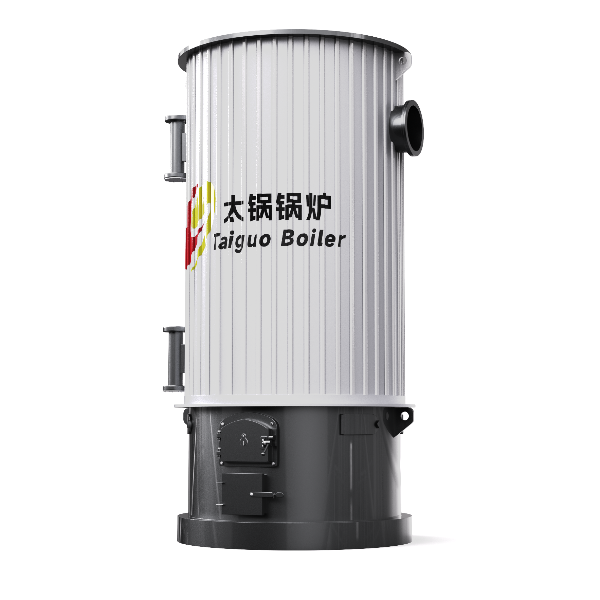
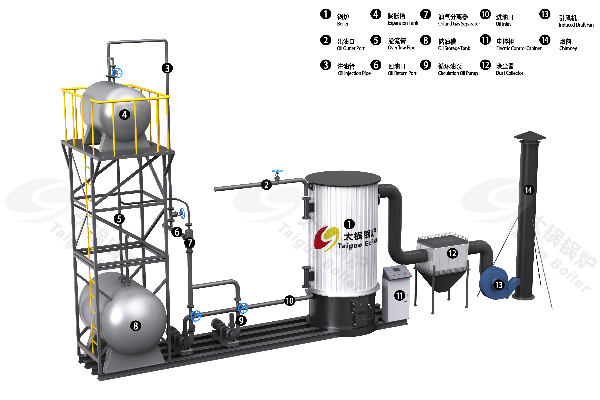
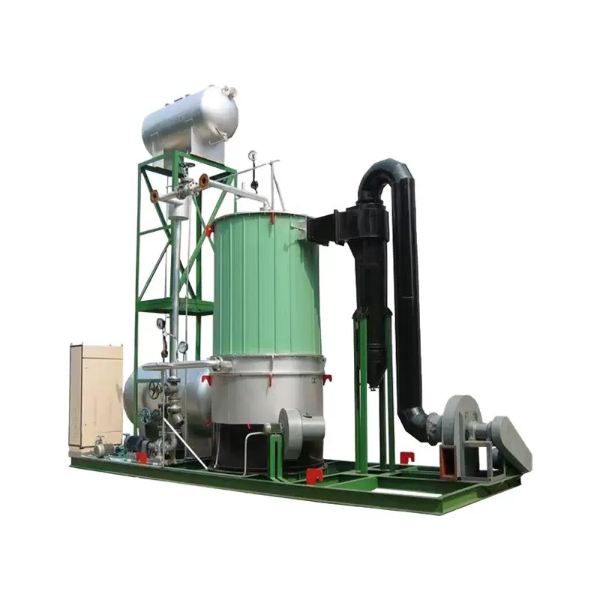
The YGL series of vertical-type thermal oil heaters is an efficient and secure boiler that runs at lower pressures (0.8 MPa) with temperatures of up to 350℃. Heat transfer oil flows underneath the heat carrying phase. The thermal oil is pumped through its imposed circulating path below in liquid state for the heated equipment and then returns to the furnace side for reheating.
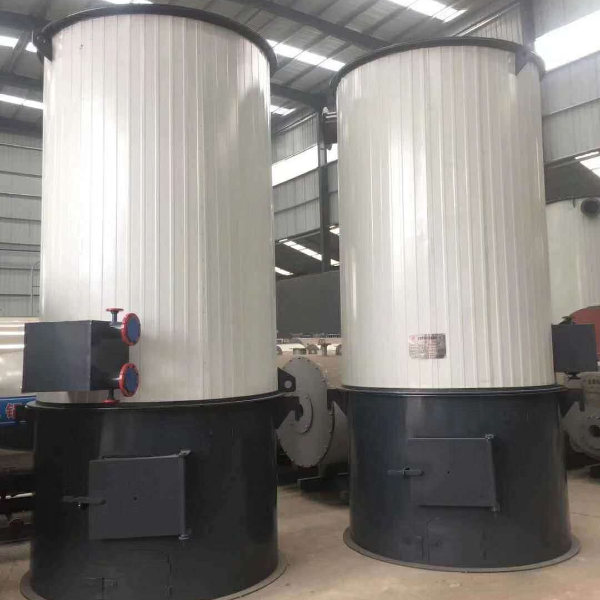
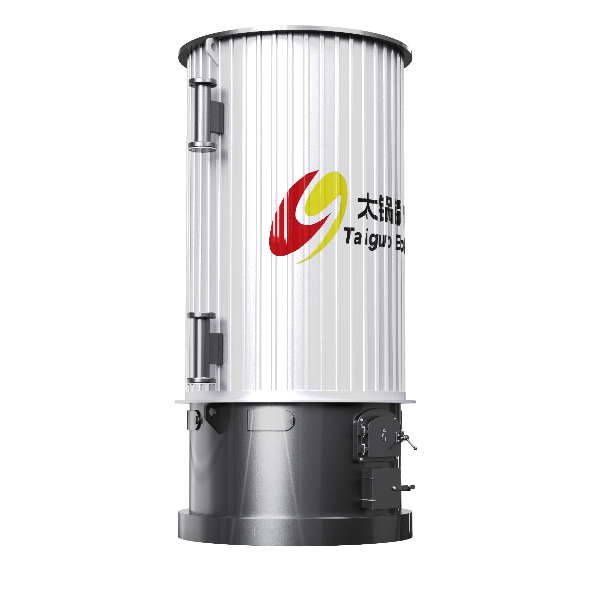
It is a vertical design with static grille combustion and this system allows either traditional or mechanical movement of the fuel. Good for solid fuels such as coal and biomass such as wood, bagasse, straw, peanut shells, and rice husk.
Features:
A wider range of fuels is used including bituminous coal, lean coal, and anthracite.
Thermal efficiency 5-15% better than average. A 10 tph unit can save about USD 70,000 yearly.
Custom configurations for feeding, slag removal, and flue gas systems save time and money.
Automation makes fuel addition and ash removal easy, requiring little labor.
The system has a high level of safety with advanced interlock control.
YGL Biomass Fired Thermal Oil Boiler – Working Principle
Understanding the Vertical Thermal Oil Heating System1
Biomass Combustion
Biomass fuel incinerates on chain grate or fixed grate in combustion chamber.2
Heat Absorption
Heat is absorbed by three-pass round coil structure from flue gas.3
Oil Circulation
A circulating pump moves the heated heat conduction oil in the system.4
Heat Transfer
The process equipment is delivered heat by the hot oil with a high temperature.5
Return & Reheat
For continued heat transfer, cooled oil returns to the boiler.Features of the Combustion System
The combustion system of the YGL series thermal oil boiler can be used with biomass, biomass coal, or gas. Other features include:
- Optimized grate or chain grate for complete combustion
- Air staging for lower emissions and greater efficiency
- Automatic ash removal
- Adjustable fuel feeding to match load demand
Advantages of Heat Transfer
Compared to using steam, transferring heat using oil has several advantages. Heat conduction oil dissipates energy at low pressure, while high temperatures are achieved:
- Up to 350°C at low working pressure
- No risk of explosion like high-pressure steam boilers
- Even temperature distribution
- Significant energy saving potential
YGL Vertical Thermal Oil Boiler Specifications
| Model | YGL-120MA | YGL-350MA | YGL-700MA | YGL-1000MA | YGL-1200MA | YGL-1400MA |
|---|---|---|---|---|---|---|
| Rated power kw | 120 | 350 | 700 | 1000 | 1200 | 1400 |
| Efficiency % | 75 | 75 | 75 | 75 | 75 | 75 |
| Rated pressure Mpa | 1.1 | 1.1 | 1.1 | 1.1 | 1.1 | 1.1 |
| Working pressure Mpa | 0.8 | 0.8 | 0.8 | 0.8 | 0.8 | 0.8 |
| Working temp ℃ | <350 | <350 | <350 | <350 | <350 | <350 |
| Dimension mm | 1220*1140*2550 | 1873*1683*3358 | 2276*2100*3840 | 2900*2500*4785 | 2900*2500*5133 | 3000*2900*5430 |
| Weight t | 2.2 | 3.4 | 4.8 | 7.4 | 8 | 10.2 |
YGL Vertical Thermal Oil Boiler Accessories
Essential
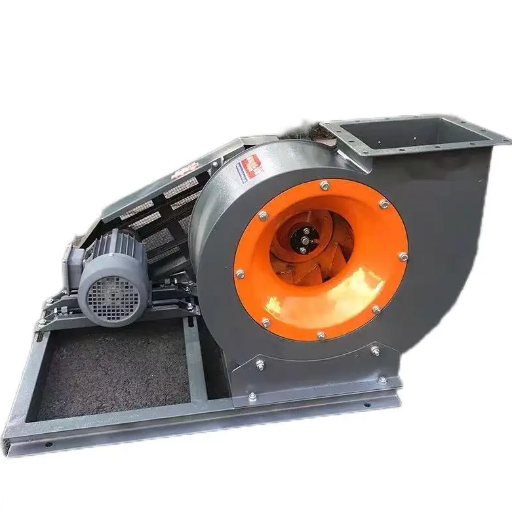
Blower Fan
Core
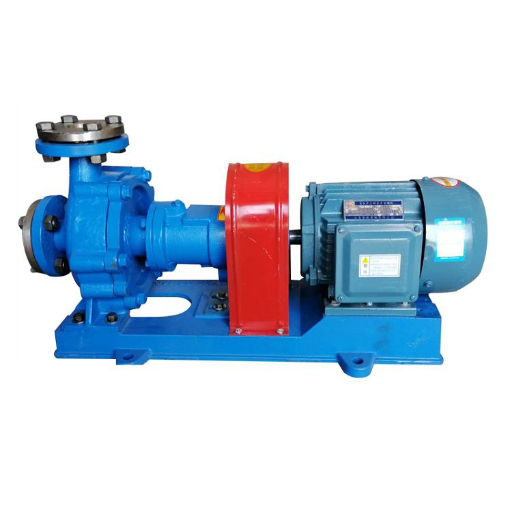
Circulation Pump
Energy
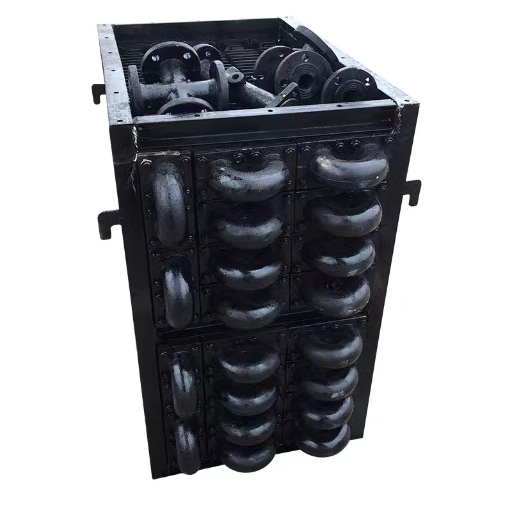
Economizer
Control
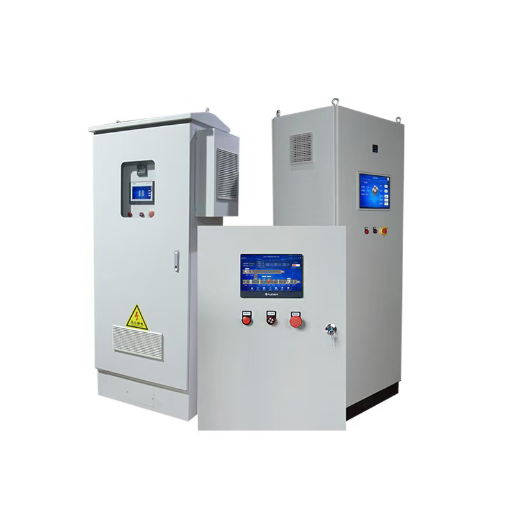
Electric Control Cabinet
Storage
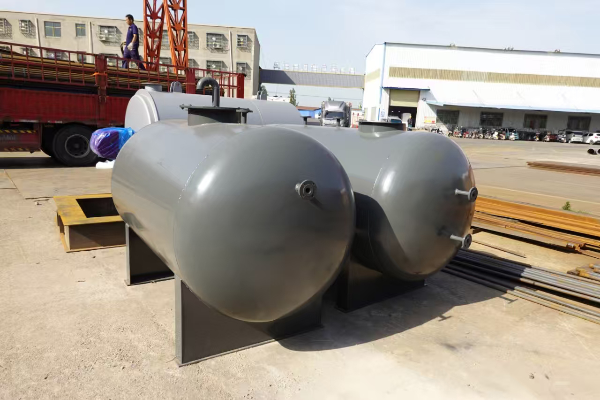
Oil Storage Tank
Safety
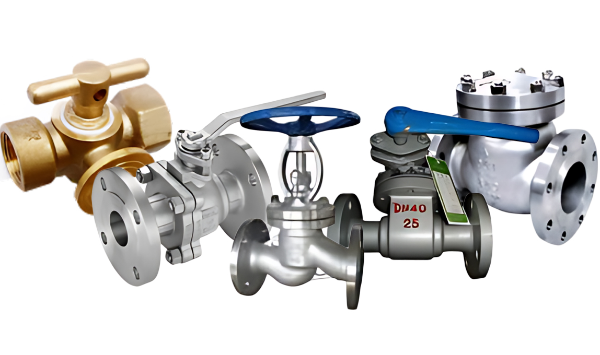
Valves & Gauges
Multi-Industry Solutions
Industry Applications — Biomass Thermal Oil Heater for Manufacturing
YGL Biomass Fired Thermal Oil Boilers facilitate high temperature heat transfer across many industries.
01
Textile Industry Heating
The viscose process requires precise temperature control to ensure consistent fabric quality while stabilizing hot oil supplies.
02
Processing of Rubber Industry
Vulcanization, molding, and extrusion of rubber requires substantial curing. Achieves target curing and, thus, superior quality.
03
Plywood Hot Pressing
For hot pressing of plywood and uniform laminate, as well as for drying of veneer, high temperature is essential.
04
Heating of Asphalt
The temperature of heated asphalt and its storage, as well as for viscous control in road construction, is quite consistent.
05
Chemical Industry
For distillation and polymerization of various chemistry processes, high temperature and precise heat are required.
06
Processing of Foods
Food-grade thermal oil systems comply with hygiene standards to facilitate industrial cooking, frying, drying, and sterilizing.
07
Pharmaceutical Industry
For temperature sensitive processes, precise control is essential in synthesis of APIs and in pharmaceutical production.
08
Heating Sequencing & Printing
In production lines of packaging and printing, heat is required for the processes of lamination, coating and drying.
Common Challenges & Our Solutions — Why Partner with China Manufacturer
The Challenge
High Fuel Prices Fuelling Further Losses
Fuel price inflation and faulty combustion systems create high operational costs for manufacturing businesses.
✓ YGL Solution
Superior Thermal Efficiency
Our three-pass round coil structure attains 85-92% thermal efficiency. Biomass fuel alternatives are 30-50% cheaper than oil or gas. Energy efficient design is optimized to reduce heat loss.
The Challenge
High Pressure System Safety
Steam boilers are time-consuming and require constant inspections. They are also high risk with explosion concerns and are a source of stress for operators.
✓ YGL Solution
Low Pressure Safe Operation
Our thermal oil heater has high temperatures (up to 350°C) at low working pressures. No explosion risks are involved and regulatory compliance is simplified.
The Challenge
Reliability, Quality and After Sales Support
Buyers experience production downtime due to delays, poor quality, and no response from suppliers overseas.
✓ YGL Solution
45+ Years with Trusted Manufacturers
We have been a China manufacturer since 1976, YGL has 24/7 technical support and real spare parts with onsite commissioning. More than 10,000 installs and 135+ countries.
The Challenge
Temperature Variance Impacts Quality
Defects and batch rejections happen with inconsistent temperatures during dyeing, rubber vulcanization, or chemical processes.
✓ YGL Solution
Exact Temperature Consistency
With YGL heat conduction oil system, control is achieved within a ± 1°C. Uniform heat distribution is due to the coiled structure and optimized circulating pump.
The Challenge
Complicated Import & Certification Issues
B2B customers have concerns regarding the customs process, required documentation, and whether the equipment complies with local certifications.
✓ YGL Solution
Ready to Export Documentation
Products certified as CE, ISO9001, ASME. We manage all the export documentation, provide translated user manuals, and offer support for customs clearance. We have shipped to over 135 countries and have proven systems for logistics.
The Challenge
Installation Space Limitations
Vertical floor space can be limited in many factories, making the conventional installation of horizontal boilers unfeasible.
✓ YGL Solution
Space Efficient Vertical Design
Compared to the horizontal systems, YGL vertical type design provides 40% space savings while fully retaining the heating capacity.
What Our Customers Say — Reviews from Global Buyers
What buyers have to say regarding our hot oil boiler solution in the textile and rubber industries
“The YGL biomass thermal oil heater has worked wonders for our dyeing process. We have about 40% less fuel cost in comparison to our old gas system and temperature stability is excellent.”
“Great thermal efficiency and safe, reliable operation. The vertical structure of the heater gave us added spare floor space in the facility. Taiguo’s tech support is quick and responsive.”
“We changed our boiler from a coal fired to a biomass fired and we were very happy about the change. It is a lot less emissions, easier to comply and the 3-pass round coil design performs consistently.”
After-Sales Service — Comprehensive Support from China Manufacturer
Our Service starts from the sale and continues for the entire partnership
24/7 Technical Support
Multilingual engineers are available 24 hours a day to assist with operational concerns.
Availability of Spare Parts
Fast worldwide delivery of genuine OEM components. Critical spares are prepositioned globally.
Commissioning Services
Our engineers visit your site to oversee the installation and train your personnel.
Training
Your personnel will receive training on operational, maintenance, and safety procedures.
Optimization
Regular visits for tuning adjustments and peak thermal efficiency combustion to optimize.
Services
For existing systems, we provide retrofitting, capacity modifications, and automation upgrades.
Frequently Asked Questions (FAQs)
A: A YGL biomass thermic fluid heater employs a heat transfer medium (thermal oil) that is heated in the boiler and subsequently circulated to the heat user; the thermal oil engulfs energy in the boiler combustion chamber and is pumped through pipes to fom the heat user equipment to provide heat, rubber processing equipment to provide heat, or to textile printing and dyeing lines, then the cooled oil returns to the heating furnace to be reheated, offering uninterrupted heat transfer.
A: Yes, the heater can be widely utilized in chemical industry and oil chemistry applications as it provides stable, controllable temperatures and provides good heat transfer and large heat transfer area, thus suitable for processes that requires precise temperature control in addition to continuous heat.
A: Certainly, the thermal oil system can be circulated to the rubber processing line to provide heat for vulcanization and other stages. The thermal oil system will provide consistent, forced, heat transfer fluid to the molds and presses, which will enhance the quality of the product and reduce variability in the overall process.
A: The YGL thermic fluid heaters are built for flexibility and can be designed for systems with industrial biomass, coal and biomass fuels, or systems integrated with coal-fired hot systems, depending on the design. In addition, many boiler manufacturers provide a variety of combustion equipment that is compatible with different industrial fuels.
A: A fired thermal oil boiler will have an improved design and optimizations for the heat transfer surfaces and for the combustion chamber to enhance the absorption of heat into the oil. Also, for vertical or special designs, the series may increase the residence time and flow turbulence that enhance heat transfer. These design features result in lower fuel consumption and consistent outlet temperatures.
A: YGL models contain automated PLC controls that optimize temperature, flow, and safety interlocks. YGL manufacturers customize models with process integration requirements, and offer add-on options like integration of hot water boilers and combustion control, oil furnace controls, and various combustion equipment to fulfill diverse industrial heating requirements.
A: YGL heaters are utilized in chemical and oil chemistry industries and in any other processing industries. YGL heaters are used in all industry sectors including plastic manufacturing, rubber and dyeing, printing, and textile dyeing, and in all sectors that require heat, replacing or complementing fired hot water boiler systems that operate with high-temperature thermal oil.
A: Boilers are designed for high pressure and high temperature applications. Thermic fluid heaters, in contrast, are designed for high temperature, but low pressure applications. Thermic fluid heaters are also more thermally stable and more efficient than hot water boilers. hot water boilers are designed for low to medium temperature applications, and thermic fluid heaters are designed for high temperature applications. For industrial applications, thermic fluid systems are more versatile.