
Get in Touch with Taiguo

Biomass Fired Boiler
Industrial Biomass Fired Boiler Manufacturer in China
Biomass boiler manufacturing company with more than 50 years of experience. We design and fabricate high-efficiency industrial biomass steam boilers, hot water boilers, and thermic oil heaters, and sell directly from the factory with ASME, CE, and ISO certifications.
ASME Certified
Top Supplier
Top Supplier
CE / ISO
Global Standard
Global Standard
Factory Direct
Competitive Price
Competitive Price
Export to 80+
Countries
Countries
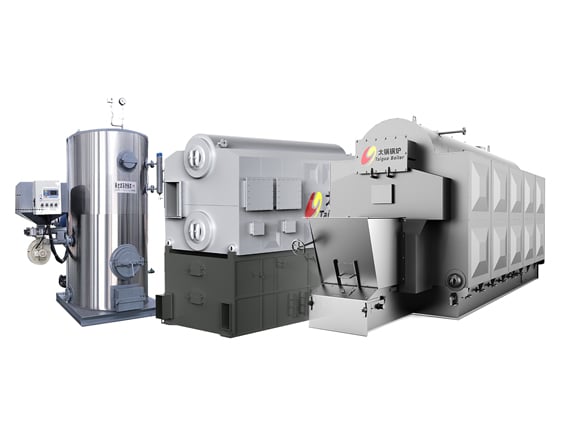
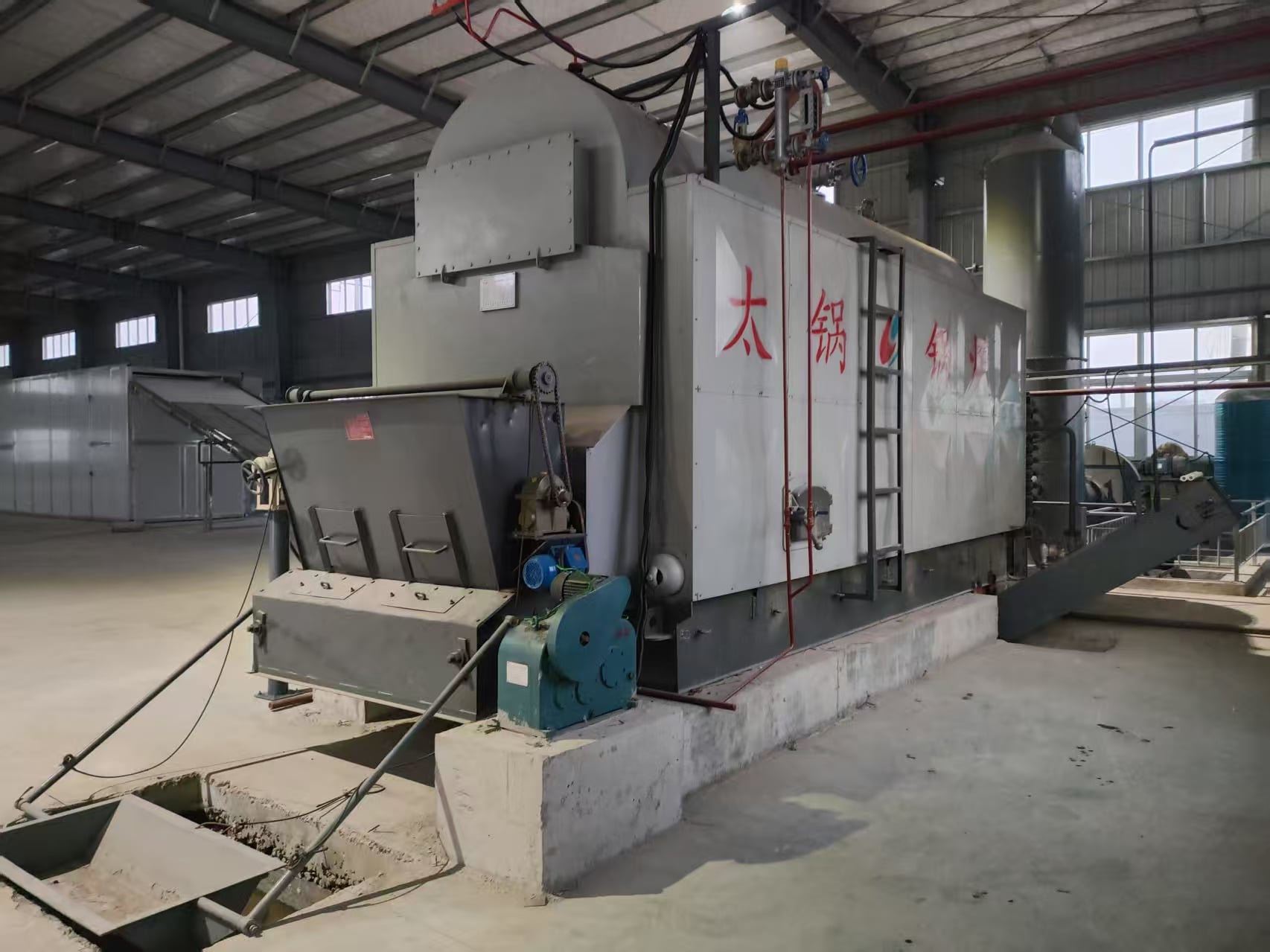
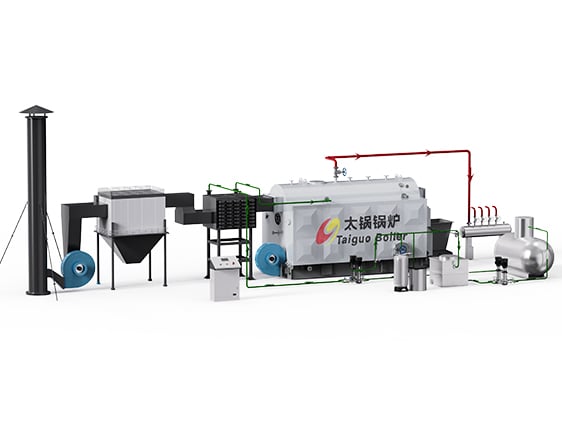
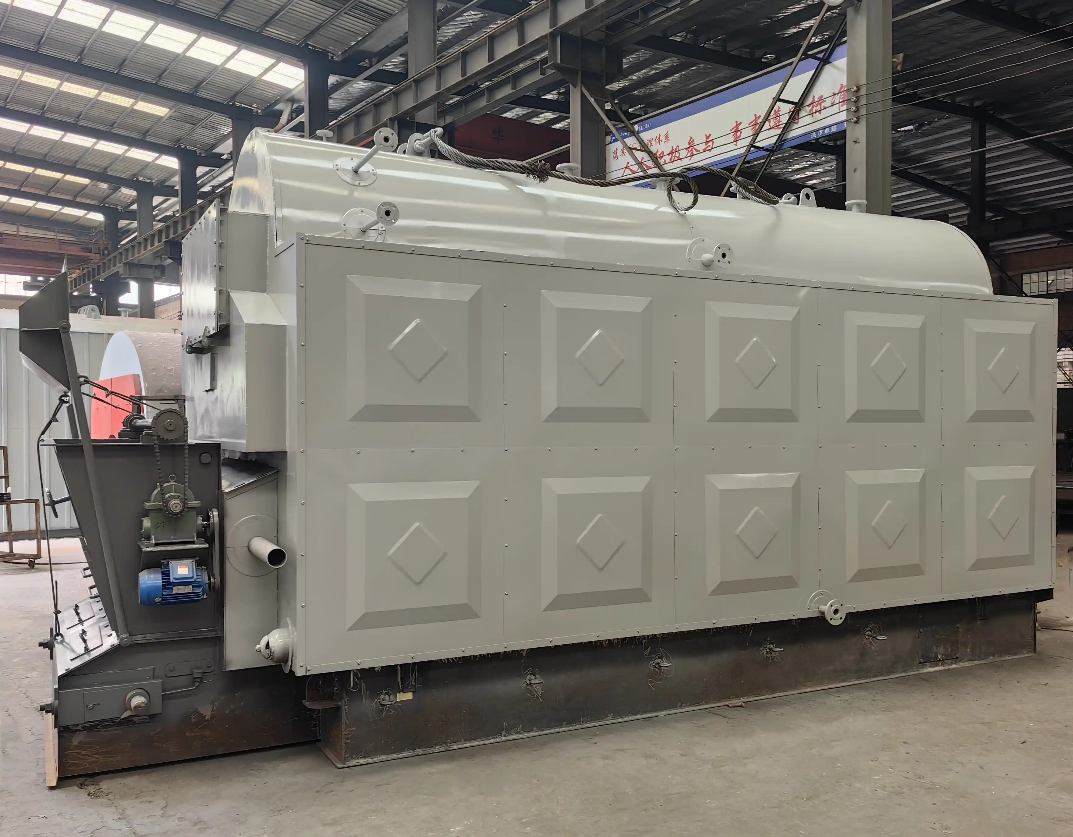
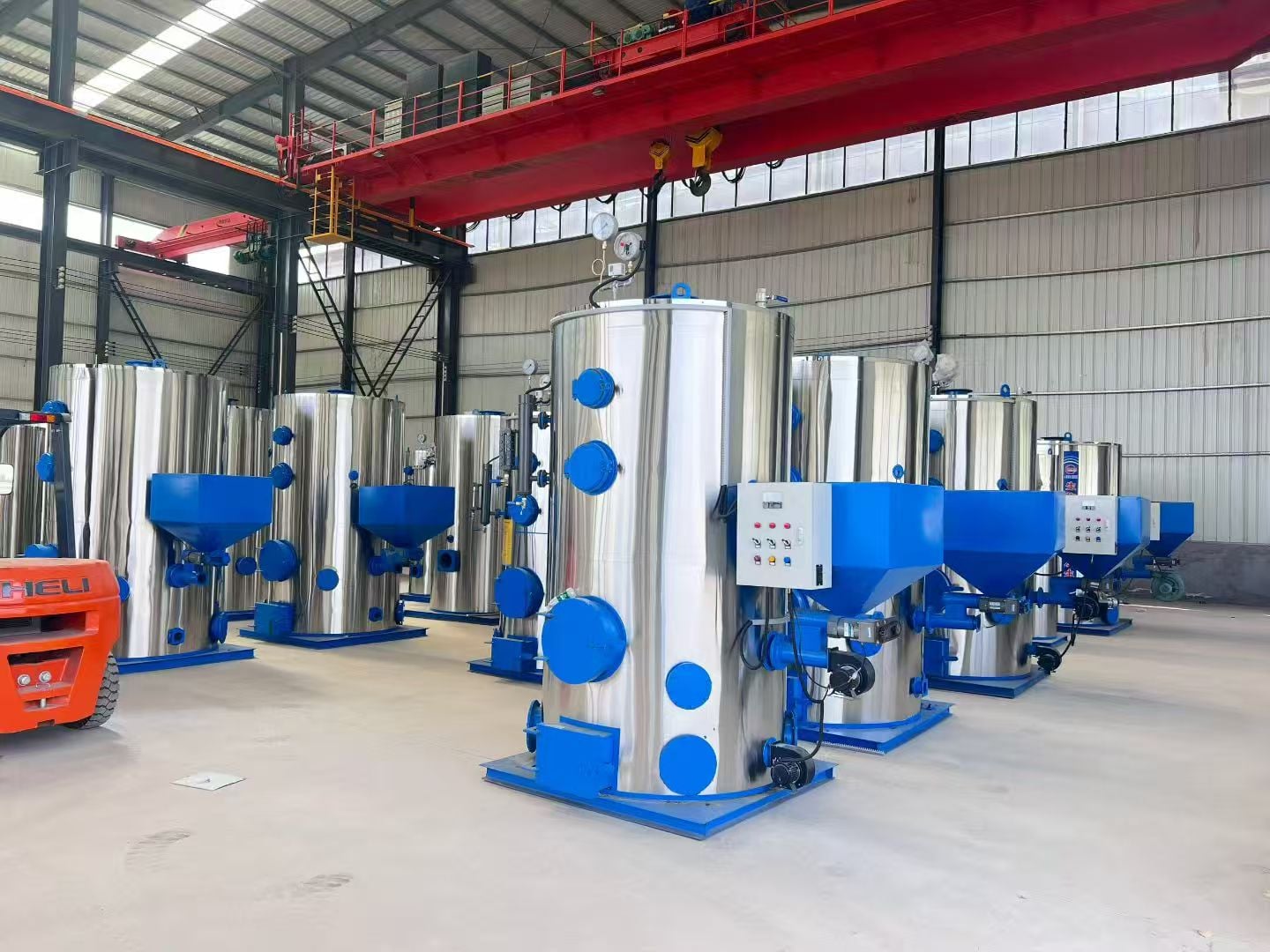
Biomass Boiler Types from China Manufacturer
Leading supplier of industrial biomass-fired boilers for steam, hot water, and thermal oil applications. All products are available through OEM and wholesale with certified quality.
01
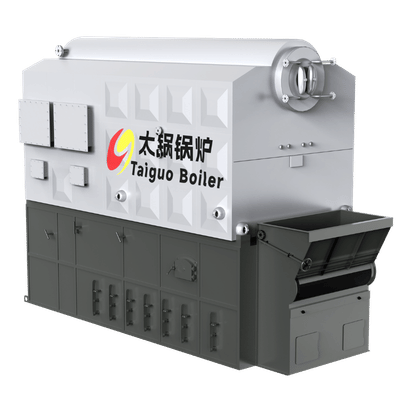
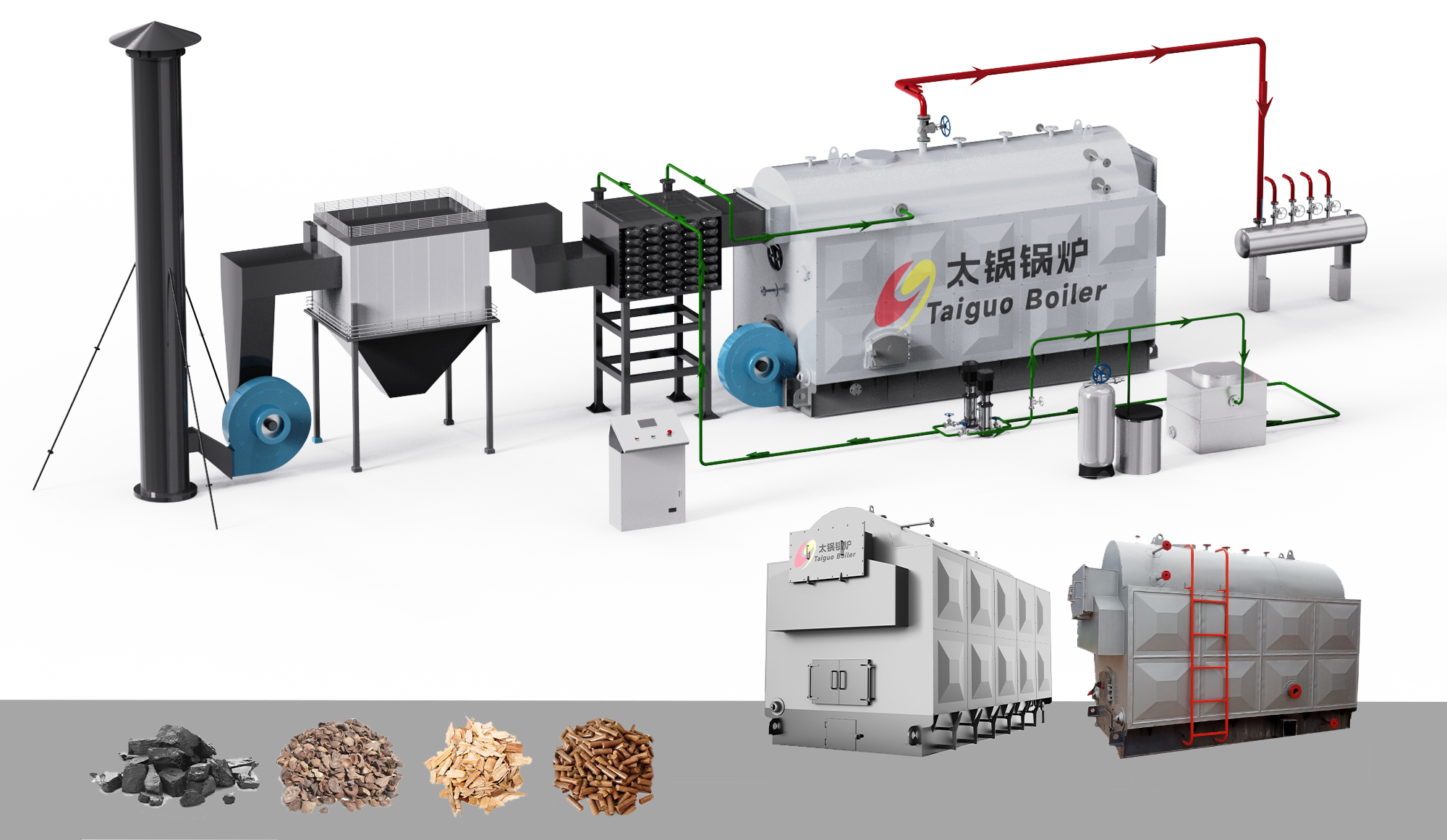
DZH Biomass Fired Hot Water/Steam Boiler
Designed as a robust, manual operation solution specifically tailored for various industrial needs requiring reliable output.
Structure
Single-drum boiler with moving grate & manual fuel feeding.
Capacity
Steam: 0.5 – 8 t/h
Hot Water: 0.7 – 5.6 MW
Hot Water: 0.7 – 5.6 MW
02
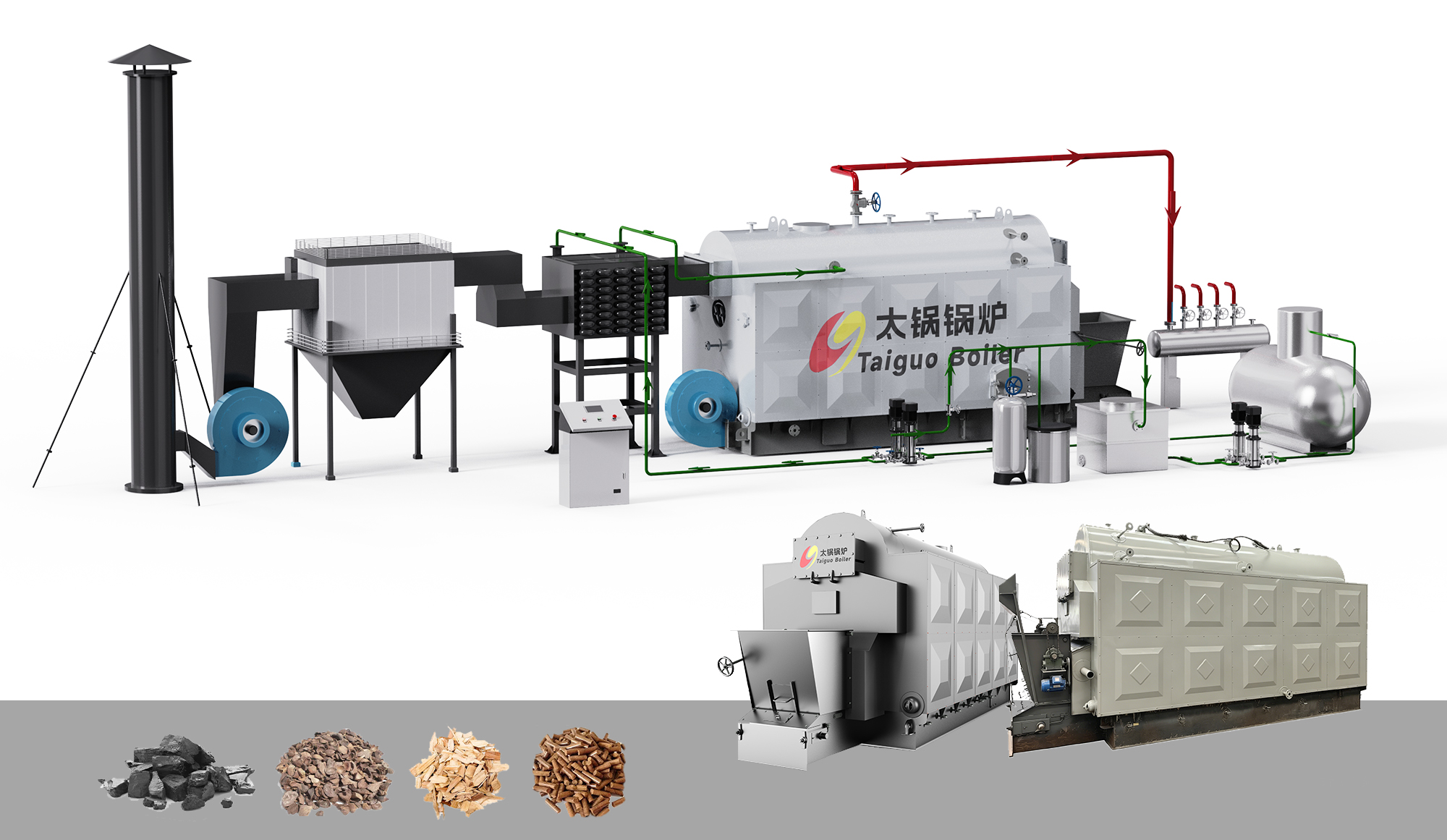
DZL Series Biomass Fired Hot Water/Steam Boiler
A packaged (fast-assembly) boiler engineered for high thermal efficiency and ease of use in small to medium industries.
Structure
Single-drum chain grate with combined water-tube & threaded fire-tubes.
Capacity
Steam: 1 – 30 t/h
Applications: Textile, Food, Chemical.
Applications: Textile, Food, Chemical.
03
LHG Vertical Biomass Steam Generator
A vertical, highly automated steam generator designed for maximum convenience and minimal footprint.
Automation
One-button control. Automatic water, pressure, and feeding.
Capacity
Steam: 300 – 3000 kg/h
Perfect for quick steam needs.
Perfect for quick steam needs.
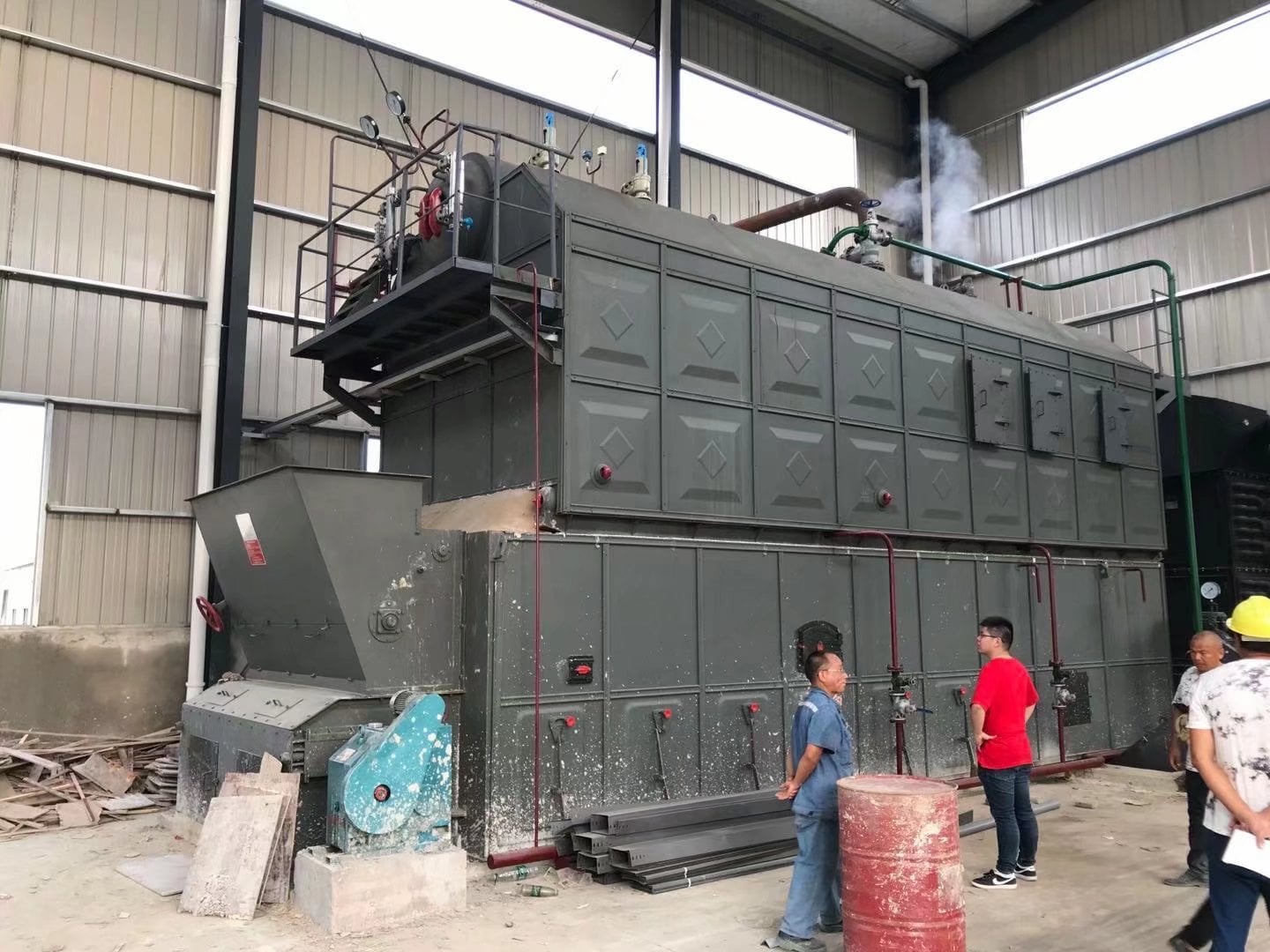
04
SZL Series Biomass Fired Hot Water/Steam Boiler
Horizontal water-tube boiler designed for high performance heavy-duty loads and strict environmental compliance.
Structure
Chain grate water tube. 6~25 t/h units feature double-drum assembly.
Capacity
Steam: 2 – 45 t/h
Hot Water: Up to 28 MW.
Hot Water: Up to 28 MW.
Core Advantages
Advanced Biomass Combustion Technology
The latest technologies, combined with years of manufacturing experience, provide the basis for supporting the performance, reliability, and compliance of the environment.
High Thermal Efficiency
Thermal energy is produced using Advanced Grate Combustion and Fluidised Bed Systems at efficiencies of 85% to 92%, enabling significantly lower fuel consumption.
Multi-Fuel Flexibility
Compatible with a wide range of Biomass fuels including wood chips, wood pellets, sawdust, rice husks, bagasse, and palm kernel shells.
EPA & EU IED Compliant
Utilizes integrated emission control technology, fully complying with US EPA Boiler MACT regulations and the EU Industrial Emissions Directive.
Automated Operation
PLC control enables automatic fuel feeding, optimized combustion, and ash handling, reducing labour reliance and maintaining consistent performance.
Easy Maintenance
Modular design with large inspection doors and self-cleaning heat exchangers minimizes downtime and reduces system maintenance costs.
Global Certifications
Manufactured to the highest quality standards and recognised for achieving ASME, CE European, and ISO 9001 certification.
Biomass Fired Boiler Specifications Guide
| Model / Type | Capacity | Pressure | Efficiency | Fuel Types | Applications |
|---|---|---|---|---|---|
| Biomass Steam Boiler | 1-75 ton/h | 0.7-5.3 MPa | 85-92% | Wood chips, pellets, rice husk | Food processing, Paper mill |
| Biomass Hot Water Boiler | 0.7-14 MW | 0.7-1.6 MPa | 86-91% | Wood chips, pellets, agro waste | District heating, Hotels |
| Biomass Thermal Oil Boiler | 0.7-29 MW | 0.8-1.0 MPa | 85-90% | Wood chips, pellets, sawdust | Chemical, Plywood, Asphalt |
| Wood Chip Boiler | 2-40 ton/h | 1.0-2.5 MPa | 84-89% | Wood chips (10-50% moisture) | Wood processing, Furniture |
| Rice Husk Boiler | 4-35 ton/h | 1.0-3.8 MPa | 82-87% | Rice husk, rice straw | Rice mills, Grain processing |
| Bagasse Fired Boiler | 10-120 ton/h | 1.25-4.5 MPa | 85-91% | Bagasse, cane trash | Sugar mills, Ethanol plants |
| Biomass CHP System | 1-50 MW (electric) | 2.5-9.8 MPa | 80-85% | Various biomass fuels | Power plants, Industrial parks |
Common Biomass Boiler Concerns & Our Solutions
As a purchaser of Industrial Equipment, we understand the challenges you face. We leverage engineering expertise and manufacturing capabilities to help you overcome essential obstacles.
High Capital Investment
Biomass Boiler systems require a large upfront capital investment compared to traditional boilers, making it difficult to justify costs.
Our Solution
Factory-direct wholesale pricing saves 30-50%. Our ROI analysis typically shows payback in 2-4 years, factoring in fuel savings and incentives.
Fuel Supply Uncertainty
Availability of biomass fuel, quality instability, and price fluctuations are major concerns when replacing existing technologies.
Our Solution
Our boilers accept multiple fuel types (chips, pellets, husk, residues) with adjustable parameters to optimize for local availability.
Emission Compliance
Strict local emission standards for PM, NOx, and CO typically require specialized knowledge and equipment to manage.
Our Solution
Integrated control systems (Cyclone, Baghouse, SCR/SNCR) ensure international compliance. We assist with all permit documentation.
Operational Complexity
Increased complexity of fuel supply, ash generation, and maintenance creates additional burdens compared to gas-fired boilers.
Our Solution
Fully automatic PLC systems handle fuel, combustion, and ash. We provide training, guides, and 24/7 technical support.
International Logistics
Buying from foreign manufacturers raises concerns regarding shipping costs, customs, installation assistance, and after-sales service.
Our Solution
We handle EXW, FOB, CIF, DDP shipping. We provide on-site installation support and have regional service partners in 50+ countries.
Performance Verification
Users are often sceptical of claimed efficiency ratings given seasonal fluctuations in biomass fuel moisture content.
Our Solution
We provide third-party certified test reports and contract guarantees. Advanced heat recovery ensures high efficiency despite fuel variations.
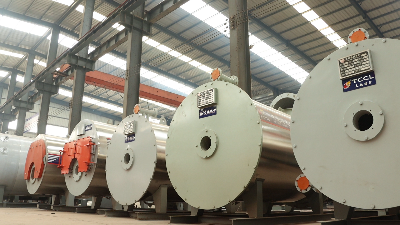
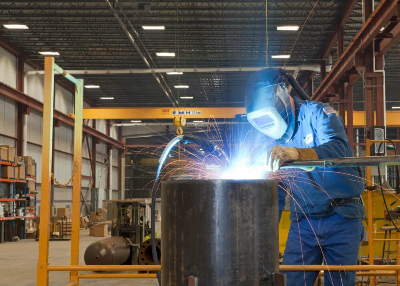
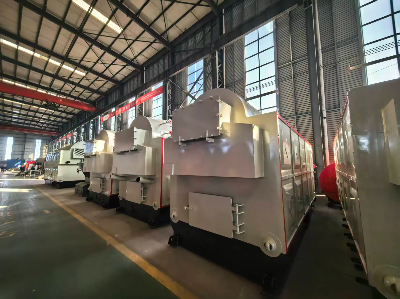
Manufacturing & Projects
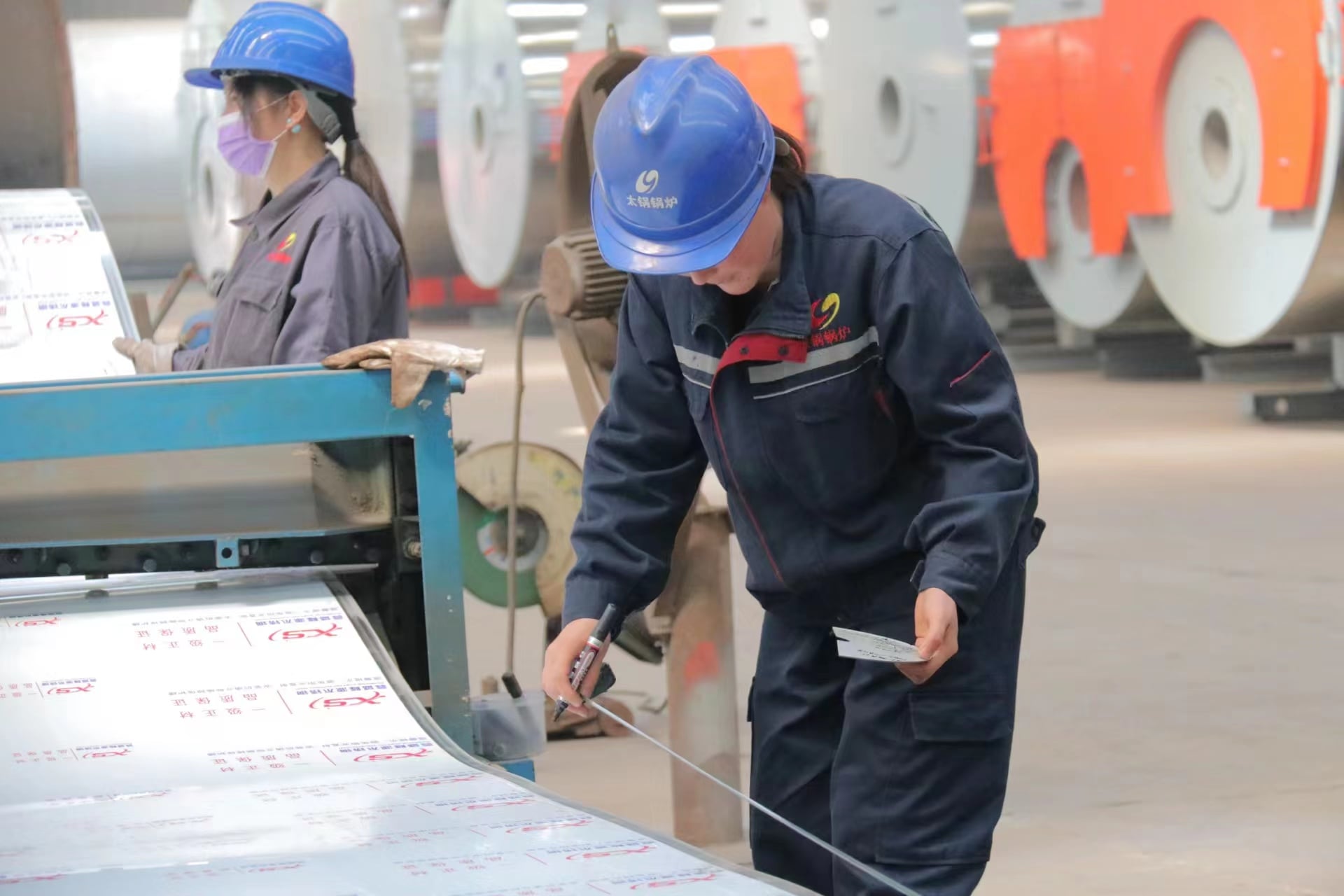
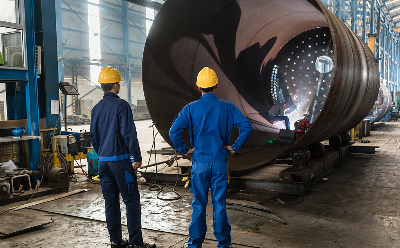
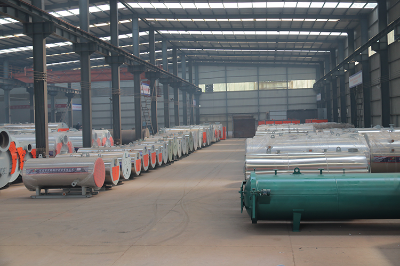
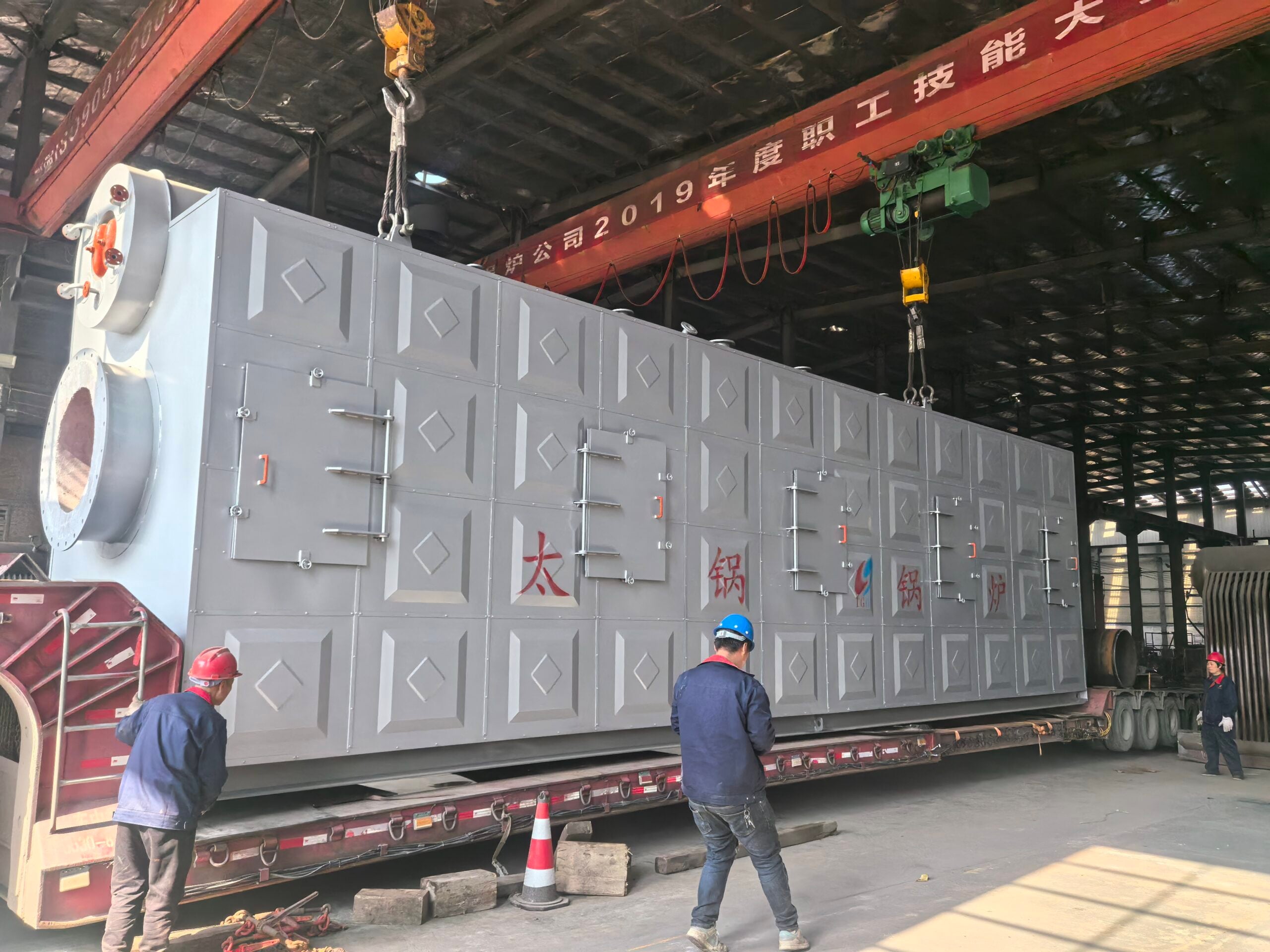
Picture Gallery of Our Taiguo
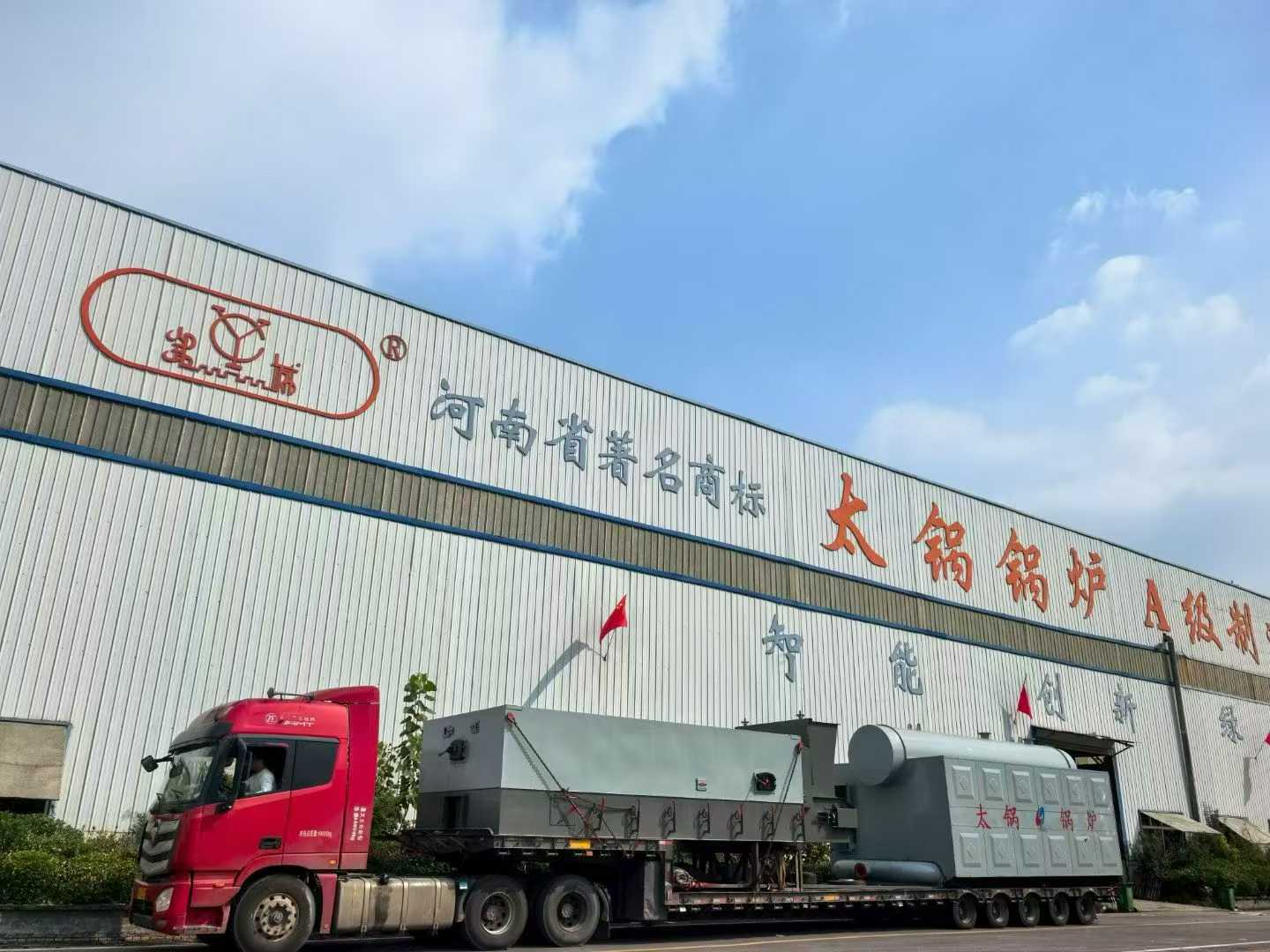
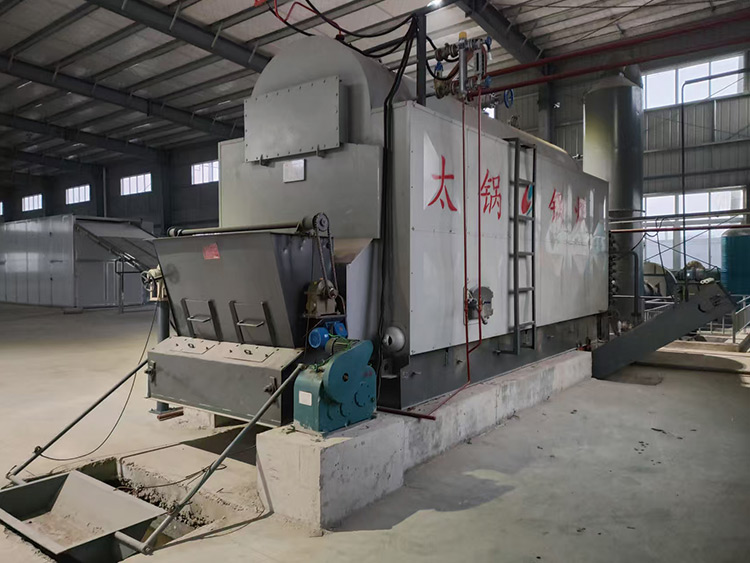


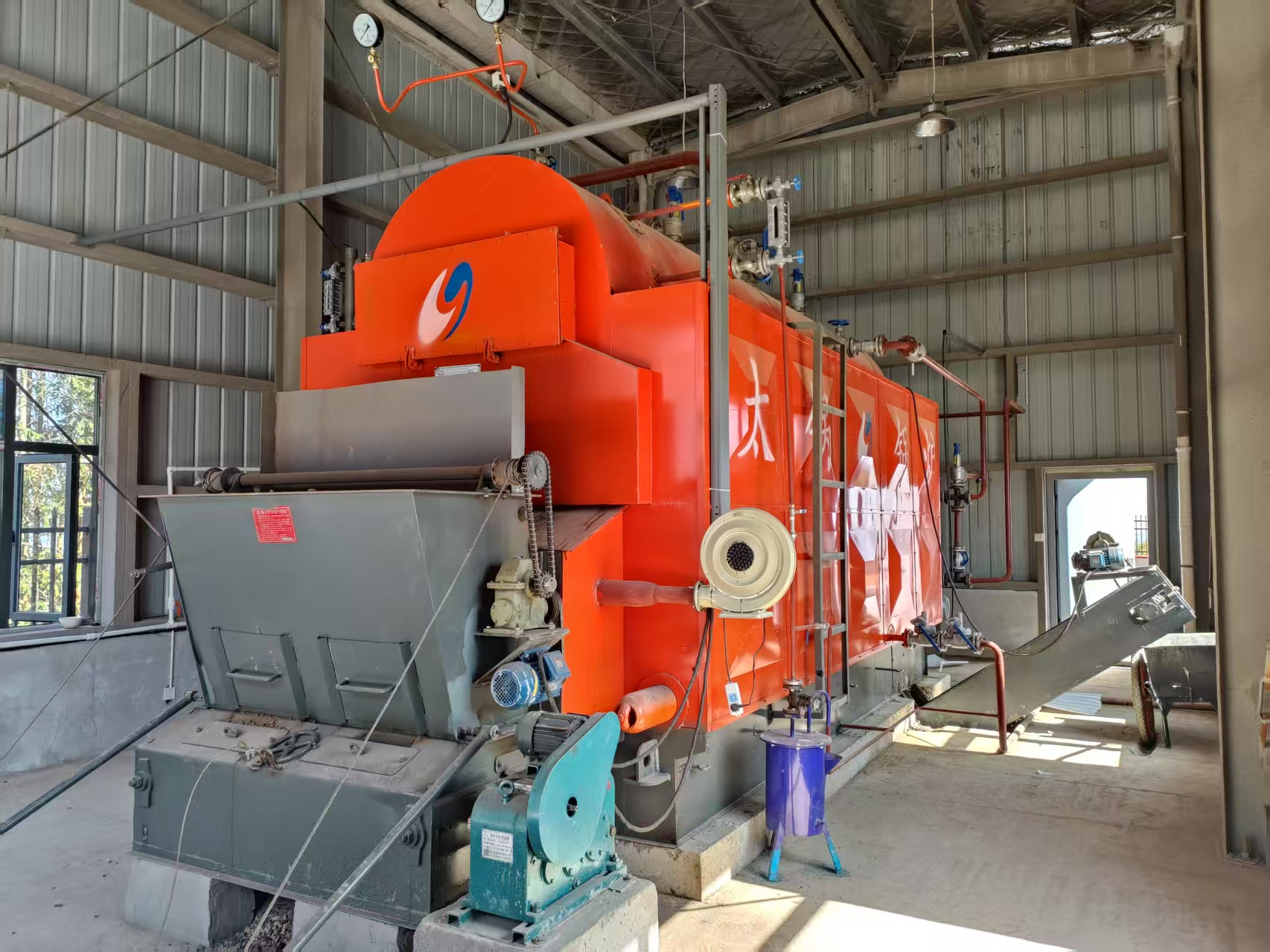


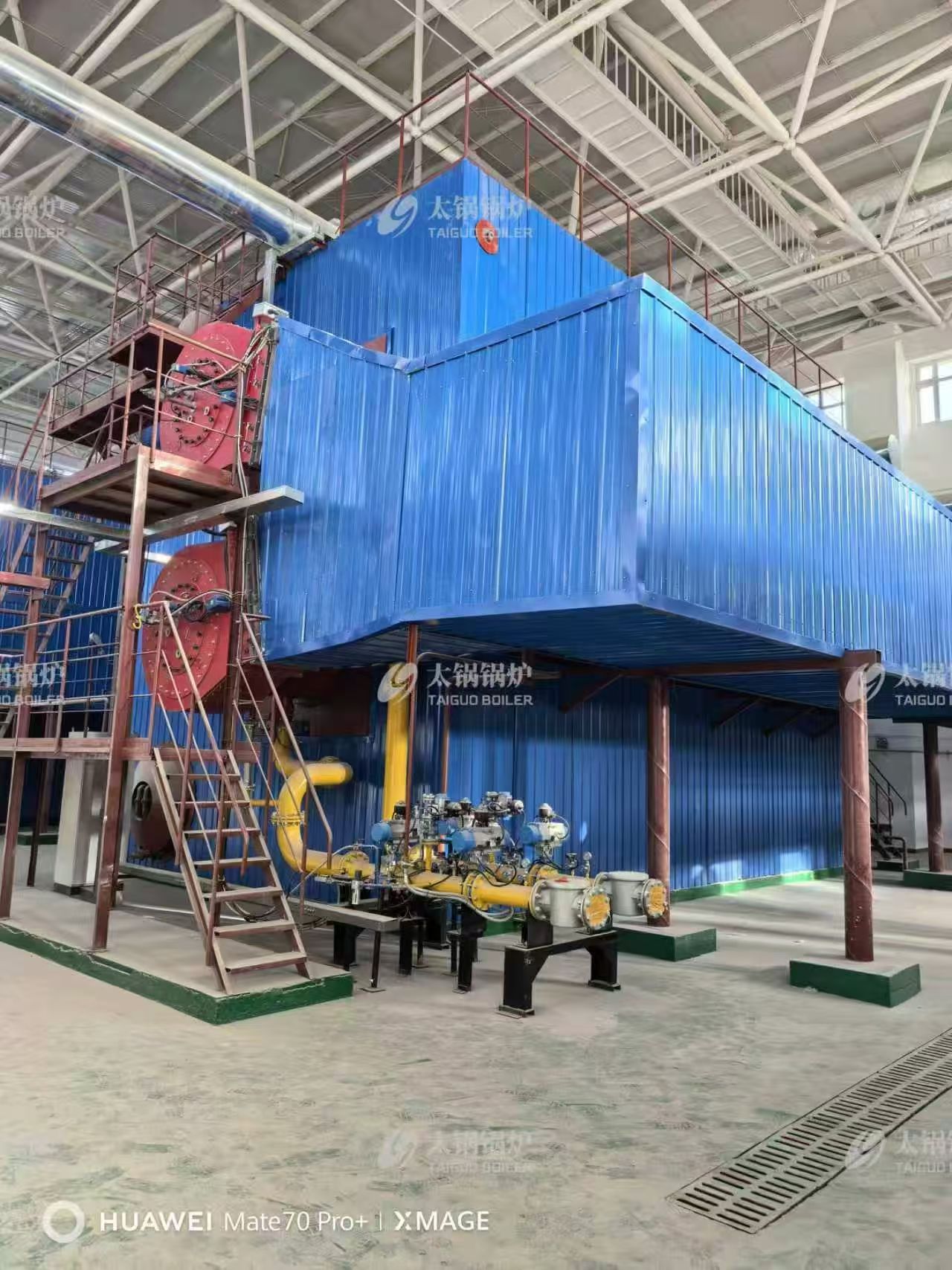

1 / 8
Industrial Applications for Biomass Boiler Systems
Our biomass-fired boilers and solid fuel boiler systems serve diverse industries worldwide, providing reliable steam, hot water, and thermal energy.
Food & Beverage Processing
Steam for cooking, sterilization, drying, and cleaning processes in food manufacturing facilities.
Paper & Pulp Industry
High-pressure steam for pulping, paper drying, and power generation in paper mills.
Textile Manufacturing
Process steam for dyeing, finishing, and fabric treatment in textile factories.
Wood Products & Furniture
Heat for lumber drying, plywood pressing, and veneer production using wood waste as fuel.
Sugar Mills & Ethanol
Bagasse-fired boilers for steam and power cogeneration in sugar processing facilities.
District Heating
Large-scale biomass heating boilers for community and municipal heating networks.
Agricultural Processing
Rice husk and agricultural waste boilers for grain drying and feed production.
Power Generation
Biomass power plant solutions for electricity generation and grid supply.
Why Choose Our China Biomass Boiler Manufacturer
As an experienced biomass boiler manufacturer and supplier, we offer a complete solution for your business, from the initial design to the final production and ongoing maintenance. We offer our distributors and contractors significant discounts on wholesale purchases.
Direct Factory Price
No Middlemen – Order Direct from Our Factory in China and Save 20-40% Off International Brands. Wholesale Discounts on Bulk Orders Available.
International Certifications
ASME S & U Stamp, CE, ISO 9001:2015 certified. Our Biomass Boilers Are Manufactured to the Highest Quality Standards & Meet All Safety Regulations for Use in Any Country.
50+ Years Experience
Since 1976, we have completed over 5,000 biomass boiler projects worldwide. Our company has a staff of engineers with many years of experience in designing various types of Biomass Combustion Systems.
Custom Engineering
OEM/ODM services are available. We will create a custom biomass boiler with the required capacity, pressure, fuel type, and level of automation to meet your needs.
Complete After-Sales
We provide Installation Instructions, Operator Training, Spare Parts Supply, and 24/7 Technical Support. When necessary, we send engineers to your location for on-site assistance.
Global Export Experience
We have exported our products to over 80 countries, including the United States, Europe, Southeast Asia, Africa, and South America. We have extensive knowledge and experience with international shipping and documentation.
Biomass Boiler Decision Hub
Compare Costs, Select Fuels, and Estimate Emissions in one place.
Calculate Your Savings
Compare your current fossil fuel costs against Biomass efficiency.
Financial Projection
Annual Savings
$0
Cost Reduction
0%
Find Your Ideal Fuel
Answer 3 questions to get a tailored biomass fuel recommendation.
Recommended Fuel
Recommended Boiler Type
Wood Pellets
Perfect for limited spaces requiring high automation and cleanliness.
Recommended Boiler Type
Chain Grate Boiler (DZL Series)
Sustainability Impact Estimator
Estimate your CO2 reduction for ESG reporting and compliance.
Environmental Benefit
CO2 Avoided
0 Tons
Per Year
Equivalent to Planting
0
Trees
*Calculations based on EPA average emission factors.