Get in Touch with Taiguo

DZH Series Biomass Boiler: Specs & Features

Contents
show
Introduction to DZH Series Biomass Boiler
What is a Biomass Boiler?
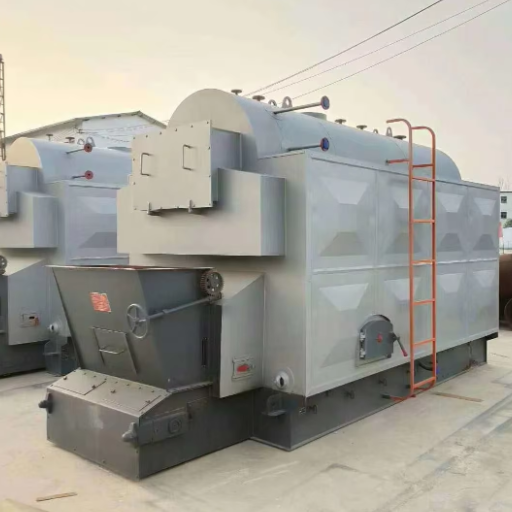
The biomass boiler operates as a heating system which uses organic materials for combustion to produce heat that serves residential and commercial and industrial needs. The environmental impact of biomass boilers establishes them as sustainable alternatives to traditional fossil fuel boilers because they depend on renewable resources. The DZH Series modern biomass boilers use advanced technological systems to achieve maximum energy efficiency while decreasing emissions and enabling sustainable energy operations. These systems deliver dependable heating and hot water services which support international aims to cut carbon emissions while advancing the use of renewable energy technologies.
Overview of the DZH Series
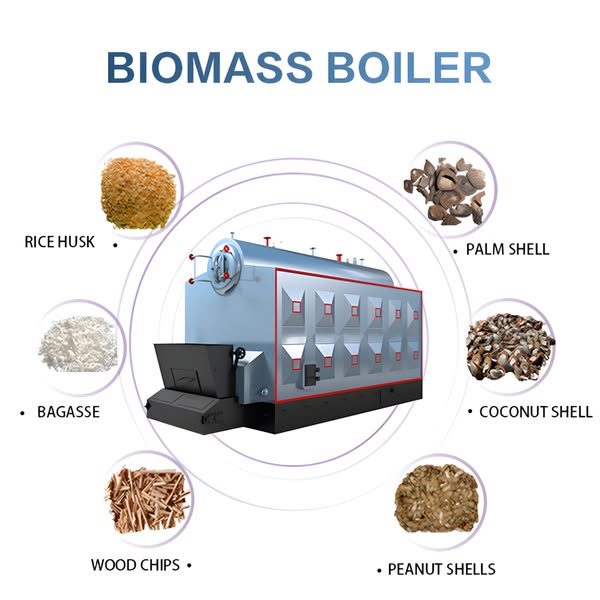
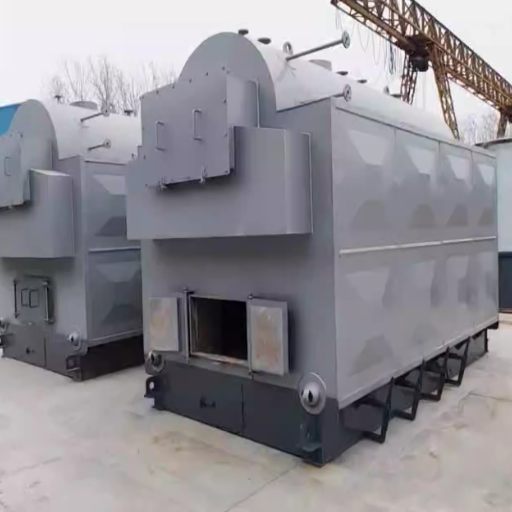
The DZH Series biomass boilers offer environmentally sustainable heating solutions which operate efficiently in multiple different application environments. The horizontal single drum design of these boilers enables them to burn various types of biomass fuels which include wood pellets and agricultural residues and other organic waste materials. The system enables users to achieve maximum energy efficiency while maintaining sustainable operational practices.
The DZH Series achieves its thermal efficiency through advanced heat transfer systems which decrease energy losses and increase system performance. The series uses modern emission control technologies which include multi-tube dust removal systems to cut down on both particulate matter and dangerous emissions. The DZH Series provides a budget-friendly solution which enables industries and communities to fulfill their energy requirements while maintaining environmental sustainability through its user-friendly operation and minimal maintenance needs.
The series delivers high-performance capabilities which support a sustainable future by offering reliable heating systems that suit residential spaces and agricultural environments and industrial applications.
Biomass Fired Steam Boilers Main Operational Characteristics
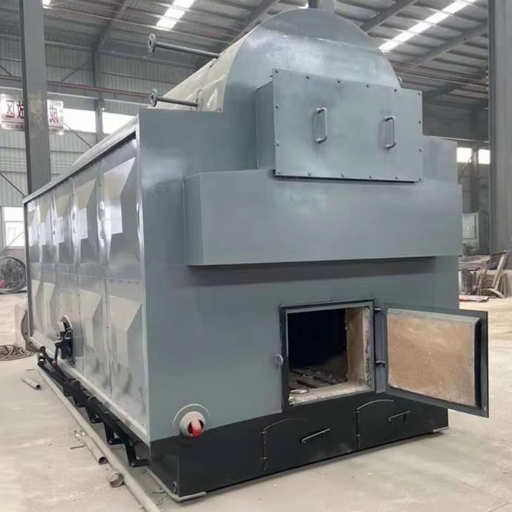
The boilers use biomass as a power source which transforms waste materials into energy thus decreasing waste production. Biomass-fired boilers create efficient heating systems through their process of converting materials into energy which helps advance circular economy principles. The system provides cost-effective sustainable energy solutions through its combination of minimum maintenance needs and extended operating lifespan which multiple sectors can use to achieve their environmental protection goals while maintaining productivity.
Specifications of DZH Series Biomass Boiler
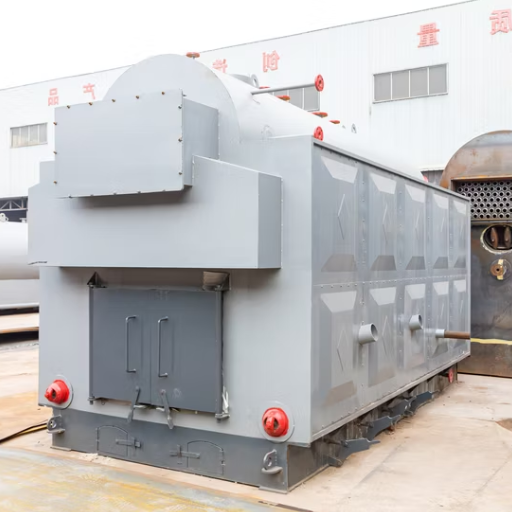
Technical Specifications
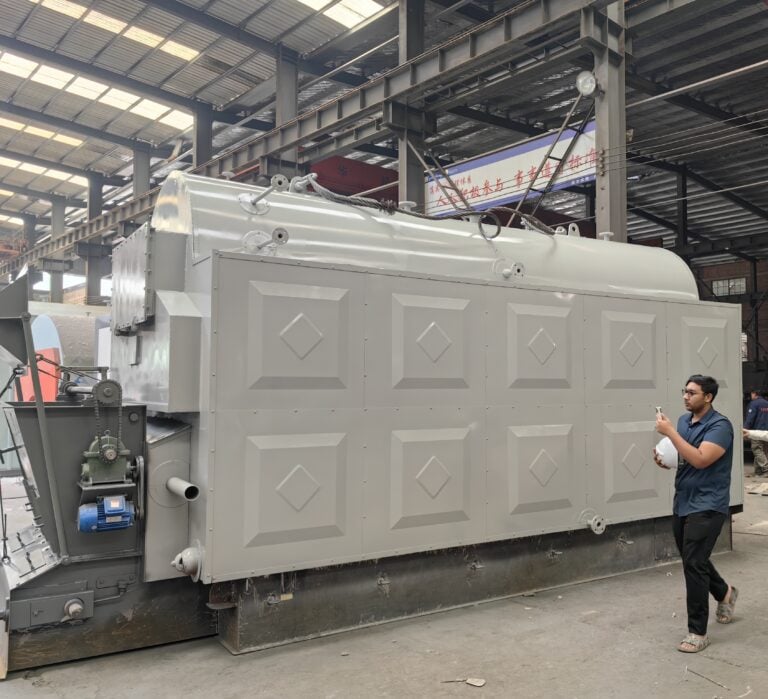
The DZH Series Biomass Boiler operates through its dual functions of high performance efficiency and sustainable operation which makes it an optimal solution for industrial applications that seek to minimize their environmental footprint. The system operates through its horizontal design which uses manual feeding and single-drum system to deliver operational efficiency through its straightforward architectural design and dependable technological framework. The system operates best for applications that require small to medium-scale operations because its compact design and flexible installation system enable users to work with multiple biomass fuel options which include wood chips and rice husks and agricultural waste materials.
| Feature | Value / Specification |
|---|---|
| Boiler Type | Horizontal Single-Drum (Manual Feeding) |
| Pressure Limits | 1.0 MPa to 2.5 MPa |
| Output Range | 0.5 tons to 10 tons per hour |
| Thermal Efficiency | > 85% |
| Primary Industries | Food processing, Textile, Chemical, Paper |
The DZH series presents its main technical features through an advanced combustion system which enables peak heat transfer results while achieving minimal pollution emissions. The furnace contains a water-cooled arch which works together with a reciprocating grate system to enable complete fuel combustion while decreasing waste material output. The boiler functions within standard pressure limits which extend from 1.0 MPa to 2.5 MPa while it produces a steam or hot water output that ranges from 0.5 tons to 10 tons each hour. The system provides heating and steam production for multiple industries including food processing and textile production and chemical manufacturing.
The DZH biomass boiler system shows design features which operate through durable components that simplify maintenance work. The heating surface uses high-quality materials which provide extended operational service. The system uses sophisticated control technology which enables automatic process control while providing users with simple operation that preserves energy efficiency. The DZH series presents itself as a dependable solution for businesses which want to integrate environmentally friendly energy practices into their operations because it prioritizes environmental sustainability and cost-efficient design.
Fuel Options: Focus on Rice Husk
The DZH series boilers can utilize rice husk which exists as a renewable biomass resource that grows in abundance. Rice husk serves as an efficient and eco-friendly energy solution because it provides high calorific value at a low price. The use of rice husk as fuel enables waste reduction because it serves as an agricultural byproduct that remains after rice milling which farmers typically discard or burn in open areas. The DZH series advanced combustion systems create a controlled environment which enables rice husk to produce clean energy while keeping emissions at reduced levels. The combustion process generates ash which contains abundant silica, making it suitable for multiple industrial uses that help decrease waste and support sustainable development.
Efficiency and Performance Metrics
The advanced engineering designs of optimized combustion chambers and improved heat exchange systems enable the system to reach its current efficiency level. The system achieves a 15-20% reduction in fuel consumption when compared to traditional boilers which results in substantial financial benefits for customers. The system engineering design accomplishes its goal of producing low NOx and particulate emissions which meets all international environmental standards. The DZH series metrics provide organizations with a dependable and environmentally friendly energy generation solution which operates in multiple industrial applications.
Operating Mechanism of the DZH Series
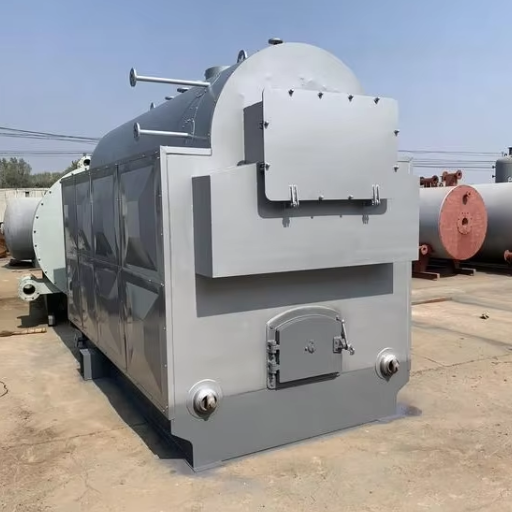
Water Tube vs. Fire Tube Design
The DZH series uses design elements which combine water tube and fire tube systems to achieve efficient performance and flexible operation. The water tube boiler operates by moving water through its tubes which hot combustion gases surround to achieve fast heat transfer and produce high-pressure steam. The design provides an ideal solution for applications which need to produce large amounts of steam at high pressure because it protects against thermal stress and increases safety.
Fire tube boilers operate by allowing hot gases to flow through tubes surrounded by water, creating a basic design which requires minimal investment. The fire tube design provides operational simplicity and dependable performance which makes it suitable for facilities that need to produce steam at low or moderate levels.
The DZH series creates a hybrid solution by integrating advantages from these two design types. The system achieves high thermal efficiency through this hybridization method which enables the system to keep its basic structure while remaining strong and easy to maintain. The system provides operational flexibility through its ability to handle different industrial processes while maintaining performance standards across both low and high-pressure operations.
Grate Types: Advantages of Moving Grate
The moving grate system stands as a highly efficient solution which enables industrial facilities to burn solid fuels. The system enables users to burn multiple fuel types because it supports combustion of biomass and municipal solid waste and other low-grade fuels. The design enables equal combustion air distribution which results in consistent fuel combustion thus achieving better thermal efficiency and lower emission levels. The grate system uses automated movements to remove ash continuously which results in decreased operational downtimes and better system performance. The system works best in large-scale operations which require reliable performance and efficient operations and flexible systems to fulfill their operational needs.
Control Systems and Automation
Modern control systems and automation technologies help improve both efficiency and dependability of advanced combustion systems. The systems use programmable logic controllers (PLCs) and human-machine interfaces (HMIs) to monitor conditions in real time while they control temperature and pressure and fuel feed rates with precise accuracy. The system uses sophisticated algorithms to achieve adaptive control because it needs to adjust to changing operational conditions which will help it maintain efficiency while decreasing emissions. Organizations use advanced sensor integration to perform predictive maintenance because it helps them identify equipment problems before they develop into major breakdowns. The combination of automation and control in this system creates a seamless operation which improves system performance while decreasing operational expenses and aiding industrial sustainability efforts.
Applications of DZH Series Biomass Boiler
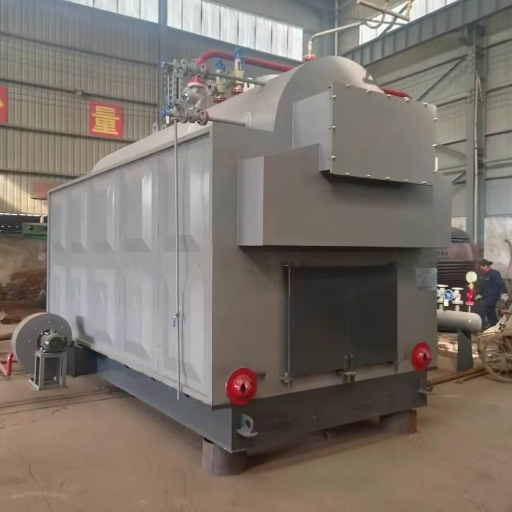
Industrial Applications
The DZH Series Biomass Boiler provides diverse industrial applications through its multiple operational capabilities. The equipment finds common application in food processing and textile and paper manufacturing and chemical production industries, which require continuous access to high thermal energy. The boilers deliver reliable thermal output, which supports essential processes that include drying and sterilization and steam generation. The system enables users to operate their equipment using renewable biomass fuels, which include wood chips and agricultural residues and pellets, thus achieving a twofold benefit of decreased fossil fuel dependency and lower carbon emissions. The DZH Series system enables users to incorporate its functions into their established operations because it requires minimal adjustments for optimal performance. The system’s capacity to adapt enables industries to reach their sustainability targets while simultaneously decreasing their energy expenses.
Commercial Uses
The DZH Series biomass steam boilers serve multiple industrial applications which make them essential equipment for contemporary business operations. The food processing industry uses these systems to produce reliable steam which serves cooking and sterilization and drying operations. The boilers in textiles industry work together to create efficient textile processes which produce high-quality results through dyeing and printing and fabric finishing operations. The agricultural sector uses these boilers to support crop drying operations and greenhouse heating activities. Paper and pulp manufacturing industries use biomass steam boilers to conduct pulping processes and to dry their paper products. The system enables companies to operate their businesses with sustainable fuels while achieving their environmental goals, which makes it a popular choice among innovative businesses.
Environmental Benefits
Biomass steam boilers operate as essential systems because they decrease greenhouse gas emissions through their operation which uses renewable organic materials that include wood chips and agricultural residue and other biomass as their fuel source. The boilers produce energy from waste materials which leads to decreased fossil fuel consumption while simultaneously minimizing carbon emissions. The ash produced during biomass combustion can be transformed into fertilizer which contains essential nutrients for sustainable waste management. The advanced technology of these systems enables cleaner operations through better combustion methods which result in lower air pollutant emissions. Businesses that use biomass steam boilers help fight climate change while they achieve sustainable environmental development goals.
Maintenance and Safety Considerations
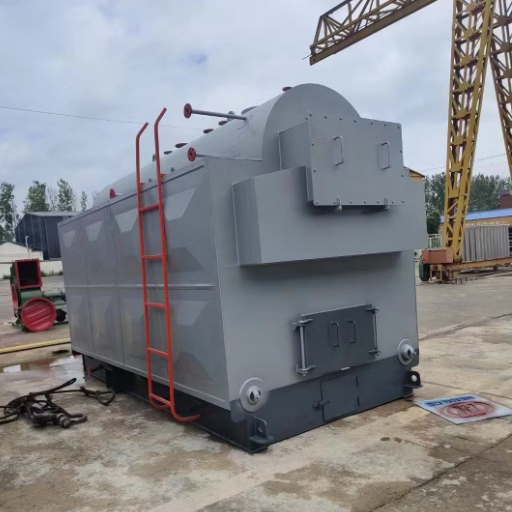
Regular Maintenance Practices
Biomass steam boilers require regular maintenance to achieve their full operational lifespan and operational efficiency. Maintenance work begins with the inspection process that checks essential parts which include heat exchangers and water tubes and combustion chambers to find and fix problems related to corrosion and residue accumulation. The boiler system needs frequent cleaning to achieve its best operational state which prevents efficiency decline. Control system monitoring requires both system calibration and system operation testing to achieve precise control of operations and fuel consumption. Regular checks which will verify that all safety systems like pressure relief valves and alarms operate as intended to bring down accident risks. The implementation of a systematic maintenance schedule leads to two main benefits which increase the operational lifespan of the boiler system while decreasing the chances of unplanned system failures.
Safety Protocols for Biomass Boilers
My first obligation during biomass boiler operations requires me to follow safety procedures. First, I make it a routine to perform regular inspections and maintenance checks on all boiler components. This process entails checking the boiler combustion chamber and fuel feed system and ash removal systems to confirm their operational status and efficiency. The components require regular cleaning because this process prevents accumulation which causes operational problems and equipment breakdowns. The ventilation system requires my close monitoring because restricted airflow leads to incomplete combustion which produces hazardous gases including carbon monoxide. Carbon monoxide detectors require installation and maintenance as a vital safety measure for the boiler area.
The system requires constant supervision of its temperature and pressure metrics as a fundamental safety requirement. The operation of biomass boilers requires specific pressure and temperature limits which create safety hazards for any operational deviations outside these boundaries. The system uses calibrated sensors and alarms to track these parameters which help maintain boiler operations within its established operational limits. The proper storage and handling of biomass fuel needs proper procedures because it reduces the risk of fires and explosions. I keep the fuel at a dry location which has good airflow and I keep it away from all sources that could start a fire while I check its quality to stop contamination that would damage combustion efficiency.
All personnel operating the biomass boiler require my instruction to help them identify hazards and respond to dangerous situations. Personnel need to learn how to manually shut down the system during emergencies while they should they should learn to recognize signs of equipment malfunction and proper personal protective equipment (PPE) usage. My comprehensive safety protocol guarantees biomass boiler operation while protecting the entire facility including its operators.
Common Issues and Troubleshooting
Biomass boilers experience three main problems which include fuel quality issues and ash accumulation problems and operational performance declines. The use of low-quality fuel results in two main outcomes which are incomplete combustion and decreased heat production and higher greenhouse gas emissions. Operators must verify that the biomass fuel meets all required moisture content specifications together with size requirements. Ash buildup leads to component blockages which decrease system performance, thus maintenance activities need to be scheduled at regular intervals to stop these incidents from happening.
System inefficiencies might result from improper calibration or equipment wear over time. Regular setting adjustments, including air-to-fuel ratio settings, will enhance system performance. The detection of mechanical and operational problems can be achieved through the monitoring of three specific indicators which include unusual sounds and temperature changes and a drop in system performance. The timely implementation of solutions together with the understanding of typical obstacles will provide the boiler with reliable and efficient operation.
Reference Sources
- Effect of Combustion Air Humidification on the Operation of a Biomass Boiler – Theoretical Analysis: Efficiency and performance insights.
- Biomass as a Renewable Energy Source for Power Boilers: Sustainability and energy potential.
- With Application to a Biomass Boiler: Innovative aspects including condensing conditions.
- High-Efficiency Biomass Hot Water & Steam Boiler