Get in Touch with Taiguo

Palm Kernel Shell (PKS) Boiler Solutions


Contents
show
The industrial sector uses Palm Kernel Shell (PKS) boiler solutions to create new methods for achieving sustainable energy production and effective waste disposal. The growing need for sustainable solutions has made PKS boilers into a trustworthy and effective system that uses renewable energy while managing agricultural waste. The article analyzes how PKS boiler systems provide multiple advantages which help decrease carbon emissions and improve energy efficiency while supporting companies to achieve their environmental targets. The guide offers important information about PKS boilers which benefits both industry executives searching for new energy solutions and renewable energy technology fans.
Key Takeaway
Palm Kernel Shell (PKS) boilers transform agricultural waste into a high-calorific biomass fuel, offering a carbon-neutral alternative to coal that significantly reduces operational costs and greenhouse gas emissions.
Introduction to Palm Kernel Shell Boilers

What is a Palm Kernel Shell Boiler?
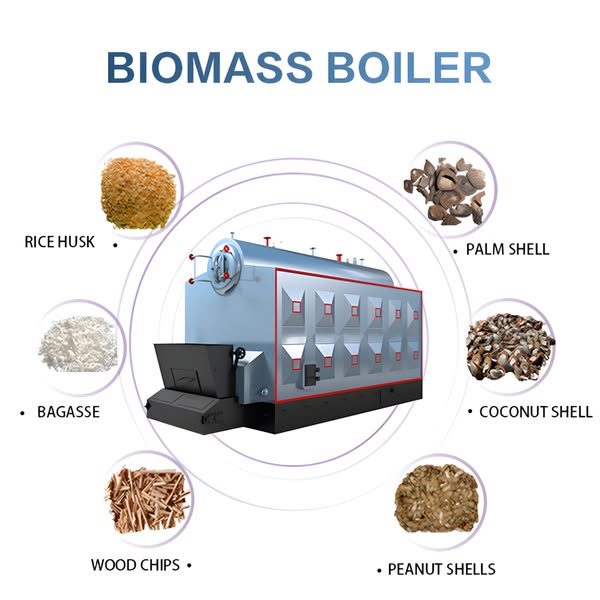
A Palm Kernel Shell Boiler functions as a special biomass boiler system which uses palm kernel shells as its main fuel material. Palm kernel shells which come from the palm oil production process serve as a sustainable energy solution because they meet the requirements of renewable energy resources. The design of these boilers enables them to burn this material in an efficient manner which generates heat energy for different industrial needs.
The PKS boiler operates through advanced combustion technology which enables biomass to burn completely to generate either hot water or high-pressure steam. The manufacturing plants use this energy together with power generation and other systems which need heat or electricity. PKS boilers use palm kernel shells which would normally become waste material to create a cost-effective energy solution that reduces environmental waste.
PKS boilers offer an important benefit because they help organizations achieve their sustainability objectives. Agricultural byproducts serve as a dual benefit because they decrease dependence on fossil fuels and they cut down greenhouse gas emissions. PKS boilers provide industries with an eco-friendly energy option which helps them achieve their sustainability targets while maintaining cost efficiency.
The Importance of Biomass in Energy Production
Biomass functions as a vital component for sustainable energy production because it provides an efficient solution to replace traditional fossil fuels. The process uses organic materials from agricultural residues and wood waste and other biodegradable materials to produce thermal energy and electricity. This renewable energy source decreases dependence on non-renewable resources because it uses materials which would otherwise become environmental waste.
The main advantage that biomass provides to energy production exists because it enables the creation of a circular economy. Biomass achieves resource efficiency because it transforms agricultural byproducts and organic waste into new uses which decrease landfill usage. The process generates job opportunities through waste collection and processing and energy generation activities, which provide economic benefits to local communities, especially in rural areas with plentiful biomass resources.
Biomass energy systems demonstrate high flexibility because they serve the power needs of industrial facilities and residential neighborhoods and large power generation stations. The systems enable organizations and communities to adopt renewable energy solutions by connecting to their current energy systems. Biomass serves as an essential element that combines sustainable development with practical solutions to create a cleaner future which ensures energy security.
Advantages of Using Palm Kernel Shell as Fuel
Cost Savings Compared to Coal and Other Fuels
💡
Pro Tip
Transitioning to PKS can reduce fuel costs by up to 30% compared to coal, depending on local palm oil production proximity and current carbon tax regulations.
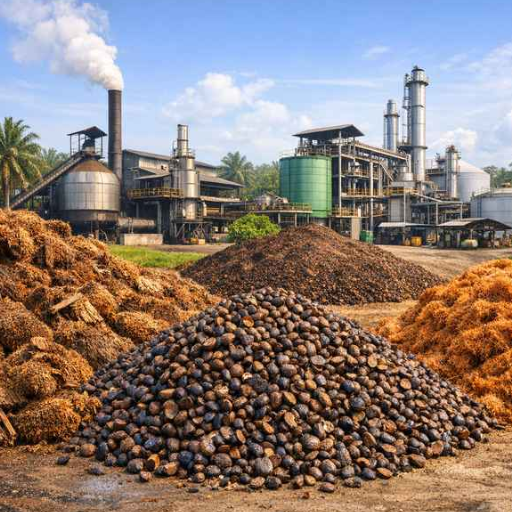
The use of palm kernel shell (PKS) as a fuel source results in lower operational costs because it serves as an additional advantage. The material PKS creates through its high calorific value provides energy output that matches coal energy while requiring less material. The continuous operation of the facility leads to fuel savings because of its operational efficiency as a primary energy source. The combustion of PKS produces less ash than coal which results in lower disposal expenses and reduced need for maintenance of combustion equipment.
PKS fuel usage results in operational cost savings because it operates at lower costs than other fuel sources. The material PKS creates through its high calorific value provides energy output that matches coal energy while requiring less material. The continuous operation of the facility leads to fuel savings because of its operational efficiency as a primary energy source. The combustion of PKS produces less ash than coal which results in lower disposal expenses and reduced need for maintenance of combustion equipment.
The environmental advantages of PKS enable organizations to reduce expenses that arise from potential carbon tax penalties and regulatory fines related to high-emission coal fuels. The biomass fuel classification of PKS leads to its treatment as carbon-neutral when people obtain and use it in an environmentally responsible manner. Companies achieve dual benefits through their transition to PKS because they cut their fuel costs while accomplishing their sustainable development goals which decrease their environmental costs and expenses for meeting eco-friendly regulations.
Environmental Benefits of Biomass Energy
Biomass energy generates environmental advantages through its sustainable energy production methods. The use of Palm Kernel Shell as a fuel source provides various benefits to both environmental systems and business operations. The primary benefit of this material exists because it produces no carbon emissions when used. The combustion of PKS material produces no extra CO2 emissions because the material comes from organic waste and follows the natural carbon cycle. This process creates a cleaner fuel option that produces fewer emissions than fossil fuels.
PKS offers another important benefit which helps to decrease waste production. The adoption of PKS as fuel source through palm oil industry by-products leads to reduced environmental pollution while creating a closed loop system through resource reuse. The practice transforms agricultural waste into energy which meets energy requirements while resolving waste disposal issues.
The use of PKS as a fuel source helps to decrease deforestation rates while reducing the need for fossil fuel consumption. The resource serves as a renewable energy source which provides continuous energy access throughout the entire supply chain. The combination of these elements with its reduced emissions and environmentally friendly operational framework makes PKS an excellent energy solution which supports sustainable development.
Efficiency Improvements in Thermal Energy Production
The high energy content of palm kernel shell (PKS) makes it a sustainable fuel source which benefits thermal energy production. According to its calorific value PKS serves as an effective industrial fuel because it matches the energy output of traditional fossil fuels. The material functions as an environmentally friendly alternative because its physical characteristics enable cleaner combustion processes through low ash content and high density.
PKS provides another advantage through its ability to deliver major cost savings. The use of PKS as fuel enables agricultural waste recycling because it serves as a byproduct from palm oil production which decreases the need for primary fossil resources. The method decreases energy production expenses while it advances a circular economy by reducing waste and enhancing resource utilization.
The PKS system advances sustainable energy solutions because it promotes the development of renewable biomass resources. The palm oil production areas of the world provide abundant palm kernel supply which creates a permanent fuel source that decreases greenhouse gas emissions through its use. Industrial energy systems gain energy efficiency improvements through PKS usage which helps environmental protection efforts and supports their renewable energy objectives.
Applications of Palm Kernel Shell Boilers
Industrial Uses of Palm Kernel Shell Fired Boilers
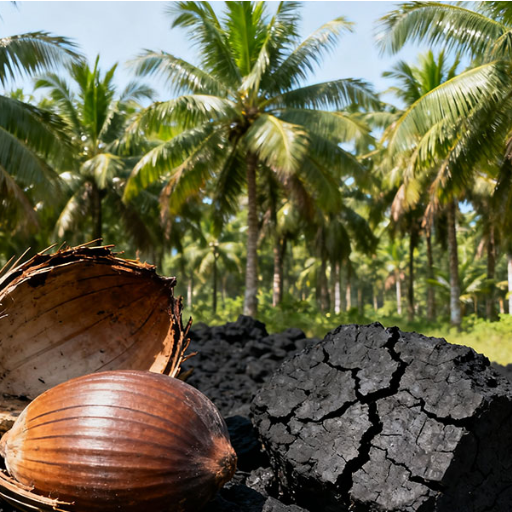
Industrial boilers that operate on palm kernel shell (PKS) biomass fuel find widespread application across multiple industrial sectors because they can efficiently convert renewable biomass materials into energy. The primary application of this technology involves creating steam and thermal energy which supports various manufacturing operations. The food processing and textile and chemical industries use PKS because its high calorific value enables them to generate affordable and sustainable energy for their business needs.
PKS-fired boilers serve a critical function in power generation facilities because they operate as essential components. Biomass power plants depend on these boilers to create electricity. Companies can achieve their carbon footprint reduction goals through palm kernel shell adoption which also helps them meet sustainable energy targets. The combination of these factors makes PKS the perfect solution for businesses that want to accomplish their renewable energy objectives while decreasing their operational expenses.
The cement and paper manufacturing sectors increasingly choose PKS-fired boilers for their production needs. These industries require extensive thermal energy for their manufacturing activities which palm kernel shell waste efficiently delivers through its complete combustion process. The method improves energy efficiency while meeting international standards for developing environmentally sustainable manufacturing methods.
Integration in Oil Mills and Other Facilities
Palm kernel shells (PKS) serve as a renewable energy source which oil mills and other facilities utilize for their energy requirements. The shells undergo combustion in biomass boilers, which produce heat and electricity that power machinery for production operations. The system decreases fossil fuel consumption while transforming palm oil production waste into valuable resources which support a sustainable circular economy.
Food processing plants and small industrial units increasingly use PKS because it offers cost savings while delivering high energy content. Facilities can achieve cost reductions during operations while continuing to produce energy at their normal efficiency levels. The environmental impact of PKS usage is lower than that of coal or diesel since it results in reduced emissions ,which supports efforts to minimize carbon emissions.
PKS offers an effective energy solution for areas that lack access to conventional power sources. The material’s transportation system enables it to serve as a dependable source for decentralized energy requirements. The implementation of PKS enables facilities to achieve sustainable operations while supporting energy security and environmental protection efforts.
Use Cases in Biomass Power Generation
Palm Kernel Shells (PKS) have become a widely utilized biomass fuel in power generation because they produce high energy output and exist as waste material from palm oil production. Biomass power plants can use PKS as an effective fuel solution because it delivers sustainable energy power which decreases dependence on fossil fuels. Its ability to produce consistent energy makes it a valuable choice for meeting renewable energy targets.
One notable application of PKS is in co-firing systems which use it together with coal to produce electricity. This strategy effectively decreases greenhouse gas emissions while enabling a gradual switch to more sustainable energy technologies. PKS functions as a principal fuel source for dedicated biomass power plants which produce entirely renewable energy while decreasing agricultural waste.
PKS serves as a practical solution for off-grid locations that lack conventional power generation systems. These regions benefit from decentralized power solutions which use PKS as an affordable and locally produced fuel resource. Facilities that use PKS for power generation help achieve sustainable development goals which include energy security and environmental protection.
Technical Aspects of Palm Kernel Shell Boilers

Design Features of Horizontal and Vertical Boilers
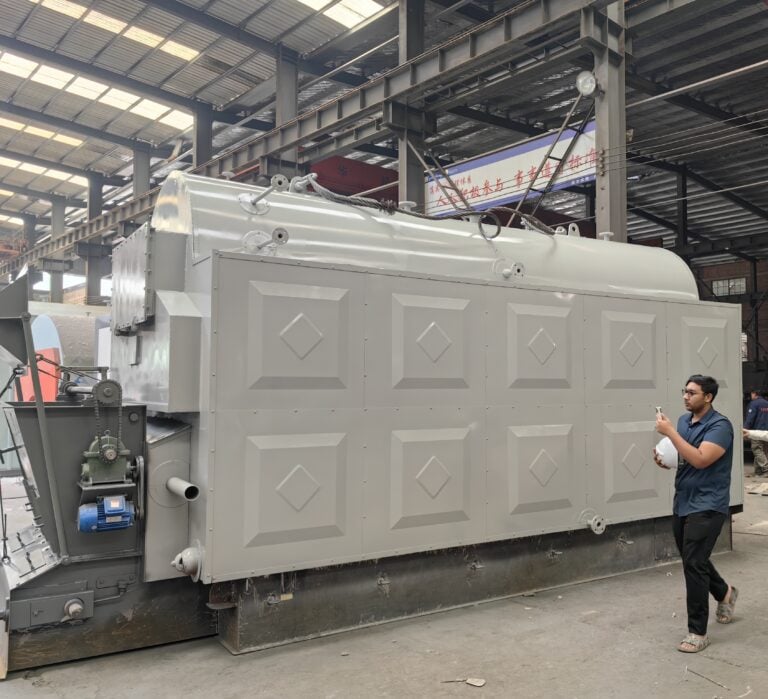
The design characteristics of horizontal and vertical boilers develop specific requirements for their operational functions and their physical space requirements. Horizontal boilers operate from their extended body design which improves their thermal distribution while allowing their larger heating surface area to boost operational performance. The design is suitable for industrial power generation because it delivers both high steam production and operational efficiency.
Vertical boilers use an upright design which enables installation in areas with restricted space requirements. The system operates effectively in urban environments because it requires less space while delivering moderate operational capacity. The steam output of vertical boilers is lower than horizontal designs but they serve small operation needs with their dependable steam delivery system.
Palm kernel shell (PKS) serves as a fuel source for both boiler types which provides an environmentally friendly power generation option. The horizontal boiler system uses larger PKS combustion units which enable greater energy output whereas vertical boiler systems depend on specially designed smaller combustion units that match their space limitations. The selection of horizontal or vertical boilers requires facilities to assess their energy needs and available space and their operational requirements.
Types of Grate Systems: Chain Grate vs. Fixed Grate
| Feature | Chain Grate System | Fixed Grate System |
|---|---|---|
| Automation | High (Automatic Ash Removal) | Manual Feeding/Cleaning |
| Efficiency | Constant High Thermal Output | Moderate/Intermittent |
| Ideal Use | Large Industrial Facilities | Small/Cost-Sensitive Units |
The decision between chain grate and fixed grate systems for palm kernel shell (PKS) boilers depends on three factors which include operational requirements and system performance and maintenance needs. The two systems exhibit different technical features which determine their ability to operate effectively in different types of facilities.
The chain grate systems operate at high efficiency because they use automatic ash removal systems to process continuous feed of palm kernel shells (PKS) which enables constant PKS burning operations. The system enables operators to manage combustion rates through controlled airflow which produces increased thermal efficiency. The energy demands of the facility require continuous operation without major service interruptions which makes these systems suitable for their energy needs.
Fixed grate systems work better than other systems because of their simpler design which needs less money to operate, so they suit facilities that need to keep their costs down for initial expenses. The system requires manual feeding and maintenance because of its design, which limits its operational efficiency and increases the need for human work. Fixed grates operate in situations where energy requirements stay below specific levels and fuel supplies maintain their regular availability.
Operational Considerations for Biomass Fired Boilers
Biomass systems prefer palm kernel shell boilers because palm kernel shells provide both efficient operation and sustainable fuel properties. The shells function as renewable energy sources because they originate from palm oil production as a byproduct. The materials generate high energy output which biomass boilers use to produce dependable power. Users must store the shells correctly because any storage mistake will lead to fuel contamination, which results in lower fuel combustion performance.
Fuel quality must remain constant while boiler settings must match operational requirements to achieve optimal operational performance. Complete combustion of palm kernel shells requires monitoring combustion conditions which include air-to-fuel ratios. Regular maintenance of both furnace and heat transfer elements preserves system performance by eliminating ash and slag accumulation which decreases boiler efficiency for heat transfer.
The operators must establish procedures that meet environmental regulations as their second major requirement. Pollution control systems need to be installed on palm kernel shell boilers because these systems help reduce particulate matter emissions and enable environmentally friendly operation. The boiler system requires regular maintenance and inspection work to achieve optimal operation and reduce unplanned shutdowns. The implementation of these operational procedures enables biomass systems that use palm kernel shells to produce efficient energy solutions which have minimal environmental impact.
Recent Advancements in Palm Kernel Shell Boiler Technology
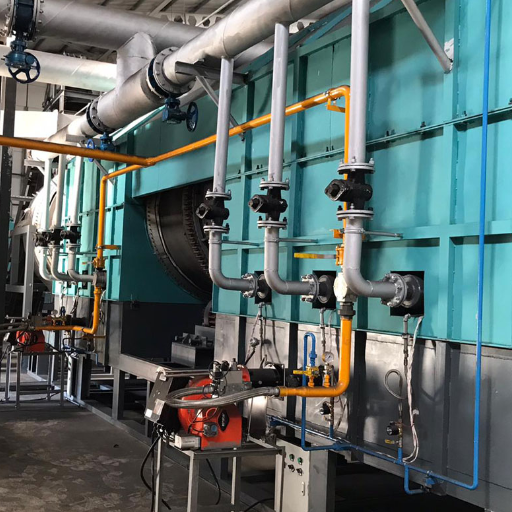
Innovative Designs and Features
The advanced palm kernel shell boiler systems bring forth multiple design innovations and operational features which boost both efficiency and environmental performance. The development of automated control systems stands as the foremost technological improvement. The systems track essential parameters which include temperature pressure and fuel feed rate to permit engineers to achieve precise combustion control. The system uses automation to decrease human mistakes while it produces steady energy output at reduced operational expenses.
The creation of advanced heat exchange systems represents another important technological advancement. The new heat exchanger technologies enable optimal thermal efficiency through their ability to transfer heat from the combustion chamber to the working fluid. The system achieves higher total efficiency while it operates at lower energy waste which results in reduced fuel use and emissions output. The designs use advanced insulation materials to improve their capacity for energy preservation.
Ash management systems now include new technological developments which have been implemented. The innovative features enable operators to collect and dispose of ashes produced from palm kernel shell combustion more effectively. The enhanced systems for ash handling decrease their tendency to create blockages which helps to sustain boiler operations for extended periods. The sustainable energy production process combines these technological advances which enable palm kernel shell boiler systems to operate with high efficiency and minimal environmental impact while supporting the circular economy.
Trends in Biomass Energy Solutions
The biomass energy field sees significant advancement through its improved ability to convert feedstock materials into different types of biomass energy resources. Researchers and industries are increasingly exploring diverse biomass sources such as agricultural residues, wood waste, and dedicated energy crops. This diversification not only secures a stable supply of raw materials but also promotes waste reduction and resource optimization. Recent advancements in pre-treatment technologies improve conversion efficiency because they establish a more sustainable method for producing energy through biomass.
The biomass industry sees a major development through new technologies that enable advanced biomass combustion methods and gasification systems to operate their processes more efficiently. These innovations focus on improving energy conversion rates and reducing emissions which makes biomass energy more competitive with fossil fuels. The new biomass boiler designs and gasifier systems achieve better heat transfer efficiency while needing less maintenance work and producing cleaner energy results. Research on carbon capture and storage (CCS) systems which operate within biomass facilities shows how biomass can create negative emissions which support worldwide decarbonization initiatives.
The adoption of biomass energy solutions depends on two main factors which include policy backing and global cooperation. Governments provide financial incentives for renewable energy projects through their subsidy programs and tax credit systems and research funding initiatives. International organizations promote biomass technology and infrastructure innovations through their knowledge-sharing programs. The combined approach accelerates the shift towards sustainable energy systems while biomass energy functions as a dependable substitute for conventional fossil fuels.
Future Prospects for Palm Kernel Shell Boilers
The upcoming years will bring positive development to palm kernel shell (PKS) boilers because people now prioritize sustainable energy solutions. With increasing efforts to reduce greenhouse gas emissions and the adoption of renewable energy, PKS boilers are well-positioned to play a significant role in industries seeking efficient and environmentally friendly solutions. Their ability to utilize agricultural waste streams makes them a cost-effective and sustainable option for energy production.
Governments and businesses are focusing on improving technologies to maximize the efficiency of PKS boilers while minimizing emissions. The performance of boiler designs and combustion technology has developed through ongoing research which makes these systems more valuable to manufacturers and power plants. The availability of government incentives and tax advantages together with financial support for renewable energy projects serves to boost adoption rates in regions that engage in palm oil production.
The upcoming years will see an increase in PKS boiler adoption because people now demand decentralized energy systems and investment in bioenergy solutions continues to grow. PKS boilers can become vital solutions for sustainable power generation because countries develop stricter renewable energy regulations and adopt circular economy models. Industries need to keep working on transportation and supply chain optimization solutions to achieve safe and efficient operations across different sectors.
Frequently Asked Questions (FAQ)
Q: What is a palm kernel shell boiler and how does it differ from a conventional steam boiler?
A: The palm kernel shell boiler operates as a biomass steam boiler which uses palm kernel shell (PKS) as its main fuel source. The palm kernel shell boiler produces industrial steam through the combustion of renewable palm oil mill waste, which results in lower carbon emissions compared to traditional coal and heavy oil steam boilers. The system can be built as either a water tube steam boiler or a fire tube system based on its required capacity, while the system typically uses a chain grate or drum furnace combined with custom radiation heating surfaces to achieve optimal solid fuel combustion of pelletized PKS and wood chips.
Q:Can a palm kernel shell boiler be used in palm oil mill and food industry applications?
A: Palm kernel shell boilers operate at palm oil mills to provide process steam and hot water which supports food industry refining and drying operations. The biomass palm kernel fired boiler uses PKS as fuel because PKS exists as a byproduct of palm fruit processing which results in lower fuel expenses while promoting environmental sustainability. Industrial steam generation and thermal oil heater systems require professional boiler manufacturers to deliver ASME and CE certified products which operate in thermal oil boiler applications.
Q: What are the typical fuels and fuel preparation methods for palm kernel shell fired boilers?
A: The main fuel used in this system is palm kernel shell (PKS) which operators combine with additional biomass materials that include sawdust wood chips wood biomass and pellets or charcoal. Biomass boilers use pelletized fuel which enables them to achieve both reduced moisture levels and easier fuel handling capabilities. The process requires operators to examine ash content and calorific value and density because they need to create solid fuel that will maintain consistent performance through their palm oil mill pre-processing methods which include screening and drying and pelletizing.
Q: How does moisture content and ash content of PKS affect combustion and boiler efficiency?
A: The presence of high moisture content in palm kernel shell material results in decreased thermal efficiency because the process requires more energy to transform the contained water into vapor which decreases the steam output from the system. The ash content determines how much the material will create slagging problems and the fouling issues that will occur in both the tubes and the systems designed to handle ash. The system achieves optimal combustion through the use of properly dried PKS material that contains specified ash content while the fired water tube steam boiler with waste heat recovery boiler and proper grate or suspension combustion design achieves superior thermal efficiency and lower exhaust emissions.
Q: Are palm kernel shell boilers suitable for export and operation in countries like Indonesia and Malaysia?
A: Yes. The Indonesian and Malaysian markets exhibit a strong demand for PKS boilers because both countries rank among the top producers of palm oil and palm kernel. The manufacturing industry exports palm kernel shell fired boilers while providing regional supply chain solutions that include installation services and ash handling systems and local standard compliance resources. The export units provide customers with two options, which include a gas fired steam boiler and a coal co-firing system, to accommodate their different fuel needs.
Q: What boiler types and auxiliary systems are commonly used with palm kernel shell combustion?
A: Common pairings include steam generator configurations like fired water tube steam boiler, thermal oil boiler (fired thermal oil boiler) for process heating, and hot water boiler systems for heating applications. The auxiliary systems of the plant include waste heat recovery boiler units which capture exhaust heat together with forced draft fans and ash handling systems and chain grate or moving grate furnaces and emission control equipment that meets environmental targets.
Q: What maintenance and operational considerations should plant managers expect with PKS boilers?
A: The maintenance routine requires operators to clean all tube surfaces together with fire tube surfaces and to track how combustion performs and to remove ash from both the drum and grate and to measure fuel moisture content. The trained operators need to handle solid fuel feed systems while they check for slagging on both radiation heating surfaces and exhaust systems. The combination of professional boiler service ASME standards and CE standards together with correct installation procedures establishes the foundation for maintaining long-term reliability and achieving optimal thermal performance.
References
-
Analysis of the Effectiveness of Coal Fuel with Palm Shells
- Description: This study explores the use of palm kernel shells as a substitute for steam boilers, analyzing their effectiveness in steam generation.
- Source: Harvard ADS (Astrophysics Data System)
- URL: https://ui.adsabs.harvard.edu/abs/2022AIPC.2391b0023W/abstract
-
Application of Computer-Aided Design for Palm Kernel Shell Steam Boiler
- Description: This paper demonstrates a computer-aided design approach for a palm kernel shell steam boiler, focusing on its efficiency in generating electricity.
- Source: Academia.edu
- URL: https://www.academia.edu/87086578/Application_of_computer_aided_design_for_palm_kernel_shell_steam_boiler
-
Preparation of Charcoal Briquette from Palm Kernel Shells
- Description: This study highlights the properties of palm kernel shell briquettes, including their high calorific value and suitability for energy applications.
- Source: PubMed Central (PMC)
- URL: https://pmc.ncbi.nlm.nih.gov/articles/PMC7569338/