Get in Touch with Taiguo

Case Study: Hotel Chain Boiler Upgrade Project


Contents
show
Businesses need to upgrade their outdated infrastructure because this process will help them achieve better operational performance and lower their operating expenses while reaching their environmental sustainability targets. The hotel chain needed to solve its essential business operation problem which involved repairing its entire boiler system. The case study demonstrates how a complete boiler system upgrade project improved the hotel chain’s energy efficiency while supporting its environmental protection efforts and guest comfort initiatives. The project achieved exceptional outcomes through its combination of strategic planning and advanced technological solutions and successful execution. The article presents their operational difficulties which they successfully addressed through particular measures that produced concrete results.
Understanding Hotel Boiler Systems
Types of Boiler Systems for Hotels
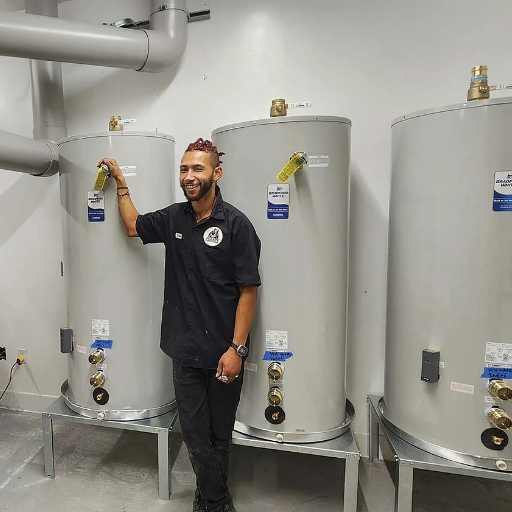
Hotels require multiple boiler systems to provide their heating and hot water requirements, because each system meets different operational needs and operational sizes. The most common systems include:
- ✓
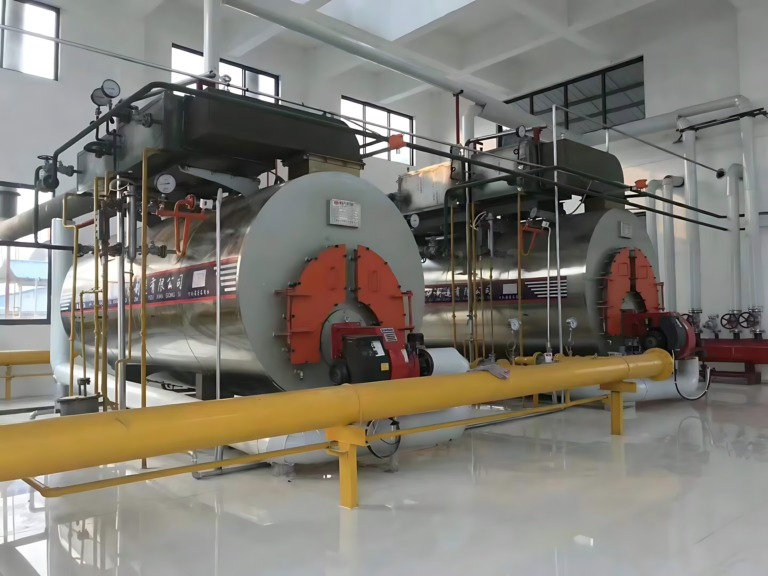
Fire-Tube Boilers: Fire-tube boilers provide efficient performance through their basic design which makes them suitable for operation in small hotel facilities. The system operates by routing hot gases through pipes which the water wraps around to create steam and hot water needed for different purposes. - ✓
Water-Tube Boilers: Larger hotels use these boilers which function by permitting water to pass through tubes that absorb heat from combustion gases. Water-tube boilers operate with high efficiency because they respond quickly to changes in demand which makes them suitable for enterprises that handle large volumes of work. - ✓
Condensing Boilers: The design of condensing boilers operates as an environmentally friendly solution which achieves maximum energy efficiency. The boilers achieve energy savings by recovering heat from exhaust gases through the condensation of water vapor which reduces carbon emissions. - ✓
Electric Boilers: Electric boilers function as compact systems which produce energy without performing combustion thus they serve as environmentally friendly solutions for small businesses and green-oriented organizations. The system operates silently while its installation process needs minimal space, which makes it ideal for spaces that require heat between low and moderate levels. - ✓
Biomass Boilers: Hotels that seek to adopt environmentally friendly methods should select biomass boilers as their most suitable option. These systems operate with renewable fuel sources which include wood pellets and agricultural waste, thus they decrease their need for fossil fuels while supporting environmentally sustainable business operations.
The selection process for boiler systems depends on the unique advantages of each system which hotels choose according to their size and energy requirements and financial resources and building design. The selection of an appropriate boiler system becomes essential for sustaining guest comfort while achieving operational efficiency and environmental sustainability.
Water-Tube vs. Fire-Tube Boilers
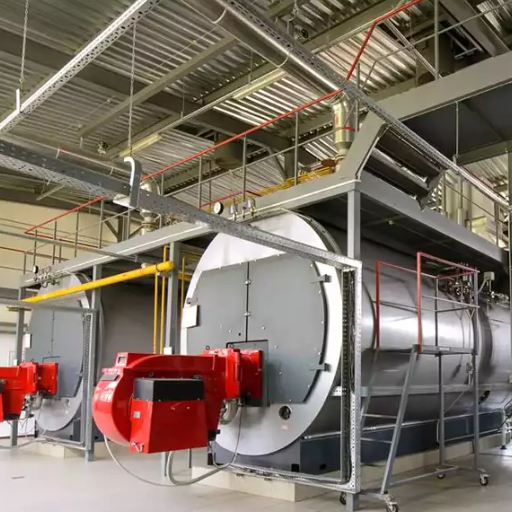
The design and operation of water-tube and fire-tube boilers create different performance capabilities which determine their suitability to different types of applications. Water-tube boilers operate by using external combustion gas heating to create steam through water which flows through their tubes. Fire-tube boilers function through hot gases which flow through tubes that water surrounds, creating a system that works best under low to medium pressure conditions.
Water-tube boilers provide efficient performance because they can produce heat for extensive heating requirements. The system provides fast heating capabilities which enable it to produce superheated steam needed for industrial processes such as power generation. The system enables facilities to create high output because it supports operation at elevated pressure and temperature. The complex design of the system makes installation and upkeep more expensive than fire-tube boilers.
Fire-tube boilers present a disadvantage for high-pressure operation yet deliver operational simplicity combined with reduced expenses at the beginning. Their compact design makes them ideal for installation in smaller buildings which have limited space availability. The maintenance process for fire-tube boilers remains straightforward, which helps reduce costs that accumulate during their entire operational period. The selection between water-tube and fire-tube boilers requires facilities to assess their specific operational requirements, which include pressure demands, space constraints, and cost limitations.
Condensing Boilers and Their Benefits
Condensing boilers operate as highly efficient boilers which extract heat from exhaust gases that standard systems of conventional boilers release into the environment. The larger heat exchanger of condensing boilers enables them to chill exhaust gases until water vapor transforms into liquid form which allows them to recover latent heat present in the system. The system achieves its efficiency improvements through this mechanism which enables the system to reach efficiency levels above 90 percent making it a sustainable solution for environmental protection.
Condensing boilers provide their most significant advantage through their capacity to decrease energy use which results in lower energy expenses for users. The system achieves maximum fuel efficiency which leads to substantial heating cost reductions for both residential and commercial users. The environmental impact of condensing boilers decreases because they emit lower levels of greenhouse gases which helps to achieve worldwide climate change mitigation goals.
Condensing boilers provide users with the dual benefit of equipment flexibility and compatibility with contemporary heating technologies. The system operates effectively with underfloor heating systems and radiator systems and any other temperature-controlled heating system which operates at lower temperature settings. Although condensing boilers require users to pay higher initial costs than standard boilers do, their long-term financial savings and positive environmental impact make them an effective option for heating systems.
Choosing the Right Boiler for Your Hotel
Factors to Consider in Boiler Selection
💡
Selection Criteria
- Efficiency and Energy Savings: Modern condensing boilers achieve operational efficiency rates that exceed 90% while they enable users to achieve major energy savings and lower their operating expenses. According to energy efficiency reports, switching from a traditional boiler to a high-efficiency condensing boiler can save up to 20-30% on annual energy bills.
- Capacity and Size: Your hotel requires specific boiler dimensions which should match its heating and hot water requirements. A system boiler serves as sufficient equipment for small hotels whereas larger hotels need commercial boilers which provide continuous hot water service during busy periods.
- Fuel Type and Availability: The type of fuel your boiler needs to use stands as an essential factor which requires examination. Options include natural gas, oil, biomass, and electricity.
- Cost of Installation and Maintenance: Initial expenses must be balanced with long-term maintenance needs. Condensing boilers require stricter maintenance guidelines than standard units.
- Environmental Sustainability: Choosing boilers with fewer emissions helps meet sustainability goals and appeals to eco-aware customers.
The selection of your hotel boiler system requires you to consider multiple factors which should match the latest technological advances and current industry standards.
Energy Efficiency and Operational Costs
The decision to select a hotel boiler system depends on two key factors which are energy efficiency and operational costs. Highly efficient boilers require reduced fuel consumption which results in substantial cost reductions throughout their operational lifetime. Modern heating systems with advanced features achieve their best performance because they can control operational costs through efficient fuel usage which prevents energy waste from occurring. Your business gains cost advantages while achieving sustainability objectives through this solution which lowers your total operational environmental effects.
Business expenses extend beyond power usage to include costs for equipment upkeep and hardware replacements. Businesses that choose boilers which offer extended operational life and simple upkeep will experience cost reductions throughout their business activities. Systems that offer simple operational functions together with their monitoring capabilities enable staff members to control power usage while they work, thus decreasing expenses that result from operational faults or budgeting errors. Your investment will achieve better cost efficiency through your choice of systems that deliver both user-friendliness and dependable performance.
The government provides financial support for your hotel business when you implement energy-saving measures through eco-friendly operational practices. Organizations that promote green energy solutions provide financial support to cover the initial costs of high-efficiency boiler installations. Hotels need to evaluate energy savings together with their maintenance needs and available financial incentives to achieve the best balance between their initial costs and their future financial advantages.
Energy Efficiency Considerations

Reducing Operational Costs with High-Efficiency Systems
Hotels achieve cost savings through installation of high-efficiency boiler systems. The boilers deliver operational savings because they use less fuel than standard systems. High-efficiency boilers enable hotels to operate their heating and hot water systems while decreasing utility costs through their energy-efficient design.
20-30%
Potential annual savings on energy bills when switching to high-efficiency condensing boilers.
High-efficiency systems provide financial benefits which develop over time as their most important advantage. Organizations and governments provide financial incentives through rebates and tax credits and grant programs to support energy-efficient equipment installation. Hotels can improve their return on investment through these programs because they help cover part of the initial investment expenses.
High-efficiency boiler systems need less regular maintenance because their advanced technology delivers superior system performance. The hotel industry saves money through reduced equipment downtime and repair expenses because these savings allow hotels to allocate additional resources toward operational operations. Hotels achieve environmental and economic advantages through their energy-efficient programs which generate financial benefits.
Incorporating Renewable Energy Solutions
The efficiency and sustainability of hotel boiler systems receive significant improvement from renewable energy solutions which include solar thermal systems and biomass boilers. Solar thermal systems harness energy from the sun to heat water, reducing reliance on traditional energy sources and lowering overall energy costs. The systems deliver environmentally friendly hot water solutions because they operate effectively in areas that receive strong sunlight throughout the day.
Biomass boilers operate by burning natural materials which include wood pellets and agricultural waste to produce thermal energy. The renewable energy source generates thermal energy while it decreases carbon emissions. Hotels that have sustainable biomass resources can use biomass systems which provide a green energy solution.
Hotels that implement these renewable energy solutions achieve dual benefits because they reduce their environmental impact and gain financial benefits that last over time. The government and various organizations provide financial incentives to support the implementation of renewable energy systems which leads to increased system adoption. The system enables organizations to accomplish their sustainability objectives while creating a comfortable space that operates efficiently for visitors.
Environmental Impact of Upgrading Boiler Systems
The environmental effects of boiler system upgrades show substantial improvement because the upgrades decrease greenhouse gas emissions and enhance energy efficiency. Modern boilers operate at reduced fuel usage because they deliver equivalent or superior heating performance to previous boiler designs. The efficiency of systems reduces building operations carbon emissions which help worldwide efforts to fight climate change.
Modern boiler systems use advanced technologies and renewable energy sources like biomass and natural gas, which produce fewer emissions than traditional systems that have lower efficiency ratings. The transition leads to improved air quality because it establishes a clean energy system that supports environmentally friendly energy development. The upgraded systems use advanced control systems and monitoring technologies to achieve higher energy efficiency, which results in better environmental protection.
The process of upgrading boiler systems results in reduced fuel usage and increased system performance, which leads to lower resource waste and decreased need for fossil fuel energy sources. The environmental changes create business and personal savings that encourage sustainable behavior because people can still maintain their normal activities. The transition to modern energy-efficient boiler systems shows essential environmental benefits because it results in positive environmental results.
Boiler Maintenance Tips
Regular Inspections and Their Importance
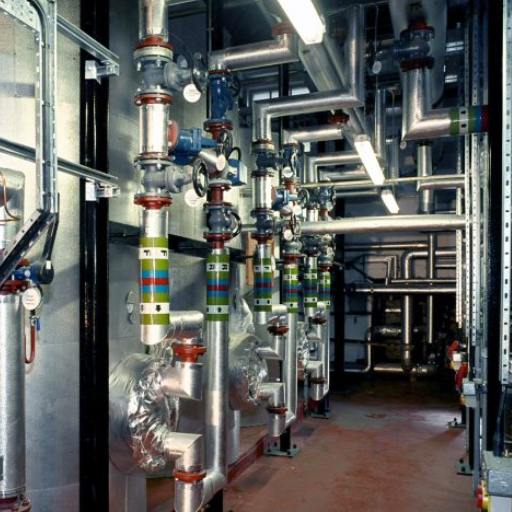
Boiler systems require regular inspections which serve as essential methods to sustain their operational functions and safety standards. Professionals examine systems during inspections to find any indications of equipment deterioration or leaking parts or other possible threats which might cause operational problems or system breakdowns. The early solution of these problems creates a decrease in breakdown incidents which allows the boiler to function both safely and efficiently.
Energy efficiency depends on routine inspections which serve as essential components of energy management systems. A properly maintained boiler system requires less energy for operation which results in substantial financial savings on energy expenses throughout the duration of its service. The system’s efficiency suffers from debris accumulation that occurs when operators fail to clean and inspect vital components such as burners and heat exchangers on a regular basis.
The establishment of a regular inspection routine enables you to increase your boiler system’s operational lifespan which protects your financial investment. The system becomes more durable through the detection and resolution of small problems which prevents their development into expensive maintenance needs. The execution of a regular maintenance program helps organizations to meet safety standards while supporting sustainable operations through decreased energy waste and material disposal.
Cleaning Procedures for Optimal Performance
- 1
Cool Down and Inspection
Begin by turning off the system and allowing it to cool completely for safety. Once the system reaches its cooled state, inspect and eliminate all internal deposits which include scale and debris from the boiler system. - 2
External Component Cleaning
The team needs to execute complete inspection and cleaning of all external system parts which include vents and filters and burners. The team should select proper tools and methods for cleaning which need to include brushes and chemical solutions based on the specific type of deposits and boiler material. - 3
Waste Disposal and Testing
The team needs to dispose of all cleaning materials and waste according to local waste management regulations. Conduct system tests following the cleaning process to confirm system functionality while making necessary calibration adjustments.
The boiler system receives efficiency improvements through regular cleaning which also provides extended service life by minimizing equipment damage. The system achieves operational efficiency through regular cleaning which combines with professional servicing to establish long-term reliable and cost-efficient operations.
Troubleshooting Common Boiler Issues
⚠️ Important Note
Boiler problems occur when technicians follow the incorrect procedure to fix the problems. Always consult the manufacturer’s manual or a certified professional for persistent issues.
The most common problem occurs when the boiler system fails to start. The system may fail to start because either the fuel supply has been interrupted or the circuit breaker has been tripped or the pilot light has gone out. The solution requires checking the fuel supply and verifying whether the circuit breaker has tripped and following the manufacturer’s instructions to relight the pilot light. Professional servicing is necessary because the ignition system and gas supply system need to be inspected for their operational status.
The system experiences its second most frequent failure when low boiler pressure stops the heating system from working properly. The system experiences low pressure because of three different reasons: water leakage, radiator bleeding, and a malfunctioning pressure relief valve. The system requires two steps to solve the problem, which starts with checking for leaks and ends with using the filling loop to restore pressure to the system’s user manual recommended pressure level. The technician needs to be consulted because continued pressure drops will result in further complications.
People complain about unusual sounds which include both banging and whistling noises. “Kettling” describes a sound that occurs when limescale builds up inside the heat exchanger or the system traps air. Flushing the system becomes necessary to eliminate all debris and scale materials from the equipment. The process of air pocket removal requires radiator bleeding through a gentle method. The boiler needs both routine maintenance and descaling treatments because they will stop future problems from happening and allow the system to work at its best.
Cost-Benefit Analysis for Hotel Boiler Upgrades
Understanding Long-Term Savings and ROI
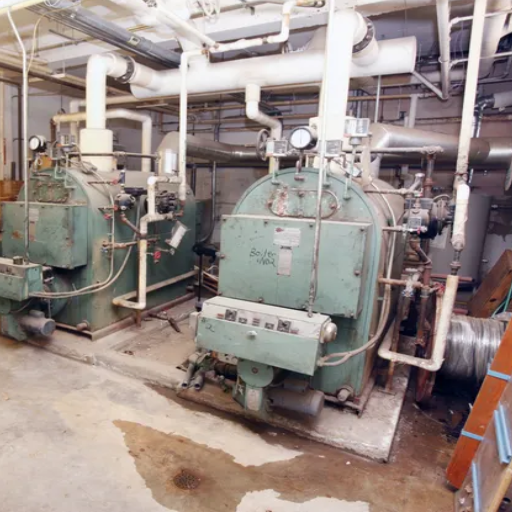
The initial investment for a hotel boiler system upgrade may seem expensive but the resulting future savings will exceed the initial costs. Modern boilers work at higher efficiency levels because they require less fuel to generate the same amount of required heat. The direct impact on energy expenses results from energy consumption which forms a major part of the total operating expenses that hotels incur. Energy efficiency research indicates that facilities which switch to high-efficiency boilers can expect energy cost reductions between 10 and 30 percent based on their facility size and heating requirements.
New boiler systems typically include cutting-edge technology which enables them to operate through automated control and monitoring functions. The system uses these functions to improve operating efficiency which results in financial benefits and decreases equipment damage. The decrease in equipment failures leads to reduced maintenance expenses throughout the years and creates fewer interruptions during business activities. When hotels maintain their systems at optimal performance levels they protect their revenue streams from potential loss which results from system outages and guest complaints about insufficient heating or hot water service.
A hotel can achieve higher permanent profit margins through its investment in new boiler equipment because the new system helps the hotel operate with a smaller environmental impact. Sustainability targets require energy-efficient systems to decrease greenhouse gas emissions which provide environmentally aware travelers with an appealing travel option. The business upgrades help the hotel build its brand status while bringing in more visitors and receiving government financial support which results in better investment returns. The decision to upgrade equipment becomes a strategic business decision because operational factors require their assessment.
Financing Options for Boiler Projects
| Financing Option | Description | Key Benefit |
|---|---|---|
| Government Loans/Grants | Funding programs to promote eco-friendly equipment. | Reduces initial capital expenditure. |
| Energy Performance Contract (EPC) | Third-party payment repaid through energy savings. | No upfront cost for the business. |
| Leasing | Distributing costs across a set time frame. | Preserves operational cash flow. |
By exploring these financing options, businesses can identify the most suitable approach to support their transition to efficient and sustainable heating solutions.
Frequently Asked Questions (FAQ)
Q: What is a hotel boiler system, and what makes it different from a common water heater?
A: A hotel boiler system is a commercial-grade setup that helps deliver reliable heating and hot water across hospitality spaces, including hot water to guest rooms, kitchens and laundries. Unlike the usual home or tankless water unit, boiler systems specifically designed for hotels are sized for continuous, high demand and typically have a redundancy switch and appropriate boiler technology to satisfy the needs of hotels and resorts.
Q: What type of boilers do hotels and resorts use a lot?
A: Boilers are a must in hotels and can vary in their designs from water tube and fire-tube hot water for hot water boilers and steam boiler systems for water heating purposes. Commercial water heaters and tankless water heaters might be considered for point-of-use applications. The choice is based upon the heating requirements, intention of ensuring guest satisfaction, desired operating expenses from energy efficiency, etc.
Q: Is the aspiration of the hospitality industry to reuse the waste heat from hotels for power?
A: There is much scope in using hotel waste heat for power, at least in a broad sense. It can be quite beneficial for the industry in general and profitable when the equation is carefully checked. I remember, in one of this recent meeting with my friends from Jumeirah, the likes of Jumeirah would love to take advantage of that; however, the case of the hotel on the Palm, I feel that it’s already being partially used.
Q: However, what maintenance can ensure a good boiler system’s performance in one hotel?
A: Preventive or regular boiler maintenance is very important–scheduled inspections, cleaning heat exchangers, checking control, testing the safety devices, replacing worn boiler parts, and monitoring water chemistry. Also, any maintenance work by a boiler manufacturer or contractual service would help prevent downtime, extend a machine’s life, and ensure proper maintenance so that various emergencies could not lead to hot water disruptions in hotels.
Q: What strategies should the hotels take in the selection of the boiler solutions to lower their operating costs?
A: For hotels and resorts, thermal efficiency, choice of fuel, the peculiar load profile, and selection between high-efficiency water boilers and heat pump-assisted units must be examined to save money on boilers. The selection of advanced boiler technologies, quick installation, and routine maintenance and repair will lower long-term operating costs while ensuring endless supply to the guests for greater approval.
Q: What is the lead-time to get a boiler repaired or receive spare parts so a system can be kept running?
A: The response time depends on what maintenance agreements are already in place and if the part is readily available. Reputable boiler service and manufacturing organizations keep stocks of some spare parts and offer emergency repair services for hotels and resorts. Having a preventive maintenance agreement in place and some formal documentation from the boiler manufacturer minimizes the downtime and keeps the system up and running after a fault.
Q: Are there any recommended water heaters for smaller hotels or boutique hotels?
A: Smaller hotels generally use compact versions of water heater boilers, high-efficiency water heaters for hotels or other types, or combination systems involving centralized boilers with multiple local boilers. These solutions must balance the requirement of hot water and water heating systems of hotels with the space and financial constraints associated with these solutions while providing guest room hot water.
Q: How does the integration of modern boiler technology in the hospitality sector help the environment?
A: Systems utilizing modern boilers and commercial systems for the purpose of water heating achieve high thermal efficiency, decrease fuel consumption, and toward that, reduce airborne emissions. The usage of condensing boilers, high-efficiency water-tube boilers, or a heat pump can further enhance energy performance and thus help hotels and resorts achieve their goal of sustainability while lowering the overall operational costs.
References
-
Monitoring and Modeling Hot Water Consumption in Hotels
Link to source
This thesis discusses hot water consumption in hotels and its impact on heating systems, including solar thermal water heating. -
Central Hotel Guest Room Energy Controls Final Report
Link to source
This report explores energy management systems in hotels, focusing on reducing heating and cooling costs. -
Power Co-Generation at Harvard-Owned Doubletree by Hilton
Link to source
This article highlights a co-generation system that improves energy efficiency in a hotel setting. - CWNS Oil Gas Fired Hot Water Boiler