Get in Touch with Taiguo

Steam Boiler vs Steam Generator: Differences


Contents
show
It is crucial to understand the difference between a steam boiler and a steam generator when considering industrial and commercial uses. Often these terms are used interchangeably, but in reality a steam generator and steam boiler are quite different in design, strengths, and purpose. This article addresses the fundamental differences between steam boilers and steam generators, discussing how they operate, advantages, and potential usage cases. Once you have gone through this set guide, you will have a fuller understanding of the reasons it may be the better equipment option for your needs, whether for industry or mere curiosity. Little by little, we can walk ourselves through the topics that truly help in order to decide.
Understanding Steam Generators
Definition and Functionality
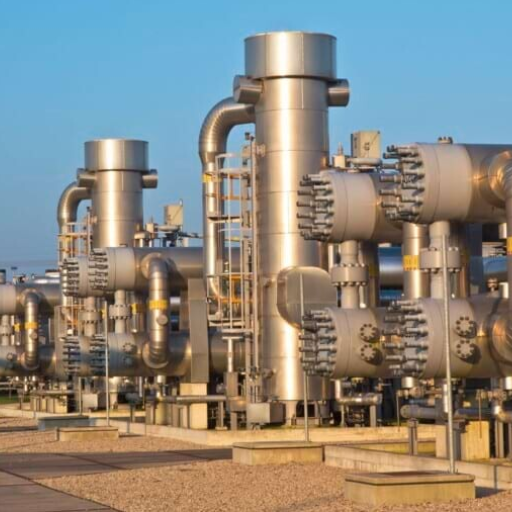
Steam generators are devices that are created to generate steam from water by process of heat application. Unlike large conventional boilers, secured and maintained at a given pressure to release large volumes of steam, steam generators are significantly smaller, making them dynamic in generating steam quickly and more prolific. Their main function is the production of high-temperature steam which can be utilized in various industrial processes.
The chiseled structure of steam generators allows for quick start-up times, making them a great option for applications where rapid steam generation is the central criteria. Furthermore, these devices also offer higher energy efficiency as they need considerably less water and fuel. This makes them the perfect suite for applications in a context where only limited use for steam is required such as laboratories, small industry setups and small-scale heating applications.
Steam generators, apart from their improved safety and the relative ease of maintenance, may exhibit many advantages. A decreased amount of dead volume with a smaller system makes it safer, which is one of the major factors of the steam system. These characteristics could be very good for industrial and on-demand steam applications.
Types of Steam Generators
1. Coil Type Steam Generator
The advantage of coil fin steam generators is that they are compact and highly efficient and are suitable for smaller applications. The helical coil is designed to quicken steam generation and give brief start-up times. Such facilities are a massive hit in certain industries such as food processing, textiles, and pharmaceuticals. The greatest benefit is the fact that these coil fin steam generators take less than five minutes to reach full steam generation. Energy efficient and they use a minimum amount of water.
2. Fire Tube Steam Generator
Fire tube steam generators are conventional because they contain hot gases flowing through tubes surrounded by water. Their design also allows for reasonable operational costs and maintains the capacity to withstand elevated pressure requirements in industries such as chemical manufacturing and paper production. Furthermore, with proper maintenance, fire tube boilers tend to last much longer.
3. Water Tube Steam Generator
Steam-generating water tube boilers circulate water in tubes heated, i.e. with combustion gases, from the outside. They are noted for working with high pressure and efficiency-and so is why they are preferred for massive industrial use, such as power generation. According to some data, modern water tube boilers can offer 85-95% efficiency, rendering them a viable choice among energy-intensive industries.
4. Electric Steam Generator
Electric steam sources are typically seen as high quality, clean, easy-to-use appliances. Usually they use electrical energy to take water to the point of forming steam without having to combust it. This technology has proven very safe for tiny-lab or hospital application where only pure steam is absolutely required. It might be noted, that some modern units demonstrate the gold standard of energy performance with almost 30% of annual savings when compared to conventional units in a series of small-capacity applications.
5. Micro Steam Turbines
Micro steam turbine generators have been attracting increasing popularity for small-scale, decentralized power generation. They return maximum efficiency from waste heat, which is environmentally attractive in this age of green energy.
6. Modular Steam Generator
The modular steam generators consist of interconnected small modules scalable according to requirements. They serve as an ideal solution for modern industrial plants in terms of flexibility, redundancy, and shortened downtime. The modular ones are getting more famous in industries of variable steam capacities, such as breweries, where steam quality and the adaptability are of utmost importance.
Applications in Various Industries
Steam generators being crucial components, because they supply high-quality steam perform efficiently and with precision across a broad range of industries. Here are some examples of prominent usage scenarios:
1. Food and Beverage Industry
Steam generation is essential for the food and beverage industry, especially for sterilization, cooking, drying, and cleaning. For example, the brewing sector uses modulated steam generation for ensuring steam quality homogeneity that is essential for the brewing process.
2. Pharmaceutical Industry
Strict steam quality standards in the pharmaceutical industry are needed by applications for sterilizing equipment and for production of drug products. Modern steam generators meet these demands by being reliable and having precision control capability. Thus, clean steam generators are commonly used in the first process-to prevent contamination. The global pharmaceutical steam generator market has shown upward growth primarily because of an increased demand for vaccines and other eligible drugs worldwide.
3. Textile Industry
For dyeing, finishing, and ironing fabric, steam is a vital component in the textile industry. For the diverse requirements of the textile industry, these steam generators offer cheap availability and quick start-up times. However, these observations allude to increased investment in textile manufacturing in certain countries like India and Bangladesh, which eventually gives rise to the demand for superior steam systems; run production without shutdown.
4. Chemical Industry
One thing in the chemical field is steam, which supplies heat, distillation, and other chemical processes. Many chemists enjoyed the use of modular systems, as they were well suited for the type of adjustment necessary in plants running varying production loads.
5. Power Generation
Steam generators are essential parts of power generation plants, especially in the context of thermal and nuclear plants. At the same time, one can see that small modular reactors (SMRs) offer energy solutions that are quite cleaner and more sustainable by using modular steam generators. Industry analysts have also forecast that the global small modular reactor market shall cross $10 billion in 2035 and that steam generators shall play an all-important part in the design itself.
6. Hospitality and Healthcare
The renowned use of steam in hospitals and hotels is in sterilization, laundry purposes and having an HVAC system; being suitably adaptable, modular steam generators have found favor in facilities with variants in energy and steam requirements. As the base for the whole world grows, there is an increasing trend of very thrift steam systems in hospitals and clinics.
Enhanced use has pushed innovation in the outmoded, typically highly conservative steam generator industry.
Exploring Steam Boilers

Definition and Functionality
Steam boilers are enclosed vessels intended for the heating of water and the production of steam while serving a majority of applications. The primary role of a steam boiler is to convert water into steam by using heat to achieve such conversion. The steam is then taken through a series of pipes to run equipment in industries, sterilize surgical instruments, or provide heat in places like hospitals and factories.
The operation of steam boilers is a simple thing. Water goes into the boiler and then it is heated up via exposure to a heat source like gas, oil, or electricity. Once it gets to its boiling point the water changes to steam; when it is pressurized, it is sent to machines for work. To optimize performance and conserve utility, this process must be conducted with maximum efficiency, rendering the energy-saving technology of the modern-day boiler increasingly important.
The utility of these systems spans different projects in their associated industries. Their use ranges from the steam turbines in power plants to maintaining sterile environments in healthcare centers, both of which help in maintaining operations in important localities. Today, the proponents are pitching for greener options, namely, those involving technologies in energy efficiency and minimal emissions-as further notes and efforts in the enigma of environmental sustainability; an industry border of eco-innovation methodologies is being created to address the ameliorating need.
Types of Steam Boilers
According to sources, steam boilers come in various kinds based on specific industrial needs and clients’ needs. Listed below are some notable kinds of steam boilers with the requisite descriptive definitions:
1. Fire-Tube Boilers
Fire tube boilers are among the most common boiler types. These operate by channeling hot gases through tubes that pass through a drum filled with water, heating the water and creating steam. These systems are known for their simplicity, reliability, and cost-effectiveness. According to current data, fire tube boilers are widely used in small to medium scale operations, such as heating systems or small business and industry. Their smaller output capacity tends to make them much less effective for larger operations.
2. Water-Tube Boilers
Water-tube boilers are known to work at higher pressures and temperatures; this categorizes them as among the preferred choices to be used in power plants and heavy industries. Water actually flows through tubes surrounded by hot involved gases, thereby promoting the quick transfer of heat.
3. Electric Steam Boilers
An electric steam boiler is an eco-friendly alternative as it makes steam via an electric heating element instead of burning fossil fuels. The boilers that are electrically operated are relatively small in size and are intended for use in consumer markets that require small steam outputs. The modern trend shows increased usage of electric boilers, especially in industries that are smartly cutting carbon emissions by dint of their ability to operate on renewable electricity sources.
4. Waste Heat Boilers
This type of boiler also economically makes use of additional heat from industrial operations like gas turbines, while generating steam without the need for additional fuel. It stands as an apt choice for enhancing overall energy efficiency. Research suggests that WHBs have the potential to reduce the fuel consumption of cogeneration systems by 30% to 70%, according to some reports, thereby yielding great energy savings.
5. Modular Boilers
Modular boilers consist of multiple smaller units being handled simultaneously to support fluctuating steam demands. This design, which can be effectively scaled along with higher energy efficiency, could therefore allow one to shut off individual boilers when not needed. Whereas, in a modern era, variable load requiring steam industrial applications adopt the modular system in efforts to minimize the operating cost.
6. Supercritical and Ultra-Supercritical Boilers
Supercritical and ultra-supercritical boilers work above the critical point of water, with great temperature and pressure, to have greater thermal efficiency. These kinds of boilers are increasingly used to generate more power with less fuel consumption and a lower carbon footprint. Records indicate that ultra-supercritical boilers are capable of operating with thermal efficiencies greater than 45%, comparing favorably to conventional boilers’ 35-40% under normal operating conditions.
Presently, industries have adapted and introduced ever new ways to improve the efficiency, environmental impact and capacity of the steam boilers, taking energy requirements into account. Unique characteristics of each type of steam boiler render selection directly dependent upon the conditions and sustainability goals of the organization.
Applications in Various Industries
Steam boilers come in use in a wide range of industries simply because of their versatility and efficiency. The following are some such distinct sectors in which the steam boilers are of paramount importance:
Food and Beverage Industry
Steam boilers are crucial to many activities such as cooking, sterilizing, and pasteurizing. For instance, breweries consume steam for precise control of temperatures throughout fermentation and brewing. The food and beverage industry is the major user, contributing approximately 10-15% of global steam boiler demand, driven by the necessity of safe and hygienic heat processes.
Chemical and Pharmaceutical Industry
Accurate heating plays an essential role in chemical reactions and pharmaceutical manufacturing. For distillation, sterilization, and process heating, steam boilers provide constant heat. Boilers of high efficiency help in reducing energy costs and achieving sustainability goals. These technologies have helped some pharmaceutical companies achieve up to 20% in energy savings from advanced boiler technologies.
Textile Industry
Inclusion of steam boilers for the dyeing, drying, and ironing processes throughout the textile sector are rather ordinary. The research found that over 60 percent of textile processing units fulfill their thermal requirements by using such boilers. Energy efficiency is very important in modern textile steam boiler system designs, which in turn leads to the generation of much lower emissions, both of which line up with sustainable manufacturing practices.
Energy and Power Generation
Industrial boilers are used by power plants to make steam used for spinning turbine for generating electricity. Ultra supercritical steam boilers employing efficiencies over 45% and thus lowering fuel consumption and greenhouse gas emissions would signify a momentous leap towards fulfilling the global spectacle of sustainable development.
Pulp and Paper Industry
Steam is essential to pulp washing, drying, and recovery processes. Statistics reflect that the pulp and paper industry is one of the major industries driving industrial boilers globally, stressing the importance of bio-mass-fed boilers white keeping an eye on sustainable development mandates.
Healthcare Sector
In hospitals and healthcare facilities, a steam boiler is utilized for sterilizing equipment, heating buildings, and ensuring sanitation. Modern compact, energy-efficient boilers are increasingly catering to medical facilities limited by space, while still having to adhere to high standards of safety.
These programs reflect use of boilers and steam, in respect of adapting well to the changing trends of energy efficiency and environmental causes in different fields of sacred expertise.
Key Operational Differences

Steam Boiler vs Steam Generators: Core Principles
The design, operational nature, and application make the steam boilers and steam generators vary from one another. Steam boilers, larger ones generally, are purposely designed to generate bigger volumes of steam at higher pressures. They utilize a closed tank system where water is turned into steam, which makes the larger boilers beneficial in industrial settings that can afford a good deal of steam on a continuous basis. Another aspect of their design quality makes them maintain an exceptionally high level of thermal efficiency over long operation times.
Various designs and setups can enter the field of steam generators-their more condensed form allows the rapid creation of small volumes of heat and steam at lower pressures. This makes them suitable for installations that need to save space or where intermittent steam usage is the norm. For example, this can be a small-scale operation for a laboratory.
The selection of one device over the other depends heavily on operational requirements. Generally, those requiring continuous and large-scale steam production will opt for steam boilers because of their track record in terms of efficiency and capacity. Advancing in contrast, applications requiring flexibility, immediate startup, and smaller-scale steam production recognize steam generators. It is in understanding these core differences that the correct selection can be made for the specific needs of a facility or operation.
Energy Efficiency Comparisons
When considering energy efficiency, steam generators tend to be more efficient in smaller-scale applications. The ability to produce steam quickly makes sure that energy losses are sparse due to the large amount of energy consumed during startup and shutdown periods. They work well in operations that need rapid steam production and that involve intermittent steam production; the reason is that they operate in less fuel when power demand is low or irregular.
On the other hand, steam boilers offer higher energy efficiency in a large-scale, continuous operation. Their design fundamentally includes better insulation and better heat retention, reducing energy losses to all conceivable minimums during extended use periods. For example, these boilers can use several different types of fuels that would offer opportunities to the facility in terms of cost savings, depending on the fuel availability at the facility.
The energy-efficient option to choose primarily depends upon the scale and nature of operations. In the instance of such plants that require high and steady flow of steam, steam boilers offer better efficiency throughout the operation. Meanwhile, for those with small changes in demand or even unpredictable demand, steam generators present a very economic alternative in terms of energy savings. Understanding of the needs and steam consumption pattern is important so that decisions can be made elaborately.
Advantages and Disadvantages

Pros and Cons of Steam Boilers
Pros of Steam Boilers:A steam boiler is well-suited for industrial activities, considering industrial-scale steam requirements. These boilers give consistent and high performance values while maintaining high levels of efficiency with a fairly constant steam demand. Their feature is that they can operate up to very high temperatures and high pressures, which suit heavy-duty applications. Generally, their design is heavy-duty, expanding the durability of these units for longer operation.
Cons of Steam Boilers:The most significant downfall of steam boilers is the massive power consumption attached to them. Due to hefty fuel needs, the utilities with low and fluctuating steam demand may pose higher costs. Boilers might have a larger footprint to arrange for adequate installation space, whereas generators need much less. Besides, initial and maintenance expenses of steam boilers are dearer. They take a longer time to warm up; hence rapid steam demand could be missed in certain operations.
Pros and Cons of Steam Generators
Steam generators definitely have many advantages, especially in the context of applications needing compact and fast systems. They are highly compact by design, looking quite good also for sites with some restrictions of space. Additionally, steam generators are fonder of heating quicker than plain old steam boilers, which will result in the availability of steam in just a moment. This pace at which it responds may be considered invaluable in live operation where the demand for steam is on the quick side. Their initial cost might be lower in comparison to steam boilers. Where intermittent or low demand for steam is the case, they consume less energy in many cases.
On the other hand, steam generators are found to have certain weaknesses. Although they are perfect in matters of lesser steam production, they are likely to be less efficient or less sufficient for processes considering larger amounts of steam. Small-size design could possibly not support a consistently high amount of steam circulation and could thereby affect systems that require sustained high-throughput steam. Maintenance might be a little easier in some package designs, but, unlike proper industrial steam boilers, the package design has a significantly shorter operational life for wear and tear.
Choosing the Right Option
When it comes to choosing between boilers and steam generators, evaluating your unique settings and aspirations needs careful consideration. Boilers are the most suitable equipment for large-scale industrial applications driven by steady style, unswerving supply of steam and generate so many efforts toward energy efficiency and durability. The central role plays, perfect for those operations in which reliance is of paramount importance.
Meanwhile, the excellences of steam generators are something to meditate on: they perform well in places where steam demand is intermittent or when you have need of fast starting. Because their need for space could otherwise be safely ignored in the case of facilities or processes that practically need steam only on some occasions, they have their extremely compact design and minimal water content.
All in all, there are various considerations to keep in mind when dealing with such factors as how big the operation is, how energy efficient the machine is, what kind of space you have available, and what kind of a budget you might have available. A full assessment of needs then becomes an essential step in helping make a decision, in which consulting an expert in the field can greatly benefit the alignment of your objective to a specific running stage. These factors need to be carefully evaluated for you to make the right choice of a piece of machinery, that is to say, whether it is anything useful and on demand in terms of its contribution to meeting your needs.
Maintenance and Long-Term Costs

Typical Maintenance Requirements for Boilers
To ensure efficiency, safety, and longevity, proper boilers maintenance is essential. Typical maintenance schedules include regular inspections and test runs and the cleaning and checking of components. Key tasks include checking the burner and heat exchanger for wear and tear and observing the control systems, and paying attention to functions such as the pressure relief valves. Cleaning the combustion chamber and removing the sediment or scale deposits caused by the accumulation of salts and the organic matter on the surfaces are an important step to avoid any obstruction of heat transfer, thereby sustaining performance.
Yearly servicing is highly advised from the point of view of safety. This includes assessing almost everything the boiler is about, checking for leaks, and assessing combustion performance. Here, it is the task of the technician to decide whether to overhaul the components or put in new ones in operations in an effort to prevent damages from getting worse. Professional servicing occurs not just to enhance the efficiency of the system, but to maintain safety standards.
In addition to professional servicing on a yearly basis, it is of fundamental importance that the owners take a wider responsibility for routine maintenance. In this way, possible impediments can be removed that can be obstructing air flow in space heating. Authorities strictly support cleaning up any buildup of dirt around the boiler to guarantee unobstructed air circulation. A good servicing routine will go a long way to save a boiler from sudden breakdowns and long life.
Typical Maintenance Requirements for Steam Generators
Ensuring the efficient and safe functioning of a steam generator entails the proper maintenance of it. Regular evaluations of components like pipes, feed water heaters and heat exchangers are a must. The possibility of leaks, corrosion, or any visible wear should be watched for. Any components like pressure valves and gaskets that are worn out may potentially become a safety risk.
Regular cleaning is an essential maintenance action for steam generators. Actually, scaling (formed by mineral deposits) inside the generator is likely to lower its efficiency and increase high consumption. This must be really prevented by periodic descaling and flushing the system so the water must be maintained in fine condition and all the time. Besides, water may need to be checked for removal of impurities that contribute to scaling, corrosion, or inefficiency in heat transfer.
To comply with safety standards, elements used proactively for safety, such as pressure-relief valves and controls for water level, shall be tested periodically in order to ascertain that the hardware remains functional and does not run under unsafe conditions. In addition to minimizing friction between moving parts, on the contrary, proper lubircation can be a preventative measure. Monitoring a maintenance schedule significantly decreases the risks of sudden breakdown and additionally ensures that the steam generator consistently proves its reliability under heavy usage.
Cost Analysis Over Time
Costs in Running Expenses: Several factors come into play when you look at costs and closely analyze the art of maintaining a steam generator to ensure one’s best financial interests over the long term. For instance, routine maintenance would involve inspection, lubrication, and testing of safety controls. However, a proper maintenance program contributes toward minimising damaging repairs or the premature disposal of the equipment.
Besides the ongoing outlays, initial setup costs are critical. While the large initial invest in a steam generator of higher quality might cause immediate financial drain, energy efficiency and durability usually in the long run more than make up for the initial costs. Energy expenses further contribute to the question of the cost. Selecting energy-efficient machines would greatly reduce utility bills and make total cost of ownership sustainable.
Among other factors to be considered, cost of downtime is one. Once a steam generator suffers a sudden breakdown, the reparation costs are augmented over due to down and lost productivity. Timely upkeep reduces the likelihood of these breakages, preserving operational efficiency and reliability of the steam generator under heavy load.
Frequently Asked Questions (FAQ)
Q: Could you please tell me the very basic design difference between a steam boiler and a steam generator?
A: The main difference is that boilers have a vast water inventory and a steam drum in which water comes to the boiling point, to be converted into steam, while for a steam generator a lesser water volume is being drawn; water is heated very quickly to steam within the tubes. Boilers usually produce saturated steam in the steam drum; steam generators usually produce steam with quicker heat up-time and dryer or superheated steam, depending on the exact design.
Q: Can you tell me how furnace operation differs from a steam generator in feedwater and water treatment?
A: Both require feedwater and proper water treatment; however, in a boiler, the amount increases considerably due to deaeration and an extended period for conditioning the water. The steam generator, however, uses very little feedwater, and, therefore, water treatment here is hardly more than preventing the scale and water impurities setting in around the walls of the steam tubes- not a great deal of treatment is necessary. Good water treatment will permit no droplets of water, stop corrosion to the pressure vessel, and provide high-quality steam.
Q: Which type of steam generation process gives higher quality steam? Saturated steam boilers or superheated steam generators?
A: Quality depends on where the steam is supposed to be used. Saturated steam boilers are generally designed to generate saturated steam which may be considered sufficient for many heating and process situations, while superheaters may be included with steam generators for generating superheated steam, allowing superheated steam for moist or hot applications also. The benefit of superheated steam is its enhanced temperatures and less condensation, which is a boon, as reduced water droplet generation is also seen in steam pipes.
Q: What type of industry situation would benefit most from a steam generator as opposed to a steam boiler?
A: A steam generator should be selected if the steam requirement is small, steam is required rapidly, a small capacity for steam is needed.
Q: What distinguishes steam boilers from steam generators in terms of safety and pressure control considerations?
A: Both are considered pressure vessels and must abide by codes. Boilers, which have large water contents, are more likely to store harmful energy and could contribute to different adverse outcomes, if ruptured, when compared to steam generators. In general, the respective design structures of pressurized steam generators will normally emphasize ensuring no dryout and a stable steam within the tubes. Periodic inspection of the pressure vessel and steam drum, where applicable, is mandatory.
Q: Can you tell me how engineers improved biofuel power plants to maximize their potential?
A: Biofuel power plant efficiencies were seriously improved by a variety of measures, explained earlier. Architectural modification, setting higher steam cycle pressures, and engineering more sophisticated heat exchangers have all made great progress towards achieving desirable steam turbine operational speeds, as reliably as possible. Redistributions of these newly available resources become vital components of forces competing to make such plants more productive.
Q: Can a steam generator be converted into a boiler or vice versa?
A: It is very difficult to convert a boiler, which utilizes saturated steam, into a steam generator. These type of conversions involve redesigning heat transfer surfaces, reducing water inventory, and often changing steam drums and feedwater systems. In the same way, converting a steam generator into a standard boiler means designing for a higher water/ steam capacity and alternate controls. Far better substitution of one or the other from the procurement stage would seem to be the norm.
Q: What is the comparison of maintenance requirements and the lifespan of firetube boilers and steam generators?
A: The firetube boilers, a common type, are fired or come with a larger water space and require periodic tube investigations, water treatment, and maintenance pertaining to the steam drum. Meanwhile, steam generators have high heat-flux tubes and require tight monitoring of feedwater quality and flow to avoid overheating. Simultaneously, they demand a lesser amount of bulk water treatment treatment need. Both demand regular checks to ensure the fitness of steam tubes, inspects on safety valves, and pressure vessel integrities, thereby making steam generation possible and safe.
References
-
BOILER OR STEAM GENERATORS 2020
Link to source
This document provides a detailed discussion on industrial steam generators, including their classification, characteristics, and components. -
Steam Turbines
Link to source
This paper discusses the role of boilers and heat recovery steam generators (HRSG) in driving steam turbines. -
Steam Systems in Industry: Energy Use and Potential Savings
Link to source
This study explores the energy use of steam systems, including boilers, and discusses potential savings measures. - LHS Vertical Boiler: High-Efficiency Gas & Oil Fired Steam Generator