Get in Touch with Taiguo


Every manufacturing facility that handles wet materials faces the same bottleneck: getting moisture out without destroying the product. Industrial drying systems solve this problem, but the heat source behind them — the hot air generator — determines whether you get consistent results or waste fuel fighting temperature swings. This guide breaks down how hot air generators connect to different dryer types, what the energy numbers actually look like, and how to pick the right setup for your operation.
What Is Industrial Drying and Why Does It Matter?
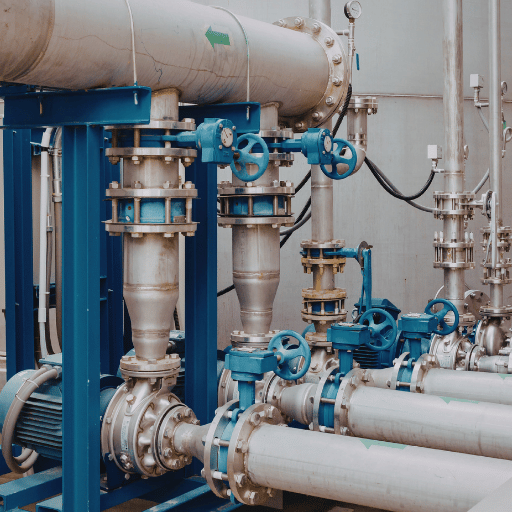
Industrial drying is the controlled removal of moisture from materials using heat energy and airflow. Unlike air drying at ambient temperature, industrial drying systems use heated air delivered at specific temperatures and velocities to remove moisture from bulk materials, powders, liquids, and solid products within predictable timeframes.
Why does this matter? Because moisture content directly affects product quality, shelf life, and downstream processing. A pharmaceutical powder with 2% excess moisture fails quality standards. A wood panel dried unevenly warps within weeks. A chemical intermediate with residual solvent creates contamination risks in the next reaction stage.
Energy stakes are just as high. According to the U.S. Department of Energy, process heating accounts for over 51% of all on-site energy consumption at U.S. manufacturing facilities — and drying is a major subcategory within that figure.
10–25%
Share of Total Industrial Energy Used for Drying
~2 Quads
Annual U.S. Energy Consumed by Industrial Drying
30–50%
Facility Energy Consumed by Large-Scale Dryers
Research from the NSF Center for Advanced Research in Drying (CARD) at Worcester Polytechnic Institute found that about 2% of the roughly 100 quadrillion BTUs consumed annually in the United States goes to industrial drying processes. A 10% improvement in drying efficiency alone would save 0.2 quads of energy per year.
💡 Key Takeaway
Industrial drying is one of the most energy-intensive operations in manufacturing. Choosing the right heat source and dryer combination can cut a facility’s total energy bill by double-digit percentages.
How Hot Air Generators Deliver Heat to Drying Systems
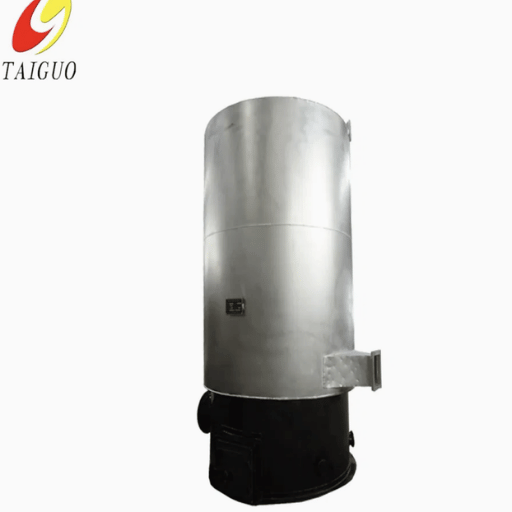
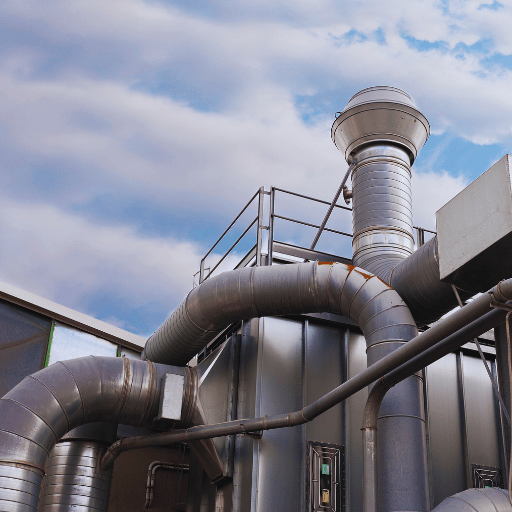
A hot air generator heats ambient air to a target temperature and pushes it into the drying chamber through ductwork. Core components include a heat source (burner or electric element), a heat exchanger (in indirect systems), a blower fan, and a temperature control system. Output air temperature can reach anywhere from 80°C to over 1,000°C, depending on the fuel type and dryer requirements.
One critical design choice separates nearly every hot air generator installation: direct-fired versus indirect-fired. This decision shapes air quality, energy efficiency, and which products you can safely dry.
| Feature | Direct-Fired | Indirect-Fired |
|---|---|---|
| Thermal Efficiency | ~100% (combustion products enter airstream) | 80–90% (heat loss through flue gases) |
| Air Quality | Contains CO₂ and moisture from combustion | Clean, contaminant-free via heat exchanger |
| Equipment Cost | Lower (no heat exchanger needed) | Higher (heat exchanger adds cost) |
| Best For | Minerals, aggregates, non-sensitive materials | Food, pharma, chemically sensitive products |
Fuel Options for Industrial Hot Air Generators
Your fuel source affects operating cost, temperature ceiling, emissions, and maintenance burden. Here is how the main options compare:
- Natural gas and LPG burn clean, are widely available, and work well up to ~500°C. Most facilities prefer gas where pipeline access exists.
- Diesel and heavy fuel oil provide higher energy density — a practical choice for remote sites or locations without reliable gas supply.
- Biomass (wood pellets, agricultural waste) costs less per BTU and meets sustainability goals, though it demands more maintenance and ash handling.
- Coal and solid fuels deliver the lowest fuel cost but produce the highest emissions. Refractory-lined combustion chambers can push temperatures above 1,000°C.
- Electric heating generates zero on-site emissions with the tightest temperature control, but operating cost per kW is the highest of all fuel types.
Modern Taiguo hot air generators achieve 85–95% thermal efficiency, compared to 65–75% for older-generation units. Combustion system design must comply with NFPA 85 (Boiler and Combustion System Hazards Code) for safe burner management.
💡 Key Takeaway
Direct-fired generators are more efficient but send combustion byproducts into the airstream. If your product is food, pharmaceutical, or chemically sensitive, indirect-fired is the safer path — accept the 10–20% efficiency tradeoff for clean heated air.
Types of Industrial Dryers That Use Hot Air
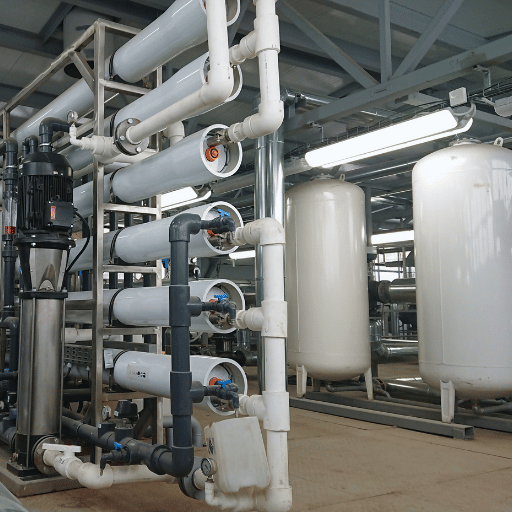
Different types of industrial dryers handle different material forms, throughput volumes, and moisture levels. Each dryer type connects to a hot air generator differently, and each has distinct energy consumption characteristics. Below are the five most common industrial dryer categories that rely on hot air as the primary heat source.
| Dryer Type | How It Works | Best Materials | Energy Intensity |
|---|---|---|---|
| Rotary Dryer | Rotating drum with internal flights showers material through a stream of hot air | Minerals, fertilizers, grains, wood chips, bulk solids | Moderate — inlet air 127–827°C |
| Fluid Bed Dryer | Hot air forced upward through a perforated plate suspends particles in a fluid-like state | Powders, granules, pharma intermediates, pigments | 1.0–1.5 kWh/kg water removed |
| Flash Dryer | Wet material dispersed into a high-velocity heated air stream; drying happens in seconds | Filter cakes, pastes, polymers, heat-sensitive chemicals | 0.8–1.2 kWh/kg water removed |
| Tunnel / Conveyor Dryer | Product moves on trays or a belt through an insulated tunnel with zoned hot air circulation | Fruits, vegetables, ceramics, confectionery, tablets | Variable — depends on zone count and residence time |
| Spray Dryer | Liquid feed atomized into fine droplets inside a chamber with hot air at 150–300°C inlet | Dairy powder, instant coffee, dyes, pharma excipients | 2.0–3.0 kWh/kg water removed |
Rotary Dryers
Among all industrial dryer types, the rotary dryer is the most widely used for bulk solids like grains, fertilizers, and minerals. A cylindrical drum rotates slowly while internal flights lift the material and cascade it through a stream of hot air or gas. Rotary dryers accept both direct and indirect heat, with inlet temperatures as low as 127°C for steam-heated setups and up to 827°C when oil- or gas-fired. Their main advantage is high throughput — a single rotary dryer can process large volumes of material per hour.
Fluid Bed Dryers
A fluid bed dryer forces heated air upward through a perforated plate, suspending the bed of particles in a fluid-like state. This design creates uniform heat transfer across the entire batch, which is why fluid bed dryers are standard in pharmaceutical and chemical manufacturing where precise moisture content control matters. Fluidized bed setups also work well for drying powder and granular products that would clump in a rotary drum.
Flash Dryers
Flash dryers (also called pneumatic dryers) inject wet material into a high-speed heated air stream. Drying happens in seconds — the material travels through a vertical duct, loses moisture during transport, and gets separated by a cyclone at the exit. Flash dryers are the best drying method when you need to remove moisture from heat-sensitive materials quickly, as the short contact time limits thermal damage.
Tunnel and Conveyor Dryers
Tunnel dryers move product on trays or a perforated belt through an insulated chamber with multiple temperature zones. Operators can set different temperatures and airflow rates for each zone, enabling precise control over the drying conditions. This dryer type is common in food processing (dried fruits, vegetables) and ceramics production, where uniform drying across the entire product surface prevents cracking and warping.
Spray Dryers
Spray dryers convert liquid feed into a dry product in a single step. Liquid feed is atomized into fine droplets inside a drying chamber where hot air at 150–300°C evaporates the moisture almost instantly, producing a free-flowing powder. Spray dryers are used in dairy (milk powder), food processing (instant coffee), and chemical manufacturing (pigments, dyes). According to the American Society of Mechanical Engineers (ASME), spray dryers waste approximately 29% of supplied energy — making heat recovery integration especially valuable for this dryer type.
💡 Key Takeaway
Flash dryers use the least energy per kilogram of water removed (0.8–1.2 kWh/kg), while spray dryers use the most (2.0–3.0 kWh/kg). Match the dryer type to your material form — solids to rotary, powders to fluid bed, liquids to spray, heat-sensitive materials to flash.
Industries That Rely on Hot Air Drying
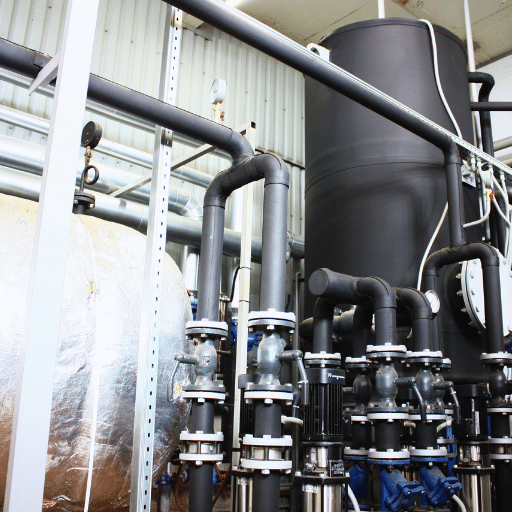
Hot air drying systems serve any sector where removing moisture from materials is a production-critical step. The specific dryer and generator configuration varies by industry, driven by contamination standards, throughput demands, and the physical form of the material to be dried.
Food Processing
Dehydrating fruits, vegetables, herbs, grains, spices, and dairy products. Spray dryers produce milk powder and instant coffee. Tunnel dryers handle dried fruit and vegetable chips. The pharmaceutical-grade contamination standards for some food products require indirect-fired generators that deliver clean heated air without combustion byproducts.
Pharmaceutical Manufacturing
Drying active pharmaceutical ingredients (APIs), granules, and excipient powders. Fluid bed dryers are standard because they maintain uniform drying conditions across the batch. Moisture content must hit exact targets — a fraction of a percent off can invalidate an entire batch. Only indirect-fired or electric hot air generators meet the contamination-free air requirements.
Chemical Processing
Drying chemical powders, pigments, polymer pellets, and intermediates. Flash dryers handle filter cakes and pastes. Rotary dryers process large volumes of material in bulk. Precise moisture removal prevents unwanted reactions in downstream processing, and equipment must often be rated for solvent-laden or corrosive atmospheres.
Wood and Lumber
Reducing moisture in boards, wood chips, and pellet feedstock. The paper manufacturing sector alone uses approximately 30% of its total energy consumption for drying operations, according to research from Worcester Polytechnic Institute. Kiln drying with hot air generators is the industry standard for structural lumber.
Textiles and Ceramics
In textile mills, hot air generators feed stenter frames and drying ranges that remove moisture after dyeing and washing. In ceramics, tunnel dryers ensure uniform drying of tiles and formed clay products — uneven drying causes cracking and production losses.
💡 Key Takeaway
Food and pharmaceutical industries must use indirect-fired generators for clean air. Chemical and mineral processing can use direct-fired units for higher energy efficiency. The industry dictates the generator type, not the other way around.
Common Drying Challenges and How to Avoid Them
Even well-designed industrial drying systems fail when operators overlook the interaction between the hot air generator and the dryer. These are the problems that plant engineers encounter most frequently — and how to address them before they become expensive.
1. Over-Drying and Under-Drying
Without real-time moisture sensors and feedback loops, operators run fixed temperature settings that cannot adapt to feed variability. Over-dried product comes out brittle and degraded; under-dried product carries spoilage risk and rework costs. ASME describes this as “a domino effect of problems” that cascades through downstream processing stages.
2. Case Hardening
When the surface of a material dries faster than its interior, a hard crust forms that traps moisture inside. This is common in food drying (fruits, vegetables) and wood drying, where aggressive inlet temperatures cause the outer layer to seal before the core reaches target moisture. The fix is to reduce the initial drying temperature and increase the drying times, or to use a multi-zone tunnel dryer with staged temperature profiles.
3. Uneven Drying Across the Batch
Poor air distribution inside the drying chamber causes some product zones to dry faster than others. In rotary dryers, overloading the drum reduces the showering action. In fluid bed dryers, dead zones on the perforated plate mean some particles never reach full fluidization. Root cause: a mismatch between the hot air generator’s output volume and the dryer’s airflow requirements.
4. Energy Waste from Exhaust Heat
Three primary loss mechanisms drain energy from drying systems: excessive exhaust heat escaping the system, inefficient air recirculation, and heating beyond the required temperature. Exhaust heat recovery systems can capture 10–25% of the wasted thermal energy and redirect it back to the generator inlet, cutting energy consumption significantly. This is especially valuable for spray dryers, which waste roughly 29% of their supplied energy.
5. Mismatched Generator and Dryer
Selecting a hot air generator that does not match the dryer’s temperature profile, airflow demand, or capacity requirements leads to poor drying results. A flash dryer paired with an undersized generator cannot maintain the air velocity needed for pneumatic transport. A rotary dryer connected to an oversized unit wastes fuel during low-load periods. Proper drying starts with sizing the generator to the dryer’s actual heat load — not its nameplate rating.
⚠️ Important
Seasonal ambient air changes (cold, dry winter vs. warm, humid summer) shift the baseline heat load by 15–20%. If your system lacks compensation controls, you will see drying performance swing with the weather.
How to Select the Right Industrial Drying System
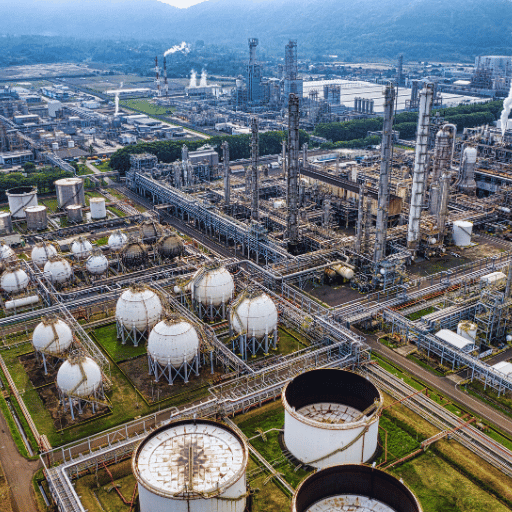
Selecting the right drying system means matching three variables: the material you are drying, the dryer type that handles that material form, and the hot air generator that delivers the correct heat load. Here is a practical five-step approach our engineering teams use when specifying drying equipment for industrial clients.
5-Step Selection Framework
- Define the heat load — Calculate total energy required (kW or BTU/hr) based on material feed rate, initial moisture content, target moisture, and thermal losses. The generator must handle peak demand without excessive cycling.
- Choose your fuel source — natural gas where available (cleanest, lowest maintenance). Biomass where sustainability or fuel cost is the priority. Electric for zero-emissions zones or tight temperature control. Diesel or coal for high-temperature or remote operations.
- Decide direct vs. indirect firing — If your dry product cannot contact combustion gases (food, pharma, fine chemicals), indirect-fired is required. For minerals, aggregates, and non-sensitive bulk materials, direct-fired gives better energy efficiency.
- Match the generator’s output temperature range to the dryer’s inlet requirements. For rotary dryers, airflow volume is the primary factor. For fluid bed dryers, air velocity through the distribution plate matters most.
- Evaluate lifecycle cost, not just purchase price. A generator with 90% thermal efficiency costs more upfront but saves thousands per year compared to a 70% unit. Factor in fuel cost, maintenance intervals, heat recovery potential, and expected service life (15–20 years for well-built units).
- ✔
Verify NFPA 85 compliance for burner management systems - ✔
Check local emission limits for NOx, CO, and particulates before committing to a fuel type - ✔
Confirm the generator can modulate down to at least 25% load without flame instability - ✔
Plan maintenance clearance — indirect-fired units need access for heat exchanger cleaning - ✔
Size for your actual process requirements, not maximum nameplate capacity
For facilities evaluating industrial hot air furnace solutions, starting with a heat load calculation and working backward to generator specifications prevents the most common sizing errors.
💡 Key Takeaway
Start with the material, not the equipment. Define what you are drying, how much moisture needs to come out, and how fast — then work backward to the dryer type and generator specification. This approach avoids the mismatched equipment problems that account for most industrial drying failures.
Frequently Asked Questions
Q: What are the main types of industrial drying methods?
View Answer
Four primary methods dominate industrial drying: convection (hot air or gas removes moisture through evaporation), conduction (heat transfers through a surface in direct contact with the material), radiation (infrared or microwave energy), and vacuum drying (reduced pressure lowers the boiling point of water so moisture evaporates at lower temperatures). Convection with hot air generators is by far the most common approach because it handles the widest variety of material forms and production volumes. Within convection drying alone, facilities choose between rotary, fluid bed, flash, tunnel, and spray dryer configurations based on the material and throughput needs.
Q: How does a hot air generator work in a drying system?
View Answer
A hot air generator draws ambient air through an intake, heats it using a burner (gas, diesel, biomass, or coal) or electric element, and delivers the heated air to the dryer through insulated ductwork. In direct-fired systems, combustion gases mix with the air. In indirect-fired systems, a heat exchanger separates combustion from the air stream, delivering clean heated air. A blower fan maintains the required airflow volume and velocity, while thermostats and PLC controls regulate temperature to within a few degrees of the setpoint.
Q: What is the most energy-efficient industrial dryer type?
View Answer
Flash dryers (pneumatic dryers) are generally the most energy-efficient, consuming 0.8–1.2 kWh per kilogram of water removed. Fluid bed dryers follow at 1.0–1.5 kWh/kg. Spray dryers are the least efficient at 2.0–3.0 kWh/kg because they must evaporate large amounts of water from liquid feed. However, the “most efficient” dryer depends on the material — you cannot use a flash dryer for liquid feed or a spray dryer for bulk solids. Efficiency per unit of production matters more than raw energy consumption per kilogram.
Q: What industries use hot air drying systems?
View Answer
Food processing, pharmaceutical manufacturing, chemical processing, wood and paper production, textiles, and ceramics all rely on hot air drying systems at production scale.
Q: How do you prevent over-drying in industrial processes?
View Answer
Prevent over-drying by installing inline moisture sensors that measure product moisture in real time and feed data back to the hot air generator’s control system. Use variable-speed blowers that adjust airflow based on actual drying demand rather than running at full blast continuously. In tunnel and conveyor dryers, set multiple temperature zones that gradually reduce heat as the product approaches target moisture. Monitor exhaust air humidity — when it drops below a threshold, the product is already at or near target moisture and continued heating wastes energy.
Q: What is the difference between direct-fired and indirect-fired hot air generators?
View Answer
In a direct-fired hot air generator, combustion gases mix directly with the process air, achieving near-100% thermal efficiency but introducing CO₂ and combustion moisture into the airstream. In an indirect-fired unit, a heat exchanger separates the combustion chamber from the process air, delivering clean air at 80–90% efficiency. Direct-fired is suitable for drying minerals, aggregates, and non-sensitive products. Indirect-fired is required for food, pharmaceutical, and chemically sensitive applications where any contamination from combustion byproducts is unacceptable.
Need a Hot Air Generator Matched to Your Drying System?
Taiguo engineers can spec the right generator for your dryer type, fuel source, and throughput requirements.
About This Analysis
This guide draws on publicly available data from the U.S. Department of Energy, NSF-funded research at Worcester Polytechnic Institute, and ASME technical resources. Taiguo manufactures hot air generators and steam boilers for industrial thermal applications, and we have written this article to help plant engineers and procurement teams understand how heat source selection affects drying system performance. All energy figures and efficiency claims are sourced from the referenced publications.
References & Sources
- Process Heating — Advanced Manufacturing Office — U.S. Department of Energy
- Center for Advanced Research in Drying (CARD) — National Science Foundation IUCRC
- New NSF Center Aims to Reduce Energy Waste in Industrial Drying — Worcester Polytechnic Institute
- Improving Drying Methods in Manufacturing — American Society of Mechanical Engineers (ASME)
- NFPA 85: Boiler and Combustion System Hazards Code — National Fire Protection Association
- Handbook of Industrial Drying, 4th Edition — Taylor & Francis (Mujumdar, ed.)