Get in Touch with Taiguo


When a facility needs steam or hot water without combustion, an industrial electric boiler converts electrical energy directly into thermal energy – no fuel lines, no flue gas, no burner tuning. But how does an industrial electric boiler actually work inside? What separates a resistance element unit from an electrode boiler? And how do you decide which technology fits your process?
This guide breaks down the working principle of electric boilers step by step, compares the two core heating technologies, walks through each internal component, and explains the efficiency and cost factors that matter most when evaluating electric steam or hot water systems for industrial use.
In This Guide
How Do Industrial Electric Boilers Work?
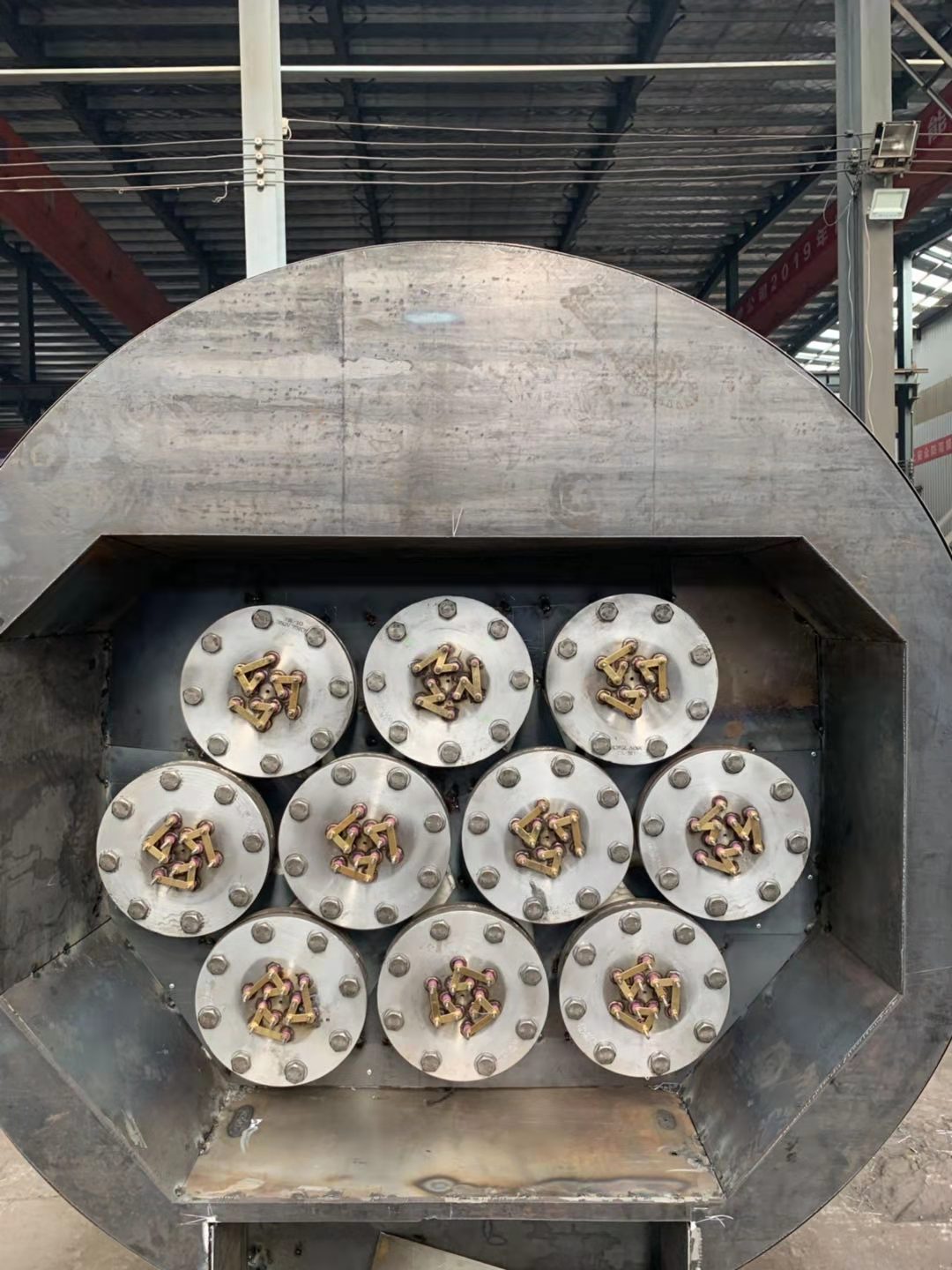
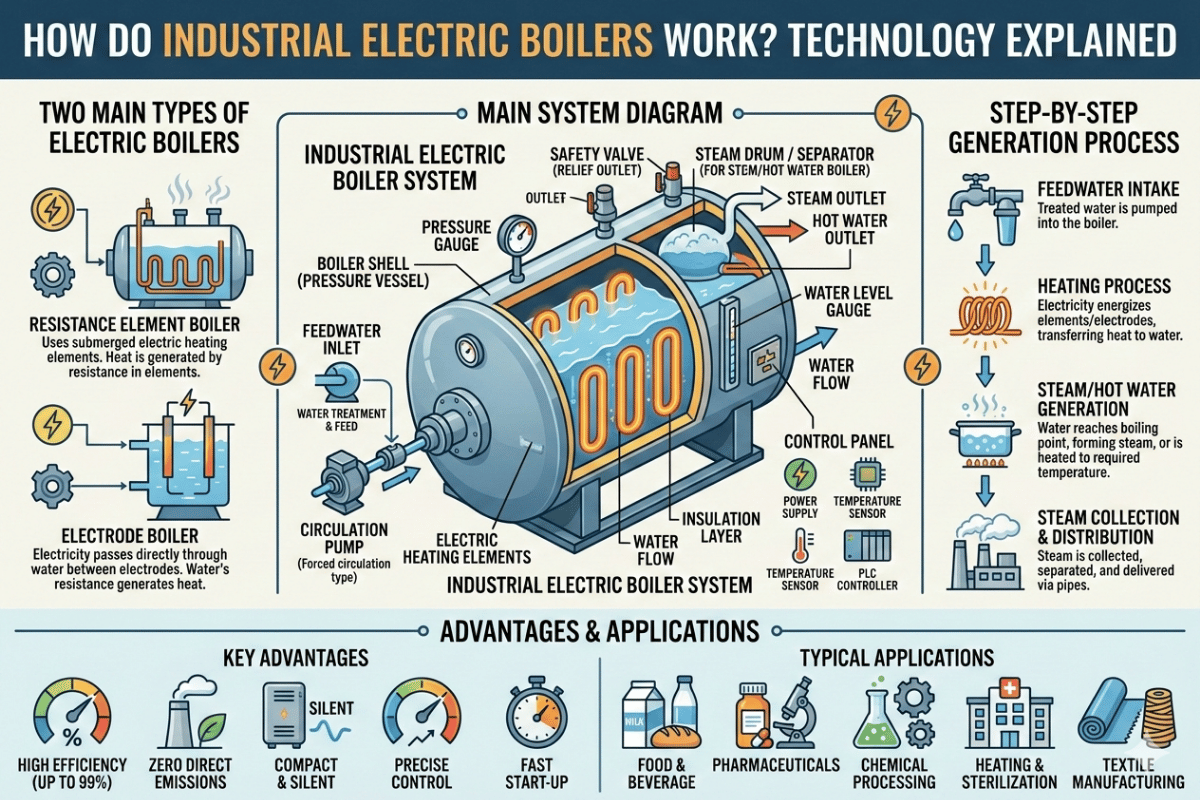
An industrial electric boiler applies electric current through a heating element or directly through the water, turning electrical energy into heat energy. Unlike gas-fired boilers which combust natural gas or fuel oil, electric boilers produce steam or hot water with no flame, no exhaust stack, and no gas storage required on site.
Here is the basic operating sequence from cold startup to steam delivery:
- Water fill – Feedwater flows into the pressure vessel via a fill valve. A water level sensor tracks the water level inside the vessel.
- Power application – When the control panel receives a demand signal (via a pressure switch or process controller), contactors close and energize the heating elements or electrodes.
- Heat transfer – Electric energy converts to thermal energy. For resistive boilers, electric current travels through a metal element, which becomes hot and transfers that heat to adjacent water by conduction. With electrode boilers, electric current passes directly through the water, using the water’s own resistance to produce heat.
- Phase change – As the temperature of the water exceeds its saturation temperature at the pressure level, the water starts to boil and generate steam. In hot water boilers, the temperature cannot be allowed to reach boiling point.
- Steam delivery – Saturated steam exits through the outlet header and travels through the steam distribution piping to the point of use. Pressure remains regulated by the control system cycling elements on and off.
From full cold to rated steam delivery, the process takes anywhere from 15 to 45 minutes though this varies based on boiler size and steam pressure. According to field experience, electric boilers generally achieve steady state quicker than identical size combusted units, which require a cycle for warmup and venting. Both water and steam remain contained within the pressure vessel, with no exhaust gases leaving the system.
💡 Pro Tip
Electric boilers run at near-silent levels because there is no combustion blower or forced-draft fan. Electric boilers offer a practical choice for hospitals, laboratories, and other quiet environments near adjacent mechanical spaces.
Resistance Heating vs. Electrode Boilers: Two Core Technologies
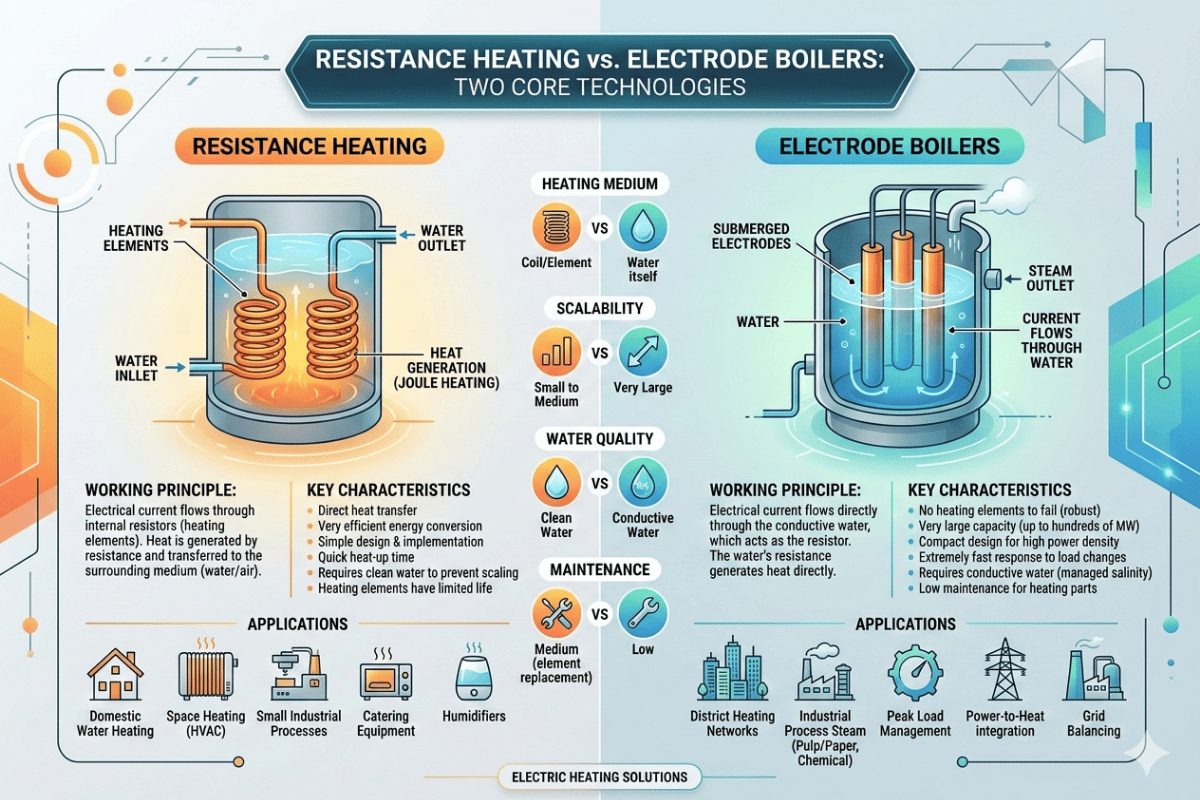
Every electric boiler falls into one of two categories based on its working principle: resistance element heating or electrode heating. The distinction determines the boiler’s capacity range, voltage requirements, water treatment needs, and best-fit industrial applications.
Resistance Element Boilers
Resistance boilers use metallic heating elements- usually nickel-chromium alloy sheathed in a stainless steel or Incoloy shell- that is plunged directly into the water. Running current across the element produces resistive heat that transmits from the metal to the water through conduction. The electric boiler operating principle here is the same as a consumer’s water heater, but the operation is scaled upward into industrial ranges of capacity.
Resistance units typically operate at common facility voltages of 208 volts, 480 volts and 600 volts, and require load capacities as low as 10 KW and as high as 4 MW per boiler. Precise temperature control is one of their defining strengths: output can be modulated in fine increments by switching individual elements or element banks on and off.
Electrode Boilers
Electrode boilers take a fundamentally different approach. Instead of heating a metal element, they pass high-voltage alternating current (typically 4 kV to 25 kV) directly through the boiler water. The water itself acts as the resistor, because water conducts electricity through its dissolved mineral content.
This design allows electrode boilers to reach much higher capacities – from 4 MW to 70 MW or more per unit. However, electrode boilers may require carefully managed water conductivity. If water is too pure (as with reverse osmosis or deionized water), the boiler cannot operate because current cannot flow. If conductivity is too high, excess current draw can damage the system.
| Feature | Resistance Element Boiler | Electrode Boiler |
|---|---|---|
| Heating method | Current flows through metal element; heat transfers to water by conduction | Current flows through water directly; water’s resistance generates heat |
| Voltage range | 208V – 600V (standard facility power) | 4 kV – 25 kV (high voltage) |
| Capacity per unit | 10 kW – 4 MW | 4 MW – 70 MW+ |
| Water quality | Works with treated, RO, or DI water | Requires mineral content (conductivity-dependent) |
| Control precision | Fine modulation (individual element switching) | Modulated via electrode immersion depth or VFD |
| Maintenance focus | Element scaling and replacement | Water chemistry monitoring and electrode wear |
| Best for | Small to mid-size facilities, precise temperature control | Large-scale steam plants, grid balancing, district heating |
💡 Pro Tip
A common mistake when specifying an electrode boiler is underestimating water treatment requirements. If your facility uses reverse osmosis or demineralized feedwater, you need a resistance element design. Electrode boilers will not fire on pure water – they need dissolved minerals to conduct current.
Key Components Inside an Industrial Electric Boiler
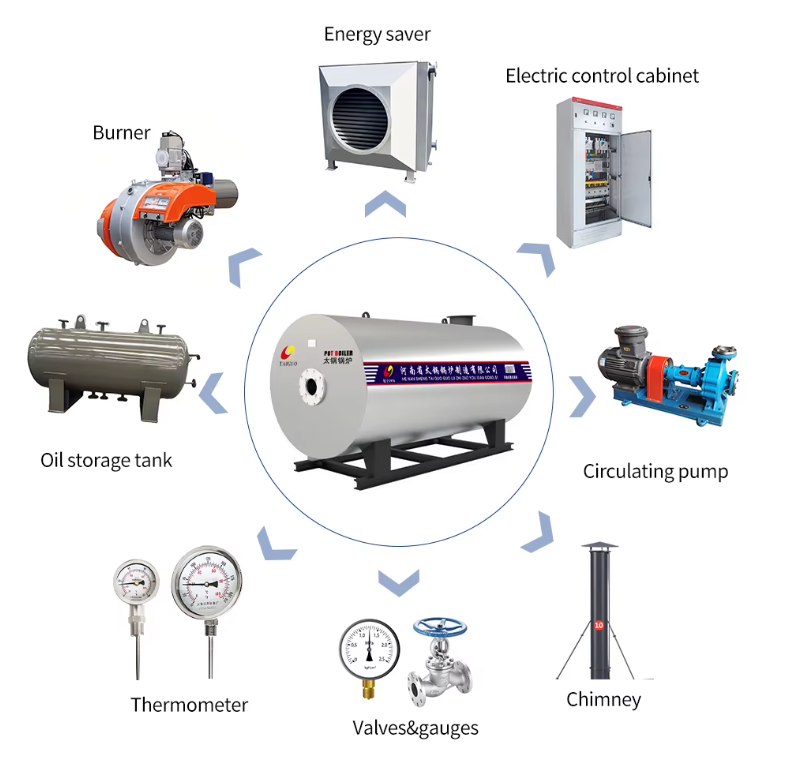
An industrial electric boiler is relatively small conceptually compared to a fuel-fired unit but it still incorporates several important components that work together to produce steam or hot water safely. Here is how they fit together.
Pressure Vessel
The pressure vessel is the central shell that contains and pressures the water within the unit. It must be designed, fabricated, and stamped in accordance with the ASME Boiler and Pressure Vessel Code (BPVC) Section I, which governs construction rules for power boilers generating steam above 15 psig. Most industrial electric boiler vessels are constructed from carbon steel plate, with stainless steel used for applications requiring corrosion resistance or clean steam.
Electric Heating Elements or Electrodes
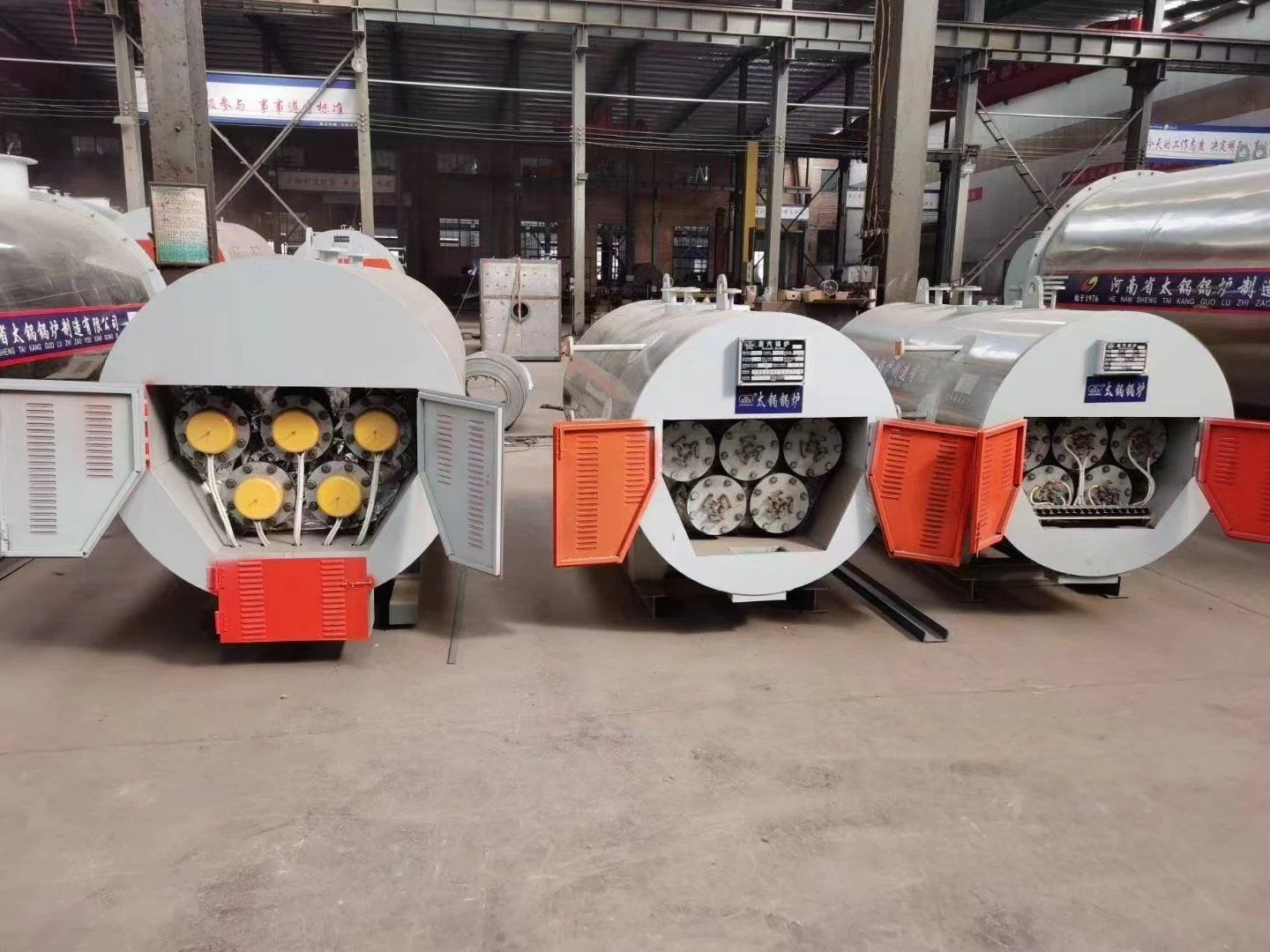
These are the parts that actually convert electric energy into heat. In resistance boilers, banks of tubular heating elements are mounted through flanged openings in the vessel wall and submerged in water. In electrode boilers, metal electrodes are suspended in the water with spacing designed to control current flow.
The electric boiler heating element configuration – number of elements, wattage density, and material – directly affects the boiler’s thermal output and maintenance cycle.
Control Panel
The control panel contains a programmable logic controller (PLC) or relay-based control system that manages the boiler’s operation. It monitors pressure, temperature, and water level sensors, then cycles heating elements on and off to maintain setpoints. Modern panels include digital displays, fault diagnostics, and remote monitoring via Modbus or Ethernet connections.
Safety Valves and Pressure Relief
All boiler pressure vessels have one or more safety relief valves sized for the full rated capacity of the boiler. Per ASME BPVC Section I requirements, safety valves must open automatically when internal pressure exceeds the maximum allowable working pressure (MAWP), venting steam to prevent catastrophic vessel failure. Routine testing and inspection of safety valves is a core part of boiler maintenance.
Water Level Controls
Low water is one of the most dangerous conditions for any boiler. Electric boilers use probe-type or float-type level controls to monitor water height and trigger feedwater pumps or shut down the boiler if water drops below the minimum safe level. ASME requires redundant low-water cutoff protection: a primary control and an independent backup.
Insulation and Jacket
Heat insulation is provided by wrapping the pressurized vessel with mineral wool or ceramic fiber. An outer steel jacket covers the insulation layer and protects the insulative materials. Properly insulated boilers will retain the heat for a longer period while assuming shutdown for periods of time.
⚠️ Important
During annual boiler inspections, always verify that safety relief valves are not corroded, seized, or blocked. A safety valve that fails to open under overpressure conditions creates a serious explosion risk – regardless of whether the boiler is electric or fuel-fired.
Steam Generation vs. Hot Water Heating: How Each Process Differs
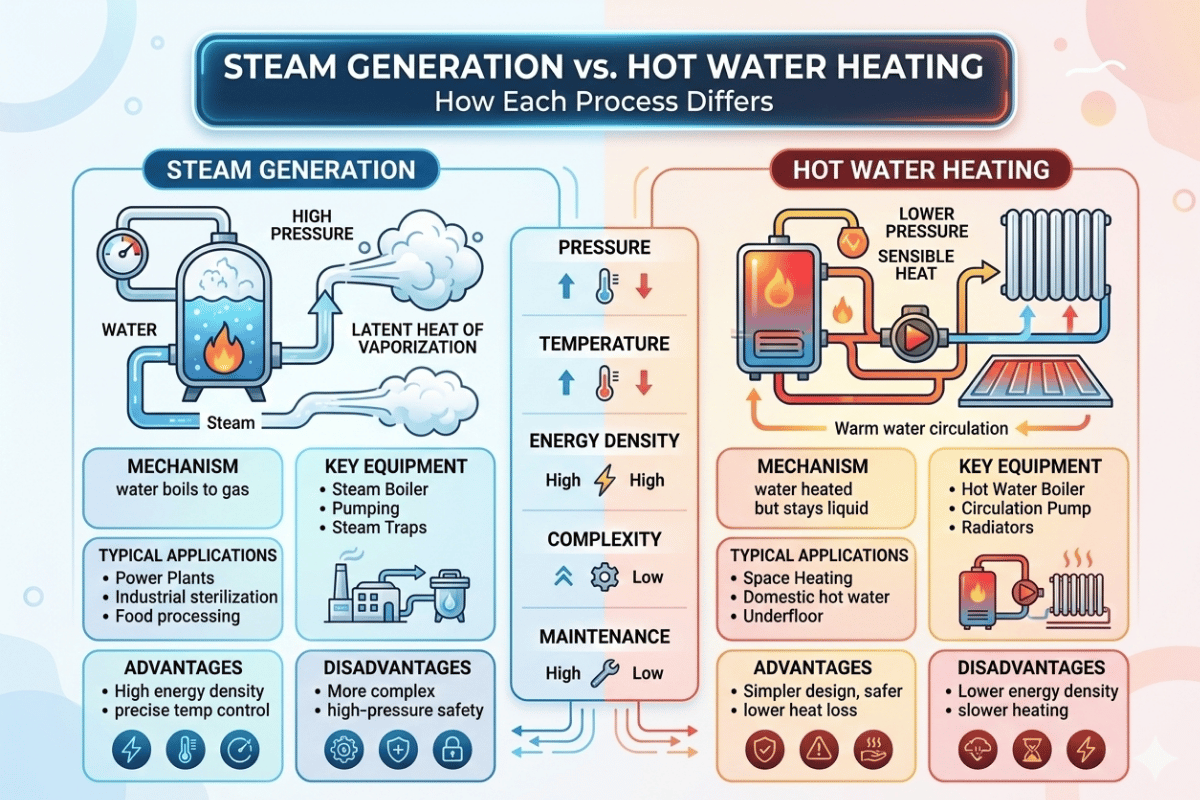
Industrial electric boilers serve two broad functions: generating steam or producing hot water. While both use the same heating system – resistance elements or electrodes – the operating parameters, design features, and end-use applications differ considerably.
How Electric Steam Boilers Generate Steam
A steam boiler heats water inside the pressure vessel until it reaches the saturation temperature corresponding to the set operating pressure. At 100 psig, for example, water boils at approximately 338°F (170°C). The resulting saturated steam collects in the steam space above the waterline and exits through the outlet header.
Electric steam boilers can operate from 15 psig to 250 psig with some high pressure versions being rated as high as 500 psig. The steam quality varies depending on vessel design, separation efficiency and blowdown practices. Plants requiring dry steam for turbine drives or direct product contact will add external separators or superheaters downstream of the boiler.
How Hot Water Boilers Operate
Hot water boilers – heat water to a set temperature 140F to 250F (60C to 121C) – but do not boil the water. Heated water circulates through a closed loop to deliver thermal energy for space heating, process warming, or domestic hot water generation.
Hot water systems operate at lower pressures than steam boilers, usually under 160 psig, and their temperature control tends to be tighter because there is no phase change involved. Removing steam generation from the equation also means no blowdown, no steam trap maintenance, and no condensate return system – reducing both operating cost and upkeep.
| Parameter | Electric Steam Boiler | Electric Hot Water Boiler |
|---|---|---|
| Operating temperature | 250°F – 500°F+ (at pressure) | 140°F – 250°F |
| Operating pressure | 15 – 500 psig | 30 – 160 psig |
| Output medium | Saturated steam | Pressurized hot water |
| Distribution system | Steam piping + condensate return | Closed-loop piping (supply + return) |
| Common applications | Sterilization, process heating, humidification | Space heating, domestic hot water, washdown |
| Maintenance burden | Higher (blowdown, steam traps, condensate) | Lower (closed loop, no phase change) |
The decision to use steam or hot water depends solely on process requirements. If your facility needs steam for sterilization, chemical reactions, or high-temperature process heating, a steam boiler is the only option. Boilers provide both hot water and steam from the same basic platform – but the distribution infrastructure, maintenance needs, and operating costs differ enough that most plants commit to one medium per system.
Efficiency, Energy Use, and Operating Cost
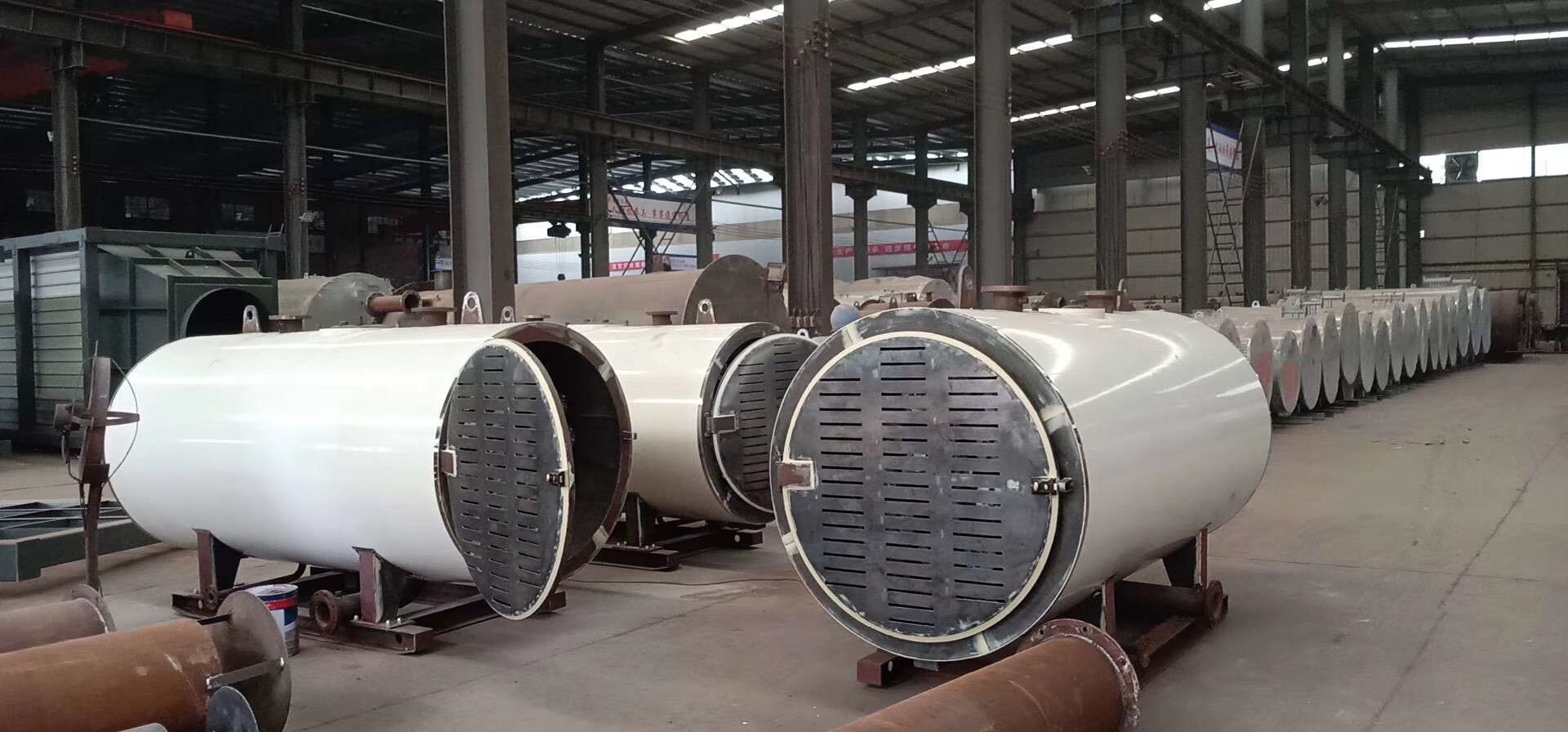
One of the strongest arguments for electric boilers is their thermal efficiency. According to the U.S. Department of Energy, the AFUE rating for all-electric boilers falls between 95% and 100%. In practice, most industrial electric boilers operate at 98% to 99% efficiency because there are no stack losses, no incomplete combustion, and no radiation losses from a flame.
That compares to gas-fired boilers which typically operate at 80% to 85% efficiency of fuel to steam in actual operation. The Lawrence Berkeley National Laboratory (LBNL) IAC Decarbonization Tipsheet 3 reports typical efficiencies of 95-99% for electric boiler versus 70-85% for fossil fuel boilers.
Energy Cost Calculation
Despite high efficiency, the operating cost of an electric boiler depends heavily on local electricity rates. Here is the basic formula for estimating energy cost:
Operating Cost Formula
Annual cost = Boiler capacity (kW) x Operating hours x Electricity rate ($/kWh)
Example: A 500 kW boiler running 2,000 hours per year at $0.08/kWh = $80,000 annual energy cost
LBNL’s tipsheet assumed an industrial average cost of $0.11/kWh for electricity – almost four times of the cost of natural gas by heat content. This price gap is the main reason electric boilers are not yet the default choice for every facility, even though their energy efficiency is markedly higher.
When Electric Boilers Make Financial Sense
- Facilities with low electricity rates (under $0.07/kWh), especially in the regions with clean power sources such as from hydroelectric and wind farms
- Applications requiring intermittent steam (electric boilers have zero standby fuel cost and fast startup)
- Sites where emissions compliance costs for gas boilers are significant – electric boilers produce zero on-site emissions and are exempt from EPA NESHAP regulations for industrial boilers, which apply only to coal, biomass, and liquid fuel combustion units
- New construction where eliminating a boiler room ventilation system, fuel gas piping, and flue stack reduces capital cost
⚠️ Common Mistake
Comparing only fuel cost between gas and electric boilers gives an incomplete picture. Electric boilers eliminate expenses for annual combustion tune-ups, stack testing, emissions permits, fuel gas piping maintenance, and boiler room ventilation – costs that can add $5,000 to $15,000 per year depending on boiler size and jurisdiction.
Carbon Reduction Potential
A 2022 study published by the U.S. DOE Office of Scientific and Technical Information (OSTI) found that thermal processes account for approximately 75% of total final energy demand in U.S. manufacturing, with nearly 17% consumed by conventional boilers powering industrial processes like steam generation. Electrifying these boilers with power from renewable sources could reduce industrial carbon emissions substantially – though the actual reduction depends on the carbon intensity of the local grid.
Common Industrial Applications and Sizing Basics
Electric boilers deliver clean heat in many industrial settings – from pharmaceutical sterilization to hospital laundry. Whether resistance or electrode powered, here are the industries where these systems see the most use:
Industry Applications
- Food production – steam jacketed kettles, pasteurization, ready-meal assembly, and CIP (clean-in-place) systems. No combustion means no heat near open foods lines.
- Pharmaceutical manufacturing – clean steam generation for sterilization of equipment, reactor heating, drying active ingredients, and autoclaving. Resistance element boilers paired with RO water produce contaminant-free steam.
- Hospitals and healthcare – central sterile supply sterilization, laundry processing, space heating, and domestic hot water. Electric boilers are used in hospital mechanical rooms where noise and emissions restrictions apply.
- Textile and laundry – steam pressing, fabric dyeing, and industrial laundry operations that require consistent steam pressure throughout the shift.
- Chemical processing – reactor jacketing, distillation column reboilers, and temperature-controlled process heating where precise control prevents product quality variation.
- Commercial buildings – hotels, universities, and office complexes using hot water boilers for space heating and domestic hot water, especially in urban areas with restricted flue emissions.
Basic Sizing Methodology
Sizing an electric boiler starts with calculating the total thermal load your process requires. Follow these four steps as a simplified framework:
- Determine peak steam or hot water demand – measure or estimate the maximum pounds-per-hour (lb/hr) of steam or gallons-per-minute (GPM) of hot water your process consumes during peak load.
- Convert to kW – for steam: 1 boiler horsepower (BHP) = approximately 9.81 kW = approximately 34.5 lb/hr of steam at 212°F from feedwater at 212°F.
- Add a safety margin of 10-20% above calculated peak load to account for startup surges, future expansion, and concurrent demand spikes.
- Verify electrical supply – confirm that your facility’s electrical service (voltage, phase, available amperage) can support the boiler’s power draw without requiring a costly utility upgrade.
For a detailed comparison of boiler types, capacity ranges, and manufacturer selection criteria, see our industrial electric boiler buyer’s guide.
💡 Pro Tip
Before requesting quotes, have your facility’s single-line electrical diagram and a 12-month steam or hot water consumption log ready. These two documents let manufacturers size the boiler accurately and identify whether your electrical infrastructure needs any upgrades.
Need Help Sizing an Electric Boiler for Your Facility?
Share your steam or hot water requirements and our engineering team will recommend the right system for your process.
Frequently Asked Questions
Q: How does an industrial boiler work step by step?
View Answer
An industrial electric boiler operates through five steps: (1) feedwater enters the pressure vessel, (2) control system energizes heating elements or electrodes when it senses a steam or heat demand, (3) electrical energy naturally converts to thermal energy to heat the water, (4) water reaches saturation temperature and begins making steam (or heats to the desired temperature for hot water systems), and (5) steam or hot water exits the boiler through the outlet header to the distribution piping. A boiler’s control panel continually reads pressure, temperature, and water level, which automates the whole cycle with no operator control. Under typical industrial conditions, a startup-to-steam cycle is less than 45 minutes from a cold start.
Q: Do electric boilers use a lot of electricity?
View Answer
Yes, industrial electric boilers use lots of electricity–a 500 kW unit servicing 8 hours each day will use about 4,000 kWh every day. However, because electric boilers convert 98-99% of this electricity into useful heat while a gas boiler is only around 80-85%, overall energy dissipation is actually lower. Operating costs depend on local electricity prices; for facilities paying less than $0.07/kWh, electric boilers can often be found less expensive than fossil-heated options, given total ownership costs that include parts and installation costs and emissions compliance.
Q: Why are electric boilers not commonly used?
View Answer
Cost of electricity is the main obstacle. In many parts of the United States, the average industrial price for electricity is between $0.08-$0.12/kWh, corresponding to a BTU-based cost roughly 3-4 times that of natural gas. In addition, many existing plants already have necessary gas piping and chimneys, while retrofitting electrical connections to a large boiler can often require a significant capital investment in transformers and switchgear. As electric rates fall and electrical systems receive more decarbonization investments, acceptance is expected to increase.
Q: Can electric boilers produce high-pressure steam?
View Answer
Yes–both electrode and resistance element boiler designs can deliver high-pressure steam rated to at least 500 psig, provided that the pressure vessel adheres to ASME BPVC Section I.
Q: How long do industrial electric boilers last?
View Answer
An industrial electric boiler with proper maintenance and water treatment can last between 20 and 30 years or longer. heating elements generally require replacement every 3 to 7 years depending on operating conditions. Unlike a full boiler replacement, swapping heating elements is a routine service task. Because there is no combustion, electric boilers experience less thermal stress and corrosion than gas-fired units, which tends to extend overall service life.
Q: What is the difference between a firetube and a watertube electric boiler?
View Answer
In a firetube boiler configuration, water surrounds the tube as the heating elements are mounted inside–they are sitting inside a shell filled with water. In a watertube configuration, water circulates on the inside of the tube, while heat is transferred to the outside. Most small to mid-size industrial electric boilers use a variation of the firetube arrangement because it provides a large water volume for stable steam production. Watertube designs are more common in high-capacity, high-pressure electric boilers where rapid steaming rates and quick response to load changes are needed.
About This Technical Guide
The information in this article is based upon published data from the U.S. Department of Energy (DOE), Lawrence Berkeley National Laboratory and ASME standards documents. As an industrial steam boiler supplier, our engineering team works with electric boiler systems regularly – from specifying resistance element units for pharmaceutical clean steam to sizing electrode boilers for large-scale district heating. The technical explanations in this guide reflect both published research and practical field experience with electric boiler installation and commissioning.
References & Sources
- Furnaces and Boilers — U.S. Department of Energy
- Replace Conventional Boiler with Electric Boiler — IAC Decarbonization Tipsheet 3 — Lawrence Berkeley National Laboratory
- NESHAP for Industrial, Commercial, and Institutional Boilers — U.S. Environmental Protection Agency
- BPVC Section I — Rules for Construction of Power Boilers — American Society of Mechanical Engineers
- Electrification of Boilers in U.S. Manufacturing — U.S. DOE Office of Scientific and Technical Information
Looking for an electric boiler that matches your facility’s steam or hot water requirements?

![The Complete Guide to Industrial Electric Boilers [2026]](https://taiguo-steamboiler.com/wp-content/uploads/2026/03/The-Complete-Guide-to-Industrial-Electric-Boilers-2026-768x512.png)