Get in Touch with Taiguo

WNS vs CWNS Boiler: Which One for Your Project

Contents
show
Selecting the proper boiler for your project needs becomes a difficult task because multiple options exist between WNS and CWNS boilers. The different types of equipment provide distinct benefits which make the decision process essential because it determines both operational efficiency and financial costs and total system performance. Proper selection of WNS and CWNS boilers requires industrial and commercial facility operators to first learn about the main operational differences between both boiler types. The article will present two boiler types through their main characteristics and strengths and practical applications so you can choose the best option for your requirements. The information we provide will present project details that will help you find the best solution for your needs.
Introduction to Boilers

Overview of WNS and CWNS Boilers
WNS (Wet Back Horizontal Internal Combustion) and CWNS (Atmospheric Pressure) boilers serve as two common boiler types which provide distinct operational functions. Both systems achieve widespread industrial application yet their main differences arise from their physical design and working pressure and intended usage. WNS boilers operate as high-pressure systems which use a wet-back design to improve thermal efficiency while extending boiler lifespan through decreased heat stress. The boilers use automated control systems which enable both efficient operation and simplified user operation. The chemical production and food processing and manufacturing industries use WNS boilers because these systems can operate at high pressures and temperatures while delivering large quantities of steam and hot water. CWNS boilers operate at atmospheric pressure which removes the hazards that come with high-pressure systems. The systems find application in both commercial buildings and residential homes to provide heat and hot water for domestic use. CWNS boilers feature a basic design which ensures safe operation and requires minimal upkeep, making them ideal for facilities with low operational needs such as hotels, schools, and hospitals. The evaluation process for WNS and CWNS boiler selection requires you to analyze your operational needs while determining which system features, including capacity, efficiency, and safety, to consider most important.
Importance of Choosing the Right Boiler
The efficiency of operations together with the long-term energy costs and system reliability get affected by the choice of an appropriate boiler system. The technological developments have created more complex decision-making processes regarding boiler selection between WNS and CWNS through the need to assess particular user requirements. The latest research shows that energy-efficient boilers can decrease annual heating expenses by 30% through proper system maintenance and correct system usage.
WNS boilers which serve medium to large facilities achieve better combustion efficiency through their three-pass design and their advanced heat-transfer capabilities. Their thermal efficiency often exceeds 95%, making them an excellent choice for industries requiring high precision and performance. The CWNS boiler system operates as a compact solution which schools and smaller hospitals prefer because it needs no extra user control for safe operations.
The assessment process demands additional analysis of three different factors which include system performance and pollution emissions and environmental treaty requirements. Advanced control and monitoring systems enable boilers to monitor energy consumption while generating maintenance forecasts that will lead to financial savings throughout their operational period.
The process of selecting boilers through data analysis enables companies to achieve better operational productivity while reducing operational interruptions and helping environmental protection efforts. Your facility will operate smoothly through informed decision-making while you achieve savings and environmental protection over an extended period.
Structural Variations Between WNS and CWNS
Design and Configuration of WNS Series Boilers
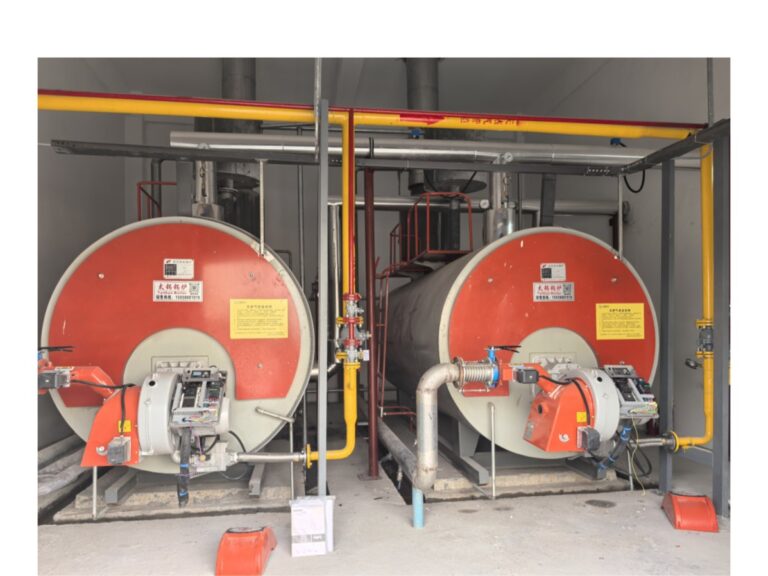
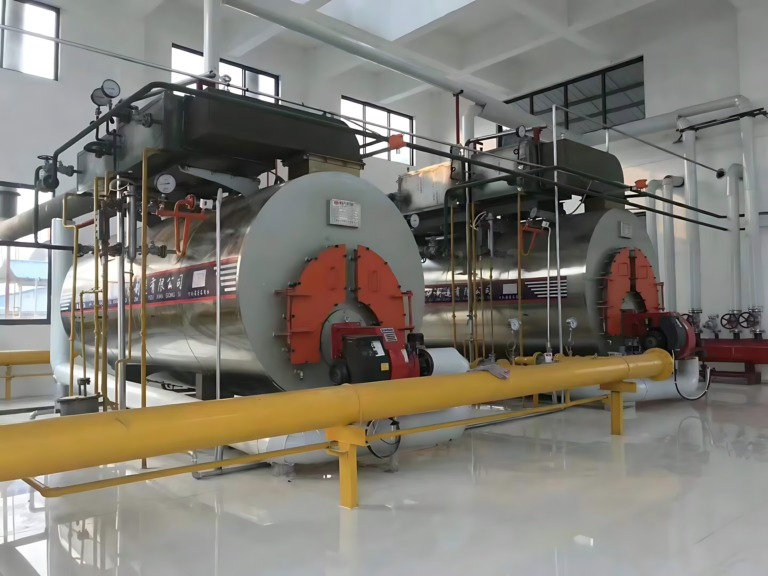
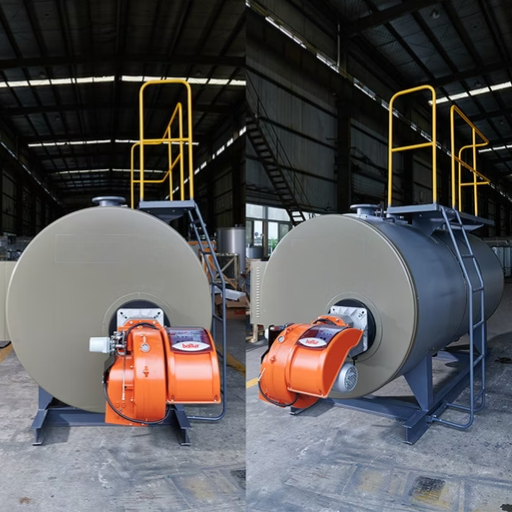
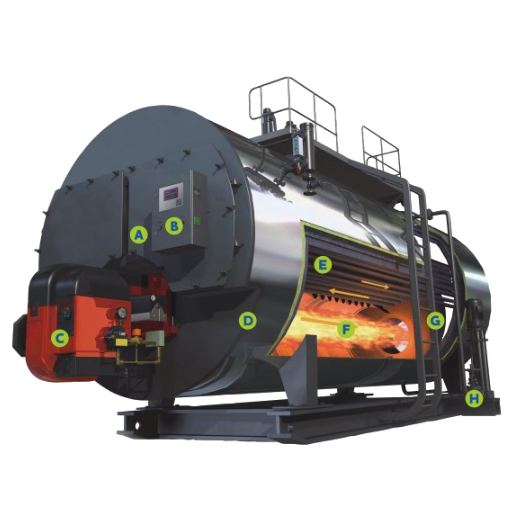
WNS series boilers have a design that features a three-pass horizontal layout and complete wet-back system to improve their thermal performance and operational longevity. The system requires less space for installation because its compact structure enables easy maintenance while providing efficient heat transfer and constant temperature maintenance. The advanced combustion system design achieves total fuel combustion which results in higher energy efficiency and lower pollutant emissions.
WNS series boilers operate under a design system which makes them easy to operate and safe to use. The system includes advanced control technology which allows machines to operate independently while detecting errors and protecting against power surges to maintain dependable operation. The system uses high-grade insulation materials which reduce heat dissipation and decrease operational expenses throughout its lifespan.
The WNS series boilers provide multiple configuration choices which support different fuel options such as gas and oil or dual-fuel systems. The system includes multiple features which enable it to support different industrial applications while delivering effective environmentally friendly solutions which match specific business requirements.
Design and Configuration of CWNS Boilers
The design and configuration of CWNS boilers are crafted to ensure optimal efficiency and adaptability for various industrial applications. The boilers operate through a horizontal three-pass wet-back design which improves heat transfer while minimizing thermal stress dangers. The construction employs high-quality steel materials to establish durability while protecting against corrosion, which enables reliable performance throughout extended service periods.
CWNS boilers use complete automatic control systems which help operators manage operations while their protection mechanisms enhance safety. The systems operate at high efficiency to control temperature and pressure and monitor fuel consumption, which enables users to operate their functions while needing minimal upkeep. The advanced combustion technology in the boilers achieves complete fuel combustion, which results in higher energy efficiency and lower emissions.
The design of CWNS boilers allows for multiple fuel options because the system can operate on natural gas, oil, and dual-fuel combinations. The system allows businesses to operate multiple types of industrial operations because it can handle manufacturing and food production processes. The systems offer simple installation procedures which help businesses to create efficient solutions that protect the environment.
Fire Tube vs Hot Water Boiler Structures
Fire tube and hot water boiler systems operate through different functions which require distinct system designs. The structure of fire tube boilers includes multiple tubes which allow hot gases from combustion to flow through the tubes and heat the surrounding water. This design functions best in manufacturing processes which require continuous steam output at fixed pressure levels and in heating systems for large buildings.
Hot water boilers, on the other hand, operate as systems which heat water but do not create steam. These systems are typically used for residential or commercial heating and smaller-scale applications like supplying hot water for facilities. Hot water boilers operate differently than traditional systems because they maintain specific temperatures for efficient heating rather than using pressure controls.
The two structures exist for different purposes because they use different methods to produce heat. Fire tube boilers are better for high-pressure steam production, while hot water boilers excel in providing controlled heating for water. The operational requirements and energy efficiency requirements and operational scale will determine which system to use. Both systems are designed to optimize performance in their respective applications.
Typical Industrial Applications

Common Uses for WNS Boilers
WNS boilers, which operate with internal combustion engines through their wet-back system and horizontal configuration, become essential equipment for industries because they provide efficient operation and compact design and dependable functionality. The boilers use natural gas and diesel and other liquid or gas fuels to deliver industrial heating solutions which meet industry requirements. The following list presents the most common applications together with their corresponding data.
- Food and Beverage Industry:
Food processing facilities depend on WNS boilers to deliver steam for their sterilization and steaming and drying operations. The production process maintains food safety and quality through their ability to control temperature with high precision. The 2-ton WNS boiler provides sufficient heating power for small to medium-sized food factories which require continuous steam for operations such as brewing and sterilization. - Chemical Industry:
The chemical industry requires large volumes of steam for reactions, distillation, and equipment cleaning. WNS boilers become suitable for this industry because they provide 98% operational efficiency which decreases fuel usage. The chemical industry needs energy for production processes, which WNS boilers satisfy through their default operational capacity. - Pharmaceutical Industry:
The pharmaceutical industry demands clean steam for three purposes: equipment sterilization and medicine production and maintaining sanitary conditions. A typical 10-ton WNS gas-fired boiler can efficiently serve pharmaceutical plants, maintaining operational stability and aligning with environmental standards. - Textile Industry:
Textile manufacturing relies on steam for dyeing, drying, and pressing. The industry prefers WNS boilers because they maintain consistent heat output while their steam production remains at high operational efficiency. The 6-ton WNS boiler provides sufficient steam capacity to operate the equipment needs of a medium-sized textile mill. - Hospitals and Healthcare Facilities:
WNS boilers perform an essential function in healthcare facilities because they supply the building with heating and hot water and operational steam for sterilization. WNS condensing boilers have become the preferred choice for hospitals because they achieve NOx emissions below 30 mg/m³, which meets stringent environmental regulations. - Paper and Pulp Industry:
Steam serves as an essential element for various paper production stages, which include cooking and drying and pressing. The high-efficiency WNS boiler provides its best performance by delivering maximum energy efficiency for these operational requirements. The large paper mills operate their facilities with boilers that have capacity ranges from 15 tons to 30 tons.
WNS boilers become the preferred choice for industrial use because they combine modern combustion technology with energy efficiency and environmental compliance. The market trend shows that WNS boilers maintain their position as a preferred equipment choice for industrial operations which want to improve their operational productivity while decreasing their greenhouse gas emissions.
Common Uses for CWNS Boilers
The designation of CWNS boilers as automatic condensing boilers enables their application across various industries through their exceptional energy efficiency and dependable performance and minimal greenhouse gas emissions. Below are some of the most common uses for CWNS boilers:
- Residential Heating:
The primary function of CWNS boilers involves providing indoor warmth to homes across regions which experience freezing temperatures. The system provides uniform heating that consumes less power because it uses compact design and advanced condensation systems to operate efficiently in residential environments. Scientific research shows that today s CWNS boiler systems enable households to achieve 20 percent energy savings compared to their previous heating systems which results in lower energy bills. - Commercial and Public Buildings:
The central heating systems in hotels and hospitals and schools and office buildings use CWNS boilers to provide both heating and hot water. The boilers maintain continuous operation for heating and hot water supply throughout the entire period of highest demand. Hotel chains have found that CWNS boilers provide a 15 percent reduction of heating emissions which occurs throughout the entire year. - Industrial Applications:
The manufacturing sector uses CWNS boilers to provide their facilities with steam and hot water at low-pressure levels. The food processing and textile and pharmaceutical industries use these boilers to power their cleaning and sterilization and precise temperature control operations. Industrial facilities can achieve energy efficiency improvements between 10 and 15 percent through CWNS boiler implementation which decreases running expenses while fulfilling environmental standards. - Agricultural Use:
CWNS boilers find implementation in agricultural operations which include heating greenhouses and heating animal housing areas. The system provides continuous heating which consumes less energy to create ideal conditions for plant growth and animal welfare during winter months. Modern CWNS systems help farmers cut fuel consumption by around 18%. - Eco-Friendly Applications:
Organizations and communities adopt CWNS boilers as their main solution to decrease carbon emissions because they want to achieve environmental sustainability goals. The system uses its advanced condensing technology to recycle waste gases which enables it to operate efficiently while reducing dangerous emissions to meet strict international environmental regulations.
Organizations across multiple sectors use CWNS boilers to enhance their operational performance while decreasing expenses and promoting environmentally friendly energy solutions. The CWNS boiler system provides organizations with an environmentally friendly solution which matches contemporary energy consumption patterns.
Choosing the Right Boiler for Specific Industries
The first step in selecting a boiler for any industrial application needs to identify the required operational functions. Different industries need unique solutions to meet their operational requirements. Healthcare facilities need boilers which provide constant steam pressure for their sterilization and heating procedures while food processing operations need systems which produce steam that meets hygienic production standards.
The two essential factors which must be evaluated for energy efficiency need to meet environmental standards. Industrial facilities which consume vast amounts of energy, including chemical manufacturing and textile production, achieve maximum benefits when they use boilers which decrease fuel consumption and emissions while maintaining operational efficiency. The implementation of energy-saving technologies through boiler design enables companies to achieve lower operational expenses while maintaining environmental compliance, which results in decreased carbon emissions.
The decision-making process needs to use maintenance requirements together with scalability needs as guiding principles. Organizations that anticipate future growth need to implement modular boiler systems which allow them to expand their operations during periods of increased demand. The use of user-friendly maintenance systems enables organizations to achieve operational efficiency through increased equipment lifespan and decreased maintenance downtime. Industries can find optimal solutions which meet their operational needs, corporate objectives, and sustainability requirements by evaluating these particular factors.
Core Operating Principles

Operating Principles of WNS Type Boilers
The Operating Principles of WNS Type Boilers start with their horizontal wet-back design which produces better thermal efficiency for reduced energy use. The fire-tube design of these boilers operates through heated gases which flow across the boiler tubes to heat the adjacent water. The system achieves uniform heat distribution throughout its operation which results in constant operational output and decreased heat dissipation.
The WNS boiler system operates through advanced combustion technology which enables users to achieve maximum fuel efficiency during their operations. The system operates through its automated control system which uses advanced optimization techniques to track and modify both fuel-air ratios and combustion parameters and operating temperatures until peak efficiency is reached. The system maintains energy-efficient operation through its technology which optimizes energy usage while reducing emissions and fuel waste.
The manufacturing process of WNS boilers ensures their safety features operate through robust construction methods which protect against damage during industrial operations. The use of high-quality materials together with strong construction methods enables equipment to function effectively under diverse operational conditions throughout extended periods of time. The system operates through built-in safety systems which include automatic pressure and temperature controls to maintain safe operational limits which ensure industrial equipment functions reliably throughout its lifetime.
Operating Principles of CWNS Hot Water Boilers
The CWNS hot water boilers function through their basic operational design which produces uniform heating results. The boilers operate through their automatic control system which monitors the combustion process to achieve optimal fuel efficiency while keeping water temperature stable. Fuel combustion creates heat energy which special heat exchangers transfer to the water. The system enables the boiler to deliver hot water to industrial and commercial uses while minimizing energy waste.
The CWNS hot water boilers feature a primary function which operates through their sealed combustion system. The system draws all air needed for combustion from external sources because it prevents the boiler from using indoor air which would disrupt building ventilation. The system safely expels all exhaust gases produced during the combustion process into the outside environment. The sealed design of the system operates safely and efficiently because it minimizes hazardous emissions to the surrounding environment.
The boilers have several safety systems which protect against operational hazards. The system uses automatic pressure and temperature controls to monitor system conditions while adjusting operations to stop both overheating and overpressurization events. The advanced control systems provide easy operation for users who can make changes fast while watching system performance in real time. The combination of efficiency, safety, and user-friendly operation makes CWNS hot water boilers a dependable solution for all heating requirements.
Comparison of Fuel Types and Combustion Processes
The main fuel sources and combustion methods used for assessing heating systems include natural gas and oil and propane and electricity. Natural gas serves as a reliable and affordable fuel option because it produces cleaner combustion results with reduced emissions compared to oil and coal. Oil systems operate reliably at high heat output but they need constant maintenance and they release more emissions into the environment. Propane provides multiple uses because it generates lower emissions yet its cost exceeds that of natural gas. The clean nature of electricity at the point of use becomes diminished through energy losses that occur during its production and transmission process.
Different fuel types impact system performance and operational costs through their unique characteristics. The two heating fuels natural gas and propane provide cost savings for continuous heating needs which makes them suitable for regions that experience extended cold weather. The operational costs of oil become unpredictable because of its fluctuating market prices yet it remains a reliable source. Electric systems provide ecological benefits through their capacity to heat small areas in locations where renewable energy sources produce most electricity even though they come with higher electricity expenses in most regions.
The efficiency of combustion processes together with their effects on the environment creates a major impact on both efficiency and environmental consequences. Condensing systems achieve high efficiency because they harness and use extra heat present in the exhaust gases. The non-condensing systems provide basic functions through their lower initial costs but they lose heat and become less effective over time. The modern heating systems use combustion process optimization together with emission reduction methods to achieve their three goals of efficiency and cost reduction and environmental sustainability which have become essential in the current energy sustainability movement.
Advantages and Disadvantages

Pros and Cons of WNS Boilers
Pros:
- High Efficiency: WNS boilers have well-developed combustion technology that helps achieve thermal efficiencies up to 95%. Some models boast an even greater efficiency of 98%, making them an ideal investment to lower power consumption and running costs. 860
- Compact Design: Boilers come with a horizontal fully corrugated furnace design that makes them compact in structure-saving much space for the boilers and simplifying the installation process, mainly for use in industrial or commercial settings.
- Environmentally Friendly: Use of low NOx and ultra-low-NOx burners in WNS boilers ensures significantly reduced harmful emissions. This aligns well with sustainability drives. Modern WNS boilers with optimized combustion can offer NOx emissions as low as 30mg/m³.
- Ease of Operation: These WNS boilers are easy to operate and maintain with advanced automation. They are equipped with intelligent controls for easy upkeep, temperature, and pressure regulation.
- Versatile Fuel Options: WNS boilers can run on various types of fuel, including natural gas, diesel, and light oil. It helps them to change the base fuel as per the availability and feasibility of fuel for the user.
- Long Life Span: WNS boilers are built with high-quality material like stainless steel heat exchanger and excellent insulation, giving them a longer life and reducing the replacement rate.
Cons:
- Higher Upfront Expenses: Advanced technology of WNS boilers can give considerable savings in operation costs, though the initial cost rises significantly over the simpler boiler installation.
- Fuel Dependency: Consistently fluctuating fuel prices or limited availability of fuels like gas or light oil may result in continually escalating operational costs for industries reliant on fossil fuels.
- Alertness to Maintenance Costs: Automation cuts on physical vigilance; however, it would seem that maintenance costs in some form will always be ongoing. Burners often need cleaning, seals need to be examined, and compliance records must be maintained.
- Unsuitable for Large Operations: WNS boilers are really constructed for the business type small to medium companies for which extremely high steam production is needed, and other boiler types would be more fitting, including the SZS and CFB boiler types.
WNS boilers are a highly efficient, environmentally friendly, and all-encompassing alternative for companies that balance performance and ecological issues. The better you understand the aforementioned prerequisites and operational capableness as a principal determinative factor for effectively securing most out of such systems.
Pros and Cons of CWNS Boilers
Pros of CWNS Boilers:
- Very Efficient: CWNS boilers have advanced thermal capability, offering an efficiency of over 90 percent during operation-heating and supply of a hot water supply.
- Safe: The boiler operates under a pressure relatively incapable of causing a catastrophic accident, which might occur under high-pressure operation of other boilers.
- Less Operating Costs: Optimal fuel consumption will minimize operating costs, which makes CWNS boilers very appropriate for selecting choices of fuels between natural gas, biogas, or oil.
- Green: A CWNS boiler with Low NOx combustion technology will help reduce greenhouse gas emissions and ensure compliance with relevant permissible environmental standards.
- Versatile: CWNS boilers find appropriate service use scale everywhere from large residential homes to hotels, hospitals, and school premises.
Cons of CWNS Boilers:
- Low pressure service: Because they operate only at atmospheric pressure, CWNS boilers are unsuitable for applications requiring pressure steam or water.
- Size and setup considerations: Large CWNS boilers take up a fair amount of installation space, often too much for compact sites.
- Size restrictions: Primarily for smaller and medium sized system operates and, given the circumstances, the need for larger, high capacity boilers or other type of boilers is definitely required for larger industrial applications.
Such exposure of detailed advantages and disadvantages along with the latest developments can actually put the industry in an informed quest as to whether or not these CWNS boilers are pragmatically correct in their dealings with operation and environment.
Cost Considerations for Each Boiler Type
When some say about cost for different kinds of boilers, it means to consider two very important things: cost invested (or paid) at the very beginning and cost incurred during the long run. Small scale systems, such as those meant for domestic use or buildings with minimal capacities, have lower costs for capital input. In brief, instead of posing an expensive purchase, when at work, the boilers require little fuel and thus impose fewer running costs, behaving as a fairly good alternative for small scale applications whose power requirements are meager.
In bigger boilers, however, the amount of money the company would otherwise invest increases as a result of the scale of the boiler operations and the heavy duty components it requires. However medium boilers, in general, would remain cost-effective solutions in settings in which heating requirements are moderate and where these low-costs-for-heating scenarios also encompass drawbackier-for-heating types. Operating expenses are largely dependent on respect to fuel efficiency, maintenance needs, and the very design of the boiler, though all these issues remain under control if watched for.
Large industrial or high-capacity boilers in particular are designed to meet the rigorous demands posed by huge industrial or industrial operations and are appreciably expensive in front-end investment. The countercurrent technologies used in many modern designs significantly reduce energy costs, thus making their overall costs throughout their lifetime reasonable by balance against the availability and reliability they provide for high-demand environments.
Frequently Asked Questions (FAQ)
Q: Why does the wet back design imply the differences between WNS and CWNS boilers?
A: As the heat-absorbing area, and in which the hot gases pass through water-jacketed sections, the wet-back style is at the core of the difference between WNS and CWNS boilers. This well made heat transfer design ensures lower maintenance costs associated with the dry-back patterns and makes CWNS boilers quite good for continuous boiler heating demands.
Q: Are both WNS and CWNS boilers gas-fired, and what does gas-fired mean?
A: Yes, WNS and CWNS boilers are generally gas-fired, meaning that they use natural gas or LPG as their fuel in the internal combustion type boiler used. Gas firing brings some benefits such as cleaner combustion, better control over flames and emission, and quick start-up normally ideal for industrial and commercial heating systems.
Q: Does the WNS CWNS boilers’ difference transpire in installation orientation like in horizontal or vertical?
A: Mostly, both the WNS as well as CWNS boilers are designed decumbent for a compact factory operation. The reason is, the distinction between WNS CWNS boilers has to do with internal furnishings and heat recovery, rather than installation orientation. Though with some manufacturers, a vertical design might be possible because of certain site constraints.
Q: Why does the boiler’s access to accessories have an impact on whether WNS or CWNS?
A: While choosing between WNS and CWNS, it seems prudent to have the option for the boiler to use accessories such as controls, burners, economizers, and safety valves. The fact is, the possibility of the boiler host equipment interaction with CWNS Pro may catalyze certain specific internal water-jacketed return enhancements and some specially designed application features that may, for example, minimize boiler back losses at wet backs to support the maximization of boiler efficiency for hydronic heating applications.
Q: How big of an efficiency difference is there between a WNS boiler and a CWNS boiler?
A: This efficiency increase here between WNS, CWNS is realized through design: the wet-back CWNS construction increases the heat transference surface and reduces heat loss, thus it should be slightly thermally more energy economical. Where fuel consumption and emissions are concerned during gas boiler installations, the CWNS choice can substantially chain in cost savings on fuel consumption or operating expenses.
Q: Why is there a difference in maintenance between WNS and CWNS variants of boilers?
A: It is easily understandable that maintenance differs on account of easy fire path cleaning and lesser heat stress on the shell, thereby reducing downtimes with a wet back configuration, as in the case of a CWNS coal-fired boiler. On the other hand, other WNS configurations with dry back-based designs might require covering the refractory and the outer surfaces in more detail. The choices definitely affect the long term maintenance planning in a boiler heating system.
Q: What kind of boiler to use for combustion type control and fast response in all applications?
A: Both WNS and CWNS boilers have an internal combustion system and could be characterized as closely controlled combustion. Wet back CWNS units find favor within facilities where a fast response coupled with a compact design is given as high heat recovery; the gas-fired standard WNS could be simpler and perhaps less expensive in terms of the initial installation.
References
-
Bosch WNS Packaged Shell Boiler Overview
This document provides an overview of WNS series boilers, describing them as horizontal three-pass wet back fire-tube boilers with industrial safety control systems.
Source -
WNS Series 8-ton Gas Steam Boiler
This source discusses the application of WNS series boilers in the biopharmaceutical field, highlighting their importance in production processes.
Source -
Clean Watersheds Needs Survey 2000
This document from the EPA provides insights into CWNS, which might help in understanding its context in boiler systems.
Source - CWNS Series Oil Gas Fired Hot Water Boiler