Get in Touch with Taiguo


![The Complete Guide to Industrial Electric Boilers [2026]](https://taiguo-steamboiler.com/wp-content/uploads/2026/03/The-Complete-Guide-to-Industrial-Electric-Boilers-2026.png)
Industrial electric boilers have moved past niche backup roles to become primary heat sources in manufacturing, healthcare, and food processing operations. With tighter emissions regulations and volatile natural gas prices, more plant engineers and facility managers now evaluate electric boiler technology as a long-term alternative to combustion-based steam generation. This guide covers working principles, sizing calculations, cost breakdowns, and manufacturer selection criteria to help you pick the right system.
In This Guide
What Is an Industrial Electric Boiler and How Does It Work?
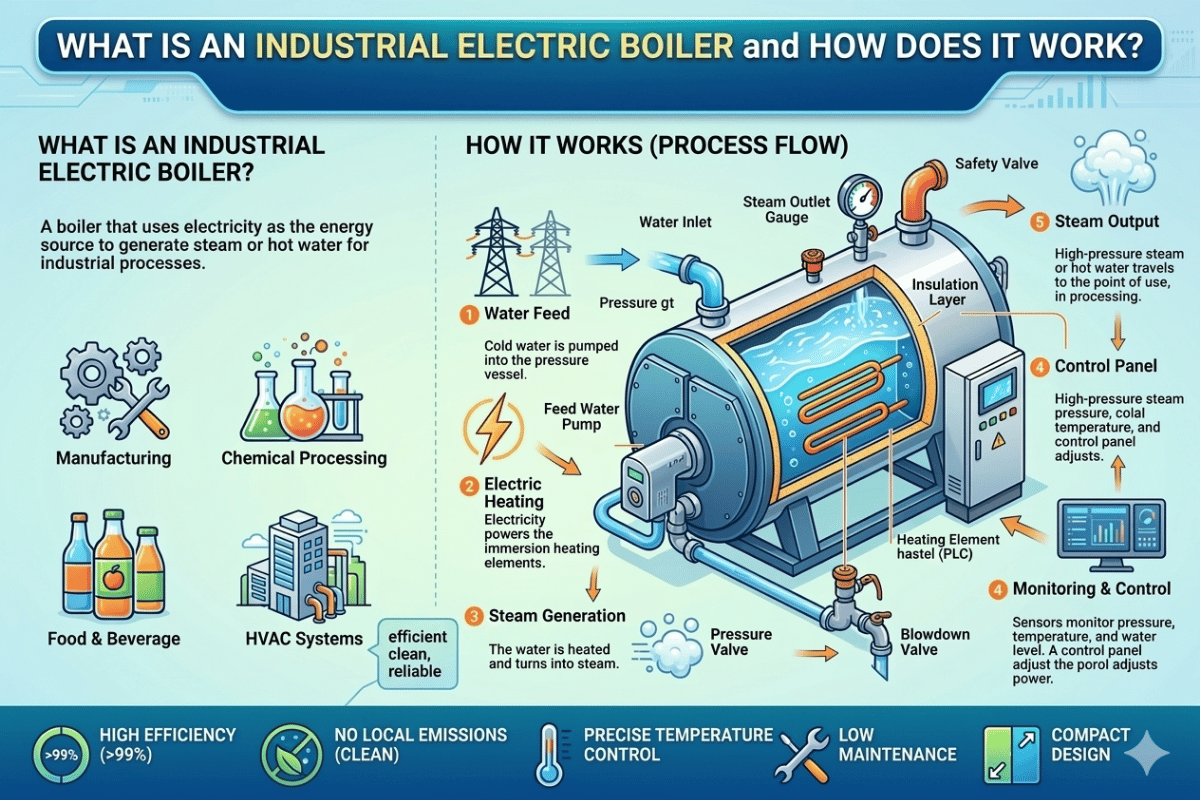
An industrial electric boiler is a pressure vessel that transforms electrical power into heat to supply steam or hot water for commercial and industrial processes. In contrast to combustion-based boilers that burn fossil fuel such as natural gas, oil, or biomass, an electric boiler uses no combustion and produces zero on-site emissions. The advantage is a simpler, more compact design with no flue stack, no fuel source storage tank, and no combustion air handling equipment.
Electric boilers operate through one of two heating methods:
- Resistance element boilers conduct electrical current through submerged heating immersion elements. The resistance wire creates heat, which is transferred by conduction through the element sheath to the surrounding water. These units are generally rated at 1-2 MW and are low voltage (400-690V) equipment.
- Electrode boilers conduct electrical current directly through the water. Water acts as the conductor, which heats itself due to its electrical resistance. These boilers are designed for large-scale steam production, rated from 4 MW to over 80 MW and are high voltage (6-20 kV) equipment. They are only found in steam boiler configurations.
Both options achieve close to 100% energy conversion, which is a significant advantage over fossil fuel boilers that lose heat through the flue stack. The Lawrence Berkeley National Laboratory Industrial Assessment Center reports point-of-use efficiencies of 98 to 99.9 percent for electric boilers, since almost all electrical energy is converted directly to heat with only minor radiant heat losses from the vessel surface.
💡 Pro Tip
Resistance element boilers reach full temperature faster than 15-20 minutes from a completely cold start-up. Electrode boilers are faster still. They will go from the standby mode to a full steam output within 5 minutes when the vessel is already at temperature.
Electric Boiler vs. Gas-Fired Boiler: Which Is Right for Your Facility?
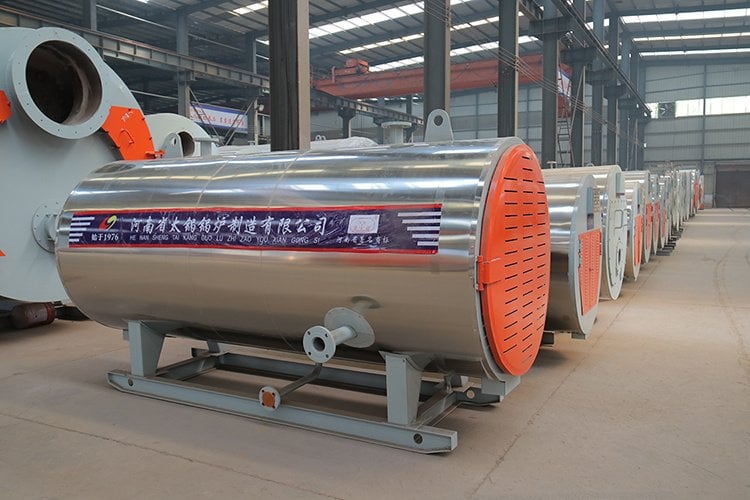
Choosing between an electric steam boiler and a gas-fired boiler depends on your facility’s sustainability goals, available electrical infrastructure, and assumed future energy prices. Both options have the same fundamental purpose – producing steam or hot water – but are very different in efficiency, control complexity, and total cost of ownership.
| Factor | Electric Boiler | Gas-Fired Boiler |
|---|---|---|
| Point-of-Use Efficiency | 98–99.9% | 80–95% |
| On-Site Emissions | Zero (no combustion) | CO₂, NOx, SOx, particulates |
| EPA NESHAP Compliance | Exempt | Required (major/area source) |
| Flue / Chimney Required | No | Yes |
| Footprint | Compact — no combustion air ducting | Larger — needs flue, fuel line, ventilation |
| Typical Capital Cost | Lower (simpler installation) | Higher (flue, gas piping, burner controls) |
| Operating Cost (energy) | Higher per BTU in most U.S. regions | Lower per BTU (natural gas pricing) |
| Maintenance | Minimal — no burner tune-ups | Annual burner/combustion inspection |
The U.S. EPA enforces NESHAP rules on industrial boilers that burn coal, oil, biomass, or natural gas. Electric boilers are exempt from the 40 CFR Part 63 requirements, as they do not produce combustion exhaust streams — meaning they do not trigger monitoring requirements, emissions inspections, or tune-up mandates.
From an energy cost perspective, natural gas remains cheaper per BTU in many U.S. states. However, facilities in regions with low electricity rates, on-site renewable generation, or access to off-peak power tariffs can reduce the gap significantly. The U.S. DOE Industrial Decarbonization Roadmap identifies boiler electrification as a primary pathway for reducing the industrial carbon footprint, particularly when paired with grid decarbonization targets.
⚠️ Important
A common trap in electric vs. gas comparisons is simply looking at point-of-use efficiency. Electric boilers are 98-99% efficient at the boiler but the electricity itself could have been generated at 30-45% thermal efficiency at the power plant. Always check total source-to-steam efficiency and your facility specific electricity rates before jumping to conclusions.
Types of Industrial Electric Boilers: Steam, Hot Water, and Steam Generators
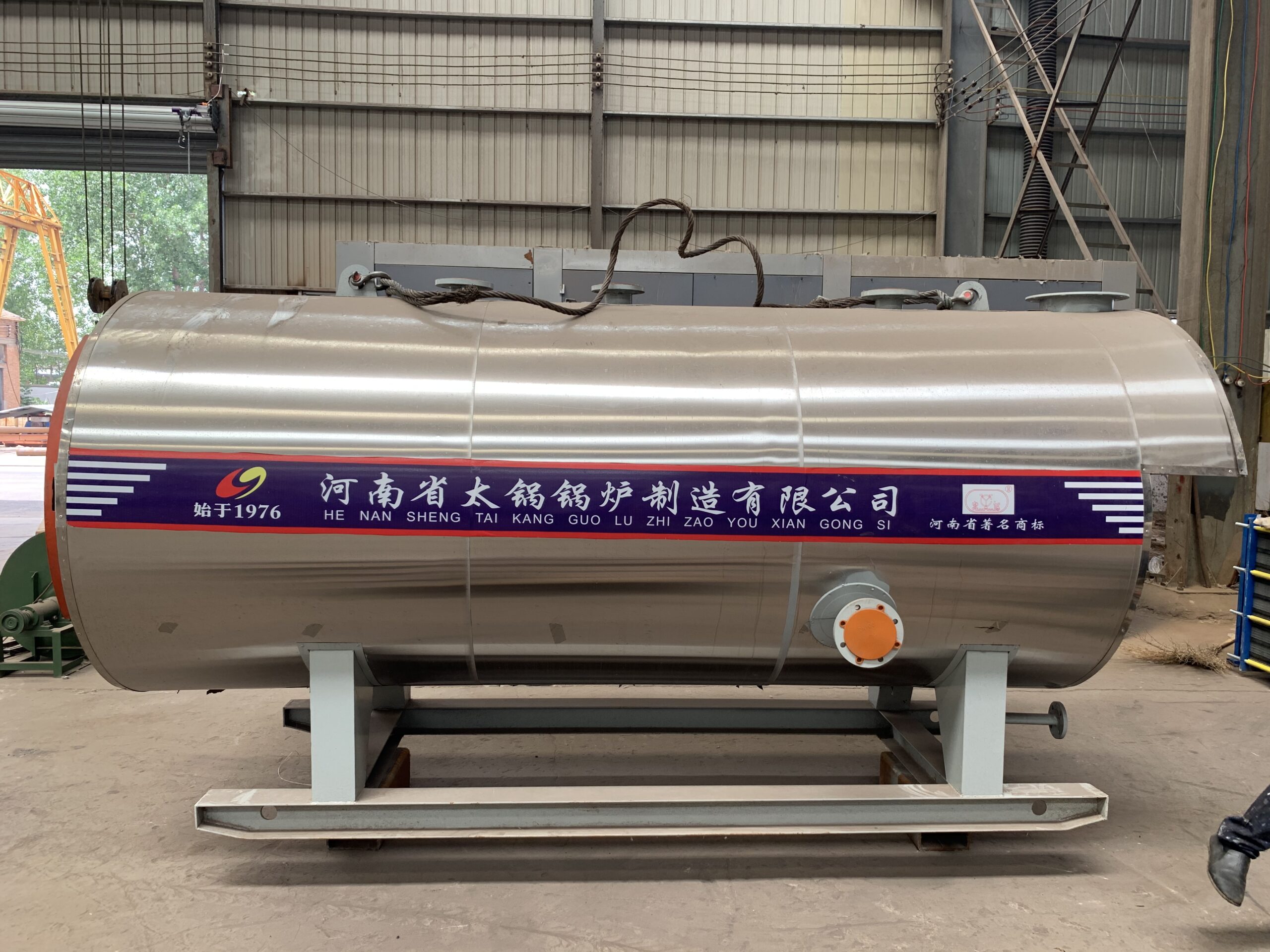
Industrial electric boilers come in several types based on their output medium (steam or hot water), heating method (resistance or electrode), and configuration. Choose the type that best fits your processing temperature, capacity needs, and available electrical service voltage.
| Boiler Type | Output | Capacity Range | Best For |
|---|---|---|---|
| Resistance Element Steam Boiler | Steam (up to 150 PSI) | 6 kW – 2,000 kW | Small-to-medium steam loads, labs, hospitals |
| Electrode Steam Boiler | Steam (up to 250 PSI) | 4 MW – 80 MW | Large industrial plants, district heating |
| Electric Hot Water Boiler | Hot water (up to 250°F) | 12 kW – 5,000 kW | HVAC heating, water heater replacement, hotels |
| Electric Steam Generator | Dry steam (high purity) | 3 kW – 750 kW | Pharmaceutical, clean rooms, food processing |
Resistance Element vs. Electrode: A Decision Framework
If your facility requires less than 2 MW of steam or hot water capacity, resistance element boilers are the easiest to install. They connect to existing low-voltage power distribution and require no electrical system modifications. They produce both steam and hot water. For operations exceeding 4 MW — large manufacturing plants or district heating systems — electrode boilers become the sole electric choice, but high-voltage connections are required and only steam can be generated.
Electric steam generators serve a distinct niche: applications where dry steam quality and rapid startup matter more than raw capacity. Pharmaceutical manufacturing and food processing lines use these compact units because they deliver efficient steam with dryness fractions above 98%, meeting clean-steam specifications without the bulk of a full-sized boiler vessel.
How to Size an Industrial Electric Boiler

Sizing your boiler properly avoids an undersized unit that will fall short of even typical peaks, as well as an oversized unit that will cycle too often and waste capital. For electric boilers the sizing process involves calculating your heat load in kilowatt (kW) or boiler horsepower (BhP), and then finding the equipment size that will match that load.
Step-by-Step Sizing Method
- Sum all process heat requirements: steam flow rate (lbs/hr), hot water flow rate (GPM), and temperature rise needed.
- One boiler horsepower = 9.81 kW of thermal output. For electric boilers at 98% efficiency, 1 BhP equals 10 kW of electrical input.
- Add a safety margin of 10-20% for peak demand variation, future expansion, and heat losses through piping and pump circuits.
- Determine electrical supply – Ensure that electrical service can provide the power needed. For example, a 500 kW boiler will require about 700 amps at 480V three-phase.
- Match your process temperature requirements to the boiler MAWP. steam systems typically operate between 15-150 PSI.
| Boiler Horsepower (BHP) | kW Input (approx.) | Steam Output (lbs/hr) |
|---|---|---|
| 10 | 100 | 345 |
| 50 | 500 | 1,725 |
| 100 | 1,000 | 3,450 |
| 200 | 2,000 | 6,900 |
💡 Pro Tip
One of the most common sizing errors is working on average load and not peak load. If your manufacturing process has a 15 minute peak demand on steam that doubles the normal amount (say for a sterilization cycle), then we need to ensure boiler can support that peak with no pressure drops. Then take actual loads over entire production cycle and then size capacity accordingly.
Industrial Electric Boiler Cost and Operating Expenses
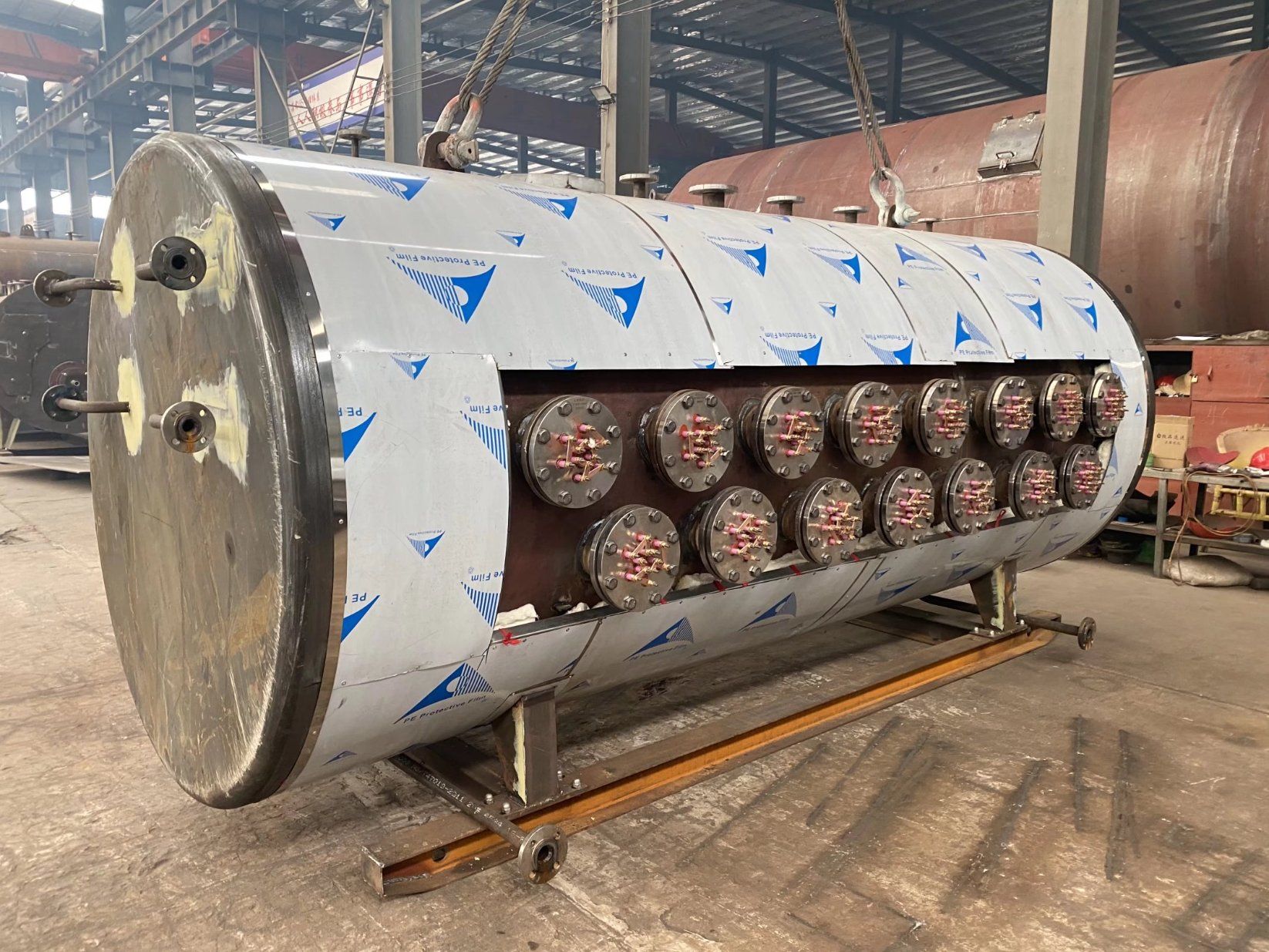
Pricing for electric boilers depends on capacity, pressure rating, and whether the unit is a standard package or a custom-engineered solution. The capital cost tends to be lower than gas-fired boilers due to simpler installation — no flue construction, no gas piping, and no combustion air handling equipment.
| Capacity | Equipment Cost (USD) | Installed Cost (est.) |
|---|---|---|
| Small (100–500 kW) | $5,000 – $30,000 | $15,000 – $60,000 |
| Medium (500 kW – 1 MW) | $30,000 – $80,000 | $60,000 – $150,000 |
| Large (1 – 5 MW) | $80,000 – $200,000 | $200,000 – $500,000 |
| Custom / High-Voltage Electrode | $200,000+ | $500,000 – $2M+ |
Operating Cost Drivers
Energy use makes up the majority of electric boiler operating costs. A 500 kW boiler running 8 hours per day at full load consumes 4,000 kWh daily. At a commercial electricity rate of $0.08/kWh, that translates to $320/day or roughly $83,000/year. By comparison, a similarly-sized gas-fired boiler burning natural gas at $1.00/therm might cost $60,000-$70,000/year for the same heat output — though this gap narrows in regions with higher gas prices or where facilities have access to time-of-use electricity rates.
Where these units gain back ground is in reduced maintenance and regulatory costs. No annual burner tune-ups, no combustion analysis, no emissions monitoring equipment, and no NESHAP compliance documentation. For facilities already operating under EPA air permits, removing a combustion source can simplify permitting and reduce ongoing compliance overhead.
Rental options are available for short-term or seasonal use. Monthly prices for rental of industrial electric boiler can be found between $3,000 and $8,000, varying by capacity and contract length. This makes electric steam boiler rental a viable alternative to capital purchase when a facility has temporary steam production needs.
Common Applications for Industrial Electric Boilers
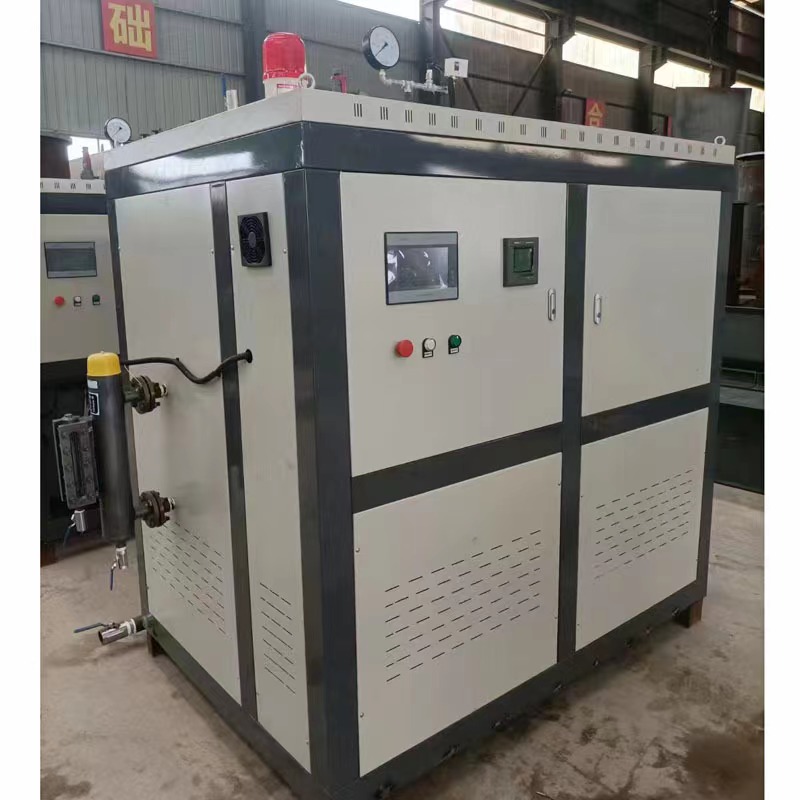
These boilers fit particularly well in facilities where clean operation, high efficiency heat conversion, precise temperature control, and compact installation are priorities. Since they produce no combustion byproducts, they suit industrial applications with strict air quality requirements or limited space for flue infrastructure.
Key Industries
- Healthcare and hospitals — Steam sterilization of surgical instruments, autoclaving of medical waste, and building HVAC heating. Hospital boiler rooms often sit in basement mechanical rooms where combustion venting is difficult to route, making electric boilers the practical and reliable solution for efficient steam delivery.
- Pharmaceutical manufacturing — Clean steam for sterilization reactors and drying processes. Pharmaceutical production facilities require precise temperature control to maintain reaction efficiency and product purity, which electric boilers provide without combustion-related contamination risks.
- Food and beverage processing — Clean steam for direct-contact applications such as cooking, pasteurization, and equipment sterilization. These steam generators produce high-purity steam without combustion gases that could contact food products.
- Hotels and commercial buildings — Hot water for guest rooms, laundry operations, and hydronic heating systems. Commercial and industrial electric boilers with compact design fit in limited space mechanical closets that cannot accommodate gas piping or chimney penetrations.
- Laboratories and clean rooms — Research facilities and semiconductor manufacturing where even trace combustion emissions could contaminate controlled environments. A water heater upgrade to an electric unit can also reduce the carbon footprint of campus utility systems.
According to the IEA Renewables 2025 report, electricity consumption for industrial process heat is projected to grow from 4% of global industrial heat consumption in 2024 to 12% by 2030, indicating growing adoption of electric heating technologies including boilers across a range of commercial and industrial applications.
How to Select the Right Electric Boiler Manufacturer
Not all electric boiler manufacturers have equal engineering, quality of build or after-sale service. Comparing prospective Suppliers using a checklist helps prevent costly mistakes, particularly on mission-critical steam power.
- ✔
ASME certification — The boiler vessel must carry an ASME Boiler and Pressure Vessel Code (BPVC) Section I stamp. This confirms the vessel meets safety requirements for power boilers, including electric boilers, per the ASME definition of “a power boiler in which the source of heat is electricity.” - ✔
UL/cUL or CSA electrical listing — All electrical components and control panels should carry recognized safety certifications for your jurisdiction. - ✔
Stainless steel construction — For applications requiring corrosion resistance or clean steam, verify whether the pressure vessel interior uses stainless steel rather than carbon steel. - ✔
Control system precision — Look for modulating power control (SCR or contactor-based) rather than simple on/off staging, especially where precise control of temperature matters. - ✔
Lead time and availability — Standard package boilers ship in 4–8 weeks; custom-engineered units may take 12–20 weeks. Confirm delivery timelines relative to your project schedule. Long-term reliability depends on the manufacturer’s commitment to parts availability. - ✔
Customer support and field service — Verify the manufacturer offers commissioning assistance, spare parts stocking, and a reliable and dependable service network within your region. Ask for references from comparable installations.
Require a site survey before final purchase. An independent engineer from the manufacturer should review your electrical supply capacity, water quality, installation volume requirements and venting needs for safety relief outlets before recommending a particular model and configuration. Boilers provide decades of reliable service when properly specified from the start.
Frequently Asked Questions
Q: Do electric boilers use a lot of electricity?
View Answer
Yes. A 500 kW unit running full output 8 hours a day consumes 4,000 kWh. Their near-100% point-of-use efficiency saves most of that electricity as usable heat – gas-fired boilers lose 5-20% through the flue. Whether that cost is acceptable depends on your area’s utility rates and availability of off-peak pricing.
Q: Can an electric boiler explode?
View Answer
Any pressure vessel can be compromised if safety controls fail. Electric boilers carry a lower risk profile than combustion boilers because there is no fuel, no flame, and no gas buildup. Safeguards include ASME-coded pressure relief valves, high-pressure cutoff switches, low-water cutoff devices, and over-temperature protection. Regular vessel inspections and proper maintenance of these controls keep the risk extremely low. Most jurisdictions require annual or biennial testing by a licensed boiler inspector, and insurance carriers mandate their own inspection schedules.
Q: Are industrial electric boilers worth the investment?
View Answer
If your facility’s demand for steam or hot water is moderate (under 2 MW), you have attractive electricity rates, and you face regulatory pressure to reduce on-site emissions, electric boilers can offer strong payback. Lower initial investment, reduced maintenance expense, and elimination of compliance overhead offset the higher per-BTU energy cost, particularly if you have on-site renewable generation or face punitive carbon pricing.
Q: How long do industrial electric boilers last?
View Answer
15-25 years is typical of a well-cared for unit. Elements of resistance type boilers may require replacement on a 5-10 year cycle. The biggest factor affecting lifespan is water quality — hard water causes scale formation on elements, reducing heat transfer and shortening element life.
Q: What is the difference between an electric boiler and an electric steam generator?
View Answer
An electric boiler is a pressure vessel designed for continuous steam or hot water production at higher capacities (typically 50 kW and above). An electric steam generator is a smaller, more compact unit designed for rapid startup and high steam quality (dryness fraction above 98%). Steam generators are used extensively in pharmaceutical, laboratory and food processing where dry steam purity matters more than total volume output.
Q: Why would a company switch from gas to an electric boiler?
View Answer
Companies switch for several practical reasons: meeting corporate or regulatory carbon reduction targets, eliminating EPA NESHAP compliance burdens for combustion sources, reducing maintenance complexity, and improving safety in facilities where open-flame equipment poses risks. Additionally, facilities expanding into spaces without existing gas infrastructure can often install an electric boiler faster and at lower total project cost than running new gas service lines.
About This Guide
This selection guide draws on publicly available technical data from the U.S. Department of Energy, EPA regulatory documentation, ASME pressure vessel standards, and IEA energy market reports. Pricing data reflects 2024-2025 market conditions for the U.S. industrial boiler market. We recommend consulting with a licensed mechanical engineer for site-specific sizing and installation planning for any industrial electric boiler project.
References & Sources
- Replace Conventional Boiler with Electric Boiler — Tipsheet 3 — Lawrence Berkeley National Laboratory, Industrial Assessment Center
- Industrial Boilers and Process Heaters: NESHAP for Major Sources — U.S. Environmental Protection Agency
- DOE Industrial Decarbonization Roadmap — U.S. Department of Energy
- ASME Boiler and Pressure Vessel Code (BPVC) — American Society of Mechanical Engineers
- Renewables 2025: Renewable Heat — International Energy Agency
- Electrification of Boilers in U.S. Manufacturing — U.S. DOE Office of Scientific and Technical Information