Get in Touch with Taiguo

Heating Solutions for Chemical Plants in the Chemical Industry

Contents
show
Chemical plants often work under highly demanding environmental conditions, where not just for the sake of product quality, efficient operation, and safety, but precise thermal controls become a critical factor. This is necessitated by the many processes that require heat, such as distillation, reaction facilitation, drying, and thermal cracking. Therefore, careful decisions have to be made when it comes to choosing heating solutions. This guide to heating technologies and strategies for the industrial chemical industry attempts to be just that. If you are looking for ways to improve energy efficiency, ensure process reliability, or reduce downtime, then this guide should offer some useful information to help you begin with making some informed decisions.
Overview of Heating Solutions for the Chemical Industry
Importance of Process Heat in Chemical Processes
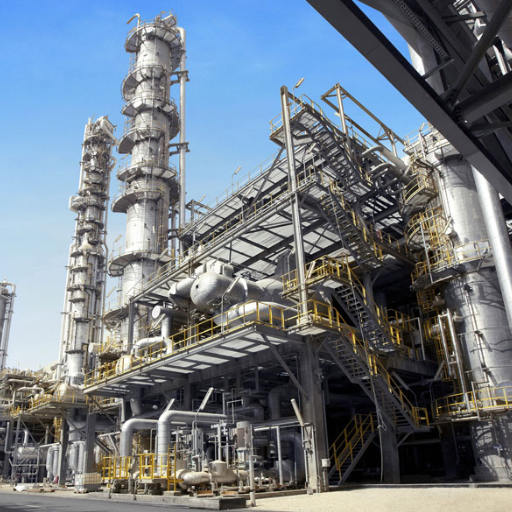
Process heat serves as a fundamental technical feature in the chemicals industry, impacting the efficiency, safe operation, and product quality of any facility. The rating and processing of many chemical reactions are temperature-dependent for attaining desired outcomes; these are accomplished through heat transfer. Besides reactants, catalysts, and proper reactor types, what further matters is that each chemical not only depends on the temperature of the reaction but also on how fast the reaction is driven. Reactors, evaporators, distillation columns—obviously, in all these units, the selection of the operating temperature essentially means the blazing trail toward the desired product and fulfillment of the laid-down regulatory standards.
An efficient system of process heating is directly linked to energy conservation as well as cost management. A well-chalked out and robust heating system is a way toward meeting the stringent performance requirements of the process without actually wasting needless energy the actual heat transfer. This is more relevant now, especially when energy-intensive processes are largely in practice, and environmental sustainability is playing a big role.
Besides, keeping the process heater consistent also ensures continuity of operation and less downtime on the line. A trickling process can greatly mitigate risks whereby temperature variance becomes the leading premise of equipment malfunction leading to production stoppage or product compromise. In ensuring the structure is kept on a steady and uniform temperature, avoiding equipment failures and other malfunctions is also a main priority for you. It is very significant in ensuring workplace and plant operations to be safe and productive in chemical production.
Types of Heating Systems in Industrial Processes
In industrial processes, there must be one or several heating systems to ensure that the activity gets performed in an efficient and safe way, with minimal hassle and maximum production. Here are some of the heating systems that are commonly used. Along with advantages and key features:
Direct Fired Heaters
Direct-fired heating is efficient, as the heat source is directly transferred to the process medium. In their properties, direct-fired heaters are highly befitting the heating needs of the petroleum industry. They can heat a medium to as high as 1,800°F with very quick productive startup times making them an ideal fit for applications demanding good temperature control in grade changes.
Indirect Fired Heaters
Indirect heating system boosts a medium such as hot oil and hot water to heat the product. So, here the heat source operates through the presence of a medium to prevent dirt from soiling the substance. Indirect heating is mostly used in the food processing and pharmaceutical industries, where product purity is one of the major concerns.
Steam Boilers
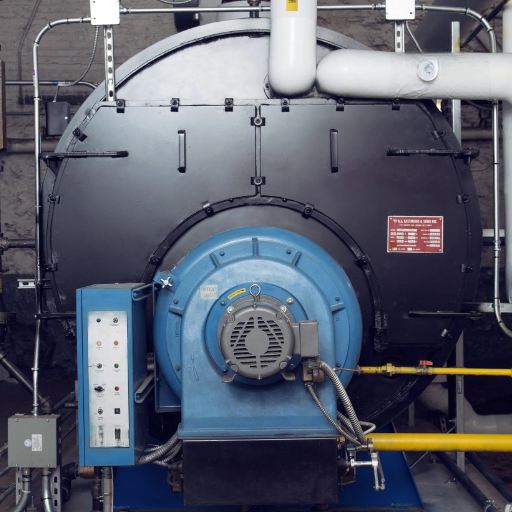
Steam boilers are the most traditional and efficient way for the employment of heating systems in the industrial field. Run on such energy sources as natural gas, coal, or electricity, steam boilers change it into steam energy under tremendous pressure to feed the various processes. The application area of steam boilers is in such industry sectors as the chemical industries, pulp and paper, and textile industries.
Heat Exchangers
Heat exchanges are designed for transferring heat between two or more fluids. They are versatile and energy-efficient systems commonly used in the heating and cooling of industrial CO2, so the manufacture demands it. These units can work free of heat losses with the latest strides in materials such as stainless steel and titanium, thus further ensuring greater functional shift as well as stability against harsh weathering.
Electric Resistance Heating
Electric heat uses the resistance heating whereby electrical energy is converted directly to heat; a system that provides a more definite control of temperature and is diverse in use in various areas requiring small heating surfaces or the heating of specific locations. Heating metal processes and lab chemical synthesis constitute examples.
Radiant Heating Systems
The radiant heating system does just that through generating infrared radiation, which is then converted into heat to gently warm the surfaces or objects it aims to heat, instead of heating the surrounding air. These systems are best utilized in selected parts of large areas or buildings, where the heating performance will be focused (such as in warehouses or manufacturing buildings).
The selection of a heating system should be made on the base of this factor that how the system could be outlined optimally for satisfying the classical process requirements, keeping in view the generation of energy from the system and how its cost performance could align with long-term sustainability goals in order to maximize both efficiency and profitability in the context of plant or industrial operation.
Challenges in Chemical Heating
Systems for heating chemicals undergo different obstacles affecting their performance, reliability, and sustainability. Trying to achieve proper and consistent temperature is the utmost important challenge. Many chemical processes require precise temperature control to ensure their safe operation and products’ quality. However, it may happen that any disturbances or perturbations in heating systems from inefficiency, external reasons, or inconsistency in energy input may bring down the whole plant and ruin product quality.
Another prime challenge would be conserving energy. A lot of energy is needed to heat chemicals due to the high temperature requirements within manufacturing setups and machinery. The utilization of such heating systems generates exorbitant electric bills and is harmful to the environment by an increase in carbon emissions. It simply heightens the need to have systems that achieve a balance between heat output and low energy wastage, in line with the economic and environmental goals.
Lastly, the service life and durability of heating gadgets remain a critical issue. Factors like continuous heavy usage or exposure to highly corrosive chemicals or extreme changes in temperature may influence equipment to wear out and thus fails eventually. Regular maintenance demands resources, and a breakdown of the system might pose a severe containment and disruption of the plant’s activities. Some potential remedies include the choice of innovative materials, regular inspections, and system designs that focus on long-term sustainability and effectiveness.
Electric Heating Systems for Chemical Manufacturing
Benefits of Electric Heating in Chemical Processes
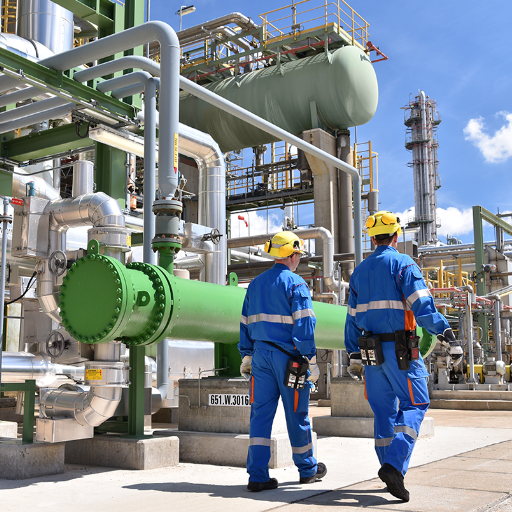
Electric heating is providing several advantages in chemical processes, making them an efficient and reliable selection in the industry. One considerable advance is the precise control over temperature. The resulting interactivity provided with electric heating allows for the changing of the temperature as best for a particular chemical ratio to avoid overheating or underheating.
Energy efficiency is another significant advantage because electric heating systems are efficient round-the-clock. These systems convert almost all the electrical energy into heat, dramatically reducing energy wastage. The effectiveness lowers overall operating costs and supports sustainability. Today advancement has allowed for some sort of integration of these electric heaters with renewable energy resources. Electrics in general are also compact in design, duly saving one hell of a lot in space.
The safety and cleanliness of electric heating systems are some important aspect—a cleaner environment with zero open flames or combustion tricks. Through this remarkable method, the hazard of fire is erased and has become a popular trend for achieving environmental compliance. On top of that, long-term streamlining in maintenance for electric heating gear gives strength to reliability and reduced downtime, thus providing a seamless running of high magnitude chemical manufacturing processes.
Types of Electric Heaters Used in Chemical Industries
Electric Heaters form the converging point of any processing operation within the chemical industry. They are installed to provide safe and accurate means of heat for different procedures. Some widely used electric heaters are:
The Immersion Heater
This heater is a high-demand application because the heat is directly delivered to the process liquid, within a tank, container, or pipeline. It is a highly energy efficient element designed specifically to allow for operation where a stable temperature is required, especially for the processes concerning the heating of oils, water, or chemicals.
The Circulation Heater
Usually, such heaters are designed to heat the fluid going across a system. While chemicals, oil, or gasses are moved, the electric element within a jacketed shell works calmly to provide a safe environment for heating. Circulation heaters are well suited to the maintenance of uniform temperature on a continuous process.
Tubular Heaters
Tubular heating elements are highly adaptable and durable since they can be shaped to specific needs. The design allows for either direct or indirect heating, warming up solids, liquids, and gases accordingly in controlled environments.
The chemical industry certainly benefits from the use of these electrical heaters as processes are kept safe and efficient. The type that service this environment will be ordered by process heat. These will need equally to be reliable and energy-efficient to ensure that multiple applications have observed good results.
Optimization of Electric Heating Systems
Among the objectives of optimization are efficiency, safety, and continual serviceability for electric heating systems. Productive enhancements are to have the heaters serviced at regular intervals to work at their best efficiency. Through occasional maintenance, potential failures and bad wiring or component wear can be prevented, lowering system energy efficiency and creating dangerous safety conditions. Proper adjustment of controls also allows for handling of precise temperature escalation that removes wasteful energy consumption.
Uploading of intellectual control technology systems, supervising and modifying heating processes in real time, represents yet another crucial approach. Smart thermostats plus programmable controllers can raise energy-saving advantages by adopting specific requirements of each case of heating system operation. This reduces the waste of energy while ensuring consistent efficiency. Besides, the placement of ambitiously insulated material around heating units will significantly mitigate heat losses and retain thermal efficiency in the system.
Undoubtedly, choosing heaters with energy-efficiency features for the particular application or process of operation can yield a significant reduction in energy consumption. In other words, factors such as the operating environment, material compatibility, and heat output must be well-sorted to deliver the system with efficiency in the long-term to meet operational goals while fulfilling sustainability commitments. By making use of a number of instrumental analytical tools, the key to this is seeing where energy is being used and in what way, and this directly helps the business to arrive at informed and therefore well-advised decisions regarding any new action toward better system optimization. Altogether, these measures work to make an electric heat-treating process much safer, more dependable, and environmentally friendly.
Immersion Heaters and Their Applications
How Immersion Heaters Work
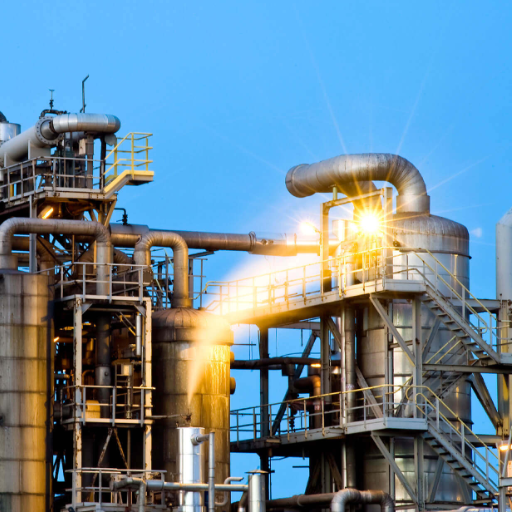
Immersion heaters utilize an electric heating element which heats liquids/materials by submerging into them. When electricity passes through the element, heat energy is generated, which is then circulated to the surrounding medium. Such a design creates a direct heating surface that makes immersion heaters ideal in several applications.
Most commonly, they are used in industries to heat liquids—for example, water, oil, and many chemicals. Their direct heating of material necessitates no intermediating structure, hence showing rapid thermal transmission and energy conservation. Additionally, immersion immersion heaters are also deployed in smaller capacities like household water heaters making the technology applicable in diverse settings.
They are suitable for numerous environments because of their easily adaptable nature. They are a safe option as long as a reliable temperature controller is used and the risk of overheating is sufficiently minimized. The well-thought-out design of these heaters is that provides a good possibility of heating effectively, efficiently, and safely in a variety of applications.
Advantages of Using Immersion Heaters in Chemical Plants
Immersion Burners being a highly efficient solution for maintainable and raised temperature in a chemical process-making environment. Immersion heaters provide swift heating to liquids to sustain constant temperature management, a crucial requisite in many chemical reactions and processes. Direct energy transfer of heat to the fluids inside the tank or vessel minimizes heat loss, thereby raising operational efficiency; lower losses mean lower energy costs.
Moreover, their adaptability and versatility for various chemicals are another selling point. Under very stringent application contexts, the construction of these immersion heaters could involve using different materials such as stainless steel, titanium, or other corrosion-resistant alloys. This provides for the heaters being assembled with a truly protective shield. The heaters can function in mild-to-extremely-corrosive chemical environments with minimal maintenance and a safety guarantee in terms of their being principally architecturally robust.
Moreover, these immersion heaters require very low upkeep. Some sets have customized-fit temperature controllers for operational convenience, and others have high-tech safety elements such as thermal cut-offs and sensors for main controls, protecting against overheating and media property destruction, thereby reducing downtime and risk. An ultimate item lineup for ensuring compliance with the safety and quality standards during the chemical manufacturing process.
Best Practices for Immersion Heater Implementation
To implement immersion heaters effectively, the implementation process should take into account a certain number of factors to assure efficiency, safety, and life expectancy of the product. A few key factors: One must choose an appropriate immersion heater based on the application (using proper material, such as stainless steel, or titanium in the case of corrosion-resistant atmosphere products, while using plastic or other materials in the case of the lubricating oil application).
Then, comes the installation. Enough spacings allow for heat transfer efficiency; hence one would decrease the risks associated with hotspots. The manufacturer should offer input on installation while one must never be too proud to look for expert help for a difficult installation situation.
While many can use thermocouples, some must use other frozen-junction sensors in inherent applications in corrosion areas. It is too risky to rely on frozen-junction sensors in such areas. It is far better to suspect and completely gather all possesses materials in suspicion of being no resistance to automated weather sensors and independently weather-resistant. Page 1-5 in the third-party company’s report provided a list of updates to resistance-termination products related to repair processes with identical models or similar models set against the operator’s mind. It seems that most hazardous-location equipment makers certify their products only and then leave the job to the third-party company of inspection services and maintenance procedures.
Heat Transfer Solutions in Industrial Heating
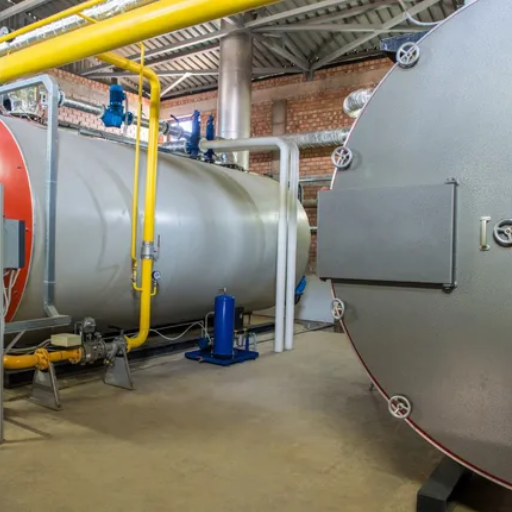
Understanding Heat Exchangers in Chemical Processing
The heat exchanger plays an indispensable role in the chemical industry, allowing two or more fluids to heat transfer effectively without allowing them to mix. The heat transfer function is used to maintain specific temperatures within the process of chemical production, product stability, and safe operation. Their essential use rests on operations such as heating, cooling, condensation, or evaporation, which is prevalent in petrochemical and pharmaceutical industries.
The performance of the heat exchanger is reliant on design factors, material rules, and operational conditions. Common designs include shell-and-tube heat exchangers. There are numerous types, each fulfilling specific requirements related to heat transfer rate, pressure drop criteria, and area occupancy. Installing the most proper heat exchanger for the given application would thus mean efficient energy consumption, reduced costs in operation, and conformity with environmentally friendly norms.
Routine maintenance as well as continuous monitoring of performance play equivalently crucial roles in the life of heat exchanger operations. With problems such as fouling, corrosion, leakage, etc., the efficiency and consequently, demanded energy losses and equipment failure will occur. The answer depends on cleaning, constant inspection, and a provision for the prompt restore in case of damage to the components to prevent any downtime and enhance the overall reliability in operation. In practice, best practices in their maintenance service should have some chance to guarantee industries proper performance and service life for a heat exchanger, upholding process integrity.
Heat Pumps: A Sustainable Heating Solution
Heat exchangers are critical to the chemical processing industry, allowing for the efficient and little mix transfer of heat between one or more fluids. This feature is critical for maintaining the temperature of the process, which is necessary for chemical reactions, product stability, or operational safety. Heat exchangers are an important piece of equipment in a number of applications, including, but not limited to, heating and cooling, condensation, or evaporation in various industries such as petrochemical, pharmaceuticals, and food processing.
The efficiency of the heat exchanger is contingent on its design, material, and working conditions. Some of the conventional designs are shell-and-tube, plate, and air-cooled heat exchangers. Each of them is recognized for certain conditions such as heat transfer rates, pressure limits, and space constraints. As such, the identification of the right heat exchanger for the job is aimed at ensuring energy conservation, cost-effectiveness, and compliance.
To achieve their optimum potentials, it is essential that heat exchangers receive regular checkups and maintenance. Any defects such as fouling, erosion or leaks will adversely affect their functions, wasting energy and sometimes causing them to break down. Cleaning and maintenance will allow the heat exchanger to work freely and with maximum reliability.
Fossil Fuels vs. Electric Heating in Chemical Plants
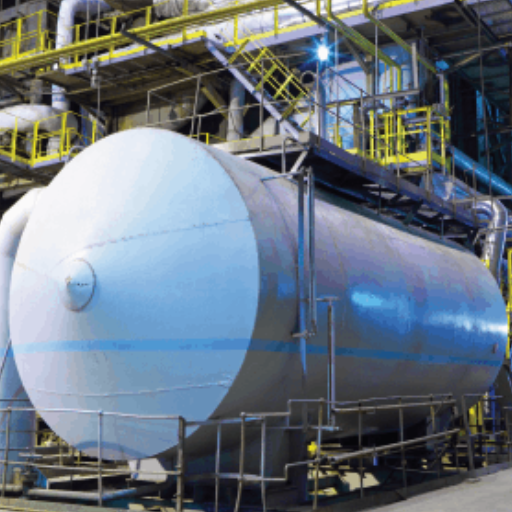
Comparative Analysis of Heating Solutions
Heating plays an increasingly critical role in the operations of chemical plants. Choosing the right heating procedure could be beneficial in a number of ways, which include efficiency, safety, and sustainability. Fossil fuels have been a conventional option for decades with their virtues of reliability and an established infrastructure. However, the disadvantages are high CO2 emissions, fluctuating costs with a carbon tax, and environmental consequences in the long run rendering traditional fuels less-than-perfect options because it flies in the face of certain sustainability targets.
Electric Heating is a cleaner alternative—one promising huge efficiencies with next to no losses in the overall operability of its power supply—giving it the potential to run on solar and wind energies and drastically cut CO2 emissions in line with global decarbonizing goals. Furthermore, electric systems would allow temperature regulation with precision, thus obtaining positive responses from chemical plant processes. But, despite all advantages, the high initial costs involved in procuring electric heating systems, surges in energy prices in some markets may serve as some sort of obstacle in taking advantage of this technology.
Deciding between the two intermediates takes some proportioning towards operational requirements, environmental concerns, and long-term liabilities. While certain regions may still apply fossil fuel at short intervals or at high degrees, the worldwide course of conversion into electric heating will generate enough momentum such that industries across the board must struggle to adapt or be left behind. An electric system, working closely with other renewable-energy systems, could most likely become the ruling strategy as industries chase cost-effective, environmentally safe heating systems.
Environmental Considerations and Sustainability
The environment will gain a lot by transitioning to electric heating. Electric heating will produce Electricity from resources other than fossil fuels, thereby reducing greenhouse gas emissions and thus, ultimately slowing global warming. There are always opportunities for these electric-heating systems to draw renewable resources like solar, wind, or hydroelectric power. Clean power ensures that electricity gets generated with a smaller interference to the environment.
The use of electricity in heating has also become a hit because of how efficient energy use has become. Modern electric heating units (e.g. heat pumps) transform energy into heat with minimal loss in contrast to combustion products. This reduces the instances of causing natural resource consumption, synchronizes with the global effort to switch to more sustainable energy practices. Very little pollution is released into the air,//making living arrangements for human beings cleaner and healthier.
Sustainability is contingent upon the presence of renewable energy infrastructure. Widespread use of electric heating is only genuinely more environmentally friendly if the electricity comes from renewable, low-carbon sources. Extending genuine commitment in investment toward renewable energy-producing and -storing machinery is therefore a sine qua non for any government and industry wishing to fulfil the environmental promise of electric heating systems. The same can pave the accessible path for a cleaner and greener era.
Future Trends in Heating Technologies for Chemical Processes
The further growth of heating technologies incorporated in chemical processes points toward goals more oriented to sustainability, thus energy efficiency while reducing carbon emissions. Solar thermal, geothermal, and wind energy, as heating technologies empowered with renewable energy sources, are getting explored. The systems are made practical when joined with modern heat storage systems for the permanent operation of unfluctuating energy conditions.
Waste prevention by adopting high efficiency electric systems is seen to decrease greenhouse gas emissions as well as provide a comprehensive advantage of energy efficiency due to precision thermal controls in the chemical processes.
In addition, digital technologies are causing the drastic transformation of various heating systems. Real-time data monitoring, process optimization algorithms, and machine learning are revolutionizing predictive maintenance together with energy optimization. Lower operating costs and an improved level of sustainability is associated with the above. The development of system specifications depends on the technological revolution in the integration of these systems with other applications like computing.
Frequently Asked Questions (FAQ)
Q: What are safe methods for cooling refractory linings?
A: Use a controlled cooldown procedure specified by the refractory supplier. Avoid rapid temperature changes, because steep temperature gradients can create thermal stress; use the approved ramp-down schedule for the equipment and lining.
Q: What are the roles of electric heating solutions and industrial electric heaters when it comes to controlled heating for processes?
A: Electric heating systems, including industrial electric heaters and electric process heaters, provide precise temperature control and response that makes them ideal for controlled heating of process fluids, laboratory units, and sensitive reactions. Electric systems will decrease emissions from the onsite combustion process, ensure desired settings of temperature control over a reasonably wide temperature range, and are extensively used where uniform heat, high temperature stability is needed. Its unique applications lay on the enabling of high-quality and safe operations with minimal maintenance.
Q: What heating methods are suitable for very high-temperature processes, such as distillation columns and thermal processes?
A: Suitable heating methods for high-temperature applications including distillation columns and other thermal processes include steam tracing, fired heaters, thermal oil systems, and electric immersion heaters. Steam, in this case, provides for high-pressure-heat whereas thermal fluids can assure stable operation at high temperatures, whereas combustion-based fired heaters provide very high temperatures in demanding industrial heating. Material compatibility, commonly materials similar to stainless steel, is important for long-term exposure and safety standards.
Q: Can heating solutions assist in reducing the carbon footprints of chemical plants and help optimize energy utilization?
A: Yes. By integrating improved heat recovery mechanisms, converting to electric-based heating solutions wherever possible, and optimizing control process methods, fuel consumption and greenhouse gas emissions could be reduced considerably; by heat integration between operations, usage of remnant heat, and proper selection of heat-capacity thermofluids, carbon footprints without performance loss in diverse industrial applications may be kept minimal.
Q: Why are heaters for chemical storage tanks and process equipment chosen?
A: Heaters for storage tanks and process equipment are chosen based on temperature range, type of process fluids, material compatibility (corrosive media require stainless steel), heat capacity required, and safety standards. The options available to them include electrical immersion heaters, tank heating with jacket from an external fluid source controlled by a thermal fluid medium, and steam tracing on pipes. Heating control along with thermal regulation schemes should aim at preventing freezing, maintaining viscosity, and ensuring safe handling of chemical products.
Q: How do the cooling facilities and integrated thermal engineering collaborate with heating solutions in industrial plants?
A: The cooling facilities would complement heating solutions by performing a task of removing the extra heat from reactors, compressors, and heat exchangers. This is vital for reaching the objective of sustaining consistent and precise process conditions. Integrated thermal management includes heat recovery loops, heat pumps, and integrated heating and cooling strategies, a carefully thought-out technique that optimizes thermal energy movement as required—for example, using waste heat for heating applications and maintaining cooling plants for protecting heat-sensitive processes. This balance increases energy efficacies across installations and makes possible the continuance within chemical plants.
Q: What kinds of maintenance and regulatory practices guarantee dependable heating solutions for chemical plants?
A: Proper maintenance is the pre-requisite for effective heating installation such as checking burners and electric components, verifying steam pressure, testing thermal fluid condition, and compliance with safety standards and local regulations. For chemical industries, maintenance will include the checks for leak, corrosion of materials such as stainless steel, temperature controls, and verification of the waste heat recovery performance. Documented procedures and staff training ensure safe and efficient heating progress and the overarching industry mandates.
References
- Heat and Work Integration in the Synthesis of Chemical Plants
This paper discusses utility plant synthesis problems, heat recovery, and heat exchanger solutions in chemical plants.
Read the paper here - Integrated Chemical Complex and Cogeneration Analysis System
This document explores energy conservation and greenhouse gas management solutions, including heat exchanger network analysis for chemical plants.
Access the document here - United States Department of Energy
This resource provides insights into heating values and industrial applications, including heating systems for chemical industries.
Visit the site here - High-Efficiency Oil and Gas Fired Boiler – Industrial Steam Solutions Solutions