Get in Touch with Taiguo

Understanding Dual Fuel Boiler Systems

Contents
show
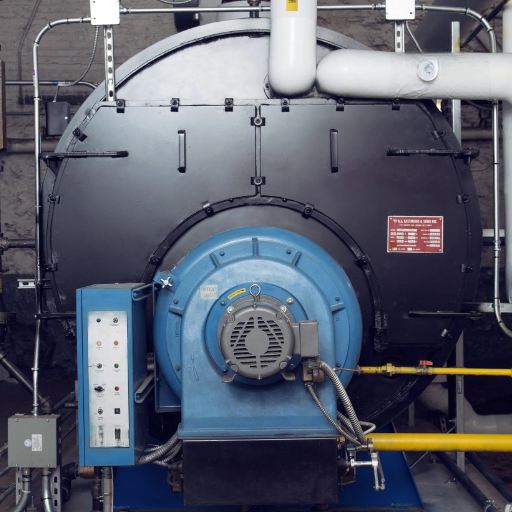
When it comes to efficient and versatile heating solutions, the dual-fuel boiler system stands out and is a new option for common domestic and business applications. These are known to run with two different fuel sources, usually gas and oil, offering flexibility, reliability, and cost-effectiveness in various marketed energy needs. But how do they function and why are they seeing increasing popularity in the green-energy-hungry world? This article presents the various technical aspects of these systems. It takes a closer look at what is inside a dual-fuel boiler and what the various advantages are over other systems in terms of enhancing energy bill effectiveness and promoting sustainability — be it a home owner looking to upgrade the heating system or a business owner aiming at minimizing its energy bills. This article offers detailed information to enable him/her make the best decision for homes and businesses.
Introduction to Dual Fuel Boiler Systems
What is a Dual Fuel Boiler?
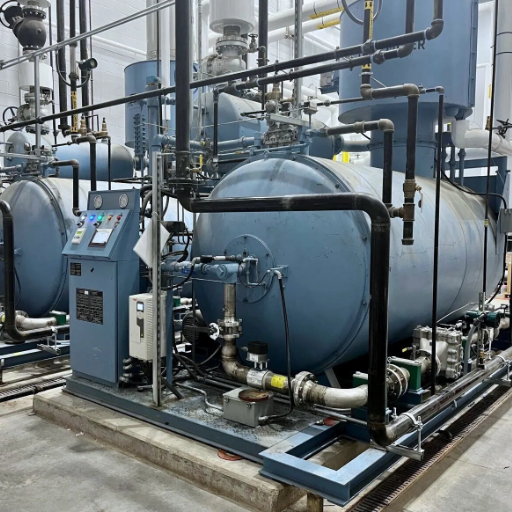
The dual-fuel boiler is an HVAC system that operates using two different types of fuels, for instance, a mixture of gas and oil, or gas and electricity. This design allows flexibility to tilt to a fuel source as per convenience, cost, or efficiency of operation and offer efficient heating under all possible circumstances. When it comes to a dual fuel boiler, its working is meant to exhibit its performance in fuel abilities.
Optimal adaptability is another clear advantage of a dual-fuel boiler system. Whenever one kind of fuel drops down in demand or rises in price, the system with no glitches immediately switches to the alternate fuel to provide heat continued at all times. This means not only securing the power services but beginning a reduction in overall heating costs, an idea that can be practical for both home and industrial purposes.
This efficiency contribution to sustainability is much favored as it allows an optimization of energy applications – for instance, taking the cleaner, though not invariably, more renewable source of energy when available. Steps like these can really make an impact on saving the environment. These boilers, therefore, may well be seen as one of the solutions for futuristic thinkers who envisage efficiency as well as eco-friendliness within their respective heating systems.
How Dual Fuel Systems Work
Dual fuel systems work on the basis of combining two energy sources, for instance natural gas and oil, or maybe electricity and gas, in order to maximize heating and cooling system performance and efficiency. The objective is to switch between the different fuels based on such factors as energy availability, cost, and some environmental conditions. The system would run until this set-up is disturbed, thus maintaining comfort levels.
The behavior of the thermostat controls the entire operation of the dual fuel system by forming control over the outdoor temperature by sensing it. Upon mild outdoor temperatures, the primary energy (electric heat pump) would suitably perform the cooling or heating tasks. However, when outdoor temperatures reach their lowest and heat pumps lose their efficiency, at that moment, the system promptly employs the secondary energy source (gas furnace) to enhance heating performance in extremely cold conditions.
Two for the price of one goes well when we talk about dual fuel systems; that is, in the context of energy efficiency improvements, the systems utilize, at any given instance, more cost-effective fuels for the heating of living spaces. This is also an exercise in environmental consciousness, as these systems alleviate dependency on any single-fuel type, thus reducing the consumption of fuels and their cumulated greenhouse gas emissions. Dual fuel systems envelop the customer in a cocoon of well-regulated and super smart design, unparalleled flexibility, and surely a first-time ever sustainable heating and cooling solution.
Advantages of Using Dual Fuel
Dual fuel systems provide outstanding efficiency by allowing two energy sources, e.g., electricity and natural gas, to be utilized for heating and cooling. This enables the system to function at the most cost-effective setting, according to weather conditions and energy prices, reducing the overall energy bill. The primary function of switching between fuel sources allows energy efficiency to be maximized while preventing unnecessary fuel wastage.
Another very significant benefit is environmental friendliness. Dual fuel systems, by design, balance the use of sources of energy, and, in reducing the dependence on non-renewable energy sources during demand-specific times, practically are one of the foremost enemies of greenhouse gas emissions. In this way, the action that is eco-friendly contributes to trying to safeguard the world from climate change and also conserves resources for upcoming generations.
Dual-purpose home energy systems provide homeowners with even more versatility and dependability. Alternating between two sources of fuel allows homeowners to have an energy supply even under extraordinary conditions or if any circumstances may obstruct it. This gives the user added comfort with the benefits of stable long-term pricing and, therefore, the user ought to do away with doubts concerned with present-day commercial energy infrastructures tied up with political instability.
Energy Efficiency of Dual Fuel Boilers

Comparative Efficiency Ratings
Dual-fuel boilers are highly efficient systems combining multiple energy sources, mostly gas and oil or renewable energy, to maximize performance. They operate with varying energy efficiency ratings, depending on the specific fuels used and the operational circumstances in play. Fuel transitioning boilers effectively assure energetic output while minimizing waste and are a more energy-efficient solution compared with many single-fuel boilers.
On the note of efficiency, the latest dual-fuel boiler may reach an AFUE (Annual Fuel Utilization Efficiency) benchmark of 95%, better than conventional single-fuel boilers. That means, in this particular rating, the scope of heat energy wasted is significantly minimal due to the more efficient conversion of fuel. By comparison, conventional single-fuel boilers tend to register 80-90% efficiency, drawing the curtain on clear choices over the single-fuel boiler, when it comes to fuel-saving energy.
Resultantly, the dual fuel boilers make it possible for the user to reduce the carbon footprint by the feature of prioritizing cleaner energy sources whenever possible. Such harmony can operate through, for instance, integrating the sustainable energy options-in this case, biomass-with traditional fossil fuels to render fewer GHG emissions without having to surrender the reliability. This target makes dual fuel boilers so much futuristic for those thrift-energy home consumers searching for cost savings and buying green solutions.
High Efficiency Dual Fuel Burners
Dual-fuel burners are designed to fully or partly burn two types of fuel (natural gas and oil) within one combustion apparatus. The interchangeability between the sources of fuel may reflect on the options for burning, in respect of availability, cost, and environmental impact for ensuring the reliability and efficiency of the burners.
They ensure a measure of high efficiency because they are able to fully utilize the energy with minimal wastage of fuel. Many of such burners comprise inbuilt smart controls that may not only provide performance indicators to the operator but also will engage in the action of fuel use optimization.
Home or business consumers seeking green energy/sustainable and cost-effective options are particularly suited to its use. Dual-fuel burners promote efficiency and eco-friendliness while exemplifying a modern approach to energy management. Their adaptability is ideal for the person looking to reduce the cost of energy and the expenses towards more eco-friendly policies.
Impact on Energy Consumption
Through this system, the fuel flexibility would finally see that a user has broad options to switch from oil to gas, all being provided by availability, costs, or system efficiencies, which suggests that such a system would use energy in an efficient way with reduced waste and sustainable consumption practices.
Benefits of dual-fuel boilers are that they are readily able to accommodate a shifting load on energy demand, as they are so set such that it can modulate the combustion process. It helps to save a nice bundle of money, while its performance keeps delivering. Many surveys affirm that dual-fuel systems happen to have better operational efficiencies, compared to their single-fuel counterparts.
While the use of dual-fuel-fired boilers could lower the level of greenhouse gas emissions, the chances are that more environmentally friendly efforts would prefer them to be used and help in global efforts to fight climate change-through lower greenhouse gas emissions. They are actually devices that can efficiently make use of fuel, thereby providing economic and environmental incentives to their users.
Cost Savings with Dual Fuel Systems
Upfront Costs vs. Long-term Savings
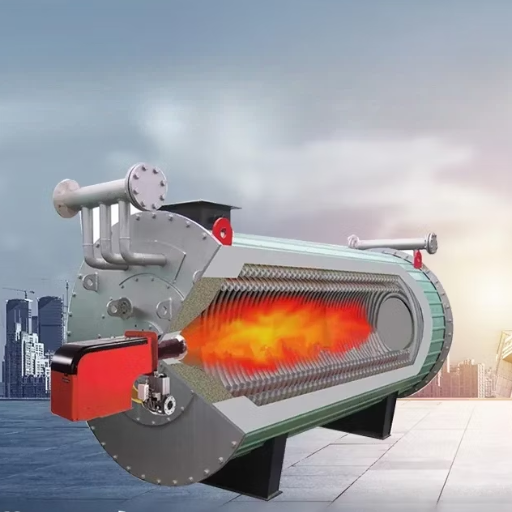
While deciding upon the acceptance of dual-fuel systems, the high upfront costs can seem a drawback initially, in view of the advanced technology and engineering involved. The installation expenses and the specialized equipment contribute to these high upfront costs. But this cost should be weighed against the long-term financial incentives that such systems would provide.
Another benefit is the substantial savings over time through enhanced energy efficiency along with fuel flexibility. This reduces the dependence on any one kind or source of fuel and therefore optimizes costs. Furthermore, the efficient combustion process reduces fuel consumption for the benefit of lower operating costs.
Maintenance and environmental compliance represent another major area of savings over the long run. They are really smart with the advanced control systems, making operation a lot cleaner; in turn, they reduce wear on components and thereby reduce maintenance costs. Plus, the various low emissions do play a large role in saving companies the costs of penalties, or regulatory-rules compliance. So, despite higher investments in terms of upfront costs, these systems make for a much more industrious investment over the long run due to a generous return on the money.
Operational Cost Comparisons
In terms of operational cost, the oil gas dual fuel boiler system offers versatility, providing for potential savings, of course, depending on fuel prices and usage patterns. They are provided with the ability for the operator to choose a fuel based on cost considerations. In this case, a choice can be made based on fuel savings, whereby operators often switch to gas because of its cost advantage. This flexibility provides for better control of fuel costs, especially in times of high volatility in energy markets, where the price of any one kind of fuel might dip quite significantly in comparison with the other.
Oil gas dual fuel boilers also seem to show better efficiency rates compared to single-fuel systems. In fact, the technology behind them is quite advanced, allowing for an almost full combustion, reduced waste, and the consequent reduction of total operational costs. What this means is that the possibility of gas combustion could find expression by cleaner combustion that reduces maintenance jobs and prolongs the life of the equipment, which further reduces expenses related to maintenance and repairs.
In theory, dual fuel systems can be expensive to install because of the upfront costs, but when fuel prices are not consistent, could lead to high operation costs. Dual fuel systems permit consumers to hedge the financial risks and thereby bring some predictability into operational budgets relative to stable energy costs.
Environmental Advantages of Dual Fuel Boilers

Reducing Carbon Footprint
An efficient mechanism that may greatly reduce carbon footprints is that of using dual fuel boilers which primarily help in reducing waste while running cleaner fuels. For most systems, natural gas is generally added, contributing less CO2 than most solid fossil fuels and keeping greenhouse gases almost certainly at lower levels than those in traditional single-furnace systems. This more efficient process of combustion helps industries as well as residential areas minimize their carbon footprint long term.
Another major advantage is the availability of choices between fuels according to availability or considerations for environmental protection. For instance, whenever green electricity is adequately accessible, the dual-fuel boilers may prefer maximum usage of this environmentally friendly fuel. This also aids in ultimate avoidance of huge carbon burning while supporting other larger objectives and activities for reducing environmental pollution.
In conclusion, a dual-fuel system uses advanced controls to maximize efficiency. Thus, energy consumption is minimized to a great extent. Reduced fuel consumption benefits the environment since it reduces emissions, conserves valuable resources, and—at the same time—these devices play their part in activities that contribute to mitigating climate change while changing the very essence of the current and perhaps future atmosphere.
Compliance with Environmental Regulations
Oil-gas dual-fuel boilers can effectively conform to environmental regulations by minimizing contaminating emissions while in operation. These boilers will switch fuel types when the operator chooses cleaner fuels to burn, such as natural gas, which emits much lower SO₂ and particulate matter than oil. The versatility of dual-fuel systems is adequately flexible to meet demanding air-quality standards and to support environment-friendly actions of environmental restoration.
Together with the optimization of dual-fuel boilers for advanced combustion technologies, we need to improve the fuel efficiency and generate reduced waste. These help reduce the discharges of greenhouse gases (GHGs) and regulated air contaminants such as carbon dioxide (CO₂) as mandated under international climate frameworks and regulations. Emission caps by both international and local entities must be followed by plant owners.
Maintenance and continuous monitoring of the oil/gas dual-fuel boiler are paramount to compliance. Emission testing and occupational safety inspections would allow the earliest possible identification of a problem, for the purpose of maintaining equipment within legal limits.
Use of Renewable Energy Sources
A comprehensive approach to the integration of renewable energies will help realize emission reductions and facilitate the transit to a more sustainable energy future. Solar, wind, hydro, and geothermal energy provide clean alternatives to fossil fuels, with an ironic effect of likewise ensuring reductions in greenhouse gas emissions. These fuels being cheap and continuously renewable make them an essential part of long-term energy solutions.
The remaining surplus heat generation from oil/gas dual-fuel boilers can be easily met partly through renewable energy resource supplements, thereby lowering the partial dependency on non-renewable sources, yielding considerable advantages while assuring system efficacy when combined with solar thermal systems or biogas. A combination of such sorts helps to optimize energy generation technologies, applying better environment-friendly processes.
Setting up renewable energy infrastructure requires worthy planning and appropriate technology, but it’s well worth it in the long run since the advantages include a significant decrease in operating costs, improved energy independence, or decreasing the impact on the environmental condition. A significant benefit that accumulates over time is potential environmental damage, thereby creating a huge platform for an additional investment in the near future.
Installation Considerations for Dual Fuel Systems
Compatibility with Existing Heating Systems
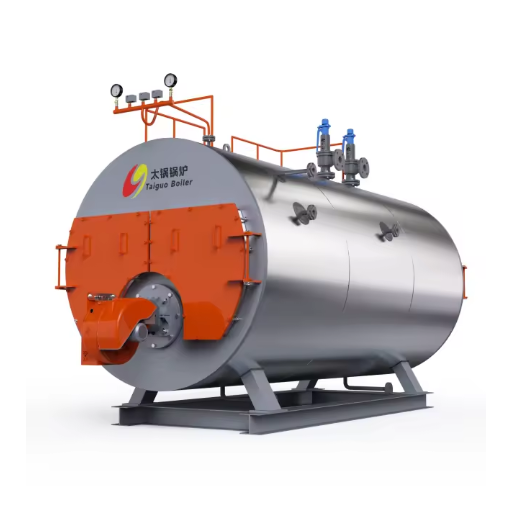
In the context of dual fuel systems purchased and installed, match up to the compatibility of the heating system now installed is of utmost importance. Dual fuel systems allow for a more widespread use of gas and electricity when working with most traditional heating systems, especially furnace or boiler systems. To make compliance possible, it is crucial to establish that the existing heat system will be able to be mixed with current heating appliances. Expert technicians can evaluate your existing components.
If your home system runs on different fuel types or older technologies (like electric resistance heating), changes or upgrades might be necessary to sync with your new setup, thus absolutely no system underperformance nor no lack of compatibility related to its performance.
Before the installation, you will need to ensure the structural and electrical integrity of the home is appropriate for the system to be put in. Especially in older homes, it would be necessary to initiate wiring or install the venting systems to accommodate modern dual fuel technology. These checks need to be done before installation to assure safety and minimize problems and costs awhile henceforth.
Choosing the Right Fuel Burner
The burner is the most necessary component in a liquid fuel stove. These need to be chosen according to house heating necessities, the availability of resources, and money matters. The first step in determining the required degree of heat a house would need is through a consideration of the energy requirement of the house, depending on the square footage, quality of insulation, and climate. A heating choice with a right size burner ensures a well-controlled heating with minimum wastage. It also saves the system from excessive abuse.
To choose the fuel, consider what is readily available the closest to your house. The most common ones are natural gas, propane, oil, and electricity with each one presenting cost along with efficiency issues of its own. It’s advisable to choose natural gas and propane to burn well while emitting less effluents, while oil may be used in rural regions less equipped with gas lines. To compete with eco-conscious standards, stick with electric or hybrid fuel systems’ renewable and sustainable potential.
Finally, imagine two questions of how efficient and how much does it cost to run it? Generally speaking, efficient burners upfront make for a costlier purchase but save money on fuel costs over the long run. Check for efficiency certificates on your unit to ensure best operations. A technician can be a better adviser in selecting or ascertaining a burner suitable for your heating needs, which will fit easily technically in conjunction with your already existing home systems.
Maintenance Requirements and Best Practices
Proper maintenance is critical for efficiency, reliability, and longevity of a dual natural gas and crude fuel oil boiler. Regular servicing by a certified technician is necessary to all components for maintenance inspections. Clean burners, clean heat exchangers, and flue systems. Annual maintenance to check for wear and tear or blockages figures largely in a boiler’s repair costs.
The key steps for maintenance of would be to:
- Inspect and Clean Burners
By proper cleaning of burners, efficient combustion is maintained which helps in saving fuel and reducing pollution at the same time. Burners with dirt in them experience incomplete combustion with high fuel costs and environmental pressure
- Flush Boiler System
Such flushing improves the flow and keeps the water flow constant
- Survey in Fuel/Pressure Systems
Dual fuel burners need constant checks of the gas and oil pressure settings to avoid imbalances leading to inefficiency and safety hazards.
- Check the Safety Valve and the Controls
Pressure relief valves and fuel control mechanisms must be tested to verify their function and ensure acceptability to the safety standards.
- Change the Worn Parts
The gaskets, seals, or filters involved could certainly wear out as they are continuously being used and lose their conditions. Changing those components in due time will prevent major breakdowns.
It would also be of real benefit, adding some modern control systems that enhance energy management and performance of the boiler, mainly within the system of dual fuel, more than actually serving its primary role. Built with smart algorithms, smart thermostatic systems and an advanced boiler monitoring system, they ensure the upmost precision needed with temperature regulation and, with this, enable the most efficient performance possible. Henceforth, with a tight maintenance schedule and the use of such smart technology, homeowners stand able to get a long lease of operation-life of their dual-source heating boilers.
Frequently Asked Questions (FAQ)
Q: What is an oil-gas dual fuel boiler and how does it work?
A: An oil-gas dual fuel boiler is a device designed to burn either oil, which is being delivered through a burner on one side, or gas, which is being supplied through a burner on the other side. It is commonly used for hydronic applications to provide hot water or steam by means of combustibility control, letting fuel into a combustion chamber. Many units have the same heat exchanger to function as both steam boilers and hot water boilers, catering to industrial use or home use alike.
Q: Is it possible for a dual fuel boiler to generate steam and hot water?
A: Yes, many options allow oil gas dual fuel boiler assemblies to produce either steam or hot water depending on the configuration of the system. Design sets are arranged by manufacturers to convert each to work as either a steam boiler or a hot water system so that the apparatus can service processes requiring steam, or dispense heat and hot water for space heating and domestic hot water.
Q: What are the benefits of oil and gas dual fuel firing?
A: The greatest advantages are increased adaptability to fuel sources, increased reliability, and operational standby or back-up. Oil or heavy oil backup would prove significant in… situations when supply of natural gas or propane might be interrupted. The multi-fuel capability could also optimize fuel costs while maintaining uptime in a variety of industrial applications with critical continuous steam or hot water requirements.
Q: How does the switch between gas and oil burners take place?
A: A changeover from gas to oil burning is typically controlled automatically by the boiler’s control system. The sequence of control isolates a particular fuel source and instigates the other fuel source, thereby controlling the combustion parameters within the combustion chamber and adjusting the burner modulation, ignition, and safety interlock within its operational parameters in order to achieve a safe handover that protects the boiler from dislocation between the heating or steam production.
Q: Could dual fuel boilers be employed in residential applications?
A: Dual fuel boilers could be used in residential applications, especially where some backup is required, or especially where different fuels are available seasonally. Smaller oil gas dual fuel boilers serve well as efficient hydronic heaters proffering heat and hot water. The majority of residential systems seem to incline towards a single fuel input unless backup or multi-fuel flexibility becomes imperatives.
Q: What fuels can be accommodated by oil gas dual fuel boilers, including heavy oil and light oil?
A: Most dual fuel boilers are set up to fire light oil (distillate) and can be designed or adapted for heavier fuels with the requisite oil burner changes and fuel treatment. There is also the provision to fire on natural gas or propane when designed with gas burner firing, and for some multi-fuel arrangements for two fuel oil blends or various grades of conversion kits.
Q: How is dual fuel boiler combustion maintained?
A: This is maintained by a combination of proper burner tuning, regular maintenance of the oil burner and gas burner, control of air-to-fuel ratio within the combustion chamber, and monitoring systems available to check emissions and heat transfer. Proper sizing and commissioning are essential to efficient production of steam or hot water and to minimize fuel waste.
Q: How can I distinguish between a single fuel, dual fuel, and separate fuel systems for plant applications?
A: The choice rests rather on the availability of fuel, the volatility of the fuel price, operating conditions, the type of operation concerned, and so forth. For example, in critical industrial applications where steam or hot water must be present at continuous operation, a dual fuel fired boiler will provide a double advantage of redundancy and flexibility. Single fuel systems, as are often the case, will easily be sufficient for most of the residential operations; the choice between them and multi-fuel systems should be based upon the need of a backup, the situation of local fuel infrastructure, and longer-term fuel costs.
References
-
University of Nebraska-Lincoln – East Campus Utility Plant
This source discusses dual fuel boilers burning clean natural gas and #6 fuel oil.
Visit Source -
Eastern Illinois University – Facilities Planning and Management
Provides details on dual fuel boilers using natural gas or No. 1 fuel oil with steam output capacities.
Visit Source -
Cornell University – Combined Heat & Power
Highlights high-efficiency dual-fuel (oil and gas) boilers with advanced controls.
Visit Source - High-Efficiency Oil and Gas Fired Boiler – Industrial Steam Solutions