Get in Touch with Taiguo

Boiler Emission Standards Compliance

Contents
show
In the modern day, consideration of environmental sustainability holds great importance and boiler emission standards play a significant role in the international agreement to meet this goal. In industry, with boilers as the main sources of heat and power, meeting these emission requirements not only satisfies the government standards, but also reduces the industry’s environmental footprint, enhances the efficiency of operations, and begets trust on the part of the public. This article is an exploration of why meeting emissions standards for boilers is so important, what the regulations that industries face are, and what they might do right away to fully comply.
Introduction to Emission Standards
Understanding the Importance of Boiler Emission Standards
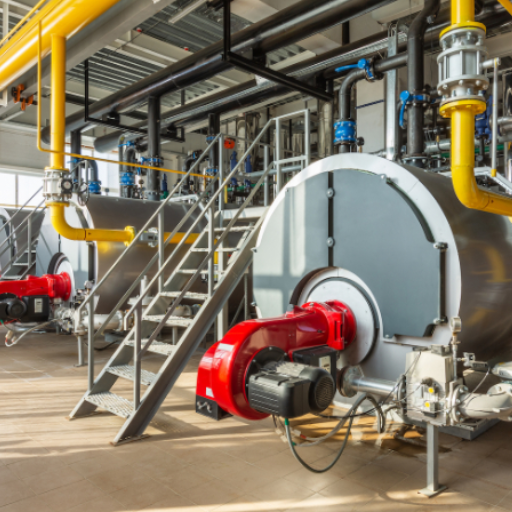
While the importance of boiler emission standards is tightly embedded in the environmental discussion over the impact of industrial processes, the standard has been set that outlines the pollutants including nitrous oxides (NOx), sulfur dioxide (SO2), and particulate matter that boilers are allowed to emit into the atmosphere. Imposing of these emissions is acting as a protective layer within which air quality and public health are maintained, narrowing down the risks of respiratory diseases and other threats due to environmental pollution.
Boiler Emission Standards will also take into account the global fight for climatic change in a major way. Many of these regulations foster growth with the principle of reducing the harming emission of greenhouse gases and thus reducing carbon footprint in toto. Adoption of cleaner technologies and fuels, besides meeting a legal obligation, proclaims commitment to sustainability, which ultimately enhances their goodwill with the general public, stakeholders, and investors.
Beside helping our environment and health, abiding by the emissions standards for boilers can also methodically benefit industry. Adopting more profitable tools or emissions controls, like scrubbers, or the like, will typically increase combusting efficiency and thus lower energy bills over time; an operating cost-saving! Apart from that, avoiding penalties for non-compliance or getting away with minimal penalties, thus ensuring less business interruption to operations does help in the drive for profitability. Thus, they can benefit either way with the correct margins.
Scope of Regulations for Boilers
Fueling safety, efficiency, and environmental norms, boiler regulations are basically required to standardize operational and periodic inspections, maintenance, and accidents to avoid their happenings; they are rich in all aspects of safety and the best in performance. These standards must necessarily be in conformity with national standards and must contain guidelines, instructions, and working procedures for the installation of boilers, so that they meet all the laid-out safety standards. operations and smoke emissions.
Many of the standards help in setting or controlling the airborne emission limits for CO2, SOx, and NOx when in operation. Laws are aimed to take care of the environment and to get complied with air quality standards. It is necessary to require the compliance by emissions-reduction technology. Low-NOx burner and air pollutant arrestors on boilers usually come under these environmental standards.
Every boiler is required to kept in line with guidelines set out for inspections and certifications by accredited firms. Such inspections usually reflect how close the equipment operates according to safety and efficiency standards, thus reducing the risk of equipment or process failure. As stated in sum, violations of legislation result in punishments, namely in the form of fines or shutdowns of business. This means that one necessarily needs to comply with the legal obligations for a smooth and legal operation.
Current EPA Regulations
Overview of National Emission Standards for Hazardous Air Pollutants (NESHAP)
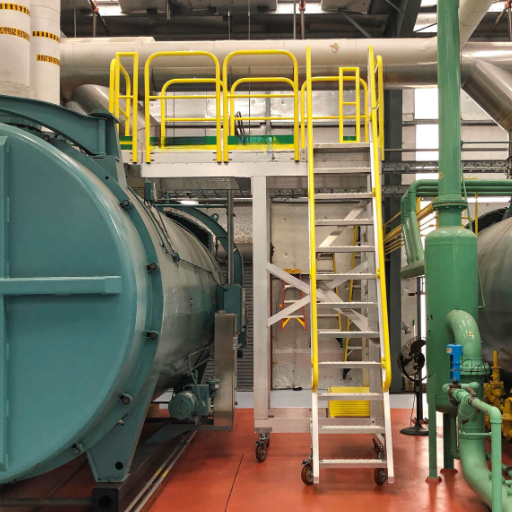
Hazardous toxins in the air originating from gas-powered machinery are counteracted by the National Emission Standards for Hazardous Air Pollutants (NESHAP). Such emissions from poor-quality industrial boilers may contain various hazardous air pollutants. The intent of applying these regulations is to reduce the quantities of such hazardous air pollutants being generated during the combustion of these hazardous air pollutants in some forms, such as carbon monoxide (CO), particulate matter (PM), hydrogen chloride (HCl), and mercury (Hg).
Conforming to NESHAP rules require units of industry to install pollution control equipment, and they have scrubbers and filters installed for efficiently carrying out collection or neutralization of harmful emissions before they are released into the environment. Continuous performance testing, regular monitoring, and maintenance are required to maintain compliance with emission limits. All these measures aim at minimizing the risks to public health and reducing environmental harm.
Also, different fuel types—namely, major source boilers and area source boilers—have standards classified based on the fuel that they burn and the guaranteed emission rates from each source category. Providers should adequately classify their boilers and meet resulting standards. Finally, the regulations protect air quality and health by all parties adopting these standards for clean air and greater environmental sustainability.
Boiler MACT Standards Explained
Hazardous air pollutants are emitted into the air by boilers and process heaters in industries, commercial installations, and institutions. In this way, the extent of hazardous air pollutant emissions with the diminishing effect on public health and the ecosystem is minimized. These technologies minimize all hazardous-matter pollutants like mercury, Particulate Matter, and organic air toxins, each, with its own specific penalty for causing problems in the environment and public/community health.
Then the Boiler MACT rules are enforced and facilities must determine if they are “major” or “area” sources. A major source is that which has a substantial inventory of toxic air pollutants, whereas an area source is closer to the home and business community. Based on this classification, controls and similar measures must be implemented, such as energy assessments and tuneups, to cut back on toxin discharges. In order to meet the established thresholds, these facilities may have to make further use of their pollution control systems or make use of cleaner fuels.
The standards uphold the good of public health while also igniting innovation in clean technologies; at the same time, they support sustainability of the environment. With the reduction of emissions, the Boiler MACT regulations also promote improvements in public health while encouraging cleaner air; further, they promote the sustainable future. Besides this, following these guidelines portrays the facility as taking up the responsibility as good environmental stewards.
Distinction Between Major Source and Area Source Regulations
As stipulated by EPA regulation, a major source is basically an entity emitting or capable of emitting in excess of 10 tons of any hazardous air pollutant in any given year, such as asbestos, or is thereby listed as a major source. These sources are quite large—perhaps industrial boilers or commercial ones as they expose a much greater air quality health risk.
On the contrary, an area source is one that emits below the hazardous thresholds of a major source. Area sources often have less stringent regulatory requirements resulting from small-scale emissions. Despite low emissions levels, proper controls often enhance these sources so that they make only a small contribution to pollution and health risks.
The EPA’s Boiler MACT regulations set strict emission limits for each category to minimize air pollutants, secure clean air, and maintain public health. Enhancement of pollution control methods may be highly required for major sources to meet with these tighter regulations at an affordable cost, while more practical compliance options may be more suitable for area sources.
Types of Regulated Pollutants
Particulate Matter: Sources and Effects
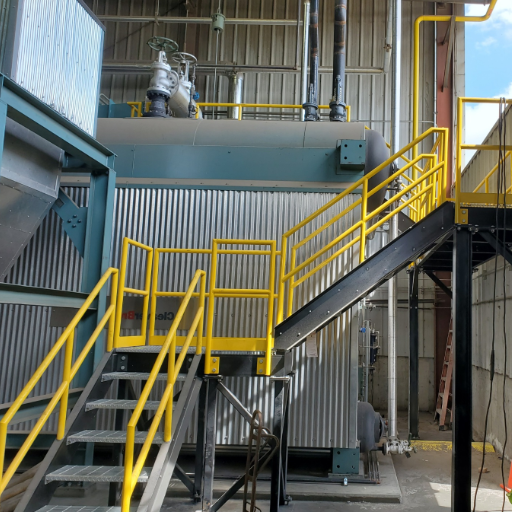
Particulate Matter (PM) is a critical pollutant generated during the operation of industrial boilers. It mainly originates from the combustion of fuels such as coal, oil, wood, and biomass. These fuels release into the atmosphere, fine debris that can be in the form of soot, ash, and other solid or liquid substance. The type and amount of the particulate matter emanating depends on the kind of fuel, percentage efficiency in combustion, and any emission control systems present.
The impacts of particulate matter are both environmental and health-related. On the environment, PM leads to reduced air quality and impaired visibility, which gives rise to problems like sudden hazes. Healthwise, exposure to particulate matter linked to several respiratory and cardiovascular disease conditions, most profoundly in the subpopulation such as children, the elderly and those with preexisting health problems. Such particles-popularly described as PM2.5-that are ultrafine are of particular concerns as they go deep into the lungs and even pass into the blood and cause long-term health problems.
In view of these hazards, the EPA, through its Boiler MACT standards, has developed stringent limits on PM emissions from large industrial boilers. These regulations encourage the employment of advanced pollution control technologies, like fabric filters and electrostatic precipitators, for the reduction of particulate matter. Making full use of these standards, the EPA pursues public welfare and cleaner air while industry costs are incurred.
Mercury Emissions from Industrial Boilers
It is certainly true that mercury releases through industrial boilers provide potential environmental and public health risks. The origin of mercury from industrial boilers falls in large part at the point when fossil fuels, for example coal, are burned, as coal contains mercury in its natural or unadulterated form. Once thrown into the air, mercury settles in water bodies; there, it is converted into methylmercury, a more poisonous form of mercury, possessing the tendency to accumulate in fish and other aquatic organisms (ultimately, in humans and wildlife); all through the food chain.
In order to mitigate this concern, EPA has set a limit for the collection of mercury emissions under the Mercury and Air Toxics Standards (MATS). Such regulations impose a restriction on the amount of mercury emissions allowed from industrial boilers, thus encouraging industries to install pollution-control technology leading to mercury abatements. For example, the application of surrogates such as activated carbon injection is widespread in order to capture and decrease mercury emissions in an efficient manner.
According to EPA, burning coal, oil, and wood as fuel can cause mercury to become airborne, and coal-fired boilers are one industrial source of mercury emissions. High mercury exposure can harm the brain, heart, kidneys, lungs, and immune system, with developing nervous systems especially vulnerable.
Nitrogen Oxides (NOx) and Their Environmental Impact
Nitrogen oxides (NOx) are a group of highly reactive gases that play a significant role in air pollution and environmental degradation. The primary sources of loss of nitrogen oxides are the combustion of fossil fuels in industrial boilers, vehicles, and power plants. After the release of NOx into the atmosphere and the formation of ground-level ozone and fine particulates, this poses a significant threat to human health and ecological balance.
The environmental effects of NOx have powerful impacts. Ground-level ozone generated by the interaction of NOx with sunlight and the presence of other chemicals destroys crops, forests, and other vegetation. NOx emissions themselves provide a major contribution to acid rain, which harms aquatic ecosystems. The culprit, acid rain, leaches minerals from the soil and causes erosion of buildings and historical monuments. In addition, such gases greatly accelerate global warming by raising the levels of greenhouse gases.
Adhering to strict boiler emission norms is essential towards the reduction of the atmosphere’s NOx levels. Chasing these standards would necessitate the introduction of cleaner technologies and alternative fuels in order to achieve a minimum amount of emission. Providing a firm background for industrial sectors, the regulatory framework also encourages them towards adopting the best practices in lowering the number of effective NOx stream emissions via techniques like selective catalytic reduction (SCR). Compliant industries doing so would make a major contribution to address the problem of air pollution and establish ways to protect public health and the environment.
Compliance Strategies for Aging Infrastructure
Assessing Current Compliance Levels
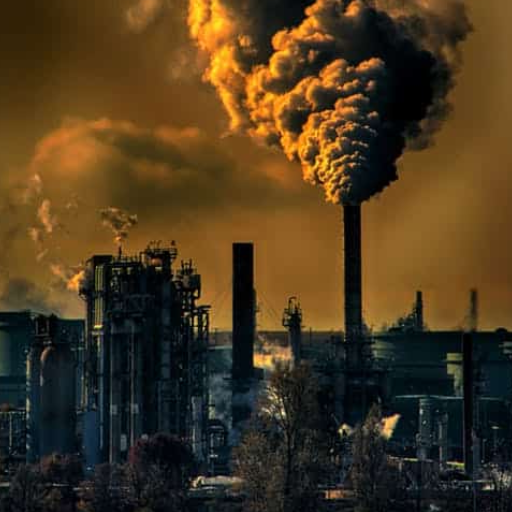
Determining current compliance with emission standards of industrial boilers involves an analysis of the emissions data and the operation process. Plants need to be conducting regular monitoring to measure pollutants like nitrogen oxides (NOx), sulfur dioxide (SO2), and particulate matter (PM). These data form the basis for assessments to determine if the emissions are maintained within permissible limits based on industrial agencies governed by the Environmental Protection Agency (EPA) within the United States.
A key thing in reducing emissions happens when the ESTABLISHED control measures that are in place to reduce pollution are REVISED. These may involve enhancements in technology-like-a scrubber or selective catalytic reduction (SCR) system. Under same efficiency mode, the facility could see over time whether these systems are effective or fit enough for the regulation of emissions and compliance itself by using old equipment that might need upgrading or a total replacement in order to meet nowadays’ benchmarks going by the federal Book of Limitations.
Getting to hear the amended limits for the discharge will help the facility remain aware and update itself regarding any changes that might come up to comply with the codes of both federal and local regulations. Strict compliance with all federal agencies can ensure any business is currently operating within the law. Regular checks, complemented with staff training and observing the best of the best operational practices, become a key thing in implementing legal compliance. Addressing these essentials will help any establishment meet its legal environmental obligations and limit its impact on air pollution or public health.
Upgrading Institutional Boilers and Process Heaters
The re-powering of institutional boilers and process heaters provides great value to the mission of energy efficiency, cost-effectiveness, and conforming to environmental protection standards. This process generally involves rooting out the aged systems and replacing them with new models designed with technology comforts to enhance efficiency while minimizing emissions. By switching over to high-efficiency models, the fuel consumption would also be trimmed significantly, thereby reducing both GHG emission rates and the plant’s environmental footprint.
Furthermore, modern boilers and heaters are being designed in line with tighter air quality and energy use laws. A prospective up-grading activity would positively guarantee compliance with federal and state legal guidelines, a method whereby owners can avoid penalties and promote a far-reaching image for sustainability. Combustion technology upkeep and adoption in the combustion chamber, on the other hand, are becoming imperative and can further lead to greater efficiency and therefore long endurance and annual performance enhancements.
Effectively upgrading systems means engaging stakeholders from the top levels of the organization, and coordinating all teams on the ground so they walk into their systems in a comprehensive and pre-thorough assessment of existing systems; given that only at that size may institutions scale to meet their present fuel type, capacity requirements, and long-term operational goals. It’s of utmost importance to hire competent people to install the product and offer the necessary training to staff members as well. Therefore, in prioritizing the improvement of existing systems, institutions will in return create operational efficiency, while at the same time contributing to a bigger sustainable effort opening the way to make efficiency and clean energy.
Practical Steps for Meeting Emission Standards
To adhere to emission standards set for industrial boilers, the process must be meticulously planned and must consider specific measures to keep checks on the pollution. At first, changes should be made on existing equipment of lower effeciency by upgrading these to the standards set by cleaner burning equipment. The development of low NOx burners and combustion techniques are one way for the negligible production of harmful emissions. Making sure the equipment is well maintained is to guarantee that unnecessary emissions are definitely avoided as they may come as a result of inefficiency.
Moreover, institutions must install unfailing detection systems to monitor the variations in emissions in real-time. This means that any discrepancy in monitoring that could breach the regulation on emissions is detected early so that corrective steps can be taken. It is the responsibility of continuos monitoring equipment to see that operators become aware at the earliest and are in a position to initiate mitigation measures swiftly before any environmental damage. Finally, good operational practices, for example, good fuel and high combustion efficiencies, need to be put into practice at all times.
It is crucial for a firm engaged in any manufacturing operation to invest in staff-training programs in order to ensure and maintain compliance with emissions norms. Only qualified people can really learn supervision, play a part in the effectiveness of the boiler and general technology to accelerate operations. Knowledge of changes and variations in emissions is crucial. For all involved, the stakeholders can facilitate emission regulations and at the same time, bolster environmental practices.
Future Trends in Boiler Emission Standards
Anticipated Changes to Regulations for Boilers
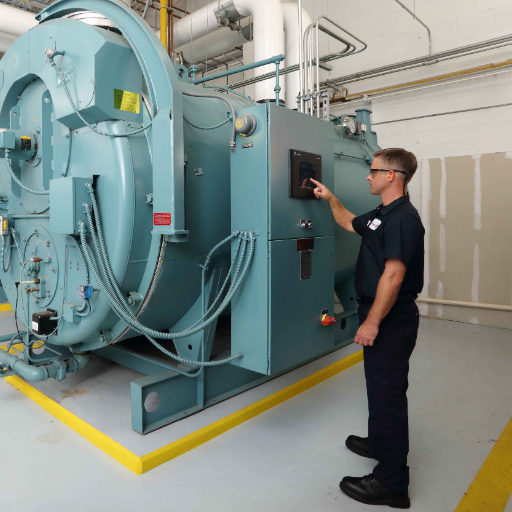
Upcoming modifications to the boiler emission standards would help introduce new limits to harmful pollutants such as nitrogen oxides (NOx), sulfur oxides (SOx), and particulate matter (PM). Authorities are expected to go beyond the existing constraints and implement stringent conditions, in order to minimize the adverse effects on the environment and health connected with the operation of a boiler. This natural path allows investments from industries and commercial enterprises to alternate for cleaner and more efficient options.
In conformity with updated rules, stakeholders may have to invest in sophisticated emission-reduction technologies like low-NOx burners, SCR systems, and more advanced filtration systems. Along with this transformation, governments and regulatory agencies are likely to hand out recommendations on switching to renewable fuels and/or electric boilers as a means of further mitigating the environmental impact. They are designed to further sustainability and climate goals.
So, there is an opportunity to have a lot of increaed monitoring and reporting requirements. Optionally, the facilities may choose to implement continuous emission monitoring systems (CEMS). This will provide more precise tracking and demonstration of compliance in near real-time. On the brighter side, with this data-driven approach, not only will there be increased transparency of operations but any violations will be better identified. What we hope for in the foreseeable future is striking upon new ways to provide for innovation-products, keep the ambient air clean, and bring fair Industrial arena back onto a sustainable pathway.
Preparing for Future Compliance Requirements
The need to respond quickly to changing industrial boiler emission standards necessitates a proactive stance. Firms must keep themselves abreast of the most current regulations set by the various government and environmental agencies. These standards will concern, among other pollutants, nitrogen oxides (NOx), sulfur dioxide (SO2), particulate matter, as well as carbon dioxide (CO2) in their reducing preparations. In order for us to be in compliance, we should first find out specific emission limitations applicable to our site, besides adoption of the compliance measures that are to be followed and the schedule for implementing them.
Meeting these requirements requires a full assessment of the existing boiler system. This usually begins with the identification of worn-out equipment and determination of whether some upgrades or replacements could be reasonable to increase the system efficiency and reduce emissions. Compliance can also be acquired by using technologies like Low-NOx burners, flue gas emission treatment systems, or converting the fuel source to clean fuels like natural gas.
Resultantly, there has to be a monitoring and maintenance plan with a high degree of effectiveness work behind it. Good maintenance maintains the emission control systems in an efficient way, whereas continuous monitoring gives real-time data to prove its compliance. These are some steps that industries may take for increasing emission standards and maintaining sanity in operations to avoid consequences of non-compliance.
Frequently Asked Questions (FAQ)
Q: What are industrial boiler emission standards and why do they matter?
A: Industrial boiler emission standards are regulatory requirements that set numeric emission limits for boilers and process units to control pollutants. These standards are often found in 40 CFR part 60 and associated rules and establish standards of performance for new and existing boiler or process heater units. These are significant for air quality assurance, the maintenance of environmental compliance with national and local standards, and the enforcement of emission constraints that have been registered for decreasing harmful pollutants from area source boilers to down to big affected boiler or process heater facilities.
Q: How does New Source Standard differentiate itself from the standards for existing boilers and process heaters?
A: New-source standards operate on a new or detrimentally reconstructed affected source, such as a new boiler or process heater, and sometimes are imposed on new or preexisting new-source standards and the final emission standards. The emission limit is to be met by both, but new sources would mostly have to start operations with the best available controls right off the bat to bring down the emission limits provided in registered format, such as the emission limit in Tables 1. or the emission limits in Table 2.
Q: Which boilers and process heaters are covered under 40 CFR part 60?
A: 40 CFR part 60 covers the performance standards for specific boilers and process heaters, including area source boilers and major sources. The rule specifies the affected boiler or process heater and whether or not an individual boiler or process heater is subject to an emission limit. Owners are required to determine whether their unit is a new or modified affected source or an existing boiler or process heater and will have to comply with respective emission limits in tables, such as emission limit in tables 1 or emission limit listed in table and compliance requirements for the emission limit listed in table.
Q: What are the “numeric emission limits” as applied to industrial boilers?
A: “numeric emission limits” refers to boilers or process heaters which are not to put this or that more concentration or mass rate of pollutants defined in the rule – for example, the emission limit table Fourteen or the emission limit Table One. Units subject to such emission limits must meet them, as well as the operating limits, and must often provide proof of compliance by using monitoring techniques like CEMS or other monitoring options like an applicable alternative CO CEMS emission standard or alternative co CEMS emission standard as permitted in the rule.
Q: How can the facilities ensure that their emissions limit is met by monitoring continously or some other way?
A: Facilities shall demonstrate compliance with the emission limits by using continuous emission-monitoring systems (CEMS) or any alternative co cems emission standard or other approved methods of monitoring. At times, an applicable alternative CO CEMS emission approach may be taken into account. Depending on whether the boiler or process heater is subject to an emission standard listed in table or is a new or existing source within specific provisions, the conclusions on whether one should use the standard CEMS, an alternative co cems emission standard, or periodic testing can be drawn. Irrespectively, the owner will have to demonstrate compliance with the emission limitations and do so by using monitoring and reporting of the approved kind.
Q: What are the standard compliance steps for a boiler or process heater subject to an emission limit?
A: The cycle starts with compliance steps such as determining applicability (new boiler or process heater, existing unit, or area source boilers), identifying the tabled limits to meet an outlet concentration and ignoring calculated emissions, installing required control technologies, gathering readings, maintaining records, tracking compliance results, and meeting the emission limitations. For facilities to maintain percent-based requirements such as removing 75 percent of the emissions or meeting an established percentage of the emission limit wherever established is something to achieve when required in writing.
Q: How are emission limits presented and where can I find tables like emission limit in tables 11 or table 1?
A: The numerical limits for emissions are contained within table rules in the appropriate subpart of 40 CFR part 60 or under various federal or state rules. These tables (for example, table 11, table 14 and table 1) indicate the specific pollutant limits, suitable units, and whether a boiler or process heater is new or existing. To read the applicable emission limitation, study the language of the specific subpart devoted to the national emission standards for the larger power boilers and industrial boilers and the standards of performance for new source performance standards.
Q: What is the remedial procedure for smokestacks that do not comply with the emission limits or operating limits?
A: If boiler or process heater does not meet emission limits or operating limits, there can be enforcement actions, corrective actions required, and penalties. Owners shall be responsible for reporting the exceedances and endeavoring to come back into compliance, which could include equipment upgrades, changes to fuel, or combustion controls, and installed emission controls in order to address the emission limits in Table 2 or other applicable emission limitation in the table. A timely remedial action is necessary, followed by proper continuous monitoring to show compliance of emission limitations to the regulators.
References
- A Review of Standards Related to Biomass Combustion
This paper discusses emission standards applicable to smaller capacity boilers and the impact of gases emitted from industrial sources.
Link to article - Comparison of Combustion Performance Between Natural Gas and Medium Fuel Oil
This research focuses on combustion efficiency and the challenges posed by restricted emission standards in industrial boilers.
Link to article - Regulation and Control of Air Emissions
This document explores the regulation of air emissions, including the application of MACT standards to gas-fired boilers in industrial settings.
Link to article - High-Efficiency Oil and Gas Fired Boiler – Industrial Steam Solutions Solutions
This comprehensive guide provides essential information on boiler emission standards compliance for industrial facilities. For optimal environmental performance and regulatory compliance, always follow current EPA regulations, NESHAP requirements, and Boiler MACT standards. Stay informed about evolving emission standards to ensure continued compliance and environmental stewardship.