Get in Touch with Taiguo

Textile Printing & Dyeing Boiler Systems


Contents
show
The textile industry is all about precision, efficiency, and sustainability, and that too nowhere more than in the processes of printing and dyeing. It seems like boiler systems enabling these processes must be the backbone of all operations by supplying a constant supply of heat and steam. The importance of the appropriate boiler system for maintaining quality products, reducing manufacturing costs, and adhering to pollution control mandates need not only a mere mention but also attention and exploration. This blog post will be dealing with the subject and it will give you a clear insight into how boiler systems apply in textile printing and dyeing, as well as how they work, the benefits, and the advancements shaping their future. By the end, you will agree with the view that the best investment in boiler technology is a competitive advantage in an industry having stringent requirements.
Understanding Boiler Systems in Textile Production
Types of Boiler Systems Used in Textile Dyeing
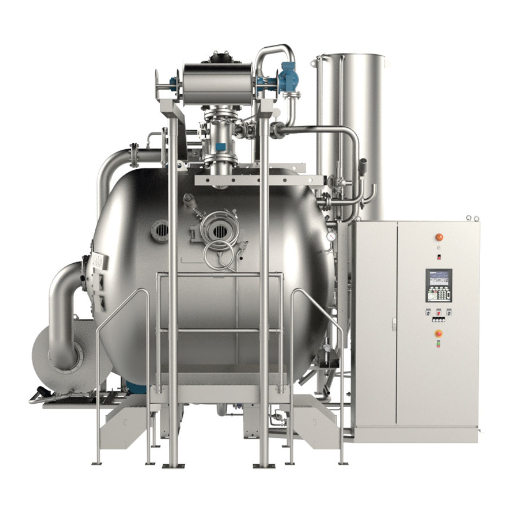
Boiler systems are fundamental in the textile dyeing processes so that consistent and controlled heat is provided for varied stages as pre-treatment, dyeing, and finishing. The most common types of boiler systems in the textile dyeing industry include fire-tube boilers, water-tube boilers, and electric boilers.
Fire-Tube Boilers
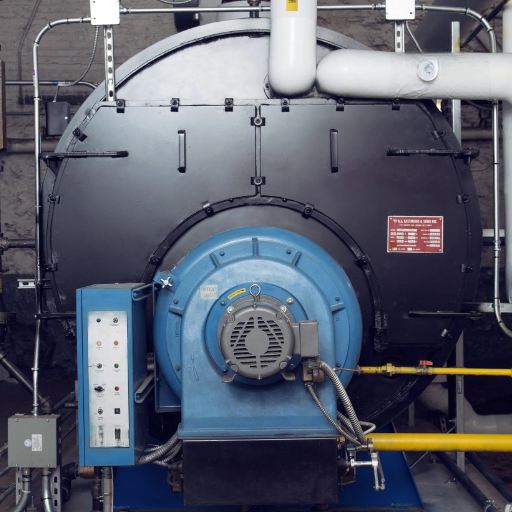
Fire-tube boilers are widespread in the smaller textile industry because of their simpler design and lower initial cost. These systems work by passing hot gases through tubes surrounded by water, generating steam. They are efficient in operations requiring moderate steam output and pressure and are therefore suitable for normal dyeing and pre-treatment processes.
Water-Tube Boilers
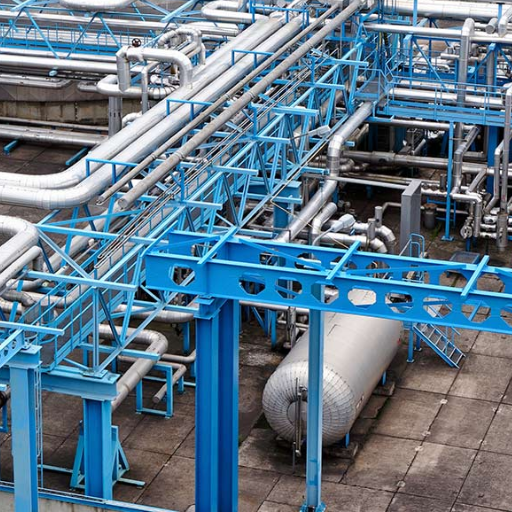
Water tube boilers are typically suited for the textile industry, particularly the larger plants that require higher capabilities concerning pressure and steam generation. That means water circulates within tubular sites that are heated from without by combustion gases. This scheduling of events is expected to accelerate the generation of steam and improve its efficient use with, for example, respect to dyeing having peculiarly tight heat-level preparation needs. Advanced water tube boiler versions are even equipped with joint automation systems that cut down on energy loss.
Electric Boilers
In a world that increasingly appreciates sustainability, electric boilers are gaining attention in the textile industry and easing dynamics to a certain extent. Electric boilers are well-regarded in environmentally sensitive circles for having no carbon footprints and for being suitable for greenfield sites. Even if they have a higher first cost, it is always worth noting that potential industry regulations for renewable energy incentives will result in a lot of savings for wide-scale energy usage for the textile industry.
The presented innovations within the boiler technologies are not only about achieving regulatory compliance in textile industry but also about sharpening competitiveness-mainly aiming for higher production efficiencies as well as lower environmental impacts.
Operational Efficiency and Energy Management
To get new solid operating systems and energy management being set in the textile industry is truly essential in terms of cost in the association to its environmental impact. Strategies used are, first, in optimizing manufacturing processes, equipment maintenance, and matching with energy-efficient technologies. By following up on energy consumption via automated systems, the enterprise can further identify areas of inefficiency, which should next be improved.
In the adoption of energy audits is crucial in better targeting primary areas of wastage where improvements are needed. Energy audits analyze the current energy consumption patterns, which cater to tailor-made solutions like upgradation of equipment, a broader spectrum of workflow integration, stack elimination, waste-heat recovery projects, and an enhanced policy framework to motivate energy-saving preparation on the long-term sustainability.
The significant cost savings of environmental responsibility can be brought about by adoption of solar and/or wind energy, boosting energy management still further. The policy is also less dependent upon the traditional fossil-based fuels, making it in alignment with sustainability objectives and the requirements of various industries. The spread of incentives anyhow accrues substantial savings throughout the medium term, coupling it powerfully to a company’s commitment to environmental responsibility.
Key Components of Boiler Systems
The boiler systems play a vital role in varied industrial processes for providing steam or heat for numerous applications. A boiler system comprises several important components, such as:
Burner
The portion of the system involved in inducing the heat necessary to convert water to steam by burning the fuel; the burner ensures the combustion system functioning and controls the heat input into the system.
Combustion Chamber
This is the place where the fuel will combust to generate heat. They are generally designed to resist the very high temperatures associated with the process of combustion.
Heat Exchanger
This component transfers the heat accumulated in the combustion chamber into the water, therefore transforming the latter into steam.
Water Supply System
The part keeps the boiler water at an optimal height of the boiler drum. It takes into consideration the feed pumps for the feed water and their controls to regulate and balance the water flow.
Steam Output System
Provides a way to get steam to the application with full steam flow rate for needed pressure, safety, and efficiency.
Safety Valves
These are useful in preventing over-pressurization and ensuring that the systems are safe and secure.
Control Systems
Different kinds of advanced, digital controls monitor the operation of boilers while regulating the temperature, pressure, and efficiency of such systems for improved performance.
Recent advancements have transformed the concept of boilers into highly energy-efficient modules for textile printing and dyeing.
The Importance of Energy Efficiency in Textile Manufacturing
Benefits of Energy-Efficient Boiler Systems
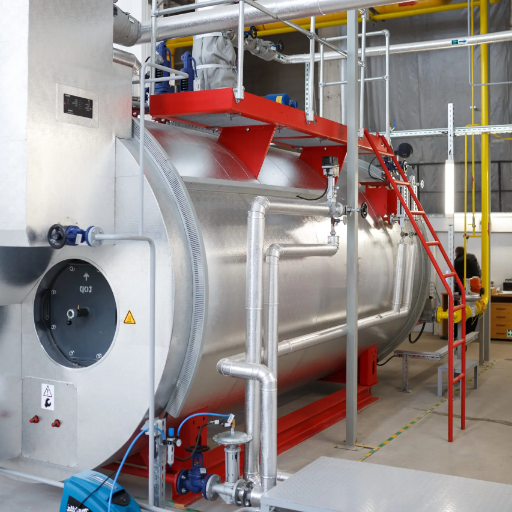
The benefits provided by energy-efficient boiler systems to processing are very varied; these are something, technically distinctive in terms of energy use and also softly related to ecological support. To begin with, as the said boilers consume less energy, the question of utility expenditure gets quietened. The efficient heat exchange frameworks associated with the majority of such boilers, on the other hand, push the heat transfer to the highest level possible, thus saving humongous amounts of energy that would typically have gone down with the waste gases.
The beneficial societal effect of keeping one’s energy bill lower is: lessening the amount of greenhouse gas emissions, very important for an industry trying to operate under the sustainability paradigm. Systems thus ranked-energy efficient well align with most if not all pollution laws and standards that apply to the various industrial sectors helping to abate penalties on the manufacturers of textile technologies and enhancing their public image. This works directly toward environmental conservation in addition to promoting market appreciation for an environmentally well-behaving industry.
Moreover, energy-efficient boilers require relatively little maintenance compared to ordinary boilers. Improved technologies and designs help these boilers achieve good operational reliability with minimal downtime and repair costs. From a cost-saving perspective in the long run, energy-efficient boiler systems-for their reliability and environmentally-friendly operation-can be a mere must-use upgrade for contemporary textile manufacturing processes.
Current Trends in Energy Efficiency Technology
The rapid development of energy efficiency technologies shows an increasing commitment to sustainability across a variety of industries. Integrated smart technologies lead this trend, such as the sensors and controls of the Internet of Things (IoT), which offer instant real-time feedback and automated control. These technologies also allow industries to monitor and alter the energy use in an adaptable way, thereby reducing waste and operating costs without affecting productivity.
A substantial change in the field is the use of non-conventional energy with energy-efficient measures. Solar energy, wind power, and hydroelectric schemes are being fitted with the latest energy storage technology to form hybrid systems. These dual systems assure a consistent flow of power, particularly during peak hours of demand, while limiting the consumption of nonrenewable sources and the amount of greenhouse gases emitted.
The materials further enhance industrial and commercial energy performance. In conclusion, investment patterns were observed to develop an environment that could support technology for smarter, greener, more efficient means of creating an energy-efficient environment.
Case Studies on Energy Savings in the Textile Industry
Among energy-intensive processes, boilers play a crucial role in large-scale consumption during textile processing. It goes without saying that boiler modification and management can save significantly on fuel and greenhouse gas emissions. For instance, replacing the old boiler with a new boiler provides substantial savings from the standpoint of fuel usage. Standard maintenance and care could be taken into account when assessing the boiler’s efficiencies along with fuel and overall presence of CO2 emissions in the region.
The heat recovery system is undoubtedly one of the most suitable techniques for saving the resource. Waste heat is extracted in this system from the hot flue gas and is used for preheating water or other fluids or solid waste. This process results in reduced energy consumption for heating and, of course, higher fuel utilization (at full capacity) also increases the boiler’s overall efficiency. In addition, insulating steam piping and tanks, thereby minimizing heat loss, contributes to energy savings.
Case studies in the textile industry underline the importance of automation and state-of-the-art monitoring of boilers. The automated systems control fuel and air ratios with precision, allowing the elimination of any extraneous consumption of fuel. Using this prior technology, real-time records are readily available on system performance, instantly detecting inefficiencies or breakdowns while the problem is still manageable. These new strategies used in textile manufacturing should provide large improvements in energy efficiency without sacrificing production quality.
Quality Control in Textile Printing and Dyeing

Impact on Boiler Performance on Product Quality
Credit for product quality in the textile industry goes to boiler performance, as boilers are crucial enough to generate steam for heating, dye fixation, and many such important operations. Any possible variation in boiler efficacy, such as the nonuniform steam pressure and temperature, will directly impair dye color quality by undermining its consistency and fidelity, leading to nonuniform or inadequate dyeing.
With a non-prompt boiler performance, delays or production stoppages may be materialized. Thus, good-dry steam supply ensures an efficient operation, preventing wastage of raw materials and minimizing the occurrence of defective batches. For instance, whenever a dye is not temperature-controlled as necessary, it could affect the dyeing process itself: either the colors will not strike well, resulting in their fading, or denim will show streaks of random color because of very uneven shade concentrations.
One of the ultimate goals in bettering product quality requires the introduction of routine maintenance and monitoring of boilers. Building an automated system to supervise boiler operation can effectively track deviations from an unusual operation so that the ideal steam output at the optimal level is achieved. Bearing in mind the increasing technological advancement in the textile production sector means having the most efficient boiler. This translates to meeting customer satisfaction and operational efficiency.
Monitoring and Maintaining Boiler Systems
The monitoring of operations and maintenance of boiler systems are essential for ensuring safe and efficient operation. Regular maintenance actions such as cleaning, inspection of key components, and water-level checks are critical in avoiding failures. Moreover, they create a gyre of improvement in the boiler’s overall efficiency. In the case of water-tube boilers specifically, the operational essentials such as pressures, temperatures, and fuel combinations are to be monitored consistently to prevent further evolution into risky territory. In many cases, quality of the control measures and accomplishments are recorded, thus driving incremental learning by identifying trends or early signs of aspects of designs incorporated.
Real-time observation is reliant on the use of automatic means or sensors that are capable of tracking any irregularity. Through the employment of alarms or warning signals, instantaneous attention is warranted and no late diagnosis might arise, thus avoiding full-blown accidents. Furthermore, well-run boiler systems come off to the advantage of energy, reducing fuel expenses and an impending environmental dilemma. A full-on review accomplished by a professional on an adequate basis will safely yield more through a breaking-in history-based, partial defect analysis and getting into replacing those worn elements.
Another very important point is the employees who must be made familiar with the maintenance and the operational systems of boilers. Providing clear operational logs as well as detailed service instructions would let them learn about the service requirements. In the same way, organizations can increase the life of a system while still maintaining its performance and safety by designing the common maintenance programs and enforcing safety standards.
Technological Innovations for Quality Assurance
The world of textile printing and dyeing has seen some great advancements in technology, those aimed at the improvement and strengthening of quality assurance and quality control processes. One of these valuable technological innovations is digital printing technology, providing the most advantageous output in design accuracy and consistency in textiles as well as minimizing wasted production.
Another seminal development, nowadays, is the use of high-end sensors and automated feedback monitoring in the domain of dyeing equipment aimed at enabling real-time tracking of important parameters such as process temperature, pH range, and dye content. By rapidly re-configuring dyeing parameters to cope with any changes or abnormalities distinguished-at the same time uniformly sustaining dye penetration-they are even cutting down on pollution and preventing the use of water.
It is finally time for technology to begin being embedded into many production workflows, especially artificial intelligence (AI) and machine learning algorithms. AI is used to process vast production data sets by identifying any efficiency depletion or defects in the earliest stages of the process. Predictive maintenance through the use of AI algorithms ensures best possible utilization of equipment. With consistent quality standards, a design built on innovation and advanced technology is radically changing the practices of quality assurance in textile printing and dyeing.
Sustainability and Regulatory Compliance
Environmental Impact of Boiler Operations
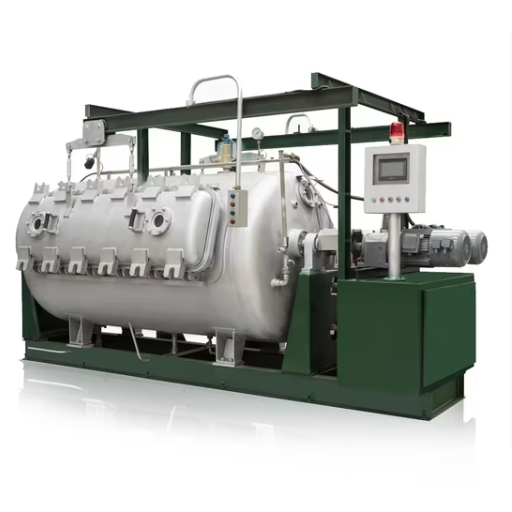
Boiler Operation may have major environment glitches and pitfalls via emissions and natural resource use.
Water use in boiler systems creates a lot of problems, thus competition. These boilers consume large amounts of water that may lead to the reduction of resources, especially amidst water-scarcity areas. Also, wastewater is released while these operations are taking place and when not properly treated, it gets channelied with chemical impurities and other pollutants into local water bodies, causing harm to aquatic ecosystems and the local populace.
When the renewable and cleaner energy sources (geothermal power or biomass) are harnessed into existence, the release of greenhouse gas emissions will be noticeably reduced. Thus, energy-efficient technologies and proper and regular maintenance practices are certainly part of the solution, ensuring that the units are operated at a high degree of efficiency and minimizing fuel consumption. Moreover, the treatment of water and environmental ecological considerations culminate in a responsible supply chain for ensuring that all activities remain in line with environmental laws.
Regulatory Standards in the Textile Industry
Higher-level regulatory requirements will often demand emissions control systems with the highest standards in design as well as ongoing rigorous monitoring to ensure that the facilities are operating within prescribed laws of air quality and environmental standards.
The emphasis in boiler systems for textiles is laid upon energy efficiency being a prime concern. Manufacturers are taking on the challenge to fossilize more modern designs and technology to curb the frequency of fuel consumption without any sacrifice in output. Regular inspections and repairs are emphasized under these schemes of the standard to handle inefficiencies, increase the equipment life, and thus keep any unnecessary energy wastage at bay.
Stringent regulations control the management of wastewater during textile printing and dyeing. Textile operations use boilers, releasing effluents which must be treated according to legal standards before being discharged. Adhering to these standards not only assures sustainable operations but also avoids penalization and supports efforts towards slashingthe environmental effects of the industries.
Future Directions in Textile Boiler Systems
Emerging Technologies in Boiler Design
Technological advances in boilers are mainly aimed at increasing the energy efficiency of boilers and reducing emissions along with systems becoming smarter. Among their advancements has been the deployment of high-efficiency condensing boilers, which increase energy efficiency by capturing and making use of the latent heat in the exhaust gases significantly. Thus, these boilers use less fuel and incur fewer operational costs. Businesses integrating the use of these highly efficient boilers are enforcing a policy of energy savings and being environmentally responsible.
An interesting development involves the automation and sensing of boiler operations. The use of Internet of Things (IoT) technology is becoming increasingly apparent in newer models of boilers, thereby allowing real-time observation and data analytics, thus optimizing the overall performance with faint inefficiency detection, predictive maintenance demand, gaining near-perfect control on fuel, and water resources. This increases productivity and further ensures that operational activities are extremely limited, assuaging the results of strict environmental regulations.
In order to boost sustainability even more, another alternative—a fuel boiler using renewable energy from sources including biomass and biogas—is becoming increasingly popular. These two systems have an unusually poor carbon footprint when compared to conventional systems that are powered by regular fossil fuels. Moreover, numerous material improvements have a similarly beneficial effect on the lengthened longevity of boilers as well as decreasing heat loss. Clearly, their combined operation represents a significant paradigm shift in the boiler system operated by the textile industry, dovetailing as it does with global sustainability trends and more stringent energy compliance requirements.
Integrating Smart Systems for Enhanced Performance
Incorporating Smart Systems into the Boilers of the Textiles Industry will Strengthen its Efficiency and Technological Reliability and Ensure the Realization of Environmental Protection Goals. By utilizing technological advancements like sensing, real-time monitoring, and automatic control, the smart system ensures complete indulgence toward improving boiler performance. Such systems facilitate exact control of fuel combustion, temperature, and pressure, leading to fuel conservation and hence economic benefits.
Another breakthrough being brought into the forefront by smart systems is predictive maintenance. Smart systems can predict maintenance issues while the critical functions about the boiler stay monitored all the time. When this happens, the maintenance niche can be accessed already, putting downtime close to zero and adding more years to the operational life of any important device. Hence, net savings and efficiencies in the long run. The data analysis in close to real-time reveals choices for skilled operators and thus seamlessly enhanced functionality.
The smart systems are gaining importance in the context of the stringent environmental laws meant for energy efficiency and lower emissions. The global performance standards as such see their answers in these technologies which mingle along with smart manufacturing technologies, with a backdrop of efficient use of resources and minimum energy loss. This move is a sure benefit to the textile industries in terms of compliance and meeting the global scale of sustainability. Generally, the installation of smart systems for enhancing the performance of boilers would indicate a blue-sky option, for environmental responsibility sharing the balance with that of operational efficiency.
Frequently Asked Questions (FAQ)
Q: What are Textile Printing and Dyeing Boiler Systems and why are they significant systems in the textile sector?
A: Textile Printing and Dyeing Boiler Systems are distinctively designed for steam boilers and hot water systems needed to perform the heating as well as high-temperature steam generation to carry through dyeing, printing, and finishing processes in textile manufacture. They offer continual steam and hot water supply towards helping better quality fabrics for making dyeing agents penetrate properly, maintaining moisture and conditioning fabric for next processing, which has coined great credibility. Thus, such systems are regarded as must-haves across the textile industry and in any production line.
Q: How do steam boilers and steam generators differ and which is better for dyeing processes?
A: Steam boilers and steam generators are both known to produce steam but have quite specific features empowering applications. Steam generators are known for their fast start-up, producing high-temp steam meant for specific short-demand processes in industry. On the other hand, traditional steam boilers cater for very large and continuous steam, massive in terms of consumption required in massive textile production. For textile staining and printing boiler systems, the choice has even more to do with the scale of production: bigger dyehouses use boilers with economizers and large steam boilers for steady supply while specialized operations may want steam generators for increased energy efficiency and meeting variable demand.
Q: What is the biggest advantage of the boiler system on quality fabric in print and dye?
A: Accurate and stable steam and hot water from the boiler system are delivered with proper control to set dyes, remove excess humidity, and condition fabric surfaces. Precise temperature and quality of steam make the uniform drying process possible, decrease any uneven dyeing, and increase the fabric finish. Hence, the boiler system helps in assuring that fabric quality is best, minimizing defects and maximizing yields in textile manufacturing.
Q: How do economizers and efficiency technology feature in textile boiler systems?
A: Economizers recover heat that is lost through the heating system by taking flue gases of the boiler to preheat feedwater or process water, therefore saving fuel and giving higher overall energy efficiency. This energy-saving technology plays a major role in saving the textile industry for lower operating expenses, fewer emissions, and the provision of a more stable product of hot water and steam for the dyeing and finishing processes.
Q: How do boiler systems help control moisture and drying in textile manufacturing?
A: Boiler systems are the source of regulated high-temperature steam and hot water required to heat chambers, stenter, and dryer, thus permitting precise regulation of drying speed, hence avoiding the traps of over-drying or trapped residual moisture that could affect fabric handle, color fastness or dyed shape. Even steam distribution makes sure that the fabric will be dried and finished according to the set, reproducible requirements.
Q: What might be expected in periodically servicing boilers used in textile printing and dyeing?
A: Periodic boiler cleaning, water addition to impede scale, checking safety valves and pressure burners, operating checks on steam traps, heat exchangers, and control settings are regular maintenance activities. The vendor recommended that system maintenance/recommission take place at the intervals of their recommendation to suit the productive capabilities, based on demand and similar factors.
Q: How does the boiler system design affect the production capacity of dyeing and printing?
A: The process of supplying hot water to the dyeing and printing equipment affects the capacity of production, that is to say, the steam generator of the boiler together with the control system. The design of the dyeing and printing boiler system can meet its maximum doable full load, keeping pressure as usual to safeguard og consistent color and finish, and hence reducing production downtime. Productivity is often reduced in poorly design systems, promoting uneven dyeing and energy wastage.
Q: How can textile manufacturers reduce energy use and costs in boiler operations while maintaining fabric quality?
A: By selecting efficient boilers and steam generators, having economizers installed, recovering condensate, improving insulation, installing an advanced control for the matching of supply and demand, and scheduling for full-load steam production, manufacturers can effectively reduce energy usage. These steps might give the paint and print process reliable steam and hot water while drastically reducing fuel consumption, emissions, and the fabric quality and consistency in production.
References
-
Energy-Efficiency Improvement Opportunities for the Textile Industry
Read the document
This document discusses energy-saving opportunities in dyeing and printing processes, including the use of multiple boiler systems. -
Waste Heat Recovery from Boiler of Large-Scale Textile Industry
Read the paper
This paper explores waste-heat recovery systems in boilers used in the dyeing process, focusing on energy consumption reduction. -
Water and Chemical Consumption in the Textile Processing Industry
Read the document
This study highlights the use of soft water in boilers for steam production and its role in dyeing and finishing processes. - High-Efficiency Oil and Gas Fired Boiler – Industrial Steam Solutions Solutions