Get in Touch with Taiguo

Boiler Maintenance Best Practices


Contents
show
Industrial boiler maintenance establishes essential requirements for operational efficiency and safe usage and equipment durability. The equipment exists as a fundamental requirement because it serves critical functions in multiple industrial sectors. The complex systems of boiler systems together with their critical maintenance requirements create an overwhelming challenge for maintenance. This guide provides practical tips and insights which help you operate your boiler system effectively while minimizing expensive operational shutdowns. This article provides facility managers and operations professionals with essential knowledge which helps them achieve maximum performance and system dependability.
Importance of Regular Boiler Maintenance
Enhancing Boiler Lifespan
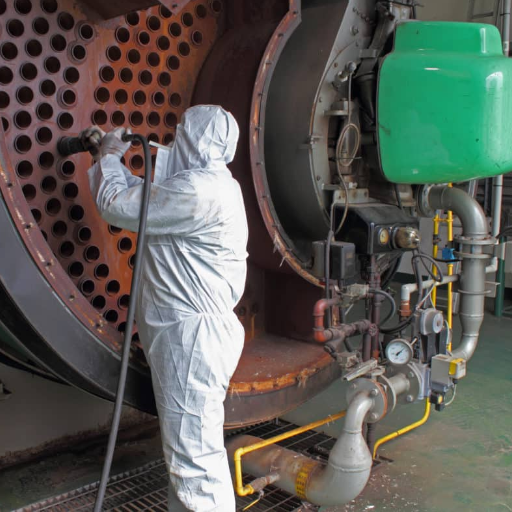
The system requires its boiler to undergo regular maintenance procedures because these procedures maximize its operational life. The maintenance activities test all system parts to guarantee their proper operation which results in decreased equipment damage throughout the operational period. The common tasks of cleaning, inspecting for leaks, and monitoring boiler pressure enable maintenance staff to keep minor problems from developing into expensive repairwork or equipment replacement. These procedures maintain boiler energy efficiency which results in resource and time savings throughout extended periods.
Every maintenance program needs to include scheduled times for experts to conduct their professional assessments of equipment. The certified technicians possess the ability to discover hidden problems that standard maintenance procedures fail to detect. The experts recommend performing annual services because this schedule enables them to readjust system controls while testing safety devices and verifying system compliance with operating protocols. The system meets all operational requirements so we will implement these essential functions to ensure safe and dependable boiler operations throughout its entire operational period.
The system’s performance needs to operate according to its established design specifications for proper boiler operation. The equipment experiences a decrease in operational life because of two factors which include excessive loading and operating under extreme conditions. Facility managers need to track their equipment usage patterns while they should follow the operational guidelines specified by manufacturers. The combination of routine maintenance activities with expert assessments and careful system management enables boiler systems to achieve extended operational life while maintaining their best performance capabilities.
Improving Efficiency and Performance
Facility managers need to conduct regular maintenance work and implement system enhancements to achieve better results with their boiler systems. The routine cleaning process of boiler components helps maintain proper heat transfer capabilities while decreasing energy waste. The process involves three main activities which include descaling tubes and cleaning burners while monitoring fuel quality to avoid soot buildup and corrosion that would decrease operational efficiency. The process of inspecting seals and insulation materials needs to be done frequently because it helps keep heat inside the system which results in energy savings.
The process of optimizing a boiler system requires adjustments to its operational parameters. The system requires temperature and pressure settings to be adjusted according to actual demand because this method helps prevent excessive energy consumption and equipment damage. The implementation of automated controls together with monitoring systems enables exact supervision of company activities while facilitating faster detection of operational problems. The tools help maintain boiler operations within preferred operating conditions which results in decreased chances of system failures.
The transition to energy-efficient technologies represents an efficient solution which provides sustainable benefits for extended periods. High-efficiency boilers together with economizers and heat recovery systems can lead to substantial reductions in energy usage. The process of retrofitting these advancements into existing systems results in improved system performance which helps achieve sustainability targets. The combination of regular maintenance activities together with optimized system operations and advanced technologies results in improved efficiency and operational reliability for boiler systems throughout their entire usage period.
Preventing Costly Repairs
Boiler systems need companies to implement scheduled maintenance procedures and system inspections to stop their expensive repair needs. Essential maintenance activities need to be conducted through regular inspections because this method helps to find potential problems which will develop into major issues. You can verify burner and valve and heat exchanger operations through your annual check-up and cleaning schedule. System components will last longer because these procedures minimize unexpected system failures.
System performance monitoring functions as a vital method which prevents system repairs. The process of monitoring pressure and temperature and energy usage enables early detection of system problems. Performance metrics experience sudden changes which indicate the presence of leaks or blockages which require immediate resolution. The implementation of automated monitoring tools will improve operational efficiency by providing instant notifications about upcoming operational problems.
The establishment of proper water quality management systems represents essential work for boiler operations. Hard water creates scale buildup which decreases operational efficiency and damages internal system parts over extended periods. Regular testing and treatment of water hardness and pH levels will help prevent all potential problems. Water treatment systems which use chemical additives represent an effective method for maintaining water quality standards. The combination of these four steps establishes a complete solution which will decrease repair expenses while maintaining peak boiler efficiency.
Comprehensive Boiler Maintenance Checklist
Daily Inspection Tasks
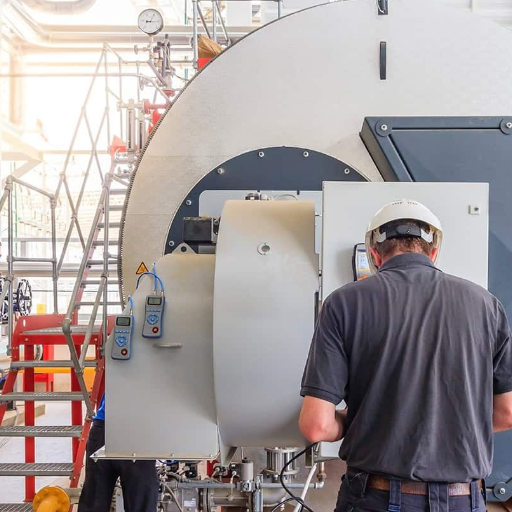
Check Water Levels: The team must check water levels to determine whether they stay between normal operating limits. Low water levels can cause overheating, while excessive levels might impact the boiler’s performance and safety.
Inspect Pressure and Temperature: The team must check boiler pressure and temperature to verify that both measurements stay inside approved limits. System variations create signals which need urgent system maintenance work.
Examine for Leaks: The team must conduct a visual examination of the boiler area to find all existing leaks. Leaks can reduce efficiency and they create expensive repair needs which will continue to grow until someone resolves the problem.
Monitor Fuel Supply: The team must check the fuel supply system to ensure it maintains a constant flow while identifying any fuel flow problems which would affect boiler performance.
Record and Analyze Data: The team must record all measurements which include pressure and temperature together with water levels because this information assists in monitoring performance patterns and discovering problems at an early stage.
The team performs essential daily activities which help the boiler system work at maximal efficiency and make equipment last longer while decreasing the risk of equipment failures.
Weekly Maintenance Activities
The weekly maintenance schedule helps the boiler system operate at its best performance. The maintenance work needs more time than daily work because it focuses on particular parts which need to be monitored to stop future problems.
Inspect and Clean Burners
The burners need an inspection to discover all visible debris and accumulation. The team needs to clean all components because their correct function depends on clean surfaces which ensure proper combustion and energy efficiency. A blocked burner can lead to incomplete combustion, reducing performance and increasing emissions.
Test Safety Valves
Safety valves prevent dangerous situations from occurring through their function of pressure control. The team needs to test valve operation through direct testing which should occur every week to verify their proper function of pressure release during critical situations.
Check Boiler Drains and Blowdown Systems
Boiler drains need to be emptied and all sediment needs to be removed because this process prevents both scaling and corrosion problems. The blowdown process needs to be performed because it helps to eliminate all impurities which build up over time and result in blockages on the boiler’s heat transfer surfaces.
The boiler system will maintain its reliable operation through weekly maintenance activities which will decrease downtime while increasing operational duration. The system needs regular maintenance because it protects both equipment and worker safety.
Best Practices for Industrial Boiler Maintenance
Implementing Preventive Maintenance Schedules
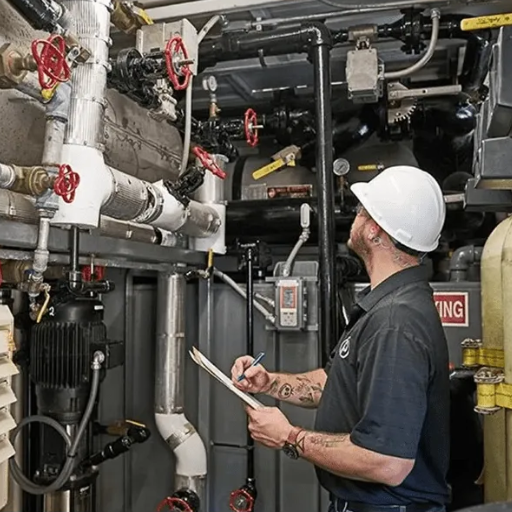
Industrial boiler systems need preventive maintenance schedules because it helps maintain their operational capacity and extends their operational lifespan. The process of preventive maintenance requires organizations to execute scheduled maintenance tasks which help them find equipment problems before they lead to equipment breakdowns. Operators use scheduled maintenance inspections to identify equipment damage, perform essential equipment cleaning, and check all equipment performance against optimal operating standards. The system safeguards against unexpected breakdowns while decreasing the expenses associated with maintenance outages.
The preventive maintenance schedule needs to specify all tasks which technicians must complete during their daily, weekly, monthly, and annual work schedules. The daily routines of the organization require personnel to verify water levels and search for leaks and observe pressure metrics. Personnel responsible for monthly or annual duties need to execute complete evaluations which require them to calibrate sensors and test safety systems and examine heat transfer surfaces for indications of scaling and corrosion. A definite maintenance schedule establishes a system which guarantees that maintenance work occurs at regular times and covers all essential maintenance tasks.
Operators need to base their scheduling system on the manufacturer’s specifications which they should modify to match actual boiler operations and the specific boiler working conditions. Staff members need ongoing maintenance training because it enables them to identify maintenance problems and find effective solutions. Detailed maintenance records enable organizations to monitor equipment condition while documenting essential data which supports future operational choices. Facilities achieve maximum boiler efficiency through these best practices which enable them to create safer work environments and reduce energy consumption.
Using Technology for Effective Monitoring
Through advanced technological systems, organizations can monitor their operational activities with improved accuracy because these systems deliver continuous, precise information. The combination of sensors and automated systems provides organizations with the ability to monitor equipment performance and environmental conditions and energy usage through constant and dependable monitoring. The system components work to decrease manual inspection requirements, which enables staff members to dedicate their time to data analysis and problem prevention work. The system enables operators to track activities in real time while it automatically detects issues which protects against operational interruptions and expensive equipment destruction.
Data analytics platforms further improve monitoring by processing and interpreting large amounts of gathered information. The platforms use their analytical capabilities to discover patterns and anticipate future breakdowns while providing maintenance recommendations which help to enhance operational productivity. Advanced analytical tools enable facilities to make decisions based on evidence which leads to both cost savings and major business benefits. The centralized system provides users with complete access to all gathered information which enables them to monitor development and assess operational performance throughout different time periods.
To achieve maximum benefits from technological systems, organizations must provide their employees with training programs that teach them how to operate these systems. Employees need to understand how to interpret data, identify potential risks, and apply insights effectively to maintain smooth operations. Organizations can enhance their monitoring capabilities and improve workplace security and achieve sustainable efficiency targets through the combination of suitable technology implementation and proper employee training.
Training Operators on Safety Protocols
Safety training for operators forms a vital element in establishing a secure and productive workplace. Organizations should create training programs which educate employees about workplace hazards and emergency procedures and correct use of safety equipment. The training program needs to teach workers about safety guidelines and the need to report unsafe situations without delay.
The organization should use safety drills and emergency simulations as a method to train employees for actual emergency situations. Through these exercises operators will practice their skills to handle emergency situations which involve equipment failure and hazardous material leaks. Visual aids together with precise instructions and materials for reference create a learning environment that helps workers remember procedures during urgent times.
Organizations must perform continuous evaluations to confirm that their employees adhere to established safety standards. Organizations can evaluate their training program effectiveness through regular assessments and feedback collection. Companies can establish a strong safety culture while decreasing workplace accidents by identifying and resolving existing problems. The process will achieve long-lasting success throughout all sectors of the organization.
Common Issues and Troubleshooting Techniques
Identifying Combustion Problems
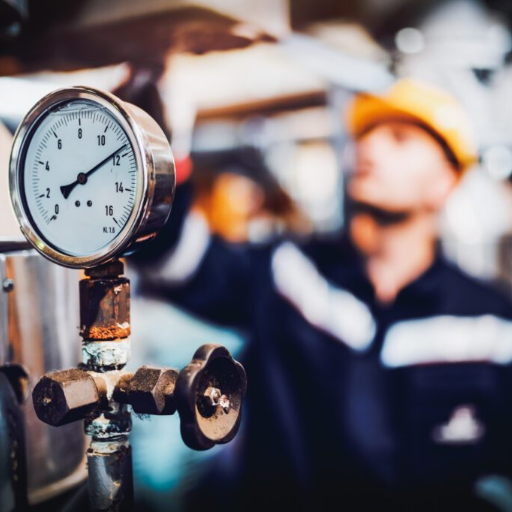
Engine combustion problems become detectable through system monitoring which shows operational inefficiency and produces strange smells and visible smoke. The problems occur when combustion fails to complete because there is not enough air supply or because equipment malfunctions or operators use incorrect fuel-to-air ratios. The system shows warning signs through visible soot accumulation and through flame behavior that deviates from normal patterns and through temperature changes that occur without explanation.
The system requires a complete discharge process which begins with inspecting all system components. The system requires evaluation of its air and fuel supply lines to identify any blockages or leaks which impede essential combustion flow. The assessment must determine whether burners and ignition systems maintain their clean condition while operating properly. Simple diagnostic tools which include a combustion analyzer enable users to measure oxygen levels and carbon monoxide concentrations and other exhaust gases which help them understand system performance.
Employees need to solve combustion problems without delay because this practice protects both safety and operational effectiveness. Common problems can get fixed through component cleaning or replacement and fuel-to-air ratio adjustments and ventilation system improvements. Regular maintenance and periodic inspections are also critical in identifying potential issues early and ensuring optimal combustion system function.
Addressing Control System Failures
Industrial boilers experience performance disruptions when control systems fail because these failures result in both inefficient operations and safety dangers. Control system failures occur because of three main problems: faulty sensors and wiring problems and software glitches. The control system problems should be solved through a complete system inspection which will find the actual problem. When the problem gets discovered quickly, it permits a fast solution which reduces operational downtime and keeps business activities running smoothly.
The main method to prevent control system failures from occurring requires implementation of preventive measures. The system needs both regular sensor testing and calibration to maintain accurate readings and proper wiring need inspection and maintenance to stop system communication failures. The organization needs to maintain control system software through regular updates which will help the software match operational requirements while solving existing bugs and security threats.
Control systems need complete maintenance schedules because they help prevent major problems from developing. The process involves two main steps: first we check all control components through routine tests and then we replace any necessary parts which have reached the end of their operational life. The implementation of these practices will not only decrease the frequency of control system failures but also extend the operational lifespan of industrial boilers and boost their overall performance.
Recognizing Signs of Wear and Tear
Industrial boiler systems require proper upkeep, which starts with identification of their common indicators of physical damage. The system’s operational efficiency reaches its lowest point when two essential components experience a drop in performance. A boiler needs extra fuel to generate the same output because it suffers from internal problems that include scaling and fouling and broken parts. The organization should conduct efficiency checks on a regular basis because these tests function as early warning indicators of impending issues.
The appearance of strange operational sound patterns stands out as another important detection method. Hissing sounds combined with banging and whistling noises typically suggest problems that involve sediment accumulation and unsecured parts and inadequate water circulation. The system should receive immediate attention to its noise problems because this will minimize the risk of severe system damage.
The boiler’s physical inspection process enables the discovery of different wear-related indicators through its assessment. The presence of corrosion and leaks and discoloration at critical components creates urgent need for component repair and replacement. The industrial boiler system requires both visual inspection and professional evaluation to achieve effective safety and performance maintenance. Businesses that implement early maintenance for their equipment will experience fewer operational interruptions and lower maintenance costs while extending their equipment’s operational life.
Safety Guidelines for Boiler Operations
Essential Safety Checks Before Operation
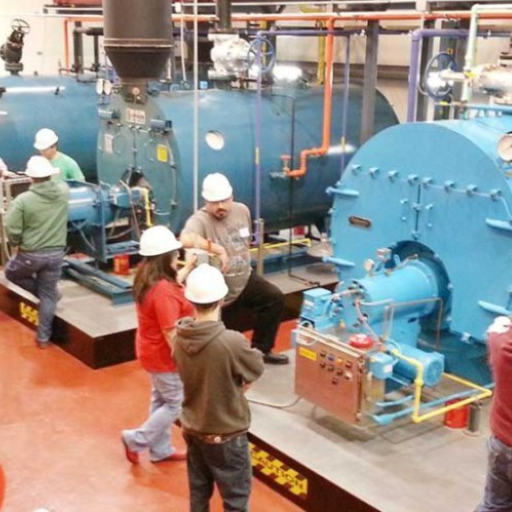
The operation of a boiler requires a sequence of essential safety checks which must be performed before any operations begin to confirm both operational performance and risk reduction measures.
Inspect Boiler Components
The inspection process starts with a visual examination of the boiler and its nearby area to identify any signs of damage or corrosion or leaks. The assessment requires checking the status of connections and pipes and valves and other main elements to ensure they work properly. The team needs to confirm that safety valves and pressure gauges exist in clean and calibrated working condition.
Verify Water Levels and Fuel Supply
The team needs to check whether boiler water levels stay within acceptable limits which match operational requirements. The system will experience damage when water levels drop below safe operational limits. The team needs to verify that the fuel supply which includes gas and oil and other sources exists in adequate amounts without facing any blockages or irregular operational patterns.
Test Safety Devices and Controls
The testing of all safety devices must occur for every operational testing. The system needs to operate all components correctly to stop accidents from happening during work operations.
The implementation of these safety checks enables operators to maintain secure boiler operations while decreasing possible equipment breakdowns and dangerous situations. The responsible management of boiler operations depends on the regular implementation of these procedures.
Emergency Protocols for Boiler Failures
When a boiler fails, the emergency response plan needs to be executed immediately because it protects against danger and stops extra harm from happening. The first step is to immediately shut down the boiler system by activating the emergency shutdown switch. The system prevents extra pressure to build up because it shuts down all fuel supply operations which reduces fire and explosion risks.
The staff needs to leave the vicinity because it protects their safety during the emergency response. Trained operators and emergency response personnel must handle the situation while they stay at a safe distance from the hazardous area. The operator needs to tell the management and maintenance team about the situation which includes details on the failure and all visible abnormal conditions including strange sounds and excessive smoke emissions.
The team needs to do complete boiler system inspections after they establish control over the current situation. The assessment will determine the actual reason behind the failure by examining mechanical problems and fuel supply issues and pressure control faults. Maintenance personnel must complete necessary system repairs and operational tests after they finish their work to ensure the system meets all safety requirements before operations can continue. The staff needs regular training and emergency drills to develop skills for effective boiler failure management.
Protective Equipment and Operator Training
The safe operation of boiler systems requires personnel to wear appropriate protective equipment. Operators should wear fire-resistant clothing and heat-resistant gloves and safety goggles and steel-toed boots to protect themselves from high temperatures and chemical hazards and falling debris. Workers in noisy areas need hearing protection because machinery creates loud sounds which can cause permanent hearing loss. Employers need to complete safety equipment inspections and maintenance work to ensure that equipment maintains its proper operational status.
The process of training operators establishes two essential functions which protect against boiler failures while enabling operators to handle emergency situations. Organizations need to develop training programs that combine theoretical knowledge with practical exercises to teach system operation and hazard detection and emergency response protocols. The practical experience helps personnel to gain familiarity with equipment and troubleshooting methods which results in their increased ability to handle different situations. Operators need to complete regular refresher courses which will help them retain knowledge while learning about new safety regulations and operational procedures.
The combination of proper protective equipment and comprehensive operator training leads to workplaces achieving lower accident rates and better handling of emergency situations. Properly trained staff members who operate necessary safety equipment enable organizations to achieve regulatory compliance while establishing a work environment that boosts their operational efficiency.
Frequently Asked Questions (FAQ)
Q: What are the most important industrial boiler maintenance tips for safe boiler operation?
A: A well-maintained boiler requires a maintenance plan that includes routine boiler maintenance, preventative maintenance and periodic maintenance. The essential maintenance procedures require personnel to test the pressure relief valve. The maintenance staff must monitor steam pressure. The team needs to check the pressure vessel for corrosion and internal boiler buildup. The team needs to maintain a clean environment in the boiler room. The commercial boiler or industrial steam boiler achieves safety and efficiency through professional maintenance and national board of boiler recommendations.
Q: What routine boiler maintenance can prevent buildup inside the boiler and maintain efficient boiler operation?
A: Boiler maintenance for scale prevention and buildup protection requires operators to perform four essential tasks which include water treatment processes and sediment removal through blowdown and periodic boiler flushing and inspection of heat transfer surfaces for deposits inside the boiler. These maintenance practices reduce fuel use, maintain steam pressure stability, and extend the life of steam boiler plant components, ensuring the industrial boiler operates efficiently.
Q: When should I involve a boiler company or schedule professional maintenance?
A: The beginning of professional maintenance requirements for a qualified boiler company occurs when facilities need annual inspections together with pressure vessel certification and pressure relief valve component replacement and complex internal inspections inside boiler drums and defects are detected through predictive maintenance tools. Professional maintenance ensures compliance with codes, supports safe boiler operation, and helps implement a robust maintenance plan for commercial boiler maintenance and industrial boiler maintenance tips.
Q: What role does preventative maintenance play in commercial boiler maintenance?
A: The main function of preventative maintenance in commercial boiler operations is to decrease operational failures which lead to equipment breakdowns while achieving the most efficient maintenance expenses. The program includes periodic assessments together with scheduled maintenance tasks and safety equipment evaluations which assess the operational status of pressure relief valves and water quality tests which prevent scale buildup and equipment failure and burner performance assessments. The combination of proactive maintenance with maintenance management systems results in enhanced operational reliability for steam and hot water systems.
Q: How can predictive maintenance help optimize maintenance for an industrial steam boiler?
A: Predictive maintenance uses condition-monitoring tools such as vibration analysis, thermal imaging, and trend tracking of steam pressure and feedwater quality to detect issues before failures. The implementation of predictive maintenance within an industrial boiler maintenance checklist enables plant managers to plan specific repairs which will reduce emergency shutdowns while they allocate maintenance resources for cost-effective boiler system upkeep and safe boiler operation and efficient boiler function.
Q: What safety checks should be included inside the boiler and the boiler room during inspections?
A: Safety checks inside the boiler and boiler room include testing the pressure relief valve and pressure relief systems, verifying safe steam pressure limits, ensuring proper venting and combustion air supply, inspecting for leaks or buildup inside the boiler, confirming functional low-water cutoffs, and checking fire and gas detection systems. The checks require compliance with professional maintenance standards and national board of boiler standards to ensure safe operational conditions.
Q: How do I balance cost and reliability when developing a maintenance plan for boiler equipment?
A: The maintenance plan needs to combine routine boiler maintenance with targeted predictive maintenance and periodic professional inspections to achieve cost-effective results without sacrificing reliability. The maintenance plan needs to focus on essential elements which include the pressure vessel, relief valve, burners and feedwater treatment systems. The industrial boiler maintenance checklist should be used to monitor maintenance activities while maintenance management software should be implemented to enhance maintenance planning and decrease unexpected downtime and protect asset longevity and maintenance expense management.
Q: What are essential tips for maintaining both steam boiler and hot water boiler systems in a steam boiler plant?
A: Essential tips include applying water treatment to prevent corrosion and scale which requires performing regular blowdown and flushing the boiler and inspecting and testing safety valves and controls and maintaining proper combustion tuning and scheduling periodic maintenance which includes internal inspections inside boiler drums. The maintenance plan needs to cover both steam and hot water systems while proactive maintenance techniques should be used to maintain operational efficiency and safety at the steam boiler plant.
References
- University of Memphis: Mechanical/Boiler Room Checklist – A detailed checklist for boiler room safety and maintenance.
- Washington State University: Industrial Assessments: Tips from the Field – Offers insights into steam system assessments and boiler room practices.
- Kansas State University: Updating Boilers to Improve Efficiency – Discusses methods to enhance boiler efficiency and reduce energy use.
- High-Efficiency Oil and Gas Fired Boiler – Industrial Steam Solutions Solutions
This comprehensive guide provides essential industrial boiler maintenance tips for facility managers and operations professionals. Implement these best practices to maximize equipment lifespan, improve operational efficiency, ensure workplace safety, and minimize costly downtime in your industrial operations.