Get in Touch with Taiguo

How to Choose the Right Industrial Steam Boiler: Gas vs. Electric

Contents
show
The process of choosing an industrial steam boiler system represents a vital business choice that impacts organizations throughout multiple sectors. The selection of either a gas boiler system or an electric boiler system will determine both the efficiency of operations and the expenses of energy usage and the level of environmental impact. The combination of technological advancements and new regulatory requirements has created a situation which requires people to make better choices than before. This article will explore the key differences between gas and electric boilers, examining their advantages, limitations, and ideal applications. The conclusion will show you which solution satisfies your business requirements and your future objectives. The guide will help you choose the best option for your needs whether you want to cut back expenses, increase environmental responsibility, or enhance your operational efficiency.
Key Takeaway
Gas boilers are generally superior for high-demand, large-scale industrial heating, while electric boilers offer a compact, zero-emission solution for facilities with specific environmental mandates or smaller steam requirements.
Understanding Industrial Steam Boilers
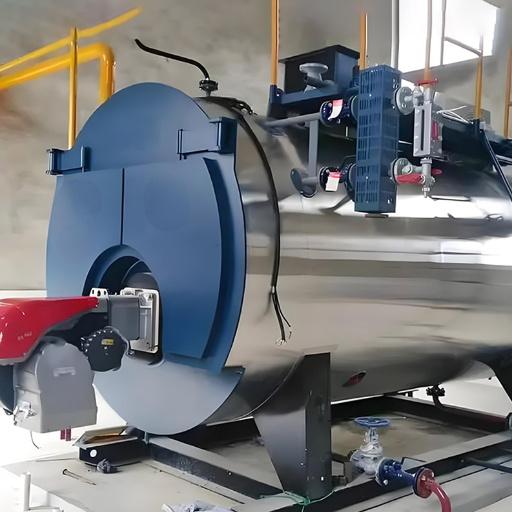
What are Industrial Steam Boilers?
Industrial steam boilers function as large systems which produce steam from heated water to serve various industrial operations. The systems produce heat by burning natural gas or oil or biomass which then transfers the generated heat to water through a heat-exchanger. The resulting steam can be used for applications which include heating and sterilization and driving machinery and turbines.
Industrial steam boilers function as essential systems which deliver uninterrupted steam generation to support operational activities in manufacturing and food processing and power generation. The equipment used in these operations requires various design solutions which enable different pressure and temperature operations. The equipment serves as vital resources which industries need to manage their demands for high energy consumption and thermal energy supply.
The boilers function as essential components which help organizations achieve their operational goals and develop their energy-efficient operations. The operation of boilers requires proper maintenance combined with efficient operation techniques which lead to decreased fuel usage and reduced emissions and decreased total operating expenses. This system functions as a necessary element which companies need to achieve their operational goals while protecting the environment.
Types of Industrial Steam Boilers
Industrial steam boilers are built to cater to a wide range of industrial needs, each designed for specific applications based on fuel type, capacity, and efficiency. Below are some common types of industrial steam boilers:
- 1
Fire-Tube Boilers
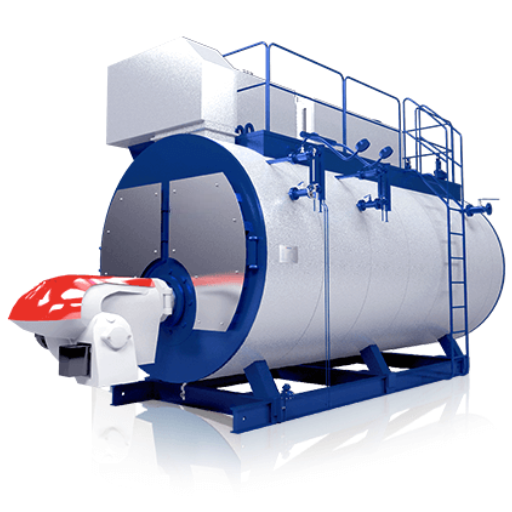
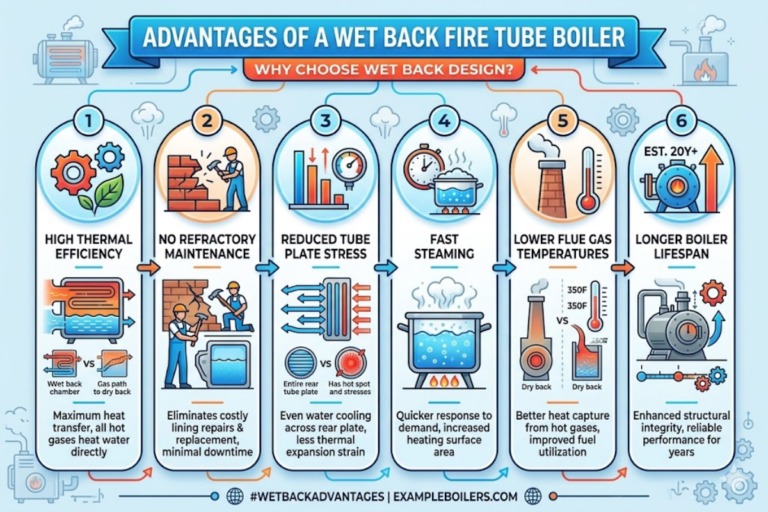
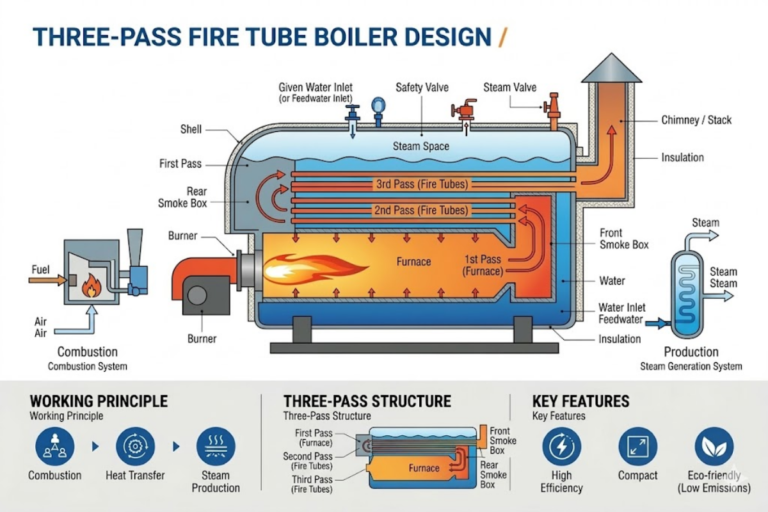
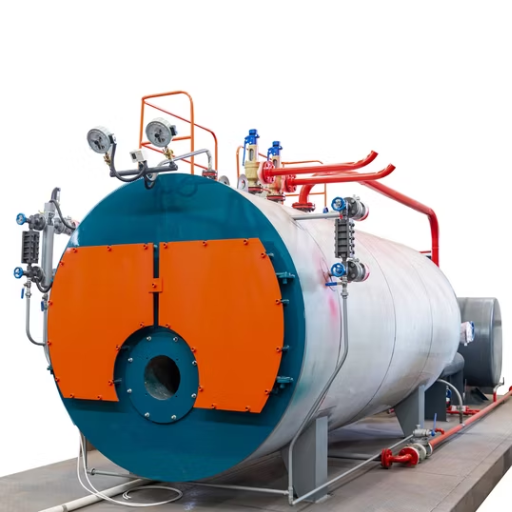
The system contains multiple fire tubes that allow hot gases to move while water remains throughout the entire unit. It operates most effectively at low to medium pressure levels. - 2
Water-Tube Boilers
Design allows water to flow through tubes while external hot gases provide heating. Ideal for power plants requiring high-pressure steam up to 250 bar. - 3
Electric Steam Boilers
Generates steam through electric-powered heating. These achieve efficiencies up to 99% and operate without onsite emissions. - 4
Biomass Boilers
Uses renewable organic materials like wood chips or agricultural residues, achieving thermal efficiency rates of 85% or higher. - 5
Waste Heat Recovery Boilers
Captures industrial waste heat from turbines or furnaces, improving overall system efficiency by 10 to 15 percent. - 6
Modular Boilers
Combines several small units into a single solution, providing over 20% energy savings through flexible load matching.
[Image of a fire-tube boiler diagram]
[Image of a water-tube boiler diagram]
Application in Food Processing
Industrial steam boilers serve a vital function in food processing because they deliver stable and effective thermal energy required for different processing needs. Steam operates cooking functions and product sterilization and pasteurization and drying processes which help maintain product quality and extend shelf life and comply with food safety regulations. The consistent steam heat distribution system enables proper food product processing which decreases the possibility of contamination.
Steam boilers serve as an essential component for energy-efficient food production operations. Facilities can decrease power consumption through modular boiler systems which enable them to control steam production according to their operational requirements. Food processing operations need this control power because their boiling and drying activities consume energy which requires exact temperature control. Advanced boiler technologies enable facilities to achieve environmental regulations while they boost their operational efficiency.
Steam boilers provide essential operational support to food processing plants which need constant production flow. A reliable steam system guarantees production will proceed according to schedule and it decreases operational interruptions. Modern industrial steam boilers include safety features and backup systems which enable facilities to continue their production processes while they produce safe and high-quality food products for the market. The capabilities of boiler systems demonstrate how vital it is to select appropriate systems which suit the distinctive needs of food processing activities.
Choosing the Right Boiler Type

Gas vs. Electric Steam Boilers
The two systems operate steam production through different methods. Gas steam boilers use natural gas or propane as their fuel source, while electric steam boilers produce steam through electricity. The primary difference between the two systems exists because each system uses a different energy source, which provides different benefits to the actual needs and resources of the facility.
Gas boilers become the preferred choice for areas that have both available natural gas resources and affordable gas prices. The systems provide cost savings because they operate more efficiently in these regions while delivering sufficient steam capacity to meet industrial needs. Gas boilers provide industrial facilities with two main advantages because they achieve high heating efficiency and provide fast start-up times, which enable these facilities to maintain their essential steam production needs.
The design of electric steam boilers enables users to operate the system with basic functions, which results in low maintenance needs and environmentally friendly operations when the electricity comes from renewable energy sources. The system serves as an ideal solution for facilities that need to produce limited steam or require operation without any emissions. Electric steam boilers raise energy expenses, but they become cost-efficient in locations that offer low electricity prices and provide incentives to use renewable energy sources.
Factors to Consider When Selecting a Boiler
The first step in boiler selection requires assessment of your facility’s operational needs. The boiler should be evaluated to determine whether it can operate efficiently when steam and hot water demand and operating pressure and temperature requirements are assessed. The facility’s workload assessment allows you to select the correct boiler size and type which guarantees energy-efficient operation through reliable performance.
The fuel source is another critical consideration. The choice of fuel for boilers depends on electricity and natural gas and oil and renewable sources which are available and cost-effective and environmentally safe. Businesses that want to reduce their environmental impact should choose systems which can use renewable energy sources because this strategy leads to lower emissions and enables their organization to receive government financial support when it is available.
The evaluation process requires examination of all future expenses, which include maintenance costs and energy consumption and total lifecycle costs. Although energy-efficient boilers require higher initial investment, they deliver substantial operational cost reductions throughout their service life. The process requires you to assess both customer support reliability and product availability because maintenance needs to be performed regularly to maintain safe equipment operation. The selected boiler will meet both operational requirements and financial needs through the evaluation of these aspects.
Efficiency Ratings of Different Types of Boilers
| Boiler Category | Efficiency Rating | Best For |
|---|---|---|
| Conventional (Standard) | 70% – 85% | Older radiator infrastructures |
| Combi (Combination) | Up to 90% | Space-saving, moderate hot water demand |
| Condensing | Exceeds 95% | Maximum energy efficiency and low emissions |
Technical Specifications to Evaluate

Boiler Capacity Requirements
The size and heating requirements of a space determine the necessary boiler capacity for that space. The required boiler capacity can be determined through heating load calculations which measure the necessary heat energy for maintaining a specific indoor temperature. The calculation process requires building size and insulation quality and local climate conditions as essential elements.
The boiler capacity for typical home and business uses needs to be measured in BTUs which represent British Thermal Units or in kilowatt units. A detailed evaluation of the building’s heating requirements will determine which boiler needs to be selected because it will provide the necessary heat output without any technical inefficiencies or energy losses. Larger spaces with bad insulation need higher capacity boilers while small spaces with good insulation need only smaller boilers.
A detailed site assessment should be conducted by a qualified HVAC technician to determine all site requirements. They will complete a heat loss calculation to determine the proper boiler capacity needed to meet current heating demands and possible future needs. The system performance improves through selecting an appropriately sized energy-efficient boiler which also decreases energy expenses and lessens environmental harm.
Pressure Ratings for Various Applications
The safety and operational efficiency of boiler systems in different environments depend on their designated pressure ratings. The selection of pressure rating needs to match the exact operational needs of specific applications. Residential and light commercial spaces use low-pressure boilers which operate at pressures below 15 psi for their heating needs. The suitable system configuration operates with low requirements for either steam or hot water.
Industrial operations require the use of high-pressure boilers. The systems function at pressures above 15 psi to manage industrial processes which include power generation and manufacturing operations. The system allows for steam and hot water production which meets the large industrial requirements.
Medium-pressure boilers function between 15 and 150 psi to provide a solution which exists between two extremes. They provide higher capacity operations because they become useful for large commercial establishments and mid-sized industrial operations. The right pressure boiler selection for specific applications provides three benefits which include operational security and performance maintenance and energy efficiency.
Comparing Boiler Efficiency
Boiler efficiency refers to how well a boiler converts energy from fuel into usable heat. The efficiency of boilers depends on three main elements which include their design characteristics and the specific type of fuel they use and their designated operational purposes. The use of high efficiency boilers leads to decreased fuel needs which results in reduced operating expenses and diminished environmental effects. The two main methods to evaluate boiler efficiency are thermal efficiency and combustion efficiency.
High-efficiency boilers typically achieve efficiency ratings above 90%. These boilers use advanced technology which includes condensing capabilities that allow them to reuse exhaust heat for better energy efficiency. Standard non-condensing boilers achieve operational efficiencies between 70% and 85% which depends on their specific operating conditions and system age. The equipment requires a lower initial investment but results in increased fuel consumption over time which results in greater total costs.
A successful boiler selection process requires that efficiency requirements and operational requirements and budget limits must be considered as equal factors. The facility needs assessment should include maintenance expenses and system compatibility and energy requirements evaluation. Long-term cost savings and environmental sustainability targets are best achieved through high-efficiency boilers whereas medium-efficiency systems work better for facilities with moderate energy needs. Making an informed decision ensures optimal performance and cost-effectiveness.
Cost Considerations

Initial Purchase and Installation Costs
The total cost of boiler systems starts with their initial purchase and installation which relies on system size and system type and system features. High-efficiency boilers tend to have a higher upfront cost due to advanced technology and features designed for greater energy savings. Medium-efficiency boilers offer lower initial costs which results in higher operating expenses throughout their operational period because they consume more fuel during their entire lifespan.
The installation process also contributes to the upfront cost, depending on the complexity of the system and the existing infrastructure. Retrofitting a new boiler into an older facility with outdated systems will require modifications which will increase labor costs. A system that has its boiler replaced in a well-maintained system which is compatible with existing equipment requires lower installation costs.
High-efficiency boilers need a higher initial investment but they provide long-term savings through decreased energy use and lower utility expenses. Total cost of ownership assessment should be the primary evaluation method for decision-makers instead of using only upfront expenses. The facility’s specific requirements will receive effective solutions through the process of balancing initial expenses with anticipated maintenance needs and energy efficiency performance and operational efficiency.
Operational Costs: Fuel and Maintenance
Fuel and maintenance costs create substantial effects on the operational budget of any facility. Organizations need to evaluate energy sources for their fuel requirements based on both their cost efficiency and their availability. Facilities that depend on conventional fossil fuels will face price volatility which creates budgeting challenges. Facilities that switch to renewable energy systems will experience cost reductions because these systems require lower maintenance expenses throughout their operational life even though they need higher initial investments.
Maintenance costs arise from essential work which includes scheduled maintenance tasks and needed repairs to keep operations running smoothly. Maintenance programs which follow scheduled times will safeguard equipment from expensive unplanned breakdowns while also extending its operational time. The organization employs predictive maintenance, which enables them to discover problems before they develop into system failures, to save expenses and enhance their operational performance.
The process of balancing fuel expenses with maintenance expenses needs organizations to create detailed plans which they must subsequently track throughout their operations. Organizations can discover areas which need enhancement through two methods: they can perform regular audits and they can use technology to monitor their usage behavior. The organization will achieve significant financial benefits by implementing energy-efficient measures and purchasing equipment that will maintain its performance over an extended period. Facilities can improve their operational budgets while maintaining steady output by implementing effective cost management strategies.
Long-Term Financial Impact of Boiler Choice
Any organization needs to select the correct boiler because this choice will create financial consequences which extend into the future. The operational life of an energy-efficient boiler results in major financial benefits because it decreases fuel usage. The initial investment costs of high-efficiency models exceed regular models yet this expense gets compensated through smaller energy bills and cheaper maintenance costs. Organizations need to assess fuel efficiency ratings together with expected product lifespan because these factors determine their most economical purchasing choice.
The selection of a dependable and strong boiler system decreases both unexpected operational interruptions and equipment repair expenses. The maintenance costs for less dependable systems increase because their components break down frequently which also interrupts work activities. Companies can maintain their operations without disruptions by spending money on high-quality equipment which lasts a long time. Organizations that use efficient boilers gain environmental advantages which result in financial benefits through tax deductions and their ability to meet emissions standards. Many regions provide financial incentives to organizations that implement energy-saving technologies because these solutions help organizations recover their initial expenses.
Maintenance Requirements

Routine Maintenance for Gas vs. Electric Boilers
The maintenance needs of gas and electric boilers show differences because each system operates through its own distinct methods. Gas boilers typically require more frequent inspections and servicing because they involve combustion. The main activities involve cleaning burners while checking the heat exchanger for soot accumulation and testing the flue system to confirm its secure and effective operation. The process needs gas leak detection while the workers must observe the boiler ignition system and flame development as part of their work.
The maintenance requirements of electric boilers through their entire lifespan show lower demands when compared to gas boilers because electric boilers lack combustion processes. Electric boiler maintenance needs follow a schedule which includes two main tasks: checking and cleaning heating elements and inspecting electrical connections and testing system performance to guarantee safe operations. The absence of emissions from electric boilers eliminates the need for flue inspections, which simplifies their maintenance requirements in various ways.
Both gas and electric boilers need regular maintenance because it helps them operate better while extending their lifespan and maintaining system safety. The best way to achieve peak performance results requires maintenance work to take place every year. The process of regular maintenance not only decreases the possibility of equipment failures but also enables organizations to detect problems before they become serious issues that result in expensive repairs.
Identifying Common Issues
- !
Lack of Heat/Hot Water: Often caused by low pressure, airlocks, or damaged valves/thermostats. - !
Strange Noises: Banging, whistling, or gurgling indicates sediment buildup or air in the system. - !
Leaks: Caused by broken seals, corrosion, or loose connections; requires immediate professional attention.
Frequently Asked Questions (FAQ)
Q: How to Choose Industrial Steam Boiler that Matches My Steam Demand?
A: A key step in how to choose industrial steam boiler is to calculate your steam demand. The calculation requires you to determine the hourly steam requirements and the necessary steam pressure for your operations. The assessment needs to evaluate steam requirements which industrial processes at both their peak and average operational capacity. The selection process requires you to choose between firetube boilers and watertube boilers as your primary boiler design. The selected boiler design needs to deliver designated steam output while providing mechanisms to handle changes in steam demand.
Q: What Are the Differences Between Firetube Boilers and Watertube Boilers?
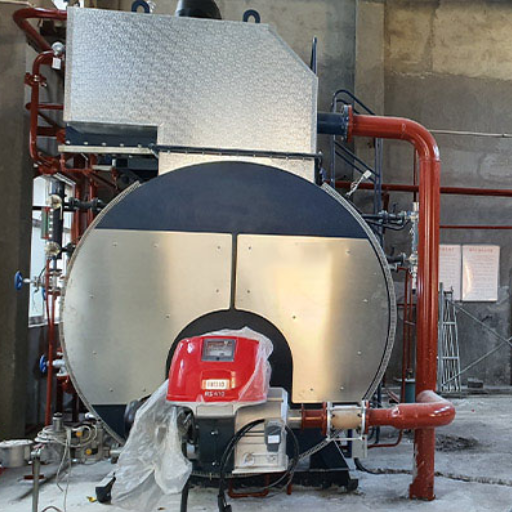
A: The selection of a steam boiler should start with firetube boilers which serve low to moderate steam needs and function well in small industrial sites because their design allows hot gases to move through tubes that water surrounds. Watertube boilers operate with water inside their tubes to produce high-pressure steam which enables them to meet the needs of large industrial operations that require heavy steam production because they deliver superior boiler efficiency and immediate response capabilities to various industrial processes.
Q:How Important Is Water Quality and Water Treatment for Boiler Operation?
A:Water quality and water treatment create essential requirements for selecting a steam boiler system. The use of contaminated water leads to boiler operational problems because it creates scale and corrosion while decreasing heat transfer. The implementation of water treatment systems protects the boiler equipment, ensures clean steam production, and maintains long-term performance for industrial electric and conventional boilers.
Q: Should I Choose an Industrial Electric Steam Boiler or a Fuel-Fired Boiler?
A: The selection process requires evaluation of industrial electric steam boiler systems versus fuel-fired systems based their operational costs and environmental effects and their available steam capacity and their existing power grid system. The industrial electric units work best for smaller industrial operations which need to produce high-quality steam because they combine compact design with efficient performance and simple installation and their steam production process generates almost no emissions. Fuel-fired watertube or fire tube boilers may be better for large high-pressure steam loads.
Q: How Do I Evaluate Boiler Manufacturers and EPCB Boiler Options?
A: Look for boilers from a reputable steam boiler manufacturer or an EPCB boiler provider that offers custom boiler design, installation support, and after-sales service. The company needs to show its certifications and references together with its actual boiler performance data and operational status of multiple installed systems which use its design in matching industrial applications. The right supplier will assist you in selecting a suitable boiler while determining the appropriate size based on your steam requirements and he will give you maintenance instructions for your boiler room operations.
Q: What Boiler Design Features Improve Efficiency and Steam Quality?
A: Modern boilers use advanced design elements that achieve maximum heat transfer while minimizing fuel consumption. The performance of a boiler system improves through the implementation of economizers and proper insulation and effective combustion control systems. The production of high-quality steam requires the implementation of blowdown control systems together with appropriate water treatment methods and steam separators. The selection of fire tube boilers for intermediate steam and watertube boilers for high-pressure steam determines both operational efficiency and steam generation temperature.
Q: Can Smaller Industrial Facilities Benefit from Compact and Efficient Boilers?
A: Yes. The smaller industrial facilities require firetube boilers which have compact designs and efficient performance or they need industrial electric steam boilers for their operational needs. The systems provide easy installation because they require minimal boiler room space while they deliver dependable steam production for heating water and transferring heat to various processes.
Q: What Operational and Maintenance Considerations Should Influence My Choice?
A: Consider boiler operation routines, ease of maintenance, accessibility inside the boiler for inspection, and availability of spare parts when choosing a boiler. The maintenance schedule for water treatment systems and control mechanisms and burner systems requires regular maintenance because it helps maintain optimal steam boiler operation and high-quality steam production. Staff training requirements and long-term monitoring capabilities for boiler operation and steam quality assessment should be included as additional factors.
Q: How Do Cost, Environmental Impact, and Future Needs Affect Choosing a Steam Boiler?
A: You must consider three factors when selecting a boiler which are its initial expenses and its running expenses and its effects on the environment. Modern boilers and industrial electric options may cost more initially but can reduce emissions and operating costs. Your selected boiler should maintain capacity for future steam requirements which will arise during business expansion and process modifications. This planning process helps identify the optimal industrial solution which satisfies present steam needs and future operational requirements.
References
-
Guide to Low-Emission Boiler and Combustion Equipment – A comprehensive guide on low-emission boilers and their selection.
-
Practical Guide to Industrial Boiler Systems – A detailed guide on industrial boiler systems, including operational insights.
-
Boiler and Pressure Vessels | Environmental Health and Safety – Guidance on selecting and operating boilers and pressure vessels.
- WNS Oil Gas Fired Steam Boiler – China Factory Horizontal Fire Tube Boiler
Efficiency First
Choosing the right boiler type today ensures sustainable growth and cost-effectiveness for your facility’s future.