Get in Touch with Taiguo

Fire Tube vs Water Tube Boilers: Which is Right for You?


Contents
show
Boilers serve as critical equipment in numerous industries since they enable operation of machinery and provide heating for various applications. The selection process for commercial boilers presents businesses with difficult choices between two distinct types of boilers which are fire tube and water tube boilers. The selection process requires organizations to evaluate their particular business requirements because each system provides different operational benefits through its unique operational capabilities. This article examines fire tube and water tube boilers through their main differences which include their advantages and disadvantages and their suitability for specific needs. The guide helps you select the appropriate boiler for your system whether you want to upgrade your current system or make a knowledgeable choice.
Key Takeaway
The choice between fire tube and water tube boilers depends on your pressure requirements, steam volume needs, and available space. Fire tube boilers excel in low-pressure, smaller applications, while water tube boilers are the powerhouse of high-pressure industrial operations.
Understanding Boiler Types
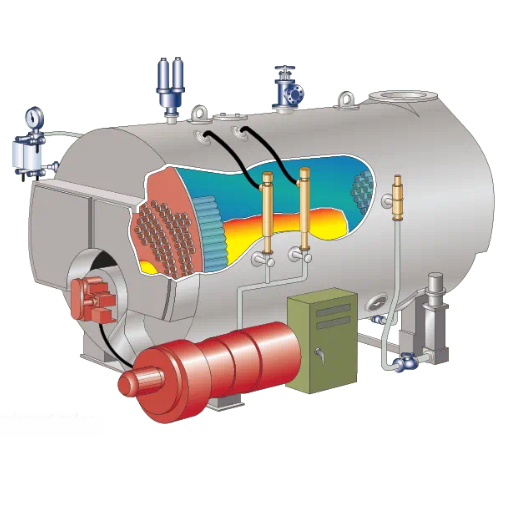
What is a Fire Tube Boiler?
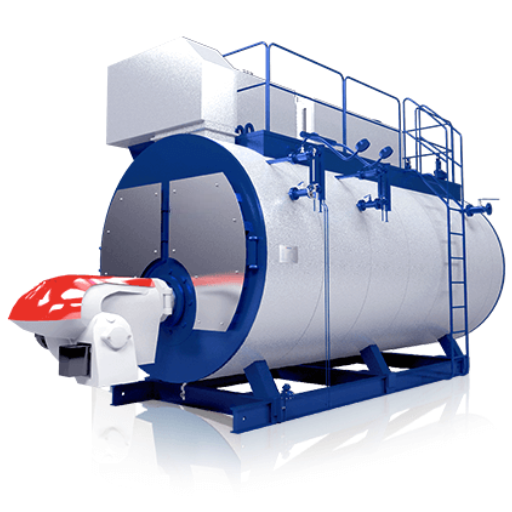
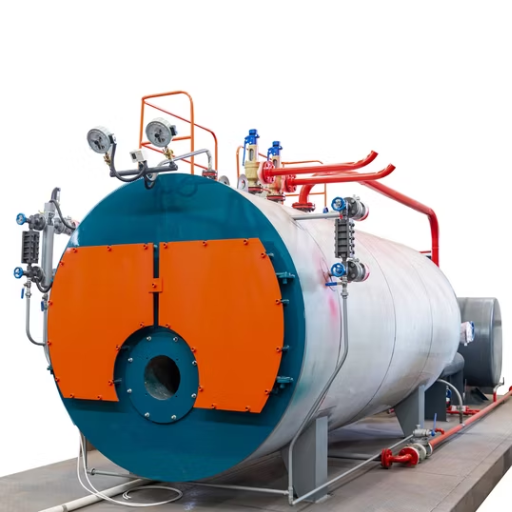
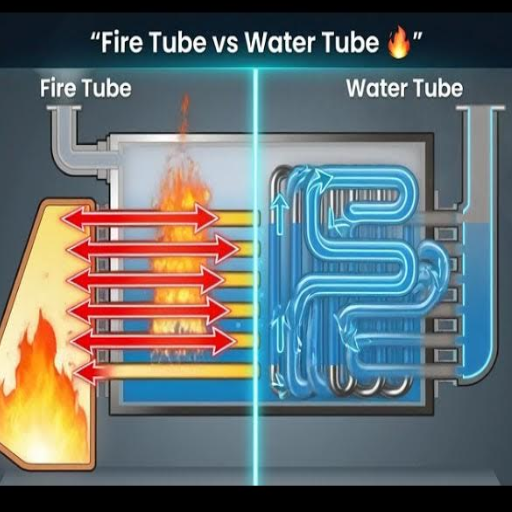
A fire tube boiler operates through hot combustion gases which travel through tubes that run through a water-filled system. The hot gases transfer their thermal energy to the water used for steam production. The design of fire tube boilers allows their use in situations which require small to medium steam production at low pressure.
Fire tube boilers offer users their main benefit because these systems operate with a straightforward design which requires minimal effort to operate. The design of these systems requires minimal space, which enables their installation and maintenance in locations with restricted movement space. Fire tube boilers provide users with an affordable starting price which leads to long-lasting performance that handles different steam usage patterns. These characteristics make them a popular choice for applications such as heating, industrial processes, and small-scale power generation.
⚠️ Important Note
Fire tube boilers encounter various operational challenges that limit their performance. The system design makes it impossible to operate at high steam pressure or high steam capacity because the water volume limits the system design. Fire tube boilers face difficulties when trying to produce steam at high speeds, and their efficiency decreases in certain operating conditions when compared to other boiler types.
What is a Water Tube Boiler?
A water tube boiler operates by circulating water through its tubes while external heat from burning gas, oil, or coal fuels heats the water. The system uses hot gases from fuel combustion which flow over the tube surface to heat the water that remains contained within the tube system. This design contrasts with fire tube boilers, which use hot gases to travel through tubes that sit inside a water-filled space.
Water tube boilers are commonly used in applications that require multiple steam production and high-pressure steam capacity. The system enables industrial processes and power generation because it operates at higher pressure and temperature levels compared to fire tube boilers. The design framework enables swift heat distribution, which leads to quicker steam production that meets the requirements of powerful operational spaces.
Water tube boilers receive preference because they provide both safety features and effective operational performance. The system minimizes the possibility of catastrophic failure because it stores only minimal water content inside its tubes. The modular design provides installation flexibility and maintenance simplicity through its customizable configuration. Overall, water tube boilers provide industrial facilities with dependable steam generation systems that operate efficiently across different operational scenarios.
Comparison of Fire Tube and Water Tube Boilers
Fire tube and water tube boilers show fundamental differences between their design characteristics, operational methods, and their intended use in different situations. Fire tube boilers operate with a basic design because they let hot gases flow through tubes which hot water encloses, making them suitable for low to medium pressure applications. Facilities operate at lower steam production levels, using these systems because they cost less to operate and their maintenance requirements are minimal.
Water tube boilers operate by letting water travel through pipes which hot gases surround. The system operates at high pressure levels, which enables it to produce steam at an accelerated rate, making it suitable for use in large industrial operations. The system operates most efficiently when power generation activities require high operational performance during variable load conditions.
💡
Pro Tip
The decision between fire tube and water tube boilers requires an analysis of specific operational requirements. Fire tube boilers serve better for applications requiring low pressure and minimal maintenance. The best solution for high-pressure needs that require strong and effective operations is water tube boilers.
Boiler Operation and Efficiency

How Fire Tube Boilers Operate
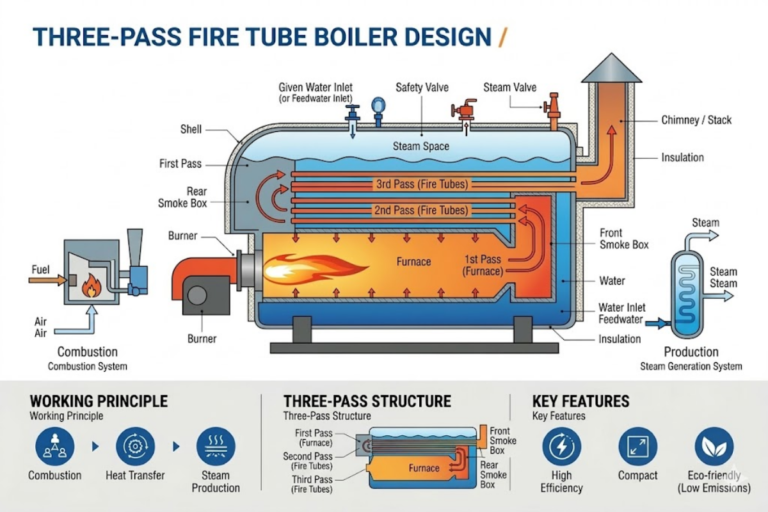
Fire tube boilers function by passing hot gases from a heat source through water-filled tubes which run through the system. The water surrounding the tubing system absorbs heat from the gases, resulting in water heating and steam production. The generated steam powers various applications, including heating systems, power generation, and industrial operations. The system design delivers effective heat transfer while maintaining uniform steam output.
The operation of fire tube boilers is relatively straightforward. A burner ignites the fuel, generating hot gases that travel through the tubes. The gases travel through different sections of the system, which enables better heat transfer and higher operational efficiency. The system controls the combustion process to achieve maximum efficiency while decreasing waste production. Fire tube boilers include safety features which monitor both pressure and temperature to maintain safe operational conditions.
Fire tube boilers function best when they produce low to medium pressure steam, making them suitable for food processing, textile manufacturing, and heating system applications. The equipment requires minimal upkeep while maintaining a small footprint and delivering cost-effective performance. It is essential for users to comprehend operational restrictions and perform regular maintenance to sustain system performance and safe operation over time.
How Water Tube Boilers Operate
Water Tube Boilers function by moving water through tubes which contact a heating element. The process begins with fuel combustion or alternate energy source usage, producing heat that reaches the water inside the tubes. The system produces steam which industrial users or heating applications can utilize according to their specific needs.
Water tube boilers enable efficient heat transfer, allowing them to operate under extreme temperature and pressure conditions. The design of water tube boilers enables faster water heating because their tubes provide greater surface area for contact with heating elements. The design prevents overheating and pressure buildup, which creates safer operation conditions when users establish proper system configuration and maintenance procedures.
The water tube boiler system provides power generation facilities with compact, lightweight equipment that delivers high steam production capacity. The system operates in power generation facilities and manufacturing sites which require efficient steam production. Regular maintenance and adherence to operational guidelines are required to achieve peak performance and an extended system lifespan.
Efficiency Metrics: Fire Tube vs Water Tube
Water tube boilers demonstrate superior steam production efficiency and total energy efficiency when engineers assess fire tube and water tube boilers. The system achieves high efficiency because its design enables water to flow through pipes which receive heat from burning gases. Water tube boilers provide exceptional performance for power plants and industrial facilities because their extensive heat transfer surface areas enable fast steam production while minimizing energy losses.
Fire tube boilers function best when users need to create between low and moderate steam requirements because their maintenance needs remain low and their system design stays uncomplicated. The system generates steam at a slow pace because hot gases move through tubes which water surrounds. The system operates with less efficiency because of its design, which restricts performance to lower levels than water tube systems.
90%+
Efficiency levels achievable in modern water tube designs compared to standard fire tube models in high-demand environments.
Applications of Fire Tube and Water Tube Boilers
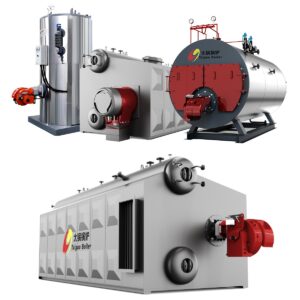
Industrial Applications of Fire Tube Boilers
Various industries use fire tube boilers because these systems provide easy operation, dependable performance, and economical pricing. The food and beverage industry uses these systems to produce steam for cooking, sterilization, and processing activities. Their capacity to function at reduced pressure levels makes them suitable for these tasks while using minimal energy resources.
Fire tube boilers serve an important purpose in both small-scale manufacturing facilities and textile production operations. The systems generate steam or hot water which enables equipment operation, temperature control, and dyeing/drying processes. Facilities with restricted space can utilize these systems because of their compact design and basic maintenance requirements.
Fire tube boilers serve both institutional and residential spaces as essential heating systems for schools, hospitals, and apartment complexes. Their system operates at lower pressure levels, producing constant heat output to create safe functioning conditions in spaces that cannot handle high-pressure systems.
Industrial Applications of Water Tube Boilers
Water tube boilers function as essential equipment across different industrial sectors because they demonstrate high efficiency while producing high-pressure steam. Power generation, chemical processing, and refinery industries operate their businesses through these boilers which produce large quantities of steam and hot water. The design enables them to transfer heat rapidly and produce steam at high speed.
Power plants operate their power generation systems through water tube boilers as primary steam generation equipment. The boilers produce high-pressure steam which drives turbines to create electricity. The system achieves high energy production through its capability to handle both high pressure and high temperature conditions.
Water tube boilers serve as essential equipment for manufacturing and processing facilities including paper production, food processing, and textile manufacturing. These industries depend on water tube boilers to produce steam for processes including sterilization, cooking, and fabric treatment. The system maintains its role as essential industrial equipment because it adapts to different operational needs.
Choosing the Right Boiler for Your Needs
- 1
Assess Operational Needs
Evaluate planned process activities, necessary steam/hot water production, and existing fuel options. - 2
Evaluate Efficiency and Cost
Focus on energy efficiency ratings and emission-reducing elements to ensure long-term fuel savings and environmental compliance. - 3
Examine Maintenance and Support
Ensure the boiler matches installation requirements and features simple operation controls for dependable functionality.
Maintenance Requirements

Maintenance of Fire Tube Boilers
Regular maintenance of fire tube boilers is indispensable for their safe operations. Basic tasks include frequent inspection for indication of wear, corrosion, or leaks. Regular cleaning of the fire tubes prevents soot and scale buildup, which minimizes heat transfer and maximizes fuel consumption. All instrumentation gauges, especially water and pressure, ought to be frequently checked for reliable performance.
Planning regular plant checks verifies the integrity of steam generator parts. Safety valves, combustion settings, and boiler controls require performance testing. Immediate replacement of any defective parts protects against breakdown. Treating the feedwater is similarly important to prevent scale buildup and corrosion, which shortens the boiler’s lifespan.
Keeping records of all inspections and repairs is of utmost importance. Documentation tracks the boiler’s health and maintains compliance with industry rules. Effective maintenance schedules minimize downtime and maximize performance.
Maintenance of Water Tube Boilers
Frequent maintenance is required for the proper functioning of water tube boilers. Important tasks include the inspection and cleaning of the tubes. Sediment and scale can collect over time, hindering heat transfer and causing tubes to overheat. Cleaning ensures good working condition by elimination of these deposits.
Another concern is looking for wear and tear on essential components like valves, pumps, and burners. These parts are crucial in maintaining boiler safety and should be inspected for corrosion or problems. Quick repair of parts avoids hazardous situations during operation.
Monitoring water quality is crucial for averting long-lasting impacts like scaling and inefficiency. Regular water testing and treating, including pH adjustments and water softeners, protects the system. Implementing a sound preventive maintenance program is required to normalize performance and safety.
—
Longer Lifespan: Factors to Consider
Certain factors affect the lifespans of both fire tube and water tube boilers. Fire tube boilers normally have a simpler structure, making them ideal for low-pressure requirements. They tend to last longer where there is little wear due to durable construction. However, fire tube boilers are more prone to scale and corrosion in impacted water quality situations.
Water tube boilers can handle higher pressures and temperatures, making them preferable for industrial use. While they are more efficient in heat transfer, they need further preventive care, such as frequent water chemistry monitoring and exact maintenance procedures to inhibit corrosion or tube failure.
Ultimately, lifespan boils down to proper maintenance and running conditions. If maintained in accordance with safety norms, both types can lead to a longer life. The relevant type should be selected based on specific application demands like pressure levels and water quality to ensure optimized efficiency.
Conclusion: Making an Informed Choice
Summary of Key Differences
Fire tube boilers are preferred for low-pressure environments due to simplicity; water tube boilers are suitable for high-pressure and high-capacity scenarios due to rapid steam generation.
| Key Point | Fire Tube Boiler | Water Tube Boiler |
|---|---|---|
| Pressure Range | Low to medium | Medium to high |
| Efficiency | Moderate | High |
| Steam Production | Slower | Faster |
| Maintenance | Easier | Complex |
| Water Content | High | Low |
Future Trends in Boiler Technology
Boiler technology is constantly changing to meet requirements like higher efficiency and ecological soundness. One substantial factor is the focus on energy-efficient design. Modern boilers minimize fuel consumption and make heat recovery smoother. The development of condensing boilers using heat exchangers for retrieving latent heat from exhaust gases is a major step forward.
Digitization is bringing real-time inspection and predictive maintenance to boiler systems. Smart boilers containing IoT components warrant quicker fault detection, helping to cut down on system unavailability and extending equipment lifecycle.
Finally, focus is being given to eco-friendly solutions. Manufacturers are employing adjunct fuels like biomass and hydrogen due to strong regulations for CO2 and NOx emissions. The drive toward these innovations comes from global sustainability targets and the expectation for clean industrial practices.
Frequently Asked Questions (FAQ)
Q: Which is the principal difference herein fire tube vs water tube boiler?
A: The main difference is the flow arrangement because in a fire tube boiler, hot gases flow inside the tubes surrounded by water in the shell; whereas, in a water tube boiler, water flows inside the tubes surrounded by hot gases. Another important consideration is that firetube boilers have larger volumes of water and a critical steam disengaging area, making them well-adapted to constant loads; conversely, watertube boilers have less water, need less water input, can function under higher pressures, and demonstrate quicker reaction times on a surge in pressure.
Q: How does a firetube boiler differ from a watertube boiler in terms of safety and risk of a catastrophic failure?
A: These boilers differ greatly in terms of safety concerns. A firetube boiler consists of a huge volume of water and steam contained within a single shell, yielding a potentially catastrophic situation in case of any failure. On the other hand, the watertube boiler with a small quantity of water inside the individual tubes does experience reduced potential energy that might start releasing additional deadly burst pressure energy. Watertube boilers, however, demand extremely robust water treatment and monitoring of the tubes for metal-wall-integrity due to the water held inside the many smaller tubes having a chance to fail owing to corrosion or thermal stress.
Q: Which type of boiler- firetube or watertube- is better in industrial boiler applications and high-pressure settings?
The tougher watertube design is normally far preferable for industrial purposes and high pressures, as pressure and temperature can be handled much better, owing to the tube-and-steel plate construction. The higher steam generation rates and rapid responses to load surges of the watertube vs. firetube design, along with a decreased possibility of catastrophic failure, make them ideal for industrial applications that require high performance levels and specified pressure ratings.
Q: What is the relationship between condensate and condenser performance issues with firetube and watertube designs?
A condensing boiler recovers latent heat from its flue gases when return temperatures are low and water in the heat exchanger is carefully managed. Designs can be implemented only in connection with firetube and watertube boilers if the latter are employed with the condensing engine. The firetube condensing boilers have ample firetube volume and can usually be integrated into hydronic systems without much more difficulty. Watertube condensing features are capable of greater turndown and efficiency.
Q: What is the importance of the treatment of water and boiler maintenance of the actual fluid for both watertube and firetube boilers?
A: Water treatment and proper maintenance are mandatory for both water tube and fire tube boilers since impurity leads to rapid corrosion and scale formation within tubes and top of boiler heat transfer surfaces. Hydronic boilers, whether water or firetube boilers, must be water-treated to shield water through the heat exchanger, regulate flow rates, avoid deposition that increases pressure drop, and lengthen the lifespan of the equipment. Boilers, also called hydronic boilers, will benefit from blowdown, treatment with chemicals, and monitoring the differential pressures across the heat exchanger.
Q: Which one should be chosen whether having less space or much constraint in space: firetube or watertube?
A: watertube boilers often offer a smaller footprint compared to the same energy owning to the design of modular tubes and compact steel plate construction. Despite being in a more difficult piping design, it is desirable because of its lower footprint. In contrast, firetube boilers are much larger in shell and water volume compared to space constraint, which is also understandable.
Q: What are the differences in turndown, minimum flow, and flow rate between firetube and watertube boilers?
A: Watertube boilers generally higher turndown ratios and react better to rapid load changes because they have a smaller volume of water and less thermal inertia; therefore, they can accept lower minimum flow and quicker changes in flow rate without suffering thermal stress. Firetube boilers, having much larger water and steam volumes, have more differential during load swings and might need minimum flow controls to keep localized overheating at bay; their turndown is often worse than watertube alternatives. However, firetubes are more forgiving toward steadier loads
References
Boilers – Visual Encyclopedia of Chemical Engineering – A detailed overview of fire tube and water tube boilers, including their applications.
Selection of Boilers – North Carolina State University – A guide on selecting boilers, including fire tube and water tube types.
Principles of Feed Manufacturing: Efficient Boiler Operation – Kansas State University – Explains the operational principles of fire tube and water tube boilers.
WNS Oil Gas Fired Steam Boiler – China Factory Horizontal Fire Tube Boiler