Get in Touch with Taiguo

Complete Guide to LHS Vertical Steam Generator

Contents
show
It is undeniably true that LHS Vertical Steam Generators have secured an edgy niche when it comes to convenient steam generation for many businesses and industries. This all-inclusive guide will shed light on all that matters concerning this new-age device, giving you useful points to consider its core function and design, its potential benefits, & its possible applications. Whether you are exploring new steam generators for your production or are just interested in how it works, this guide will take you through the key considerations. So you’d appreciate not only the uniqueness of the LHS Vertical Steam Generator but its application to leverage and enhance your operational excellence by the end of this article. It will provide the fundamental concepts for you together with knowledge to empower making an informed decision.
Understanding the LHS Vertical Steam Boiler

Overview of LHS Series Vertical Steam Generators
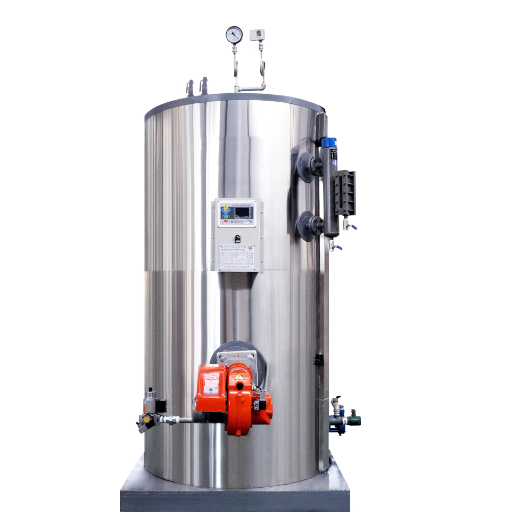
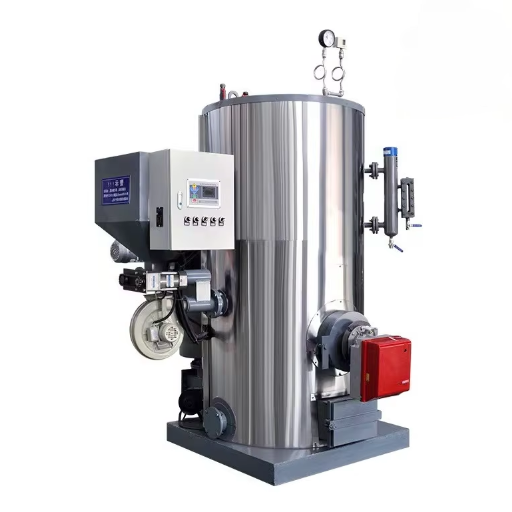
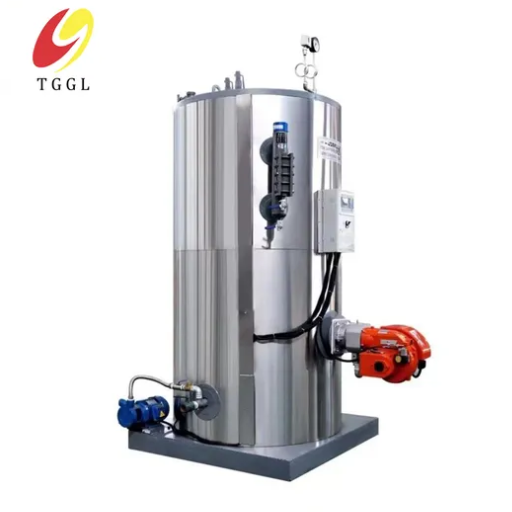
Compact in size, energy-efficient, and designed to be used widely, the LHS Series Vertical Steam Generators stand with great advantage for vertical orientations saving space facilitating installation in buildings with space constraints. The system is designed to produce orderly and effective steam with negligible maintenance, hence partnering its offering with performance-driven demands.
Among the distinctive features of LHS Vertical Steam Generators is their ability to generate steam quickly and efficiently, which has a direct impact on their capacity to decrease energy loss and to perform in a faster fashion than conventional systems. Simple and easy to maintain features with user-friendly controls promote its efficient management. Consequently, it finds widespread application across industries such as food processing, pharmaceuticals, and small-scale industry.
The LHS Series is built on one of the most important parameters: the system must be reliable. With the use of advanced materials and safety features, these units will serve for long periods with minimal downtimes. The safety systems prevent overheating and overpressure levels-not only does this optimize sustainability, but also assures well-being for operators. A convenient feature is that these systems do not require much maintenance, making them economical for industries intent on increasing output, but with the least ecological impact.
Key Features of Gas Steam Boilers
High Efficiency:
The gas steam boilers in current design implementations have very high thermal efficiency rates, usually at above 90%. Using a blend of state-of-the-art heat-exchange technology and combustion efficiency improvements, substantial electricity consumption is offset by the boilers for lower operating costs. In particular, condensing boilers can approach almost 98% efficiency with the thermodynamic reciprocation of latent heat further for their manufacture.
Low Environmental Footprint:
Comparatively to the traditional coal-fired boilers, gas steam boilers have highlighted contributions toward cleaner emissions. So equipped and equipped with many a system that allows compliance with the stringent demands of environmental standards, such exclusive merit has addressed greenhouse gas emissions and thereby contributed to cleaner air. In pursuit of a specific example, there stand some up-to-minute types with NOx emissions generally below 30ppm, connecting to the most recent environmental regulatory standards.
Fast Response and Continuous Supply of Steam:
These boilers stand out in fast start-up by being able for full operation in minutes. The steady and consistent availability of its steam ensures smooth industrial processes, which makes it greatly apt for the food, chemicals, and textiles industries.
Compact Design and Space Saver:
The compact design of gas-fired steam boilers; makes for very convenient installation in confined spaces such as cellar wells. Where possible, the best machines incorporate equipment like economizers and condensate recycling systems so as to reduce reliance on external equipment, thereby helping various spaces to have extra room.
Advanced Control Systems:
Products from the latest age were built to control gas steam boilers with advanced computer tracking and automatic settings for perfect temperature and pressurization. If operators choose-and that should be done-it can also be ascertained that they are moving on with their heads high due to the real-time tracking of industry happenings for powerful performance and, say, immediately diagnosing and troubleshooting in case of issues.
Durability and Longevity:
Gas-fired steam boilers are designed with materials that do not corrode easily, such as stainless steel or even higher-grade alloys. They are designed specifically to work under extremely tough industrial conditions. With the right care, these boilers can endure for twenty years or more, a true solution for the long haul.
Versatile Applications:
These gas-fired steam boilers are pretty versatile tools and prove crucial in a broad range of industries including health care, food processing, chemical processing, and electronics manufacturing. Their high-pressure steaming ability means they are well suited to high-pressure applications required by these industries.
Cost-effective Operation:
Gas-fired steam boilers always equal economic sense in the long run because they get great at efficiency in fuel consumption, need only light maintenance, and are versatile. An efficient fuel use and automation system run on reduced fuel costs and make the system a more economical way, particularly if the industry is highly demanding.
Integrating state-of-the-art technology while satisfying economic and ecological necessities, gas steam boilers ensure a reliable, efficient, and sustainable facilitator for modern industrial processes.
Working Principles of the LHS Vertical Steam Generator
How the LHS Series Operates
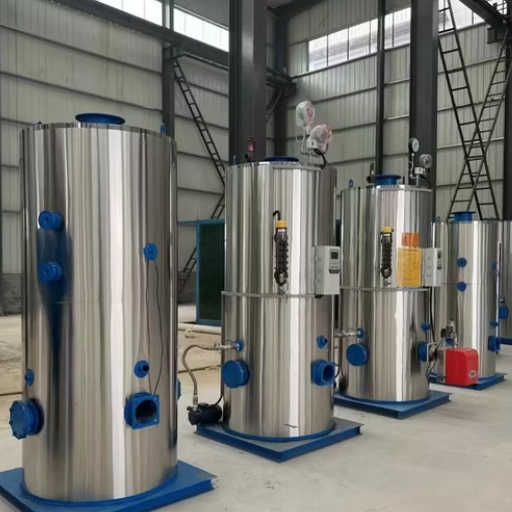
The LHSCentral vertical boiler uses a highly efficient heat exchange system to heat water until it generates steam. The process is initiated as water enters the chamber of the generator and is heated instantly through the combustion process. This element supports steam generation with minimal energy expenditure.
Moreover, once the water has changed to steam, the system will regulate and maintain the output ensuring compliance with industrial requirements. The generator is equipped with automated control systems to monitor temperature and pressure levels and keep optimum working states. In doing so, its design minimizes any need for manual operation while maintaining reliability of its control behavior while offered.
Emphasis on simplicity and efficiency can be seen in the overall design of the LHS steam generators. With an excellent price-performance ratio, this compact vertical construction makes it a good choice for facilities with limited space. Furthermore, the system encompasses such provisions that reduce emissions and energy consumption, in tune with current standards in environmental and economic sustainability.
Thermodynamics Behind Vertical Steam Generation
Vertical steam generation operates on the basis of thermodynamic principles, wherein, heat energy is utilized to convert water into steam by changing the phase of water. Heating water up to its boiling-point requires energy from an external source, and then, at the boiling point, the water is converted to vapor. From this stage, further addition of heat is required to overcome the latent heat of vaporization and accelerate concentrated steam release.
The compact design of vertical steam generators is one of the prime advantages, enabling greater heat transfer in a space that is much smaller. The vertically oriented design supports natural circulation of water and steam where hot water rises and cool water descends, thereby boosting water and steam circulation. This ensures lesser heat losses with better energy utilization by the constant movement of water and steam within the system.
Meanwhile, vertical steam generators, modern thermal shielding and efficient burner technology are designed to not only reduce energy use, but also reduce operating expenses and the environment. The mixture of heat input, water activity, and steam outlet follows the very core of thermodynamics so that it can be applied into tight spaces or, commercially, regulated spaces.
Fuel Types: Gas, Biomass, and More
The selection of fuel is crucial in determining the efficiency and environmental impact of heating systems. Gas is the most commonly used fuel due to its wide availability, cost effectiveness, and continual energy output. Natural gas gives rise to cleaner combustion as compared to most other fossil fuels, hence minimizes carbon emissions. However, a good network of pipelines must be established for gas distribution, which renders it unsafe for remote locations.
Biomass is a renewal energy source derived from organic materials, for example, wood pellets, residues from agriculture, or energy crops. This requires a renewable-growing alternative to fossil fuels through the reuse of materials that would otherwise be waste. Greenhouse gas emissions are less while sourced and managed respectfully from biomass combustion, although an appreciation of regular maintenance is necessary for biomass systems and more space for storage in comparison to gas systems.
Powering on other fuels can be highlighted by use of electricity, oil, and geothermal energy. Electric energy, when generated by renewability methods, such as wind or solar, can effectively energize efficient heating operations. The conduct term which signals to the contrast is; oil is still a traditional approach in some areas, but unfortunately, it is less environmentally friendly, as it leads to a high level of emission of carbon. Compared to renewable sources, geothermal energy is also limited by enormous upfront investments to capture the natural heat from the Earth. The selection of the fuel relies on aspects of availability, sustainability, or otherwise environmental thoughts and the actual needs of the other heating system.
Benefits of Using LHS Vertical Steam Generators

Efficiency and Performance Advantages
LHS vertical steam generators are designed to optimize energy efficiency and performance. They achieve this by incorporating advanced engineering principles that ensure a minimal amount of energy losses and optimal heat transfer. With a near-constant stream of steam being produced, the generator uses far less fuel, which makes it both an energy-efficient and cost-efficient solution for various applications.
A great plus for these machines is their compact nature and space efficiency. They are small enough to fit into confined spaces without any compromise toward what an output machine built into space could achieve. The vertical makeup of the machines highly attunes small floor area-taking benefit in facilities with restricted space for bulky equipment. Into the bargain, its simple designs mean easier localization for maintenance and less downtime.
In conclusion, the operational reliability of the LHS vertical steam generator caters uniform operations and low human health and environment impact. Safety systems are paired with the constant capability of stringent use in all situations. Business-wise, they make good sense for economic sustainability.
Cost-Effectiveness and Energy Savings
On a cost-effective foundation, one LHS vertical steam generator is designed for efficient resource use and economical performance. The fuel or energy bill advantage, as it arises out of minimal energy use associated with the system’s operation environment, tallies up the savings in that respect over the years.
Energy savings come from proprietary advanced techniques wherein heat can be recovered or lost likewise through dedicated heat transfer into the system. This clarifies that waste outputs are fewer and that overall efficiency is higher.
In addition, the LHS vertical steam generator, because of its low environmental effects, is cheaper in the long term. The mentioned transition to sustainability offers a range of benefits such as lowered emission levels that can earn much lower overhead due to regulatory harassment. It also gives an excellent impression to outsiders who will look at this product. Combining energy saving for financial purposes and ethical responsibility would surely make this the prime choice for outfits that firmly need to weigh economic and environmental interests.
Environmental Impact and Sustainability
Understandable adverse effects in correlation with operational industrial steam generators have indeed become an essential concern for undeniably eco-conscious organizations. Massively energy-efficient steam generators serve to reduce greenhouse gas emissions through low fuel consumption during operation, effectively contributing to reducin the absolute amountrelease of carbon dioxide into the air, thus acting to conserve non-renewable resources for the long haul. Adapting to more sustainable machinery can be an important pattern of contribution to the global struggle against climatic alterations.
Sustainability is further enhanced by decreasing the amount of maintenance needed in the promotion of energy-efficient, longer-lasting equipment. In addition to water-saving measures in water circulation systems, thus minimizing waste and generation of effluent, the steam generators also have welded construction systems for long, maintenance-free operation. These systems reduce the carbon footprint of the sector by increasing the time that passed when the heap of old equipment is replaced with new ones.
Making your business energy-efficient and eco-friendly will help you to conform to increasingly stringent environmental norms. Companies engaging with sustainable business technologies keep operational costs in check, in addition to putting their corporate brand right in the crosshairs of their market stakeholders. The two-in-one scenario clarifies the rewards for integrating the ecofriendly best practices toward your manufacturing area invariably meant for overall healthy planet and business success in the long run.
Maintenance Tips for Longevity and Efficiency

Regular Maintenance Practices
Some of the points regarding maintenance often include as a usual condition of the case:
Daily Inspection:
A daily phase of visual checks is the basis of good monitoring systems: watch the pressure levels for startups and the water levels.
Investigate the Water Quality:
Test and treat the water used in the generator so that scaling and corrosion if taking place may be preventable. ASME guides suggest balancing pH levels and decreasing dissolved solids to help materials live longer.
Cleaning and Flushing:
Clean the interior of the steam generator of any sediment or other dirt that may have accumulated. The presence of a good flushing schedule ensures good heat transfer and no accumulation of foreign particles.
Examination of Safety Valves:
Safety valves which have been installed could be tested at regular intervals for the purpose of ensuring that they duly answer to pointing out hazards when the boiler was under a substantial amount of pressure.
Lubrication of Moving Parts:
Proper lubrication to the moving parts such as pumps and motors should be applied in order to minimize friction and mechanical wear thus improving the machine’s performance.
Routine Calibration:
Regulating sensors and control systems also need to be calibrated on a consistent basis keeping in mind accuracy standards as well as the control of the steam generator.
Further, when following a regular maintenance practice, encouraging a lesser maintenance cost and continuous energy efficiency, the lifespan of the LHS vertical steam generator would show substantial improvement. It would be worthwhile to mention here that recent reports point toward a steam generator being maintained at a level that can improve energy efficiency up to 10%, resulting in both cost savings and environmental sustainability.
Common Issues and Troubleshooting
Because of the LHS manual steam generator vertical construction, some problems occur more frequently than others. Early identification and corrective action contribute significantly to the preservation of operational functionality and service life. Some common problems and their solutions are given here.
Reduction in Energy Efficiency:
One common issue is the noticeable lack of energy efficiency during the operation, which could be caused by the valve becoming clogged with debris due to poor water treatment; the maintenance manual will tell the operator how this can be cleared up. Descaling the unit through periodical cleaning will improve the situation. Best practice for the water-treatment procedures would be to prevent mineral deposits and impurities from entering the system. It is therefore necessary to carry out maintenance checks at proper stages to catch these issues early.
Steam Leakage:
Discharge of steam is a common problem as well, generally due to worn-out sealing elements or damages to the vanes. The easiest tasks to be conducted are the close inspection for wear and tear in every seal and vane and replacement of any defective part straight away. All connections should be made secure and be tightened up so as not to recur the problem of leakage any more.
Irregular Steam Pressure:
A variation in steam pressure might result in process discontinuation as it relates to problems like clogged utilities, pressure regulator setting that was either too high or too low, or boiler systems with inadequate capacity. Clean or replace the parts in trouble. It is crucial to set demand-adjusted operations, and the manufacturer’s guideline for pressure control should be consulted.
The minute one can confirm the adoption of such standard preventive medicine by producing a regular breakdown analysis, a high percentage of these problems will be eliminated, while the rest will be quickly resolved for the LHSTMs to swiftly operate with efficient reliability through all the years.
When to Contact a Supplier for Service
For example, if something strange is happening with your equipment-continuous breakdowns, strange noises, inconstant functions- the first choice is to contact the supplier or service center for answers. This could be a result of a cloud of trouble and could be a point at which the malfunction needs an examination from the experts to avoid something bigger from occurring and adding downtime.
Another significant reason, really, to contact your supplier is when carrying out regular maintenance; every machine that is meant for optimal operation also must have some amount of periodic inspections, cleanings, and possible parts changes. Service technicians provided by the supplier can do these changes, in turn making safe and efficient operation as well as an extended life for your machines.
Finally, if you need clarification on the proper functioning of the equipment or have questions regarding topics that have not been covered in the user manual, then you should contact your supplier. Usually, you would find also that suppliers have a technical support team that can offer expert opinion, troubleshoot the issue from a distance, and organize an on-site job if the need arises. It would be good practice to inform them promptly so that the issue may not worsen, require significant attention, or have costs incurred on its behalf.
Applications of LHS Vertical Steam Generators

Industries Utilizing LHS Series Vertical Steam Generators
The LHS series of vertical steam generators are used extensively from a multiple-industry standpoint for its efficiency and reliability.
Healthcare and Pharmaceuticals:
For the purification of equipment, surgical instruments, and laboratory goods, these Itemss are widely used in healthcare institutions. Hospitals and pharmaceutical companies use LHS products to meet strict hygiene and safety standards.
Food and Beverage Industry:
In food production processes such as pasteurizing, cooking, and sterilization, steam constitutes a critical resource. Thus, LHS vertical steam generators create an even, reliable source for delivering variable steam within food standards. The report issued suggests that the industry is likely to witness a CAGR of above 6%, leading to increased measure of demand for appropriate steam equipment.
Textile Industry:
In the process of fabric dyeing or finishing, the importance of steam is great when it comes to uniforming and enhancing a quality product in textile production. Steam generators by LHS are compact and truly plug-and-play in the textile mill, henceforth promoting energy savings and cost-effectiveness for these efforts.
Chemical and Petrochemical Industry:
Steam generators are necessary for distillation, re-boiling, and chemical conversion. The LHS series is recognized as having superior energy efficiency in heavy-industry conditions, reducing operating costs to meet sustainable objectives.
Hospitality/Hotel Industry:
Steam systems are used in the hospitality industry for laundry, heating, and sterilizing purposes. Hotels trying to upgrade their operational effectiveness with cost-effective, stable steam generators will definitely be switching to the LHS equipment.
Various industries would find the LHS series vertical steam generators to be versatile and adaptable. In the years ahead, they are expected to play a larger role in improving industries. The world’s industrial generators are hence expected to see significant growth, with the innovative steam generators’s capabilities being an instrument in continuing to sustain and promote industrial operations.
Future Trends in Steam Boiler Technology
Sustainability, efficiency, and automation are the agendas for the future of steam boiler technology. This is the scenario with escalating importance for seeking a higher level of energy efficiency as different industries increase effectiveness while trying to cut costs and minimize energy wastage. It appears that the trend-setting aspect of future steam boiler-system development will involve improvements in HRSG and conservation of fuel. As a consequence of the efficiency improvements, a reduction in emissions is expected to take place, thereby standing in sync with the green goals which resound in a global chorus.
Sustainability trends are forcing the inclusion of cleaner energy resource options like biomass fuels and other renewable fuels to steam boilers. The demand under environmental regulations is accentuating the need for manufacturers and industries to develop technologies that would minimize the release of greenhouse gases. Moreover, advanced steam boilers running on alternative energy sources will provide a greener and sustainable industrial environment.
Automation and advanced control systems play a role in the way ahead for steam boilers. The modern technologies used include IoT-enabled sensors and machine learning algorithms that monitor performance, predict maintenance needs, and on the go optimize operations. These innovations reduce downtime, provide operational safety, and render performance secure and consistent, allowing business owners to secure an easy but economical resource for meeting requirements in steam generation. The direction of these trends lays down a forward-looking approach towards adaptability and technological integration for industrial processes.
Frequently Asked Questions (FAQ)
Q: What is LHS Vertical Steam Generator and how does it differ from a conventional fire tube boiler?
A: An LHS vertical steam generator is a compact vertical fire-tube steam boiler.
Q: What are the main types of fuel to power the LHS Vertical Steam Generator (gas, fuel oil, biomass)?
A: LHS Vertical Steam Generator can be fired using various fuels such as gas, fuel oil, oil gas, and even with possible conversions for use as biomass. LHS series fuel and oil gas steam generator models are suitable for full combustion and operation on wns or ygl vertical equivalents, thought somewhat modified to suit your specific capacity and heat exchanger-size requirements.
Q. What are the steam capacities and applications for the LHS series of steam boilers?
A. Vertical steam generators for the LHS series are available in a cascading steam capacity suitable for small to medium industrial requirements, ranging from low-capacity quick-start units for high-temperature cleaning to those of the larger units for process steam, heating surface demands, or autoclave sterilization. Instantaneous steam generation is useful for operations that require a quicker start. The model provides good quality steam, controlled by its own pressure controller and pressure gauge.
Q: How safe and reliable are the LHS Vertical Steam Generators, and what safety devices are included?
A: The first priority is for the safety. LHS Vertical Steam Generators include protection devices such as a relief valve or pressure relief valves, pressure relief, low water level and water shortage protections, water level gauge, pressure controller, and safety devices to guarantee safe and reliable operation. Fully automated controls, induced draft fans, and micro-positive pressure design reduce high-temperature flue gas risks and ensure safe combustion chamber management.
Q: How does the LHS design manage combustion and flue gas to ensure efficiency?
A: According to Taiguo’s LHS product information, the vertical fire-tube design uses a large combustion chamber for complete fuel combustion. Inserted flue tubes slow the gas flow and reduce exhaust temperature, supporting heat transfer through the boiler.
Q: Can we integrate LHS Vertical Steam Generators with existing hot water boilers or electrical boiler systems?
A: Certainly, LHS Vertical Steam Generators can be smoothly integrated with central heating systems and related appliances like hot water boilers, electric boiler addition or work independent of other fired boilers such as the dzl, szs, or szl types. In such logs, capacities of both steam, control system, and safety interlocks such as pressure gauge, relief valve settings, and water level gauge with interlocked operation are matched.
Q: What kind of maintenance and error correction should you expect with the LHS vertical steam generator?
A: Absolutely needed are the combustion chamber and another burner, adjustment of the burner towards full combustion, review of the flue and heat exchanger for soot or high-temperature flue gas residues, pilot testing of safety devices such as the relief valve and low-water-temperature protection, and monitoring of the pressure controller and water gauge. Problems like water shortage, being plugged into the flue, insufficient combustion causing reduced steam generation, and high-temperature wear are common issues.
Q: How do LHS Vertical Steam Generators compare to taiguo boiler products or other market models like YGL vertical and wns?
A: Great, LHS vertical steam boilers give stiff competition to Taiguo boiler products, YGL vertical, and WNS products by benefiting from quick steam start in the unit, its small vertical configuration, and multiple safety devices provided. Design specifics—size of heating surfaces, size of large combustion chamber space, grate options for biomass, level of automation—all are giving way to differences/ differentiation. The main differences between different manufacturers are in terms of boiler manufacturing quality, induced draft performance, and available pressure relief configurations.
References
-
Stability analysis of dynamic heat transfer
Link to source
This document discusses heat transfer dynamics in steam generators, including their role in transferring heat from the primary to the secondary loop. -
Simulation of the cyclic steam injection process in a petroleum reservoir
Link to source
This thesis explores steam injection methods and their applications, providing insights into steam generator processes. -
Computational Optimization of Design and Variable Operation
Link to source
This paper includes discussions on heat recovery steam generators and optimization techniques. - LHS Vertical Boiler: High-Efficiency Gas & Oil Fired Steam Generator