Get in Touch with Taiguo

Industrial Hot Water Boiler Applications Guide


Contents
show
Hot water boilers are the unsung heroes of numerous industrial resources, boosting efficiency and reliability across many sectors. From manufacturing to power generation, healthcare, and food production, these systems are pertinent requirements to keep operations functioning smoothly and sustainably. This publication takes a look at the myriad uses of industrial hot water boilers, hoping to make clearer just how the appliances stay indispensable as an operational support and aid to businesses globally. Energizing your energy-efficiency strategies, or conversely studying how to attune boilers to suit definite industrial requirements, this sophisticated summary is full of insights that might very well help.
Understanding Industrial Boilers
How Boilers Work
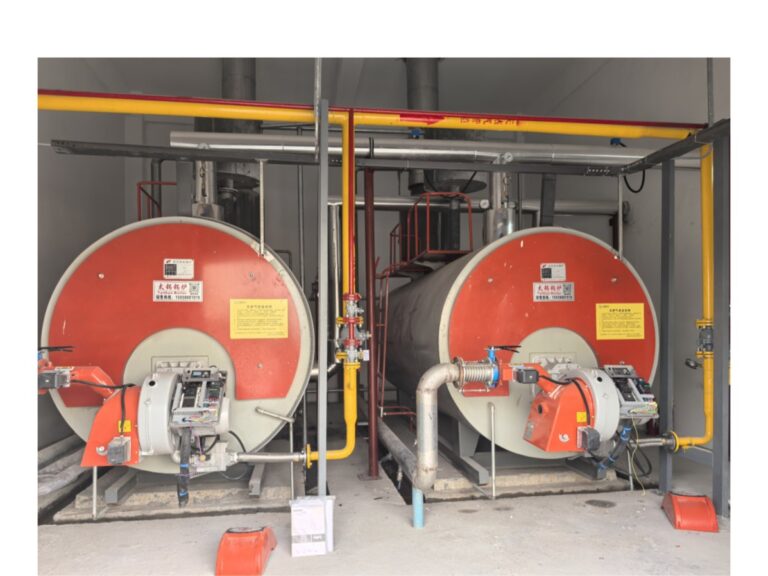
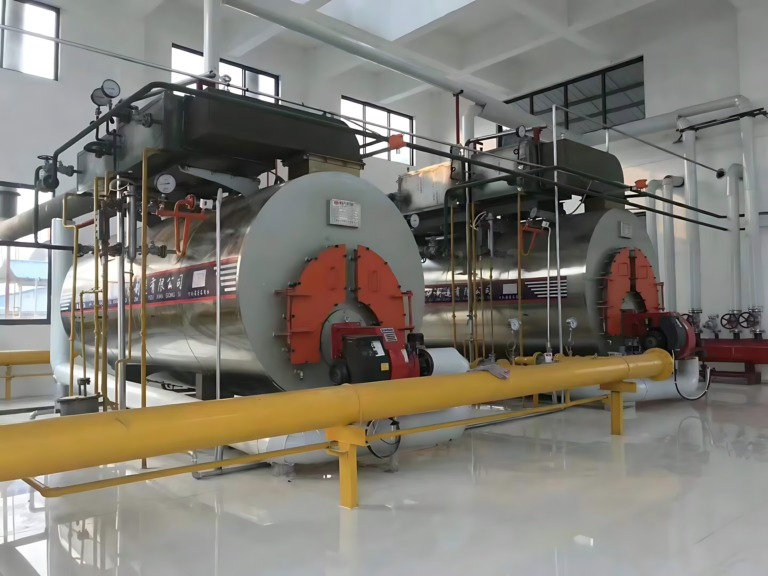
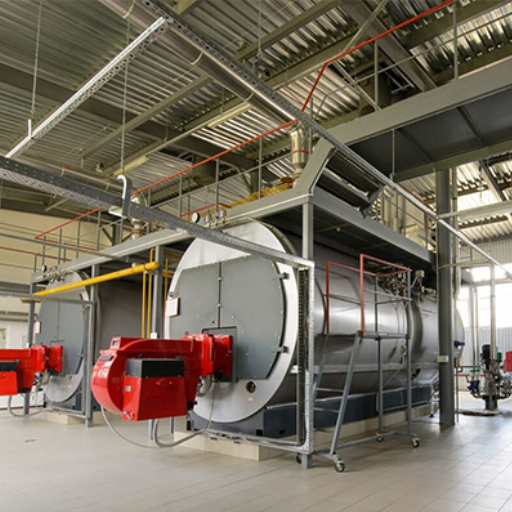
Boilers present themselves as heating water or other liquids to generate steam or hot water for industrial applications or space heating. The core of every boiler is a storage vessel for water, fuel source, or heat exchanger and a mechanism to transfer. As soon as it is switched on, the fuel, be it natural gas, electricity, or any other, produces heat with which it heats the liquid inside. This heat raises the temperature in the liquid, and the hot water or steam is then forced through a pipe system to wherever it is needed.
Primary parts of the boiler system include a burner to generate heat; a combustion chamber for fuel burning; a heat exchanger to transfer heat to a fluid; and a distribution system that supplies the heated fluid or steam. It is under careful control to enhance efficiency and prevent overheating, with safety devices like pressure relief valve and water level control installed for proper operation.
It is necessary to understand that the power generation industry evolved with fossil-fuel-fired steam generators, which initiated the advent of circumventing waste removal, providing a foundation for creating a clean environment out of a polluted one. Employing water vapor for generating electricity added a multitude of views, research possibilities on usage, and eventually stimulated genetic-engineering technologies in achieving the common goals of producing eco-friendly energy.
Classifications of Industrial Boilers
There are several parameters based on which industrial boilers are classified, mostly towards their functionality, design, and power source. The classification helps gauge ideal application in different industries, effectively meeting special requirements in operation. Here are some classifications:
Gas type:
The classification of boilers can further be influenced by how the fuel they prefer runs. Some simple examples of the fuel-fired boilers are coal-fired, oil-fired, gas-fired, biomass-fired, and electric boilers. Each of these fuel types has its pros and cons, hinged upon various factors like availability, environmental impact, and cost. For example, gas boilers create very insignificant harmful gaseous substances, unlike the black-smoky coal.
Boiler Design:
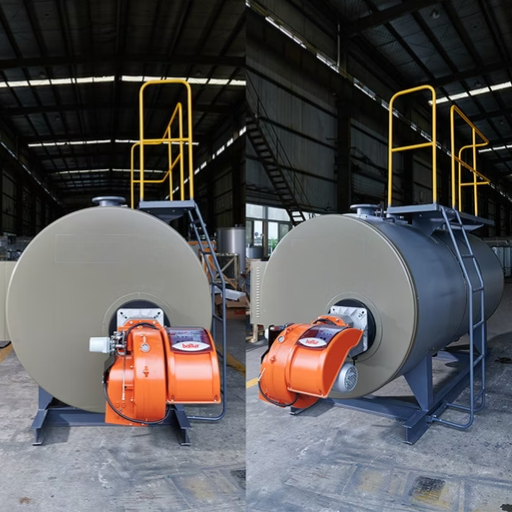
Common classifications concerning construction are fire-tube and water-tube boilers. Fire-tube design means that hot combustion gases flow through tubes submerged in the fluid to be heated and take a long path so they might lose some heat in the smoke as well. Loading of fire-tube boilers is limited to small outputs. Conversely, in the water-tube design, water circulates through the tubes, through which it is cooled by heat-surrounded gases, which favors very high pressure and huge capacity. This is critical for some industries designing their boilers to meet load demands.
According to Operating Pressure:
Boilers are also described socialistically by operational pressure, which further differentiates them into high-pressure, medium-pressure, and low-pressure. These high-pressure and the similar moist steam boilers are used in power generation by many manufacturing concerns and the refineries. These two worthies result in large steam output in order to be employed for production industries heavily dependent on energy. Low-pressure boilers are typically used for heating and small-scale industrial processes, while they offer good energy efficiency in such applications.
These classifications provide various purposes to allow industrial facilities to select the types of boilers that fit their functional requirements. This distinction is necessary to ensure operational efficiency and regulatory acceptance.
Key Applications of Hot Water Boilers

Manufacturing Industry
Hot water boilers are essential to manufacturing industries for they can heat in a very effective way during various processes. In production settings, these boilers can supply hot water when an established temperature is important for the process to run, as in the case of chemical treatments related to food processing, as well as material fabrication. The constant heat supply acts to give assurance to the manufacturer for delivering consistency and accuracy to products.
Hot water boilers are used along with other cleaning processes in manufacturing settings for steam cleaning and sterilization purposes. Hot water is the water that the food and beverage industries use for the cleaning of equipment, to sterilize surfaces, or to just maintain sanitation within the plant. These boilers allow stringent hygiene requirements which should be maintained for reasons of safety and product quality.
By making use of modern boiler technology which optimizes fuel conversion while reducing losses resulting from radiant heat, a manufacturer would have fewer operational costs. As such, hot water boilers are an essential part of any production process while observing sustainability within an industrial heating application.
Food Processing Applications
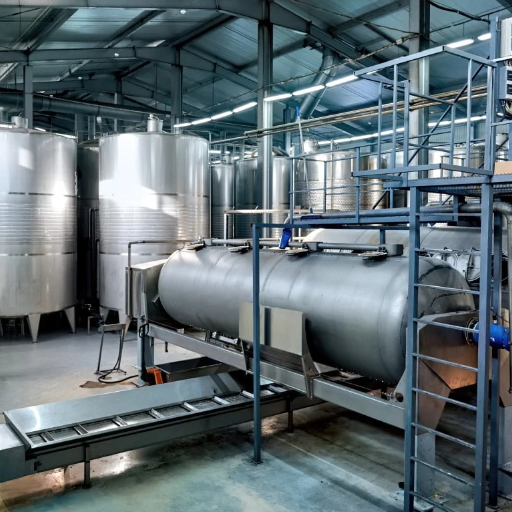
Hot water boilers play a critical role on the food production scale by supplying consistent and efficient heat to the various processes. They provide the needed heat for pasteurization, sterilization, boiling, or any cleaning processes. During their respective processes, precise temperature control is necessary to guarantee food safety in terms of product quality, hygiene codes, and calorific value.
Pasteurization and sterilization are necessary to kill all dangerous bacteria and pathogens that contaminate the food and beverages. This preserves safety for the long shelf life of their products. The hot water boiler renders its heat for conditions and temperatures set; then significantly keeps up temperature without impacting it.
Aside from employing heat to cook food, hot water boilers are vitally important to sanitation and cleaning on food plants. This process generates the hot water necessary for cleaning equipment, surfaces, and containers to maintain stringent core hygiene levels. Thus, boilers are central to maintaining the cleaning and safety standards found to be crucial against contaminations and in the adherence to regulatory compliances.
Healthcare Sector Utilization
The importance of hot water boilers in the health domain is indispensable. They are greatly useful for the sterilization, cleaning, and upholding hygiene in the cloaked areas. In medical usage, hot water has always been a thing of primary importance, ensuring sanitization of medically used instruments, equipment, and surface. That brings to a crystal-clear point that the prevention of infections and patient safety are guaranteed by adhering to the strictest hygiene protocols.
Apart from inpatient treatment care, hot water systems are highly regarded for the production of hot water for patient use, i.e., bathing, and therapeutic treatments. In this new way, the hot water needed to make sure that patient comfort is governed by significantly accelerating the period of recovery. In an abstract mode, these systems add fruit toward serving to improve healthcare delivery quality.
Hot water boilers, through the provision of laundry services, such as eradication of bacteria, viruses enkindles grand overall facility upkeep in healthcare settings. Thus, the high-temperature-purification of bedding, clothes, and other materials is itself indispensable for safeguarding the health of patients. Taking on a multifarious role purposefully, hot water boilers ensure an operationally efficient and safe healthcare sector.
Technological Advancements in Boiler Design

Innovations in Boiler Control Systems
Recent improvements in boiler control systems are geared towards enhancing efficiency, safety, and environmental protection. Modern control systems utilize the latest sensors and automation that yield precise control over different key parameters (such as temperature and pressure) with greater reliability. That means that adjustments-the cause of system drift, resulting in varying performance depending on the setting, can be made instantly (“on-the-fly”). Such adjustments will minimize both process and energy wastage while assuring that the system of diverse applications (such as healthcare) can perform consistently.
Important in the boiler control system is that smart technology is making a breakthrough behind the recent integration and building of that system. Significant features will include the Internet of Things (IoT) to complement remote control and remote monitoring such that system operators can view performance data from practically any location. It provides operational flexibility while supporting maintenance activities by giving predictive-analytics information and early-detection diagnoses. This way, system downtimes have been cut, thereby reducing long-term operational costs.
Furthermore, the progression towards energy recovery units meant the efficiency of boiler systems was enhanced. Systems like condensate returns and economizers make the most out of energy by putting back into the boiler leftover waste heat. They also lead to fuel savings, working even to align with the global strategy of lowering carbon dioxide emissions. All these developments point towards the contribution extended by modern boiler control systems for progress in industry, paving a way towards sustainable endeavours.
Electric and Gas Boiler Solutions
Electric and gas boilers have, in recent times, become reliable options to suit various energy requirements. Each of these radiant heaters has some distinctive features on its own. From smaller areas to places where gas supply remains unavailable, an electric boiler could just be the perfect answer! They operate so quietly, need less regular maintenance and emit zero on-site emissions. For the environment-conscious in particular, they are the most sensible choice! Moreover, power-conversion information implies that some of them can go up to almost 100% efficiency, as they end up converting their entire electrical energy into heat output.
By contrast, gas boilers are better provided for bigger areas that have numerous users and high heat requirement. They are quite competitive when gas prices happen to be low, and warmth becomes available quicker than standard electric heat options. Rather than heating instantaneously, larger gas boilers often are long-lasting. Eventually, you will be in a better position to use the assembly for either commercial or residential purposes if you homogeneously maintain it.
The choice between electric and gas boilers mostly depends on your area space and environmental goals. For example, electric ones are preferred by those who want a clean energy source, but on the other hand, gas boilers offer quick and economic power for large heating tasks. To canvass your priorities and energy use, one can select a boiler solution that fits within their budget and green agenda.
High-Pressure Steam and Water Tube Boilers
The high-pressure steam and water tube boilers are particularly specified for the applications demanding higher efficiency and larger output. These boilers function under significantly higher pressure compared to the low-pressure ones and are best suited for industrial application and large-scale work. Consequently, the movement of water takes place in the tubes wherein combustion gases apply heat to them for rapid heating: thus, an increased steam output.
The water tube boilers are particularly famous as they undertake higher pressure and temperature due to their suitability for applications in power generation. The water tube boilers are also faster in heat transfer translating into higher efficiency statements. However, due to higher design complexity, it can pose a threat to the life and the property if staff do not have the necessary recognition of their operation or maintenance of these boilers.
Specifically, these systems come into greater use in chemical production plants, power plants, and manufacturing processes, all of which need big energy amounts. Dependable, space-saving, and simple maintenance will define the advantages of a high-pressure boiler for fitting operational requirements peculiar to applications.
Energy Efficiency Considerations

Strategies for Optimizing Boiler Efficiency
Optimization of boiler efficiency is key in reducing energy consumption, costs, and environmental hazard. Such optimizations might be technology or data related. Here are some of the methods:
Regular Clean-Ups and Maintenance:
Soot and scale deposition in boiler tubes can reduce their heat transfer by around 10 to 15%. By cleaning and checking every now and then, prevention of this deposition will allow the boiler to contribute to peak performance. A well-maintained boiler can save fuel at the range of 1-2%.
Upgrade to High-Efficiency Boilers:
Replacing older systems with modern high-efficiency units can improve energy utilization by 5-10%. For example, condensing boilers recover heat from exhaust gases, increasing their efficiency up to 90% or more compared to 70-85% for conventional models.
Applying Economizers:
Installing economizers helps capture the waste heat of exhaust gases to preheat boiler feedwater. Depending upon the operational aspects, economizers can boost energy efficiency by 5 to 10 percent anologically.
Load Optimization of the Boilers:
Running the boilers at optimum loads will avoid wastage of energy. With an optimized control system, and proper load management will offer savings of fuel costs from 5 percent to 15 percent annually.
Adoption of Energy Recovery Option:
Energy recovery is achieved through the use of systems like blowdown heat recovery, to use waste energy for useful purposes. According to the U. S. Department of Energy, such recovery principles, caused by blowdown arrangements, can decrease fuel consumption by up to 2%, which means considerable savings for big industries.
Enhance Insulation and Prevent Heat Losses:
Losses through minimal insulation of the system are detrimental to the efficiency levels. Efficient insulation of wrapped pipes and boiler surfaces will reduce energy loss to 4-8%.
Monitor and Control Combustion Efficiency:
Installing intelligent oxygen and combustion monitoring controls reduces excess air, leading to better and timely use of fuel. By improving operating efficiency, the advanced combustion monitoring systems provide for another 1-5 percent increase in actual efficiency.
Renewable Energy is the Key:
Integrating solutions focusing primarily on renewable energy, such as biomass-fired boilers and solar preheating systems, offers minimal opportunities for lowering the release of greenhouse gases and reducing the costs of energy expenditures.
If you adopt all these strategies intelligently and simultaneously, industrial plants can manage to cut back on their operational costs while also substantially decreasing their greenhouse gas emissions, thereby contributing to a more sustainable future.
Condensing Boilers and Their Benefits
Condensing boilers happen to be incredibly useful for heating systems, meant for recovery and utilization of heat that would otherwise have been lost through obsolete flue gases. They condense water vapor in the exhaust gases, thus extracting another portion of heat, and improve overall efficiency to around (or more than) 90 percent, which leads to savings of energy huge in respect of gas usage in any case, arising out of regular conventional boilers.
The main advantage of condensing boilers is associated with a reduced energy budget. Enhanced efficiency commands a diminished need for fuels used in creating heat, the result of which is noticeable saving on energy bills while the environment benefits from reduced greenhouse gas emissions, thereby reducing manifold liabilities unto mother earth.
One more selling point to condensing boilers is their compactness and multifunctionality in that even in the case of diverse heating needs condensing boilers can be used for residential or commercial applications. These systems blend into or are easily integrated into existing systems and can often be provided with modern controls for optimized performance. They are a great way to keep your costs down if maintenance and installation are up to scratch on such boilers.
Boiler Water Treatment Solutions
Boiler water treatment is generally essential to ensure the efficient operation and the durability of a boiler system. Untreated water may bring several issues into the boiler, such as scaling, corrosion, and fouling, which may impair the system’s general ability to deliver, thus boosting the total cost of maintenance. With proper water treatment, you can prevent these four issues by providing necessary treatment that fits the boiler systems; such treatment can range from checking the proper pH level and taking out the various forms of impurities that may be found.
On the other hand, main ones on the list of components include chemical treatments for scale and corrosion control and filtration or softening systems for so-called hard-water minerals. Lastly, you must regularly monitor the quality of the water. Simple tests such as checking oxygen percentages and TDS in the water will help keep the system up to date.
By investing in effective boiler water treatment solutions, operators can improve system efficiency, reduce energy consumption, and improve equipment longevity. Proper treatment also helps to prevent unscheduled downtime and equipment repair costs, thus making the operations safer and more reliable. These boiler water treatment systems require regular maintenance and regular monitoring of water quality standards.
Maintenance Best Practices for Longevity

Routine Maintenance Procedures
No further elaboration would be necessary to establish the imperativeness of schedular maintenance to maintain the utmost life expectancy of a boiler. The cleaning and inspection of the burner, heat exchanger, and blowdown valve will ensure that the system runs free of any debris or, therefore, scale-and-corrosion buildup potentially hampering performance. Scaling and corrosion are common factors that inhibit the boiler’s functioning, although causing system inefficiency and total failure.
Water quality is vital to boiler maintenance. Frequent water testing helps ascertain and rectify chemical imbalances, hardness, and pH. Formulation and properly maintained chemical treatment programmes optimize the boiler for performance while maintaining water within the acceptable National Standard of chemical limits.
The future contracts with a third party to collaborate with regular monitoring would characterize the coming year. Nevertheless, the project has been greatly delayed.
Common Issues: Scaling and Corrosion
Two of those among our industry’s many hot water boiler-related problems include corrosion and scaling. Scaling occurs when dissolved minerals, particularly calcium and magnesium, begin to come out of the water as precipitation when exposed to hot temperatures. These minerals bind together to form a hard layer or deposit-also known as sludge-inside the boiler, which acts as an insulator; this, then, leads to inefficient heat transfer and an increase in energy consumption. If untreated, scaling may lead to heat aggravation and equipment breakdown.
Corrosion is the deterioration of metallic compounds in reaction to oxygen or water, known as aggressive agents. It means thinning in the metal surface, leading to leakages or structural weakening. Corrosion is contemporaneous phenomena, occurring under conditions of poor water treatment or high levels of free dissolved oxygen in the boiler water. Damage thus perpetuated will be preconceived-a serious and long-term issue aggravated within a hot, moist surrounding environment.
It will always remain an asset when addressing corrosion or scaling of water. Softening the water to extract minerals, the creation of a chemical barrier, or freeing the excess oxygen by running a deaeration process just to maintain boiler integrity are some techniques applied. They monitor on proper grounds and monitor ultimately helps in providing preventive maintenance for these problems. This can then assist in cost-reduction of mechanical downtime and repair expenses.
Frequently Asked Questions (FAQ)
Q: In what frames is the guide to industrial hot-water boiler applications described?
A: The guide specifies the industrialization, selection, functioning, and maintenance parameters of the hot-water boilers for industrial applications, industrial applications, safety criteria, variety of boilers, and servicing aspects.
Q: Can you provide us some fairly basic principles of electrical machinery?
A: Generally, the composition of electrical machines grows around materials, fields, and mechanical/structural processes operating in numerous electrical engines and generators because machines borrow building materials. Windings are used to induce a magnetic field in all mechanisms.
Q: How does a boiler circulate water, and what role does surrounding water play?
A: Industrial boiler systems use pumps and piping to circulate the water distantly to even heat distribution, while the boiler circulates water through heat exchangers and radiators as required. The guide describes how insulation on the surrounding water might increase heat loss and diminish system efficiency and why the right chemical parameters must be maintained on water.
Q: What safety and maintenance practices are recommended in the guide for industrial hot water boilers?
A: Periodic inspections, water testing for quality, pressure release checks, and planned scaling and corrosion cleaning are emphasized as maintenance requirements in the Industrial Hot Water Boiler Applications Guide. It stresses that to prevent failures, hot water boilers must be kept in best possible operating condition, and only qualified personnel should follow local codes while working with boilers to ensure safety of the boiler operation.
Q: How do hot gases travel through hot water boiler systems, and why does it matter?
A: The hot gases travel through the flues, in the case of firetube or watertube designs, or through tubes and transfer the heat to the boiler water, that is why one needs to understand how they travel for improved combustion efficiency and heat transfer. One guide to industrial operation goes well beyond airflow control to flue-gas monitoring and dealing with enhanced heat transfer to reduce fuel consumption and reduce emissions.
Q: On boilers concerning industrial applications, what are the factors under consideration?
A: Capacity, fuel type, efficiency, footprint, and reliability are some of the factors that industrial applications guide on.
Q: What are the main environmental and efficiency factors for industrial hot water boilers to be considered?
A: Characteristics such as fuel efficiency, emissions control, condensate recovery, and controls for optimized combustion and waste minimization are considered in the Industrial Hot Water Boiler Applications Guide. The guide argues that fuel-efficient boilers would have lower operational costs, and significantly reducing heat losses to the surrounding water and piping would be a result of appropriate insulation and system design.
References
-
Guide to Low-Emission Boiler and Combustion Equipment
This document discusses the applications and uses of steam and hot water produced by boilers, focusing on improving system efficiency.
Read the guide here -
Program Directive 15H-4 Boiler Systems
This directive provides detailed guidelines on boiler systems, including temperature requirements for condensing and non-condensing boilers.
Access the directive here -
Boiler and Steam Systems (EPA)
This section from the EPA discusses the use of boiler and steam systems in large building heating systems and industrial processes.
View the document here - CWNS Series Oil Gas Fired Hot Water Boiler