Get in Touch with Taiguo

Natural Gas vs Diesel: Fuel Selection Guide

Contents
show
Opting for natural gas or diesel to run your engines can greatly impact your budget and, by extension, also calculate emissions. Regardless of whether your job involves managing a fleet, operating heavy equipment, or providing the ponderation gas vs oil in a boiler system, this article should be speaking about the gross differences which exist between the two choices so that one’s performance and efficiency-“may be satisfied. The benefits, issues, and variable factors also representing diesel versus natural gas selections are highlighted in this article. We aim to provide some of the relevant data to help you reach an informed judgment when it comes to issues ranging from fuel efficiency and costs, to environmental jam-up and availability. Continue reading as we appraise everything one has to bear in mind in order to make a good decision on fuels- which is specific to one’s needs.
Introduction to Home Heating Systems
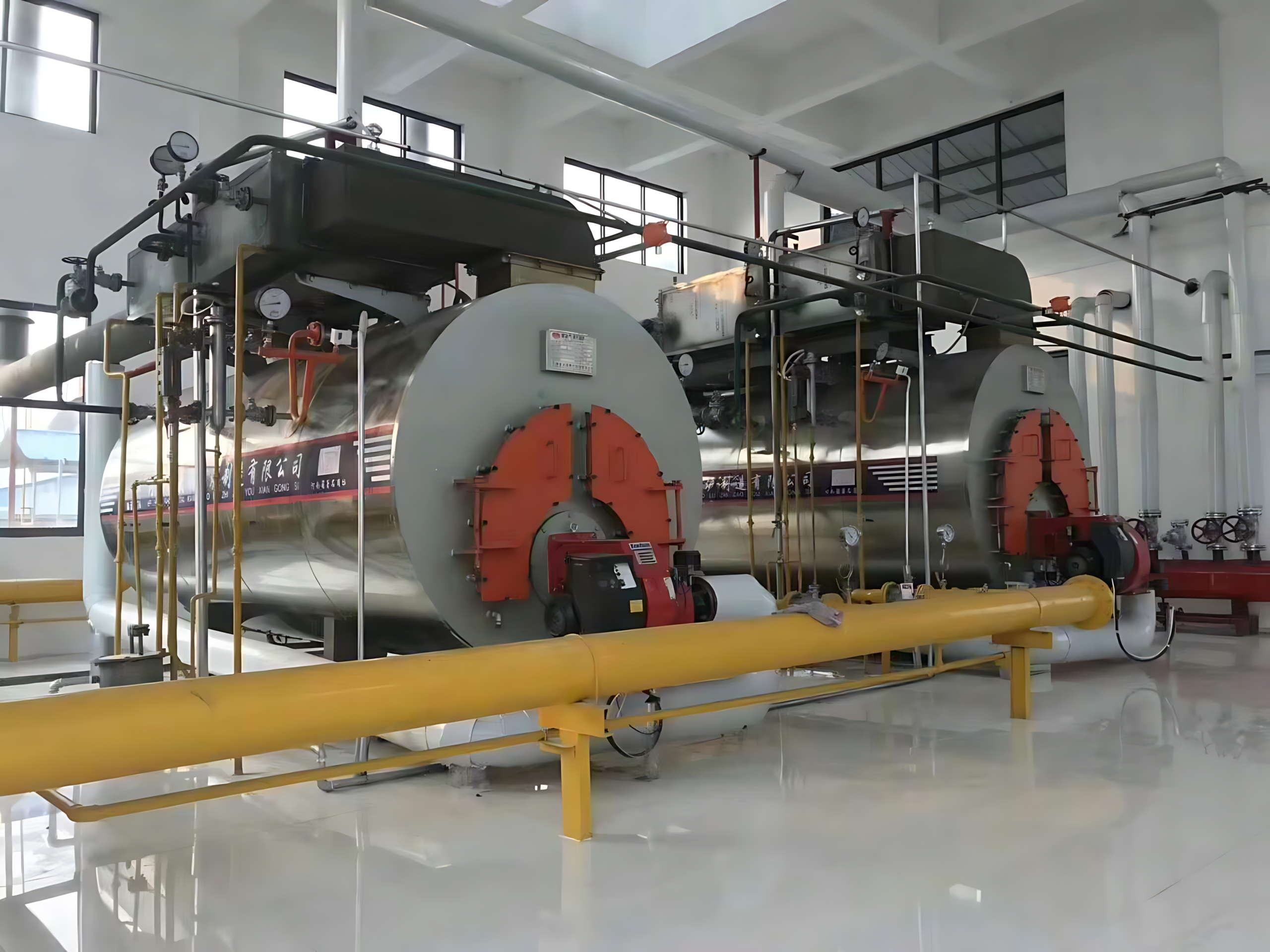
Overview of Heating Options
Choosing which system to heat the home with is the most important decision one can make, be it a furnace, boiler, heat pump, or electric heaters. While furnaces and boilers run on oil, natural gas, and occasionally propane, heat pumps, in contrast, do not on a similar method; they use electricity to pull heat from either the outdoor air or ground to the inside of the house. Thus, they are very energy-efficient systems. Electric heaters, meanwhile, are normally considered as a backup form of heat and are 100% reliant upon electricity for generating heat.
All heating options can provide a delicate balance of advantages and disadvantages. In contexts of extreme cold, which are not infrequent, boilers or furnaces work well for reliability and for producing intense heat. However, operational costs are very high in case of expensive fuels. Heat pumps provide a decent performance in moderate climates, offering heating and cooling functions altogether. They may not be considered efficient in very cold conditions. Electric heaters can be more economical initially than heat pumps, as long as you accept higher electrical bills in the longer term.
When selecting a heating arrangement, factors such as heating efficiency, first cost of installation, and operating and life cycle costs will serve as key considerations. Additionally, the comfort and warmth should be figured in with respect to the fact that there may or may not be any form of energy delivery at all. It is vital to weigh different fuel available in the local area and their environment impact on the energy economics. Heating appliance adopted cannot cost more than the need to heat your home. If necessary, the assessment of your home should always take into account vibration, wind, and sun emanation.
Purpose of the Comparison: Gas vs Oil Fired Boiler
The gist of the study on comparison in gas boiler vs. oil-fired burns is to examine their efficiency, costs, and pollutants and determine the better energy source for a house or building, based not only on its functioning, but based on the economic perspective. The particular factors include energy efficiency, fuel supply, emissions, and long-term operation costs.
Gas-fired boilers are, generally, more efficient and environmentally friendlier than their oil counterparts. Natural gas has a cleaner burn profile that produces significantly lower amounts of carbon (CO2) and particle (NOx) emissions. Also, generally speaking, gas-fired boilers have lower-operating-and-maintenance costs-the latter fact making them an economically worthy choice over time for the homeowner if readily available natural gas.
On the other hand, areas that have no access to the natural gas supply could be better served by an oil-fired boiler. An oil-fired boiler has higher heating output and is just excellent with colder climates. In contrast, oil does not have a price support like natural gas prices. The cleaning of oil fire heaters can become an inevitable routine due to soot and so the maintenance levels go high – higher than of gas-fired or electric heaters. It depends – right when a management point of view would support favouring oil firing, timing and location come into the considerations of budgetary constraints and environmental indicators.
Key Differences Between Gas and Oil Boilers

Fuel Costs: Natural Gas vs Heating Oil
Comparing natural gas and heating oil, natural gas tends to be more advantageous than heating oil in places where it is abundant. For a variety of reasons, natural gas continues to maintain a price advantage. Transportation and other related costs will transfer into a lower final cost for the gas customers. Natural gas maintains a second advantage over heating oil in terms of the stability of its price. Because the government has in fact kept the natural gas very stable in price by adopting policies leading to its massive consumption, the gas price remains at a much lower average rate than heating oil prices. The Gas prices in the gas exchanges are very stable as discussed at the beginning due to the nature of their potential access.
To the contrary, the prices of oil will largely realize a more dramatic oscillation within very short periods of time, in the oil trading market. In other words, one of the disadvantages of the oil is its relatively high prices compared with gas. Oil must also be delivered to the purchaser, and the additional costs of transport must, therefore, be added to the ultimate cost. This option is even less rational when there are winter conditions and their related disruptions, aside from any operational saddles, thus stiffening the situation with the oil for heating in a mere case of wastefulness at current rates.
In the end the choice between natural gas and heating oil depends on local availability, system efficiency, and country particular cost drivers. That said, natural gas is generally viewed as a more cost-efficient and probably reliable source for a long-term heat depending, particularly if you happen to be based in an urban or suburban setting with easy natural gas access.
Efficiency: How Gas Boilers Work vs Oil Boilers
The mode of operation of a gas boiler is essentially distinct from that of an oil boiler. The efficiency of both remains a function of the fuel type and combustion course. Ordinarily, gas boilers burn methane but what is cleaner and relatively efficient especially when compared against oil. The finished product of this combustion is less. Gas boilers are better at minimizing repairs of their components, i.e., their operating parameters and exhausts maintain their efficiency over time.
The primary reason such a bias would be built up would be that oil boilers consume heating oil, which releases more bonded energy per gallon compared to gas. It should be related to better performance too, and an injury to such hopes would be the fact that oil combustion produces a high solid build-up. The inevitable result is the need for frequent cleaning and servicing that will otherwise assure the efficient operation of the boiler. Apart from these, while exhausting themselves, oil boilers never revert the energy wasted towards heat generation. It becomes obvious over time; combustion-related losses for an oil boiler could be even greater than those realized in gas boilers.
Many highly efficient gas boilers around are equipped with condensing technology to capture and recycle some of the heat in the outlet gas, and thereby be paid out most of the wasted flue gas. While there are some condensing oil boilers available, this technology is generally less common and somewhat less efficient where oil systems are concerned. The final situation is inevitably a scenario of greater efficiency in a comparison of gas boilers and oil boilers under similar operating conditions.
Environmental Impact of Gas and Oil Heating
Both the gas and oil heating systems both have great environmental impacts, primarily because of using fossil fuels. The carbon dioxide (CO2) emitted by them is one of the overriding reasons for climate change. Natural gas burns fairly clean in comparison to oil and does less damage to the environment as far as CO2 reduction or particulate and sulfur dioxide emissions. Even then, methane leakage during natural gas extraction and transportation operations partially offsets methane’s strong greenhouse gas and environmental advantage.
Oil heating typically emits much more CO2 and pollutants compared to natural gas, thus adding air-quality concerns. Furthermore, oil spills during extraction or transportation result in severe damage to the environment. The storage tanks for oil heating systems can lead to soil contamination in case of leaks. All of this makes oil heating a bad choice among the energy choices themselves in environmental terms.
Both systems, due to the economics of efficiency, present must be coupled with renewable integration to lower green gas emissions. For example, pairing with solar or heat-pump systems would lower emissions, as would higher-efficiency condensing boilers. Ultimately, a strategic move away from fossil fuel to renewable and clean energy is integral to reduce greenhouse gas emissions and curb climate change.
Pros and Cons of Gas and Oil Boilers

Benefits of Gas Heating
Natural-gas heating has been continuously effective all through the years in providing warmth to home interiors. With fewer emissions and pollutants, natural gas is considered to burn clean when compared against other fossil fuels. This does make it a moderately green choice for heating, particularly when allowing for high or good efficiency to be designed.
Gas heating has another benefit – it’s relatively inexpensive for much of its effective range, which also includes comparisons to electricity or oil, thereby helping to save on utility bills. Additionally, gas heating systems heat up spaces faster, often faster than the majority of electric heating systems can, thus making them far more suitable for colder climates, where quick heating therapy is imperative.
In the end, reliance on gas heating systems is known to be simple and almost thoughtlessly maintainable. From the moment they are installed, they operate quietly when properly used without the need to open or hammer any part of an engine, being pretrained to work more proficiently, as furnaces´ oxygen is freely taken or regulated. Most countries have a dependable supply chain for gas, providing all-year-round comfort to homes for warmth.
Advantages of Oil Heating
Oil heating systems pose a great way to maintain warmer atmosphere as far as credible and efficient heating is concerned. One of the most significant benefits of heating with oil is that oil forms the highest energy per unit in comparison with the other fuels. For more cost-efficient heating, where less oil produces the same heat, making this favorable in terms of savings.
Control is another flexible benefit of oil heating. Natural gas relies on pipelines, whereas oil is delivered on the spot and stored in above-ground tanks. In this sense, homeowners can keep tabs on their fuel consumption, putting them in a an independent and comfortable position. Besides burners which are cleaner than earlier generations, advancements in heating oil technology have rendered a newer array of heating oil options with minimized greenhouse gas emissions and effects and better air quality.
Oil heating systems are known for being durable and long lasting. With regular care, these systems can operate efficiently for decades, allowing them to avoid frequent replacements. They are very much popular for long-term home heating needs due to their solid design and unyielding performance even in harsh winter days.
Disadvantages of Each Heating Option
Comparing gas-fired and oil-fired boilers comes with numerous disadvantages that must be weighed before making a decision.
Gas-Fired Boilers:
One major disadvantage to gas-fired boilers would be their reliance on infrastructure supporting natural gas. Homes located too far from a gas line face possible high installation costs or limited possibilities for installing the system. While natural gas is a cleaner burning fuel compared to oil, it is nonetheless a fossil fuel nonetheless contributing to greenhouse gas emissions. Gas systems also have to be maintained regularly to avoid trouble like gas leaks that, left uncorrected, could spell danger to lives.
Oil-Fired Boilers:
Most oil burn boilers, as opposed to gas-run boilers, need refueling more frequently since they depend on on-the-spot storage tanks, thereby giving numerous aspects of inconvenience. On the other hand, petroleum prices fluctuate considerably, which makes it near impossible to predict future heating costs for individual homeowners. On the top of this, while modern oil-fired systems have seen advancement in many areas, they still emit a considerably increased amount of pollutants in comparison to gas systems, thus possibly affecting the air quality.
Comparing Both:
Ultimately, the choice between gas-fired and oil-fired boilers is dependent on individual circumstances, including location, budget, and environmental concerns. Gas-fired systems work here in dissension with oil-fired boilers where natural gas is an option in light of convenience-as is environmentally friendly. Still, if gas is not available, then oil may prove more worthwhile in remote areas. Evaluating these aspects will confirm the most suitable heating program that meets your needs.
Installation and Maintenance Considerations
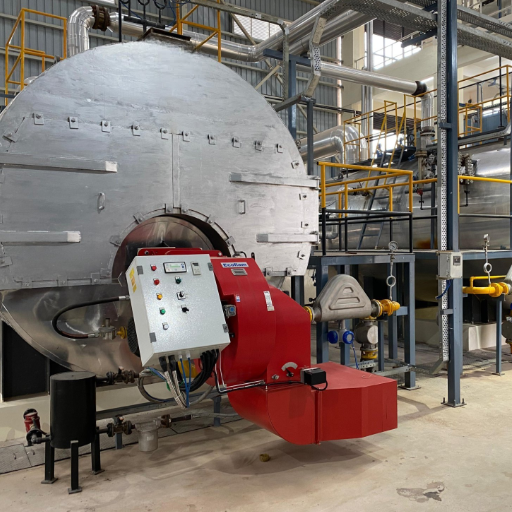
Installation Process for Gas and Oil Boilers
Gas and oil boiler installations typically need a considerable amount of planning and attention to detail to ensure efficiency, safety, and cooperation with the governing safety bodies. Written below is a sequence of steps that should guide one through the process.
1. Check Initial Site and Prepare
Preinstallation activities include the actual site assessment in fireplaces, gas installation pipes, as well as effects of the environment on those projects in connection with special layout requirements of the building or dwelling. On gas-fired boilers, both the supply and return flows must be opened from the heating system.
2. Preparation of Installation Area
While boilers powered by gas have to be installed close to the line supplying gas, typically in a room on the ground floor or in the basement, those using oil require space so a storage tank for the oil. Refueling a storage tank on-site must be completed with excellent spill containment.
3. Fuel Supply
Gas Boilers: The systems are connected to the gas main by licensed gas fitters who utilize appropriate materials (copper or steel piping). All piping is pressure-tested to eliminate any leaks or blockages.
Oil Boilers: Installation of an oil tank includes making the connection to the boiler’s fuel line. The tank is placed in compliance with local environmental regulations, including the addition of pumps and filters for constant oil supply.
4. Erection of the Chimney or Flue System
Proper venting is very important for gas and oil boilers to safely vent out harmful gases like carbon monoxide. Modern condensing boilers, which often save additional energy, also require a condensate drainage system. The modern day requirements for flue emissions permit sustainability goals with not much environmental footprint.
5. Installation of Controls and Integration
Smart thermostats or advanced controllers with advanced heating controls for precise regulation can also be integrated. For example, smart heating systems like Hive or Nest can turn your house into a really energy- efficient one, enabling their operation remotely. Contractors test radiators or underfloor heating systems, as well as any other distribution systems connected to the boiler.
6. Testing and Commissioning
After completed installation, a system test is given for everything. During this test, technicians check for oil and gas leaks, check the venting system, and make sure that the boiler is working with its perfect efficiency. Energy-efficient boilers are often able to reach seasonal efficiencies (AFUE) up to 90–95%, thus lowering fuel requirements total.
7. Maintenance Configuration
Complete service agreement is important for the lifespan improvement of the boiler. One service annually after the unit has been installed is strongly advised so that internal components like burners, heat exchangers, and gaskets can be serviced and given a clean bill of health. A preventive maintenance policy can spare from expenses and/or breakdowns and enhance energy efficiency up to 10%.
By proper appraisal of all these conditions and installation performed following these requirements, home and business heater users can effectively lessen their fuel-use and observe best safety and environment practices.
Maintenance Requirements for Gas vs Oil Heating Systems
Gas and oil heating operations have a different requirement for maintenance. Nonetheless, both need for the attention given to hold their better working life. For the gas system, though, it is supposed to need less maintenance than for the oil heater. Usually, it is checked at the time of serving only once every year. The inspection for the gas regulator is for the reason regarding the operation, venting, flame-burning conditions, etc., including the servicing of the heat exchanger.
On the other, nothing stokes the grindstone of trouble like oil furnaces. This version particularly calls for thorough maintenance, to be carried out at least once a year or once every two years, considering circumstances. Unfortunately, oil not being anywhere near as clean a fuel than gas means conditions of the grilling waste coming out. Most of the maintenance is about burner cleaning, replacing fuel filters, and “sending” each service tech looking for leaks or corrosion in oil tanks. Timely cleanings and exchange of components would guarantee sustained heat efficiency along with the non-emergence of numerous functional smells.
Safety Considerations for Both Heating Types
When exploring electric and gas safety planning, it is essential to think deeply about the examination of primary risks. Meanwhile, fire threats and electrical defaults have caught attention while discussing electric heating risks. Overloads in electrical circuits, improper connections in wiring, and the wiring and connections around and while connecting are few jeopardizing factors that may start electrifying fire and, dwelling risk later. Maintaining the proper devices or appliances, utilizing qualified assistance, and also usage of extension cords could push the level of risk to near zero or remove them entirely.
Gas heating, on the other hand, poses a deliberate risk to human health on account of carbon mnoxide poisoning and gas leakage. An ill-maintained system with insufficient ventilation releases fatal fumes. These gases are odorless but are far more dangerous in terms of their contagion. In order to avoid such a situation, CO detectors need to be installed, the ventilation systems need to be periodically checked, and gas-fired heaters need servicing through trained personnel.
For such heat types, attention and safety manuals are the most important considerations. The homeowner should follow the directions governing them by the manufacturer. Particular attention should be given to insignificant details during the inspections. Any of the issues should be taken care of immediately. During such times, while keen awareness ensuring flammable materials handling and preparedness for emergencies is maintained, safety for all heating systems is assured.
Making the Right Choice for Your Home

Evaluating Your Home Heating Needs
When considering whether a gas boiler or an oil boiler would be better for your house, some aspects must be kept in mind. Factors that should be taken into account include cost, efficiency, and environmental impact. Natural gas boilers can cost less to use because gas, when provided, is usually cheaper than oil. Gas boilers also generally run better than oil boilers as well, allowing for increased energy savings over a long period. However, the upfront cost of converting your home to natural gas can be considerable, possibly the highest for most homes.
Oil-fired boilers are the ecological answer for areas that do not possess a natural gas infrastructure and can provide heating services even during cold winters. The price of oil can be very volatile, so investing in a good oil boiler guarantees steady performance and lesser reliance on natural gas supply line. Oil boilers do require maintenance; they need regular fuel purchase and cleanliness to ensure trouble-free service.
As a gas boiler emits lower greenhouse gases compared to an oil boiler, the former would be greener to go with. Yet oil boiler technologies are aiming at decreasing emissions while gas boilers always show better results in the scale of pollution. It would be a good idea to choose a boiler according to the specific situation of your neighborhood, the amount of money you have in hand, and your heating requirements.
Comparing Long-Term Costs of Gas vs Oil
In evaluating long term costs, gas usually wins the battle against oil in terms of operating cost. Natural gas price per unit of energy is lower than oil price in many places making long-term savings for the consumer. Also, gas boilers are usually cleaner than oil boilers and need less maintenance throughout their life.
However, when it comes to the installation in areas that lack the supplies of natural gas, oil boilers carry a slight edge. Their design is that once the boiler is installed, the oil unit becomes less costly, although usage is typically more expensive than gasbased systems due to other recurring costs, such as oil prices and regular maintenance, thereby affecting the long-term affordability of oil boilers. Besides, the oil cost trends fluctuate depending on global market movements, which brings unpredictability to their costs.
Typically, gas systems appear to offer the lower-cost solution in the average suburban household that lives in the immediate vicinity of a continuous natural-gas infrastructure. However, in poorer, more distant rural areas, his entry, measured against the costs, might tend to veer toward an oil plant-which draws out expenses in the long run, far off from fuel transporting plants. Generally, many factors need to be considered in making an ideal decision on either the first capital or the expected daily cost, depending upon one’s location, energy consumption needs, and accessibility.
Frequently Asked Questions (FAQ)
Q: What do you think are the main differences between running a gas and oil fired boiler?
A: Here is a comparative boiler discussion on gas versus oil fired: Oil boilers rely on fuel oil delivered to the home. On the other hand, gas boilers, by their nature, seek a continuous supply from the actual gas utility or from the conventional gas pipeline; and the cost for gas is a lot cheaper than oil to operate. Gas boilers are cleaner and require less frequent maintenance than oil (not to mention lower carbon emissions); in comparison, heating oil provides higher energy density but demands more frequent deliveries and space for storage.
Q: Is natural gas more-efficient than heating oil as fuel?
A: In summary, real-world, delivered, BTU-to-BTU efficiency is likely higher in gas furnaces and boilers than oil-fired systems, and gas is typically cheaper than heating oil and newer gas models may also have high coefficients of home furnace efficiency. That said, what is the best heating system? Complex and depends on the stickiest issues like your existing stuff, access to natural gas, and the configuration of your heating and domestic hot water objectives.
Q: What are the advantages of oil boilers compared to gas ones?
A: Higher heat output per gallon from oil, suitable for dwellings not served with gas, and independence from gas utilities are among the advantages an oil boiler owner would enjoy. The oil-burning heating system like the furnace or oil boiler is well known for producing very strong heat in a short time and can sometimes be the preferred choice in rural areas where new gas lines are unavailable. However, an oil boiler is typically more expensive to maintain and run and produces more carbon emissions than a gas system.
Q: Would converting to natural gas be an ideal deal — what should I consider?
A: Please have/look at the development about gas line work, installation of new gas lines, cost estimation of equipment required for conversion, process involved in connecting gas to the utility, and prospects for longer-term gas fuel cost savings. Also consider local gas prices, gas company incentives, or the need for a gas furnace or boiler in furnishing the heating and hot water necessary at home. A heating contractor should be able to give an idea on the cost and feasibility of the oil-to-gas switch.
Q: Can you compare the maintenance and reliability of oil boilers with that of gas boilers?
A: An oil boiler needs to have pretty frequent cleaning and tune-ups; it not only leaves soot and residue behind but also requires surveillance of storage tanks and burners at regular intervals; generally speaking, natural gas systems require less maintenance, because natural gas itself produces fewer waste byproducts. Whether oil or gas, these units are kept safe and functional through regular servicing by a boiler professional.
Q: Natural Gas vs. Oil; which is better for the environment?
A: Natural gas in general produces fewer carbon emissions than oil from combustion, making natural gas systems greener than oil-based heating systems. Though neither is clean, natural gas is seemingly more favored as a transition fuel inasmuch as the per-unit energy CO2 emissions are less. Energy efficiency improvements, home insulation, and modern appliances all affect overall environmental impact.
Q: Can a house burn fuel oil and natural gas within the same heating system or switch between the two sources?
A: Some homes belong to dual system or come with oil burner back up, but entering gas through conversion of the corresponding boiler or furnace, installation of a gas line, and possible changes in other connections of heating and hot water systems would necessitate conversion from oil equipment. Depending on your home’s heating efficiency and the proximity of a natural gas supplier, the service provider could also discuss a mixed partial conversion or total conversion to natural gas.
References
-
Oregon State University Library: A detailed comparison of waste wood boilers, including insights on gas and oil-fired boilers. Read more here
-
OpenLearn by The Open University: Discusses the design and functionality of oil-fired boilers compared to gas boilers. Explore the content here
-
U.S. Department of Energy: Provides information on gas-fired and oil-fired furnaces and boilers, including retrofitting options. Check it out here
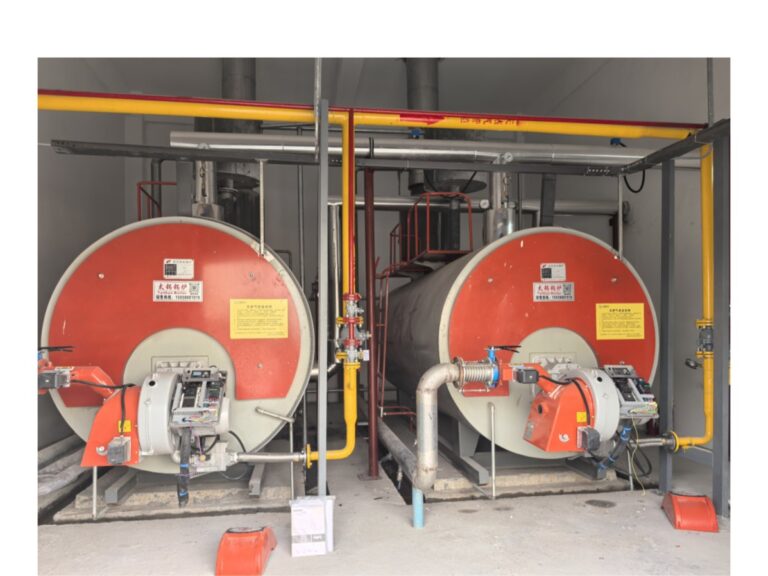
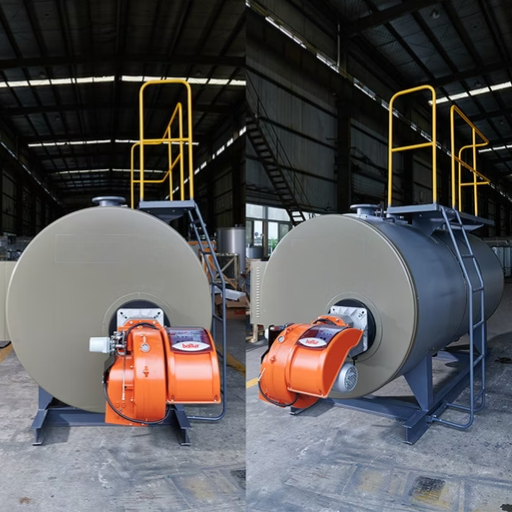
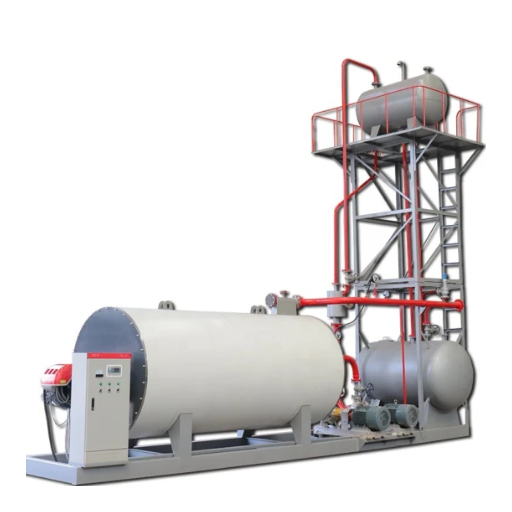
- CWNS Series Oil Gas Fired Hot Water Boiler
This comprehensive fuel selection guide provides essential insights into natural gas and diesel heating systems, from installation and maintenance to long-term cost considerations, ensuring you make the most informed decision for your home heating needs.