Get in Touch with Taiguo

Boiler Efficiency: Calculation & Optimization

Contents
show
For the smooth running of a plethora of industrial or residential heating systems, a boiler is an indispensible component and hence has to be efficient enough for the betterment of environmental concerns and energy savings. What part does efficiency perform? Can it be measured? Also, can it be improved? It is not all about numbers, but rather it is about what you learned from it about how that energy is being processed-and how you can prevent any loss. This post will discuss the basics of calculating boiler efficiency, what factors influence this efficiency upon, and some proposed means of optimization. A proper treatment on this topic would provide the reader with solid guidance with sound arguments that would enable one to make smart decisions for enhanced operation performance, whether managing industrial machinery or tackling household energy costs. Seize the upcoming part to equate the very technical ideas with an organized guide to guarantee finest efficiencies in the operations of your own boilers.
Introduction to Boiler Efficiency
Understanding Boiler Efficiency
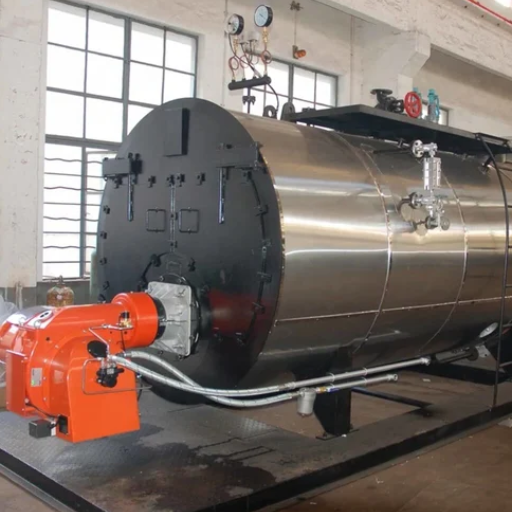
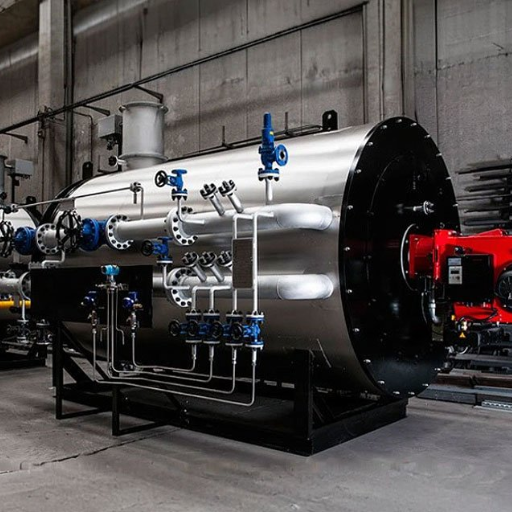
Efficiency of the boiler refers to the ability of the boiler to transform the energy it derives into useful heat. High-efficiency boilers convert existing heat more than the normal boilers by reducing energy losses for themselves and for the system. Its efficiency is presented as a percentage, with a higher percentage indicating a better performance.
Many factors determine the efficiency of boilers, including the type of fuel they are to burn, quality of maintenance, and boiler design. Effective boiler maintenance, where components are clean and the settings are just right, could significantly increase the efficiency of a boiler as well. And of course, boilers that have been redesigned with modern features, such as condensing technology, tend to be more efficient compared to the old models.
Reducing boiler energy consumption makes considerable energy savings and carbon-neutral benefits. Small steps, such as insulating pipework, reducing heat losses, regular inspection of the plant so far, will significantly affect the boiler’s efficiency. Thus, the user now knows that his boiler bolsters sustainable energy while ensuring reliable operation.
The Importance of Efficiency Calculation
The efficiency calculation is a necessary value for the optimal functioning of the boiler, enabling cost savings. Once the user is aware that the boiler converts energy into heat or usable heat energy that can be produced and consumed for an objective, the user can ensure that an efficient system that is in full capacity is operating. Efficiency heat calculations would also notify the user of any heat dumps so that the user can adjust the boiler to prevent energy wastage, thereby reducing operational expenses.
Moreover, understanding the efficiency of a boiler, however, speaks to the sustainability practices for lower energy consumption and carbon emissions. An efficient boiler uses less fuel to produce a given amount of heat which will significantly aid in conserving the environment. This is crucial to reduce the carbon footprint and an add-on in the drive for pursuing the above practice in varying levels of the industry and households.
Calculating efficiency on a regular basis can further extend the life of the machine. With the passage of time, any number of minor worn out parts, faults or inefficiencies are usually detected at their very onset and attended to with shoe-string modus operandi, erasing any chances of incurring costly breakdowns. By committing to efficiency, the machinery retains reliable operation, which saves you money and brings in more sustainability.
Overview of Fuel Types and Their Impact
Fuel type greatly influences the efficiency, environmental implications, and cost-effectiveness of boilers. No wonder that boilers often use natural gas, oil, coal, electricity, or biomass as their fuel. Actually, fuel type does directly influence the development of the boiler.
Natural Gas
In terms of energy resources, natural gas is a widely sought-after one, insofar as supplies seem to be fathomlessly vast unlike the other more limited fossil energies, and the adoption of more “green” forms of energy can potentially be repackaged here. This suggests that the efficiency of natural-gas-fired boilers clearly lies somewhat higher than those of others since, in general, natural gas-fired boilers run anyplace from 90 to 95 percent effective. In addition, the combustion of natural gas supposedly produces variations in the quantities of pollutants such that it contributes to being fairly pollution-free.
Oil
If a natural gas line is not an option in your area, oil-fired boilers are an always-at-your-disposal option. This type of boiler no doubt does produce good heating however the conversion efficiency productivity is a bit lower than natural gas combustion boilers, which normally maintain a range of 80-90% efficiency. Furthermore, crude oil causes the release of innumerable amounts of greenhouse gases into the earth’s ozone and hence weighs down on the environment.
Biomass
There are various types of biomass fuel, and these could include wood, pellets, and agricultural residue. Biomass fuel is a renewable source and is considered to be the carbon-oxygen cycle; the biomass releases carbon dioxide as the plants grow. The boiler would give a range of 70%–90% efficiency, which usually depends on the quality of the fuel and design of the particular system, needing some cautiousness.
Coal
Coal is much less of the buzzword we know today for environmental reasons, most leading ones being CO2 and sulphur emissions. From 60% up to 80%, steam boilers if compared to the earlier established trend of its efficiency factor, would retrogress even in terms of Eco-friendliness.
Electricity
Electric boilers exhibit an incredibly high efficiency of nearly 100%, for they are directly converting electricity into heat and not through combustion. Now the bigger picture in regards to environmental health is depending on the power sources used for generating electricity, leaving electric boilers being the best very clean when they are running on renewable sources to being somewhat dirty when undertaken with fossil fuels.
Methods for Calculating Boiler Efficiency
Direct Method of Efficiency Calculation
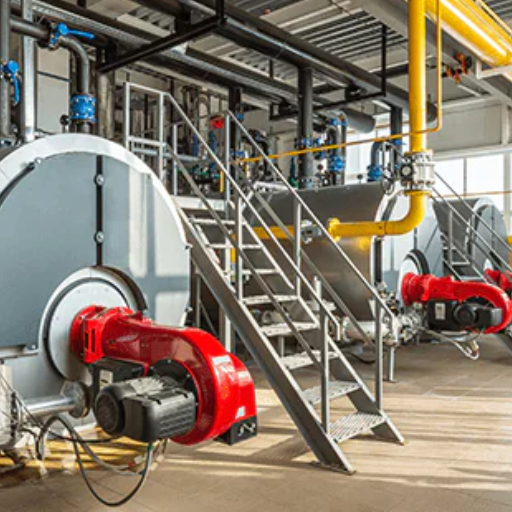
The direct method of calculating boiler efficiency is a simple way to look at how a boiler converts its energy source to heat. This approach primarily involves comparing energy output in steam or hot water to the energy input from the fuel. The formula for the process is:
Efficiency (%) = (Heat Output / Heat Input) × 100
To apply, it is assigned to measure the work done by the boiler and the total fuel consumption over a given amount of time. Heat output is generally quantified in terms of more heat when steam flow rate is determined by corresponding temperature, pressure, and heat input up to the calorific value of the fuel consumed.
With direct determination, the method is quite simple and straightforward to use, but it doesn’t include various losses like heat loss through radiation or convection. The inclusion of such factors may prove beneficial in showing the overall performance of the boiler in an accurate manner. With all of its limitations, it’s a good tool for checking and even continuously monitoring the boiler efficiency over a short period.
Indirect Method of Calculation of Efficiency
The indirect method involves minimizing losses (finding energy losses over the range of uses) associated with boiler efficiency and subtracting those losses from the energy input to calculate the efficiency. This method provides for the formation of a more precise and meticulous portrayal of boiler efficiency, capturing numerous effects, invisible to the direct method, such as flue gas heat loss, radiation heat loss, and unburned fuel loss.
So, in the indirect method, the various types of heat losses are first quantified and listed out. Among the heat losses involved in various cases are accounted dry flue gas losses; heat loss due to moisture in fuel; heat loss because of hydrogen in fuel; radiative and convective heat losses; and other unaccounted heat losses. After these losses are summed up, they are subtracted from the figure 100% obtained to give boiler efficiency-that will capture all the possible energy wasted at different places in the systems.
One of the advantages of the indirect method is its ability to point out specific areas that can identify the efficiency increment factors. For instance, if unreasonably high flue gas losses are a factor, this will call for better heat recovery measures, while radiation and unproductive losses might well mean bad insulation. It addresses these issues in a manner that allows the performance of boilers to be improved systematically and efficiently.
Key Formulas for Boiler Efficiency
For the precise calculation of the boiler efficiency based on the direct and indirect methods, the following formulas are applied:
1. Direct Method (Input-Output Method):
Efficiency (%) = (Heat Output / Heat Input) × 100
It uses the ratio of heat energy generated by the boiler to the total fuel energy supplied. Hence, this method provides the simplest means of measuring efficiency.
2. Indirect Method (Heat Loss Method):
Efficiency (%) = 100 – (Sum of All Heat Losses)
Here, all measurable losses such as dry flue gas loss, moisture in fuel loss, and radiation loss are calculated. The efficiency is merely derived by taking the sum of all losses away from 100%. This method further explains where these inefficiencies in the system are.
3. Heat Loss Formulas:
Dry Flue Gas Loss = [Cp × (Tflue – Tamb) × Mass Flow of Flue Gas] / Fuel Energy
Radiation and Convection Loss = Measured percentage based upon standards or tests
Dehydration in the fuel = [Mass of Water × Latent Heat of Vaporization] / Fuel Energy
When combined according to the method, engineers can effectively define and generally judge boiler performance in these extremely inefficient areas visualize the problem and help in designing the remedy.
Factors Affecting Boiler Efficiency
Combustion Process and Fuel Characteristics
The combustion process has a profound effect on how powerfully a boiler can conversion, for it determines how effectively fuel is converted into useful energy. Full combustion takes place to meet the optimal balance of fuel and oxygen, thus with the release of all the fuels from the combustible application and with minimum energy losses. On the other hand lack of oxygen induces incomplete combustion, resulting in carbon monoxide and unburned fuel; whereas, excess oxygen generates losses via the flue gases.
Fuel characteristics are another important facet of boiler performance. Moisture content, calorific value, and chemical composition all impact combustion efficiency. In particular, any fuel with high moisture content requires heat energy for water evaporation thereby reducing net energy output. Conversely, fuels with a low calorific value provide less heat thereby requiring higher fuel consumption to achieve the same energy output.
The art of controlling the combustion and fuel properties is through achieving control of air flow correctly and keep quality fuel continuous. It is in monitoring those fundamentals that we can reduce energy loss and optimize efficiency, with emissions minimized to allow harmless properties. This results in a utile and environmentally viable safety operation of the boilers.
Heat Loss and Thermal Efficiency
Heat loss in boilers normally takes place by conduction, convection, and radiation; these types of energy transfer lead to the reduction of thermal efficiency. Conduction refers to direct transfer of heat through walls of the boiler, while convection is the movement of hot air away from the surface of the boiler. Radiation, again, involves the emission of heat as infrared waves from the surface of the boiler to its environment. Proper maintenance and insulation are necessary to mitigate these losses.
The boiler must use energy in the fuel in the form of heat. This heat must be produced evenly as it must be extracted quickly to allow that heat to dissipate. Air/fuel carburetion burns fuel efficiently. Its airflow should be such that excess air does not escape into the exhaust gases. Periodic cleaning and thorough monitoring of the air-to-fuel ratio serve as important upkeep of higher thermal efficiency. Without any air for combustion, heat loss can be cut down and so can complete combustion of the fuel be secured.
Regular inspections and active maintenance help ensure boiler performance and efficiency over time.
Flue Gas Composition and Temperature
The composition of flue gases and their temperature affect the efficiency of the boiler and attainment of environmental standards. The composition is, on the whole, an admixture of carbon dioxide (CO2), oxygen (O2), water vapor, nitrogen (N2), and other slight gases like carbon monoxide (CO) and sulfur dioxide (SO2), depending on the fuel burned Monitoring these will help to understand the combustion efficiency and the possible level of pollution.
The temperature of the flue gas really matters. If the temperatures are too high, then a possible heat loss will occur, mostly due to inefficiency in heat transfer or lack of insulation. However, unreasonably low temperatures might cause the condensation of acidic gases that might corrode the components and decrease the efficiency of the life of the system. So optimal flue gas temperature is important for the effectiveness of energy and lifespan of the boiler system.
Flue gas composition and temperature monitoring results relate to the proper control.
Strategies for Increasing Boiler Efficiency

Regular Maintenance Practices
Maintenance must be closely followed to ensure maximum boiler efficiency and long life. Checks and cleaning typically include the most basic maintenance practices. Dirt, soot, etc., gradually settle onto the boiler exteriors, especially the parts of the heat exchanger, thereby cutting heat transfer efficiency across the board. Regular cleaning keeps them away, and the boiler keeps running in prime form.
The next key item on the flip side is the regular checks on the burner system for service purposes. Once something is lit, the burner is the only way the heat remains in one place. Should an issue crop up, such as its inefficiency, thrifty fuel use, chances are increased no-end when it comes to emissions. Regular inspection and adjustment of the burner and combustion settings maintain optimum fuel-to-air ratios and performance of the burner.
Some techniques are used for the visual inspection of pipes, valves, and seals: checking for leaks, corrosion, and proper operation. Leaks and damages do not only decrease efficiency but can also present safety concerns. The critical issue is to address it in a timely fashion in order to prevent furtherdamage and ensure comfortable and efficient boiler operation under any circumstances. Regularly maintaining the boiler using these principles does not fail to provide superior operation, long-lasting savings.
Insulation Techniques to Reduce Heat Loss
Effective insulation is mandatory when it comes to reducing heat loss from boilers in order to enhance energy efficiency. One of the most widely used processes for reducing heat loss from a boiler involves arranging the layer of high-quality insulating materials around the boiler and its waterworks. The insulating layer helps to retain heat within the boiler system by minimizing energy depletion while offering balance with the fuel that is being burned to achieve the preferred site’s temperature. Proper insulation on pipes also helps in minimizing heat loss when transferring hot water or steam from a source to the block, thereby ensuring the efficient reach of energy at the destination.
Another excellent method is to use reflective insulation materials. Therefore, with their help, these materials can send most of the heat energy back again at the boiler and the pipeline, confining the wandering energy only to the immediate, enveloping air space. Useful when direct heat radiates away into the open space at the expense of its systems’ high energy. The approach of using such materials on walls and floors right next to the boiler also promotes overall system insulation.
Routine inspection and maintenance of insulation are equally essential. Insulation tends to suffer over time, either incurring degradation, becoming punctured or, due to exposure to heat or moisture, becoming ineffective. Renewal or improvement of such existing insulation is advantageous in maintaining the efficiency and avoiding the loss of heat where unnecessary. The returns on these approaches have seen a reduction in energy consumption; what it does not consume is a variable in internal savings and always closely links operating costs to a more sustainable heating system.
Utilizing Modern Control Systems
Contemporary process control systems are an extremely critical factor in maximizing the efficiency of industrial boilers. Their introduction into the system facilitates accurate temperature control, efficient operation with fuel given its efficient usage, and ensuring the minimization of energy wastage. With the systems, real-time data on boiler performance may be monitored and the operators can make corrections at the right time to keep the operation running perfectly. Such a high-level control promotes safety and reduces operational costs too.
Adaptive controls can help match boiler operation to demand. This has great importance for compliance with environmental standards and projected energy demand savings over years.
For the selection of an industrial boiler, all the facility aspects, such as its energy needs, the category of fuel, and parallel operating terms should be put in equivalent weight. The relative considerations for an informed choice are a review of the boiler’s efficiency-rating and the interfacing of modern control systems. Industrial boilers selected with a view toward automation and savings in energy bills would also work efficiently and cost-effectively and be more environmentally sound over time.
Real-World Applications and Case Studies

Successful Efficiency Optimization in Industry
Industry efficiency optimization has unlocked appreciable vistas for operational performance, finance, green practice performance, and the like. The integration of full-fledged energy management systems within manufacturing facilities is an important case to be explained. There have been systems that, through real-time monitoring and analysis, are able to uncover wasteful processes and channel energy. Through expensive treatments to waste are they cut back on energy demand and operating costs considerably.
In another direction, upgrading infrastructure to higher-energy units seems reasonable. Outdated equipment such as industrial boilers and machinery consumes considerable fuel and electricity. Updating these older models with the new and improved high-efficiency versions can efficiently curtail the energy consumption of equipment and, under best circumstances, can even improve their performance. These projects involving cost-cutting are valuable in the light of the larger goal to make the world greener and cleaner so far as atmosphere pollutants are concerned.
Another very important area for ensuring efficient optimization is the training of an employee. It provides common sense to purposefully instruct employees in the use of equipment, conservation of resources, and responsible maintenance. Workers would be engaged in providing ideas, improvements, and valuable feedback, along the line of continuous improvements which will contribute to operational and staff productivity.
Lessons Learned from Efficiency Calculations
Efficiency calculations showed the critical points, where small changes in those sectors would lead to large gains, and one major lesson is maintenance and monitoring of equipment. Equipment and such large systems are maintained well, so they function smoothly, save energy consumption and, ultimately, money for the long-term. On the other hand, if preventive maintenance is ignored, occurrence of large inefficiencies and consequent unscheduled downtime related to repair activities can be counted upon.
Another lesson that comes out of the analysis is training of employees. Employees who are well-trained will be able to identify or point out inefficiencies and seek ways of improving them. It is also necessary to ensure that every piece of equipment has user manuals that give the best advice on or criteria to use the equipment by re-evaluating their performance, leading to an end to operational hiccups and overall productivity.
Data analysis is thus the lifeblood in the identification of patterns and shortcomings. It empowers an evidence-oriented decision culture, emphasizing activities that guarantee improvements with the greatest effects. The multiplier on key results is the process of processing average performance data thouroughly and effectively to guarantee sustainable improvements in efficiencies.
Frequently Asked Questions (FAQ)
Q: What is boiler efficiency calculation and how is it expressed?
A: Calculation of boiler efficiency involves obtaining the ratio of useful heat output (heat from the boiler) to the total energy input. In most cases, this is expressed as a percentage. A comparison is made of the heat given up to the working fluid (e.g., per pound of water heated or fuel-to-steam efficiency) to the gross calorific value of the fuel. Some estimates use measured fuel input, stack temperature, and losses with relatively simple equations, while more accurate results can be obtained by using complex computer programs.
Q: What methods are used typically to calculate the efficiency of the boilers?
A: The direct (in-out) method calculates operational efficiency by comparing useful heat output to total fuel input, while the indirect (heat loss) method entails summing up all individual losses, i.e., unburned fuel and excess air, stack temperature, radiation, etc. Data sets can be taken for ambient air and humidity for both methods, although the indirect method provides more insight into where improvements are needed.
Q: What practical ways should a plant or corporation consider in its drive to enhance boiler efficiency?
A: The objective for improving boiler efficiency may be pursued via regular maintenance by a professional technician, the reduction of air saturation, and the installation of economizers or condensate recovery systems; energy efficiency is concurrently enhanced by using less fuel. Insulation could be improved to reduce radiation losses from the Boiler and the burners should be tuned for efficacious combustion. Although these boilers will provide lower return temperatures, legislation also strongly suggests buying condensing boilers. Changes in furnace geometry and surface area for efficient heat transfer could be found by computational fluid dynamics (CFD) and through specification reviews.
Q: Can fuel change affect the efficiency of a boiler, for example, propane?
A: Yes. Various fuels carry different gross calorific values and combusting nature, making a difference in fuel input and heat release; therefore, changing a fuel to propane or another fuel is changing the operational parameters in the efficiency calculation (fuel input, gross calorific value, and combustion air requirements), and may possibly affect fuel costs or amount of fuel consumption over a given time. The combustionability of the fuel and air entering the furnace will impact the calculated efficiency.
Q: How much savings does improvement in boiler efficiency translate to annually by way of fuel costs saved up?
A: A small improvement (by way of example, a mere 1 percentage point difference on efficiency improvement) can actually deliver substantial amounts in savings on fuel costs over a period of 1 year. Both annual fuel and cost savings will depend on fuel input or amount currently available, cost of fuel, and hours of use. Properly utilizing a boiler efficiency calculator or using the heat balance equation to study the savings go a long way in picturing what one can save by changing efficiency.
Q: How do condensing boilers and economizers affect the overall efficiency of the boiler?
A: The principal basic function of a condenser boiler is to recover what would otherwise remain as some wasteful latent heat in the combustion products while increasing the upper limit in the transfer of heat from the fuel with low-temperature return parameters-increasing the combustion efficiency of the boiler immensely. Economizers capture sensible heat from exhaust gases and use it to preheat the boiler feedwater, thus reducing the fuel input. Both mechanisms will reduce the stack temperature and excess loss heat, producing, as worked out in a boiler efficiency calculation, a net increase in boiler efficiency.
References
- Academia.edu: Boiler Efficiency Calculation – Provides detailed formulas and methodologies for calculating boiler efficiency.
- SUSTech Repository: Calculating Boiler Efficiency – A comprehensive academic document discussing boiler efficiency calculations.
- eCommons, University of Dayton: Quantifying Savings From Improved Boiler Operation – Explains steps to calculate boiler efficiency and its impact on energy savings.
- High-Efficiency Oil and Gas Fired Boiler – Industrial Steam Solutions Solutions