Get in Touch with Taiguo

Steam Boiler for Textile Dyeing Factory: Optimizing Operations in the Textile Industry

Contents
show
The textile dyeing sector is one that is landing in a swiftly evolving scenario with high competition and it is quite crucial for being efficient and sustainable in this sector. One of the important factors to consider here is the significance of a steam boiler within the economy, although largely unnoticed! Be it fueling the dyeing machinery or even maintaining accurate temperatures to impart colors beautifully, steam boilers are enormously central to textile production.
Key Takeaway
This article explores in detail how the improvement of steam boiler performance can transform efficiency and reduce costs for textile dyeing factories. Furthermore, this guide outlines process improvements helpful for increasing productivity, reducing energy, or simply giving a sustainable aspect to the factory. Read on while we discuss different strategies, advantages, and professional elements shaping the next-gen steam boilers for the textile industry.
Understanding Steam Boilers in Textile Manufacturing
The Role of Steam in Textile Production
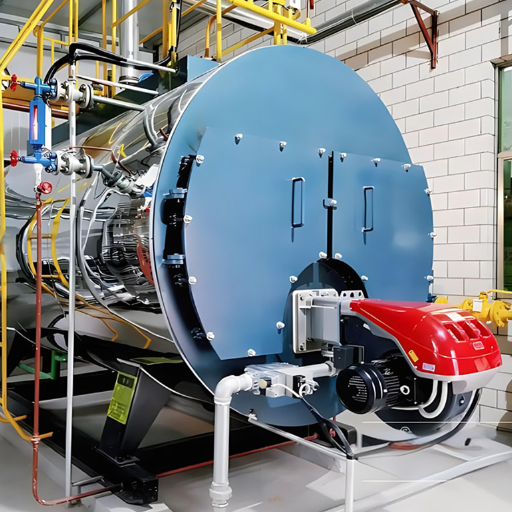
Steam is significant in the textile industry because of its multifarious and efficient use. It is chiefly applied in dyeing, finishing, and printing processes where temperature and moisture regulation is critical. High-pressure steam from boilers allows even heat distribution, rendering all treatments the best possible quality, uniformity, and absence of operational deficiencies.
Steam is one of the most essential “chemicals” in the textile dyeing because steam is needed to fix colors into the fabric effectively. Steam controls the temperature throughout the entire dyeing process, enabling dyes in textiles to penetrate uniformly and equally into the fiber, giving vivid and permanent colors. Again, in finishing, steam renders a substantial hand to soften and flatten materials so that all our casual and convenience wear remains as consumer-friendly as ever.
Steam supports energy efficiency and sustainable textile manufacturing. Modern steam boiler systems are designed to minimize energy consumption and emissions, their very solution for factories striving to reduce their environmental impact. Textile manufacturers using the capabilities of steam reach higher productivity, improved product quality, and lower operational costs, meeting with the ability to be competitive and sustainable within their industry.
Importance of Steam Boilers for Textile Manufacturers
Steam boilers play a vital role in the textile industry providing steam for various manufacturing purposes. They are crucial to dyeing, drying, printing, and finishing textiles, as constant steam quality and pressure is required for consistent results. Without a steam boiler system on which to rely, such processes would be inefficient and risk the final quality of the product.
Steam boilers have benefits, which often come down to energy efficiency and cost savings in the textile industry. Contemporary models are designed with a pure focus on energy optimization, thus reducing expenditure of fuel and operation. This becomes even more crucial for the textile industry sector, where any inefficiency can result in significant financial loss due to their energy-intensive nature. While enabling their supply-chain guarantee for steam in a more sustainable environment, therefore much less really making them enjoy cleaner emissions, textile manufacturers with energy-efficient steam boilers see reduced costs.
Withal, steam boilers’ establishment also supports maintenance-free productivity and operational reliability. This guarantees the continuous supply of steam required to produce textiles of quality and delivered on time. Manufacturers who use innovative boiler sets can meet the market’s demands in line with their sustainability objectives. This has enormous benefits for them in a dynamic industry with many fluctuations.
Types of Steam Boilers Used in Textile Plants
Different types of steam boilers are installed in textile plants, each serving specific requirements based on the processes needed. The most common types include fire-tube boilers, water-tube boilers, and biomass-fired boilers. Fire-tube boilers are widely used due to their simple design and reliability. They are ideal for small to medium-scale operations, offering steady steam generation and easy maintenance.
Water-tube boilers are preferred in larger textile plants with higher pressure and capacity requirements. They achieve high efficiency in a very short time, which is critical in quickly handling fluctuations in demand. The design sees the forced circulation of water through externally heated tubes, which better supports high capacities for steam in an industrial installation.
Boilers that are run by biomass are very high in demand these days due to their use in saving the environment. Many plants choose these boilers because they believe they are running in an environmentally friendly manner. This mostly respects the eco-friendly criteria as long as the fuels used—wood chips, agricultural waste, or other biomass fuels—are renewable resources. At times they work very well as well as serve as the cost-effective option when fuel is readily available. The identification of the right steam boiler type will help to enhance the use of energy and hence productivity while cutting costs for a textile factory.
Selecting the Right Boiler for Textile Manufacturing
Criteria for Choosing an Industrial Steam Boiler
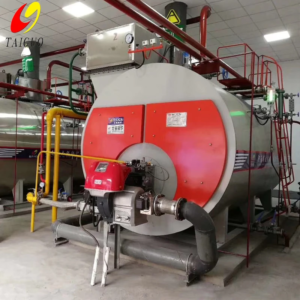
Efficiency is a chief factor to consider while selecting a steam boiler meant for textile manufacturing. With a more efficient boiler, the energy will be used rationally, which could slash operational cost into halves. Efficiency factors may involve wastewater management systems and insulation, the latter being reduction of heat from getting lost thus enhancing fuel utilization. There can be energy-saving mechanisms and advanced automatic safety features for ease of operation as well.
Compatibility with available fuel types is another important criterion. Boilers: When equipped for the best use of renewable, hence easy, fuels like wood chips and agricultural waste, they offer a very cost-effective solution. Before anything else, make a thorough assessment of the avenues where available fuels can be harvested for sustained operations. It is easier to select fuels that align with environmental regulations so their use helps limit environmental impacts.
There is a final consideration in the size and design of the boiler responding to the production needs of the textile factory. The boiler should produce the required amount of steam and have been designed to provide flexibility in operation in high and low seasons. Space also is a strong issue for consideration in considering a compact design may be needed in cramped facility areas. The makers should care more about durability and maintenance thereby increasing the efficiency and life of the equipment. When these important aspects are covered, manufacturers of textiles can be feasible in making, henceforth, a good choice in installing an industrial steam plant.
Comparing Different Boiler Solutions for Textile Applications
When choosing a boiler solution for their textile process, people prefer to consider three vital types being fire-tube boilers, water-tube boilers, and electric boilers, keeping the key factors of efficiency, utility, and the suitability of a boiler for certain types of process areas in view. Though each option has its distinct advantages, they depend on the operations being carried out.
| Boiler Type | Best For | Key Pros/Cons |
|---|---|---|
| Fire-Tube | Small to medium premises | Simple to use, lowest upfront cost, but lower pressure capability. |
| Water-Tube | Large, continuous operations | High-pressure steam quickly, high capacity, but high initial investment. |
| Electric | Environmentally conscious setups | Zero local emissions, but high operational cost depending on power rates. |
Evaluating Boiler Efficiency and Performance
In context, performance and efficiency are critical factors used when choosing a particular boiler for a textile procedure. Boiler efficiency is defined as the useful heat output compared to the total energy input. High efficiency means that fuel will be consumed more efficiently, and that various ways of conserving energy can be accessed for the first time that are capable of reducing certainly operating costs and environmental impact. Desirable would be the boilers that have advanced heat-recovery systems since these make use of the excess heat to improve overall efficiency.
Assessment of performance also includes examining a boiler’s ability to balance the steam or heat demand from a textile mill. This denotes the assessment of its load-carrying capacity, reaction time, and operational reliability. Steam boilers designed to maintain constant output across variable loads have now become even more suitable for production activities like textile manufacture, in which a cycle may have uneven outputs.
Maintenance and regular inspections are mandatory in order to run the heating system efficiently for long periods of time. Cleaning heat exchange surfaces, monitoring fuel quality, and calibration of control systems are employed to minimize energy losses and mechanical failures. Efficiency in operating must come along with proper maintenance, causing investments for the same to result in a long-term priority, thereby providing sustainability to efficient textile plants with cost control in place. Textile mills must also carefully consider all of these prerequisites to determine which boiler matches their requirements for production and commitment to the environment.
Operating Steam Boilers in Textile Dyeing Facilities
Best Practices for Boiler Operation in Textile Manufacturing
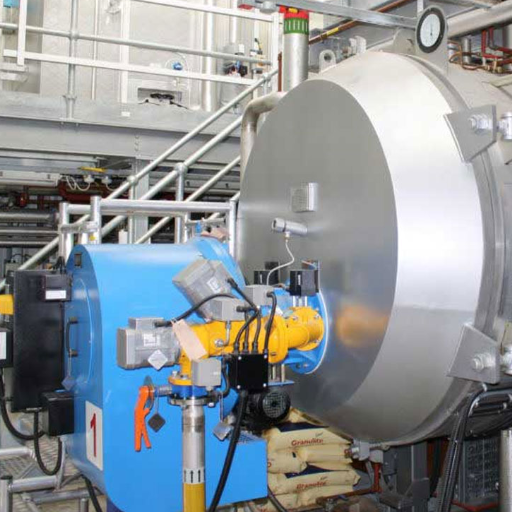
The efficient running of a steam boiler is a key requirement for the textile industry, especially for dyeing operation where steam is indispensable. Some the best practices supported of the following recent studies for ensuring sustainable and efficient boiler operation are:
💡
Operational Best Practices
- Use Energy-Efficient Boilers: Modern boilers reach over 90% thermal efficiency, saving 10-15% on consumption.
- Maintenance and Routine Inspections: Prevents the 5-10% efficiency loss typical of poorly maintained machinery.
- Installation of Advanced Automation: Precise control can yield immediate productivity improvements of up to 25%.
- Water Treatment: Prevents scaling which can degrade heat transfer by as much as 30%.
- Monitor Fuel Usage: Smart monitoring can save up to 20% in fuel costs annually.
- Recover Waste Heat: Economizers can enhance thermal efficiency by an average of 10-15%.
- Eco-Friendly Sources: Biomass boilers can reduce plant emissions by approximately 40%.
- IoT Monitoring: Real-time discovery of issues reduces unplanned downtime by 30%.
Should these practices be embedded into textiles, they stand a chance of a sustainable operation and low-cost production complying with environmental regulations. Adapting to technology and ensuring intensive staff training is indispensable in the maintenance of boilers inside the manufacture environment as they remain central but efficient parts of the production process.
Common Challenges and Solutions in Steam Heating
Steam is widely applied in manufacturing units. However, there are challenges across the thermosiphon systems and, if unaddressed, can affect overall efficiency and risk of harm and closure of these units. Heat loss due to insulation-minimized pipelines or equipment with age-related wear and tear is a major problem. It causes energy wastage and brings about increased maintenance costs. Regular maintenance can help, along with additional high-quality insulation, significantly minimizing heat loss and thereby improving efficiency.
Another major problem is the formation of condensate and impurities within the system. This can lead to the inefficiency of the system and may increase the risk of corrosion. A well-operating condensate-removal system and, perhaps, some chemical treatment are necessary to keep the steam clear of impurities. This will—and more than that—sustain the life expectancy of the equipment and assist in its functioning.
Steam traps, in the end, that essential removal of condensate while keeping the steam are going to face failures from time to time. Failing traps end up in wasted energy and compromised process performance. Regular surveys and prompt replacement of the defective steam traps allay this threat and ensure optimal working system. Proper personnel training ensures reliability and safety for the equipment.
Monitoring and Control Systems for Steam Boilers
The safe and effective operation of the steam boilers depends greatly on the sound working of monitoring and control systems. These systems ensure that critical parameters such as pressure, temperature, water levels, and fuel consumption are monitored periodically and maintained for effective operation. By means of the integration of sensors and automatic controls, operators can quickly detect any deviation of these key parameters and proactively take corrective action against possible failure and inefficiencies.
Judging from the general safety aspect, safety is enhanced as automated alarms clearly signal to the operator the dangers at the scene e.g., as in low water levels or excessive pressure hence provide averted risk minima. The sophisticated control systems eventually reduce energy costs and help to mitigate environmental degradation. Maintenance has to be done from time to time to enable optimum performance.
Increased performance from these platforms supporting operational efficiency is the second key value for steam boilers. Maximizing uptime and productivity, and maintaining peak efficiency in performance, are all attributes of running boiler systems in the best possible way. Predictive maintenance alone is a standout feature in that it spots potential problems and intervenes before they become disasters, preventing costly replacement and repairs. Consequently, the sound implementation of monitoring and process control systems assumes importance in maintaining boilers’ operation period intact, efficiency high and safety high.
Maintenance of Industrial Steam Boilers for Textile Dyeing
Routine Maintenance Practices for Longevity
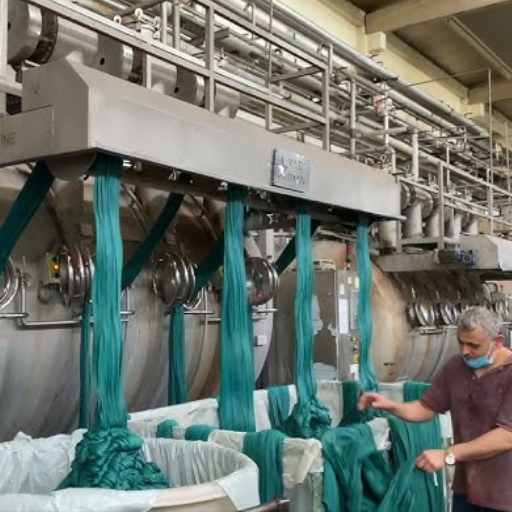
Regular maintenance for industrial steam boilers is very vital to one’s reliability and performance especially for those in the textile dyeing sector. For longevity, the very first step is to conduct regularly scheduled inspections for wear and tear, leakage, and damage. These preventative inspections help to find problems in time thereby averting major damages that could shut down the whole operation. Key components such as boiler tubes, valves, and water levels should, therefore, be checked for their condition at regular intervals.
Another crucial maintenance practice concerns water treatment. Impurities carried by the water such as scale and chemical corrosion and inefficient heat transfer are responsible for adversely affecting boiler plant efficiency over time. Once water treatment cannot be turned a blind eye, an effective water quality program, incorporating regularly-performed water testing and treatment with specified chemicals, is a real risk reducer.
In other words, cleaning and lubricating are preventive measures needed. Regular cleaning of combustion rooms, burners, and fuel lines is implemented to avoid remnants of soot or rubble from accumulating which may cause a decrease in efficiency of the boiler and an increase in energy utilization. Moreover, the lubrication of moving parts, such as pumps and motors, decreases the rate of wear and tear and continues their smooth operating condition throughout the number of years they have been used. The practice of maintenance on the said piece of equipment makes it easier to run and thereby serve textile-dyeing well and safely.
Identifying and Addressing Boiler Issues
Boiler Issues have a tendency to originate from typical problems including leaks, overheating, irregular pressure, or unusual noises. Operators are expected to visually inspect their boilers regularly, as well as check their performance metrics such as water levels, pressure readings, and temperature. Any change from normal operating conditions, for example a fluctuating pressure or discoloration of water, would guarantee the identification of the underlying problem, which may require further action.
Addressing boiler issues is about isolating problems and understanding their cause. Such as in this case of leaks, leaking is usually as a result of seals that wore out or pipes that have corroded – actions need to be taken to repair or replace the worn gaskets in order to prevent further damage. Just the same, irregular pressures may be the result of pressure regulators malfunctioning or avenues blocked or valves jammed somewhere and have to be checked out by someone who is skilled at that sort of thing. When all fails and if at all possible, read through your manual or other instructional material for processes that may be particular to the make and model of your boiler.
⚠️ Important Note
Routine maintenance—including cleaning, rust identification, and safety device checks—is the essential answer to preventing major loss. Engaging authorized specialists for time-based inspections undermines the need for costly repairs.
Upgrading and Retrofitting Steam Boiler Systems
Upgrading and retrofitting a steam boiler is an excellent means to enhance the performance, efficiency, and safety of boilers without necessarily replacing it. Modifications can help the boiler to conform to current energy standards, reduce fuel consumption, and minimize environmental impacts. Retrofitting options are negotiable and can be tailored to meet the stipulated needs of the boiler system on hand. This is, therefore, a cost-effective endeavor for commercial and industrial properties.
Major improvements include automated controls with variable speed drives giving better response to load demands, improved power management, and enhanced precision control. Depending on the site-specific requirements, economizer(s) can be provided to recover flue gas heat for an increase in overall fuel efficiency. In another positive note, the replacement of older burners for low-NOx (nitrogen oxide) variants will be a huge step forward in meeting tighter environmental emissions standards.
Given the importance involved in a retrofitting process to perform an existing boiler assessment by an experienced specialist, it is crucial to guarantee that your boiler system is well and healthy. The assessment will assist in determining compatibility issues and any necessary structural modifications that threaten life safety among others. In this scenario, one must strive to attain effective operation and longevity of service for the system through adequately detailed planning and execution. The best options for an upgrade would also be to upgrade waste prevention efforts in the room since both, after all, will support broader efficiencies.
Future Trends in Steam Boiler Technology for Textile Industry
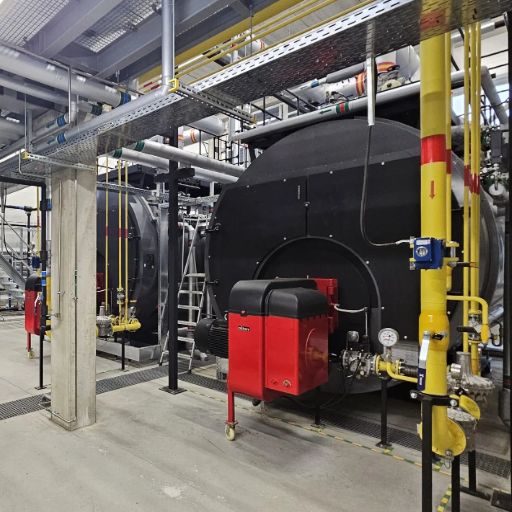
Innovations in Boiler Design and Efficiency
In a bid to address the concerns of improved energy efficiency, cut down on greenhouse gas emission, and increase the operational reliability of boilers for the industry, modern-day design of the boiere entwines these propoulsions. Some of the most promising technologies of “boiler economizer” are used to exploit waste heat to preheat feedwater, which increases overall thermal efficiency substantially. Meanwhile, such things as sizeable modular boilers can bring an option to the industry for increasing production, as well as staying away from unnecessary energy drain.
The shift that stands out is the integration of automated and smart monitoring technologies. It is now clear that with intelligent controls, the boiler operation is effectively defined and further fine-tuned to consuming the fuel to its fullest and making margins more slender for losses; in real-time, however, any diagnostic and predictive maintenance alerts advise on potential breakdowns and thus help in zereodowntime and lengthening equipment life. Such features ensure economic benefit to operational processes by increasing safe working in industrial settings.
Finally, more sustainable fuel options and hybrid boilers are now being employed to minimize carbon emissions. Boilers running on biomass, biogas, or any combination of renewables and conventional fuels thus provide a means for the industrial sector to comply with the stringent environmental regulations. Integrated with secondary combustion technologies like low-NOx burners, they serve to bring about cleaner processing. These are some great steps towards functional efficiency as well as environmental responsibility-that the textile sector knows pretty well.
Impact of Sustainability on Steam Boiler Choices
Steam boiler selections are significantly influenced by sustainability since they weigh reductions in environmental footprints against productivity. One of the things to consider is the type of fuel used by the boiler; renewable and greener fuel sources, for example, biomass and biogas, are more preferable in comparison to regular fossil fuel, mainly due to considerably less greenhouse gas emission produced by the former. The alteration coincides with international environmental priorities while supporting industries to catch up with closer state and private sector mandates on the said environment.
The energy efficiency issue is another very important factor in choosing a steam boiler. Sustainable boiler systems must be designed so that they fully utilize energy and do not waste it. Such measures as heat recovery systems and insulation help reduce fuel consumption, therefore lowering the cost of operation and minimizing environmental repercussions. For this reason, environmental compliance remains the most sustainable reason to use energy-efficient boilers in industries addressing long-term economic and environmental challenges.
Worldwide governments and regulatory bodies enforce standards for emissions. Choosing a boiler catalyzed with advanced emission-control chassis such as low-NOx burners provides the solution in terms of meeting compliance while furthering the sustainability cause. Textiles and food processing industries benefit from such sustainable boilers that inculcate sense of environmental responsibility in the workforce, with no counteracting productivity.
The Future of Boiler Solutions in Textile Manufacturing
The future of boiler solutions in textile manufacturing is now focusing on energy efficiency and environmental friendliness. Most of the industry is entirely dedicated to novel boiler systems that have a very low energy input requirement and limited operating costs while relating to excellent performance. The present day boilers come with advanced heat recovery systems. This system recovers heat in every conceivable way to enhance and maximize energy efficiencies, thereby lowering the boiler fuel bills, resulting in decreased carbon emissions. This development serves in some way to corroborate the world’s ongoing efforts towards abandoning climate change and thereby promote sustainability in operations.
Yet another revolutionary stride made in recent times is the coalition of smart technology and automation. Smart boilers, as empowered by sensors and sound control systems, are expected to guarantee real-time monitoring and optimization of energy usage. Reduced downtime is linked to more consistent performance, essential for industries entailing high production schedules, such as textile manufacture. Automation will also address predictive maintenance as regards asset care and dear extension of equipment lifespan.
On the flip side, the switch to renewable energies such as biomass boilers illustrates the commitment of the industry towards sustainability. Agricultural waste and wood pellets can be used as fuel for biomass boilers and may reduce greenhouse-gas emissions compared with traditional fossil fuels.
Frequently Asked Questions (FAQ)
Q: What is a steam boiler for textile dyeing factory and why is it critical to textile production?
A: A steam boiler for textile dyeing factory is an industrial boiler or steam generator designed to produce high-quality steam used across dyeing and printing, finishing process, and other stages of the textile manufacturing process. Steam is critical to textile production because it provides controlled steam temperature and pressure steam needed for processes such as dyeing, textile printing, and fabric manufacturing.
Q: What types of boilers are suitable for fabric production and dyeing facilities?
A: Suitable options include water tube boilers, gas boiler, oil boiler, coal boiler, and modular boiler system configurations. Many textile companies prefer gas-fired steam boilers or efficient steam boilers for lower fuel and water costs and faster response. EPCB boiler and Miura boiler systems are often cited as modular, efficient choices.
Q: How would steam temperature and pressure affect the process of dyeing and printing?
A: Both steam temperature and steam pressure play a significant direct role in dye uptake, colour consistency and finish quality. Continuity of pressure-fed steam is significant for processes like steaming, scouring and drying.
Q: What factors should textile organizations think over when opting for a steam boiler solution?
A: Steam requirements (flow rate and pressure), fuel options, boiler efficiency, modularity, space, maintenance needs, and total operating costs should be measured up. Choosing a boiler principally fabricated for textiles ensures effective steaming operation.
Q: How can an efficient steam boiler lower operational costs in a textile-manufacturing facility?
A: Improved heat transfer and condensate recovery lead to reduced fuel consumption and water usage. Modern water tube and gas-fired boilers often hold higher fuel-to-steam efficiencies and quick response times.
Q: How do most textiles deal with the issue of varying steam needs for textile factories?
A: Solutions include modular boiler systems (like Miura or EPCB), hybrid setups, and steam generators that allow for instant load changes to scale capacity generation during peak operational times.
Q: What is the importance of boiler maintenance and a good boiler room setup in textile factories?
A: Regular inspection, water treatment, and anti-scaling protect the boiler from inefficiency. Safety arrangements and skilled operators ensure power generation with minimal downtime.
Q: Can steam boilers be customized to accommodate various textile materials and production scale?
A: Yes. Steam boiler sizing is compared to the specific requirement of the textile material and operation scale. Custom settings for back-pressure and swappable fuel modular boilers are available for sophisticated needs.
References
-
Case Study on Steam Mechanism in Textile Industry
Read the study on Academia.edu
This research discusses the adoption of steam technology in textile industries and its impact on production rates and quality. -
Life Cycle Assessment for the Dyeing and Finishing Process
View the article on JTATM (Journal of Textile and Apparel, Technology and Management)
This paper evaluates the environmental impact of steam usage in textile dyeing and finishing processes. -
Effect of Steam on Cost of Power in Textile Mills
Access the article on the University of Arizona’s website
This document explores the role of steam in heating and manufacturing within textile mills. - WNS Oil Gas Fired Steam Boiler – China Factory Horizontal Fire Tube Boiler