Get in Touch with Taiguo

Complete Guide to Oil Gas Fired Hot Water Boiler


Contents
show
In the realm of heating systems that are both efficient and reliable, oil and gas-fired hot water boilers take the cake as they are quite a favored option for use in both residential and commercial sectors. They are certainly key in ensuring you have a viable constant water heater and maintaining indoor comfort in frigid temperatures. But how do they operate and why are they so effective? Read on this guide as it delves into what oil and gas-fired hot water boilers are all about-their components, availability, energy efficiency, as well as maintenance suggestions. If you’re a homeowner looking into heating options, young or old professional looking for utmost comprehension of oil and gas-fired water heating system, then this read is your “must bookmark” resource.
Introduction to Oil and Gas Fired Hot Water Boilers

Overview of Boiler Types
Hot-water boilers for oil and gas come in two major forms-conventional boilers and condensing boilers-which are grouped based on functional operation and structure. Conventional boilers (also conventional boilers) are the choice classically made for very many houses with heating by the burning of fuel. Through the heat build-up, the water is distributed with radiators or taps. They are reliable, simple, and sturdy in design but have not lived up to the maintenance standards of the newer design principles in terms of operational efficiency.
Whereas conventional boilers are still preferred in many homes, condensing boilers offer a more modern alternative that is highly energy efficient indeed. By capturing and using heat that would otherwise escape up the flue, condensing boilers attain energy efficiencies well above 90%, translating into lower energy costs and lesser pollution. Homeowners are now after this option as now they can see, in the wake of homeowners warming to a green heating choice with value for investment.
Two types of boilers designed for the dual usage of both oils and gases, having some advantages, are extendable to oil-burning units in areas where natural gas is not available but ensure ease of access to gas networks at cheaper costs for gas-burning appliances. Factors such as location, financial capacity, and heating requirements in their specific qualities provide useful guidance in favor of either type; all they require afterward is regular maintenance and services to witness them working with an impetus over extended years.
Importance of Water Heaters in Residential Settings
Water heaters are essential necessities in homes to maintain a consistent supply of hot water, which is used for the general activities of life – bathing, cleaning, and sometimes even for cooking. Hot water undoubtedly goes a long way in increasing comfort and maintaining a healthy living environment. Not having a water heater would make these basic jobs difficult or severely inconvenient, especially when the temperature is cold.
Still, water heaters deserve mention for their contribution towards efficiency and cost savings. Present-day water heaters, including those that have been optimized for residential purposes, are typically produced to save energy, resulting in a substantially lower utility bill with an environmental footprint far less significant. Homeowners can pick the water heater that would meet their demanding requirements, considering the initial cost with the long-run cost of replacing it.
For a relaxing bubble bath or for a warm shower after a grueling workout at your home gym, hot water is essential.
Technical Specifications of Oil and Gas Fired Hot Water Boilers

Design and Construction Features
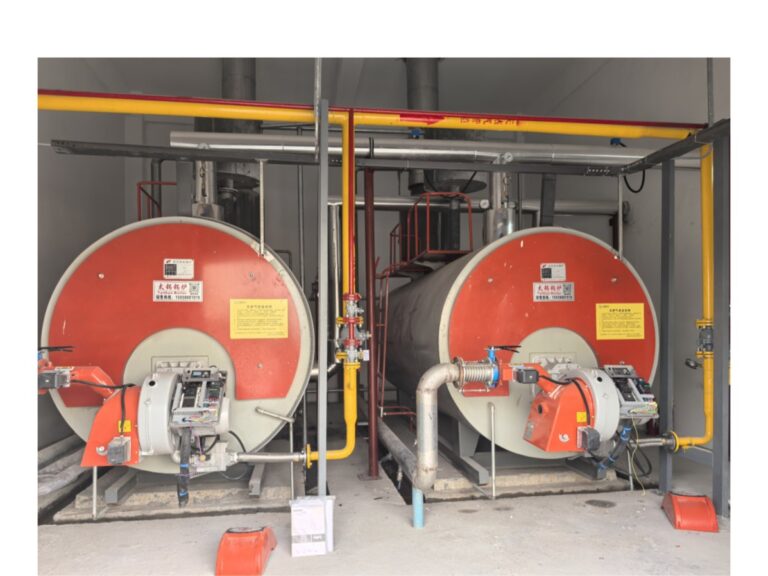
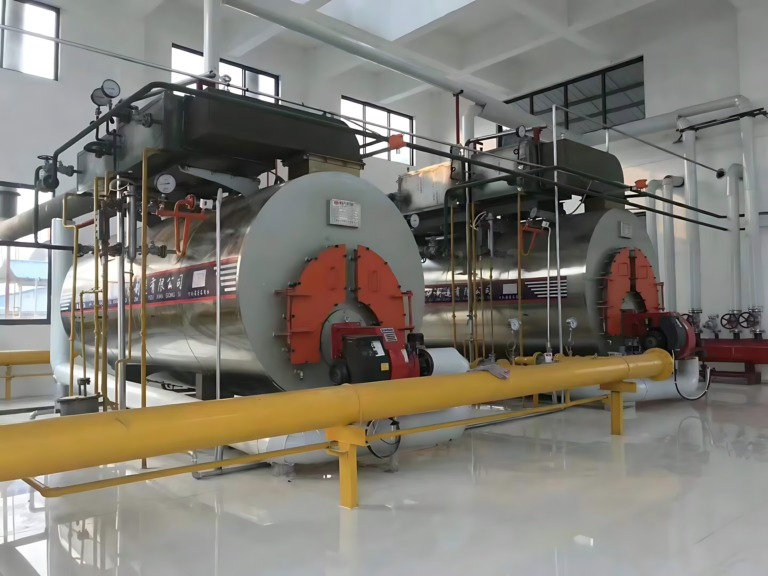
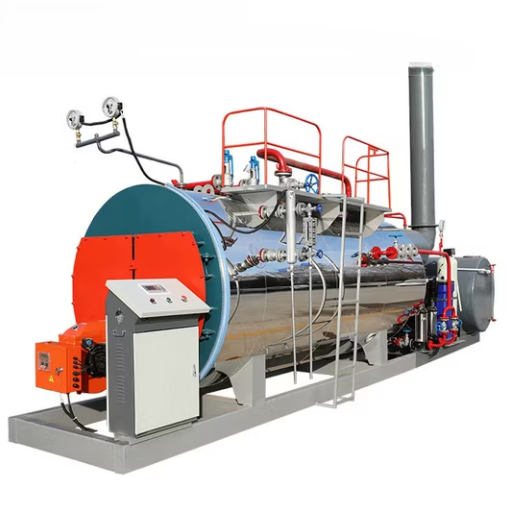
Later gas hot water boilers are known to have come a long way in updating the heat efficiency of buildings. The design features typically include a heat exchanger, designed to transfer the heat generated by the combustion of fuel to the water. This ensures effective thermal conductivity required for the boiler to manage an optimal trade-off between energy consumption and heat output.
The composition of these boilers is made of durable materials like steel or cast iron that can hold up to high temperature and pressure fluctuations. Of course, the inclusion of safety features such as valves, relief, and temperature monitoring systems, are delicately and securely designed for operation. Also, an additional layer of insulation can at times be seen to reduce heat loss, improving the overall efficiency.
With high combustion efficiency, oil and gas combustion chamber generates not much smoke in return of the required heat performance. Boilers are adaptable and therefore ensure that it creates a practical fitting. A good example of a boiler in an industrial setting is WNS gas-fired steam.
Heat Exchange Mechanisms
Heat exchange mechanisms are what make it so easy to conduct those thermal energy transfers between systems or between mediums, thus making it so that the industrial boilers can work with the best possible efficiency. Among the principal methods to such end are conduction, convection, and radiation, all driving the energy exchanges. Every energy exchange mechanism plays a critical role in making the boiler system conducive to acceptance, facilitating the best application as needed.
Conduction allows for the transfer of heat from a high-temperature zone to a low-temperature zone through a material. This is a key process in a boiler heat exchanger, where heat is conducted through metal walls between hot gases and water or steam.
Convective heating is essentially brought about as a fluid such as air or water transports heat from one body to another. Boilers are known to use convective heating along with natural convection-there is an example of forced upon convection whereby one employs a pump or fan to circulate fluids efficiently in a cross-flow.
Radiation, on the other hand, is the transfer of heat by way of electromagnetic waves without physical media. This is an important means of transferring heat to nearby surfaces during combustion.
These heat-transfer mechanisms can improve the efficiency of boiler operations by reducing energy waste.
Typical Capacities and Dimensions
Boilers are designed for various capacities to suit myriad industrial and residential needs. The capacity of a boiler is generally measured in the form of steam output, typically given in tons per hour (TPH) or BTUs. Industrial boilers traverse a wide range, from a mere 10 TPH for small industries that do simple activities right through to 200-plus TPH for heavy-duty operations such as power production and chemicals.
The size of a boiler will always depend on the specific type, function, and capacity. As an illustration, small residential boilers are compact and will be a few feet in height and width usually to fit within restricted areas like basements or utility spaces. On the contrary, large industrial boilers are a few stories high and can take up vast space on the floor; hence care should be taken in their design layout to allow easy installation and maintenance.
A constant relation and mutual functioning between capacities and sizes is the clear message in the selection of boilers. The owners/operators need to assess the requirements of heating or steam to select the type and size of boiler. Given the current operational necessities, this planning would give a plethora of benefits to efficiency, security, and longer equipment life.
Energy Efficiency of Hot Water Heating Systems
Understanding Energy Ratings
Energy ratings are important indicators of a heating system’s efficiency and performance. They measure the effectivity with which a heating system converts energy to heat in such a way that there is short possible wastage. The ratings will also be used to denote efficiency; greater energy ratings are thus indicative of lesser energy consumption and hence lesser utility bills and indeed become a big issue for cost saving and of environmental concern.
One common standard that measures fuel utilization efficiency is the AFUE (Annual Fuel Utilization Efficiency). Expressed in percentages, AFUE tells how much of the fuel consumed by a heating system is useful heat delivered. For instance, if the AFUE is 90 percent, this means 90 percent of the energy in the fuel is used for heating while the rest is lost. Some other systems may indicate efficiency utilizing certain labels like ENERGY STAR, which recognizes equipment that meets rigorous energy performance standards.
A sustainable water heating method, that would turn out to be a long-term material benefit, is to seek a heating system with high energy savings. When evaluating systems, energy ratings should be considered alongside fuel type, capacity, regular maintenance requirements, and local utility constraints.
Comparative Analysis of Oil vs. Gas Efficiency
Comparative analysis indicates that natural gas is the best choice for efficiency in heating in contrast with oil. Natural gas heating systems provide higher energy efficiency ratings in general, which signifies that a greater percentage of gas is used correctly and converted to heat. The reason appears to be that natural gas burns clean, as for oil, which burns dirty and requires soot removal on a regular basis to maintain heat output.
Another consideration has to do with cost efficiency. Pricing of heating oil could vary widely by changing market conditions, whereas gas prices may provide more stability in the South regions. Further, gas heating systems are usually maintained less frequently, thereby reducing long-term costs of operation. However, the geographic availability of natural gas again limits the benefits it can provide in regions without a good infrastructure.
Environmental considerations also favour natural gas as the more environmentally friendly choice in terms of greenhouse gas emission as compared to oil. If significant reduction in greenhouse gas emission is something meaningful to you, then natural gas would be the way to help you toward that goal. Even where natural gas is unavailable or preexisting systems make switching not feasible, e.g., myriad areas swimming in their peculiar economic circumstances, then oil as heat source should still be offered. It is thus debatable within very few issues which is the most apt course of action. In the final analysis, it is all region-specific: what the accepted or acceptable range of environmental standards is, the kind and cost of installations made domiciles, and future conservation goals benefiting the consumer.
Impact on Energy Savings for Homeowners
Domestic hot water heating holds a prominent office in energy consumption, affecting energy bills and ecological footprints at the very level. Such efficient systems are extraordinarily fiscally rewarding in stopping energy losses and optimizing system performance. Emphatically, the highly advanced systems such as tankless or heat pumps are designed to deliver hot water on an as-needed basis or use renewable energy sources, again besting many time-honored water heaters.
Systems efficient in cost-plus-greenhouse gas reduction meet some of our sustainability efforts. The intent may be significantly raised toward subtracting away one’s gruesome reliance on fossil fuels if a person in a house settles for a solar hot water heater or a system that uses renewable energy input. By using reduced resources to heat water, the conservation-effected by saving money and reducing their impacts-through systems such as on-demand hot water.
Efficiency ratings are what homeowners need to examine to maximize the energy savings bestowed by their heating system. If the heating system is outdated, homeowners might want to consider retrofit options when possible. Ideas on such issues as insulating the hot water pipes, regular maintenance, and correct thermostat settings work towards good energy efficiency. Marking the initial cost benefit must be weighed, but high-efficiency systems will show they are worth this cost as they save energy and provide environmental benefits in the long run.
Applications of Oil and Gas Fired Hot Water Boilers

Residential Applications
Oil and gas-powered boilers supply hot water for household heating purposes. They are generated as a practical method of heating homes through radiators, baseboards, or underfloor heating systems. Boilers can also be combined with domestic water heating systems to hold up during the cold season and assure continuous supply of hot water.
In comparison to other systems, the efficiency of oil and gas-fired hot water boilers in terms of heating large spaces alone is a major advantage. Innovations in technologies of their models include those with modulating burners and condensing designs for efficient use of fuel and minimizing waste, thus decreasing energy costs, while there is value in cold regions with long heating seasons. However, regular maintenance that includes burner cleaning and inspection and heat exchanger examination may further distend the lifetime and the efficiency under which they function.
Beyond their dependability, boilers are also renowned for their extreme durability, stemming from which they are a worthy investment for home owners. Properly choosing the size and capacity of a boiler leads to better performance and cost-effectiveness. Modern high-efficiency models also come equipped with stringent emission standards and are an environmentally responsible alternative, while homeowners who wish to reduce their carbon footprint. By choosing a boiler that suits them best and sticking to the maintenance schedule, the residents can achieve a very satisfactory standard of living, balancing their energy use with sustainability responsibilities.
Commercial and Industrial Applications
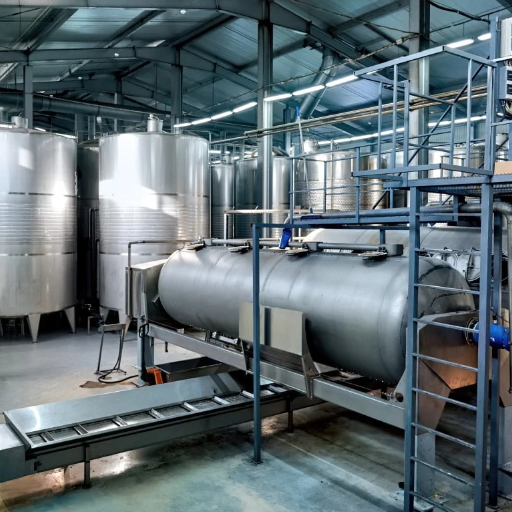
Boilers in the commercial and industrial sectors are relied upon for providing dependable heating and energy applications. Boilers are employed to perform these functions during the processing of food products, chemicals, and manufacture, along with handling water heating. The ability to produce a large quantity of steam or hot water makes boilers just right for applications requiring controlled energy throughout their entirety, thereby proving very efficient.
In manufacturing plants, boilers are essential for metal-working processes, textile production, and equipment sterilization. Consistent steam production ensures continuous operation and helps ensure quality output. In a similar vein, food and beverages industry boilers feed off energy for cooking, sterilization, and maintaining proper temperature conditions, which assist in smooth operation and safety regulations compliance.
While they are functionally capable, sustainability is also a key focus for modern commercial and industrial boilers. With the reduced level of carbon emission, manufacturers are increasingly looking forward to developing boilers that are not only energy-efficient but also comply with environmental regulations. Moreover, the reduction in carbon emission, energy consumption and so forth correspond to long-term sustainability goals of a business, ultimately benefiting the economic and environmental performance.
Specialized Applications
Specialized applications of modern boilers stretch across various sectors, each with its own set of requirements that need to be fulfilled. In the food and beverage domain, the process of pasteurization, sterilization, and heating is facilitated with assistance from boilers. Henceforth, for the process, temperature needs to be finely controlled and performance should be consistent in favor of product as well as safety standards. And same goes for pharmaceuticals. In this domain, hospitals use the boiling method to sterilize equipment and with a much-needed controlled atmosphere, and this is a basic requirement in health and safety regulations.
Another major industrial sector where this form of measure finds application is the Chemical Industry. In such cases, the boiler serves the dual purpose of providing the heat for chemical reactions and creating steam for power. Boilers found in this industry are high-utility boilers, often operating at exceedingly high pressure and capacity. The critical demand in case of such operations is reliability and safety, as the process it may involve can sometimes be reactive and dangerous.
Merely put, life could not go on without the work of boilers in manufacturing and power generation. Textiles, metalsmithing, or energy production expected this type of strong and energy efficient boilers. The new boiler systems help reduce operational costs and provide steady functioning and motive for industrial assessment in achieving a balance between productivity and environmental fitness. Overall, certain types of boilers are designed to meet the plethora of requirements in different sectors without any arguments on sustainability and efficiency considerations.
Operational Benefits of Oil and Gas Fired Boilers

Reliability and Performance
The oil and gas-fired boilers command respect for their reliable and consistent performance in different industrial and commercial environments. These boilers are constructed to survive consistent and severe operating conditions that can supply energy on a permanent basis. Their design assures that they remain at a constant thermal output despite being located in harsh terrain-an attribute of paramount importance when set against certain processes that demand always-on energy.
Their reliability lies primarily in their robust nature and advanced combustion systems. These ensure a minimum of downtime and contribute to preventing system failures and waste of operating time. The adaptability of oil and gas-fired boilers remains a major point shared among them; dealing well with changing load demand patterns, such as increasing or decreasing requirements, enables these boilers to serve the far ends of various industries. This adaptability means that the boilers deliver a higher performance capacity for wearing harsh operating circumstances, maintaining high levels of performance while on operational verge of any kind.
Apart from reliability, these industrial boilers have some extra points, easy to maintain and last long. With proper maintenance schedules, these boilers keep on running in peak condition and minimal need for replacements due to solid durability. Not only are such operations more efficient, they also save costs over time. Thus, the constant performance and trustworthy nature of oil and gas-fired boilers render them popular among industrial clients prioritizing productivity and energy efficiency.
Cost-Effectiveness and Savings
Even the most critical of applications have a certain margin that can cover maintenance costs.
After adjusting for time, a boiler of this type, compared to a boiler that breaks down much more frequently but remains operational, would require significant savings. The cost-effective aspect of the superior durability of these offer more estimable alternatives to the industries. Lastly, and importantly, these boilers are best capable of offering reasonable production schedules with fewer unscheduled breaktimes.
Over time, the economy and cost-effectiveness of oil and gas-fired boilers prove to be worthwhile. Investing in a solution will ensure that they will serve industry sectors without major catastrophes for decades, coupled with regular maintenance. Past reliability means that huge savings are obtained in the long run, making this a cost-effective and sensible means to energy-intensive operations.
Frequently Asked Questions (FAQ)
Q: What is the oil gas-fired hot water boiler, and in what way does it differ from steam boilers?
A: An oil gas fired hot water boiler is the high-quality heating appliance that burns oil, gas or a mixed combination of oil and gas to heat water for residential home heating or commercial heating systems. The steam boilers are unlike and generate steam to use for radiators or for any steps associated operations. Hot water boilers circulate the heated water through a coil or storage tank so as to move the heat to where it is needed in your home. Very often they are equipped with an ignition system and oil burner or gas burner to last longer and work well.
Q: How do I choose the right size boiler and not end up with an oversized oil gas fired hot water boiler?
A: Selecting the correct size involves calculating heat load so you avoid an oversized unit that would cost you in fuel bills and create short cycling when unnecessarily firing on and off. A dealer or technician will analyze factors like the volume of water in your storage tank or coil, the number of gallons of hot water required, insulation, and whether you have indirect or tankless setups. Moving from an old, inefficient system to a well-sized oil gas fired hot water boiler may end up being relatively cheapest in terms of money-saving yearly on fuel consumption.
Q: What is typical maintenance that will keep a gas-fired hot water boiler in peak performance?
A: An annual service by a competent service technician or plumber will include a checkup on the oil burner, filters, ignition components, venting, and coil. The following names some maintenance tasks, such as checking for leaks, replacing or cleaning filters, and setting water temperature. Regular repair and maintenance keep cold water issues at bay and protect against expensive breakdowns.
Q: Can an oil-fired hot water boiler be retrofitted into a dual oil gas boiler or used with both?
A: In the case of boilers to be converted for dual fuel, they need to have all the necessary requirements in place to use gas normally. It is normally best left to a reputable dealer or technician. Dual-fuel boilers provide an option when converting from oil to gas when it is cheaper than gas. Deviations from proper venting and to some extent ignition compatibility for safe and efficient operation should only occur during conversion or upgrade.
Q: What are the problems to watch for possible leaks or any problems regarding ignition in oil gas fired hot water boilers?
A: These problems include fuel leaking from the fuel tank and associated connections, oil burner ignition trouble, clogged filters, vent blockages, and water temperature maladjustment. Proper solutions should be put in place once a leak is identified to mitigate damage, while the ignition problems or running of the boiler, in persisting problems, should require the buttering on the side of caution and must always warrant a technician. It is always worth maintaining a brink of safety, and regular inspections thwart away unequally costly repairs and keep safe-as in benign-operation face of the equipment.
Q: Will the installation of a high-efficiency oil-fired hot water boiler lower fuel bills and bring down heating expenses?
A: A yes. The replacing of an old, inefficient piece of equipment to a high-efficiency and long-lasting oil gas-fired hot water boiler with modern ignition, enhanced combustion, and improved control will provide savings in fuel bills and overall heating costs. This includes proper insulation of the storage tank, following an accurate setting for water temperature, and annual service for maintenance. An expert could be utilized to discover the most cost-effective upgrade.
Q: When should I call a technician, plumber, or dealer for repair versus attempting a DIY fix on my oil or gas fired hot water boiler?
A: Errors on the oil-burner system, exhaust pipes, grid, ignition controls, leaks in fuel lines, and discrepancies in firing could be reasons to contact a technician, plumber, or dealer. The work might be simple to replace, say, an element there but repairs that deal with the fuel system or any unrelated parts or say annual maintenance is better off left for fixing by a professional for the sake of safety and optimal performance. And don’t forget that periodic professional servicing could prevent any undue abrasion and thus increase the life span of the system.
References
-
Energy in buildings: Oil-fired boilers
OpenLearn – The Open University
This source discusses the design and operation of oil-fired boilers, comparing them to gas boilers. -
Hot Water Boilers
University of Houston – Facilities Planning and Construction
A detailed specification document for gas-fired hot water boilers. -
Chapter SM 9: Combustion Heating Equipment
Purdue University
This chapter covers modern furnaces and boilers, including those using fuel oil. - CWNS Series Oil Gas Fired Hot Water Boiler