Get in Touch with Taiguo

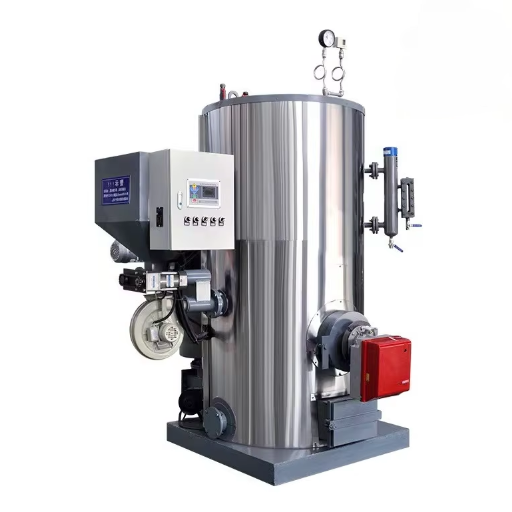
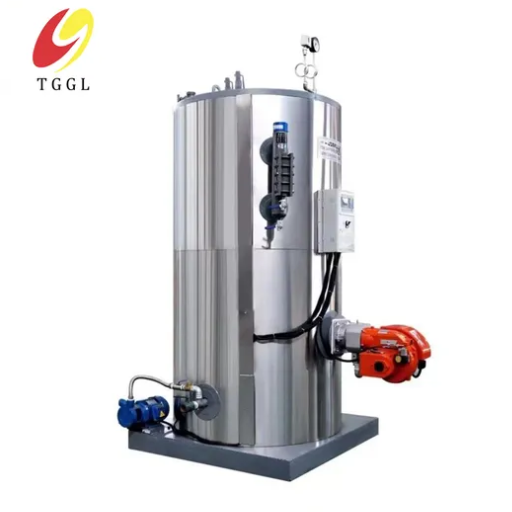
Small Steam Generator for Textile Industry

Contents
show
The textile industry is among the most energy-demanding sectors requiring accurate and reliable steam for countless purposes. Steam is a vital element from dyeing and finishing, ironing and pressing, serving as an enabler for integrity and efficiency of textile production. In combination with heavy weights, grips, and clumsiness, conventional boilers inflict expenses on small and medium-sized industries when these need to be run to start producing steam. The small steam generator, a new solution, is small in size—simple to handle and economical and portable for use in the textile industry. The present paper discusses how small steam generators are making a significant difference in practice, hence moving toward becoming a crucial necessity for businesses planning to maintain a state of competition in an ever-growing segment of our economy.
Key Takeaway
Small steam generators offer a compact, efficient alternative to traditional bulky boilers, providing faster start-up times and lower operational costs specifically tailored for SME textile operations.
Understanding Steam Generators in the Textile Industry

What is a Small Steam Generator?
A small steam generator is a compact device that is designed to produce steam for many industrial applications, with a focus on applications such as the drying of fabrics in the textile industry. It works through heating water to steam which is then directed to processes that require doing things like heating or drying fabrics. Does the attractiveness towards the replacement of large-sized boilers depend upon the suitability of this kind of boiler in its field?
Due to their portability, efficiency, and ease of operation, these are extremely small. Small steam generators’ requirements for space are less as well as input energy while producing a consistent performance of steam. This makes them an equally sensible option for any small or intermediary operation in comparison to the larger construction with tonnage of systems. Start operation is less critical since they provide a faster start-up and a stable steam flow.
In industries looking to increase production while keeping costs and environmental damage under check, efficiency-minded small-scale Steam Generators appear really opportune. They serve as complementary solutions that streamline operations in an enterprise unwilling to compromise on quality and efficiency.
Types of Steam Generators Used in Textile Manufacturing
Steam generators in textile manufacturing can be broken down into the following types, based on design and functional parameters: fire-tube boilers, water-tube boilers, and electric steam generators.
| Boiler Type | Key Mechanism | Best Use Case |
|---|---|---|
| Fire-Tube | Hot gases pass through tubes immersed in water | Dyeing, drying, and small-to-medium finishing |
| Water-Tube | Water passes through tubes surrounded by burning gases | Synthetic materials; high-pressure continuous supply |
| Electric | Electrical power transforms water into steam | Small-scale production; strict emission zones |
Fire-Tube Boilers: Being simple and reliable, fire-tube boilers are widely used with two characteristics. They pass hot gases through tubes immersed in water, thereby heating the surrounding water to generate steam. Fire-tube boilers are useful in operations that require moderate steam pressure and are generally seen in dyeing, drying, and finishing textile factors. They are thus a good solution for small to medium operations since they are less cost-effective and have low maintenance.
Water-Tube Boilers: Water tube boilers are employed in the majority of textile industries where there is a high demand for steam and large-scale production. Unlike the Fire-Tube designs, the Water-Tube designs pass water through the tubes, as the tubes are surrounded by burning gases. That explains the fast generation of steam alongside handling higher pressures. Such efficiency is suitable for processes like the treatment of synthetic materials that requires rapid and continuous steam supply. Such qualities make the boilers best-fit for severe industrial use.
Electric Steam Generators: The Electric Steam Generators are definitely the green choice, especially for firms that aim at scaling down their carbon footprint. That is because these generators use electrical power to facilitate the transformation of water into steam. Consequently, they can be used in the manufacturing and processing of small-scale textiles or anywhere stringent emissions’ regulations apply. Their being compact and easy to install are a great advantage; meanwhile, unfortunately, their reliance on electricity as their power source can inflate operational costs based on local energy rates.
The right steam generator type selection can lead to streamlined operation, maximized energy efficiency, and match the process line needs of manufacturers.
How Steam Generators Improve Operational Efficiency
Operational efficiency is enhanced by steam generators taking effect that allows these to efficiently issue steam which could be used in various industrial contexts. In the occurrence of a slightly unexpected incident, having steam at a fast pace shall, however, prevent bad downtime and make a big help to be achieved with respect to equipment utilization. More commonly, the occurrence of greater stability comes through steam supply, leaving on smoother edge one’s normal state of production, which then turns to processes being more punctual, thus reducing the chance for breaks.
Another main offering of steam generators is energy efficiency. The modern-day steam generators are specifically equipped with heat recovery systems, ensuring minimal energy loss, besides its optimization for thermal performance. This efficiency will save energy and translate into savings on business costs. Basically, nowadays, the controls of an advanced type are available with many steam generating systems. This will, in turn, allow the operator to tinker with the output of steam as per the demand. In this way, less shall be wasted; hence, the efficiency created shall be maximized.
As it presents a fresher, enhanced tradition of functioning effectively, we are rendering steam generators a new repute. These simple installations and their great compact design in relation to many industrial environments, where space may be limited or where clean air regulations are in effect, give vendors many advantages to work on. In addition, very quick start-up and process vacillations guarantee that the generator will keep up efficiently with the dynamic needs of production and process-based industries. To make an end to reduction at work and removal of energy wastes, the greatest application of steam generators in furthering operational efficiency is their polish with absolute reliability.
Key Benefits of Electric Steam Generators
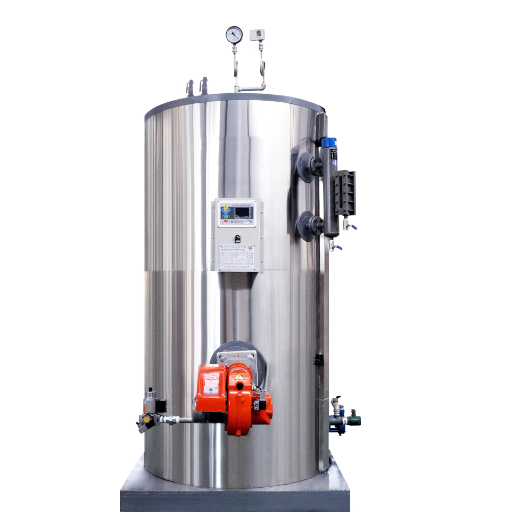
Energy-Saving Features of Electric Steam Generators
In designing electric steam generators, energy-saving features are featured with a definite goal to minimize energy consumption and boost overall efficiency. One of the salient features is the refined control system that allows the generator to adjust its production according to demand, as requested. This is how energy wastage, which so often occurs when creating steam when only part of it is in demand, is prevented. These control systems are usually automated with thermostatic control and program settings that are easy to modify to comply with any condition present for efficiently conserving energy.
💡
Pro Tip: Efficiency Check
Instantaneous heating in electric generators eliminates the long “idling” energy waste found in traditional heavy boilers.
Another great feature of electric steam generators is the instantaneous heating properties. Unlike conventional boilers that take time and consume energy to heat up, the electric variety is quick with its heat-up feature. This not just saves energy but saves costs for associated equipment as well. Engines that use fluctuating steam requirements lend well to these machines. Also, compact design ensures less heat wastage and thus maximized energy utilization within the equipment.
Electric steam generators rank highly for their efficiency; unlike fossil fuels, very little maintenance and energy loss due to fuel burning is needed. Running coolly, without fire; they do not spew out wastes the way a boiler does. So, from an appeal to environmental balance, electrically fueling steam generators significantly reduce carbon emissions and energy bills, while enhancing performance in industrial environments with reliability and efficiency.
Cost-Effectiveness of Electric Steam in Textile Factories
Textile factories owe more to the cost effectiveness of electric steam generators. Where fossil fuel operated methods involve pesky daunting costs, an electric steam system can be used to realize potential savings: e.g., from quick and accurate energy consumption, continuous performance, or savings on part replacement/downtime occasioned by a repair kind of activity.
When evaluating electrification, manufacturers may compare operational expenses, labor, productivity, fuel use, greenhouse gas emissions, and overall efficiency.
In their immediate vicinity, piped steam systems produce fewer pollutants. In order for competitive advantage to be maintained, both the customer and the manufacturing company must observe the environmental responsibility of reducing harmful emissions. Delivery routes are minimized during transportation by a Type III power plant, and the reduction in these routes could mean sometimes that participation in programs that present opportunities to show such activities compelling, even given how other approved programs reach the same purpose.
Quality Steam Production for Textile Processes
Steam is essential for various textile processing methods like dyeing, finishing, and drying. Quality steam is required to ensure even heating, efficient use of energy, and uniform treatment of fabrics and processes. Steam quality, strength, and pressure determine the overall quality of the final textile product, so reliable and effective steam production systems are indispensable to maintain the high quality of the products being produced.
Efficient steam production begins with quality equipment and stable operation to reduce pollutant loads and to help provide a steady output. Boilers must be periodically serviced to avoid scale buildup or corrosion, thus decreasing steam system efficiency and impacting the quality of the steam produced. Demineralized or treated water also results in cleaner steam by removing the risk of discoloration or damage during textile processing.
It is becoming increasingly important to evolve sustainable methods of steam production for the textile industry. By implementing energy-handling systems, solar energy systems, or improving insulation in a steam system, a substantial reduction in energy consumption and environmental impact can be achieved. High-quality steam aids not only effective operations but also is a means towards the overarching goals of sustainability and envirotechnology to manufacturing.
Applications of Steam in Textile Manufacturing
Role of Steam Boilers in Garment Production
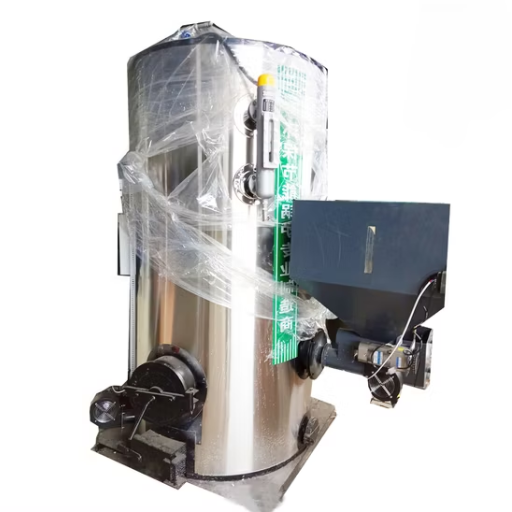
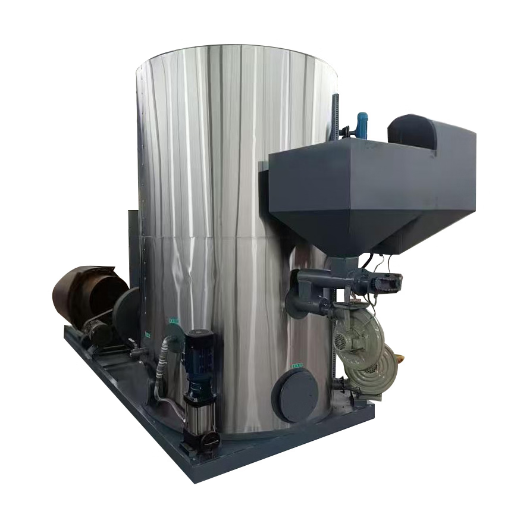
Steam boilers have roles in garment production that are vital in providing the necessary heat and pressure for a variety of processes. Essentially, steam boilers are mainly designed for the purpose of generating steam, which is an essential complementary resource for getting efficiency and precision for the production of textile. This even heat distribution when fabric treatment, dyeing, and finishing takes place is vital and best achieved when using steam.
Among other things, steam boilers have vast uses in a range of finishes. The softening for giving fabrics a better hand usually comes in the production process with steam. Also, to an extent, it contributes towards creating smooth surfaces and without wrinkle textures, the texture necessary to produce quality garment merchandise. Steam is used in eliminating undesired materials and storages of contaminants and finish off the article in a finer form.
For dyeing operations, textile dye boiler injects another critical function. In order for colors to adhere and get fixed upon textiles evenly and successfully, the intervention of steam is essential, and this makes heat control, together with controlled pressure through steam, indispensable. This contributes to both resource efficiency and the minimization of waste by guaranteeing the textile’s full, durable, and vibrant color “life”. Thus, steam boilers are the very lifeline of the garment-making industries, adding value to operational efficiency and material quality.
Steam Usage in Different Textile Processes
The textile industry relies on steam to support essential industrial operations which produce accurate results and maintain high standards of operational efficacy throughout their production activities. The following list contains essential textile operations which depend on steam for their functioning together with their respective operational details and performance statistics.
- ✓
Fabric Pre-Treatment: Fabrics undergo desizing, scouring, and bleaching using steam to heat water for chemical reactions. Statistics: Manufacturers dedicate 60% of steam consumption to pre-treatment. - ✓
Dyeing: Jet dyeing machines use steam for temperature and pressure control. Statistics: Modern systems achieve up to 30% energy reductions. - ✓
Printing: Essential for reactive printing and color fixing. Statistics: Steam fixation increases dye bonding strength by 25%. - ✓
Finishing: Used in calendaring, shrinking, and heat-setting. Statistics: Finishing operations experience 20-25% energy reductions via recycling technology.
Rapid Response and Reliability of Steam Systems
Industrial applications depend on steam systems because they provide rapid response capabilities and maintain constant reliability. The systems can deliver heat and energy within a short time frame which enables them to operate without delays during critical time-sensitive processes. Steam technology enables textile manufacturing and food processing and power generation industries to operate with high efficiency through its ability to meet changing system requirements.
Steam systems achieve operational reliability through scheduled maintenance and cutting edge monitoring systems and premium grade equipment. Systems that receive proper maintenance deliver constant pressure and stable temperature output while decreasing operational downtime caused by equipment breakdowns. Industries implement fail-safe systems together with automated operation systems to strengthen their systems against interruptions that result in financial losses.
The combination of rapid response and system reliability in steam systems creates operational efficiency gains for businesses. The systems enable industries to achieve quick heat transfer while maintaining strong operational capabilities which leads to higher productivity and lower energy costs and decreased expenses. The attributes of these systems hold great value because they enable organizations to produce their best results under conditions that require fast production and reliable performance.
Choosing the Right Steam Boiler for Textile Needs
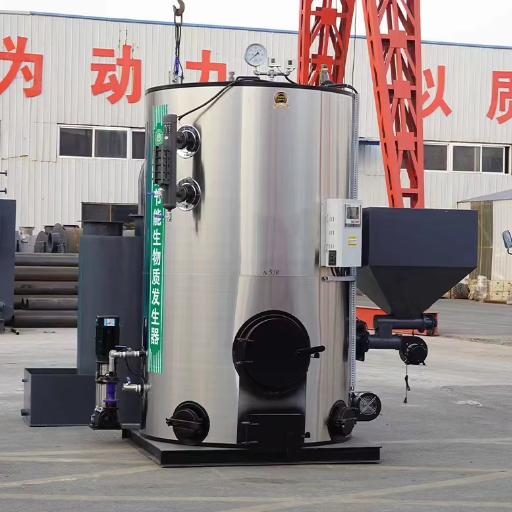
Factors to Consider When Selecting a Steam Boiler
- 1
Fuel Type and Efficiency
Choose between natural gas, oil, or electricity. Natural gas often reaches 98% thermal efficiency. - 2
Capacity and Output Requirements
Match the steam flow rate to your peak operational needs (typically 8,000 to 20,000 kg/hr for medium factories). - 3
Design and Space Constraints
Vertical designs and modular components help in restricted environments. - 4
Safety Features
Prioritize automatic pressure controls, emergency shutoffs, and modern alarm systems. - 5
Energy Consumption
Assess economizers and heat recovery systems which can reduce energy usage by 20%. - 6
Maintenance Accessibility
Ensure user-friendly interfaces and accessible maintenance points to minimize downtime.
Comparison Between Fired Steam and Electric Steam Generators
The comparison between fired steam generators and electric steam generators shows their fundamental differences in energy sources and system efficiency and environmental effects. Fired steam generators use natural gas and oil and coal as combustion fuels to create steam, while electric steam generators rely on electricity to power their systems. The two systems differ in their fundamental energy systems, which results in separate operational systems that suit different industrial needs.
Large-scale operations that require substantial steam production capacity will choose fired steam generators because these systems can efficiently manage heavy operational demands. The use of fossil fuels for combustion results in increased emissions from these systems, which require additional equipment to control their emitted pollutants. The use of electric steam generators becomes environmentally sustainable when they operate on renewable electricity sources because these systems produce no direct emissions. Smaller industrial facilities and food processing operations and laboratories find them suitable because their steam output meets their operational needs.
The two systems differ because they require different expenses for maintenance and operational activities. The complex fuel systems and emissions control systems of fired steam generators make their maintenance requirements more demanding than other systems. The operational expenses of electric steam generators decrease when they operate with renewable energy resources because their systems need less maintenance and their operational requirements become simpler. The user needs to select between the two options based on their energy expenses and production needs and sustainability objectives.
Natural Gas vs. Diesel Steam Generators in Textiles
The selection process for steam generators used in textile manufacturing requires operators to compare the efficiency, environmental effects and cost performance of both natural gas and diesel steam generators. Natural gas steam generators achieve better energy efficiency than diesel steam generators because their combustion process produces fewer carbon emissions and operates with cleaner fuel. The environmental impact of natural gas becomes less harmful because it enables textile manufacturers to decrease their carbon emissions while meeting their sustainability requirements.
The operating expenses of diesel steam generators increase because diesel fuel prices fluctuate and typically remain above normal levels. Diesel generators emit more greenhouse gases during their operation than natural gas generators do thereby creating difficulties for businesses that must comply with stringent environmental laws. The use of diesel generators proves suitable for locations which lack dependable natural gas distribution systems.
The final decision will be based on the requirements which the company needs to fulfill. Natural gas generators serve as a superior choice for companies dedicated to maintaining their environmental sustainability while decreasing their greenhouse gas emissions. Diesel generators become the optimal solution in situations which require both installation flexibility and instant access to fuel supplies. The evaluation process will identify the most suitable option through assessments of energy supply availability and environmental consequences and production requirements.
Maximizing Performance of Steam Systems in Textile Factories
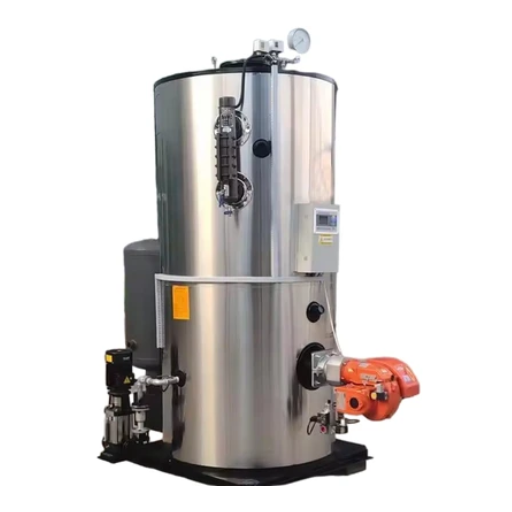
Maintenance Tips for Steam Boilers
The safety and efficiency of steam boilers and their extended operational life all depend on their correct maintenance practices. The first thing to be done should be to conduct inspections. The exterior parts and major internal components need to be visually examined for any signs of corrosion or leaks or scaling. The boilers require scheduled professional inspections to find problems which become hidden from view during regular inspections.
The system efficiency requires complete maintenance of both water and fuel components. The chemical composition of feedwater must be tested at regular intervals to maintain proper balance which protects the boiler system from scaling and corrosion. The pressure vessel of the boiler needs to undergo blowdowns which eliminate sediment accumulation because this process removes harmful substances that decrease operational efficiency. The maintenance of consistent operational output requires the maintenance of both fuel strainers and burner systems.
The safety features require testing to confirm that pressure relief valves and low-water cutoff devices operate properly. The components which prevent accidents need to undergo testing at regular intervals which should follow both manufacturer guidelines and local safety requirements. The operators who follow a strict maintenance routine will achieve two benefits because it helps them decrease equipment failures and prolong the operational life of their steam boiler systems.
Optimizing Steam Usage for Increased Productivity
The process of optimizing steam usage for industrial operations needs to maintain its essential need for operational cost reduction and productivity enhancement. The process of using steam efficiently starts with installing insulation materials on all steam pipes and valves and fittings to stop heat energy from escaping. Insulation functions to direct heat energy toward necessary locations which results in decreased energy losses and better system performance. Steam trap maintenance exists as a vital requirement because it stops condensate from building up which would create blockages that impede steam movement and decrease system performance.
The process of conducting regular system audits represents an essential method for discovering system inefficiencies together with their possible solutions. Audits can pinpoint areas where steam is being underutilized or wasted, such as leaks, outdated equipment, or improper pressure levels. The solution of these problems results in two benefits because it saves energy while increasing work efficiency through reduced equipment downtime. The organization needs to set up a maintenance plan which will help them because proper equipment care leads to better operational performance.
Automation and monitoring systems represent vital investments which will improve steam usage optimization for operations. The system uses these technologies to control steam pressure and temperature and flow rates at any time, which results in optimum system performance. The industry achieves its goals by using energy-efficient methods which enable it to produce more products while using less energy. The combination of these techniques gives organizations the ability to achieve maximum steam system efficiency while they maintain sustainable production levels.
Ensuring Safety and Compliance in Steam Operations
Steam operations need safety procedures and compliance standards to sustain their operational capability and system performance. For organizations to maintain safety standards, they need to create inspection programs and maintenance routines that help them find and reduce potential hazards. The equipment requires monitoring for corrosion and leaks and pressure anomalies to protect against accidents and extend its operational life. Staff members need proper training to operate steam systems because it helps them work safely and decreases the possibility of accidents.
Organizations need to follow both regulations and industry standards for their compliance requirements. Organizations need to make sure their steam operations follow all regulations which include pressure vessel codes and environmental protection standards. The organization can conduct compliance audits at regular intervals to ensure their operations meet all legal and safety requirements. This practice establishes safe operational procedures which safeguard the organization from potential legal and financial consequences.
The organization can achieve safety and compliance through advanced monitoring solutions and automated control systems. The system provides operators with real-time performance information which enables them to identify operational problems and respond to them without delay. Organizations that use regular training and regulatory compliance and the right technologies can achieve safe and compliant steam operations which also increase their overall productivity.
Frequently Asked Questions (FAQ)
Q: What is a small steam generator for textile industry and how does it differ from larger industrial boilers?
A: A small steam generator for textile industry is a compact boiler solution designed to produce industrial steam on a smaller scale to meet the specific temperature and pressure requirements of textile companies. The generators which operate as fire tube or water tube systems, provide hot water and steam needed for pre-treatment phase, dyeing, printing process, and finishing, while their design enables them to achieve higher operational efficiency through reduced space requirements and quicker system start times.
Q: Can an industrial electric or electric boiler be used as a small steam generator for textile industry?
A: Yes. The textile industry employs industrial electric boilers and industrial electric steam generators to function as small steam generators because these systems produce pure steam with minimal impurities and they maintain specific temperature control which meets the exact requirements of textile processes that involve steaming fibers and pigments or dyes. Electric boilers provide financial benefits in specific situations where managing fuel for biomass boilers and other energy sources becomes challenging.
Q: Which is better for textile plants: fire tube boilers or water tube boilers as a small steam generator for textile industry?
A: Both fire tube boilers and water tube boilers have roles. Fire tube boilers are typically simpler and less expensive for lower boiler capacity and moderate pressure needs, while water tube boilers are preferred when higher temperature, higher pressure, or rapid steam demand changes are required for industrial processes in textile production. The decision about which boiler to select depends on the total system requirements for boiler capacity, operational expenses, available area, and particular textile production needs which include steaming and drying and steam iron operations.
Q: How does steam quality affect the process of textile manufacturing?
A: The textile manufacturing process depends on steam quality because steam delivers essential heat and moisture needed for maintaining cleanliness and dryness while fixing pigments or dyes during pre-treatment operations. High-quality steam with minimal impurity prevents staining, fiber damage, and inconsistent dye uptake, which results in improved final product quality. The correct separation process between steam and water needs to occur because any wetness that results from improper separation will disrupt both the printing process and the final fabric appearance.
Q: What operating costs and cost saving factors should textile companies consider when selecting a small steam generator for textile industry?
A: Key cost factors include fuel type (electric, biomass boilers, or gas), boiler efficiency, maintenance, water treatment to control impurity, and heat recovery options. A boiler manufacturer provides operating cost predictions together with cost reduction estimates which result from efficient combustion and economizers and condensing systems and the actual steam demand matching boiler size selection. Lifecycle analysis commonly demonstrates that cleaner electric systems and modern biomass boilers deliver savings when used in suitable environments.
Q: How does a small steam generator help specific textile operations like dying, steaming, and ironing?
A: Amongst the services provided by the small steam generator in the textile industry is providing industrial steam and hot water at the specific temperatures and pressures required for fixing pigments or dyes in the printing process, steam and heat for steam iron stations, and humidity control in drying and finishing. Working in the pretreatment phase and other machining stages, the controlled steam aids in the swelling of fibers, dye penetration that is more effective, and thus a consistent result that leads to quality product and less reworking.
Q: What water and fuel considerations affect the longevity of a small steam generator for textile industry?
A: Water quality (hardness, dissolved solids, and other impurities) is crucial — poor water can cause scaling, corrosion, and reduced heat transfer in steam boilers in textile plants. The treatment systems protect all boiler tubes which include both fire tube and water tube types while they maintain operational efficiency. The choice of fuel which includes biomass boilers and gas and electric systems determines both maintenance requirements and emissions output and supplier distribution needs. A reputable boiler manufacturer will advise on water treatment, suitable heater types, and routine maintenance to prolong life and maintain performance.
Q: How does boiler capacity and selection impact textile production throughput and product quality?
A: The production demand requires matching boiler capacity to its operational requirements. Undersized small steam generators will fail to supply sufficient industrial steam during peak loads, causing delays in the printing process, uneven dyeing, or insufficient steam iron supply. Oversized boilers increase operating costs and reduce fuel efficiency. The correct boiler capacity and control systems selection provides continuous steam and water separation together with high temperature steam delivery, which enables uniform results throughout pre-treatment, dyeing, and finishing processes that directly affect product throughput and quality.
References
-
Energy Efficiency in Textile Industry for Small and Medium-Sized Businesses
- Description: This paper discusses the use of steam in the textile industry, focusing on energy efficiency and the impact of steam loss during transport.
- Source: Academia.edu
- URL: https://www.academia.edu/66167128/Energy_Efficiency_in_Textile_Industry_for_Small_and_Medium_Sized_Businesses
-
Steam Systems in Industry: Energy Use and Analysis
- Description: This paper provides a detailed analysis of boiler energy use and establishes baseline energy consumption for steam systems.
- Source: UNT Digital Library
- URL: https://digital.library.unt.edu/ark:/67531/metadc723172/m2/1/high_res_d/789187.pdf
-
Waste-heat Recovery Potential in Turkish Textile Industry
- Description: This study discusses a waste-heat recovery steam generator used in the textile industry, including its components like economizer, evaporator, and superheater.
- Source: OpenLab City Tech
- URL: https://openlab.citytech.cuny.edu/smaengine/files/2012/10/Waste-heat-recovery-potential-in-Turkish-textile-industry-Case-study-for-city-of-Bursa.pdf