Get in Touch with Taiguo

Oil and Gas Fired Boilers
High-Efficiency Industrial Steam Solutions
The top OEM of premium oil and gas-fired boilers, offering long-term industrial-class steam solutions. Our systems feature a rated evaporation capacity of 0.5–75 t/h, operating pressure ranging from 0.8–4.9 MPa, and compatibility with a wide range of fuels including natural gas, light oil, diesel, heavy oil, and LPG. Renowned globally for ASME quality certification and inimitable reliability in various industrial applications.
Get Instant Quote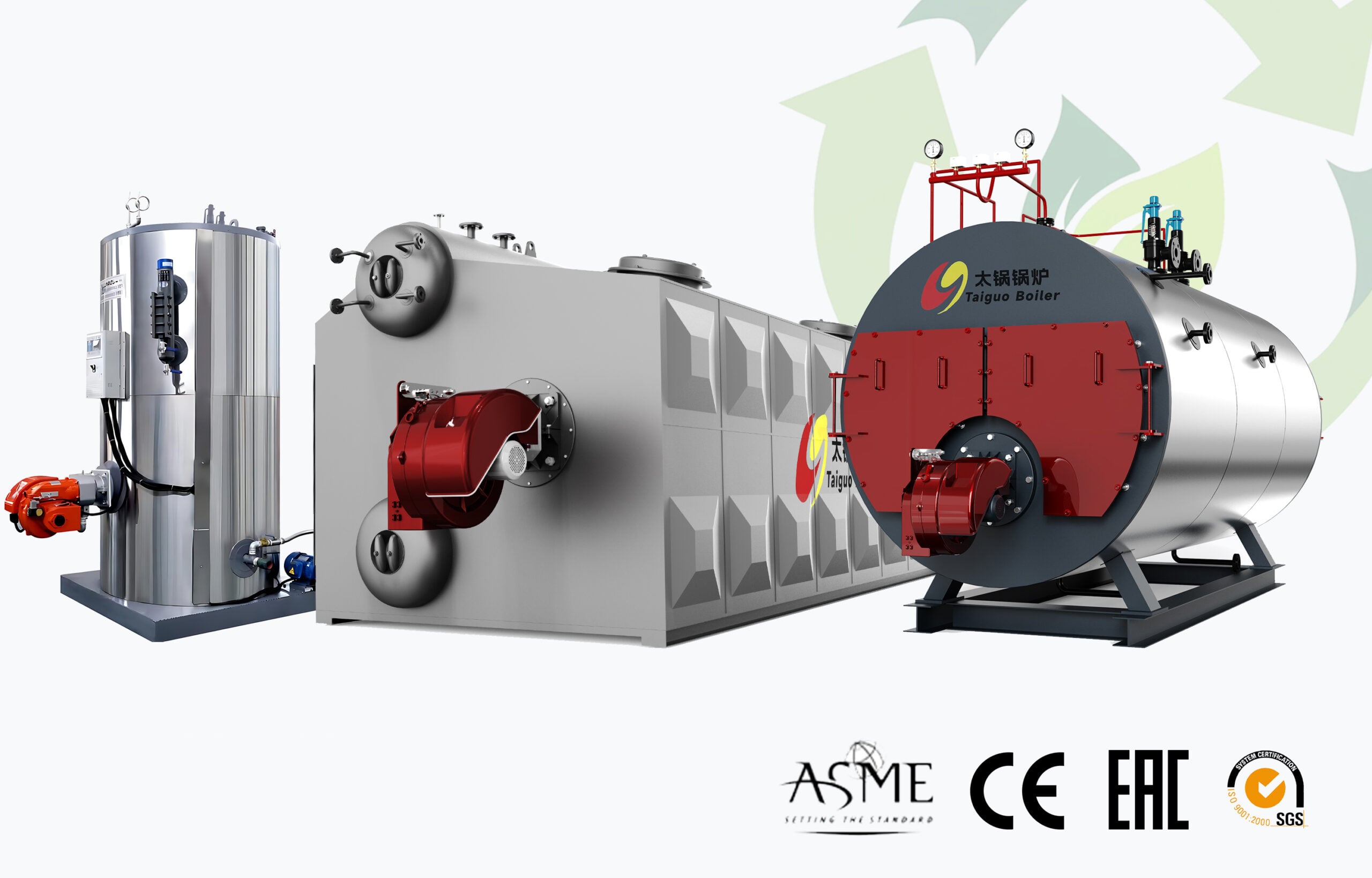
Our Product Series
Oil & Gas Fired Boiler Product Series
Our products achieve maximum efficiency and reliability through their precise design, which meets the demanding requirements of contemporary industrial standards to deliver optimal performance across all operational conditions.
FIRE TUBE
 01
01
01
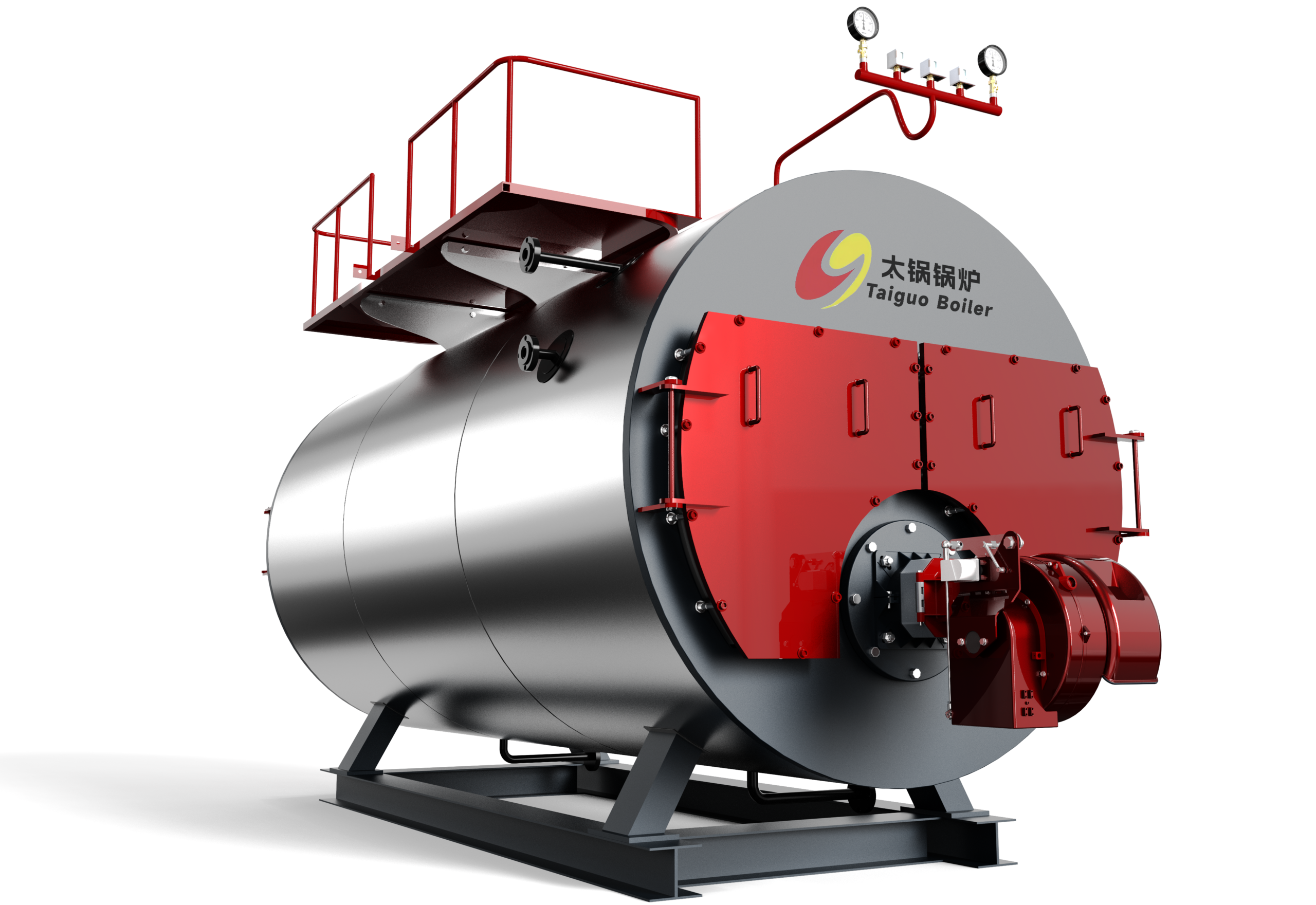
WNS Series Gas/Oil Steam Boiler
MODEL: WNS-0.5~20-Y(Q)
CAPACITY
0.5-20 t/h
EFFICIENCY
90-98%
PRESSURE
0.7-2.5 MPa
Horizontal three-pass fire tube steam boiler with wet-back design and large diameter corrugated furnace for optimal combustion efficiency.
Natural Gas
Diesel
LPG
LNG
CNG
Biogas
Heavy Oil
VIEW SPECIFICATIONS →
WATER TUBE
 02
02
02
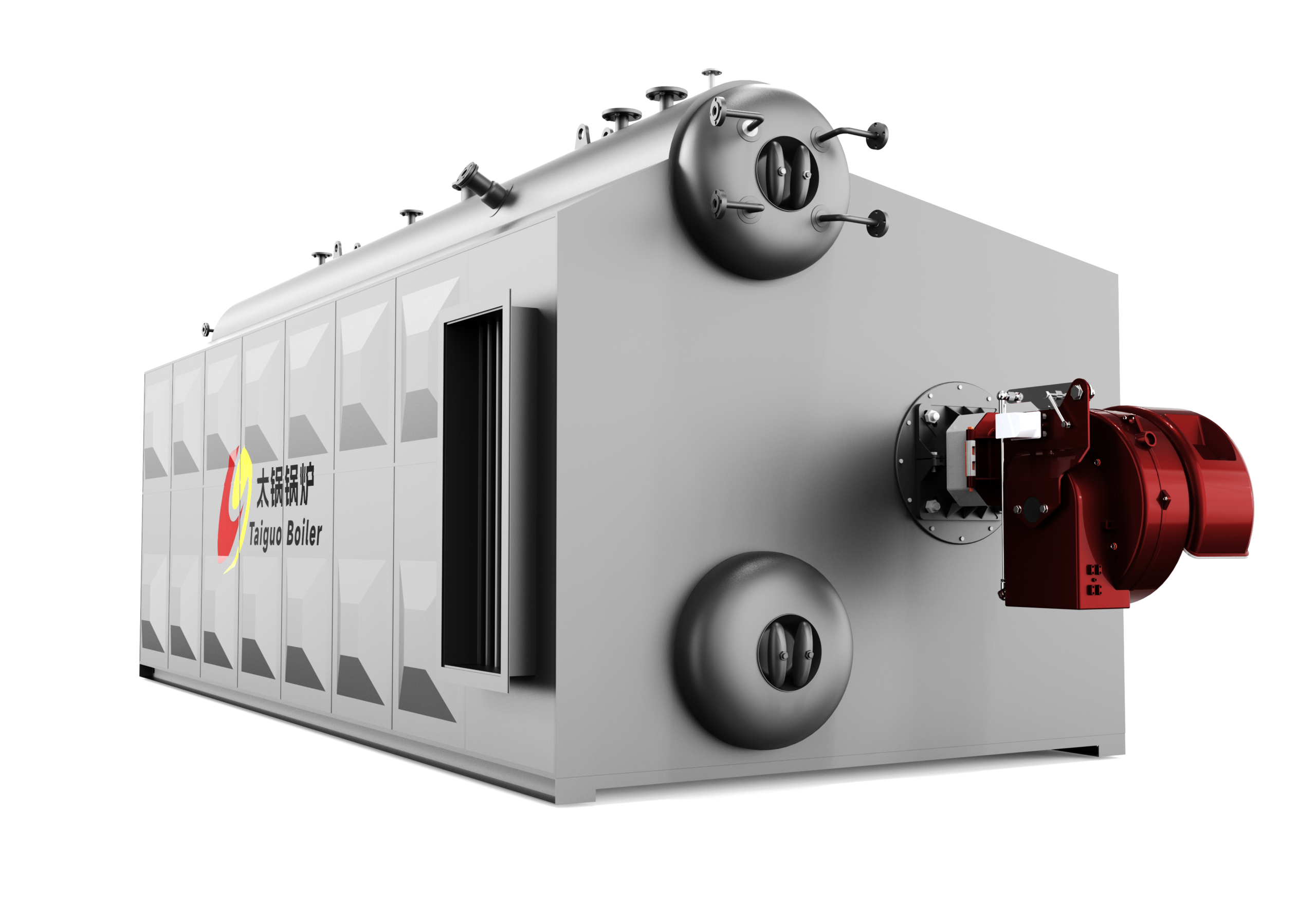
SZS Series Water Tube Steam Boiler
MODEL: SZS-2~100-Y(Q)
CAPACITY
2-100 t/h
EFFICIENCY
92-98%
PRESSURE
1.0-4.9 MPa
D-type double drum water tube boiler with membrane water wall structure, achieving up to 104% thermal efficiency through quick assembly installation.
Natural Gas
Diesel
LPG
LNG
CNG
Biogas
Heavy Oil
VIEW SPECIFICATIONS →
VERTICAL
 03
03
03
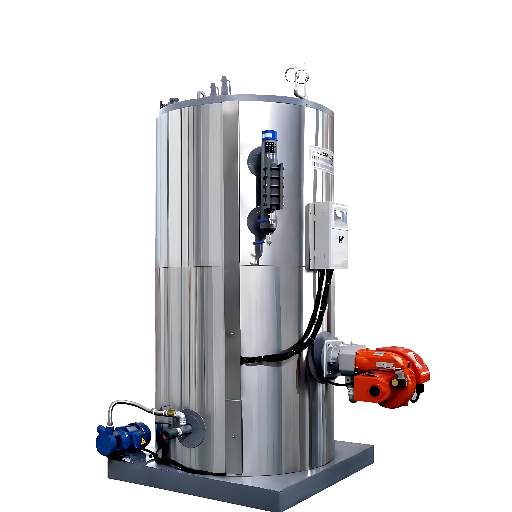
LHS Series Vertical Steam Generator
MODEL: LHS-100~3000
CAPACITY
100-3000 kg/h
EFFICIENCY
>92%
PRESSURE
≤10 Bar
Compact vertical design with minimal footprint, fast startup and automatic control. Plug-and-play installation for space-limited applications.
Natural Gas
Diesel
LPG
Heavy Oil
VIEW SPECIFICATIONS →
HOT WATER
 04
04
04
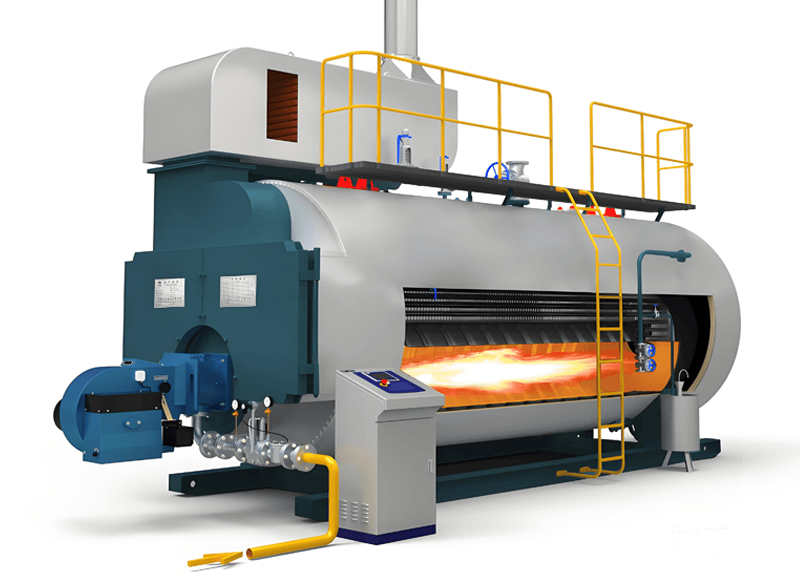
CWNS Series Hot Water Boiler
MODEL: CWNS-0.35~14-Y(Q)
CAPACITY
0.35-14 MW
EFFICIENCY
Up to 98%
PRESSURE
0.7-1.0 MPa
Horizontal fire tube hot water boiler with three-pass flue gas design for maximum heat transfer. Ideal for building heating and district systems.
Natural Gas
Diesel
LPG
Heavy Oil
VIEW SPECIFICATIONS →
What is an Industrial Oil and Gas Fired Boiler?
An industrial oil and gas fired boiler functions as a closed pressure vessel that produces steam and hot water through the combustion of liquid fuels (diesel, heavy fuel oil, light oil) and gaseous fuels (natural gas, LPG, biogas) for industrial manufacturing processes. Industrial boilers function at higher operational levels than residential and commercial boilers which produce steam at rates between 1 and 100 tons per hour and operate at pressures that exceed 0.7 MPa and require compliance with strict safety regulations that include ASME and CE ISO EAC and national boiler regulations.
These boilers function as the primary thermal energy source for manufacturing facilities because they supply essential thermal energy required for processes such as heating and sterilization and drying and chemical reactions and power generation and climate control. The global industrial boiler market continues to grow because manufacturers search for energy-efficient solutions that produce low emissions and help them decrease operating expenses while they comply with environmental standards.
Key Characteristics of Industrial Oil/Gas Boilers
High Capacity Output
Steam production from 0.5 to 75+ ton/hr, meeting large-scale industrial demands.
Efficient Combustion
Modern burner technology achieves 95-98% thermal efficiency with low emissions.
Automatic Operation
PLC-controlled systems enable unmanned operation with comprehensive safety interlocks.
Clean Energy
Oil/gas boilers emit lower particulate matter and SO₂ and ash compared to coal boilers.
How Do Industrial Oil and Gas Boilers Work?
The operation relies on heat transfer where fuel chemical energy transforms into thermal energy through combustion to create steam or hot water. Understanding this enables efficiency enhancement and problem solving.
Boiler Operating Principle – Step by Step
Fuel Supply Step 01
The system operates by pumping oil from storage tanks through filters and preheaters which handle heavy oil until it reaches the burner. Gas flows from pipelines via pressure regulators and safety valves to control flow.
Combustion Process Step 02
The burner atomizes liquid fuel and combines it with gas through specific air volume control. An electric spark initiates ignition, achieving full combustion when operators maintain correct air-fuel ratio (10-15% excess air).
Heat Transfer Step 03
Hot gases (1200-1600°C) transmit heat via radiation inside the furnace and convection through fire/water tubes. The system achieves maximum heat absorption through multiple passes before gases exit the stack.
Steam Generation Step 04
Water absorbs heat, converting to saturated steam. It collects in the drum, passes through separators to remove moisture droplets, and exits through the main steam valve to the distribution header.
Water Treatment Step 05
Feedwater undergoes softening and deaeration. Continuous replenishment maintains water levels, while controlled blowdown removes dissolved solids to prevent scale formation and uphold rigorous water quality standards aligned with industry best practices.
Controls & Safety Step 06
PLC systems monitor pressure, temperature, water level, and flame status. Safety systems include pressure relief valves, low water cutoffs, flame detection, and emergency shutdown sequences.
Why Choose Us
Benefits of High-Efficiency Condensing Boilers
Condensing boilers achieve their highest efficiency through the process of extracting additional heat from flue gases during their condensation phase. The gas or oil systems achieve energy savings through their ability to maintain return water at temperatures that enable condensation to occur, which enables them to extract hidden energy.
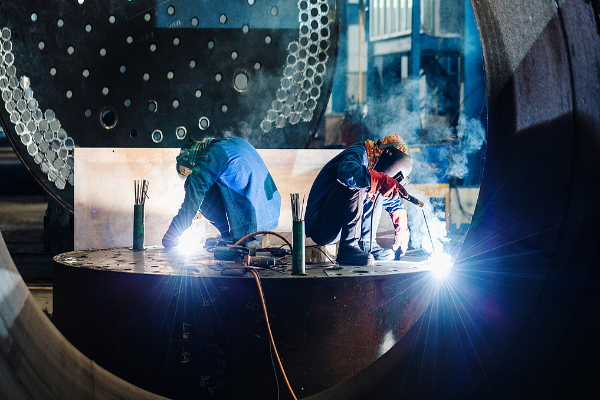
Premium Quality
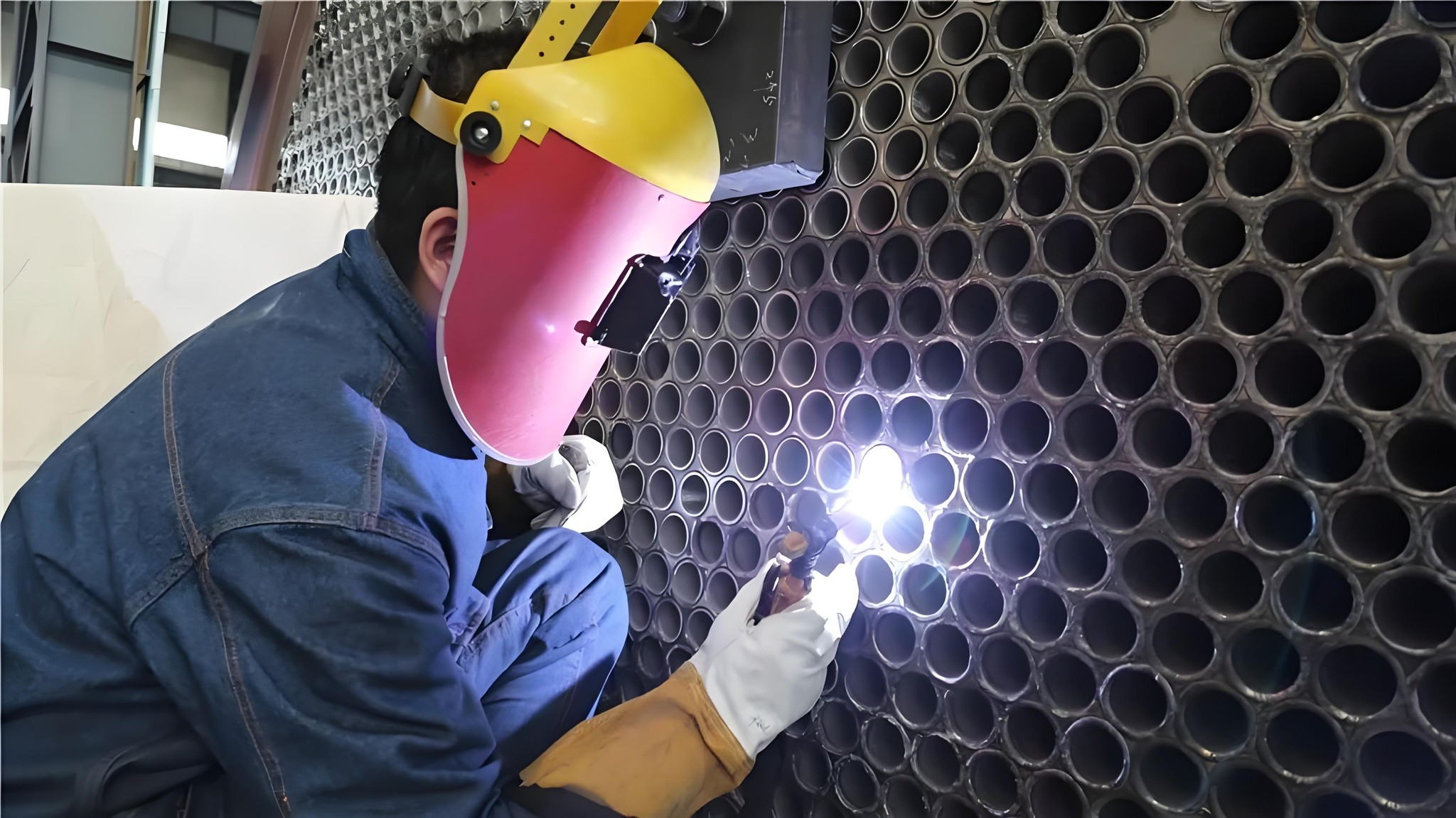
Strict Inspection
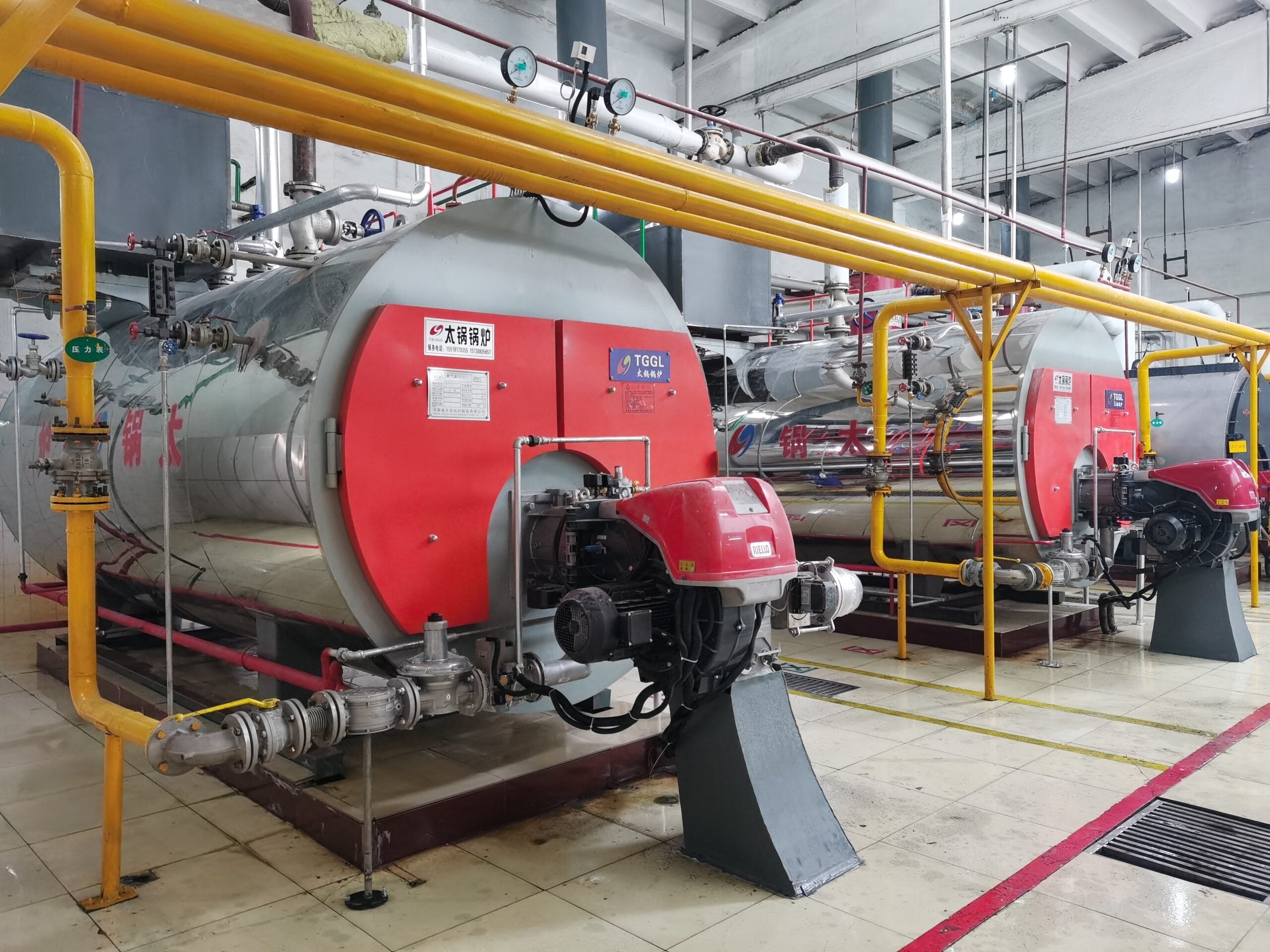
Applications
01
Reduced Energy Costs
The combination of properly sized radiators or radiant loops together with correct venting design enables high-efficiency condense operation to function successfully, which provides silent thermal comfort while decreasing fuel consumption.
02
Lower Carbon Footprint
Modern condensing boilers that condense flue vapor cut energy costs and indirectly decrease their total environmental impact through their combustion efficiency.
03
Stable Industrial Output
Industrial manufacturing processes demand consistent thermal stability and precise temperature control. The system supports 24/7 heavy-duty operation to minimize production downtime and maintain stable steam pressure for processing requirements.
04
Quieter Operation
New boiler designs use advanced insulation materials and efficient combustion processes to achieve operational noise levels that are much lower than those found in previous boiler models.
Industrial Excellence
Overcoming Critical Challenges in Industrial Heating Operations
Knowing your pain points permits us to make individualized boiler solutions that deal with the actual operational problems faced by manufacturers across the globe.
01
High Fuel & Operating Costs for Oil Gas Boiler
Common Problem
Fuel prices take up 30-40% of the total operating costs. Old-type boilers working at 80-85% thermal efficiency are using a lot of energy and increasing the costs of operations which affects the company’s profits.
Our Solution
Our high-efficiency condensing boilers with economizer and air preheater options reach 98% thermal efficiency. Customers experience 15-25% fuel cost decrease in the first year. Every quote comes with a free ROI calculator.
Pain Point Identified
Solution Ready
02
Environmental Compliance Pressure for Gas Boiler
Common Problem
New emission limits require NOx levels to be below 30-40 ppm. Being non-compliant means hefty fines, closing down your operations, and losing a lot of customers in your sector because of getting a bad reputation.
Our Solution
Our low NOx industrial boilers use premix metal fiber burner technology to produce Assured environmental compliance.
Pain Point Identified
Solution Ready
03
Difficult Boiler Equipment Selection
Common Problem
Deciding between fire tube vs water tube boilers, figuring out right boiler capacity, and ensuring specs are suitable for actual production needs is a technical nightmare without expert assistance.
Our Solution
Free technical consultation with seasoned engineers. We do full steam demand calculation, on-site evaluation, and personalized system layout. Our Industrial Boiler Buying Guide makes the whole selection process much easier.
Pain Point Identified
Solution Ready
04
Overseas Oil Gas Boiler Supplier Trust Issues
Common Problem
Those who buy hesitate to buy from foreign-made boiler manufacturers due to worries regarding the quality of the product, installation support, spare parts availability, and warranty fulfillment being an issue across borders.
Our Solution
ASME certified plant with 68 years of exporting experience. We offer virtual factory tours, third-party inspection reports, installation supervised by an engineer, and local spare parts warehouses in important markets. Over 500 projects with references that can be verified.
Pain Point Identified
Solution Ready
05
Unplanned Boiler Downtime Risks
Common Problem
Boiler failures lead to the stopping of production, which costs manufacturers a lot of money. The average downtime can cost between $50,000 and $200,000 depending on the kind of industry and the volume of production.
Our Solution
Strong wet-back boiler construction that comes with a warranty for the pressure vessel of 25 years. Several safety interlocks, support for predictive maintenance by means of IoT monitoring, and 24/7 technical hotline. Almost certain uptime of 99.5% with the right maintenance program.
Pain Point Identified
Solution Ready
06
Uncertain Oil Gas Boiler Delivery Timeline
Common Problem
The unpredictable timing of manufacturing and shipping affects the project schedule badly. The delay in boiler delivery can lead to a delay of weeks or months in commissioning an entire plant, and thus causing a large financial loss.
Our Solution
Sophisticated planning of production with the latest updates on manufacturing. The shipping of standard models takes 30-45 days. A project manager dedicated to your project gives you weekly progress reports. A liquidated damages clause is available for projects with tight deadlines.
Pain Point Identified
Solution Ready
Are you ready to tackle these challenges?
Looking for a tailored solution and pricing? Request your proposal today.
Factory & Projects
Oil and Gas Fired Boiler Manufacturing & Global Projects
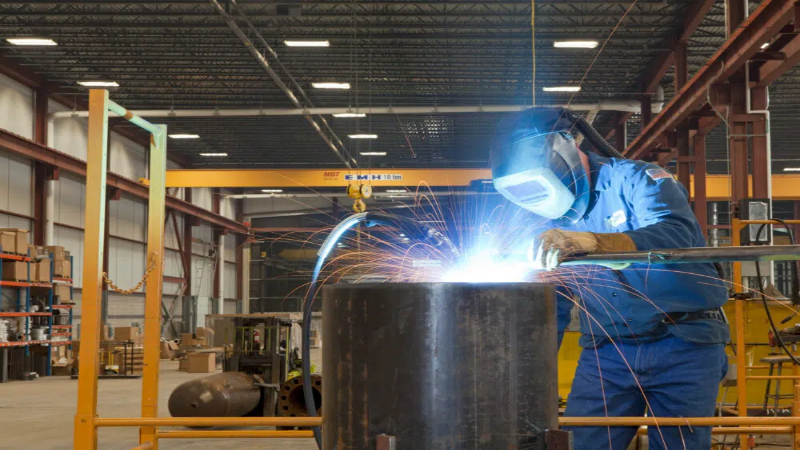
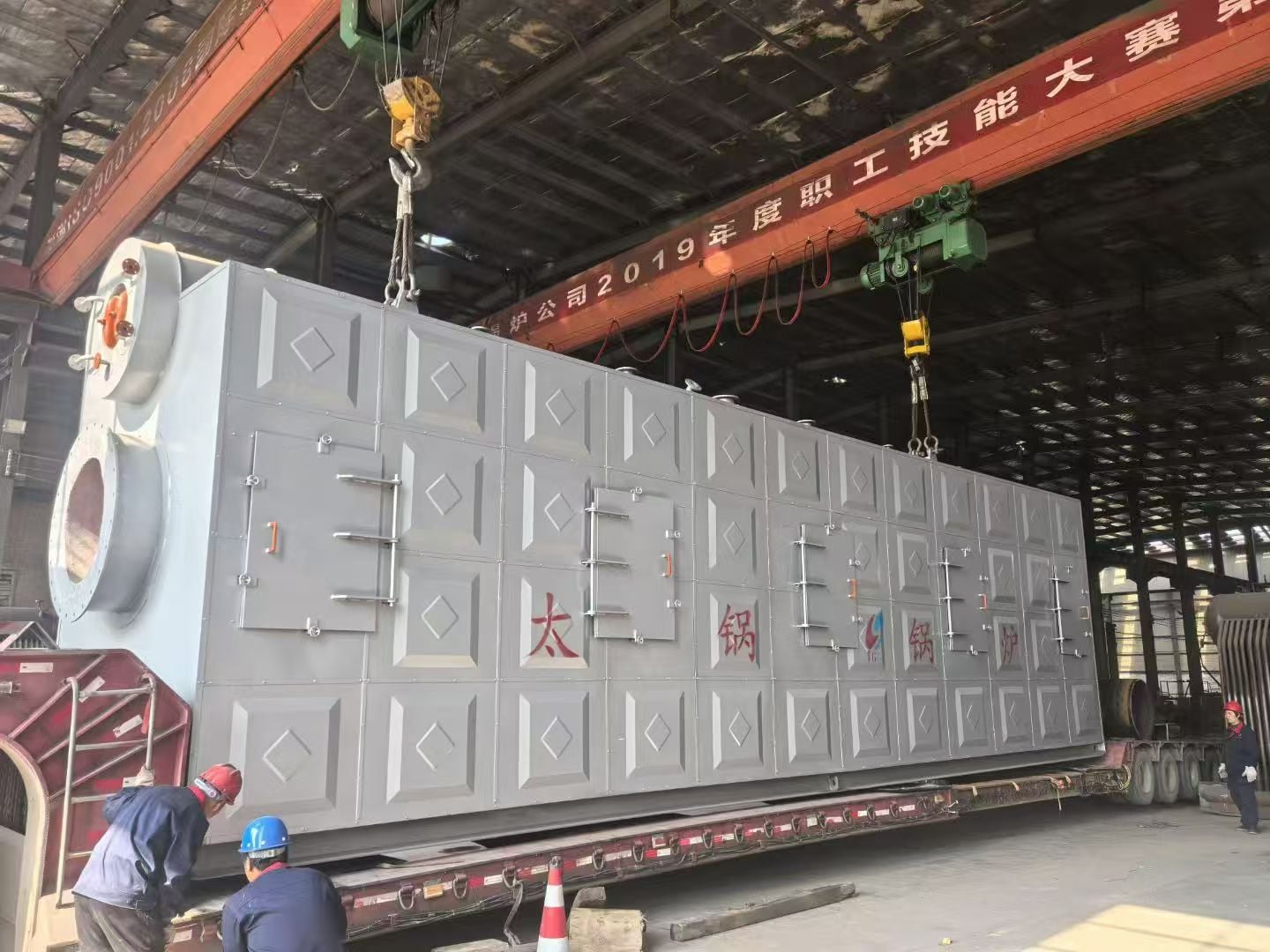
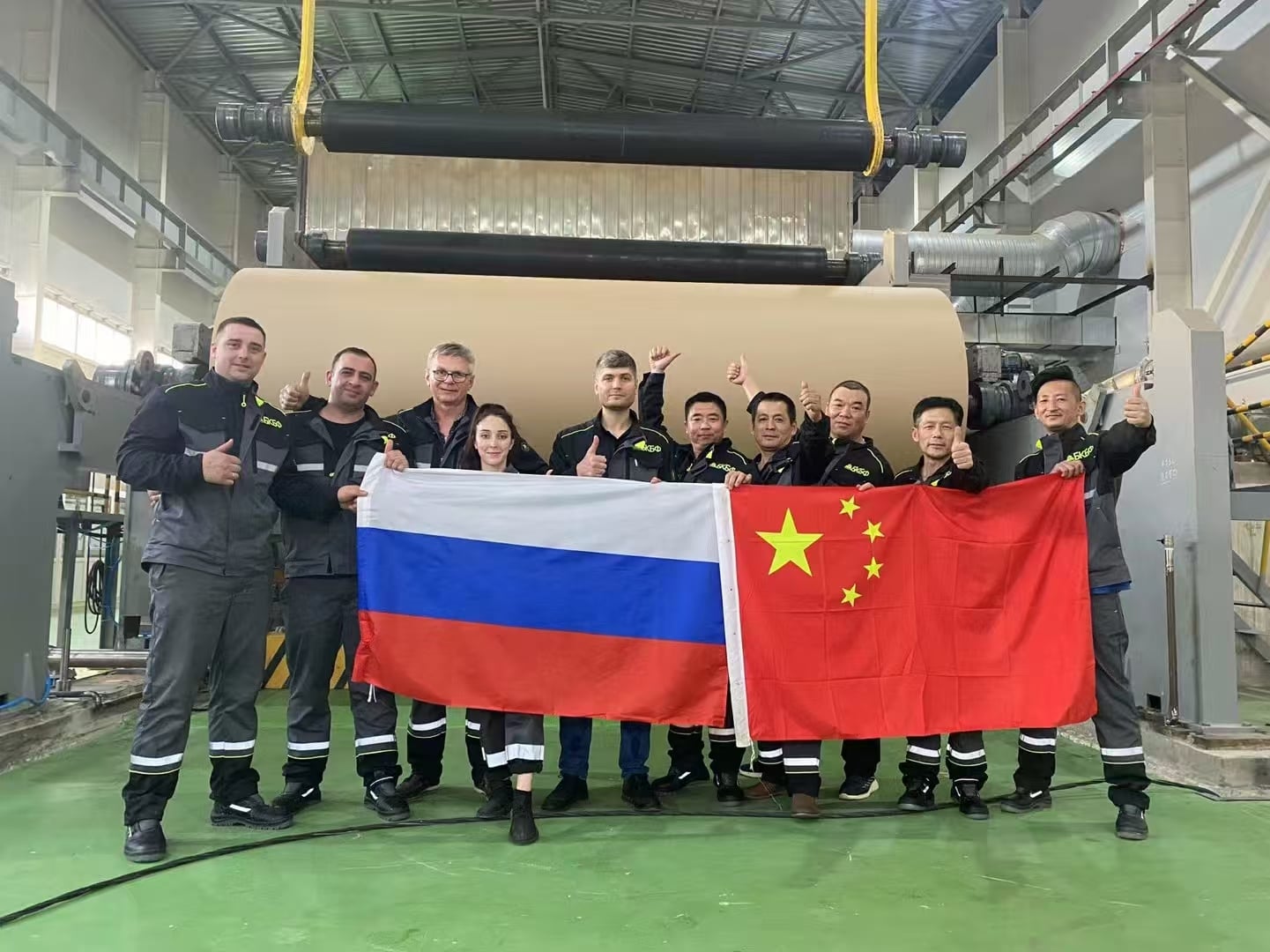
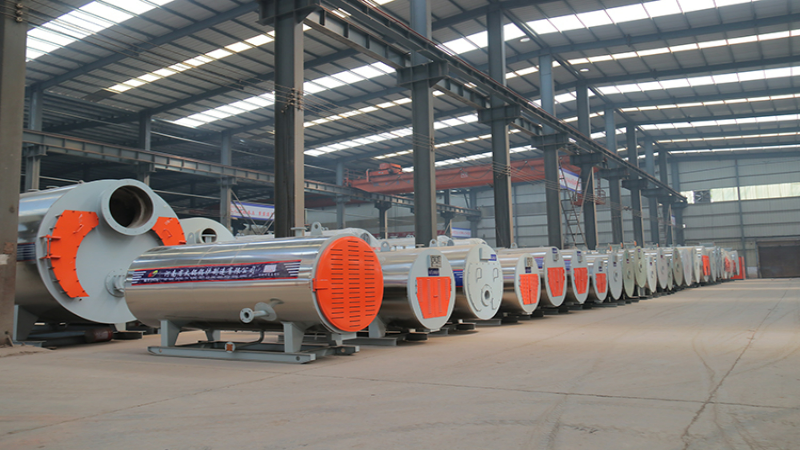
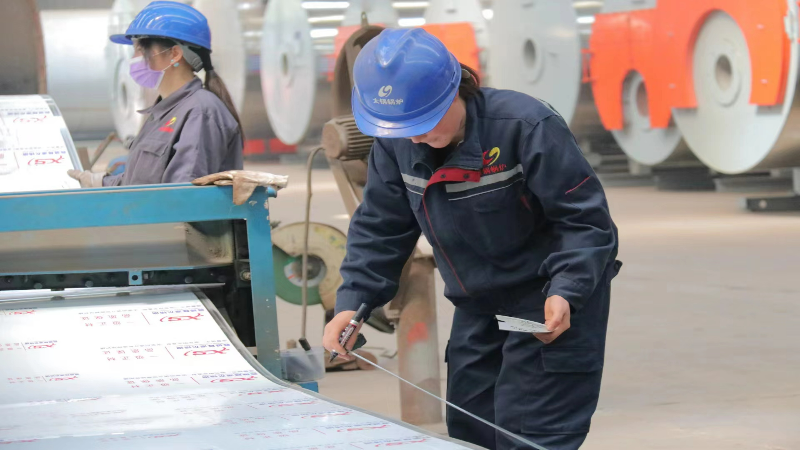
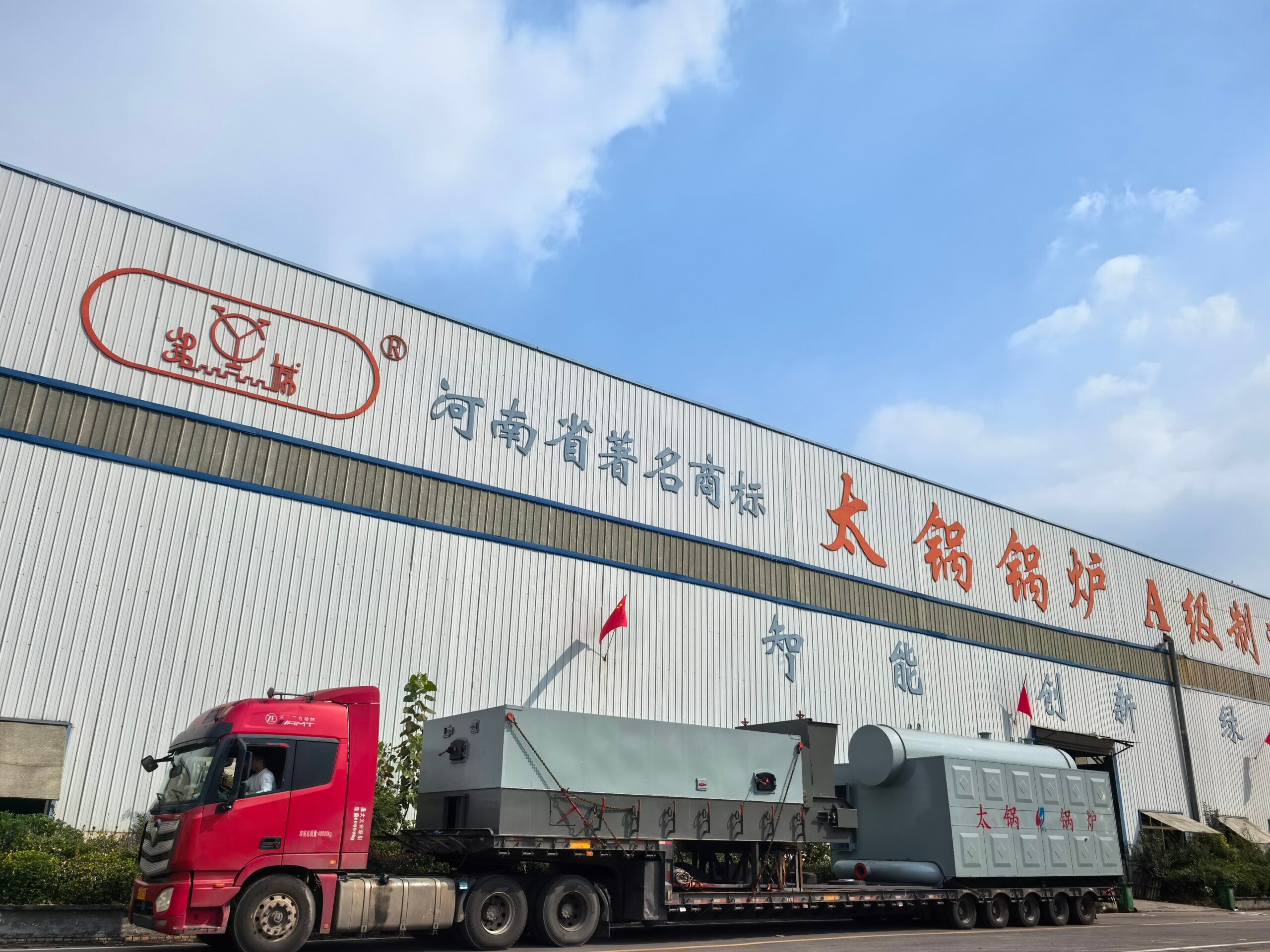
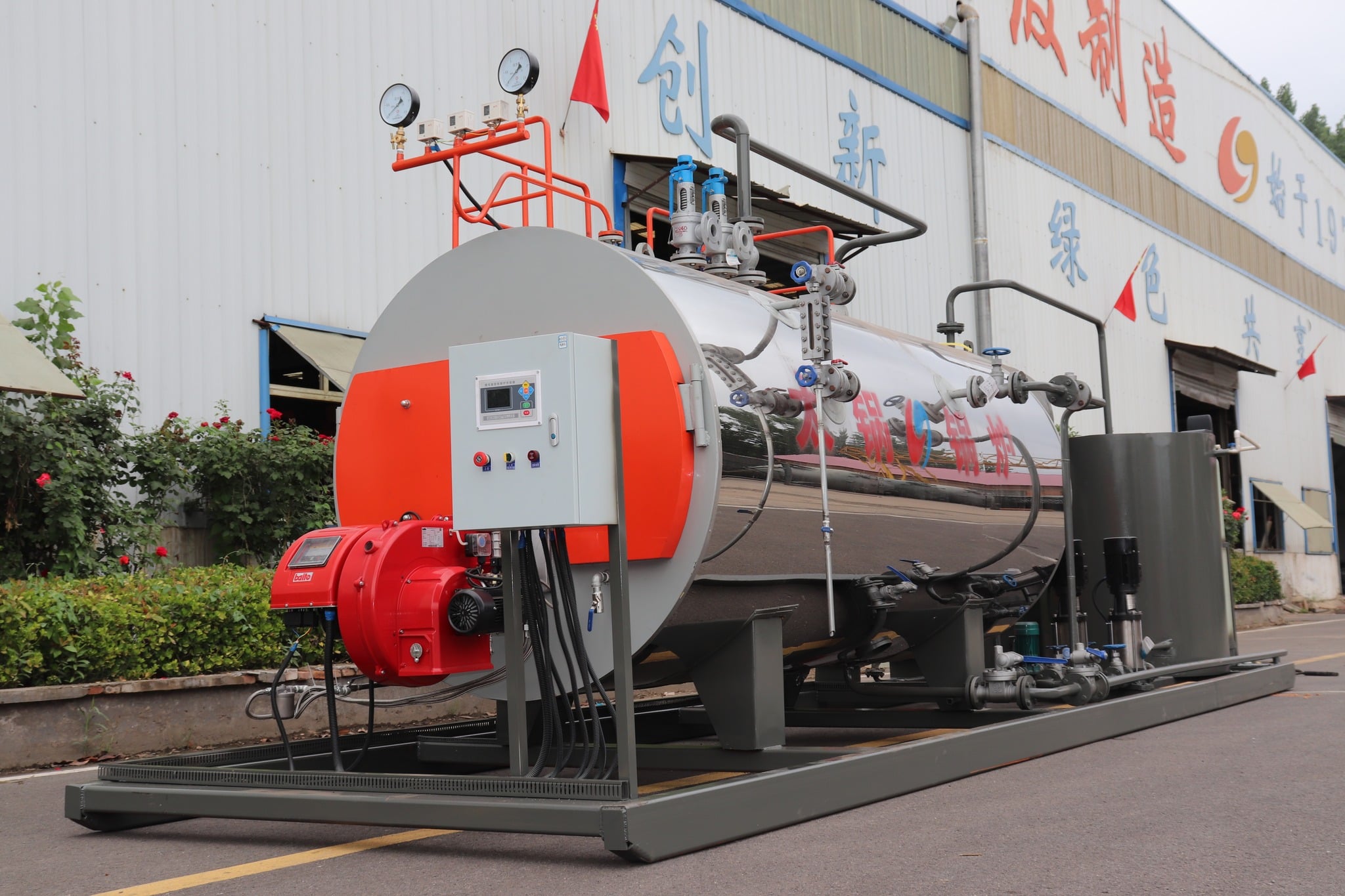
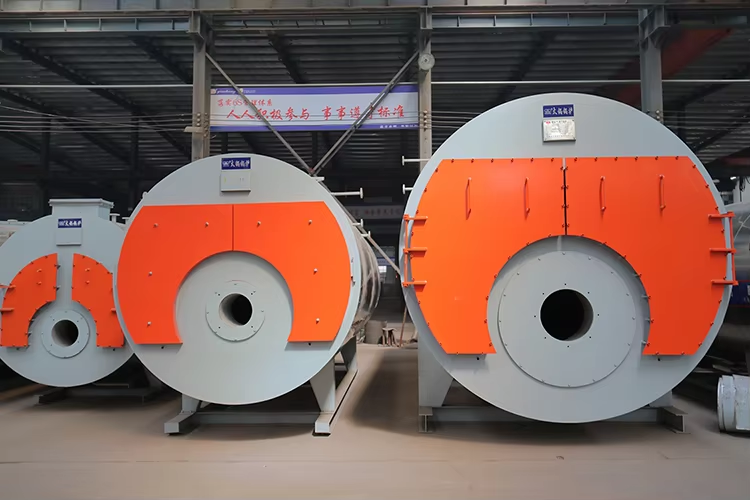
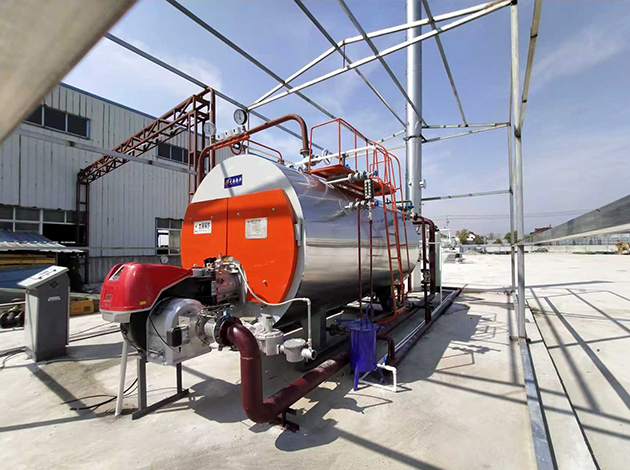
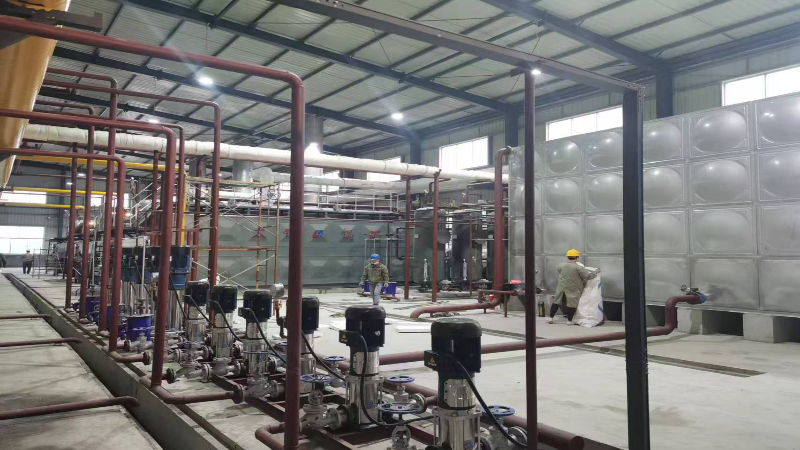
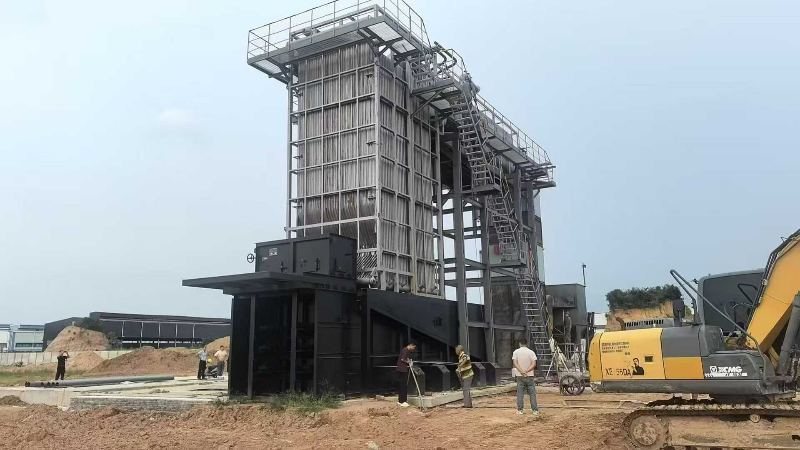
Explore our state-of-the-art oil and gas fired boiler manufacturing facility and see our industrial boiler solutions in operation at customer sites across 80+ countries worldwide.
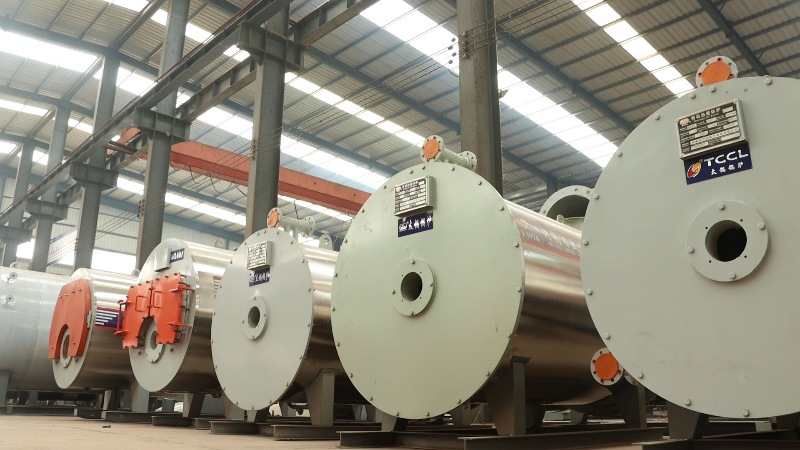





1 / 9
Oil Fired Boiler Specifications
WNS Series Steam Boiler Technical Parameters
Here are the technical specifications of WNS series oil and gas fired steam boilers. Please feel free to inquire about custom configurations.
Scroll horizontally to view all data
| Model | Capacity (t/h) | Pressure (MPa) | Efficiency (%) | Fuel Consumption | Dimensions (L×W×H mm) |
|---|---|---|---|---|---|
|
WNS1-1.0-Y(Q)
|
1 | 1.0 |
≥95
|
65 Nm³/h (Gas)
|
3200×1800×2100 |
|
WNS2-1.25-Y(Q)
|
2 | 1.25 |
≥95
|
130 Nm³/h (Gas)
|
4200×2200×2400 |
|
WNS4-1.25-Y(Q)
|
4 | 1.25 |
≥96
|
260 Nm³/h (Gas)
|
5500×2600×2800 |
|
WNS6-1.6-Y(Q)
|
6 | 1.6 |
≥96
|
390 Nm³/h (Gas)
|
6200×2800×3200 |
|
WNS10-1.6-Y(Q)
|
10 | 1.6 |
≥96
|
650 Nm³/h (Gas)
|
7500×3200×3500 |
|
WNS15-1.6-Y(Q)
|
15 | 1.6 |
≥97
|
975 Nm³/h (Gas)
|
8500×3500×3800 |
|
WNS20-2.5-Y(Q)
|
20 | 2.5 |
≥97
|
1300 Nm³/h (Gas)
|
9500×3800×4200 |
Free Engineering Tools
Industrial Steam Boiler Calculator Suite
Professional tools to calculate boiler capacity, compare fuel costs, and estimate energy savings using industry-standard formulas.
Enter Your Requirements
kg/h
Calculation Results
Recommended Capacity
0
ton/h
0
Heat Output (MW)
0
Fuel Input (MW)
0
Enthalpy (kJ/kg)
0
Gas (m³/h)
Recommended Model
Based on your requirements…
Need help selecting the right boiler?
Get Free Quote →
Enter requirements and click “Calculate”
Formula
Q = m × (h₂ - h₁) × SF / η
Based on IAPWS-IF97 steam properties.
Boiler Parameters
ton/h
hrs/yr
Fuel Prices
$/m³
$/L
$/L
$/L
Annual Cost Comparison
Natural Gas
$0/yr
0
m³/hr
0
m³/yr
$0
$/hr
Diesel
$0/yr
0
L/hr
0
L/yr
$0
$/hr
Heavy Fuel Oil
$0/yr
0
L/hr
0
L/yr
$0
$/hr
LPG
$0/yr
0
L/hr
0
L/yr
$0
$/hr
Summary
Based on your inputs…
Enter parameters to compare costs
Data Source
LHV: Gas 35.8 MJ/m³, Diesel 38.6 MJ/L, HFO 40.2 MJ/L, LPG 25.4 MJ/L (EIA/API).
Current Boiler
$/yr
80%
Efficiency
New High-Efficiency Boiler
$
95%
Efficiency
Annual Fuel Savings
$0
per year
Old Cost
$0
annual
New Cost
$0
annual
0
Payback (yrs)
0%
Annual ROI
$0
10-Yr Savings
0
CO₂ (t/yr)
Ready to start saving?
Get Quote →
Ready to Optimize Your Boiler System?
Get expert recommendations tailored to your requirements. Our engineers will help you select the perfect solution.
Get Instant Quote
Free Consultation
24h Response
Custom Design
No Obligation
Understanding Boiler Efficiency
Every 1% increase in boiler efficiency results in annual fuel savings that reach thousands of dollars for large industrial boilers. Customers can use efficiency metrics to assess different options while improving their operational processes.
Combustion Efficiency
The measure assesses how fully fuel undergoes combustion. The assessment uses CO and O₂ concentrations which exist in flue gas emissions. Modern burners achieve combustion efficiency above 99% through correct air-fuel ratio management.
Thermal Efficiency
Calculates heat energy in steam output relative to fuel energy input. The system tracks fuel usage through steam flow rate and enthalpy measurement. Oil/gas boilers operate between 80-98%.
η = (Steam × Enthalpy) / (Fuel × Heat Val)
Indirect (Heat Loss) Method
Determines efficiency by subtracting losses from 100%. Helps find critical areas for development:
- Dry flue gas: 4-8% (largest loss)
- Hydrogen combustion: 10-11% (latent heat)
- Radiation/Blowdown: 1-3% combined
Efficiency Comparison: Standard vs. Condensing Boilers
85%
Older / Basic Boiler
92%
Standard Modern
98%
High Efficiency (TAIGUO)
105%+
Condensing (LHV Basis)
Industry Applications
Gasfired Steam Boiler Solutions for Every Industry
The oil-and-gas-fired boilers have the ability to accommodate various industries by providing them with the respective process requirements for steam boiler systems and their compliance with the regulations.
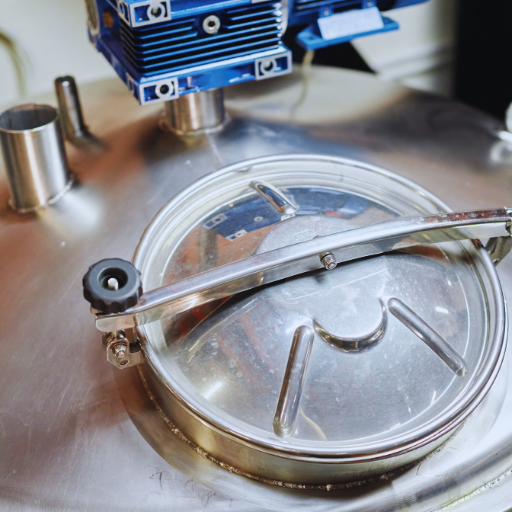
Food & Beverage
Mainly steam is needed for the processes of cooking, pasteurization, cleaning, and sterilizing with the help of CIP.
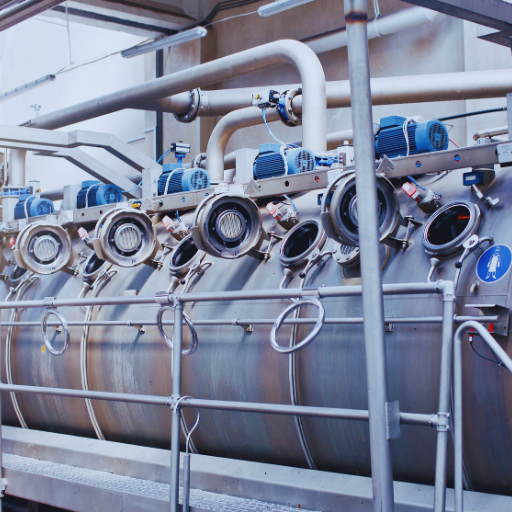
Textile & Dyeing
The steam supplied is of high quality, and it is used in the dyeing machines, finishing, and fabric processing.
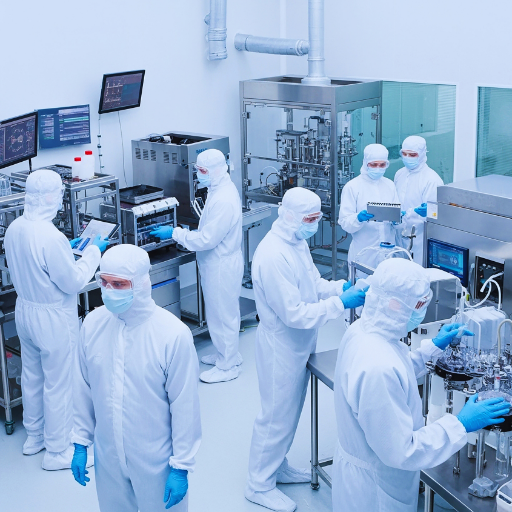
Pharmaceutical
Clean steam is required for sterilization, HVAC humidity control, and GMP processes.
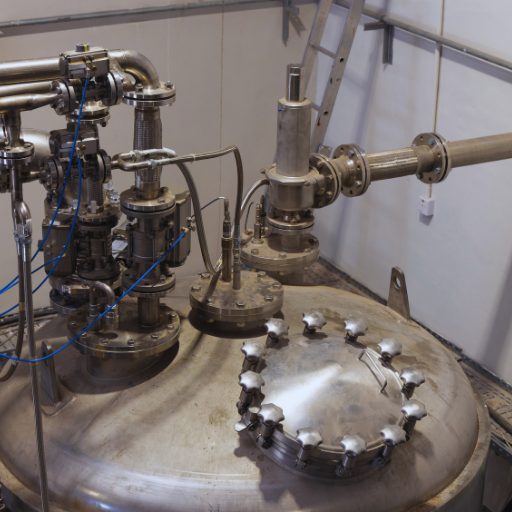
Chemical Industry
For the reactions, distillation, and cooling applications, process steam is used.
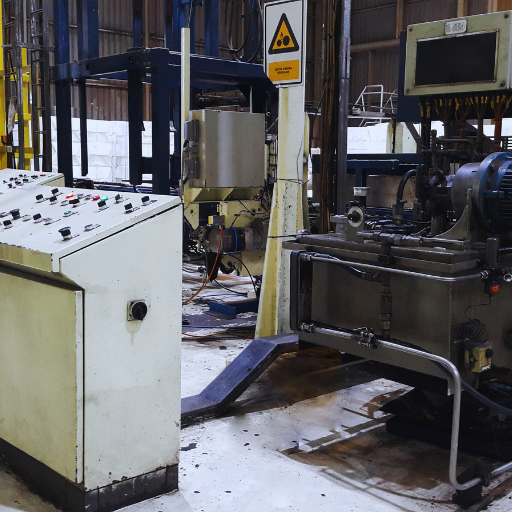
Paper & Pulp
The use of steam is already part of the processes of pulp cooking, paper drying, and coating.
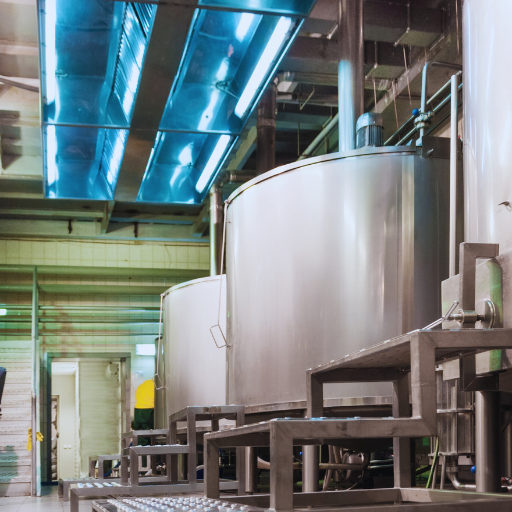
Brewery & Beverage
Steam is used for mash tin, wort boiling, and bottle sterilization.
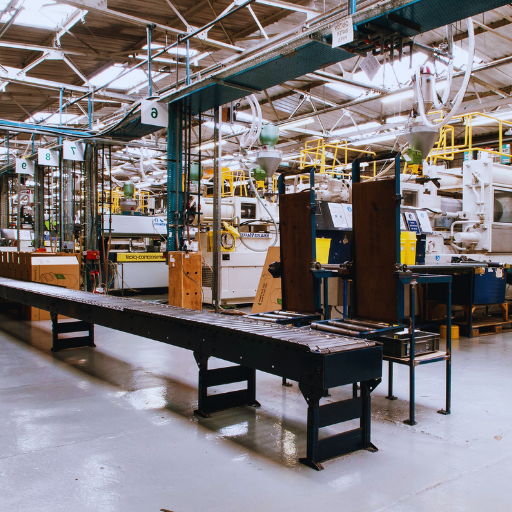
Rubber & Plastics
Thermal oil heating is used for vulcanization, molding, and extrusion in the rubber and plastics industries.
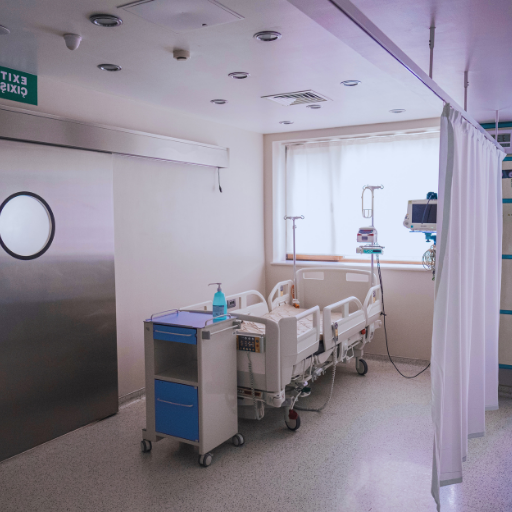
Hotels & Hospitals
Steam and hot water are provided for laundry, kitchen, and HVAC systems in hotels and hospitals.
Global Case Studies: Proven Performance Across Industries
Manufacturers around the world are facing challenges with industrial heating. See how we have helped them with tailored heating solutions through our customized oil and gas fired boilers.
Textiles
Installation of a 10-Ton Dual Fuel Steam Boiler in an Indonesian Textile Mill
How we helped PT. Surya Textile achieve a 23% reduction in operational costs and compliance with stringent emission regulations using our WNS series oil and gas fired boiler.
23%Cost Reduction
100%Compliant
15%Quality Up
10TCapacity
Challenge
- Considerable operational costs due to volatile fuel pricing.
- Consistent downtime of boilers disrupting the dyeing process.
- Restricted space in existing boiler room (6m×4m footprint).
Solution
- WNS10-1.25-YQ dual fuel fire-tube steam boiler.
- Integrated low NOx (< 30 mg/Nm³) emissions.
- PLC full automation with remote app access.
Results
- 23% reduction of yearly fuel costs.
- 100% compliance with Indonesia emission standards.
- Improved dyeing quality by 15%.
Project Specs
LocationBandung, Indonesia
DateMarch 2024
FuelNatural Gas/Diesel
Efficiency96.5%
ModelWNS10-1.25-YQ
“They did more than sell us a boiler; they examined our whole steam system and suggested optimizations we hadn’t thought of. Our production has never been more stable.”
Plant Manager, PT. Surya Textile
Food Processing
Hot Water Boiler System for Mexican Dairy Processing Facility
Achieving strict SEMARNAT emission compliance while maintaining 24/7 production demands for Lacteos del Norte’s pasteurization lines.
<30mgNOx Level
98%Uptime
$180KSaved/Yr
FDACompliant
Challenge
- Mexico’s updated SEMARNAT NOM-085 compliance issues.
- Hot water temp inconsistencies impacting pasteurization.
- Planned expansion requiring 40% capacity increase.
Solution
- Two WNS7-0.7/95/70-YQ gas fired hot water boilers (redundant).
- Ultra-low NOx burners with Flue Gas Recirculation (FGR).
- Integrated SCADA system for 21 CFR Part 11 compliance.
Project Specs
LocationMonterrey, Mexico
Output4.9 MW (x2)
Temp70-95°C
CertificationsASME, NOM, FDA
“The technical consultation was exceptional. From the first day, they understood our food safety needs. The parallel boiler setup means we never have to worry about downtime.”
Operations Director, Lacteos del Norte
Pharmaceutical
High-Purity Steam Generator for Indian Pharmaceutical Manufacturing
Delivering clean steam meeting USP grade standards for Pharmatech India’s sterile injectable production facility.
99.9%Purity
GMPCertified
35dInstall
<1µSConductivity
Solution
- Dual-stage system: utility boiler + clean steam generator.
- SZS6-1.25-Q gas fired water tube boiler for utility steam.
- 316L SS internals for clean steam generator.
- Full IQ/OQ/PQ documentation package.
Project Specs
LocationHyderabad, India
Utility ModelSZS6-1.25-Q
Clean Output2,000 kg/hr
Material316L Stainless
“Only this team demonstrated deep understanding of pharmaceutical clean steam requirements. The engineering team collaborated with our validation department to fulfill all documentation needs.”
Technical Director, Pharmatech India
Chemical Industry
3.5 Million Kcal Thermal Oil Heater for Vietnamese Resin Production
Tailored thermal oil boiler solution that offers exact 320°C process heating for Vinachem’s specialty resin manufacturing.
Challenge
- Processes requiring stable 320°C heating without high-pressure steam risks.
- Multiple heat consumers with varying temp requirements (180-320°C).
- Explosion-proof requirements for chemical plant environment.
Solution
- YY(Q)W-3500Y(Q) gas fired thermal oil heater (Coil-type).
- Integrated three-way mixing valve system for multi-zone control.
- ATEX-rated electrical components throughout.
Project Specs
LocationHo Chi Minh
Capacity3.5M Kcal/hr
Max Temp320°C
Accuracy±2°C
“Switching from electric heating to thermal oil was a major decision. The ability to control the temperature in multiple zones has given us flexibility we didn’t have before.”
Production Manager, Vinachem JSC
Paper & Pulp Industry
SZS Water Tube Boiler for Brazilian Paper Mill Expansion, 20 Tons
High-capacity steam boiler, oil and gas fired, aiding the operation of a continuous paper machine at Papel Brasil’s new production line.
Challenge
- New paper machine requiring 18+ ton/hr continuous steam.
- Site located 200km from port with limited heavy lift capacity.
- Brazilian NR-13 and ABNT regulation compliance.
Solution
- SZS20-1.6-Q water tube steam boiler (D-type membrane wall).
- Modular design allowing field assembly for easier transport.
- Economizer + air preheater (97.2% efficiency).
Project Specs
LocationSão Paulo
Output20 ton/hr
Pressure1.6 MPa
CertificationsASME, NR-13
“We worried about getting a 20-ton boiler to our remote location. The modular system simplified transportation. The boiler has been solid from day one.”
Engineering Director, Papel Brasil
Beverage Sector
Complete Skid-Mounted Boiler Room for Soft Drink Factory in Nigeria
Turnkey fire tube steam boiler with integrated water treatment system for the new production facility of West African Beverages.
6TSteam
SkidSystem
14dInstall
<5ppmHardness
Solution
- Factory-assembled skid-mounted boiler room package.
- WNS6-1.0-YQ dual fuel fire-tube boiler.
- Integrated softener and deaerator water treatment.
- Fully assembled piping, valves, pumps, and controls.
Project Specs
LocationLagos, Nigeria
TypeSkid-Mounted
FuelNat Gas / Diesel
CertificationsASME, SON
“The skid-mounted solution was perfect – it arrived almost ready to run. Since startup, we’ve had no issues thanks to the commissioning engineer training our team thoroughly.”
Factory Manager, West African Beverages
Oil and Gas Fired Boiler FAQs
What are the main advantages of oil and gas-fired boilers as heating solutions?
The first thing to mention about oil and gas-fired boilers is that they are reliable and very productive heat sources that can be used in both residential and commercial applications. They are very quick to start up, they produce hot water and steam consistently, and they can be used with existing hydronic systems. Where natural gas is not available, oil-fired boilers give an economically viable solution. The latest units also work with thermostats and zoning controls to enhance comfort and management; they are multifaceted heating solutions.
What about energy efficiency for oil and gas-fired boilers?
The energy efficiency is dependent on the specific model and its age: condensing gas boilers of newer generation can get to over 90% efficiencies (90%+ AFUE), evaporating latent heat, while non-condensing oil boilers of older generation run at lower efficiencies (70–85% AFUE). Moving up to a high-efficiency model, doing regular maintenance, and controlling the system optimally can greatly enhance the overall energy efficiency of the chosen fuel type.
How do I go about the gas or oil boiler installation?
Gas or oil is a question of choice that stands on fuel accessibility, local rates, infrastructure, and eco-friendliness. Natural gas is almost always less dirty as it burns and may be less expensive where the pipelines are already present; oil gives freedom from being connected to gas networks, and in some regions, it can be comparatively cheaper. Check prices of fuel, pipes and network regulations, and whether you qualify for any tax credits for high-efficiency units before making the choice.
Is it possible for a boiler running on oil and gas to be part of a modern HVAC system?
Definitely, oil and gas boilers can be within the HVAC systems that are powered by hydronic heating, like radiant floors, baseboard radiators, and air handlers with coil exchanges. Furthermore, forced-air systems can work in conjunction with the setup through indirect water heaters or by heat exchangers. Size the system properly and apply controls, including smart thermostats and zone valves, to secure a productive interaction with the existing HVAC equipment.
What maintenance is needed to achieve maximum energy efficiency and a lengthy lifespan?
The most efficient way of prolonging your heating system’s life and efficiency is through regular maintenance. Annual professional inspections, combustion analysis, cleaning burners and heat exchangers, changing filters, and checking controls and safety devices are examples of regular maintenance. In the case of oil boilers, it is necessary to clean the oil nozzle and flue passages. Bleeding radiators, flushing the system water from time to time, and keeping proper boiler pressure also help in fighting corrosion and increasing the unit’s lifespan, alongside the energy efficiency it keeps.
Are there any economical upgrades that can improve an older oil or gas-fired boiler?
Definitely! Among the economic upgrades are the installation of a programmable thermostat, zoning controls optimization or addition, insulating of hot water pipes that are exposed, replacement of corroded valves, and tuning of the burner. The replacement of the boiler with a new high-efficiency condensing unit might be expensive, but it certainly results in huge fuel savings. However, simple control and insulation improvements are often rapid paybacks at lower upfront costs.
What are the safety measures that are necessary concerning oil and gas boilers?
The first measures are adequate ventilation, regularly done checks on the flue and chimney to avoid the buildup of carbon monoxide, and having functional pressure relief valves and fuel lines and tanks that are leak-free for oil systems. Not only that, but also place carbon monoxide detectors in living spaces and make sure that the boiler is serviced every year. Air intake, venting, and fuel storage arrangements must comply with local requirements to reduce the risk of fire and poisoning.
How do environmental challenges and laws impact the choice of the oil and gas boiler?
One of the main reasons for environmental concerns is the demand for a heating solution with lower emissions. Besides that, it is also true that gas-fired boilers are less polluting than oil ones, but on the other hand, methane escaping into the environment is a risk. Some jurisdictions provide financial support for high-efficiency boilers or set limits on emissions, thus the decision between gas or oil can be affected. When planning your long-term upgrades, consider cleaner fuels, emissions control, and the possibility of future electrification or hybrid systems.