Get in Touch with Taiguo

How to Size a Biomass Steam Boiler for Textile Mill


Contents
show
Creating steam efficiently is critical for the textile manufacturing process, as it is utilized for operations such as dyeing, finishing, and drying. It is vital to have a biomass steam boiler in place for a textile mill. Not only is it essential for satisfying production requirements, but it efficiently handles reducing energy bills and the negative effects on the environment. This article provides readers with the basics in selecting a biomass steam boiler that fits their energy demands and environmental endeavors. Whether seeking to improve efficiency, realize cost impacts, or move forward towards environmental initiatives, this guide provides the strategic thinking needed to assist in making the best choices. Let us find out how to find the best boiler that suits your unique textile mill requirements.
Understanding Boiler Sizing in the Textile Industry
Importance of Correct Boiler Size
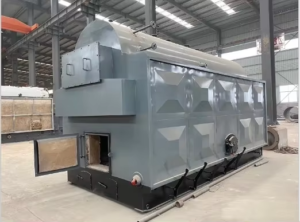
Selecting the correct size of boiler for a textile mill is very important in terms of efficiency and productivity. An undersized boiler will lag behind the production process, frustratingly causing delays, frequent discontinuity of process, and undue stress upon the plant. Conversely, a boiler that is oversized will consume more power unnecessarily, increase the operational cost, and display inefficiencies vis-a-vis high on/off cycling.
This appropriateness in size ensures consistency in the provision of steam or hot water to textile plants for proper processes like dyeing, drying, or finishing. Correct sizing of equipment optimizes energy use, which in turn leads to fuel savings and lesser carbon footprints. Production requirements determine correctly sized boilers in regard to peak demands and specific energy needs based on the machinery to be operated.
Correct sizing of a boiler ensures operational reliability and supports cost and environmental management. A boiler built to size specifications helps prevent waste, prolong the equipment’s service life, and minimize the carbon footprint of the whole facility. It is worth consulting with energy professionals or carrying out a detailed load assessment to ensure that the boiler selected has the potential to cater to the needs of the mill for the short as well as long term.
Factors Influencing Boiler Capacity
Boiler capacity will depend on a lot of key factors that govern its efficiency and applicability for meeting particular operating needs. One main factor is what kind of workload the boiler is expected to carry, and the quantity of the same. The load refers to the sectors or applications for which the boiler will provide service, such as heating, power generation, or industrial processes, and their correlated heat or steam needs. Accurate identification of the loading prevents underperformance and/or energy waste.
15-20%
Potential energy savings achieved through optimized boiler sizing and waste heat recovery.
The fuel type and quality also play a significant role. Different boilers are generally modified to deliver maximum performance with certain types of fuels, say, natural gas, oils, coal, and biomass. Fuel heating value and burning characteristics obviously influence boiler efficiency and production. When fuel is inconsistent with the design of boiler, preventing productive equipment functioning, it will not only become energy inefficient but may also lead to possible wear and tear. By choosing the accurate fuel, the performance could be assured to remain at an optimum level and at low costs.
In considering boiler capacity, environmental conditions and the nature of the site are major secondary factors. Ambient temperatures, altitude, and humidity level, including the working nature of heat transfer on the surface due to differences in the system, all influence the temperature. Moreover, space limitations and available ventilation within the site may restrict the intensity of operations or configuration of the boiler, and hence one must diligently consider them during selection and subsequent installation. One invariably has to have environmental conditions safeguarded to run the boiler safely and effectively amid certain particular conditions.
Steam Demand Calculations
When it comes to boiler sizing, the first thing to be determined is the appropriate steam demand, a crucial factor towards attaining efficiency. It pretty much depends on the requirements of the processes it serves, peak load conditions, operational hours, and more. In the initial calculation of steam demand, consideration should be given to the sum of steam requirements from all equipment and processes connected. Accordingly, attention should be paid to high loads to ensure that when there is fluctuation in demand, the system can respond to it without any losses in performance.
When working on making these steam production calculations, usually one has to consider the specific enthalpy of steam and water, which is expressed in energy units using a British Thermal Unit (BTU). Therefore, one first determines the mass flow rate of steam desired and multiplies this amount by the difference between the specific-enthalpy values of steam and feedwater to calculate the energy required for producing the desired steam. By allowing for system efficiency and any losses, the boiler can perform all the time.
Also, one must foresee the capacities that may be added or increasing in demand when choosing a suitable capacity of the boiler. Bring in an engineer or someone knowledgeable in this type of job when calculating steam demand to make sure variables like temperature, pressure, and flow rates are all properly accounted for. With this comprehension of steam requirements, plenty of energy utilization would result, along with reduced operational costs and the establishment of system reliability in different situations.
Analyzing Biomass Fuel for Boiler Selection
Types of Biomass Fuel Available
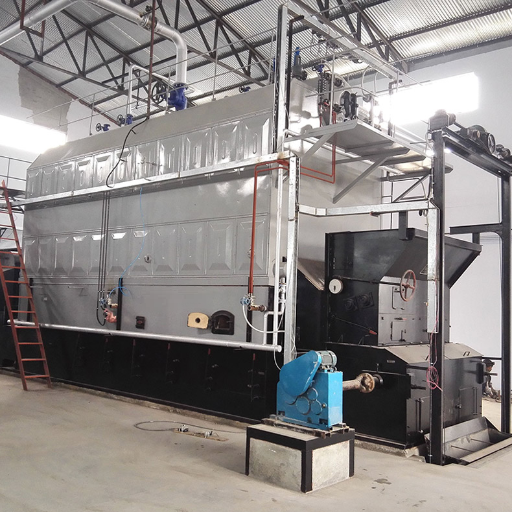
There are many different forms of biomass fuel, and each brings with it individual benefits fitting the boiler system. Some of the common and primary types of biomass materials include those derived from wood. An example of these fuels is firewood, wood chips, and pellets. These kinds of fuels are quite in use because they have high energy content and are widely available, especially in the forest-rich areas. For consideration as well is the widely favored wood pellets with their consistent size and efficient combustion.
Hence we have the biomass fuels which are in the form of agricultural waste such as straw, husks, or spent crop shells. These post-farming activities offer an acceptable price as well as being readily available, particularly in agricultural areas. They not only help in eliminating waste but also provide a renewable source of energy for many types of boiler systems.
Waste material is a very important choice for renewable energy. Energy crops are the symbol of a specially grown and highly efficient and sustainable biomass for fuel. Indeed, the best choice of biomass type is very important concerning correspondences that might be reconciled with the boiler’s capacity and how much energy is ready to be made.
Fuel Quality and Its Impact on Boiler Performance
Fuel quality is a key ingredient that leads to the efficient and long-lasting operation of boilers. High-quality fuels will ensure continuous energy delivery; lower emission levels will enhance the sustainability of the system. Low-quality fuels will cause under-combustion, accumulation of ash residues, and numerous maintenance complaints. Selecting fuels with optimal moisture content, energy content, and chemical composition is vital to suit the desired performance goals of boilers.
⚠️ Critical Performance Factor
Excessive ash will cause boiler scaling on heating surfaces, resulting in poor heat transfer. This necessitates cleaning at regular intervals to function properly. It is crucial to test the fuel’s properties to ensure that that fuel meets the specifications of the boiler.
Finally, pollution in fuel can affect boiler longevity. Sulfur and chlorine contaminants can cause corrosion within boiler components, thereby necessitating costly repairs or replacement over time. Maintaining a controlled procedure in the beginning can mitigate these impending pressures. By choosing suitable, high-quality fuel varieties, the boilers are given opportunities to boost efficiency, cut down on operational costs, and improve the boiler system’s long life.
Biomass Fuel Specifications and Sourcing
Critical in the selection of biomass fuel for a boiler or furnace, there are various specifications to help ensure optimal operation and efficiency. Moisture content is a key factor, one which could disadvantage combustion efficiency and vastly increase emissions. Thus, the best guidelines for moisture in biomass fuels are readings of lower than 20 percent, as moisture elsewhere saps energy. Also, there are the particle-size distribution and ash content to take into account.
One important consideration would be ash content since higher levels of ash mean more deposit formation, which further necessitates more frequent cleaning cycles. That is why a low ash-content fuel is preferable for minimizing plant stoppages and extending the life of the boiler. Another measure in this regard would be a pollution control aspect, like sulfur and chlorine content, protecting and maintaining the structural integrity of boiler components by preventing corrosion over time.
It is important to source biomass fuels from reliable suppliers to have consistency in quality. The analysis report must have full details on fuel specifications, including moisture content, size distribution, ash content, and net calorific value. In comparing sustainable sourcing practices, priority can be shown in using by-products from agriculture or industry to put it in line with environmental goals, meanwhile easing the pressure on finite resources.
Choosing the Right Biomass Steam Boiler
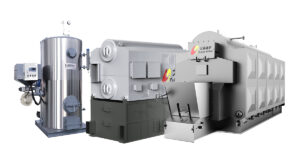
Criteria for Selecting a Suitable Boiler Model
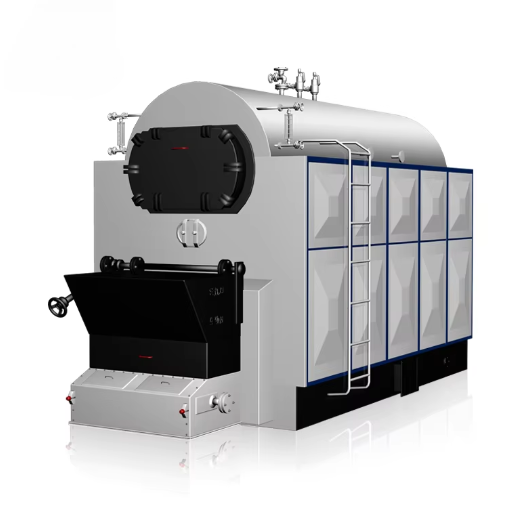
An effective matching of a biomass steam boiler must take into consideration several things to assure efficiency, reliability, and ecological support. First, the selection of boiler fuel suitability should be done. This means that a chosen model should have the capacity to deal with the type of biomass fuel that is at hand, whether wood chips, agricultural residues, or any other biomass by-products. This then ensures performance consistency and maximum energy output.
Second, an evaluation should also be done on the installed capacity and the way that the boiler will be operated. The demands of the process in terms of steam output and the pressure levels required will define a boiler size and design that will be suitable. The efficiency rating of the boiler also needs consideration because higher-efficient designs, with decreasing fuel consumption and decreasing operational costs, are more environmentally and economically sound.
It is also necessary to check the boiler model with its maintenance and emissions controllability. It is good to go for advanced combustion technology systems with minimum emissions so as to comply with local environmental laws. Averages of boiler functionalities must be considered to ensure that the correct boiler for easy servicing and cleaning is selected to maintain the welfare of the environment and minimize down-time, thus ultimately leading to sustainable performance.
High Efficiency and Environmental Considerations
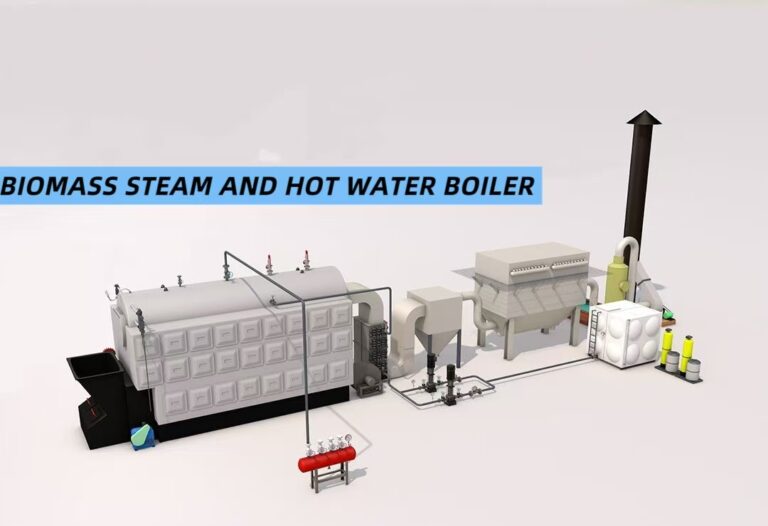
In the selection of a biomass steam boiler, attention must be paid to optimizing efficiency interlinked with environmental considerations. Efficiency could be substantially raised via judicious choice and use of new technologies such as automated fuel feed controls, heat recovery units, and proper insulation to prevent energy from being wasted. Thanks to these technologies, the boiler performs at the top level as much of the fuel as put into it can be translated into heat for productive use with minimal waste.
Fuel selection and emission control are intimately tied with environmental sustainability. The lessened carbon footprint can be further harnessed by employing clean renewable biomass sources like wood chips, agricultural residues, and pellets. Newly designed boilers with emission control technologies such as particulate filters and flue gas treatment systems can ensure that pollutants released into the atmosphere are minimized. This is in agreement and adherence to local environmental regulations and is indeed part of a sustainable way for energy handling.
💡
Pro Tip
Regular inspection of critical components and cleaning of heat exchange surfaces extend the life of the boiler. These actions actively build a relationship between cost-efficient energy production and environmental conservation.
Comparing Industrial Biomass Boiler Options
One important aspect of comparing between different industrial biomass boiler options is closely looking at the fuel compatibility.
Various boilers are specifically designed for dealing with particular types of biomass. Properly considering local fuel availability and fuel costs will ensure the boiler aligns with operational needs while controlling expenditures. Moreover, flexible fuel types require an extra initial investment.
| Boiler Type | Best For | Main Advantage |
|---|---|---|
| Fire Tube | Lower pressure / Smaller scale | Lower initial cost |
| Water Tube | High demand / High pressure | Fast response to load |
| Modular | Phased expansion | Scalable capacity |
Operational Efficiency and Cost Management
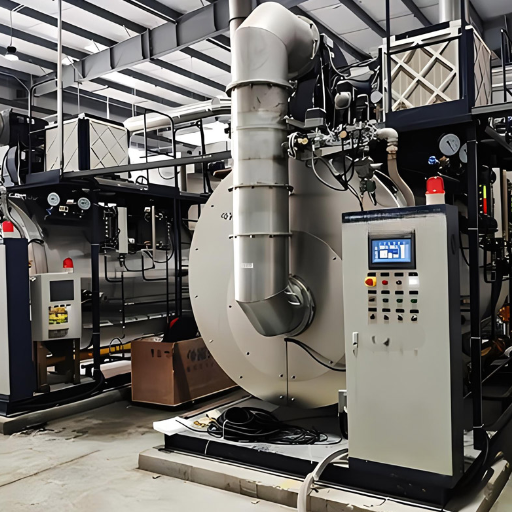
Long-term Operational Efficiency Strategies
Several factors are importantly considered to provide for efficient operation and cost control over the long term. The foremost step is to determine the steam demand of the factory: the peak steam load required to cope with various daily needs, including dyeing, drying, and pressing. If the load is accurately calculated, the boiler burns less fuel in comparison to an undersized one, which would only result in wastage.
Taking into consideration the type of biomass fuel, also consider its heat value. Choosing a fuel palatable to the process and boiler not only lowers operational costs but also reduces downtime caused by varying fuel supply capabilities. Major properties of fuel, such as moisture content and combustion efficiency, have a direct reflection on the performance of the boiler and must meet the design specifications of the system.
Integrating energy recovery systems such as economizers and heat exchangers into the boiler design will increase thermal efficiency. These systems are designed to recover waste heat from the boiler flue gases and utilize it to preheat the feedwater, thereby reducing the total energy input required. Keeping regular maintenance schedules and staff training are also vital for extending the life and operation of an efficient boiler in a textile mill.
Estimating Operating Costs for Biomass Boilers
The operating cost of a biomass boiler is generally a function of three critical factors: fuel prices, maintenance requirements, and efficiency levels. The capital cost of fuel is the single largest variable expense. Local availability has become increasingly crucial in influencing transportation costs; it is generally advisable to get in touch with suppliers near your site to minimize delivery costs.
Maintenance costs for boilers that use biomass like wood may be somewhat high compared with conventional fossil fuel-fired boilers. Regular attention to dusting and inspecting the boiler ensures top performance. Procedures covered by ash handling, cleaning the heat exchanger, and regular checks ensure long-term ease of service and low chances of breakdowns.
Another factor is the efficiency of biomass boilers as calculated against operating costs. Higher efficiency would mean a steeper initial investment, but eventually cuts fuel consumption and running costs. The point is to follow up energy production and schedule regular efficiency tests in order to spot any means that will perk up efficiency, thus aiding cost management.
Maintenance Requirements for Biomass Fired Steam Boilers
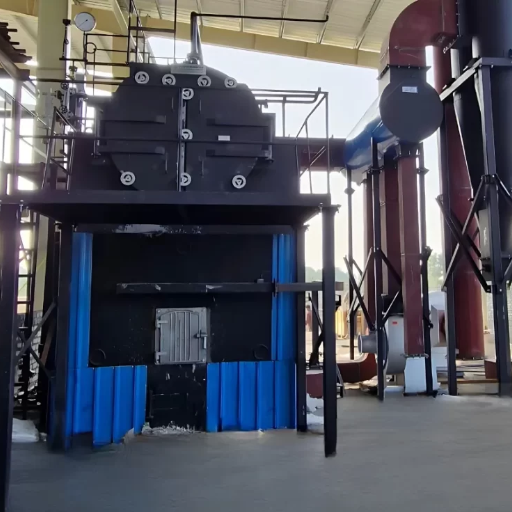
Maintenance is of necessity to keep biomass-fired steam boilers working in tip-top condition. Regular maintenance increases the life-cycle and eliminates possible problems which otherwise could shut the plant down. Checking and cleaning the unit is essential for high overall efficiency.
- 1
Thorough Cleaning
Significant in preventing ash, soot, or residues. Cleaning should involve both the fire side of the pressure boundary and the water side. - 2
Component Examination
Regularly check tubes, fans, and burners for leaks, wear, or cracks. Ensure valves, pumps, and seals are in good shape. - 3
Calibration & Tuning
Calibrate controls and monitoring systems. Proper air/fuel ratios and accurate pressure readings enhance efficiency and reduce emissions.
Regulatory and Environmental Considerations
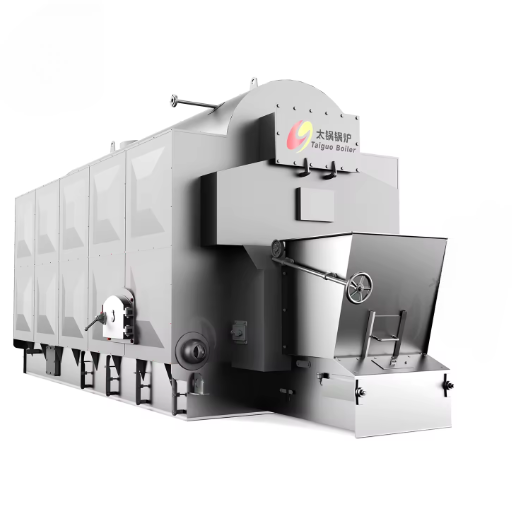
Understanding Compliance in the Textile Industry
When discussing compliance within the textile industry, it refers to the adherence to laws intended to protect human welfare, worker’s rights, and the environment. These may encompass workplace safety standards, waste disposal protocols, and chemical use restrictions. Companies have to follow certain rules to avoid punishment and facilitate the legality of their manufacturing.
Particularly in relation to environmental compliance, the textile industry impacts significantly on water bodies and air quality. Compliance involves managing wastewater emission, decreasing toxic emissions, and transitioning to eco-friendly production methods. Manufacturers must be in compliance with worldwide and local legislation regarding dye and chemical protocols to prevent malpractices.
Environmental Impact of Biomass Fired Boilers
There is an imminent need to enforce good industry practices that do not use fossil fuels. Biomass systems keep the environment less harmful and are claimed to be green-energy systems. Energy generation from renewable sources such as residues of agriculture or wood is key. Doing so has a big advantage in that it reports very low CO2 emissions when compared to coal or gas sources.
One major environmental advantage of biomass-fired boilers is reduced carbon emissions. Surprisingly, all that is burnt returns to be grown again, which wipes out some of the carbon emissions. This will help to offset climate change and turn the swing toward a sustainable future, provided the biomass is harvested properly from forests and farmland.
Nonetheless, the operation of biomass-fired boilers has its share of challenges. Air pollutants can include particulate matter if advanced filtration systems are not utilized. Sustainability of the biomass input is also vital; waste materials or sustainably managed inputs need to be chosen. When properly addressed, biomass-fired boilers stand for a pure and ecologically acceptable form of energy.
Future Trends in Biomass Boiler Regulations
Environmental sustainability and reducing emissions attract an increasing share of biomass boiler regulation frameworks. Widespread tightening of standards aims at compliance with international climate targets. These standards require biomass boiler operators to incorporate advanced control technologies like better filters and combustion techniques.
A major area of regulation is the sustainability of biomass stock sourcing. Policies actively pursue the replacement of selected harvested products by non-forest, waste-wood products and sustainably managed biomass. Systemic traceability processes are becoming standard for ensuring sustainability in supply chains.
Finally, future regulations are intended to spur innovation and motivate integration of renewable energy systems via financial incentives. These trends are making biomass energy a cleaner and more sustainable option, contributing to the global struggle against climate change.
Frequently Asked Questions (FAQ)
Q: How do I size a biomass steam boiler for textile mill to meet required steam?
A: To size a biomass steam boiler for textile mill you must calculate the facility’s steam demand in steam per hour based on all processes that use steam or heat. Sum peak and average loads, include heat loss allowances, and convert required steam to boiler output in kg/hr or lb/hr at the chosen steam pressure and steam quality. Ensure the boiler capacity must meet maximum steam needs while allowing margin for future expansion; this determines the correct boiler capacity and the right biomass boiler to choose.
Q. What factor affects the selection of the right biomass boiler for an industrial steam system?
A. Deciding on the right biomass boiler requires an evaluation of the steam required, steam flow, steam pressure levels, steam quality, fuel availability (renewable biomass fuels), and whether any steam or hot water boiler is needed. Think of boilers related to the boiler plant layout, boiler room space, and modular boiler options for phased capacity configuration, and state consideration as to whether a fire tube or any other industrial steam boiler design best fits the needs of textile industry boilers. Additional factors that influence the decision-making process are a cost-effective operation, steam boiler efficiency, and maintenance.
Q: How would steam pressure and steam quality affect calculations for boiler capacity?
A; Steam pressure and steam quality affect the amount of heat carried against a steam parcel and, therefore, the boiler capacity. High-pressure steam can carry more heat and hence the rate of flow of steam can be reduced for similar heat duty; however, it would require a boiler that can handle a high operating pressure. So, at this juncture, all this boiler body and conversion equipment should match with the steam rating pressure and a steam system that is enough to support and sustain a steady steam quality for all textile mill steam and heating processes.
Q: Can you convert a hot water boiler for a biomass steam boiler to meet textile mill requirements?
A: The conversion of a hot water boiler to a steam boiler for the requirements for textile mills includes foreknowledge on how heat transfer will need to be distributed and modified in the boiler plant, then distributed in steam. Few adaptations can be made by converting a hot water boiler into a steam boiler; there will be different automatic controls and safety devices. When a boiler is chosen, it ought to be identified from the point of the application of steam versus heat that the selection for the boiler system must be designed for industrial steam service as per textile industry requirements and steam supply targets.
Q: What is the use of the boiler capacity in a biomass boiler for meeting the steam needs of a textile mill?
A: The capacity of the biomass boiler determines how much fuel can be burnt, leading to steam generation. Correct calculation of the boiler capacity must cover provision of peak loads and some excess capacity for heat losses and inefficiencies. Larger combustion equipment would be required in case biomass fuel was of low density or variable; likewise, we would need higher capacity boilers to keep the steam generation flow for propulsive stability and quality control. The capacity of the boiler should match the steam required while, at the same time, guaranteeing that the boiler will work efficiently when operated under the normal condition of the biomass fuel.
Q: How to provide smooth and reliable steam supply to the textile process?
A: Make sure there is proper boiler sizing (calculate the live steam rates for the hour); sufficient steam pressure control; sufficient redundancy in steam dryers or separators; and sufficient boiler output. Minimize steam distribution heat loss, make sure you have proper condensate return facilities, and purchase an EPCB boiler or any industrial boiler having proper automatic load-following capability. As a result of regularity in maintenance and better-quality fuel management will lead to better, stable steam.
Q: What costing practices must be assessed in order to choose a biomass boiler for a textile industry?
A: Regarding costing, items should be considered like fuel life cycle and plant efficiency, capital costs of biomass boiler systems, maintenance-prohibitiveness, and matching capacity with the real industrial needs. Cost-benefit analysis initially requires verifying whether biomass is more cost-effective than fossil options; then, consider the capital-intensive retrofitting of the boiler room, emissions control, and the profitable spread of modular boiler options. Choosing the right boiler usually means balancing the direct cost and recouped savings with growing renewable biomass fuel and reduced heat loss.
Q:How do different types of boiler like fire tube boilers compare when sizing a biomass-fired steam boiler for a textile mill?
A: Fire tube boilers may be suitable in some cases for a textile mill. For larger industrial steam requirements, water tube or specially designed biomass boiler systems can satisfy higher steam per hour, better pressure limits, and faster response. When picking a boiler, it’s a good idea to compare the performance, working characteristics of boilers, and options of boiler markets to achieve the best boiler body and systems that will meet the maximum steam requirements and the standard of steam required.
References
-
Electricity from Woody Biomass
This document provides insights into biomass boiler capacities, including typical steam output ratings for power plants.
Read more here -
Practical Guide to Modern Wood Heating
A guide discussing various configurations and features of biomass boilers, including fuel feeding and thermal storage.
Read more here -
High-Efficiency, Low-Emissions Biomass Boiler Systems
This resource explores considerations for sizing biomass boilers, emphasizing differences from conventional boiler sizing methods.
Read more here
Ready to Optimize Your Textile Mill?
Would you like me to help you draft a specific load assessment checklist or a maintenance schedule for your biomass boiler?