Get in Touch with Taiguo

Biomass Fuel Types: A Comprehensive Comparison Guide

Contents
show
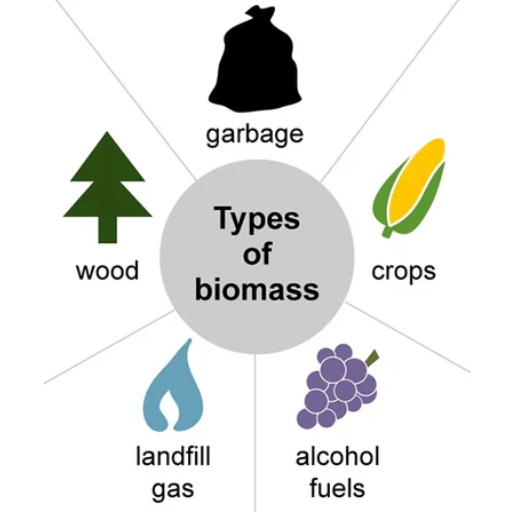
Biomass fuels exist as the most adaptable and eco-friendly renewable energy solution which exists in the current world. Biomass fuels which come from organic materials such as wood and agricultural crops and waste materials, offer a solution to decrease our dependency on fossil fuels while they help decrease greenhouse gas emissions. The different types of biomass fuels exist with unique advantages and disadvantages and their particular uses which each fuel type brings to different situations. The guide will explore all major biomass fuel types through a detailed comparison of their characteristics and environmental effects and operational performance. This detailed comparison will show energy experts and policymakers and green energy enthusiasts the essential information needed to evaluate biomass potential as a sustainable energy source. We will reveal the advantages and disadvantages of these significant energy solutions which we will examine in our research.
Key Takeaway
Biomass represents a versatile, carbon-neutral energy bridge that transforms organic waste into heat, electricity, and liquid fuels, significantly reducing global reliance on fossil fuel reserves.
Understanding Biomass Fuel
Definition of Biomass
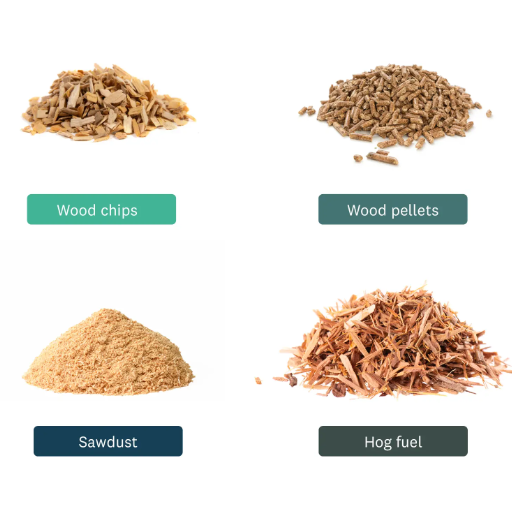
Biomass consists of organic substances which originate from plants and animals and microorganisms and serve as a sustainable energy source. The components include agricultural waste and forestry waste and animal feces and organic materials which people dispose of through their homes and industries. Biomass functions as a storage system for energy since it captures sunlight and transforms it into chemical energy through photosynthesis whereas it releases energy through burning and other methods.
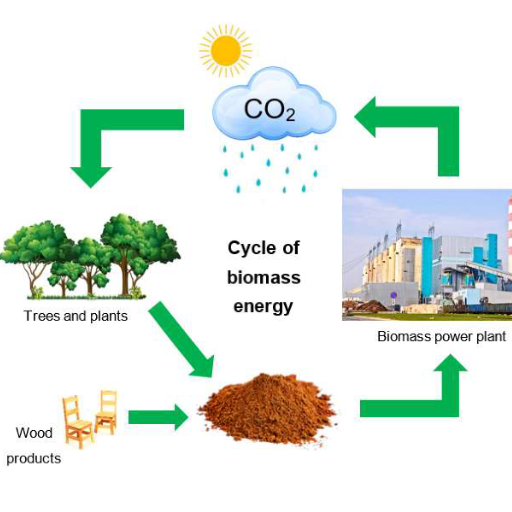
People prefer biomass because it provides a dependable method for producing energy that does not depend on fossil fuels. The proper biomass processing method will result in a considerable decrease of greenhouse gas emissions to the atmosphere. The combustion process emits carbon dioxide which the organic material in its growth phase had absorbed and this creates a carbon cycle with balanced emissions. Biomass energy production enables the use of materials which would otherwise become waste to create energy through controlled management techniques.
Biomass energy possesses multiple conversion options because it can be changed into solid or liquid or gaseous states which suit different purposes. Solid biomass fuel exists in the form of wood pellets while bioethanol and biodiesel function as liquid fuels which people use for transportation. Biogas exists as the gaseous state which people create through the anaerobic digestion process of organic materials. The distinct uses of biomass energy allow it to function as a flexible energy source which meets different power requirements while helping the world decrease its use of non-renewable energy sources. For operations converting prepared woody biomass into a consistent solid fuel, wood pellet making machines from TCPEL belong to the upstream production scope and should be assessed separately from boiler selection.
Importance of Biomass as an Energy Source
Biomass serves as a vital energy source which people can use because it provides renewable energy and helps decrease fossil fuel dependency. Biomass energy exists because people can create energy from renewable resources which include agricultural waste and forestry residues and dedicated energy crops. The use of biomass enables sustainable energy production which meets global demands while conserving natural resources needed by future generations.
The main advantage of biomass lies in its capacity to decrease greenhouse gas emissions. Plants absorb carbon dioxide from the atmosphere which becomes carbon dioxide emissions when people burn biomass as fuel. The process establishes a closed carbon cycle which responsible management makes possible to achieve lower carbon emissions than fossil fuel combustion. Biomass energy production enables the diversion of organic waste from landfills which results in decreased methane emissions, a significant greenhouse gas.
Biomass serves two important functions as it provides energy security while boosting economic progress. Biomass enables communities to produce energy from local resources which decreases their need to import fuels thus empowering them to manage their energy systems. The creation of job opportunities occurs through biomass production and harvesting and processing activities, which helps build rural economies and strengthen community resilience. The advantages of biomass demonstrate its potential as a flexible energy solution which can create a more sustainable and secure future.
Overview of Biomass Fuel Types
Biomass fuels derive from numerous organic materials which serve as energy-generating resources. Wood and agricultural residues and dedicated energy crops represent the primary types of biomass fuels. The renewable resources exist throughout the world which makes them a sustainable option that replaces fossil fuels. The different biomass fuel types provide distinct properties which enable multiple methods of producing energy.
Wood and wood processing residues serve as major biomass fuels for energy production. Direct combustion of firewood and sawdust and wood chips provides heat production or pellet and briquette processing delivers more effective energy utilization. People choose wood as their primary biomass energy source because of its abundant availability and suitability for both small-scale and large-scale energy applications.
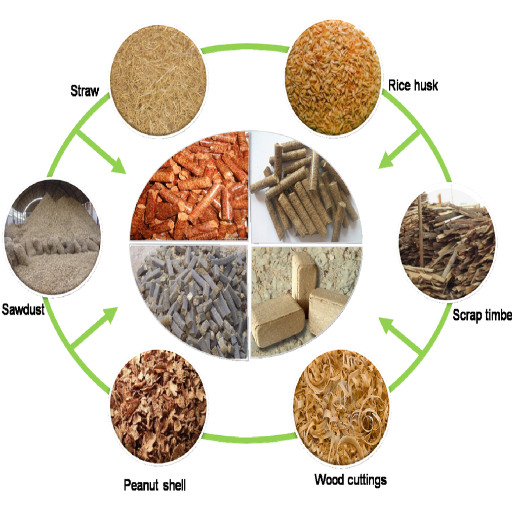
Agricultural residues, which include corn stalks and rice husks and sugarcane bagasse, represent a second major biomass fuel category. The by-products which would normally be discarded can be used to create heat and electricity and biofuels. Dedicated energy crops, which include switchgrass and fast-growing willow and poplar trees, exist as plants grown to produce energy. These crops require minimal resources because they grow successfully in poor-quality land, which enables their producers to cultivate biomass energy while safeguarding food production areas.
Types of Biomass Fuels

Wood-Based Biomass Fuels
Wood-based biomass fuels represent the most traditional and widely used form of biomass energy. These fuels originate from firewood and wood pellets and wood chips and sawdust. The materials can be burned to create heat or transformed into electrical power. The category of this fuel includes wood residues which originate from forestry operations and manufacturing processes because they offer a sustainable method to use by-products which would otherwise be discarded.
The main benefit of wood-based biomass fuels exists because they serve as renewable energy sources when forests receive proper sustainable management. Sustainable forestry practices enable carbon absorption and release balance through wood replanting after wood harvesting. Wood-based biomass enables local sourcing which decreases fossil fuel requirements and cuts down transportation emissions.
Wood-based biomass presents environmental advantages but also brings various difficulties. The combustion process of wood produces pollutants which include carbon dioxide and particulate matter that need efficient control through advanced technologies. Overharvesting forests to obtain biomass results in negative environmental impacts. The achievement of maximum benefits requires a proper equilibrium between energy production and ecological protection through responsible forest management and clean-burning technologies.
Agricultural Residues as Biomass
The biomass energy production process uses agricultural residues which include crop stalks and husks and shells together with certain types of field waste. The food production and harvesting activities produce these residues as byproducts which people often discard or allow to decompose naturally. The energy production process uses this biomass type to create sustainable energy while decreasing waste materials.
The main advantage of using agricultural residues as biomass is their wide availability and low cost. The byproducts do not interfere with food production because they require no extra land and water resources. Agricultural residues function as renewable fuels which help to decrease greenhouse gas emissions when compared to fossil fuel usage. The bioenergy conversion process creates economic development pathways which enable rural communities to generate new income sources.
The process of using agricultural residues as biomass requires environmental protection measures because this practice needs careful management. The removal of excess residues from fields leads to soil health problems because it decreases the organic matter and nutrients which support crop development. Sustainable usage requires responsible residue management because it creates sustainable solutions for waste handling. Agricultural residues can be used as a dependable energy source through environmentally sustainable methods which protect soil health and enable farmers to maintain their agricultural activities.
Animal Manure and Biomass Fuel
Animal manure functions as a suitable biomass fuel feedstock because its nutrient composition remains high and its availability is widespread. The process of anaerobic digestion enables the transformation of manure into biogas, which serves as a renewable energy source capable of generating both heat and electricity. The solution provides an environmentally sustainable energy source because it decreases fossil fuel dependency and decreases greenhouse gas emissions.
💡
Pro Tip
Integrating anaerobic digesters on-site at livestock facilities not only generates power but also produces high-quality nutrient digestate that can be used as a superior organic fertilizer.
Farmers face decreased waste management difficulties through the application of animal manure in biomass fuel production. Manure undergoes repurposing as a solution for pollution control because it helps prevent water runoff contamination. The method creates better environmental conditions which benefit both animals and humans while supporting sustainable agricultural methods.
Manure serves as a biomass energy source which helps farmers maintain agricultural resilience. The system enables farmers to generate extra income while creating energy resources which operate independently for their needs. Through the application of animal manure in biomass fuel systems, farms achieve progress toward circular economy implementation, which ensures sustainable and efficient resource utilization.
Biomass Fuel Applications
Use of Biomass in Boilers
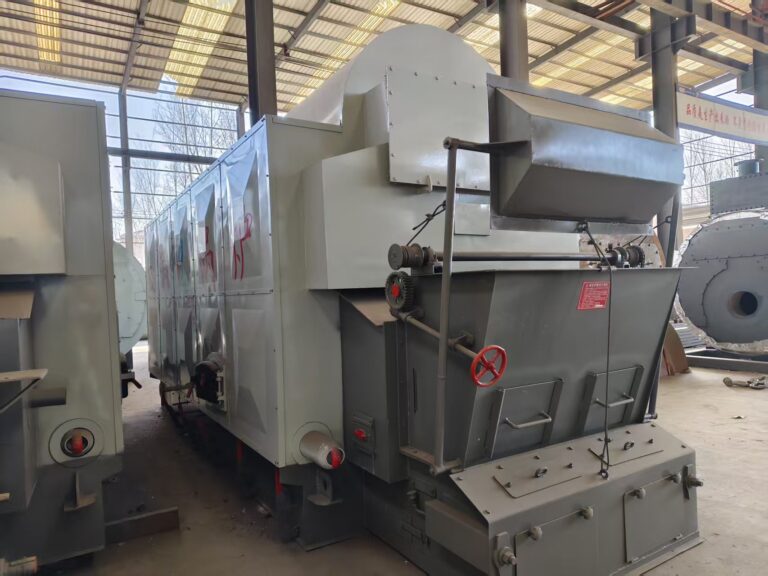
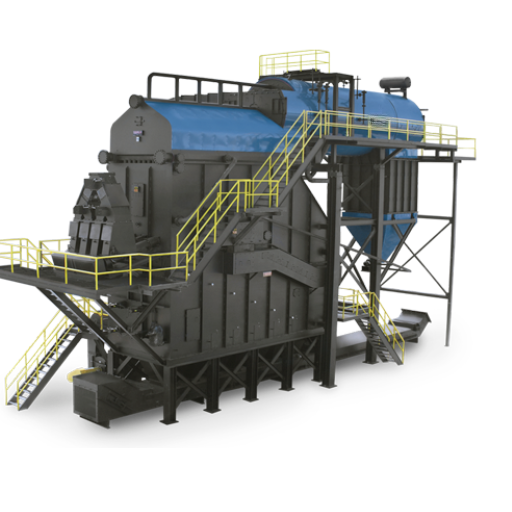
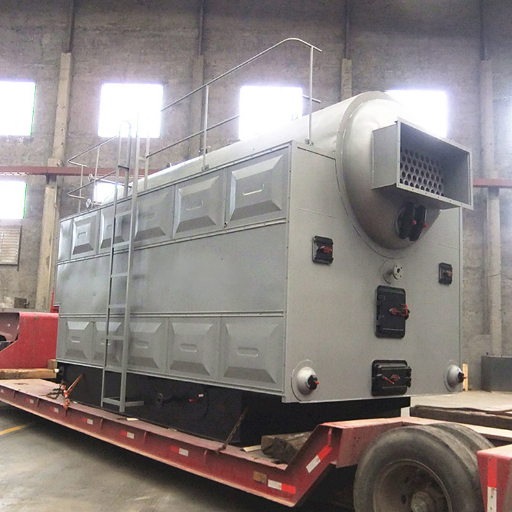
Biomass functions as a common fuel source for boilers which produce both heat and energy. The process needs to burn organic materials which include wood and crop residues and animal manure to produce steam that serves both heating and turbine operation purposes. The biomass boilers provide an environmentally friendly and efficient solution which uses renewable energy sources to decrease carbon emissions when compared to regular fossil fuel systems.
The main benefit which comes from using biomass as a boiler fuel provides an environmentally friendly solution for power generation. Biomass, which originates from natural renewable resources, produces lower greenhouse gas emissions than coal and natural gas. The majority of biomass materials used in boilers come from other industries through their production of agricultural waste which enables their use as renewable resources for the circular economy process.
Biomass boilers serve multiple purposes because they operate in industrial, agricultural, and residential areas. The systems deliver continuous energy to heat buildings and operate industrial systems and create electricity. Biomass boilers function as practical and environmentally friendly solutions because their fuels can be adjusted to match different energy usage requirements. The operators need to conduct regular boiler maintenance and handle boiler operation through continuous delivery of high-quality biomass materials to achieve operational effectiveness with sustainable results.
Biomass for Heat Generation
Biomass functions as a renewable energy source which provides sustainable heat production. Biomass utilizes organic materials such as wood and agricultural waste and energy crops to decrease fossil fuel consumption. The materials provide continuous energy supply which enables carbon dioxide emissions to maintain equilibrium through responsible management, thus decreasing greenhouse gas emissions.
Biomass provides heat production flexibility because it can be used in diverse applications. The system provides heating solutions which range from residential systems to industrial facilities that require high-capacity heating. Local communities obtain biomass fuels through local sources, which helps them achieve energy independence and decreases their need to transport fuel. Local economies benefit from biomass use because it generates new job opportunities in agriculture and forestry and waste management fields.
Biomass energy systems provide a pathway to achieve sustainable development objectives. The systems need proper management to enhance their efficiency, which leads to resource conservation and waste reduction. Biomass will enable the transition to more sustainable energy systems through renewable energy system development and innovative solutions.
Biomass in Power Generation
Biomass functions as an essential component for power generation because it delivers a renewable energy source which remains sustainable throughout its lifecycle. Power plants that use biomass as their fuel source transform agricultural waste materials together with forestry waste and specialized energy crops into electrical power and thermal energy. The system operates through different methods which include direct combustion and co-firing with fossil fuels and advanced techniques such as gasification and anaerobic digestion. The methods enable the production of clean energy through the transformation of organic waste materials into usable energy resources.
Biomass power generation provides an important advantage because it helps to decrease emissions of greenhouse gases from the atmosphere. The carbon dioxide emissions which result from biomass combustion do not have the same environmental impact as fossil fuels because plants use carbon dioxide during their growth process. The process maintains carbon cycle equilibrium which results in reduced climate change impact through decreased carbon emissions. Biomass energy production helps decrease dependency on non-renewable energy sources while producing better solutions for waste management.
The success of biomass power operations relies on the effective management of its resources. The environmental advantages of biomass energy decrease when biomass resources get extracted at excessive rates or transported over extended distances. The process requires sustainable methods which include obtaining resources from nearby locations and regrowing areas which have been harvested and enhancing biomass conversion processes. Biomass power generation develops into a more environmentally friendly energy solution through effective management.
Cost and Economic Considerations
Cost of Biomass Fuels Compared to Fossil Fuels
Biomass fuels become more cost-competitive for locations with abundant local resources because their production depends on organic materials which include agricultural waste and wood and dedicated energy crops. The extraction and transportation of fossil fuels such as coal and natural gas require extensive operations which result in price increases that match global market changes and create higher expenses for specific geographic areas.
25-40%
Estimated potential savings in fuel costs when switching from heating oil or electricity to bulk wood pellets in specific regional markets.
Biomass offers one benefit because local production enables communities to save money on transport while generating economic development for their area. The price of biomass fuels shows significant differences because it depends on three key factors which include raw material availability and processing needs and regional government policies that provide financial assistance through subsidies and tax deductions. The pricing of biomass material depends on two main factors which include fossil fuel market conditions and physical material processing requirements. Fossil fuels present lower initial costs but their total expenses include environmental harm and health risks from pollution emissions. Society increasingly recognizes external expenses as an essential element for calculating the complete economic effects which biomass and fossil fuels produce thus making sustainable energy solutions essential for development.
Economic Benefits of Biomass Energy
Biomass energy creates substantial economic value because it enables countries to decrease their need for imported fuel sources. The use of biomass energy which depends on local organic materials including agricultural waste and forestry waste and dedicated energy crops will generate local economic development while providing communities with energy independence. Nations save money through foreign energy import reduction which enables them to dedicate resources towards domestic economic development.
The creation of jobs across different industries represents an additional economic advantage which benefits multiple sectors. Biomass energy creates job opportunities for workers in the agricultural and forestry and transportation and energy production sectors. Biomass energy systems permit rural employment development through their ability to function at multiple smaller sites unlike fossil fuel operations which require large centralized facilities. The development of these projects will generate significant economic benefits for communities that currently do not possess strong industrial bases.
Biomass energy supports the development of sustainable technologies which drive market growth. The global transition to renewable energy sources increases funding for research and development which leads to technological progress through improved energy efficiency and reduced operational costs. Biomass energy gains competitive advantages through these modernizations which also generate economic benefits by establishing businesses that use environmental friendly methods.
Environmental Impact of Biomass Fuels
Biomass energy presents a lower carbon footprint than fossil fuels, which makes it an environmentally cleaner energy source that supports sustainable development. The carbon dioxide ($CO_{2}$) released during the combustion of biomass is roughly balanced by the amount absorbed by the plants during their growth, creating a near-neutral carbon cycle in ideal conditions. The process of fossil fuel extraction results in carbon release from underground reserves that have remained intact for millions of years, which contributes to the rise of atmospheric $CO_{2}$ levels. The carbon neutrality of biomass depends on multiple factors because different biomass sources require distinct methods of harvesting and processing and transporting their materials.
⚠️ Important Note
While theoretically carbon-neutral, the actual environmental benefit is lost if forests are not replanted or if excessive fuel is burned for long-distance international transport of biomass materials.
The carbon emissions from biomass increase when the material becomes sourced through unsustainable methods or gets moved across extensive distances. The supply chain requires proper management, while local biomass needs to be sustainably harvested, to keep its carbon emissions at minimal levels. Modern biomass technologies which include advanced combustion systems and biogas production, achieve additional emission reductions through their implementation. These technologies enhance energy efficiency while they decrease greenhouse gas emissions. Biomass energy functions as an environmentally safe alternative to fossil fuels because it emphasizes sustainable methods and technological progress, which helps fight climate change.
Biomass vs. Other Renewable Energy Sources
Biomass energy exists as the only renewable energy source which generates power through organic materials that include agricultural residues and forestry waste and particular kinds of municipal waste. Biomass energy supplies dependable power because it generates electricity through biomass which operates independently of weather conditions that affect solar and wind energy systems.
| Energy Source | Dependability | Versatility |
|---|---|---|
| Biomass | High (Baseload Capable) | Electricity, Heat, Liquid Biofuels |
| Solar/Wind | Intermittent | Primarily Electricity |
The ability of biomass energy to be used in different ways creates another fundamental distinction from other energy sources. Biomass can produce electricity and biofuels and heat because it exists as a renewable energy source that provides multiple energy conversion options. The flexibility of biomass enables its use in multiple industries which includes transportation and industrial heating to create new possibilities for decreasing fossil fuel dependence.
Biomass generates unique difficulties which differ from the challenges presented by other renewable energy sources. The production and utilization of biomass need resource management practices that maintain sustainability because these practices protect forests and prevent soil erosion and other environmental problems. The solar and wind energy systems produce very low emissions, but certain biomass operations can emit greenhouse gases when they lack adequate operational control. Biomass maintains its position as a crucial renewable energy source because technological progress and sustainable methods continue to develop.
Case Studies on Biomass Environmental Benefits
Case Study 1: Forest Management and Carbon Reduction
The main case study demonstrates how biomass produces environmental advantages through its application in sustainable forest management. The approach uses forest residues which include deadwood and branches and other organic matter as biomass fuel to create two advantages which include wildfire risk reduction and decreased carbon emissions from natural decomposition. The practice enables carbon reduction while it maintains forest health through the control of excessive debris buildup.
Case Study 2: Agricultural Waste Conversion
Agricultural biomass projects show environmental benefits because they transform crop residues from corn stalks and rice husks into energy. The process decreases agricultural waste because it prevents material from decomposing which would emit methane, a powerful greenhouse gas, into the atmosphere. The process of producing biomass energy enables the creation of biochar, which improves soil fertility while agricultural residues sustain soil health by reducing the need for synthetic fertilizers.
Frequently Asked Questions (FAQ)
Q: What are the main biomass fuel types and examples of biomass used for energy?
A: Biomass Fuel Types commonly include woody biomass (forest residues wood chips pellets) and herbaceous energy crops (switchgrass miscanthus) and agricultural residues (corn stover straw) and wet waste (food and animal waste) and landfill gas. These examples of biomass serve as a source of biomass energy and can be used as fuel in power plants heating systems and biogas facilities.
Q: How does moisture content and biomass moisture content affect energy density and amount of energy produced?
A: Moisture content is critical: high biomass moisture content lowers energy density and the amount of energy produced per unit mass. Dry woody fuel offers greater energy content and improved combustion efficiency compared to wet waste and fresh herbaceous crops which need drying or conversion for effective biomass heat and biogas production.
Q: Where does the source of biomass come from and how is biomass feedstock supplied on-site or regionally?
A: Biomass originates from four distinct sources which include forests, agricultural land, municipal waste, and dedicated biomass plantations. A biomass facility may secure a fuel supply through local woody biomass collection, agricultural supply chains, or on-site processing of wet waste. The availability of biomass resources depends on three factors which include land usage and planted biomass crops and the waste materials generated in the area.
Q: Can biomass be converted to different types of fuel and what are common conversion pathways?
A: Biomass can be transformed into three different fuel types which include solid fuels called pellets and briquettes and liquid biofuels named biodiesel and bioethanol and gaseous fuels known as biogas and syngas. The different methods of converting biomass include combustion and anaerobic digestion and gasification and biochemical processes which all allow biomass to generate heat and electricity and produce transportation fuels.
Q: What role do organizations like the Department of Energy and the National Renewable Energy Laboratory play in biomass guidance?
A: The Department of Energy and the National Renewable Energy Laboratory provide research, standards, and a guide to biomass technologies, assessing energy content, environmental impacts, and best practices for biomass systems. Their guidance helps developers, policymakers, and operators evaluate renewable biomass projects and improve air quality outcomes.
Q: How are fuel costs and fuel supply considerations likely to affect decisions to use biomass?
A: Cheap fuel costs, processing, transportation, etc., and the energy density of the biomass feedstock to be chosen would determine how industrially competitive biomass could be as compared to the fossil fuel. Key considerations vary from transportation distances, on-site storage needs, seasonal availability and the total primary energy contribution desired. All biomass economics have to be in view as you conceive of your system and/or facility for biomass.
Q: What environmental and air quality concerns are associated with using woody biomass and other types of biomass?
A: The combustion of woody biomass and wet waste generates air pollutants which affect air quality despite renewable biomass serving as a means to decrease fossil fuel dependence and enable different energy sources. The negative effects are reduced through the implementation of proper technologies and emissions controls together with the sustainable harvesting of woody biomass and all other biomass feedstock.
References
-
Facts about Biomass Fuels – University of Wisconsin-Stevens Point
This document provides detailed information on biomass feedstocks and their use in producing various alcohol fuels. -
Biomass – Understand Energy Learning Hub (Stanford University)
A comprehensive resource explaining traditional and commercial biomass types and their applications. -
An Introduction to Biomass Heating – Penn State Extension
This source discusses different forms of wood-based biomass fuels, including logs, chips, pellets, and briquettes. - Industrial Biomass Fired Boiler Manufacturer in China