Get in Touch with Taiguo

Biomass vs Natural Gas Boiler: Complete Comparison

Contents
show
The selection process for an energy-efficient sustainable heating system leads to two main choices between biomass and natural gas boilers. The distinctive benefits and drawbacks of each choice, together with their environmental effects, require careful assessment before making a final decision. This article presents a comprehensive analysis that compares biomass and natural gas boilers through their energy efficiency, environmental sustainability, operational expenses, and additional factors.
This guide will provide you with essential information to choose between different heating system options while you aim to lower your carbon emissions and assess their future advantages. Stay tuned as we uncover the key differences and help you determine the best fit for your home or business.
Key Takeaway
While natural gas boilers offer lower upfront costs and operational simplicity, biomass boilers provide a carbon-neutral alternative that can lead to long-term fuel savings and reduced environmental impact.
Introduction to Heating Systems
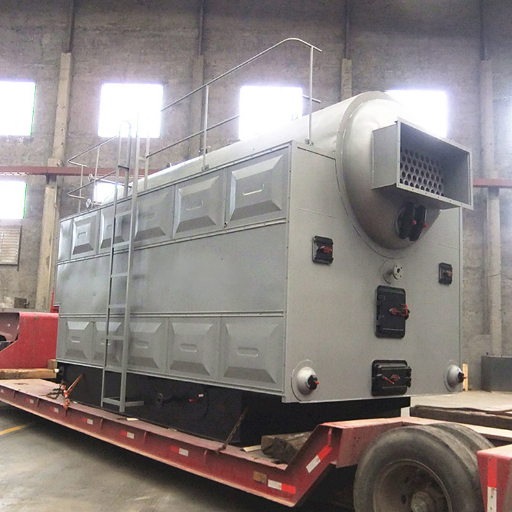
Overview of Biomass Boilers
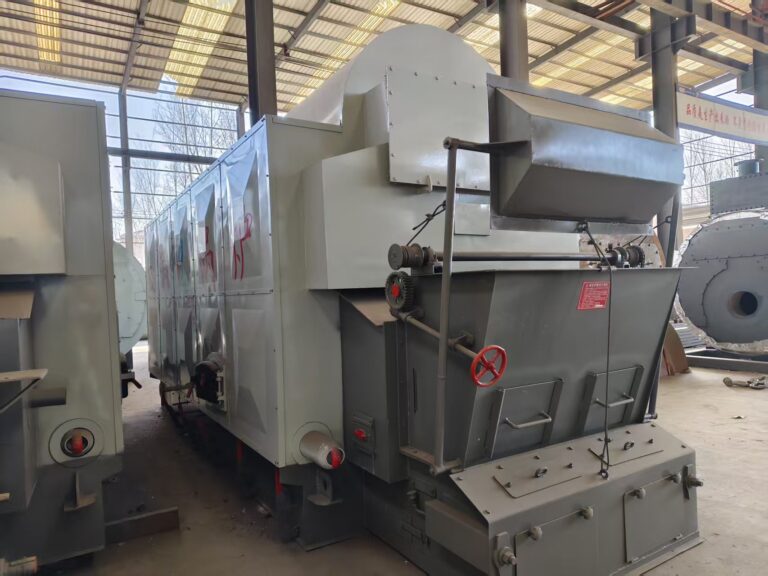
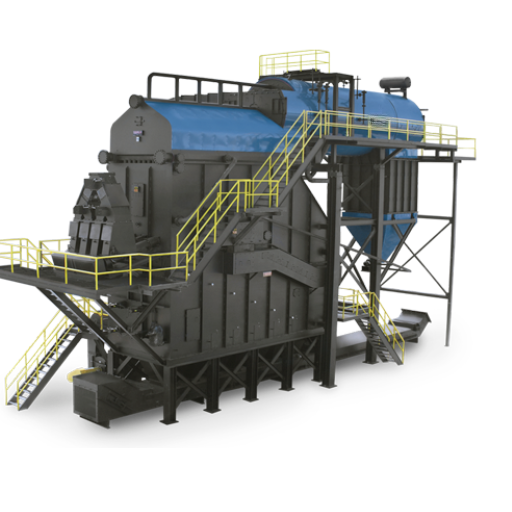
Biomass boilers function as heating systems which utilize organic materials, including wood pellets, chips, and logs, to provide sustainable fuel. The systems operate as environmentally friendly alternatives which replace conventional fossil fuel boilers and achieve substantial carbon emission reductions. The system generates heat through biomass combustion, which subsequently heats water for central heating and domestic hot water needs.
Biomass boilers provide an environmental benefit because they operate as sustainable energy systems. Biomass energy functions as a renewable resource because the carbon dioxide emitted during combustion equals the carbon dioxide that plants absorb throughout their lifecycle. This carbon-neutral process establishes biomass boilers as an attractive solution for people who want to minimize their ecological footprint. Furthermore, the use of locally obtained biomass fuel creates economic benefits for local communities while decreasing dependence on foreign energy sources.
The installation of a biomass boiler system requires specific practical aspects to be addressed. These systems need additional space beyond what standard boilers require because they need room for their main component and their fuel storage space. The system also needs regular maintenance work, which includes ash removal and chimney cleaning, to maintain its efficiency. Despite these needs, the environmental advantages and permanent cost savings from biomass boilers create a strong case for eco-friendly homeowners and businesses to select this system.
Overview of Natural Gas Boilers
Natural gas boilers serve as an efficient heating system solution for both residential homes and commercial buildings because they provide operational simplicity and effective heating capabilities. The systems use natural gas combustion to produce hot water, which circulates through radiators and underfloor heating systems to provide warmth to the building. The two main advantages of natural gas boilers lead to their frequent use in residential buildings because the system provides dependable heating and fast heating response times.
Natural gas boilers provide their primary advantage as an economical heating solution for buildings. Natural gas costs less than oil and propane because it serves as an economical fossil fuel, while high-efficiency boilers of today enable users to decrease their energy needs, which results in decreased heating costs. The systems produce lower greenhouse gas emissions when compared to coal and oil-fired systems, which leads to a smaller negative effect on the environment. Additionally, the direct natural gas delivery through pipelines enables homeowners to store fuel without needing extra space for fuel storage.
Natural gas boilers provide effective heating solutions, but they also come with certain restrictions. The system needs active natural gas connections, which remote and rural locations often do not provide. While the system produces lower carbon dioxide emissions than alternative systems, it depends on fossil fuel, which makes it less sustainable than renewable energy systems. Systems need regular maintenance that includes burner servicing and leak detection tests in order to maintain safe and effective performance throughout their entire life span. Natural gas boilers offer dependable heating solutions that people continue to choose in their homes and businesses.
Importance of Choosing the Right Boiler Type
Natural gas boilers serve as an efficient heating solution that delivers easy operation to both residential and commercial buildings. The systems use natural gas combustion to create hot water, which circulates through radiators and underfloor heating systems to provide warmth for indoor spaces. The constant heating ability of their systems, combined with fast heating times, makes natural gas boilers a preferred choice for many users.
Natural gas boilers provide their users with an economical heating solution. Natural gas costs less than other fossil fuels such as oil and propane, while modern high-efficiency boilers decrease energy use, which results in lower heating expenses. The systems produce fewer greenhouse gas emissions than coal or oil-fired systems, which results in less harm to the environment. The direct pipeline delivery system of natural gas allows homeowners to eliminate the requirement for storing fuel.
Natural gas boilers have various advantages, but they also face certain challenges. The systems depend on natural gas supply networks, which become inaccessible in remote and rural locations. The systems generate lower carbon dioxide emissions than alternative options, but they still depend on fossil fuels, which makes them environmentally unfit compared to renewable energy systems. The system needs burner servicing and leak checks as part of its regular maintenance process to maintain safe and efficient operation. Natural gas boilers continue to serve as a dependable heating solution that many people use for their heating needs.
Cost Comparison
Initial Costs of Biomass vs Gas Boilers
Biomass boilers usually require more money for initial expenses than gas boilers need. The total cost includes the equipment price, installation expenses, and all necessary system modifications. A biomass boiler requires significant storage space for fuel such as wood pellets or chips, adding to the upfront expenses if a storage facility needs to be constructed. The installation expenses increase because the system needs more complex installation requirements.
Gas boilers need less money for their initial expenses compared to other systems. The units are generally more affordable, and installation tends to be straightforward, particularly in homes already equipped with a natural gas supply. Gas boilers do not require extensive storage space for fuel, which also reduces initial expenses. This makes gas boilers a more cost-effective option upfront for many homeowners.
Biomass boilers start with higher costs yet provide homeowners with financial savings and environmental advantages through decreased fuel expenses and lower carbon emission levels. Gas boilers, while cheaper upfront, depend on fossil fuels, making them a less sustainable option. Homeowners should carefully assess their budget, space requirements, and environmental goals when deciding between these two systems.
Long-term Cost Effectiveness of Each Energy Source
The evaluation process for long-term cost-effectiveness needs to analyze fuel prices, equipment maintenance costs, and operational efficiency during its lifespan. Biomass boilers require higher initial investment costs but generate substantial savings through their reduced fuel consumption. The most commonly used fuels in biomass systems—wood pellets and chips—offer lower costs and price stability compared to fossil fuels.
Gas boilers, on the other hand, are usually more affordable in terms of upfront installation and equipment costs. However, users may encounter elevated operational expenses over the system’s duration of existence because it depends on natural gas, which undergoes price alterations from market fluctuations. Companies will need to handle rising operational costs because fossil fuel regulations exist to decrease greenhouse gas emissions, demanding additional expenses that may surpass their initial cost reductions.
The evaluation process requires maintenance and operational efficiency assessment to establish cost-effective solutions. Biomass systems require more maintenance tasks, which include system cleaning and fuel storage management, yet they deliver sustainability advantages through their operational efficiency enhancements and use of renewable energy sources. Gas boilers need less maintenance work than other systems, but they produce carbon emissions, and their future operation may become more expensive as environmental laws become stricter. Homeowners must evaluate multiple factors to achieve maximum financial benefits while making environmentally friendly choices.
Cost of Natural Gas vs Biomass Fuel
The costs of natural gas and biomass fuel exhibit substantial differences which stem from various factors including their availability, methods of production, and their effects on the environment. Natural gas offers homeowners an economical solution because its existing infrastructure enables common use throughout the country. However, market conditions cause costs to change, and environmental regulations may introduce new fees and usage restrictions which affect operational expenses.
💡
Pro Tip
Check for local renewable energy incentives. Many regions offer grants or tax credits for biomass installations that can significantly offset the higher initial purchase price.
Biomass fuel requires users to spend more money upfront because they need to buy heating systems which can work with biomass and need to acquire biomass fuel for their operation. The solution provides better long-term sustainability despite its higher initial investment. Biomass fuel comes from organic renewable resources which include wood pellets and agricultural waste materials which provide stable pricing in certain areas while decreasing reliance on fossil fuels. Homeowners who choose biomass as their energy source can obtain renewable energy incentives which will help them save money throughout the duration of their homeownership.
Natural gas and biomass fuel selection requires evaluation of both immediate financial results and subsequent environmental objectives. Natural gas becomes the preferred option for households which need economical solutions that provide simple usage, but biomass becomes the optimal choice for households which want to achieve sustainable development while decreasing their carbon emissions. The process of making a correct choice requires evaluation of both fuel availability and upcoming regulatory changes which will affect the selected energy source.
Environmental Impact

Carbon Emissions from Biomass and Natural Gas
The carbon emission differences between biomass and natural gas stem from their combustion methods and material composition. The carbon emissions from sustainably sourced biomass are considered carbon-neutral because its combustion releases carbon dioxide which plants later absorb during their growth cycle. The actual biomass impact depends on three factors which include the biomass type, the burning process effectiveness, and the time needed for plant restoration. The environmental benefits of biomass decrease when resources are improperly obtained or when combustion processes operate below their optimal efficiency.
Natural gas functions as a fossil fuel which produces carbon dioxide emissions during its combustion process, adding to greenhouse gas emissions. Natural gas burns more cleanly than coal and oil because it produces fewer emissions, but it still generates substantial carbon dioxide during its operation. The extraction and transport processes of natural gas release methane, a powerful greenhouse gas, which can result in major environmental damage. Natural gas should be regarded as a less carbon-intensive energy solution, but methane leaks from the system can decrease its intended environmental benefits.
Households need to think carefully about how their two energy options will affect the environment. Sustainable biomass sourcing and management practices make it the best option for organizations that want to cut down their long-term carbon emissions. Natural gas produces lower emissions at present than some conventional power sources, but it has a higher overall environmental impact. The household decision about biomass versus natural gas should proceed according to their most important needs, including financial matters, sustainable development goals, and local energy access.
Sustainability of Biomass Energy
Biomass energy becomes sustainable through its responsible management which enables its continuous use. The system depends on renewable resources that include wood, agricultural residues, and food waste. Biomass energy provides continuous power generation because its resources get regenerated during their consumption process. The process of replanting trees after their energy harvesting maintains carbon neutrality because growing trees capture carbon dioxide at the same rate which combustion releases it.
The sustainability of biomass energy depends on the methods used for its production and consumption. The environmental effect of biomass increases through three main factors: excessive resource harvesting, inefficient technologies, and extended transportation distances for biomass materials. Sustainable practices for biomass sourcing involve establishing local biomass collection points, using waste materials, and optimizing biomass conversion efficiency. The implementation of these practices requires government and industry support through appropriate policy frameworks.
Biomass provides renewable energy which replaces fossil fuels, but actual sustainable development needs to assess all environmental effects, social consequences, and economic repercussions. Proper land management is critical to prevent deforestation, soil degradation, and loss of biodiversity. The integration of biomass energy into an extensive clean energy framework enables its use as a sustainable resource while supporting other environmental protection initiatives.
Operational Efficiency

Boiler Efficiency Ratings: Biomass vs Gas
| Feature | Biomass Boiler | Natural Gas Boiler |
|---|---|---|
| Typical Efficiency | 80% – 90% | 90% – 95% |
| Fuel Source | Renewable (Wood/Waste) | Fossil Fuel (Gas) |
| Carbon Impact | Carbon Neutral (Potential) | Carbon Intensive |
Gas boilers demonstrate superior efficiency ratings when compared to biomass boilers at standard operating conditions and testing conditions. Modern gas boilers achieve approximately 90 to 95 percent efficiency when operating as condensing units because these systems recover and use leftover thermal energy from their exhaust streams. Biomass boilers reach efficiency levels between 80 and 90 percent because different types of biomass fuel and technological systems produce different operational results.
Biomass boilers produce slightly lower efficiency results, but their environmental effects receive better assessment because they burn organic materials from renewable sources instead of using fossil fuels. Sustainable biomass sourcing helps biomass boilers achieve significant carbon emission reductions which decrease the need for non-renewable resources. The achievement of optimal biomass system performance depends on three crucial elements: proper fuel handling procedures, ongoing system upkeep, and the determination of appropriate equipment dimensions.
People need to choose between biomass and gas boilers based on their personal environmental objectives, fuel accessibility requirements, and initial financial commitments. People who want to reduce their carbon emissions while using renewable energy should choose biomass, although this choice results in minor efficiency losses. Gas boilers represent an appropriate choice for residential and commercial spaces which need an energy solution that combines low expenses with easy access and uncomplicated operations.
Energy Efficiency in Heating Systems
The energy efficiency of heating systems plays an essential role in reducing energy consumption while decreasing operational expenses. The selection of an effective heating system operates as the primary factor that determines heat retention and energy consumption efficiency for both residential buildings and commercial facilities. Energy efficiency depends on three main factors: insulation requirements, system design specifications, and fuel type selection. Property owners who implement effective insulation methods achieve complete heat retention which results in decreased energy consumption during heating periods.
Modern heating systems provide energy-efficient solutions through their use of condensing boilers and heat pumps. Condensing boilers achieve operational effectiveness through their capability to extract and reuse heat present in gas exhaust. Heat pumps transfer thermal energy from outdoor air or ground sources to indoor spaces while using minimal energy to maintain stable temperatures. The systems achieve significant reductions in energy usage and greenhouse gas emissions which supports environmental sustainability targets.
The improvement of energy efficiency requires both regular system maintenance and the application of intelligent energy management techniques. The performance of heating systems improves through three main activities: filter cleaning, ductwork sealing, and smart thermostat system installation. Smart thermostats enable users to track their energy consumption patterns and make adjustments according to their precise requirements. The combination of these technologies with efficient heating systems produces maximum operational efficiency, decreased expenses, and increased energy efficiency.
Typical Operational Performance of Each Boiler Type
The performance of a boiler depends on its type because each boiler category provides different benefits and operational efficiencies based on its particular design and intended use. Standard boilers, which people call conventional boilers, deliver hot water for residential and commercial spaces. The system needs a hot water tank to maintain continuous heating but uses more energy than other systems because of heat loss that occurs through the water tank.
Combi boilers, or combination boilers, offer high efficiency by directly heating water when it’s needed without the use of a storage tank. The design of the system reduces heat loss which leads to high energy efficiency for residential properties that have limited requirements for hot water. However, water pressure may decrease when multiple taps operate at once, which reduces their ability to generate hot water for multiple users at the same time.
System boilers, which operate similarly to standard boilers but lack a cold-water tank, strike a balance between efficiency and meeting higher hot water demands. The system boiler design provides multiple outlets with hot water because it works as a single unit which makes the system suitable for larger families or buildings. The system operates at a closed loop which prevents heat from escaping, but installation expenses increase because the system requires a hot water cylinder. The correct boiler type should be selected based on specific heating needs, the size of the property, and current energy efficiency needs.
Maintenance Requirements
Maintenance Needs for Biomass Boilers
To achieve dependable and secure functioning, biomass boilers need ongoing maintenance work. The main task requires operators to remove all accumulated combustion ash which hinders system performance. The system requires ash removal which occurs either on a weekly or monthly basis depending on how frequently the system operates. Modern biomass boilers contain automatic systems which help operators perform ash removal tasks, but operators still need to perform their work manually throughout most situations.
Another crucial task in biomass boiler upkeep involves the examination and sanitation of both the flue system and the heat exchanger components. The accumulation of residue and soot in these elements results in diminished heat transfer capacity which subsequently impacts the boiler’s operational capabilities. An annual professional maintenance service guarantees complete sanitation of all components while experts evaluate each component for possible safety-related issues, including blockages and damage.
You need to keep track of your used fuel materials. Biomass boilers require dry, high-quality fuel, such as wood pellets or logs, to function efficiently. The use of wet or low-quality fuel results in higher maintenance requirements which ultimately reduces the operational lifespan of the boiler. The correct storage method for biomass fuel involves keeping it in a space that maintains both proper ventilation and complete dryness. The combination of routine maintenance activities and using high-quality fuel maintains the biomass boiler’s operational performance for many years.
Maintenance Needs for Natural Gas Boilers
Natural gas boiler maintenance activities work to maintain three essential system functions: operational efficiency, system dependability, and equipment protection. The equipment maintenance process extends equipment lifetime while decreasing energy costs and minimizing unplanned equipment failures. The system requires professional servicing once every 12 months to perform system inspections and cleaning activities which verify the correct operation of all system components.
Essential maintenance work requires personnel to inspect both the burner and heat exchanger components for any indications of deterioration or structural failure. Complete cleaning procedures for these components strengthen the boiler operational efficiency while stopping dangerous emissions which result from uncompleted combustion processes. The complete operational safety of the system depends on keeping all ventilation and flue pathways free from any obstruction.
Homeowners should also routinely monitor water pressure and check for leaks in the boiler system. Homeowners who observe the thermostat, the pilot light, and any strange sounds will discover new problems throughout their home. Operational costs decrease when people follow specific maintenance activities because the natural gas boiler operates as a secure and effective heating method.
Associated Costs of Maintenance for Both Systems
The costs of maintaining gas and natural gas boilers depend on two factors: system complexity and upkeep frequency. The average annual maintenance expenses for these systems range from $100 to $300. The cost covers three main activities: conducting routine inspections, performing system cleaning, and making minor system adjustments to achieve optimal performance. Regular maintenance helps detect and address small issues early, which prevents the need for expensive future repairs.
The costs of repairs will increase when there is a need for major repairs or when unexpected problems occur. The process of heat exchanger replacement or boiler component repair will require financial expenditure that ranges between $500 and $1,500 depending on which components and labor will be required. Homeowners may also need to spend money on parts maintenance which includes valves, sensors, and burners that contribute to their total maintenance expenses.
Organizations need to spend money on maintenance activities despite their high initial expense because these activities are necessary for maintaining system performance throughout time. The maintenance of boilers leads to improved energy efficiency which results in decreased monthly energy expenses and extended equipment life. This method provides homeowners with dependable heating while protecting them from incurring higher costs that result from critical system breakdowns.
Frequently Asked Questions (FAQ)
Q: What are the main differences in operation between a biomass vs natural gas boiler?
A: Biomass boilers use solid fuels like wood chips and pellets which need continuous feeding and ash removal. Gas boilers use natural gas which enters through pipelines and burn with cleaner emissions. Gas boilers have automated systems for straightforward control, while biomass boilers require more active management of fuel and flue systems.
Q: How do fuel cost and operating cost compare for biomass boilers and gas boilers?
A: Biomass can be more cost-effective in areas with high wood fuel availability. While gas boilers are cheaper to install, their operating costs fluctuate with the gas market. A full comparison should factor in installation, maintenance, and the price volatility of the fuel source.
Q: Are biomass boilers as efficient as natural gas boilers?
A: Modern gas boilers have higher peak efficiency (90-95%), but biomass boilers are competitive (80-90%). Biomass efficiency is highly dependent on fuel moisture content and the quality of the feedstock used.
Q: What about emissions and flue gas when choosing biomass vs natural gas boiler?
A: Biomass flue gas contains more particulates and requires filtration systems. Gas boilers produce mainly CO2 and water. While biomass is renewable, it requires more detailed flue gas monitoring and treatment than gas systems.
Q: How does maintenance and reliability compare — do biomass boilers require more upkeep?
A: Yes, biomass boilers require more frequent maintenance, specifically for ash removal and cleaning of combustion chambers. Gas boilers are generally more “set and forget” but still require annual safety inspections by registered engineers.
Q: What are the cost considerations for purchasing and installing a biomass boiler versus a natural gas boiler?
A: Biomass systems have a significantly higher upfront cost due to fuel storage and handling systems. However, lower fuel expenses and renewable energy grants can make them more economical over the long term compared to gas.
Q: Can biomass boilers produce steam like traditional steam boiler systems?
A: Yes, biomass steam boilers exist for industrial use. They require specific designs for fuel handling and heat recovery to ensure they meet steam generation demands effectively.
Q: Which is better for reducing carbon footprint: biomass or natural gas?
A: Biomass is superior for carbon reduction because it is a renewable resource that can be carbon-neutral through regrowth. Natural gas is a fossil fuel that always contributes net CO2 to the atmosphere during combustion.
References
-
Penn State Extension: Is Biomass Heat Right for You?
This source discusses the efficiency and environmental impact of biomass boilers. -
North Carolina State University – BioResources: Does the combustion of biomass increase the efficiency of heating companies?
This paper explores the efficiency and cleanliness of biomass combustion compared to natural gas. -
U.S. Environmental Protection Agency (EPA): Biomass Heating and Cooling Technologies
This page provides an overview of biomass as an energy source and its applications. - Industrial Biomass Fired Boiler Manufacturer in China