Get in Touch with Taiguo

Industrial Biomass Boiler Cost Guide 2026

Contents
show
The industrial landscape is undergoing rapid changes while businesses that want to grow their future operations now prioritize sustainable energy solutions. Biomass boilers have gained popularity as a sustainable energy option because they deliver both cost savings and environmental protection to their users. What future developments will occur for organizations that plan to implement biomass boiler systems? The guide provides an in-depth analysis of industrial biomass boiler costs for 2026 which covers crucial pricing determinants, market development patterns, and methods to maximize your financial return. This guide empowers you to make strategic decisions for upcoming years whether your goal is to cut business costs or achieve sustainability targets or build resilient energy systems.
Key Takeaway
While industrial biomass boilers require a higher initial capital investment than fossil fuel systems, the long-term ROI is driven by 2026’s volatile gas prices and increasing carbon taxes, making localized biomass a hedge against energy instability.
Introduction to Industrial Biomass Boilers
What is a Biomass Boiler?
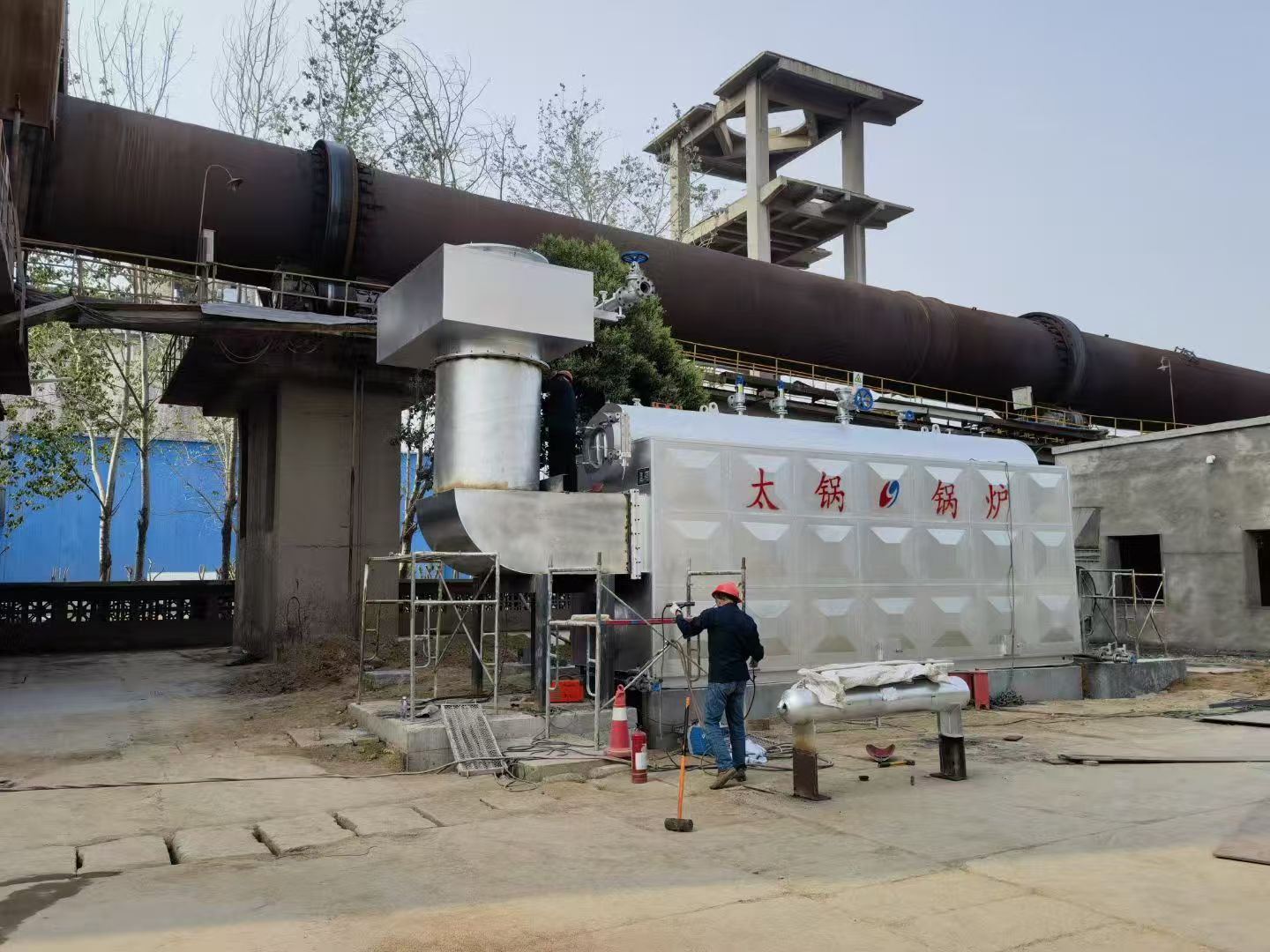
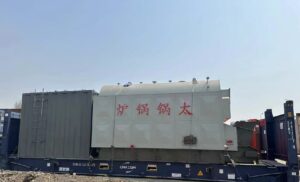
A biomass boiler operates as a heating system which generates energy through the combustion of organic materials referred to as biomass. The applicable materials include wood pellets, wood chips, wood logs and agricultural waste materials such as straw and crop residues. Biomass boilers operate with renewable and sustainable fuel sources while conventional boilers use fossil fuels which makes them environmentally sound because they burn renewable biomass fuel. The operation of a biomass boiler system requires simple execution because biomass fuels enter the system for combustion which creates thermal energy. The system generates hot water and steam which are used for multiple applications that include building heating and industrial operation and electricity generation. The design of modern biomass boilers achieves high operational efficiency while enabling simple connection to current heating systems.
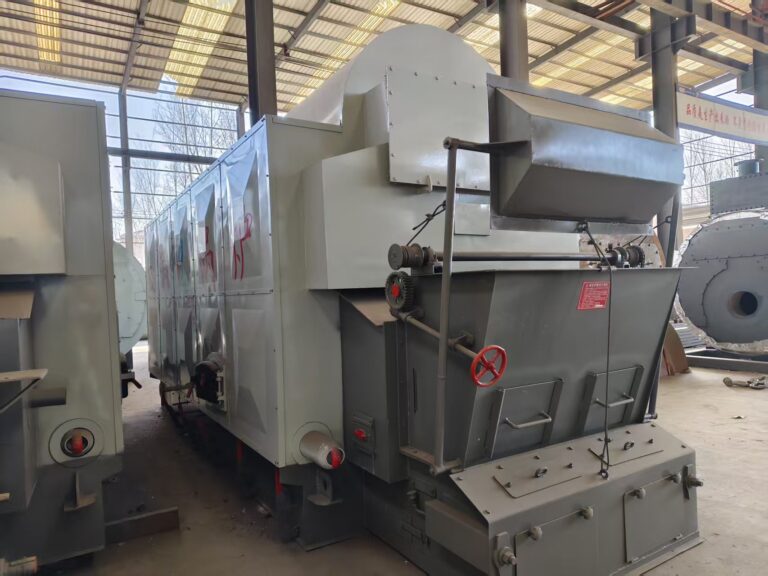
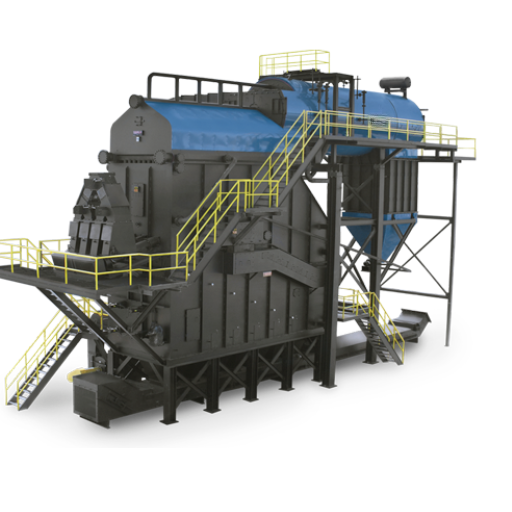
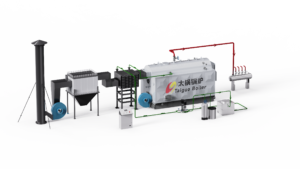
[Image of industrial biomass boiler system diagram]
Biomass boilers provide organizations with their main advantage because these systems decrease emissions which cause climate change. Biomass energy produces carbon-neutral emissions because plants absorb carbon during their growth cycle which offsets carbon emissions from combustion processes. The practice of using locally sourced biomass helps to decrease transportation expenses while creating economic benefits for local communities and establishing a stronger energy system. Biomass boilers create an ideal solution which enables businesses and organizations to achieve their financial objectives while fulfilling sustainability requirements.
Benefits of Using Biomass Boilers
Biomass boilers provide environmental advantages because they decrease greenhouse gas emissions through their operations. The system uses wood chips and pellets as fuel to create energy which remains both renewable and carbon-neutral. The energy system achieves sustainability because plants grow and absorb carbon dioxide while combustion releases carbon dioxide into the atmosphere.
Biomass boilers provide financial benefits because they generate cost reductions which continue for many years. Local biomass resources enable businesses to decrease their fuel costs while they decrease their dependency on fossil fuel resources. The financial feasibility of biomass boilers increases because renewable energy government incentives and subsidies help to reduce the initial installation costs.
Biomass boilers deliver three main benefits because they enhance environmental sustainability and economic development and they enable communities to achieve energy independence. The operation creates local jobs while decreasing transportation emissions through the use of locally obtained materials. The method strengthens local economies while providing communities with dependable energy resources.
Overview of the Boiler Market in 2026
The boiler market for 2026 will show major expansion because people want energy-efficient products and renewable energy sources. Governments worldwide are implementing stricter regulations on carbon emissions which leads to increased adoption of eco-friendly heating systems that include biomass boilers. This practice supports worldwide sustainability goals which require power systems to develop toward environmentally friendly energy solutions.
The demand for modern boiler systems will increase because cities and factories in emerging nations continue to expand. These regions are investing heavily in building new facilities which creates a greater need for energy-efficient heating solutions that serve both homes and businesses. The market will grow because governments offer financial support through incentives and subsidies which help renewable energy projects.
The development of boiler technology in 2026 will focus on achieving maximum operational efficiency while reducing environmental damage. Hybrid systems that combine renewable energy with traditional power sources will experience growth while the market will be led by smart boilers that have advanced monitoring and automation functions. The upcoming developments will provide communities worldwide with sustainable energy solutions and enhanced energy independence.
Understanding Biomass Boiler Costs
Initial Purchase Costs
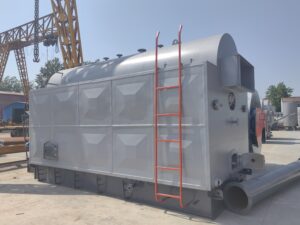
The initial purchase cost of a biomass boiler depends on several key factors, including the size, capacity, and type of boiler chosen. Small domestic models typically range from $10,000 to $20,000, while larger systems designed for commercial or industrial use can cost upwards of $50,000. The various output levels of different systems demonstrate which energy requirements need to be met for which particular functions.
$50,000+
Baseline starting cost for mid-sized industrial biomass boiler units in the 2026 market.
The second most essential element that determines expenses for products and services is the specific fuel type which the boiler has been developed to consume. Biomass systems capable of burning multiple types of fuel, such as wood chips and pellets, may be more expensive than single-fuel systems due to their enhanced flexibility and technology. The price of boilers increases when they include advanced automatic systems that simplify both hopper refilling operations and equipment upkeep processes.
The evaluation needs to include both the initial investment requirement and the future advantages which include both energy cost reductions and government financial support. Many countries offer financial subsidies or tax credits for adopting renewable energy systems which can offset some of the initial costs. Buyers can select energy solutions which match their requirements because they assess both the product cost and future savings throughout ownership.
Installation Costs
The installation costs of a biomass-fired boiler depend on several factors which include system size and building type and heating system needs. The upfront costs of installing a biomass boiler system exceed those of standard heating systems. The required expenses include the boiler equipment and fuel storage and necessary modifications to the existing plumbing and electrical systems. The installation expenses will receive partial financial relief through government incentives and grants which many regions offer to support renewable energy development.
The installation expenses for smaller residential biomass boilers remain lower than commercial systems yet they still need dedicated storage areas for wood pellets and logs. Commercial and industrial installations require larger systems with higher installation expenses because their systems need additional space for complex operations. Professional installers provide the best service because they can give correct cost estimates based on customer requirements.
The higher installation costs for biomass boilers lead to long-term financial savings because they decrease fuel expenses and boost energy efficiency. The system also decreases carbon dioxide emissions which makes it a sustainable choice. The assessment of short-term and long-term expenses leads to an educated choice about using a biomass-fired boiler system.
Cost Breakdown of a New Biomass Boiler
The installation costs for a new biomass boiler system can be divided into three main expense categories, which include system purchase costs and installation expenses and equipment maintenance costs. The initial purchase price of a biomass boiler typically ranges between $10,000 and $20,000, depending on the size and type of the system. The upfront expenses for commercial boilers which serve larger buildings tend to be more expensive than their residential counterparts. The boiler system needs matching equipment which includes fuel storage facilities and feeding systems, resulting in higher total costs.
| Expense Category | Estimated Cost (USD) | Key Variables |
|---|---|---|
| System Purchase | $10,000 – $50,000+ | Capacity, Automation level |
| Installation | $5,000 – $15,000 | Site complexity, retrofitting |
| Annual Maintenance | $300 – $500 | Cleaning, ash removal |
The installation expenses for a system increase with more complex installation processes and site-specific system integration needs. The average installation costs range from $5,000 to $15,000. The expense depends on three factors which include the needed heating capacity of the building and the available building components and the building’s geographic position. The total expenses increase in properties without existing heating systems because they need extra foundational work to establish their heating systems.
The organization needs to account for ongoing expenses which include maintenance costs and fuel costs. Biomass boilers need yearly maintenance which includes cleaning and servicing to maintain their peak operational efficiency, with typical maintenance expenses falling between $300 and $500. The choice of biomass fuel determines the fuel costs because wood pellets and chips are cheaper than oil and gas. The installation costs for biomass boilers become financially viable through two factors which are reduced fuel expenses and government backing, which also provides a sustainable heating option.
Types of Industrial Biomass Boilers
Different Boiler Types and Their Costs
Industrial biomass boilers come in various types, each designed to meet specific operational needs and offer different cost implications. The three most common types include hot water boilers, steam boilers, and thermal oil boilers. The different industrial requirements are met through different types which provide various levels of operational efficiency.
Hot water boilers serve the purpose of heating systems which need water to be maintained at temperatures between 120 and 180°F. The system costs less than $50,000 because its smaller installations start at that price and increase based on system size and features. These boilers are often preferred for industries where heating requirements are less intensive which makes them a cost-effective option.
Steam boilers produce high-temperature steam which industrial processes use to power manufacturing and power generation operations. The installation costs of this system range between $100,000 and $200,000 according to its size and operational complexity. Thermal oil boilers provide industries with the capability to maintain specific temperature requirements for their manufacturing processes. The advanced systems of these products make them more costly which results in prices that exceed $200,000. The initial price of these boilers requires a big investment, but they create economic benefits through their energy-efficient operation and utilization of inexpensive biomass materials.
Comparison of Biomass Fuel Types
Biomass fuels exist in multiple forms which have unique features and different costs and distinctive power generation capabilities. The most commonly used biomass fuel types include wood chips, wood pellets, agricultural residues, and biofuels. Wood chips serve as an affordable solution which originates from forestry waste materials to provide moderate energy production needs. The high compression of wood pellets creates standardized pellets which deliver improved energy density and combustion performance to meet industrial heating requirements.
Agricultural residues, such as straw and husks, represent an economical and sustainable choice, especially for industries based in agricultural regions. The cost of these residues usually falls below that of wood-based materials, yet their inconsistent characteristics necessitate extra work for handling and preparation. Biofuels, which people create from organic materials and waste products, enable users to transport and use these fuels in energy systems through their liquid form. Government incentives, combined with some companies sustainability objectives, enable organizations to manage their production expenses.
The selection process for biomass fuel type needs to consider four main factors which include cost and availability and energy efficiency and environmental impact. Wood pellets and biofuels offer better efficiency and cleaner combustion results, but they require higher expenditure. Wood chips and agricultural residues offer cost savings, yet their use demands boiler system modifications to achieve optimal operation. The appropriate biomass fuel selection needs to match the industry requirements with the available raw materials and the projected economic outcomes.
Pellet Boilers vs. Other Biomass Boilers
Pellet boilers provide superior benefits compared to all other biomass boiler systems because they operate with greater user convenience and better fuel efficiency and produce less pollution during their operation. These boilers burn wood pellets, which function as a standardized fuel that delivers both dependable performance and simple operational processes. Pellet boilers function with higher operational efficiency than other biomass boilers which require multiple fuel types because their system operates with automated fuel storage and automatic fuel delivery.
💡
Pro Tip
If your facility lacks on-site staff for manual maintenance, prioritize high-automation pellet boilers. The labor savings often offset the higher per-ton cost of pellets within 18 months.
Pellet boilers deliver their most important advantage through their capability to achieve better overall efficiency results. Wood pellets provide better combustion performance because they have lower moisture content than most other biomass fuels, which results in higher heat production. The efficiency of pellet boilers leads to decreased fuel consumption and diminished environmental effects because these systems release less greenhouse gases and particulate pollution. Systems that operate on raw biomass materials like wood chips require special equipment and operational changes to achieve their maximum efficiency potential.
The initial investment for pellet boilers costs more than the basic expenses required for all other biomass boiler systems. The price of pellets exceeds the cost of alternative biomass fuels which include agricultural residues and raw wood materials. Users who need simple operation and environmental advantages should choose pellet boilers, but industries and households which want to lower expenses should select different biomass boiler systems that require them to control their extra operational tasks. The user needs to determine their own specific requirements to make their final choice.
Long-Term Financial Considerations
Operating Costs of Biomass Boilers
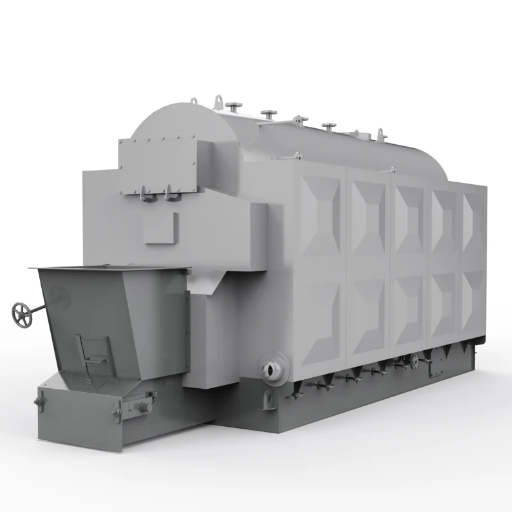
The operating costs of biomass boilers depend on three main factors, which include fuel costs and maintenance costs and labor costs. Biomass boilers use wood chips and pellets and agricultural residues as fuel sources, while their operational costs depend on the current market demand and fuel source availability. The costs of wood pellets exceed those of raw wood materials, which serve as a more economical option that needs increased operational effort. Users should evaluate local fuel prices and accessibility to estimate their ongoing expenses accurately.
Maintenance serves as an essential element that affects total operational expenses. Biomass boilers require regular cleaning and servicing to maintain efficiency and ensure safe operation. The system requires maintenance through ash removal and flue gas cleaning and periodic inspections, which constitute standard maintenance procedures. These operations demand extra labor work, but they will improve the system’s operational efficiency and extend its operational life. The process of scheduled maintenance will result in reduced repair expenses throughout the entire period of equipment use.
The level of automation in a system will determine how much labor costs will change. Automated systems reduce manual labor needs, but they require higher investment costs at the beginning. The system needs more workers because users must manage all functions related to fuel feeding and ash disposal in the system. Users can achieve optimal cost balance by evaluating both operational methods to find the most effective approach between automated and manual operations. The complete assessment of these aspects will establish the complete operating expenditures which biomass boilers incur.
Maintenance Expenses
The maintenance expenses for biomass boilers need to cover the required cleaning work and inspection process and system servicing activities which maintain their performance standards. The boiler system requires periodic cleaning because ash and soot build up inside its components which creates operational problems and equipment damage risks. The system requires regular cleaning because it helps maintain operational efficiency while improving equipment durability through reduced operational stress.
Scheduled inspections serve as essential procedures which help detect potential problems that could lead to expensive repairs. The boiler system needs safety testing through an inspection process which verifies the proper operation of essential components like the heat exchanger and combustion chamber and safety controls. The system requires trained professionals to conduct routine servicing because they possess the expertise to find and fix hidden system problems.
The need to replace consumable parts like seals and gaskets and filters represents an essential maintenance expense for the system. The components start to deteriorate after they experience heat exposure and regular operational usage. Users who maintain their equipment through proactive maintenance and follow manufacturer maintenance guidelines can achieve two benefits which include minimizing unexpected system failures and achieving better financial performance from their biomass boiler system.
The Return on Investment (ROI) from Biomass Boilers
Biomass boilers generate strong Return on Investment (ROI) because they provide both long-term financial benefits and positive environmental impacts. The boilers use renewable biomass materials which include wood pellets and chips to produce power at lower costs than conventional fossil fuel sources. Users of biomass boilers achieve substantial energy savings through their technology in locations where biomass resources are both cheap and accessible.
The main element which affects ROI calculation requires businesses to pay greater expenses for their first system setup compared to standard equipment. The installation cost needs to be paid but government programs provide financial support through tax credits and grants which help renewable energy projects gain funding. The system operational cost reduction together with proper maintenance decreasing operational expenses leads to system break-even achievement between 5 and 10 years based on equipment capacity and fuel market conditions.
⚠️ Important Note
ROI calculations in 2026 must factor in local carbon pricing. High-emissions fossil fuel systems are increasingly taxed, effectively shortening the payback period for carbon-neutral biomass alternatives.
Biomass boilers deliver non-monetary Return on Investment through their ability to decrease environmental harm. When organizations and homeowners use sustainably sourced materials they achieve carbon-neutral status which decreases their environmental impact. These environmental advantages help businesses achieve their sustainability objectives while improving their public image which creates benefits that exceed financial returns.
Installation Costs and Factors

Factors Influencing Installation Costs
The installation costs of biomass fired boilers depend on multiple crucial elements which determine their installation expenses. The size and capacity of the boiler serve as the main factors for evaluation. The total costs of larger boilers which serve bigger energy needs will increase because they require more expensive materials and manufacturing expenses. The installation costs of the system depend on the fuel requirements because different biomass fuel types which include wood pellets and chips and agricultural waste require different installation procedures.
The installation site location stands as another important determinant. The installation costs will increase when infrastructure exists at the site together with accessibility issues and required modifications to current systems. The delivery systems used for fuel in rural areas need extra planning because they need more logistical work than other areas and biomass system installation in older buildings needs major building changes to make room for new equipment.
The need for local permits together with certification requirements will affect project expenses. The installation work needs to follow regional environmental standards together with safety requirements which will result in more required inspections and equipment improvements and engineering modifications. The total costs of biomass boiler installation result from customized needs which interact with site specific conditions and government regulations thus organizations must develop detailed plans to achieve their cost-effective and efficient and sustainable objectives.
Typical Installation Scenarios
Biomass fired boiler installation happens in locations which prioritize sustainable energy solutions as their primary focus. Energy systems which provide continuous and reliable power are essential for industrial sites and farming operations and business establishments. Industries with high heat and steam requirements can benefit from these systems which serve food processing facilities and paper production plants and chemical manufacturing operations. The solution offers economic advantages for businesses that use nearby biomass sources because it eliminates both fuel expenses and transportation-related emissions.
Biomass fired boilers serve agricultural operations well because farms produce organic waste materials from crop residues and animal manure and forestry by-products. Farms achieve sustainability through their core operations by using these materials as fuel which helps them decrease waste management expenses while producing heat or electricity. The systems help agricultural enterprises to comply with environmental standards while minimizing their greenhouse gas output.
Organizations central to commercial installations direct their efforts toward two objectives which include cost reduction through energy efficiency and environmental conservation. Biomass boilers enable hotels and schools and hospitals to deliver efficient heating and hot water services. Establishments which need thermal energy throughout the year and have sufficient space for fuel storage represent perfect matches for biomass system implementation. The right design and planning will enable these boilers to produce substantial savings and environmental advantages throughout their operational life.
Frequently Asked Questions (FAQ)
Q: What is a Biomass Fired Boiler and why consider one in 2026?
A: A Biomass Fired Boiler is an industrial boiler that burns organic materials (wood chips, pellets, agricultural residues) to produce industrial steam. The industrial sector will begin adopting biomass boilers in 2026 because companies plan to replace their fossil fuel heating systems for emissions reduction purposes. Biomass boilers may offer lower running costs than gas boiler or oil systems depending on fuel type, and technological advances have improved automated biomass operation and boiler efficiency.
Q: What is the price range for biomass boilers and what factors determine their cost?
A: Biomass boiler prices show considerable variation because small industrial units cost less than large industrial biomass steam boilers and industrial steam systems which have higher price tags. The price range for biomass boilers and their total installation costs depend on the boiler specifications which include steam output capacity and equipment expenses and installation and civil work requirements and new boiler installation needs. The 2026 basic price guide will demonstrate that biomass boilers cost more than gas boilers at initial purchase but their total project costs and operational expenses will make them financially competitive over time.
Q: What is the total installed project cost and what major cost items should I expect?
A: The total installation and total project costs for the project include all expenses for the boiler body and equipment and fuel handling and storage and flue and emissions control and installation and civil works and commissioning and building modifications. The biomass steam boilers together with their controls and civil works represent the main expenses of the project. The total expenses for installing a new boiler exceed its listed price because the project requires additional costs for permits and connecting to current industrial steam and manufacturing systems.
Q: How do running costs and fuel type affect the boiler cost in 2026?
A: The operational expenses of the system depend on three factors which include fuel price fluctuations and biomass moisture content and boiler operation performance. The operating expenses of biomass boilers decrease fuel costs when compared to fossil fuel heating for most industrial customers who use biomass as their fuel source. The cost assessment between biomass and gas boilers must include three components which are maintenance costs and ash disposal expenses and labor expenses for fuel management.
Q: How does boiler size and steam per hour capacity influence price and selection?
A: The cost of new boilers and complete project expenses are mainly determined by boiler size and required steam per hour capacity. The expenses for industrial boilers increase because larger boilers and those with high steam output requirements need more expensive materials, larger fuel handling systems, and more sophisticated control systems. The selection of boilers needs to match steam demand because any oversizing results in higher capital and operating expenses.
Q: Are there grants, schemes, or incentives that reduce biomass boiler installed cost?
A: Yes, boiler grants and boiler upgrade schemes are sometimes available to offset the higher installed cost for replacing fossil fuel heating. The United Kingdom operates specific boiler funding programs which need to be verified through local regulations. The total installed project cost becomes more appealing because a boiler upgrade scheme or grant reduces the sticker price of the equipment.
Q: What are the differences between biomass boilers and other options like electric boiler, combi boiler, or gas boiler?
A: The electric boiler provides an affordable initial cost for equipment but its operating expenses increase when electricity prices rise. The combi boiler serves as a space-saving solution for residential use while it lacks suitability for industrial purposes. Gas boiler systems offer cheaper costs for new boilers and installation work because of their lower initial costs but they use fossil fuel heating systems. The use of biomass boilers enables industrial applications to achieve decarbonization because biomass fuel availability determines their implementation for industrial use. The decision-making process requires assessment of three factors which are boiler selection together with project costs and energy strategy for the long term.
Q: How much does a new biomass boiler and installation typically cost, and how does 2026 compare to previous years?
A: The market conditions of 2026 will determine the biomass boiler cost because equipment expenses and overall project expenses will increase from previous years because material and production costs have risen. The total expenses to install a new boiler system should include both the boiler costs and the expenses for installation and civil construction work because industrial boiler installations will range from tens of thousands to hundreds of thousands of dollars. The evaluation process should begin with obtaining quotes from boiler manufacturers to determine the accurate steam boiler cost which includes total installed cost and running cost estimates.
Q: What should industrial users consider when comparing biomass boilers to fossil fuel heating systems for large industrial projects?
A: Industrial users should compare boiler price ranges, total project cost (including installation and civil works), running costs, fuel availability, and emissions regulations. The assessment needs automated biomass systems to assess labor reduction needs and evaluate potential boiler grant funding and determine total operating expenses through maintenance costs. The selection process needs to evaluate boiler systems based on their production expenses and their ability to connect with current steam distribution systems and their effectiveness in replacing fossil fuel heating to achieve sustainability targets without imposing excessive costs or interruptions.
References
-
Penn State Extension: Is Biomass Heat Right for You?
This resource provides insights into the cost-effectiveness and efficiency of biomass heating for various applications.North Carolina State University News: Electric power could bring paper mills to net zero emissions
Discusses the role of biomass power in achieving energy efficiency and sustainability in industrial settings.Mount Wachusett Community College Sustainability: Sustainability
Offers data on energy costs and the role of biomass in heating and cooling systems.