Get in Touch with Taiguo

Key Components of a Biomass Boiler System

Contents
show
In the ever-growing shift toward sustainable and renewable energy sources, biomass boiler systems are increasingly gaining public and private acceptance as practical and eco-friendly alternatives to traditional heating systems. Elevating this shift is the fact that these unique setups do not only mean a decrease in carbon emissions, but they also provide a more efficient means of producing heat using raw materials like wood pellets and agro-waste. However, understanding these systems starts with identifying the core components required. In this blog post, we look at the essential physical elements that form the biomass boiler system. Readers will learn everything there is to know about these components and how they contribute to producing cleaner energy. Whether you are exploring biomass for your home or business, you will start to appreciate why biomass is a leading renewable energy solution.
Key Takeaway
Biomass boilers transform organic waste into efficient thermal energy through a specialized three-part process involving fuel storage, a combustion chamber, and a heat exchanger.
Introduction to Biomass Boilers

What is a Biomass Boiler?
Biomass boilers are heating systems intended to burn organic materials, commonly biomass, to generate heat, and in some cases, electricity. Biomass used in this manner can include wood and any agricultural or plant-based material classified as renewable and environmentally sustainable under proper management. These systems convert biological matter into energy by producing a mixture of air and fuel, often operating to supplant conventional sources of energy such as fossil fuels like coal, oil, or gas.
One of the distinctive aspects of a biomass boiler is its capacity to supply cleaner energy and reduce greenhouse gas emissions, especially in contrast to traditional heating systems. By using renewable materials, these systems further the reduction of carbon dioxide output, thereby mitigating the effects of climate change. The ash created during the combustion process largely becomes soil-making fertilizer with minimal waste generated, promoting a circular use of resources.
In order to match different requirements, biomass boilers come in all sizes, scaling from household units to very large industrial systems. They can be incorporated into current heating systems or used to heat water and radiators separately. As a comprehensive system with a focused configuration, it is also designed for ease of maintenance. Energetic efficiency and compactibility make biomass boilers a highly sought-after replacement for non-renewable energy sources.
How Biomass Boilers Work
Burning organic waste materials like logs, wood pellets, and chips generates heat when used to warm the ambiance of a building or heat water. The combustion process within an efficient control system guarantees the effective interplay of minimal waste and maximized energy output, establishing the system as an environmentally friendly utility.
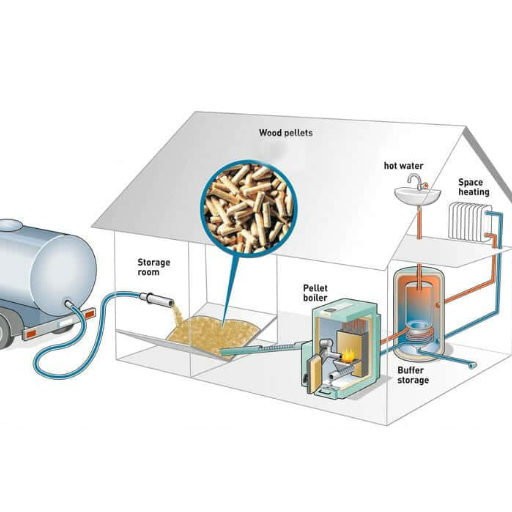
The system consists mainly of three primary stages: the fuel store, the combustion chamber, and the heat exchanger. The fuel is kept in a dedicated area until it is fed either automatically or manually into the combustion chamber. There, the fuel is burned at high temperatures, generating heat energy. This heat energy is conducted through the exchanger to warm water, which is pumped through the heating system and distributed throughout the building via radiators or an underfloor heating system.
Biomass boilers are perceived as ecological because they employ renewable materials and produce far lower emissions than fossil fuels. When subjected to proper management, these renewable energy resources can be carbon-neutral because the $CO_2$ produced during combustion offsets the $CO_2$ absorbed during the growth of the biomass material. Thus, they serve as a practical and eco-friendly way to heat homes and industrial buildings.
Importance of Biomass as a Renewable Fuel
A renewable source such as biomass is important because it provides a consistent and sustainable energy source. Biomass is derived from organic material that is not millions of years old. This ensures continuous energy for sustainability in favor of protecting resources; it becomes an excellent alternative for reducing dependence on limited non-renewable sources.
Another major advantage of biomass is the possibility of becoming carbon-neutral, allowing for its use in reducing the rate of climate change. Properly managed biomass soaks up carbon dioxide into plants and releases it during combustion. This implies that the net carbon emissions are greatly reduced compared to the burning of fossil fuels. Converting agricultural waste, wood scraps, or other organic remnants into biomass can reduce waste while decreasing the overall environmental footprint.
Also, advancement for energy independence is possible by using locally available feedstock, resulting in diminished foreign dependency on fossil fuels. Associated job creation in biomass production and industry processing provides added support to specific regions. With its potential for residential heating, electricity generation, and—on a limited scale—transport sector use, biomass distinguishes itself as a frontrunner in renewable energy.
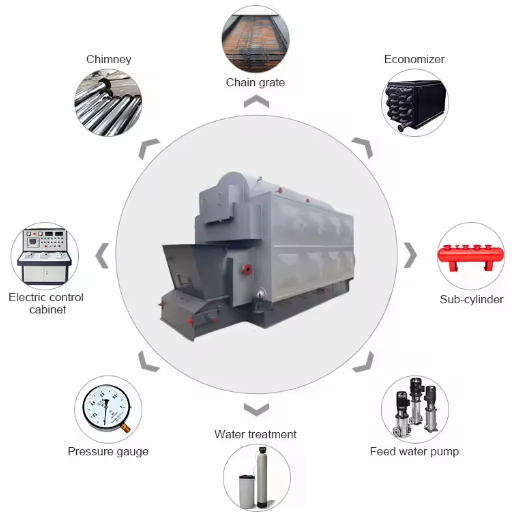
Key Components of a Biomass Boiler
Fuel Feed System
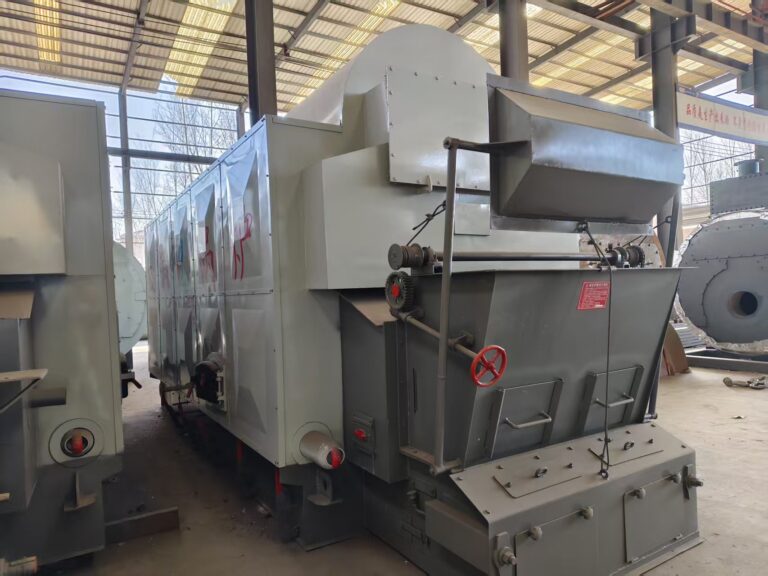
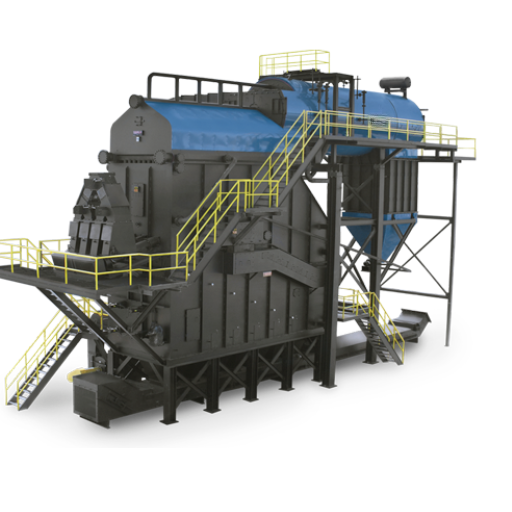
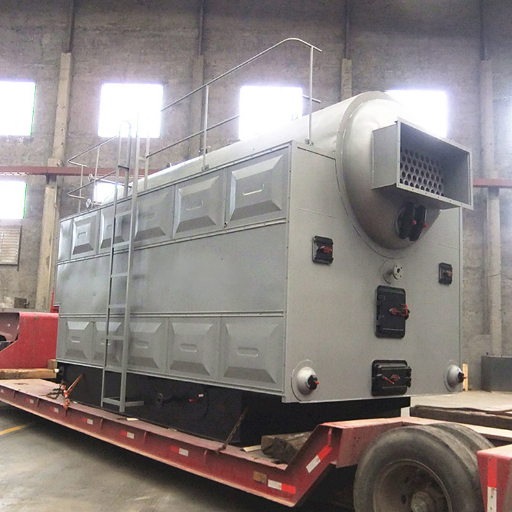
The supply of fuel is a crucial part of a biomass boiler, ensuring that biomass fuel traverses from the storage into the combustion chamber. It ensures that the energy plant adjusts in a calibrated way to the fuel flow, where proper filtering is observed.
💡
Pro Tip
Automated fuel systems, such as screw conveyors or pneumatic systems, lead to cleaner combustion and more consistent energy production compared to manual feeding.
Numerous fuel feed systems can be involved in a biomass boiler. The most common types are augers, screw conveyors, and pneumatic systems. Screw conveyors and augers are oriented toward solid biomass like woodchips or pellets, while pneumatic systems are better suited for light, finer materials like sawdust. The choice of system generally depends on the type of biomass fuel and the specific requirements of the boiler.
A well-designed fuel feed system minimizes downtime and keeps the boiler running by reducing the chances of choking fuel lines. On the other hand, special attention must be given to the design to decrease inefficiencies induced by the investments needed to run the boilers. Automated fuel systems help in cleaner combustion tied to more consistent net energy produced, making biomass boilers likely candidates for renewable energy solutions.
Combustion Chamber
As a vital site for the burning of fuel that makes heat possible, the combustion chamber is an integral component. Full attention is concentrated on enhancing combustion efficiency by achieving high temperatures and ensuring enough oxygen is available. Maximum energy output from the biomass fuel is thus achieved while keeping emissions to acceptable levels.
Efficient combustion depends on the chamber design, fuel moisture content, and the control system managing airflow and fuel supply. Well-designed chambers ensure full combustion; with this, unburned residues and harmful emissions are minimized. Automation enhances performance because these controls trigger necessary changes in parameters in tandem with changing conditions.
To improve clean energy generation, modern combustion chambers often integrate insulation materials that lower heat dissipation. These enhancements represent a significant improvement in thermal efficiency and compliance with environmental standards, making biomass furnaces a sustainable alternative for renewable energy generation.
Heat Exchanger
The heat exchanger plays a crucial role as it transfers thermal energy from the combustion process to a working medium, such as air or water. The process heats the medium without bringing it into direct contact with the combustion gases, making greater use of the heat while remaining clean. Efficiency in the heat exchanger optimizes utility while minimizing wastage in the furnace heating cycle.
A more effective heat exchanger increases the thermal performance of biomass furnaces by retrieving and redistributing normally wasted heat. This results in lower fuel requirements, which diminishes emissions and complies with air quality regulations. For instance, advanced materials applied to heat exchangers offer higher resistance and enhanced heat absorption, improving overall system reliability.
The use of efficient heat exchangers is vital for extracting environmental and economic benefits. With its ability to recover energy, the heat exchanger is at the core of the transition toward sustainable energy solutions. Operators must prioritize good design and maintenance to achieve extended life performance and secure compliance with environmental standards.
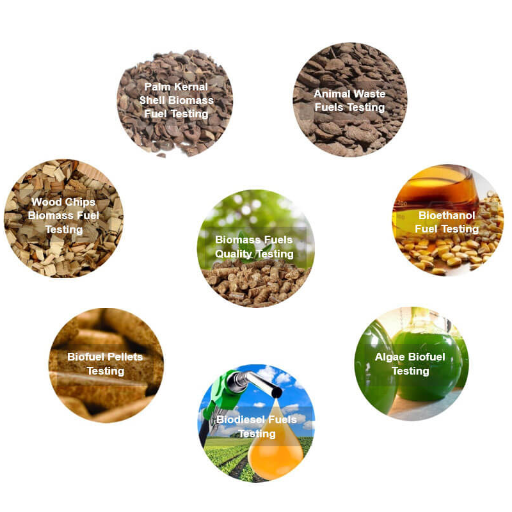
Types of Biomass Fuel
| Fuel Type | Source | Primary Benefit |
|---|---|---|
| Wood Pellets | Sawdust, Wood Chips | High energy density, easy storage |
| Agri-Residues | Straw, Rice Husk, Bagasse | Waste management, low cost |
| Energy Crops | Switchgrass, Willow | Fast growth, high biomass yield |
Wood Pellets
Wood pellets are small particles typically made of sawdust, wood chips, and other wood residues compressed into cylindrical shapes. They are easy to store and convenient for use. Being a renewable energy source with low moisture content, they are efficient when it comes to burning and offer more benefits compared to fossil fuels.
To produce pellets, consumers or manufacturers must dry the wood material, grind it, compress it, and then cool the hot compressed solid. High energy density makes it an ideal fuel for residential stoves, industrial boilers, and occasionally power plants. Moreover, the application of wood pellets helps utilize by-products from the wood industry that might otherwise go to waste.
The environmental benefits are numerous. Compared to coal or oil, wood pellet burning creates fewer greenhouse gas emissions. Furthermore, the trees used to make pellets grow back and absorb carbon dioxide, creating a sustainable energy cycle. Responsible sourcing and sustainable forestry practices are crucial for the wood pellet industry to thrive as a long-term renewable energy model.
Agricultural Residues
Agri-material residues are the by-products of agricultural activities available after crops are harvested. These are divided into primary and secondary residues. Primary residues include straw, bark, and stubble left in the field, while secondary residues are processing by-products like rice husks, sugarcane bagasse, or shells. Both provide substantial potential as biomass fuels due to their widespread availability.
The use of agricultural residues helps in waste management by utilizing materials that might otherwise be burnt in the field, causing air pollution. These residues have a high calorific value and are useful for energy production via combustion or gasification. This offers a cost-effective renewable energy source for both rural settlements and industrial establishments.
However, there are difficulties in using agricultural residues. Collection, transportation, and processing can be expensive in remote regions. Another concern is soil nutrient depletion from over-harvesting. Proper management is necessary to ensure residues are used sustainably without compromising agricultural productivity.
Energy Crops
Energy crops are specifically grown to generate biomass fuels. These are generally fast-growing plants like switchgrass (Panicum virgatum), miscanthus, or willow (Salix spp.) with high economic yield potential. Minimal disease incidence and low maintenance make these practical for optimizing energy production. They can be processed into bioenergy forms such as biogas, bioethanol, or solid biofuels.
The use of energy crops minimizes dependency on fossil fuels by providing a carbon-neutral option. As they grow, they pull carbon dioxide from the air, achieving a carbon balance when the energy is eventually released. Good planning is paramount to prevent land-use conflicts and ensure energy crops do not compete with food production or lead to deforestation.
The Combustion Process in Biomass Boilers
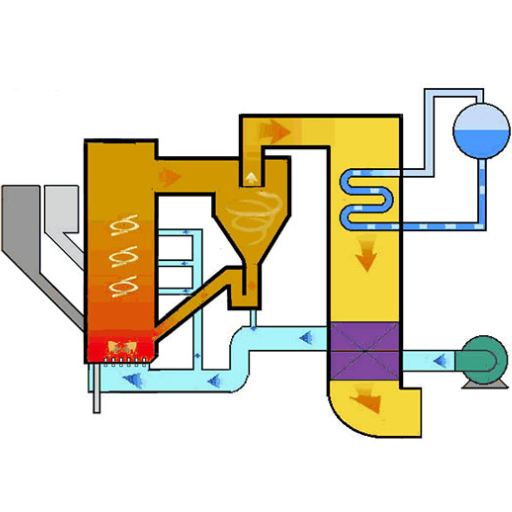
Biomass Combustion Mechanism
Biomass combustion is the process by which organic materials release stored energy to heat space or generate electricity. In a biomass boiler, combustion involves a series of stages: drying, pyrolysis, and oxidation cycles, each ensuring efficient energy recovery.
Drying is the first step, involving the application of heat to evaporate moisture. Wet biomass lacks high energy-generating capacity, so drying makes combustion easier. Next is pyrolysis, where organic materials are exposed to heat in the absence of oxygen, liberating volatile gases and leaving behind char. Finally, during oxidation, the volatile gases and char react with oxygen to generate energy, steam, and carbon dioxide.
For efficient combustion, conditions like proper oxygen inflow, temperature adjustment, and fuel proportions are required. Biomass boiler operation ensures the accurate tuning of these factors to produce clean energy. When properly executed, biomass combustion is a green alternative that offsets greenhouse gas emissions and resource exploitation associated with fossil energy.
Flue Gas Management
Flue gas management is crucial to enhance efficiency and comply with air pollution control norms. Flue gases are composed of carbon dioxide, water vapor, and nitrogen, along with minor particulates. Proper treatment of these emissions is the primary way to reduce environmental impacts and ensure adherence to standards.
Cleaning practices include particulate-capture measures like electrostatic precipitators and bag filters to collect dust. Gas-cleaning devices like absorbers remove acid gases such as sulfur oxides and nitrogen oxides. The reduction of these impurities is a key part of sustainable biomass energy scenarios.
Regular monitoring of flue gas treatment apparatus is essential for peak efficiency. Modern monitoring systems can register emission levels and notice variations immediately, preventing system failures. Advanced filtration technology and continuous supervision ensure biomass plants remain energy-efficient and environmentally responsible.
Emission Control Technologies
Emission control technologies are vital to mitigate ecosystem stress. These systems arrest and minimize the release of polluting elements. Three main technologies include electrostatic precipitators, scrubbers, and baghouse filters, each working to trap particulate material and reduce gaseous emissions for regulatory compliance.
Electrostatic precipitators operate by charging airborne particles and collecting them on plates. Scrubbers transfer harmful gases like $SO_2$ into liquids, usually water or chemical mixtures. Baghouse filters act as high-efficiency filtration equipment that guides exhausts through tightly woven filter media to capture fine particulates.
These technologies must be carefully operated and tuned to specific biomass feedstocks. Continuous monitoring systems measure deviations in emission levels. Combined, these measures guarantee that biomass plants operate with minimum environmental impact, contributing toward cleaner energy production.
Advantages of Biomass Boiler Systems
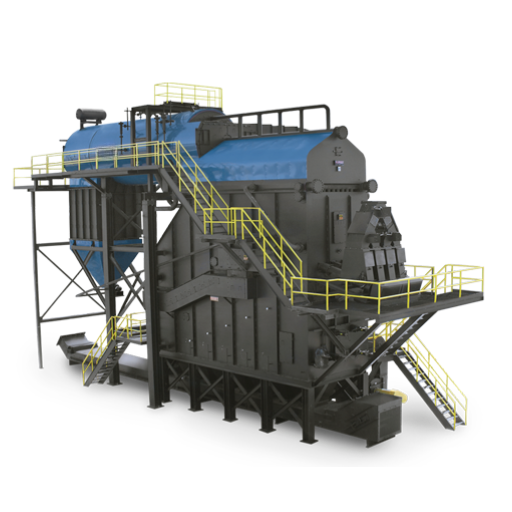
Environmental Benefits
Biomass boiler systems offer significant environmental benefits by replacing fossil fuels with renewable organic materials. This reduces greenhouse gas emissions because biomass fuels are carbon-neutral when sustainably sourced. The carbon dioxide released is merely the sum absorbed while the biomass was growing, sealing the carbon cycle.
Additionally, they align with waste reduction goals. Biomass boilers can burn waste products such as wood chips and agricultural residues, providing an environmentally sound solution for waste control and regional resource management.
Reliance on traditional fossil fuels is lessened, cutting down air pollution and assisting in the global fight against climate change. This tactic is not just ecological benevolence but has long-term sustainability at its very foundation.
Economic Advantages
The adoption of biomass boilers offers a powerful array of economic benefits, foremost being considerable savings over time. Businesses and households reduce their dependence on costly fossil fuels, easing the problem of shifting energy prices. Many governments also offer subsidies, tax breaks, or grants to incentivize the adoption of renewable boiler technology.
Secondly, biomass systems promote local economic growth. Unlike imported fossil fuels, biomass can often be sourced locally, generating demand for local supply chains and supporting farmers and foresters. Furthermore, the installation and maintenance of these systems create skilled employment opportunities in the renewable energy sector.
Long-term economic stability is another facet of biomass development. By ensuring a constant, renewable fuel supply, systems reduce dependency on foreign energy. Over time, diminished environmental impacts also account for lower costs related to pollution and climate change damages, making biomass a preferred utility for sustainable energy solutions.
Energy Security and Sustainability
Biomass systems are important contributors to energy security. By relying on local renewable fuel sources like wood chips and agricultural residues, they reduce dependence on exported energy. This helps countries minimize the effects of geopolitical conflicts or market fluctuations on their energy generation.
Regarding sustainability, biomass systems minimize greenhouse gas emissions compared to fossil fuel counterparts. By recycling organic materials that might otherwise release $CO_2$ or methane in a landfill, the system contributes to a circular economy. Furthermore, the plants absorb significant carbon dioxide during growth, reducing the overall carbon footprint.
Installing biomass boilers is a significant step toward fighting global climate change. By building infrastructural support in renewable sectors, communities can secure long-term benefits and mitigate energy failures. This dual focus on environmental protection and energy availability makes biomass an inevitable prime mode for a sustainable future.
Frequently Asked Questions (FAQ)
Q: What are the main parts of a biomass boiler?
A: The main parts that make a biomass boiler include the fuel-storage and hopper, fuel-delivery (or fuel-handling) system, combustion system (inclusive of the combustion tubes and grates), ash-handling system, heat exchangers that transfer heat to water or steam from combustion gases, and control systems meant for automatic control of combustion process and fuel delivery.
Q: How does the storage of fuel and hopper work in a biomass boiler?
A: A conveyor belt system moves the biomass fuel into the combustion system through feed systems or mechanical feeders to ensure continuous combustion of biomass fuel for heating.
Q: What types of fuels can biomass boilers use, and has the fuel type influenced the design of the system?
A: Various types of biomass can be used-provided they are woody in nature. A normal range is wood chips, pellets, agricultural residues, and energy crops; it comes down to an increase or decrease in design requirements for the fuel handling system, combustion system settings, ash handling requirements, and boiler efficiency in general.
Q: What are the purposes of the ash-handling and fuel-handling systems?
A: Ash-handling systems clean up the residues of combustion from the burning of biomass, while fuel handling systems deal with tasks like delivery, stock transfer, and feeding to the silo. Both are essential since biomass plants require greater attention from operators and proper equipment to continue working reliably.
Q: What is the effect of a combustion system and a heat exchanger on a biomass boiler?
A: Indeed, biomass boilers nowadays can even be scrutinized for the control of fuel and primary and secondary air flows. This can improve thermal efficiency and support stable biomass combustion for heat and power. Pollution can be reduced compared to biomass boilers that are operated without a control mechanism.
Q: What maintenance is needed for biomass boilers when compared to its counterpart in a conventional heating system or gas boiler?
A: Biomass boilers need regular maintenance like cleaning ash from ash handling systems, checking boiler tubes and grates, seeing to fuel storage and hopper conditioned, and servicing fuel delivery systems. Using solid fuels, biomass systems need a good deal of operator oversight as much as maintenance in order to maintain performance.
Q: Can biomass boilers be used for both heat and generation of electricity?
A: Yes, there are a number of biomass boiler systems made which may be configured for heat use only (steam or hot water used for heating) or for combined heat and power (from the steam generated by the boiler for driving turbines to also generate electricity).
References
-
Commercial-Scale Biomass Combustion Equipment – A detailed guide from Penn State Extension discussing fluidized-bed combustors and other biomass combustion equipment.
-
Biomass Heating Project Analysis Chapter – A comprehensive analysis of biomass heating systems, including heating plants, heat distribution systems, and biomass fuel supply operations.
-
High-Efficiency, Low-Emissions Biomass Boiler Systems – A document from NYSERDA focusing on the design and efficiency of biomass boiler systems.
- Industrial Biomass Fired Boiler Manufacturer in China