Get in Touch with Taiguo

Industrial Biomass Boiler Types & Applications

Contents
show
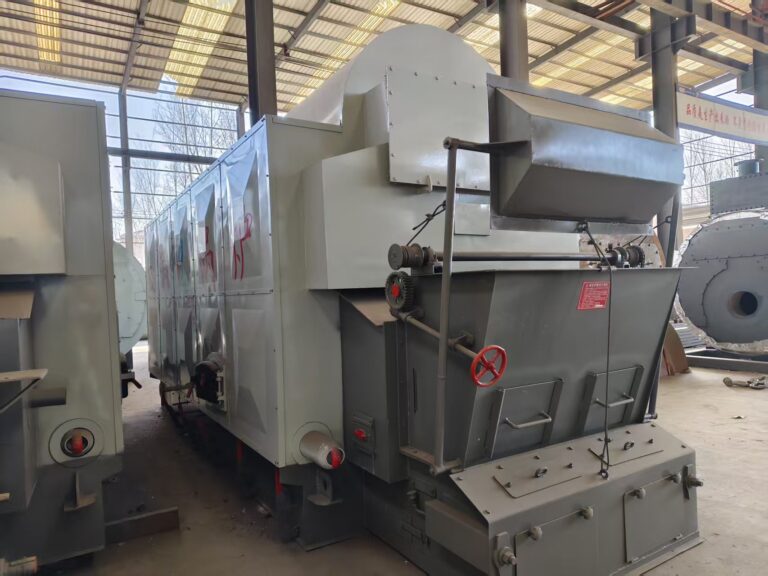
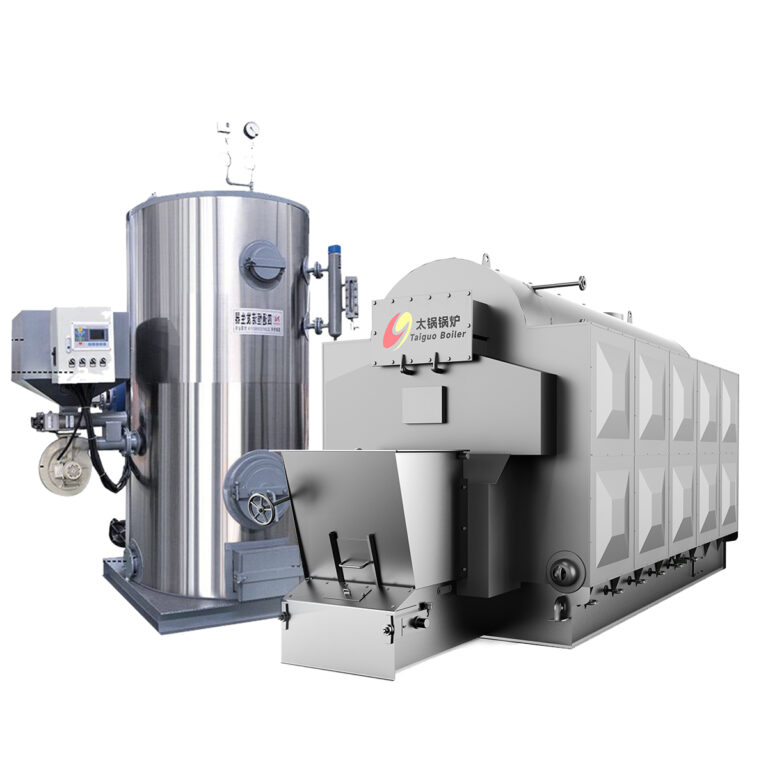
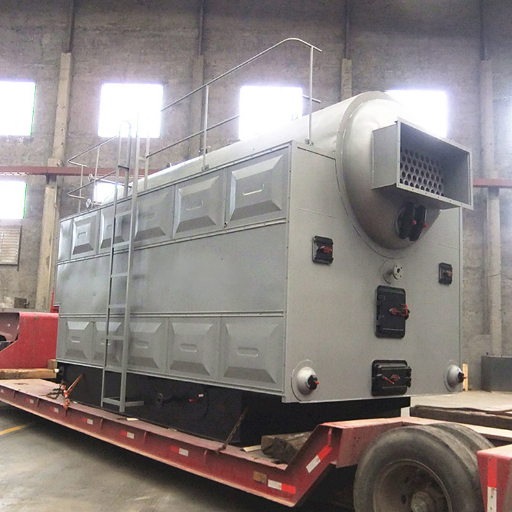
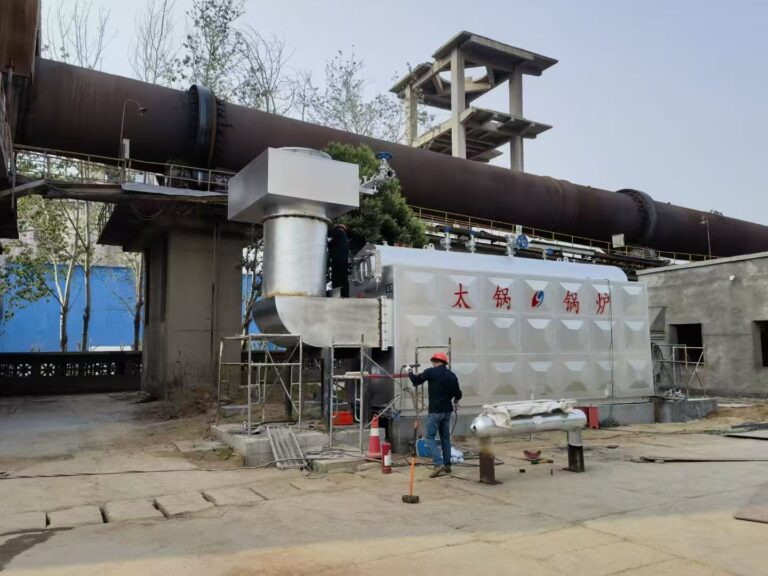
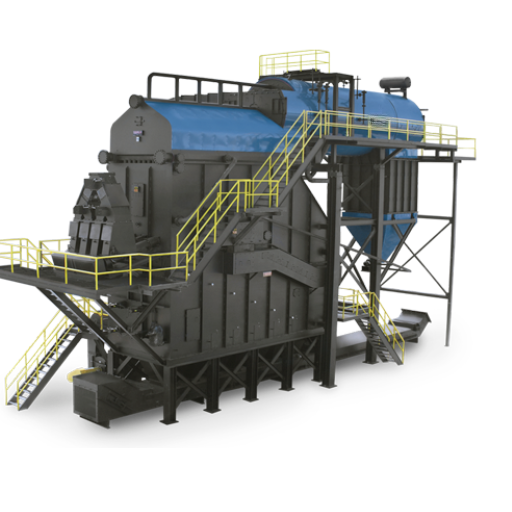
Industrial biomass boilers provide sustainable energy solutions that operate as environmentally friendly alternative systems to traditional fossil fuel power plants. These boilers use renewable biomass materials which include wood chips and agricultural residues and other organic materials to produce heat and electricity for various industrial applications. The wide selection of biomass boilers requires users to assess their actual needs before selecting their most suitable equipment. This blog post provides a comprehensive analysis of industrial biomass boiler systems which includes their distinct operational characteristics and their respective benefits and application areas. The guide helps you explore biomass technology solutions which match your requirements whether you want to reduce carbon emissions or cut energy expenses or learn about renewable energy sources. Stay tuned to learn how these systems are creating a sustainable energy future which benefits all industries.
Key Takeaway
Biomass boilers transform organic waste into thermal energy, offering a carbon-neutral alternative to fossil fuels that reduces operational costs and environmental impact across manufacturing, agriculture, and district heating sectors.
Overview of Biomass Boiler Systems
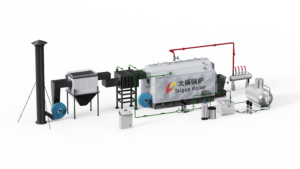
Definition and Functionality of Biomass Boilers
Biomass boilers function as heating systems which produce heat and hot water through the combustion of organic materials that people call biomass. The systems operate with renewable resources which include wood pellets and wood chips and logs and agricultural waste and all other plant materials. The boilers produce heat from biomass through combustion because they transform chemical energy which exists in biomass into thermal energy that businesses and homes and industrial facilities can use for different applications.
The operation of biomass boilers depends on their capacity to burn biomass fuel under controlled conditions which they manage effectively. This process starts with an automated feed system which supplies fuel to the combustion chamber. A heat exchanger transmits the combustion heat to water which serves as energy for both space heating and hot water production. The majority of current systems feature design elements which enhance operational efficiency while lowering pollutant emissions to meet environmental protection requirements.
Biomass boilers provide a renewable heating option which replaces conventional heating systems that depend on fossil fuels. Biomass fuels originate from organic materials which makes them carbon-neutral because the carbon dioxide emitted during combustion gets balanced by the carbon that plants take in during their growth cycle. The biomass systems help clients decrease their dependence on fossil fuel energy while they also help reduce operational expenses thus providing a viable option which benefits the environment for both personal use and industrial power requirements.
Importance of Biomass in Industrial Processes
Biomass functions as an essential industrial energy source because it delivers sustainable energy which can be renewed. It serves as an alternative to fossil fuels, helping industries lower their carbon footprint while maintaining energy efficiency. Industrial facilities can use biomass fuels, which include wood chips and agricultural residues and organic waste, to generate heat and electricity and steam, which they need for their operations through their industrial boilers and kilns and other equipment.
💡
Pro Tip
Utilizing nearby biomass resources can significantly decrease transportation expenses and insulate your facility from fossil fuel market instability.
Industrial processes achieve their primary benefit through biomass because it reduces operational expenses. Industries obtain financial savings through their ability to utilize nearby biomass resources because this practice decreases transportation expenses while delivering them consistent energy costs during times of market instability. Industries that use biomass for their operations can access financial benefits through government programs which support renewable energy development, which makes their business operations more sustainable. Industries use biomass to create energy from waste materials, which results in environmental conservation. Organic waste that would otherwise go to landfills can be repurposed into energy, which minimizes environmental impact and reduces methane emissions from decomposing waste. This practice helps global energy transition efforts while helping industries achieve their environmental sustainability objectives. The transition to environmentally sustainable industrial practices depends on biomass as a vital resource.
Key Features of Industrial Biomass Boiler Systems
The design of industrial biomass boiler systems enables efficient conversion of organic materials into energy which provides industries with sustainable energy solutions. The systems demonstrate their ability to operate with different biomass materials through their capacity to process wood chips and pellets and agricultural residues and various organic waste materials. The system enables businesses to select their fuel sources from local resources which helps them decrease their transportation expenses and environmental impact.
The system achieves its main goal through its ability to deliver exceptional thermal efficiency. The advanced designs of the system enable complete energy extraction from biomass materials while they reduce environmental waste. The collection of systems operates through automatic feeding systems combined with control systems which work together to manage combustion processes, thus achieving stable results while decreasing requirements for human work. The systems use heat recovery units which convert unused heat into operational energy to achieve superior energy performance.
The system provides environmental sustainability as its primary benefit. Biomass boilers release lower carbon emissions than fossil fuel systems which results in decreased greenhouse gas emissions. The systems meet environmental standards because they implement emission control systems that include filters and scrubbers. The systems use renewable energy sources which enable industries to fulfill their energy needs while achieving their sustainability targets.
Types of Biomass Boilers
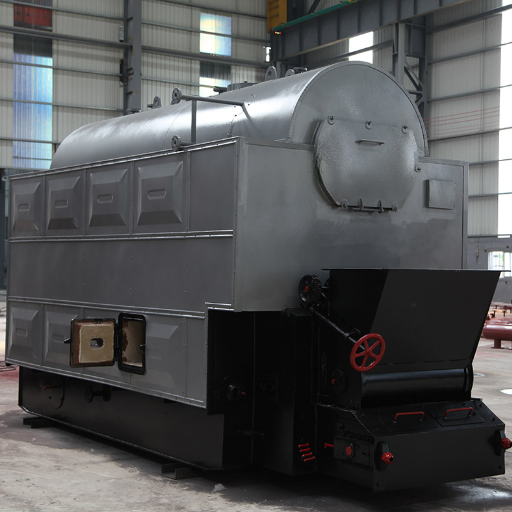
Classification of Biomass Boiler Types
Biomass boilers can be categorized into several distinct types based on their fuel compatibility, operation mechanism, and intended applications. Below are the most common classifications:
- Log Boilers: Log boilers represent the oldest type of biomass boilers which operate by burning wood logs. These boilers work best with smaller heating systems because they require users to load fuel manually into the equipment. The system proves economical, yet it requires constant upkeep because of its manual operation and regular cleaning needs.
- Chip Boilers: These boilers operate with wood chip fuel but they perform better in applications that require medium to large-scale operations which include farm operations and shared heating systems. The semi-automatic chip boilers provide better efficiency than log boilers while needing extra equipment to operate because they need chip storage facilities for their fuel supply.
- Pellet Boilers: Pellet boilers function as efficient systems because they use compact uniform pellets to generate power. The size of these boilers ranges from small to medium, which makes them suitable for residential and small business applications. The system operates automatically with minimal user needs while it maintains low emissions and simple control for users.
- Grate Furnace and Fluidized Bed Boilers: These advanced systems can burn a wide range of biomass fuels, which include agricultural residues and wood chips and other organic materials. Fluidized bed boilers demonstrate their suitability for industrial applications through their high efficiency and capacity and their automated operational system. The systems operate with advanced emission control technologies that achieve minimal environmental impact.
Comparison of Different Types of Biomass Boilers
| Boiler Type | Fuel Type | Efficiency | Size | Cost | Maintenance | Emissions |
|---|---|---|---|---|---|---|
| Log Boiler | Logs | Moderate | Small to Medium | Low | Manual | Medium |
| Chip Boiler | Wood Chips | High | Medium | Moderate | Semi-Auto | Low |
| Fluidized Bed | Mixed Biomass | Very High | Large | High | Automatic | Very Low |
| Pellet Boiler | Pellets Only | Very High | Small to Medium | Moderate | Automatic | Low |
This optimized approach ensures the information is clear, facilitating an easy understanding of the distinctions between different biomass boiler systems, helping users choose the boiler that best aligns with their needs.
Common Fuel Types Used in Biomass Boilers
Biomass boilers can operate with multiple fuel sources because of their flexible design. The following list presents the most frequently used fuels which contain detailed information about their properties and their compatibility with different applications.
- 1
Wood Pellets
Wood pellets stand as highly favored biomass fuels because they deliver both elevated energy content and straightforward handling capabilities. The product results from compressing sawdust and wood shavings, which generates a clean energy source with uniform power output. The U. S. Department of Energy reports that wood pellets contain 16 to 18 gigajoules of energy per ton while maintaining moisture levels below 10%, which makes them suitable for use in residential homes and small commercial establishments. - 2
Wood Chips
Wood chips which come from forestry residues and shredded logs serve as fuel for medium to large capacity systems which include industrial and district heating applications. The energy density of pellets reaches 8-12 GJ per ton which makes them more efficient than other energy sources yet they remain an affordable choice because they are widely available in regions with abundant timber. The system needs advanced boiler technology because the material has too much water content. - 3
Miscanthus
Miscanthus, a fast-growing energy plant, is becoming more popular for biomass energy production. It produces between 10 and 20 tons of biomass per hectare each year while its energy content reaches between 17 and 19 GJ per ton. The plant serves as an environmentally friendly option because it needs very few chemical inputs and grows successfully on unproductive agricultural land. - 4
Agricultural Residues
Agricultural industries use biomass boilers to burn agricultural waste materials which include straw and husks and nutshells. Straw has an energy value of 12-14 GJ per ton but its ash content and fuel variations require special boiler systems for proper combustion. The process uses waste materials as inputs which decreases disposal expenses while creating a system that supports sustainable resource management. - 5
Animal Waste
Dried animal manure functions as a biomass boiler fuel which transforms agricultural waste into energy that can be used. The material generates lesser energy (5-8 GJ per ton) yet technological progress in combustion systems has made it possible to use the material as a sustainable energy resource. - 6
Wood Briquettes
Wood briquettes represent another type of compressed wood energy resource which resembles wood pellets except they have larger dimensions. The materials exhibit an energy content range of 18 to 20 gigajoules per ton together with low moisture levels which make them appropriate for use in residential and industrial boilers.
This wealth of options and supporting data empowers users to select the most appropriate fuel type for their specific needs, balancing cost, efficiency, and sustainability.
Applications of Industrial Biomass Boilers
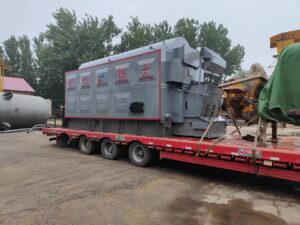
Industrial Applications Across Various Sectors
Various sectors depend on industrial biomass boilers to deliver sustainable energy solutions which operate at high efficiency. The manufacturing industry uses these systems to generate necessary heat which supports drying and steaming and curing operations. Biomass boilers enable food processing and textile production and paper manufacturing industries to achieve their high energy requirements while minimizing their environmental footprint.
Industrial biomass boilers function as another essential energy source which supplies power to district heating networks. The systems provide heat distribution to various building types which includes residential areas and commercial spaces and institutional buildings. The systems use biomass materials to decrease their dependence on fossil fuels which leads to a major decline in greenhouse gas emissions while developing energy sustainable practices.
The agricultural industry makes extensive use of biomass boilers because they serve as essential equipment for their operations. The boilers generate heat for greenhouses and drying operations and all other agricultural activities which need stable temperature control. The boilers use locally available biomass materials which include wood chips and agricultural waste to help rural areas lower their energy expenses while promoting renewable energy usage. The equipment provides multiple operational capabilities which make it suitable for companies that want to develop eco-friendly energy solutions.
Case Studies: Successful Implementation in Industry
The implementation of biomass boilers by a rural farming cooperative for their crop drying operations represents a successful case study. The cooperative achieved sustainable energy savings through the use of locally obtained agricultural waste as their fuel source. The system maintained stable temperature control which enhanced drying performance and produced products that had greater value in the market.
A horticulture greenhouse case study demonstrates how biomass boilers function as temperature control systems which operate throughout the entire year. The operation relied on wood chips sourced from nearby forestry activities, reducing reliance on non-renewable energy sources. The shift resulted in reduced operational expenses for the greenhouse while decreasing its carbon emissions which helped the business meet its environmental sustainability targets. The boilers maintained consistent operation which created ideal growing environments that increased production rates.
The medium-sized food processing plant adopted biomass-powered boilers to operate its production equipment. The facility used its process by-products which included husks and shells to create biomass feedstock. The circular method created a dependable energy supply while minimizing waste. The facility gained eco-friendly energy solutions which improved its market position among environmentally aware customers while establishing its brand as an eco-friendly business. The examples demonstrate how biomass boilers function as adaptable and effective solutions for multiple industrial applications.
Adaptability of Biomass Boilers in Different Industrial Settings
Industrial operations benefit from biomass boilers which can operate with multiple fuel types to provide heating solutions. Biomass boilers enable agricultural and manufacturing and food processing industries to convert organic waste into usable energy through their ability to process wood chips and straw and agricultural residues. The system provides two advantages because it decreases fossil fuel usage while reducing waste materials to achieve sustainable development results that various industries want to achieve.
Biomass boilers offer two advantages because they can burn different fuels and their operators can design them to match the energy requirements of different industrial sectors. Biomass boilers provide factories with various solutions which range from boiler systems that produce high heating capacity and steam to systems that meet small-scale energy requirements. The system enables businesses to adopt renewable energy solutions because it allows them to use their current infrastructure without making major changes which creates an effective solution for different industrial needs.
Biomass boilers help organizations save money because they deliver economic advantages that last for many years. Industries that use biomass from local sources can reduce their fuel expenses while their energy costs become more predictable. The financial benefits of biomass boiler systems increase because many governments provide renewable energy technology incentives and subsidies. The system provides industrial facilities with sustainable and cost-effective solutions which can operate in various environments.
Benefits of Using Industrial Biomass Boilers
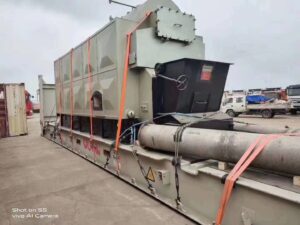
Environmental Advantages of Biomass Technology
Biomass technology provides multiple environmental benefits which enable it to function as an environmentally friendly replacement for fossil fuels. The responsible management of biomass energy results in carbon-neutral energy production which establishes biomass energy as a sustainable energy source. The combustion of biomass fuels which come from wood and agricultural residues and plant matter produces carbon dioxide emissions that balance with the carbon that the feedstock absorbs throughout its growth cycle. This process establishes a reduction in greenhouse gas emissions which helps to tackle climate change challenges.
Biomass energy creates environmental benefits through its ability to transform materials that would end up in landfills into usable energy. The forestry industry uses agricultural by-products and forestry residues and municipal solid waste as biomass fuel sources which help to decrease environmental pollution. Biomass energy which prevents waste from entering disposal sites creates land use relief while decreasing methane emissions which originate from organic waste breakdown in landfills.
Biomass technology enables nutrient restoration through its application in sustainable forestry and agricultural practices. Biomass systems produce residual ash which serves as a nutrient-dense fertilizer that can be applied to soil for ecosystem health improvement. Industries that adopt biomass systems along with ecological practices can achieve dual benefits which include environmental sustainability and effective energy resource management.
Economic Benefits and Cost-Efficiency
Biomass energy systems create economic advantages through their ability to decrease nonrenewable energy source consumption and their capacity to decrease fuel expenses. Biomass energy systems use organic waste materials which are found throughout their operational area and cost little to process as their primary resource. The process helps to decrease material expenses while it enables both industrial operations and residential communities to achieve long-term energy cost savings.
Biomass systems create job opportunities through their need for workers who will handle the collection and processing and transportation of biomass resources. These systems depend on sustainable methods which require continuous management of forest and agricultural and waste resources, thus generating permanent job openings. The construction of biomass infrastructure systems enables the creation of new business opportunities within the renewable energy industry.
Biomass energy functions as a cost-effective solution for waste management needs. The use of organic waste materials which would otherwise end up in landfills results in lower disposal charges while it decreases the costs of environmental restoration work. The adoption of biomass systems enables businesses to realize cost reductions while they obtain renewable energy solutions which provide economic benefits and environmental protection.
Improving Sustainability through Biomass Energy
Biomass energy achieves sustainable development through its use of renewable organic materials which create heat and electricity and fuel. The system generates energy from agricultural residues and forestry by-products and organic waste which results in lower fossil fuel usage and reduced greenhouse gas emissions. The system helps waste management by increasing the quantity of biodegradable materials which it diverts from landfills thus decreasing environmental contamination.
The energy source enables a circular economy because it transforms waste materials into useful resources which complete the resource consumption cycle. The use of local biomass materials helps communities reduce their dependence on imported energy, which boosts energy security while supporting local economic development. Biomass systems produce compost materials and biochar, which create soil enhancement and carbon storage benefits.
The environmental and economic benefits of biomass energy require effective management practices to sustain its viability. Biomass harvesting operations should maintain forest and natural resource systems to ensure resources remain available for future use. Energy output increases when organizations implement efficient technologies and practices through advanced combustion systems and improved conversion methods. Biomass can become an essential element of a sustainable energy future when people develop and implement effective plans.
Operational Considerations for Biomass Boiler Systems
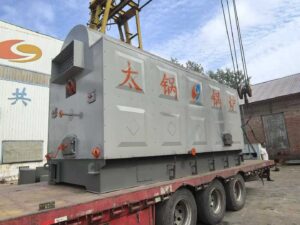
Key Factors in Selecting the Right Industrial Biomass Boiler
The primary criterion for selecting an industrial biomass boiler begins with determining which fuel type will be used. The design of different biomass boilers enables them to process multiple types of biomass, which includes wood chips and pellets as well as agricultural residues and organic waste. The operation of a boiler system requires two elements: the choice of fuel type which must match available fuel types and the evaluation of fuel quality together with its moisture content and local supply consistency. The selection of proper fuel enables power generation through efficient combustion, which results in reduced operational expenses for the organization.
The energy demands of the facility require both boiler capacity and efficiency to be properly matched. The required boiler output capacity will be determined through a complete study of expected heat and power usage. The implementation of high-efficiency boilers leads to a decrease in overall biomass usage while simultaneously reducing emissions, which results in more sustainable environmental practices. The performance of the boiler system under different operational circumstances will improve through the assessment of its design elements, which include advanced combustion systems and heat recovery mechanisms.
⚠️ Important Note
Boiler selection must prioritize emissions compliance and reliability to ensure long-term regulatory approval and uninterrupted power generation.
The biomass boiler system needs to be evaluated through two main aspects: its reliability and its required maintenance procedures. A reliable energy system operates without interruptions because it maintains operational power generation through its dependable system design. The ideal boiler should provide simple maintenance procedures together with accessible replacement components and effective customer assistance. The evaluation process requires assessment of safety features plus emissions control systems and industry standard compliance to verify that the boiler meets all regulatory standards. The selection of a biomass boiler must consider these elements because they will enhance energy efficiency through dependable operations and environmentally responsible practices.
Boiler Capacity and Efficiency Metrics
The term boiler capacity describes the highest volume of steam or hot water that a boiler can generate during a specific time period which engineers measure in gallons per hour or pounds per hour. The capacity of a boiler depends on its design and the specific applications for which it was constructed to provide required heating capacity and industrial process requirements. The selection of appropriate boiler capacity needs to happen because undersized boilers will not fulfill demand, while oversized systems waste energy resources.
Efficiency metrics show the degree of effectiveness which a boiler transforms fuel into useful energy output through their percentage results. High-efficiency boilers operate with improved energy efficiency because they use advanced combustion techniques and heat recovery systems to minimize energy losses during their operations. The operational cost reductions which these metrics provide, together with their capacity to enhance sustainability efforts through better fuel utilization and emission reductions, make them essential for business operations.
The evaluation of boiler performance requires a comparison between your actual requirements and the existing capacity and efficiency metrics. Modern boilers operate with higher efficiency because they use condensing technology, which controls energy consumption according to current demand, for their operational requirements. The metrics require close monitoring because they guarantee system performance achievements, operational cost reductions, and the organization of environmental protection requirements.
Maintenance and Operational Best Practices
The maintenance and operational best practices of boiler systems need to be followed completely to achieve optimal performance and long-term equipment operation. The scheduled inspections need to take place at regular intervals to detect any equipment damage or system leaks or operational problems which could decrease system efficiency. The implementation of preventative maintenance activities which include heat exchanger cleaning and safety control testing and pressure level monitoring serves as an essential procedure to protect against expensive system failures while maintaining operational safety.
The current energy demand requires operational boiler settings to be modified which helps to decrease excess energy waste. The system requires water quality maintenance because system impurities create scaling and corrosion problems which result in efficiency loss and permanent system damage. The installation of water treatment systems which include filtration and scheduled chemical treatment processes enables organizations to control these water quality threats.
The boiler system operators need to receive complete training which should cover all system controls and technical specifications and troubleshooting methods. The team receives regular training updates which help them understand current industry standards and technological progress. The implementation of best practices enables organizations to achieve extended system lifespan and improved energy efficiency and decreased operational expenses.
Frequently Asked Questions (FAQ)
Q: What are the main industrial biomass boiler types and how do they differ?
The industrial biomass boiler types which show different operational methods are used in various applications include grate-fired boilers and fluidized bed boilers and gasification boilers and pellet-fired boilers. Industrial steam systems and hot water systems use grate-fired and combustion boilers which burn wood chips and agricultural residues and mixed biomass. Fluidized bed boilers show better fuel adaptability because they achieve better combustion performance while using diverse biomass fuels. Gasification systems and pellet-fired systems operate in applications which need both clean combustion and simple fuel management. The design of a boiler system controls biomass combustion operations which produce steam and hot water while determining the system’s efficiency and ability to handle emissions and its operational difficulty.
Q: How are industrial and commercial operations using biomass boilers for heating and process steam?
A: Commercial and industrial facilities use biomass boiler systems to provide steam and hot water for industrial processes, district heating, food processing, and power generation. Industrial biomass boilers use biomass fuel to produce thermal energy which creates industrial steam for manufacturing and hot water needed in clean-in-place systems. The boiler capacity and heat demand of modern biomass boilers and boiler solutions are determined by boiler manufacturers and EPCB boiler providers which leads to lower operation costs and decreased carbon emissions when compared to fossil fuel systems.
Q: What are the environmental and sustainability benefits of switching to biomass boilers?
A: The transition to biomass boilers leads to reduced fossil fuel usage and results in decreased carbon emissions when sustainable biomass resources are utilized. Biomass combustion releases CO2 emissions because carbon exists in the atmosphere for shorter time periods when biomass resources burn instead of fossil fuels. Biomass heating and renewable biomass energy can reduce lifecycle emissions, support renewable energy targets, and help facilities meet emission regulations. The combination of emission control technologies and modern biomass boilers which comply with rigorous standards results in reduced particulate and NOx emissions.
Q: What fuel types and biomass materials are commonly used in industrial biomass boiler systems?
A: The biomass fuel types used in combustion systems include wood chips, wood pellets, agricultural residues (straw, husks), energy crops, and food processing residues. The various boiler systems require different organic materials for combustion because pellet-fired boilers operate with specific pellet sizes while fluidized bed and grate-fired boilers can process multiple types of fuel. The dependable operation of boilers relies on two critical factors which include the supply of fuel and the maintenance of constant biomass quality because these factors enable effective combustion and decrease the need for maintenance work.
Q: How does biomass boiler efficiency compare to the operational performance of gas and coal boiler systems?
A: Boiler efficiency depends on boiler design, combustion control, and heat recovery. Modern biomass boilers achieve efficiency levels that match gas boiler systems when they use economizers and condensers for hot water return. Biomass boilers produce lower sulfur emissions than coal boilers while delivering equivalent industrial steam output. Automated control systems for biomass boilers enable full operational control, which results in continuous stable combustion and high boiler efficiency through precise fuel feed management.
Q: What are the key considerations when selecting a biomass boiler manufacturer or boiler solutions provider?
A: When selecting a biomass boiler manufacturer for industrial purposes, four factors must be evaluated: proven biomass boiler technology, after-sales support, biomass fuel supply, and emissions compliance and industrial and commercial project experience. Leading biomass boiler suppliers provide complete EPCB boiler solutions which include electricity generation and combined heat and power systems and custom designs tailored to industrial process needs. The evaluation process requires assessment of boiler performance data together with maintenance needs and spare parts accessibility.
Q: Can biomass boilers produce electricity and heat simultaneously, and which system setups achieve this capability?
A: Biomass boilers produce electricity through two methods which include biomass steam boilers that connect to steam turbines and systems that use hot water or steam to operate organic Rankine cycle systems. The combined heat and power (CHP) system generates electricity from industrial steam produced by biomass combustion while using the generated heat for onsite operations. The selection process requires evaluation of three factors which include boiler capacity and fuel supply and economic considerations; integrated systems result in improved energy efficiency and additional revenue streams.
Q: What operational challenges and maintenance requirements should facilities expect with biomass boiler systems?
A: The operation of biomass boilers needs strong fuel handling systems and storage facilities which prevent fuel degradation and a schedule for cleaning ash and combustion residues. The inspection process includes combustion chambers and grates, while emissions control equipment requires scheduled maintenance. The combustion stability is impacted by fuel variability, which necessitates the adjustment of both feed systems and control strategies. The regular maintenance of biomass boilers results in improved operational efficiency and extended system lifespan, while automated systems in modern biomass boilers decrease staffing needs and enhance combustion efficiency.
References
- An Introduction to Biomass Heating
This source from Penn State University Extension provides insights into biomass heating systems, including pellet stoves and their applications.
Read more here -
Biomass Handbook Chapter 5: Industrial Combustion
A detailed academic resource discussing combustion chambers for wet biomass fuels and their operational requirements.
Read more here -
Biomass Heating Project Analysis Chapter
A comprehensive analysis from Michigan State University on biomass heating systems, focusing on automated feeding systems and grate technologies.
Read more here - Industrial Biomass Fired Boiler Manufacturer in China
Industrial Biomass Fired Boiler Manufacturer in China