Get in Touch with Taiguo


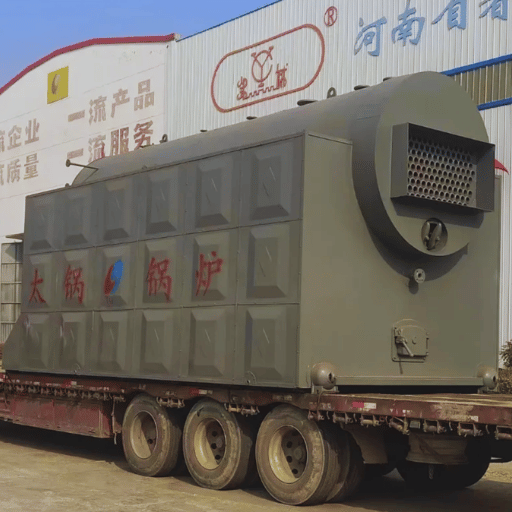
However, replacing diesel with biomass does not simply involve replacing a combustion unit. It involves selecting the appropriate feedstock, retrofitting the combustion system and adjusting fuel logistics from storage to ash disposal. This article discusses each aspect of the diesel to biomass conversion process, supported by field data from over 100 countries where Taiguo Boiler has installed industrial heating systems since 1976.
Why Industrial Plants Are Switching from Diesel to Sustainable Biomass Fuel
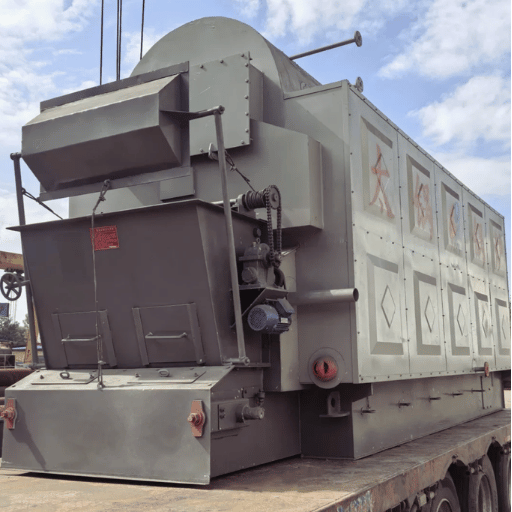
This trend away from diesel fuel in industrial heating plant operation can be attributed to three simultaneous factors: rising fuel prices, stricter emission regulation and the availability of low-cost sources of biomass energy.
According to the U.S. Energy Information Administration (EIA) the price of petroleum diesel for industrial users in the US between 2022 and 2023 has ranged from a low of $3.50 to a high of $5.00 per gallon. On the other hand North American wood pellet prices have ranged from $180-$280 per ton, providing the same amount of thermal energy at approximately one third of the price per MMBtu. The price differential has been further inflated by taxes on carbon and border adjustment mechanisms such as the EU CBAM, which impose extra cost penalties on hydrocarbon fuel combustion.
40–60%
Fuel Cost Reduction
~90%
Net CO₂ Reduction
<5 Years
Typical Payback Period
Apart from economics biomass heating applications are classified as renewable energy under the majority of country systems. The IEA Bioenergy Annual Report 2024 reports that the share of bioenergy in total renewable energy use is above 60% in the European Union and around 10% globally for industrial heat. For companies that export to carbon-affected markets this classification could serve as the sole motivation for conversion.
💡 Pro Tip
Based on our experience of more than 100 export markets, demand for biomass conversion projects from Taiguo Boiler has increased two-fold every year since 2022, with the bulk of the demand coming from food processing and textile plants, where fuel costs account for 30-50% of operating costs.
Types of Biomass Feedstock for Boiler Systems
Selecting an appropriate feedstock is absolutely the most important step of any biomass boiler conversion. Which fuel is used affects burner efficiency, operating expenditure, ash generation, maintenance requirements. Unlike diesel fuel, which is a single quality product, there is a wide variation in biomass fuels moisture content, calorific value and form.
| Feedstock Type | Calorific Value | Moisture | Ash Content | Price Range |
|---|---|---|---|---|
| Wood Pellets | 4.85 kWh/kg | 6–10% | ~0.5% | $180–$280/ton |
| Wood Chips | 3.5 kWh/kg | 25–45% | ~1% | $60–$140/ton |
| Rice Husk | 3.4 kWh/kg | 8–12% | 15–20% | $30–$60/ton |
| Briquettes | 4.2–4.6 kWh/kg | 8–12% | 2–5% | $100–$200/ton |
| Agricultural Waste (Straw, Bagasse) | 2.8–3.8 kWh/kg | 10–30% | 5–10% | $20–$80/ton |
Wood Pellets have the highest combustion efficiency due to low moisture levels and consistent shape, but they have a slightly higher cost per ton. Wood chips are the most economical choice for plants with sufficient on-site storage, the moisture content varies significantly meaning that a strong fuel system is required. Agricultural by-products such as rice husk and bagasse are abundant and inexpensive in areas where these crops are processed, making them a lucrative biofuel source of fuel for local industry.
Applications of biomass energy are not limited to heating-the same feedstock types are also used as feedstock of biomass-based diesel, biodiesel blends, sustainable aviation fuel (SAF) and biogas through various conversion routes — biodiesel and renewable diesel products both start from biomass feedstock. For industrial boiler processes however solid biomass direct combustion remains the most cost-effective and proven technology.
Before recommending a feedstock our engineers take into consideration local availability (100 km radius),moisture consistency across climate seasons and compatibility with the current grate design. Getting it wrong cost more than a total conversion, to prevent this.
— Taiguo Boiler Engineering Team
How the Diesel to Biomass Conversion Process Works
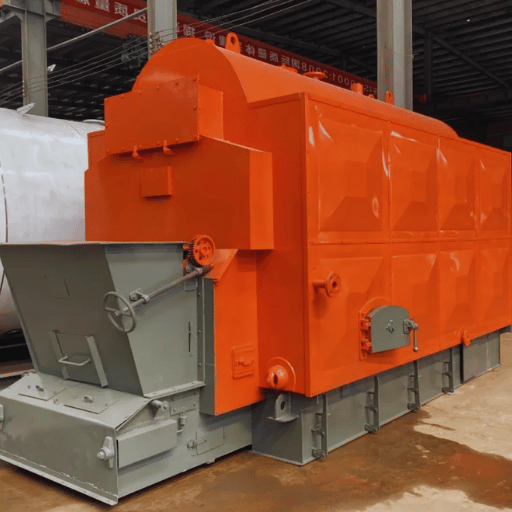
Converting a pre-existing diesel-fired boiler to biomass burning is a detailed engineering task, not merely replacing the burners. Scope depends on boiler age, capacity, and the type of biomass fuel targeted. Here is the conversion order used by the majority of industrial plants:
- Site Assessment and Feasibility Study – Site engineers evaluate current boiler shell, pressure vessel integrity and space available. This assessment is to establish the feasibility of solid fuel combustion on the existing structure or if reinforcement is needed. Storage and access requirements for feedstock supply is also reviewed during the assessment.
- Combustion System Redesign- The diesel burner is now eliminated. A new combustion chamber with a grate-type system (fixed, moving or vibrating) is fabricated according to the biomass fuel selected. Primary and secondary air supply systems are developed for controlled burning.
- Fuel Handling and Storage System-A feeding system (screw feeder or conveyor) automatically delivers fuel from a fuel storage to the combustion chamber. Storage capacity is sized for 3-7 days of operation based on fuel system logistics.
- Emission Control Equipment: biomass combustion generates solid fall out that needs to be filtered out, unlike diesel fuel combustion. A cyclone separator or a bag filter is used to reach the local emission criteria. Flue Gas Recirculation could be used to reduce NOx.
- Ash Removal System – Automatic ash collection and disposal systems are included. Larger volume ash handling systems are needed for high-ash fuels such as rice husk as compared to wood pellet installations.
- Control System Integration – The boiler control panel is enhanced with fuel feed rate, combust temperatures, oxygen concentrations, and steam pressures. Modern systems such as SCADA or interconnected systems are used to monitor and control within the industry.
- Commissioning and Performance Testing – Once installed, the converted system undergoes a commissioning phase lasting between 48-72 hours. During commissioning, engineers modify the air-fuel ratios, speed of the grate and other operating parameters to attain the desired thermal efficiency (typically 80-88%, depending on the fuel type).
💡 Pro Tip
For our standard schedule it takes from 4-8 weeks to go from site assessment to commissioned operation, depending on boiler size and whether new technology such as automated stokers need to be fabricated. Smaller boilers (2-6 TPH) can generally be converted in less than 3 weeks.
Compared to the cost of a new biomass boiler, which typically costs 30-50% of a new system—retrofit is a far more capital-efficient use of capital compared to full replacement of boilers in good structural condition.
Cost Analysis: Diesel vs Biomass Boiler Operating Economics
Economics of diesel to biomass conversion are explained when you view the respective annual fuel costs side by side. Fuel costs are usually between 40 and 70 percent of total boiler operating expenses, so a modest fall in the price of fuel per MMBtu results in major savings.
| Parameter | Diesel Boiler | Biomass Boiler (Wood Pellets) |
|---|---|---|
| Fuel Price | $3.80–$5.00/gallon | $180–$280/ton |
| Cost per MMBtu | $27–$36 | $10–$16 |
| Thermal Efficiency | 87–92% | 82–90% |
| Annual Fuel Cost (10 TPH, 6,000 hrs) | ~$480,000 | ~$210,000 |
| Fuel Price Volatility | High (tied to crude oil) | Low (local supply, stable) |
| Carbon Tax Exposure | Full liability | Exempt or reduced |
For a 10 TPH steam boiler running 6,000 hours per year, switching from diesel fuel to wood pellets can save roughly $270,000 annually in fuel costs. The New Zealand Energy Efficiency and Conservation Authority (EECA) reports that industrial biomass conversion projects typically achieve payback in 2-5 years, depending on fuel availability and operating hours.
ROI Calculation Framework
- Calculate current annual diesel fuel spend (gallons × price)
- Calculate projected biomass fuel spend (tons × price, adjusted for lower calorific value)
- Subtract biomass spend from diesel spend = annual savings
- Add carbon tax savings and any renewable energy incentives
- Total conversion cost / annual savings = payback years
⚠️ Important
Often, the most overlooked cost in biomass conversion is fuel handling and storage infrastructure. Biomass fuel systems require 5-10 times the physical storage volume of diesel tanks for equivalent energy content. Budget an additional 15-25% of conversion cost for storage, conveyors and site preparation.
Carbon Emission Reductions and Renewable Energy Benefits
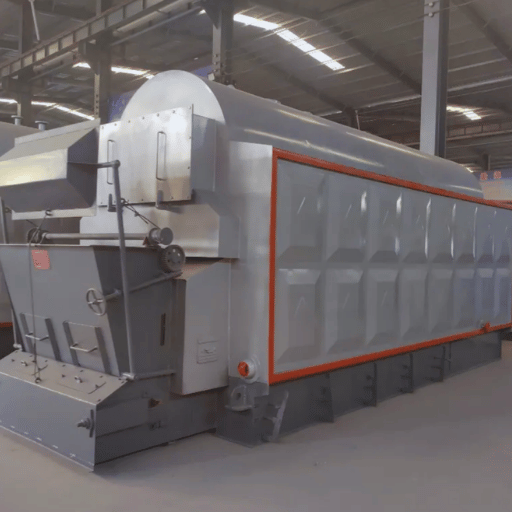
Biomass conversion is considered carbon neutral under most international accounting standards, due to production of no net CO₂ emissions. U.S. EPA GHG Emission Factors Hub (2025) requires that reported CO₂ from biomass combustion is separated from fossil CO₂ emissions and excluded from such facility-level GHG emissions totals.
In reality, diesel to biomass conversion provides a net emission savings of approx. 90%, considering fuel supply chain emissions (harvesting, processing, transport). The IEA Bioenergy Task 32 Emissions Report (2024) verifies that state of the art biomass boilers fitted with appropriate combustion controls and flue gas treatment systems are capable of achieving lowest carbon intensities of any other solid fuel heating system.
2.68 kg
CO₂ per liter diesel burned
~0 net
CO₂ from biomass (lifecycle)
For a plant consuming 500,000 liters of diesel fuel annually, conversion to biomass translates into approximately 1,340 tons of fossil CO saved per annum. This has a measurable and quantifiable impact on corporate greenhouse gas emissions reporting, supply chain ESG scores and adherence to renewable energy mandates in export markets.
Environmental benefits go well beyond carbon. Biomass fuels contain minuscule quantities of sulfur, thus creating insignificant SO exhaust in comparison to diesel. Particulate emissions from biomass conversion can be successfully handled by bag filters or electrostatic precipitators, with results that meet or exceed standards for diesel combustion.
Common Challenges in Diesel to Biomass Retrofits and How to Solve Them
Each diesel to biomass conversion faces predictable challenges. Early identification prevents costly delay and rework. Based on conversions implemented across 6 continents, here are the top considerations that catch most plant managers sleeping:
1. Fuel Moisture Variability
Unlike predictable moisture quality of diesel fuel, biomass moisture content varies by season, storage environment, and supplier. For every 10% rise in moisture content, plant efficiency drops 2-3%. A batch of wood arriving at 40% moisture, instead of the anticipated 25%, can single handedly degrade a boiler output by 15-20%.
Mitigation: define maximum moisture level in supply contracts and install a covered, ventilated fuel stockpile. For high sensitivity use, outfit with inline moisture sensor that automatically reduces fuel feed while increasing combustion air flow.
2. Ash Handling and Slagging
High-ash fuels such as rice husk (15-20% ash) and straw generate excessive amounts of inert char. If the ash removal is too small, deposits form on heat exchanger surfaces, leading to slagging and fouling, which dramatically reduce thermal efficiency and increase the risk of forced shutdowns. The European Biomass Industry Association (EUBIA) considers biomass fouling by ash as the main operational problem.
Solution: Design the ash removal system for 150% of ashes volume. Have ash removal system in place at fixed intervals to blow soot. Do not use different fuel types – granulometry, without changing grate speed and air ratios.
3. Fuel Supply Logistics
biomass fuels have much lower energy density than diesel, so to create the same amount of energy they require 5-10 times the volume in physical size. This presents another logistical challenge; logistics challenges: storage space, delivery frequency, and supply reliability
Answer: can make contracts with a minimum of two suppliers of feedstock, keep 5-7 days of fuel reserve on your site, and for remote installations, you might use wood pellets (more energy/km, easier to transport) instead of wood chips.
4. Emission Compliance
biomass produces considerably more particulate emissions than a gas-fired or diesel engine-driven boiler. Plants in areas where emission regulations are stringent will therefore require the addition of flue gas scrubber, a cost and regulation hurdle the diesel operator may not be familiar with.
Solution: cyclone + bag filter combination for particulate control. Check for any local emission permit requirements prior to finalizing the conversion design. Allocate 10-15% of total project cost on emission control equipment.
💡 Pro Tip
Most common error we encounter in diesel to biomass conversions: failing to account for fuel moisture and its ripple effect on combustion, efficiency and emissions. One SEA plant lost three month of production due to conversion design using 15% moisture chips where delivered sample averaged 38% moisture. Always test actual fuel samples before final boiler specs.
How to Choose the Right Industrial Biomass Boiler for Your Facility
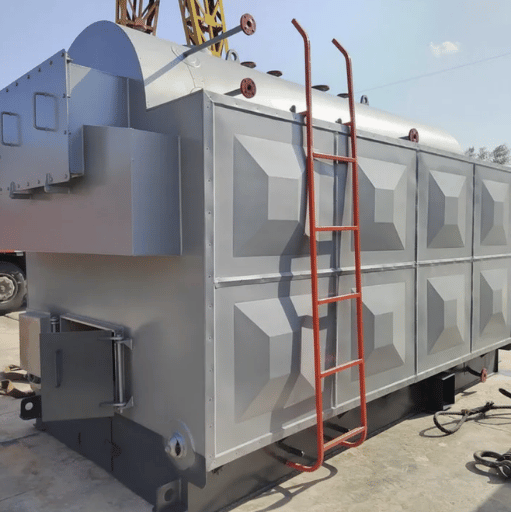
Choosing your biomass boiler to suit your site is determined by your thermal requirements, fuel quantities available and any operational considerations. Below is a decision checklist of key parameters:
- ✔
Steam/Hot Water Demand: Calculate peak and average thermal load in TPH or MMBtu/hr. Size the boiler at 110–120% of peak demand to allow for load fluctuations. - ✔
Fuel Type: Match the combustion system (grate type, fuel feed mechanism) to your primary feedstock. A boiler designed for pellets will perform poorly on raw wood chips without modifications. - ✔
Available Space: Biomass boilers require more footprint than diesel units due to fuel storage, conveyors, and ash handling equipment. Plan for 3–5 times the floor area of the existing diesel system. - ✔
Emission Regulations: Verify local air quality permits. Some jurisdictions require environmental impact assessments for new biomass installations above certain capacity thresholds. - ✔
Automation Level: Fully automated feeding, combustion control, and ash removal reduce labor costs but increase capital investment. For plants running 24/7, full automation pays for itself within 12–18 months. - ✔
Certification: Ensure the boiler carries certifications relevant to your market—ASME for North America, CE for Europe, and ISO 9001 for quality management systems.
For facilities currently running diesel boilers in good structural condition, retrofitting is almost always more cost-effective than purchasing a new biomass unit. A qualified boiler manufacturer or consultant can assess whether the existing boiler shell and power plant infrastructure support the conversion. Taiguo Boiler provides free conversion feasibility for industrial plants with boiler capacities from 1 to 75 TPH.
Both of these options would require a separate biomass fuel boiler, but choosing the correct configuration would be influenced by the fuel availability, production rate and expansion plans. CHP (combined heat and power) configurations function as biomass power generators, combining power generation with process heat to improve overall energy yield from a biomass fuel.
Frequently Asked Questions
Q: How much does a diesel to biomass conversion cost?
View Answer
Typical conversion costs fall between $50,000 and $300,000 for industrial boilers in the 2-20 TPH range. Final pricing depends on boiler size, the extent of required modifications, fuel handling infrastructure, and emission control equipment. Retrofit conversions usually cost 30-50% of what a brand-new biomass boiler system would.
Q: What is the payback period for switching from diesel to biomass?
View Answer
Most plants see payback in 2-5 years. Those with cheap local biomass and over 5,000 annual operating hours often hit break-even in under two.
Q: Can any diesel boiler be converted to biomass?
View Answer
Most fire-tube and water-tube diesel boilers of sound condition are converted. The essential requirement is that the boiler shell and pressure vessel are tested. Boilers older than 20 years old, or heavily corroded boilers, may be candidates for complete replacement.
This is decided at a site assessment by a competent boiler engineer.
Q: What biomass fuel types work best for industrial boilers?
View Answer
Wood pellets are the most efficient (85-90%) and need the least maintenance because of their uniform size and low moisture content. For plants with enough on-site storage, wood chips are the cheapest option per MMBtu of heat delivered. Agricultural residues — rice husk, bagasse, straw — suit facilities near farming regions, but the boiler grate and ash systems must handle their higher ash content (up to 20% for rice husk). Briquettes fall between pellets and raw biomass in both cost and handling ease.
Q: How does biomass boiler efficiency compare to diesel?
View Answer
The thermal efficiencies of diesel boilers are generally 87-92%. Those of a biomass boiler fed with wood pellets vary 85-90%. Those of a boiler fed with wood chips or agricultural waste vary 70-82% depending on fuel moisture.
Biomass thermal efficiency is slightly lower, but this is more than offset by the much lower fuel cost per unit of energy supplied.
Q: What permits are needed for biomass boiler operation?
View Answer
Requirements vary by country but typically include an air quality or emission permit, a boiler operation license, and in some cases an environmental impact assessment for larger units. Many countries allow faster permitting for biomass boilers that have proper emission controls installed. Talk to your local environmental agency or a boiler consultant before starting.
Ready to Convert Your Diesel Boiler to Biomass?
Taiguo Boiler offers free on site evaluation of conversion possibilities for industrial plants across the globe. Our experienced engineers will assess your existing system, advise on the right feedstock, and deliver turnkey-from design to commissioning.
About This Analysis
Taiguo Boiler has been producing industrial boiler systems since 1976, and has hundreds of installations in factories across more than 100 countries, serving food processing, chemical, textile, and energy industries. Conversion cost and efficiency data mentioned in this guide are from public government and industry research reports. fuel prices are published market prices in 2024-2025 timeframe, which can differ depending on locality.
We advise readers to request a site-specific assessment prior to making conversion investment decisions.
References & Sources
- U.S. Diesel Fuel Prices — U.S. Energy Information Administration (EIA)
- IEA Bioenergy Annual Report 2024 — International Energy Agency Bioenergy
- GHG Emission Factors Hub 2025 — U.S. Environmental Protection Agency (EPA)
- Emissions from Biomass Combustion — Task 32 Report (2024) — IEA Bioenergy
- Biomass Boilers for Industrial Process Heat — Energy Efficiency and Conservation Authority (EECA), New Zealand
- Operational Problems in Biomass Combustion — European Biomass Industry Association (EUBIA)
- Greenhouse Gas Equivalencies Calculator — U.S. Environmental Protection Agency (EPA)