Get in Touch with Taiguo

DZL Series Biomass Steam Boiler Technical Specifications

Contents
show
The DZL Series Biomass Steam Boiler functions as the best sustainable energy-efficient industrial steam generation solution. The advanced boiler system operates as an eco-friendly solution which uses renewable biomass fuel to deliver environmental advantages and help industries achieve their sustainability goals through reduced operating costs. The blog post examines all elements which exist in the DZL Series while showing its complete technical details and performance capabilities. The article demonstrates how the DZL Series provides sustainable energy solutions that effectively meet your energy needs whether you want to switch to biomass or research new energy technologies.
Key Takeaway
The DZL Series represents a high-efficiency, single-drum, horizontal three-pass water-fire tube boiler designed for rapid installation and versatile biomass fuel consumption, offering industries a carbon-neutral path to reliable steam generation.
Introduction to DZL Biomass Steam Boilers

Overview of Biomass Boilers
Biomass boilers function as specialized heating systems which generate heat and energy through the combustion of organic materials that include wood and agricultural waste and dedicated energy crops. These systems function as eco-friendly alternatives to conventional fossil fuel boilers because they generate heat from renewable resources which decreases greenhouse gas emissions and decreases reliance on fossil fuels.
The operational process of a biomass boiler is straightforward. The combustion chamber burns biomass fuel which produces heat that the system transfers to either water or another working fluid. This process produces steam and hot water which people use for heating systems and industrial processes and electricity generation. The performance of biomass boilers reaches efficiency levels that match conventional boilers when their fuel quality and system design and maintenance practices are optimized.
Sustainability stands as the main advantage which biomass boilers provide to society. The use of renewable materials which local communities produce enables them to support energy independence while creating a circular economy. The organization operates carbon-neutral fuel systems which enable them to reduce greenhouse gas emissions and achieve climate change mitigation. The organization needs to establish effective management methods which include fuel sourcing and emissions control to achieve optimal environmental results while maintaining long-term operational success.
What is the DZL Series?
The DZL Series includes a collection of fuel systems which operate with high efficiency while delivering environmental protection through sustainable energy production. The systems enable organizations and communities to decrease their dependence on fossil fuels through their design which supports renewable energy resource utilization. The DZL Series enables renewable energy sources to create energy independence while supporting the development of circular economic systems through its use of regional materials and renewable resources.
The main characteristic of the DZL Series system exists as its mission to decrease greenhouse gas emissions. The systems function with carbon-neutral operation because their carbon dioxide emissions during use match the carbon dioxide captured throughout the entire fuel production process. The system achieves carbon neutrality which serves as a fundamental element for climate change mitigation and environmental protection success throughout the entire operational period of the system.
The DZL Series system promotes resource use efficiency together with sustainable system operations. The systems achieve their environmental performance goals through their implementation of advanced fuel sourcing methods and emissions control solutions which deliver top operational results. Organizations can use the DZL Series system which combines three essential aspects to create a powerful method for tackling worldwide energy problems together with climate change issues.
Importance of Steam Boilers in Industry
Industrial operations depend on steam boilers because these systems produce high-temperature steam needed for various industrial processes. Manufacturing and chemical production and food processing industries use steam boilers to operate their machines and to sterilize equipment and to perform heating and drying and distillation processes. The system provides industrial facilities with specialized solutions through its ability to handle various operational demands.
Steam boilers serve an essential function because they provide energy support to companies that require high energy consumption. The systems deliver continuous dependable power which enables businesses to maintain their operational activities while their productivity levels remain intact. Modern steam boilers achieve their designed purpose through fuel optimization which decreases energy losses while delivering eco-friendly results at high efficiency levels.
Steam boilers create safe work environments because they provide precise heat and steam control through their ability to operate under controlled conditions. The system protects workers by decreasing the chances of dangerous events through two methods. Industries that need strong thermal energy systems use these products because of their three key features which include flexibility and effectiveness and dependable performance.
Technical Specifications of DZL Chain Grate Biomass Boilers

Design Features and Components
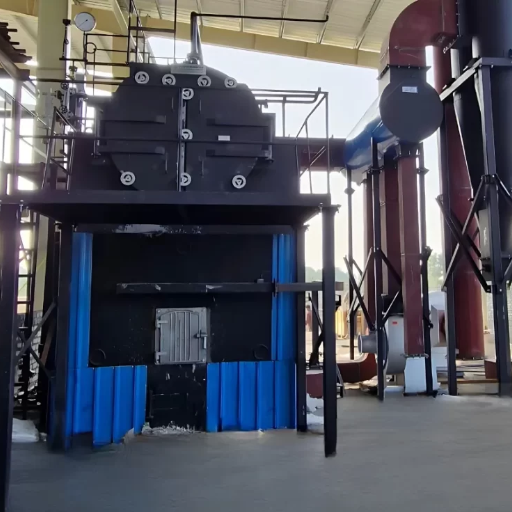
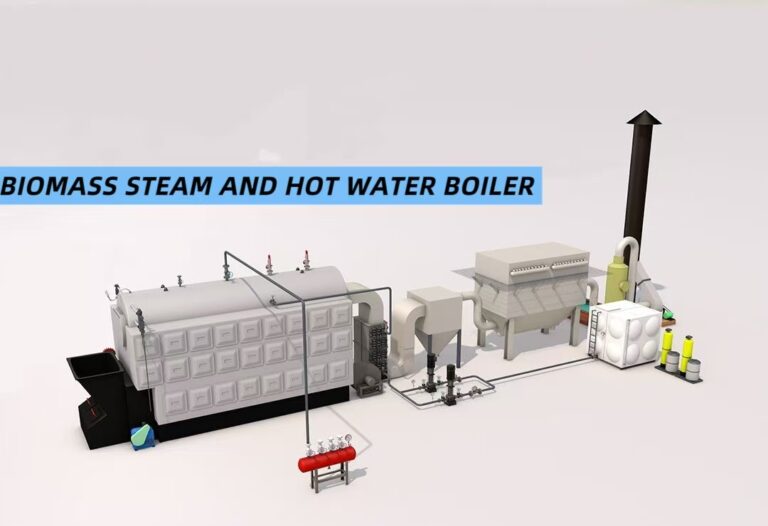
The DZL chain grate biomass boilers achieve their design purpose of delivering high efficiency and long-lasting performance through their operation in multiple industrial settings. The system employs a chain grate system that delivers stable fuel combustion, which enables the system to distribute biomass fuel into combustion areas throughout the combustion process. The design converts energy through efficient methods while producing lower emissions, which meets current environmental protection requirements.
The boiler operates through a heat exchange system that delivers high performance levels, which enables maximum heat transfer efficiency and complete heat retention during energy conversion. The water tube system has been designed with optimal tube placement, which enables the system to achieve uniform heat distribution and produce steam with high efficiency. The boiler system functions through an advanced control system, which allows operators to control both heat and steam output, while maintaining safe operations during all operational conditions.
The boiler construction employs materials that engineers designed to withstand extreme conditions, which results in strong protection against both corrosion and physical damage. The system delivers continuous operational functionality, which requires minimal upkeep throughout its entire service life, including tough industrial operation periods. The streamlined design of DZL chain grate biomass boilers, combined with their strong system components, delivers an economical thermal energy solution that meets industrial requirements for reliable heating systems.
Thermal Efficiency and Performance Metrics
82% – 88%
Thermal Efficiency Range of DZL Series Boilers
The DZL biomass steam boiler system demonstrates its thermal efficiency through the specialized design of its chain grate system and its improved combustion method. The boilers achieve efficiency rates of 82 to 88 percent through their various fuel options and their specific operating environments. The design achieves complete combustion in the furnace because it distributes air and fuel evenly which results in maximum heat production and minimum energy waste. The use of economizers together with heat recovery systems enables better energy efficiency because these systems decrease fuel needs while delivering constant operational output.
DZL biomass steam boilers operate efficiently under various industrial loading conditions according to their performance measurement system. The equipment operates safely under high-pressure conditions while generating heat at a pace which makes it appropriate for operation in textile and chemical and food processing sectors. The boilers achieve their highest operational efficiency through reduced emissions technology while meeting all environmental protection standards. The combination of sustainable practices and high-performance capabilities makes DZL biomass steam boilers an effective solution for industrial thermal energy needs.
Comparison with Other Boiler Types
| Boiler Type | Fuel Source | Sustainability Level |
|---|---|---|
| DZL Biomass | Renewable (Chips, Pellets, Residue) | High (Carbon Neutral) |
| Coal-Fired | Non-Renewable Fossil Fuel | Low |
| Gas-Fired | Natural Gas | Medium |
Biomass steam boilers provide a better environmental solution than traditional coal-fired boilers. Biomass boilers achieve their environmental benefits through their renewable fuel sources, which include wood chips, agricultural residues, and pellets. The use of biomass fuels helps reduce fossil fuel consumption, which leads to more sustainable energy production.
Gas-fired boilers, which operate efficiently and have wide market adoption, use non-renewable natural gas as their main fuel source, which renders them less sustainable than biomass boilers throughout their operational life. The price changes of natural gas lead to higher operational costs for gas-fired systems. Biomass boilers enable fuel cost reduction because they can use locally sourced materials, which also allows for waste product utilization.
Electric boilers generate clean power without producing emissions during their operation, but their environmental benefits depend on the type of electricity used. The environmental advantages of these systems become diminished when electricity comes from coal or fossil fuels. Biomass boilers provide continuous energy generation through renewable biomass materials, which produce less environmental damage than other energy production methods. Industrial thermal energy requirements can be met through biomass steam boilers, which provide a solution that achieves operational effectiveness and cost savings and environmental preservation.
Operational Advantages of DZL Series Biomass Boilers

High Efficiency and Cost-Effectiveness
Biomass boilers demonstrate their ability to transform renewable biomass materials into usable energy through their high-efficiency performance. The system design uses advanced technology to achieve maximum energy efficiency by reducing heat losses during equipment operation. Biomass boilers exceed standard fossil fuel system efficiency because their advanced combustion technology and thermal management systems enable better energy conservation and operational efficiency.
The cost aspect of biomass solutions presents another major benefit. Biomass materials which include wood pellets and agricultural residues and organic waste products present users with cheaper and more accessible options when compared to fossil fuels. The business will achieve more economical equipment expenses because they will decrease through time. Users who switch to biomass energy solutions can benefit from financial support programs which include subsidies and tax benefits that many regions provide for renewable energy system implementation.
The business achieves environmental benefits through its operational cost reductions. Biomass boilers produce fewer greenhouse gas emissions than fossil fuel systems which enables their operation to support worldwide sustainability objectives. The systems enable businesses to achieve fuel savings while meeting environmental regulations, which results in sustainable operations that protect the planet.
Environmental Benefits of Biomass Fuel
The environmental advantages of biomass fuel exist because it serves as a renewable energy source that emits less pollution than fossil fuels. The use of agricultural residues together with wood and organic waste as biomass fuel leads to a decrease in our reliance on non-renewable energy sources. The practice of biomass burning results in lower carbon dioxide emissions than coal and oil because it uses renewable resources while protecting natural resources that exist in limited supply.
Biomass fuel generates another important advantage through its power to transform waste materials into energy which decreases the amount of waste that needs to be sent to landfills. Landfills can use organic waste because it generates methane emissions to produce energy instead. The process of a circular economy requires waste materials to be transformed into reusable materials which helps decrease environmental pollution while advancing sustainability.
Biomass energy systems reduce air pollution by using biomass as fuel which produces fewer sulfur dioxide emissions and particulate matter emissions that normally result from fossil fuel burning. The production of biomass from sustainable natural resources enables its usage to support worldwide initiatives dedicated to developing cleaner energy solutions and fighting climate change. Biomass offers multiple benefits which establish it as a crucial component in developing sustainable energy solutions for the future.
Flexibility in Fuel Options: Rice Husk, Wood, and More
Biomass energy sources provide multiple fuel choices which include rice husk wood agricultural residues and organic waste. The various materials used in biomass systems create an energy solution which can match local requirements through its ability to use different resources. Energy production from rice husks enables efficient waste disposal through sustainable methods which create energy from this rice industry byproduct. Wood functions as a biomass fuel source which comes from both forestry waste and specialized energy crops to provide extensive energy resources.
Biomass fuels become more attractive as energy sources because of their ability to adapt to different situations. Biomass systems can use organic waste materials which different regions produce because each area generates distinct types of organic waste. The system enables organizations to decrease their need for outside fuel sources while converting waste materials into valuable energy resources to support circular economy initiatives. Biomass energy maintains its viability because multiple fuel choices enable power generation through biomass, which continues to operate despite changing resource availability caused by environmental or economic developments.
The ability to choose different fuels for biomass operations helps the process decrease carbon emissions across its entire operation. Biomass energy systems use agricultural residues and rice husks as waste products to stop these materials from decomposing, which would release methane, a strong greenhouse gas, into the environment. Biomass fuels from wood enable sustainable carbon cycling because their combustion emissions match the carbon absorbed through plant development. Biomass functions as a pure renewable energy source which generates clean energy through its efficient energy production process.
Disadvantages and Considerations

Limitations of Biomass Fuel
Biomass fuel possesses renewable qualities yet presents multiple drawbacks which require thorough examination. The main issue associated this method involves its ability to change how land exists and to cause forest areas to disappear. Energy crop establishment needs extensive land clearing operations which results in destroying natural environments and decreasing animal population numbers. The practice competes with agricultural land which farmers need to cultivate food crops thus causing food prices to rise while creating dangerous situations for food security throughout specific areas.
The process of burning biomass fuel creates two major environmental problems which limit its use. The public perceives biomass as a carbon-neutral fuel source yet its combustion process releases dangerous substances which include particulate matter and volatile organic compounds that harm air quality. Emissions from the process create major problems for areas which lack proper systems to manage environmental pollutants. The process of moving and processing biomass materials results in extra emissions which contribute to greenhouse gases.
The widespread adoption of biomass fuel faces two main obstacles which stem from economic factors and operational difficulties. The expenses for biomass production and transportation become extremely high especially in areas which lack access to biomass materials. The system needed to transform biomass into energy requires comprehensive financial resources for its construction. The operational expenses of renewable energy systems function as the main barrier which biomass needs to overcome in order to compete against solar and wind energy sources that show lower operational expenses and simpler extraction methods.
Maintenance Challenges and Requirements
Biomass energy systems need maintenance because they face technical problems and logistical difficulties. The system requires continuous maintenance to keep its feeders and boilers and turbines operating at their best performance. The system needs routine inspections and cleaning to prevent residue accumulation which will eventually endanger system performance and operational safety. The maintenance process needs to include monitoring mechanical parts for signs of damage which will require replacement at specific intervals to keep the system functioning properly.
The main difficulty involves finding the right balance between maintenance expenses and achieving operational targets. Biomass plants require specialized staff for both their operation and maintenance tasks because their systems involve greater operational complexity than solar or wind facilities. The operation of biomass facilities requires constant management because this process involves all aspects of feedstock which includes transporting and storing biomass materials. Efficient feedstock management plays a critical role in reducing costs which helps to ensure system reliability.
Maintenance needs arise from environmental issues. Biomass energy systems produce emissions and waste byproducts which require proper management to meet environmental regulations. Emissions control equipment which includes filters and scrubbers needs regular maintenance to operate properly. Biomass energy systems can enhance their long-term sustainability by solving their maintenance problems which will help them compete better against renewable energy sources such as solar power and wind energy.
Safety Considerations for Operation
Biomass energy systems require dedicated work to protect their personnel and equipment and environmental safety. The most critical step is adhering to established safety protocols during operation and maintenance. All operators should receive comprehensive training about system functions emergency shut-offs and proper handling of materials used in the biomass conversion process to prevent accidents and misuse.
Another key consideration is the management of combustible materials. Proper storage and management practices are essential to prevent fire hazards which arise from the flammable materials present in biomass systems. The organization needs to develop specific procedures which establish storage and handling protocols and disposal methods for biomass feedstock and byproducts to minimize fire risks. Organizations can achieve effective emergency response through installation of fire extinguishing systems and execution of safety drills which occur at regular intervals.
Research shows that organizations need to preserve air quality while controlling emissions to create secure workplace environments. Biomass systems produce gases which require proper management because they may contain dangerous pollutants. Operators should conduct regular checks of their emission control systems which include filters and scrubbers to maintain operational efficiency. The combination of safety inspections and environmental standard compliance leads to decreased health risks for workers and local residents which creates a safer and more sustainable operation.
Maintenance and Safety Regulations

Safety Protocols for DZL Series Biomass Boilers
- 1
Pre-Use Inspection
Examine all equipment components for indications of deterioration and test safety systems such as pressure relief valves. - 2
Personnel Training
Ensure staff are trained in system controls, emergency shutdowns, and troubleshooting methods through regular drills. - 3
Area Organization
Keep combustible materials away and maintain ventilation to stop gas accumulation.
Regulatory Compliance for Biomass Fired Boilers
The safe operation of biomass-fired boilers requires compliance with environmental regulations, which also protect public safety during boiler operation. The first step of compliance requires organizations to follow the emission limits established by local and international regulatory authorities. The limits control pollutants which include particulate matter and nitrogen oxides and sulfur oxides that result from biomass combustion. The standards require facilities to conduct regular emissions testing and install pollution control equipment which includes filters and scrubbers.
The operators of boilers must follow regulations that require them to conduct scheduled maintenance and safety inspections of their equipment. The process includes three steps which involve checking pressure vessel integrity and testing safety valve operation and inspecting fuel storage systems for leaks or fire hazards. Organizations create a compliance demonstration through documentation of their inspection and maintenance activities while using this information to identify operational hazards before they occur.
⚠️ Important Note
Organizations must only use environmentally sustainable biomass materials that receive official government approval and must source from certified providers to remain compliant with fuel quality regulations.
Frequently Asked Questions (FAQ)
Q: What is a DZL biomass steam boiler and how does it differ from other steam generators?
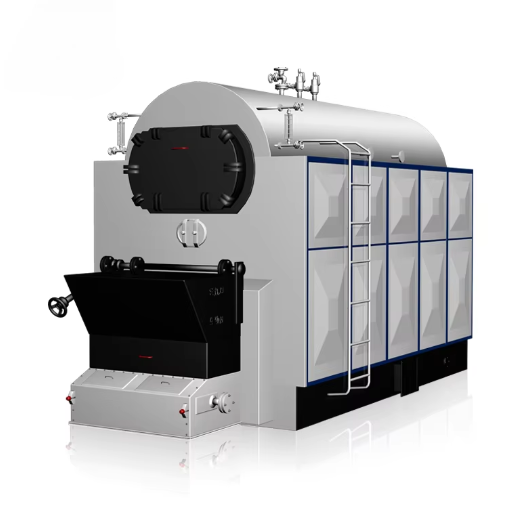
A: The DZL biomass steam boiler operates as a dzl series biomass steam generator because it uses a horizontal three-pass water-fire tube chain grate system for its steam production. The DZL series chain grate boiler operates with a single drum design which uses a chain grate stoker system to burn both biomass and wood biomass fuels. The system uses a large furnace and radiant heating surface together with threaded smoke tubes to deliver efficient heat transfer as a dzl series quick-installed boiler that enables fast boiler room setup.
Q: How does the chain grate system work in a DZL series chain grate boiler?
A: A chain grate boiler designed for biomass uses a chain grate stoker to feed solid fuel across the combustion equipment bed. The variable control of the grate allows staged combustion of wood fired steam boiler fuels or other solid fuel, optimizing residence time and heat release. Flue gas generated rises through smoke tubes and threaded smoke tubes for convective heating in a three-pass layout, improving thermal efficiency compared with simple single-pass designs.
Q: What fuels can be used in a DZL biomass steam boiler?
A: The DZL boiler operates as a common system which burns various biomass fuels that include wood biomass and agricultural leftovers and other solid fuel materials. The boiler uses chain grate technology to burn biomass but its various designs permit operation with multiple fuel types which operate in a manner similar to coal steam boilers thus enabling power plants and industrial facilities to use different fuels.
Q: What are the main characteristics and benefits which the dzl series quick-installed boiler delivers to its users?
A: The dzl series quick-installed boiler operates as a horizontal boiler system which needs less time to install compared to other boiler systems. The system features a single drum design together with threaded smoke tubes and a three-pass water-fire tube chain grate system which operates through its extensive furnace capacity and radiant heat surface that achieves high thermal efficiency and uses strong combustion equipment. The design elements enable production of superheated steam which maintains consistent functioning for both printing and dyeing operations and other industrial boiler systems.
Q: How important are threaded smoke tubes and convective heating in the DZL design?
A: Threaded smoke tubes for convective heating serve as vital components in various DZL designs because their implementation increases both heating area and flue gas flow turbulence which enhances thermal exchange. The boiler design achieves better energy recovery from flue gas through its threaded smoke tube system which also lowers exhaust temperatures while enhancing efficiency of the three-pass water-fire tube chain grate system used for industrial heating and steam generation.
Q: Does a DZL biomass steam boiler generate superheated steam and what factors define this process?
A: Certain DZL models produce superheated steam when equipped with proper superheater sections and built for higher steam temperature operation. The boiler design needs three-pass horizontal three-pass configuration along with sufficient heating surface area and correct smoke tube flue gas routing to achieve superheated steam production while the chain grate combustion control must deliver necessary flue gas temperatures.
Q: Is a DZL boiler suitable for applications like printing and dyeing or other industrial processes?
A: The DZL biomass steam boiler functions as an industrial boiler solution for both printing and dyeing operations and food processing and manufacturing industries which require dependable steam production. The boiler operates through a stable drum design that incorporates threaded smoke tubes and provides efficient heating capacity through its extensive heating surface and its large furnace system which accommodates different operational load patterns and specific thermal requirements of industrial procedures.
Q: What maintenance and operational considerations are there for a water-fire tube chain grate boiler?
A: Maintenance includes regular inspection of the chain grate mechanism and cleaning of smoke tubes and threaded smoke tubes to prevent flue gas fouling and checking combustion equipment and grate movement for wear and monitoring the radiant and convective heating surfaces for corrosion. Proper fuel preparation for wood fired or other solid fuel and control of the grate feed rates are essential for efficient combustion and long service life.
References
-
Biomass Torrefaction System Study
A study from MIT discussing biomass torrefaction systems in low-oxygen environments, which can be relevant for understanding biomass boiler efficiency.
Read more here -
Optimizing Waste-To-Energy Boiler Performance
A comprehensive life cycle assessment and efficiency enhancement strategies for biomass boilers, focusing on waste-to-energy applications.
Read more here -
Alternative Fuels for Sustainable Combustion
This paper explores the use of biomass and low-grade fuels in boilers, emphasizing emission reduction and efficiency.
Read more here - DZL Series Biomass Fired Hot Water/Steam Boiler