Get in Touch with Taiguo

How to Choose the Right Biomass Boiler for Your Industry

Contents
show
The selection process for biomass boilers which suits your industrial needs represents a vital decision which determines your operational capabilities and energy performance and sustainability objectives. The rising environmental issues together with increasing energy expenses prompt businesses to adopt biomass boilers as their environmentally friendly and budget friendly solution. The available options present a challenge because you need to identify which option best suits your particular requirements. The guide consists of essential factors which you need to examine starting from your energy requirements assessment and fuel type evaluation to the making process of your final decision. The article provides essential information for your industry power needs whether you are new to biomass technology or want to enhance your current system.
Key Takeaway
Selecting the right biomass boiler involves a comprehensive evaluation of your specific energy demands, available fuel types (pellets, chips, or logs), and long-term financial incentives to ensure a sustainable and cost-effective transition from fossil fuels.
Understanding Biomass Boiler Systems
What is a Biomass Boiler?
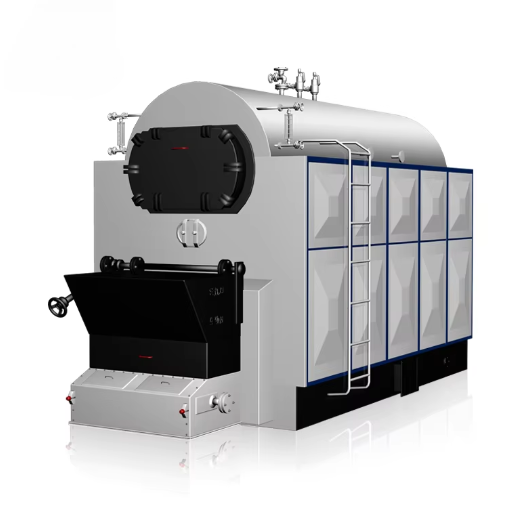
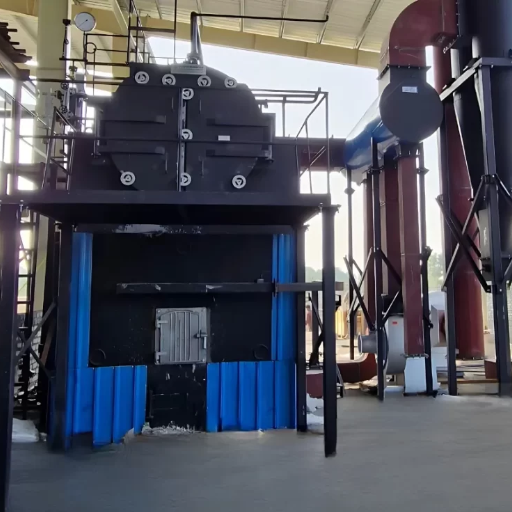
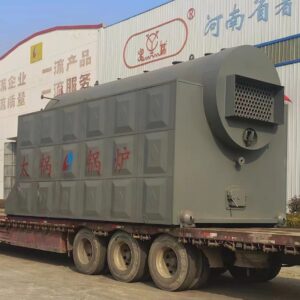
A biomass boiler operates as a heating system which produces both heat and energy through the combustion of organic materials that people identify as biomass. The materials suitable for this process include wood pellets and wood chips and logs and all types of organic waste which includes agricultural residues. The process of combustion releases the energy stored in the organic materials which is then used to produce hot water or steam for heating purposes.
Biomass boilers operate with greater environmental protection because their design differs from the operation of standard fossil fuel boilers. The system emits lower carbon emissions because it releases carbon during combustion at a rate which matches the amount of carbon that plants absorb during their growth period. Biomass becomes a renewable energy source because plants absorb carbon dioxide during their growth which creates a balance between absorbed and emitted carbon during combustion.
The systems possess flexibility to support different needs because they can operate in residential areas and commercial facilities and industrial environments. The system uses locally harvested biomass to create energy which decreases the need for imported fuels and enhances energy independence. The boiler system needs proper biomass fuel maintenance and storage because these factors determine its operational effectiveness and dependable performance throughout its operational lifetime.
How Biomass Heating Works
Biomass heating operates by transforming organic materials into thermal energy through the combustion process of wood and crops and agricultural waste. The biomass fuel, which consists of these materials, gets incinerated by a biomass boiler system to generate thermal energy that serves residential heating needs and water heating requirements and industrial process demands. The process produces energy through sustainable methods because combustion releases carbon dioxide, which plants absorb during their growth cycle.
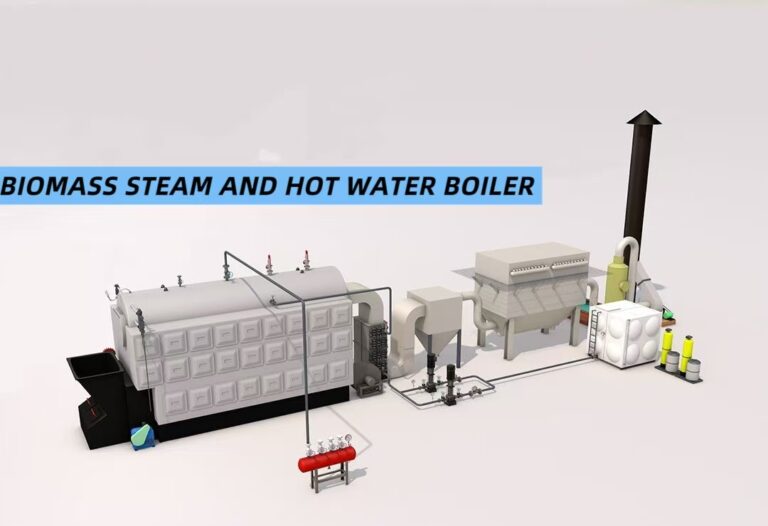
Biomass fuel collection and preparation marks the start of the entire system operation. The collection may contain dried wood chips and pellets, along with any other compacted organic matter. The boiler receives prepared biomass, which gets ignited to produce heat through combustion. The generated heat gets transferred to either water or air, which circulates through the heating system to provide space heating and hot water. Some advanced biomass boilers also recover waste heat from the flue gases, which enables them to operate at higher efficiency levels while using all available energy resources.
Biomass heating systems produce less greenhouse gas emissions throughout their entire lifecycle because they depend on renewable resources, which makes them more eco-friendly than fossil fuels. The system needs constant upkeep, while users must store biomass fuel correctly, because any moisture contact will lead to fuel quality loss. Biomass heating systems produce two main benefits, which include energy cost reduction and carbon emission reduction, while they help users achieve energy independence.
💡
Pro Tip
Always ensure your biomass fuel is stored in a dry, well-ventilated area. High moisture content significantly reduces combustion efficiency and can lead to increased ash production and system wear.
Types of Biomass Boilers
The various biomass boiler types exist to meet different heating requirements and operate with distinct fuel types. The primary biomass boiler types consist of log-fed systems and pellet-fed systems and chip-fed systems. The different systems operate with distinct fuel types and their automation capabilities and maintenance needs.
- Log-Fed Biomass Boilers: The simplest biomass heating system exists in log-fed boiler design. The system requires manual log loading into its combustion chamber which makes it appropriate for people who have sustainable wood resources. The system needs regular fuel supply because of its less expensive installation costs which leads to more frequent system checks.
- Pellet-Fed Biomass Boilers: The pellet boiler system offers automated functionality through its use of compressed wood pellets as fuel. The pellet system uses automated fuel feeding which makes it easier for users to operate compared to log boiler systems. The boilers operate with high efficiency while producing very small amounts of ash which makes them suitable for residential and small commercial applications.
- Chip-Fed Biomass Boilers: The chip-fed system provides heating capacity for larger commercial and industrial applications. The system burns wood chips which represent a less processed and more economical option than wood pellets. The system provides two operational modes through which users can choose between semi-automated or fully automated operation for facilities that require high heating capacity.
Assessing Your Heating Requirements
Determining Domestic vs. Commercial Needs
The first step to determine the proper use of a biomass boiler at residential or commercial sites begins with evaluating heating requirements for the specific installation. Domestic systems require smaller equipment which provides sufficient heating capacity to two residential buildings. The residential area benefits from these boilers because they need less space for fuel storage and operate at lower capacity while requiring simple maintenance tasks.
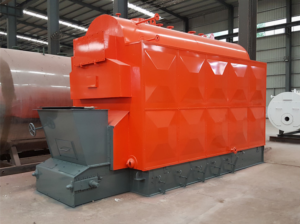
Commercial systems exist to meet the substantial heating requirements of all educational institutions and office buildings and manufacturing plants which need constant temperature control. The systems include high-capacity boilers together with fully automatic operational functions which maintain their performance throughout all operational periods. The commercial systems need additional room for their fuel storage requirements and they demand higher expenses for their system setup and operational needs.
You need to assess three factors of your property which include heating requirements and equipment space and installation budget. You should get a professional assessment to measure your energy needs because it will help you choose the best biomass boiler system between domestic and commercial options for your particular needs.
Calculating Heat Demand
Your heat demand calculation requires you to find out how much energy your property needs for heating throughout the entire year. The assessment needs to examine three main aspects which include the size of your property and the effectiveness of its insulation and the weather conditions of your area. The professional energy assessment will use precise measurements to obtain results that enable accurate energy calculations based on your property’s fixed elements.
You should assess how well your existing heating system operates before comparing its output capacity to what biomass boilers can provide. The energy efficiency difference between the two systems will enable you to forecast the biomass boiler fuel consumption needed to satisfy your heating requirements. You should analyze seasonal patterns because they affect energy consumption during peak periods which occur in the winter season.
The heat demand information will help you select a biomass boiler which meets your specific requirements. Domestic systems are suitable for smaller properties with moderate energy needs, while commercial options cater to larger spaces requiring substantial heat output. The system requires you to match your property’s heat requirement with the boiler capacity because this process enables maximum efficiency and cost-effective operation.
Space Requirements for Biomass Heating Systems
The installation of a biomass heating system requires space assessment which needs to include both the boiler unit and its connected fuel storage area. The design of biomass boilers requires an extra combustion chamber and heat exchanger which makes them larger than standard gas or oil boilers thus requiring dedicated space which should be established in either a plant room or utility area. The system needs this design to achieve both safe operation and efficient performance while fulfilling all established design standards.
The storage area needed for biomass fuel depends on the fuel type which includes wood pellets and chips and logs. Wood pellets require wood pellets storage which needs a silo or hopper system that operates automatically and needs space close to the boiler. Logs require a weatherproof outdoor space which needs to be bigger for their manual feeding process and to keep the wood safe from rain. The storage area needs to have space which enables delivery trucks to access it and for refueling operations to take place.
The system requires proper ventilation and necessary clearance space to maintain safe operations while enabling maintenance work to occur. Space requirements should be planned to achieve maximum efficiency while using area and to avoid future operational problems. Consulting with a qualified installer or heating engineer ensures compliance with safety and efficiency standards while addressing specific property needs.
Financial Considerations for Biomass Boiler Selection
Initial Costs of Biomass Boilers
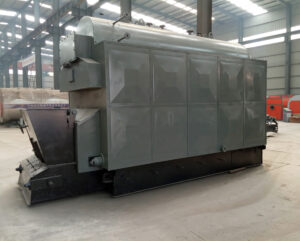
The initial costs of biomass boilers are typically higher than conventional fossil fuel boilers. The expenses include the boiler purchase price which depends on the property required size and model. The upfront costs of small-scale domestic systems are lower than those of large commercial systems although both types of systems need substantial initial funding. The initial costs of biomass systems increase because engineering and installation expenses include required system changes for fuel storage and specialized plumbing connections.
Fuel storage construction is an essential part of the initial investment. Biomass boilers require wood pellets and chips and logs as fuel which needs to be stored in a secure dry storage area. The cost of constructing or buying a storage unit becomes very expensive for larger systems yet it is essential for maintaining a steady fuel supply and operational efficiency. The required storage size and the selected fuel type will determine the total costs associated with these expenses.
Grants and financial incentives in some regions can help to offset these high upfront costs. Renewable energy technology adoption programs offer subsidies or tax benefits to support biomass boiler installations. The financial burden for homeowners and businesses who want to install biomass systems will decrease when they research and apply for financial support because these funds will make the investment more affordable.
Potential Savings on Fuel Costs
Biomass boilers provide substantial fuel cost reductions when compared to conventional heating systems. The primary reason is that biomass fuels, such as wood pellets, chips, or logs, are generally more affordable and stable in price than fossil fuels like oil or natural gas. This makes them an attractive long-term option, especially in regions where biomass resources are abundant and readily available.
Modern biomass boilers achieve fuel efficiency through their operational effectiveness. These systems produce maximum energy output from biomass fuel while they work to eliminate all waste materials. Their operational efficiency produces sustained fuel savings which decrease heating costs across their lifespan. The practice of using nearby biomass resources for fuel supply enables organizations to lower transportation expenses while reducing their need for imported fuels, which results in both economic benefits and environmental protection.
The financial advantages for households or businesses increase when they obtain access to renewable energy grants or subsidies. Biomass boilers become more cost-effective heating systems when incentives help to balance fuel expenses and deliver extra funding support. The savings created through these measures enable users to decrease their heating expenditures while they advance sustainable energy initiatives.
Available Incentives and Grants
The world needs to adopt renewable energy solutions like biomass boilers, so governments and organizations worldwide provide various financial incentives and grants to achieve this goal. The financial supports enable households and businesses to install sustainable technologies by decreasing their initial cost requirements. The common incentives provided by the programs include tax credits and rebates and direct subsidies which help to reduce installation expenses or provide rewards for energy-efficient outcomes.
Most incentive programs operate by providing financial support which helps businesses to decrease their continuous operational costs. The organization provides its clients with two options, which include making regular payments or receiving fuel cost subsidies that will fund their expenses for biomass materials. The organization provides some grants that directly support low-income families and small business owners, which enables them to use renewable energy technologies without any financial barriers. Government websites at local and federal levels publish comprehensive details about eligibility requirements and procedures for applying to their programs.
To access these programs effectively, it is essential to research eligibility requirements and deadlines specific to your location. Environmental agencies and official renewable energy organizations, provide resources that contain precise guidelines and tools, which assist applicants in determining their possible financial advantages. The users who utilize these incentives and grants will achieve two results, which include decreasing their biomass boiler expenses and making a positive impact on worldwide environmental objectives.
Installation and Maintenance
Installation Logistics for Biomass Boiler Systems
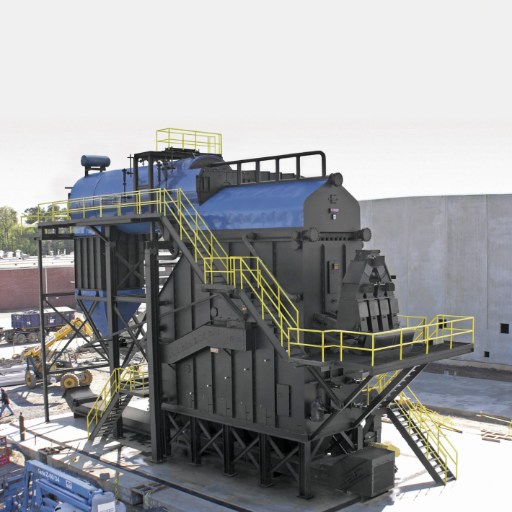
The successful installation of a biomass boiler system demands proper planning and preparation. The first step involves evaluating the installation site to confirm that it meets requirements for boiler equipment installation and fuel storage and delivery vehicle access. The installation site should also comply with any local regulations and building codes which may require consultation with a professional to confirm compliance. The selection of boiler placement should consider three factors which include ventilation needs and existing heating systems and maintenance access points.
The installation process normally requires the biomass boiler to be linked with existing heating and hot water systems which needs system adjustments for proper operation. The insulation of pipework functions to preserve heat while the system operates at its optimal efficiency level. The chimney system and flue system need to comply with safety regulations because they handle emissions. The reliable and secure installation process requires certified installers and experienced technicians who will check that all system components work together correctly.
The complete installation process needs system testing to verify operational performance for all system components. Users need training on how to operate and maintain the biomass boiler. System efficiency requires regular maintenance which includes both cleaning and inspection activities to extend the system’s operational life. Proper installation logistics enable the development of an economical and environmentally friendly heating system which supports environmental objectives.
Long-term Maintenance Needs
The biomass boiler system requires proper maintenance procedures to achieve efficient and reliable operation throughout its entire operational period. The maintenance schedule requires cleaning of combustion chambers and heat exchangers and ash removal systems to ensure uninterrupted operation and proper heat transfer performance. The system becomes inefficient when these maintenance tasks remain unperformed because it leads to equipment breakdowns.
The maintenance team must perform inspections at regular intervals to evaluate equipment condition which includes assessment of feed system parts and gasket components. The organization should replace components when they show signs of damage because this practice helps avoid expensive breakdowns and decreases operational interruptions. The organization should conduct inspections according to the manufacturer’s specifications while employing technicians who possess expertise in operating the particular system.
The boiler control system requires calibration because it serves as a vital component for maintaining operational efficiency. The organization needs to check both sensor devices and fuel supply systems to ensure they operate correctly because this enables better combustion efficiency and lower emission levels. Professional technicians should conduct annual service inspections to resolve system-related problems while validating compliance with local environmental protection and safety regulations.
Choosing the Right Feeding System
The proper feeding system selection needs to be done first before a biomass boiler can achieve its maximum operational efficiency and dependable performance. The selection process requires evaluation of three main factors which include biomass fuel type and boiler capacity and facility operating procedures. The feeding mechanisms need to be adjusted for solid fuels which include wood chips and pellets and agricultural residues because these materials present different challenges in maintaining fuel delivery.
The two most important considerations for evaluation purposes involve assessing the moisture content and particle size of the biomass material. High-moisture fuels require special feeding systems because they produce clumps that must be treated through pre-processing when they contain irregularly shaped or oversized particles. The feeding system needs to deliver fuel at a constant rate because this operational pattern helps to improve combustion efficiency while making maintenance tasks easier. The system performance shows better results when fuel type and system design components work together in proper alignment.
The evaluation process needs to assess both maintenance requirements and operational efficiency during system selection. Equipment maintenance becomes easier because the system provides simple access points which users can utilize for cleaning purposes. The project planning phase needs professional guidance from a qualified technician who will ensure that the feeding system meets both boiler specifications and legal requirements.
Combustion Technologies in Biomass Boilers
Overview of Combustion Methods
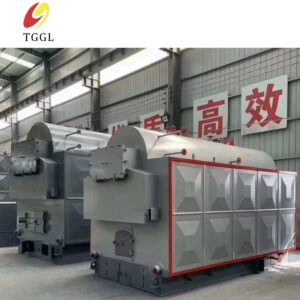
Biomass boilers use combustion methods through which biomass fuel is transformed into usable energy. Grate combustion and fluidized bed combustion and gasification stand as the primary combustion methods. The selection of different methods depends on the specific characteristics of biomass fuel and the operational needs of the boiler system.
Grate combustion is one of the most common methods used in which biomass fuel burns on a grate while air flows through the system to keep the fire burning. This method proves suitable for fuels that have higher moisture content because it allows for various size fuels which can be used in multiple biomass applications. The system functions through simple operations which require minimal expenses to operate making it suitable for systems of small and medium size.
In fluidized bed combustion, biomass particles stay suspended above a hot bed of sand or ash which people create through air flow. This method guarantees equal heat distribution while it improves material mixing processes which results in efficient operations that produce minimal emissions. The last method to describe gasification is an advanced technique which uses low-oxygen environments to heat biomass until it generates combustible gas which powers generators and heat systems. The gasification process enables users to achieve better energy efficiency while maintaining operational flexibility although it needs complicated systems and substantial upfront costs.
Fluidized Bed and Circulating Fluidized Bed Boilers
The operation of fluidized bed and circulating fluidized bed (CFB) boilers uses advanced technology to generate energy with high efficiency. The systems create a fluidized state through their design, which uses upward-flowing air to suspend solid fuel particles in the system. The system enables flexible fuel usage through its ability to burn multiple fuel types, which include biomass materials and coal and waste materials.
CFB boilers operate differently from standard fluidized bed boilers because their operational processes use different methods for maintaining combustion. The design of fluidized bed boilers uses low air velocities to keep particles contained within the combustion bed area. Higher air velocities in CFB boilers enable particles to move throughout the combustion chamber, which results in better heat distribution and improved combustion performance. CFB boilers operate efficiently for large-scale energy generation because they can process various feedstock materials and handle higher fuel quantities.
The two technologies provide environmental benefits through their ability to decrease pollutant discharge into the atmosphere. The low-temperature combustion process minimizes nitrogen oxide (NOx) emissions, while the addition of materials like limestone can capture sulfur dioxide (SO2), addressing key environmental concerns. The features of fluidized bed and CFB boilers establish them as dependable sustainable energy solutions that industrial operations can use to achieve cleaner energy objectives.
Emission Considerations
The industrial energy production process faces major emission problems, which fluidized bed and circulating fluidized bed (CFB) boilers successfully solve. The main goal of this research is to decrease emissions of three specific pollutants, which include nitrogen oxides (NOx) and sulfur dioxide (SO2) and particulate matter. The advanced combustion technologies of these boilers enable them to achieve better fuel efficiency, while their emissions reduction performance exceeds standard requirements.
The design of fluidized bed combustion systems uses low operating temperatures to decrease NOx emissions because these temperatures stop thermal NOx production. The use of in-bed additives, which include limestone, enables effective sulfur capture during combustion, which leads to lower SO2 emissions. The embedded capture process enables the system to function without requiring costly external desulfurization equipment, which increases operational efficiency.
Cyclone separators control particulate emissions because they remove small particles from exhaust gases before those gases enter the atmosphere. The integrated emission control systems of fluidized bed and CFB boilers provide industrial energy production with environmentally friendly and sustainable solutions, which meet current environmental regulations and objectives.
Frequently Asked Questions (FAQ)
Q: What are the key factors to consider in biomass boiler selection?
A: When evaluating biomass boiler selection you should consider fuel type and calorific value, required steam generation or heat output, boiler efficiency, amount of fuel available, space for installation, emissions limits and the desired degree of automation (fully automated systems or manual loading). The assessment process requires you to check boiler model options which a reputable boiler manufacturer provides. You must evaluate the environmental effects of the equipment which needs to be assessed against coal-fired boilers and gas boilers. The total costs over the equipment’s lifecycle include expenses for maintenance and future boiler upgrades which need assessment.
Q: How does choice of biomass and material selection affect boiler performance?
A: The combustion of biomass fuels together with their wood chip and pellet and agricultural residue forms results in specific ash content and calorific value which determines the boiler operation stability and efficiency. The furnace and heat exchanger material selection process requires materials which can withstand corrosion and fouling from various biomass types to achieve extended boiler operational periods and decreased maintenance interruptions. The industrial biomass boiler design needs to match the specific properties of biomass materials to provide customers with both affordable and dependable boiler systems.
Q: Can biomass boilers be integrated with combined heat and power (CHP) systems?
A: Combined heat and power systems or industrial combined heat and power systems can generate both electricity and heat through their operation with biomass boilers and EPCB boiler systems. The integration of combined heat and power systems improves cost efficiency and electricity output, yet it needs precise identification of boiler types, control systems, and plant operational links.
Q: How do automated systems and fully automated systems influence boiler operation and maintenance?
A: Automated systems in biomass boiler selection reduce manual loading, optimize biomass combustion, adjust air and fuel feed for stable operation, and enable remote monitoring. The ongoing operational costs of a system require a higher initial investment which needs specialized service from trained technicians and manufacturer support to achieve cost efficient performance throughout its operational lifespan.
Q: What environmental and regulatory considerations should influence a biomass boiler selection?
A: The evaluation needs to include four factors which are emissions limitations the technology’s capacity to decrease carbon emissions in comparison to standard heating systems and coal power plants and the renewable fuel source’s sustainable procurement and the regional government rules about particulate and NOx emissions. The selection process needs to choose a boiler design which enables biomass combustion management together with catalytic and staged combustion methods and efficient ash control systems to achieve environmental protection and permit compliance.
Q: What are the typical cost savings and economic drivers for choosing biomass boiler solutions?
A: Organizations save costs through three main elements which include affordable sustainable biomass fuel and renewable energy incentives and decreased carbon expenses and greater energy independence. Economic drivers include fuel availability, boiler efficiency, reduced dependence on fossil heating fuel, and potential revenue from power generation with CHP. The evaluation process requires organizations to compare initial capital requirements with their necessary fuel management needs against the advantages they will gain from reduced operational expenses.
Q: How should I select a boiler manufacturer and model for industrial biomass applications?
A: Select a boiler manufacturer who has developed industrial biomass solutions and can provide documented proof of his previous successful projects. The evaluation process requires you to test boiler models by using your intended fuel combustion methods to assess their performance in heating systems and steam production. The technical information about boiler efficiency and emissions and warranty details and spare parts availability must be reviewed to confirm that the chosen solution meets both performance requirements and regulatory standards.
References
-
An Introduction to Biomass Heating
This source from Penn State University Extension provides insights into commercial-scale biomass boilers and their applications in schools, hospitals, and office buildings.
Read more here -
Biomass Boilers for Space Heating
A document from UW–Madison Extension discussing the efficiency and heat output of biomass boilers for space heating applications.
Read more here -
Is Biomass Heat Right for You?
Another resource from Penn State University Extension that explores the feasibility of biomass boilers for operations with significant steam or hot water loads.
Read more here - DZL Series Biomass Fired Hot Water/Steam Boiler