Get in Touch with Taiguo

Industrial Biomass Boiler Selection Guide


Contents
show
The worldwide industries were prioritizing the transformation into green energy solutions, and biomass boilers are playing an important role for more sustainable operations. It is important to identify the prospective industrial biomass boilers to ensure better energy efficiency, smaller footprints of carbon, and, in the long run, lesser operational costs.
⚠️ Important Note
With tons of options available in the market but dangling operability specifications, the selection becomes quite a momentous task. This guide has been created to ease that process, furnishing the user with discovery factors and criteria for evaluating a meaningful decision. One will use the precious tips on understanding biomass fuel types and capacity of boilers and legal compliance issues for proper matching of the biomass boiler to the operational requirements.
Understanding Industrial Biomass Boilers

What Is an Industrial Biomass Boiler?
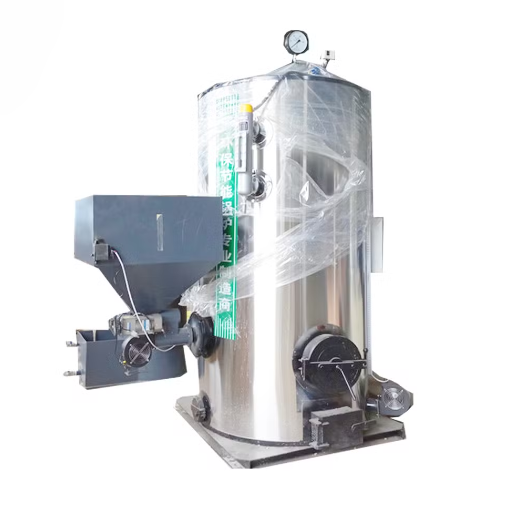
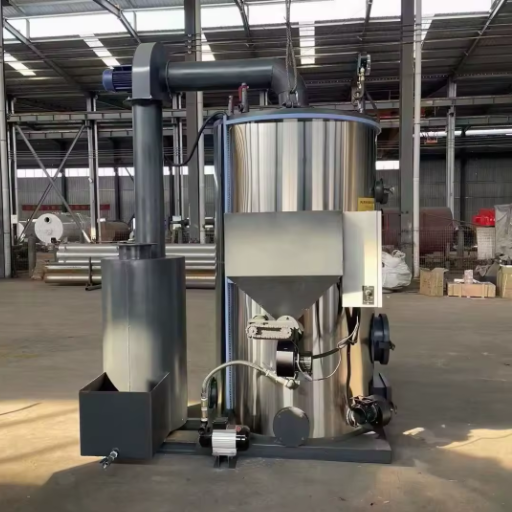
To say in some other words, an industrial biomass boiler is a sort of heating system being fired for receiving thermal energy or generating electricity by burning biomass fuels, typically wood pellets, agricultural residues, or any other organic waste. Such systems are most commonly employed in industrial establishments, where to produce hot water or steam from industrial processes for manufacturing purposes, heating, or electrical power generation. Often touted as sustainable replacements for fossil-fueled systems, these systems can possibly avoid greenhouse gas emissions with good management.
An industrial biomass boiler’s main job is to convert the chemical energy contained in the biomass into a useful form of thermal energy. To do this, the biomass is fed into an enclosed combustion chamber and burned to release heat—the resultant heat is used to heat water or another fluid such as steam or hot water, which can be circulated for industrial or commercial purposes. In the case of the biomass boiler, today’s systems are often equipped with various technologies designed to enhance the efficiency of the boiler, reduce emissions, and maintain a certain level of reliability.
Realizing limitations is quite crucial. Do you think industrial biomass boilers reduce the rampant consumption of nonrenewable energy resources? The carbon cycle effectively mitigates the emissions that ensue from energy generation. The waste disposal process benefits by turning organic by-products into energy. Yet the advocates for efficient energy would have to realize the intent that follows their weighing of sustainability aspects, as seen by the gross lack of appropriate policies.
Types of Biomass Boilers
Biomass boilers can be categorized primarily into three types based on their design and functionality:
- ✓
Wood Chip Boilers: Being economical, these boilers aid in obtaining incentives, whereas they are further paid higher attention due to more intense demands for heating in a property. - ✓
Pellet Boilers: They are designed to burn compated wood pellets for continuous power output. They are operationally efficient and extremely easy to operate. Thus, they very much lend in the residential and small-scale commercial application ranges. - ✓
Log-Fired Boilers: With this range of boilers, a traditional wood log is the fuel. These boilers are good to go, and they thrive on renewable sources of fuel. Of course, these new boilers do need the logs spreading and hence wood-logging with manual labor input.
Benefits of Using Biomass Boilers
The need to consistently produce heat stating benefits has presented a world of opportunities to all those who think about it really seriously. Biomass boilers are just one of such opportunities. By minimizing the overall dependence on fossil fuels and reducing the magnitude of environment pollution, one’s own choice for the tree or advanced metal equates to a direct desire to interact with the environment. If a premise is desperately in need of ways to both embody and provide a bright future by dealing with its own situation from the grassroots, quite definitely it can achieve this through the use of a so designed product as biomass boilers.
💡
Pro Tip
Another plus side of the whole idea is that it is economically viable. Normally, these biomass fuels are low-priced and consistent in cost compared to non-renewable fuels such as gas and oil. Also, incentives, grants, and subsidies are given by many governments in various regions to help people afford such choices by way of renewable energy technologies such as biomass boilers.
The location may also be a challenge when the shipment is likely to be very expensive—but having a biomass boiler installed has the capacity to foster suitable economic developments (for a local economy). Another outstanding feature of the current design of biomass boiler equipment: more efficient and easy to use than some other technologies, thus renewable energy, should it be applied to numerous possible ends.
Initial Considerations for Selecting a Biomass Boiler

Fuel Type: Selecting the Right Fuel Source
Choosing a biomass boiler, one of the most important considerations is fuel. Common options for fuel are wood chips, wood pellets, and logs. Each fuel type has characteristics that directly influence the efficiency, maintenance, and overall cost-effectiveness of a biomass boiler. For example, wood pellets provide consistent energy output, are easy to store and handle, and hence are considered very convenient and reliable forms of energy for most users. In contrast, offering less sizzle and a higher propensity for pops and sparks, using wood chips or logs would require more space for storage, a little labor, or preparation; however, it can be a cheaper alternative depending on local availability.
To add to the above, supply side and sustainability matter affect the choice of types of fuel. Local biomass supply systems are of paramount importance in the decision-making process for suitability between the different kinds of fuel. Energy will have significantly low costs with the local use of biomass when transportation costs are less tiny and far less carbons are discharged when fuel supplies come from long distance. Aside from that, when fuel is carefully collected, as from certified sustainable forests, all acts fit properly within the general environmental objective of biomass as renewable energy.
Calorific value of the fuel is another differentiating factor—steaming in heat generation when burned. With wood pellet, the calorific value is generally higher compared with wood chips or logs, allowing wood pellets to have the potential to produce more heat per unit of fuel. But defining the right fuel to use will essentially depend on personalized installation circumstances and criteria, all the while keeping in mind the cost, timing, and location. A correct evaluation of these conditions will not just give life to the biomass boiler, but it will also be functional in creating long-term economic and environmental benefits.
Moisture Content and Its Impact on Efficiency
Moisture content is one of the most important factors which influence the boiler efficiency of biomass. When high moisture content fuel is used, a large amount of energy is consumed in the evaporation of the water present within the biomass, so producing energy ultimately available for heating. This leads to lower boiler efficiency with higher fuel consumption, and hence the high cost of operation and poor environmental performance.
Therefore, maintaining minimum moisture content is necessary to achieve the highest rate of efficiency. Usually, for the use of wood pellets or logs in the biomass boiler system, the acceptable moisture content should not be higher than 20%. Moreover, low moisture content results in higher temperatures during combustion, a cleaner burn, less smoke, and fewer emissions. It also protects its boiler components from further wear and tear. So, it is crucial that one takes care when storing fuel in order to check moisture content. Rain or high humidity can elevate moisture content, therefore damaging the intended effectivity of biofuel.
< 20%
Recommended moisture content for optimal biomass combustion efficiency.
Boiler Capacity and System Sizing
Properly sizing a boiler ensures that energy is spent effectively and sustainably. An oversized boiler would be the beginning of energy waste and an undersized one could still be forced to carry the ox once more, damaging system efficiency. In sum, details of the heating requirements for the application under consideration, with all aspects of heating load demand and daily fluctuation, are critical in sizing.
System sizing begins with a complete examination of energy loading. This might break down the excessive detail such as topographics, building consumption rates, intended fuel types, and increments in demand for energy near the future. Full load calculation drills on the boiler working within its performance window, which curtails wastage, resulting in extended boiler life. Tools and standards will assist the regulators and other well-known organizations in fostering this particular computation.
One of the most important pressing issues is that the energy system be integrated into the rest of the system. Designates right capacities for the boilers essential. Only then will the boiler stand a chance to work efficiently when in connection to good pumps, storage tanks, and pipework all in good repair. System configuration to the appropriate size to match the capacity of the boiler eliminates any waste and contributes to an efficient operation of the system as a whole. Consistent surveillance for regular upkeep and preventive maintenance will assist in lengthening the working life and efficiency of the energy system.
Operational Factors in Boiler Selection

Maintenance Requirements for Biomass Boilers
Maintenance is crucial for the biomass boilers so that their efficiency, safety, and durability can be ensured. One significant maintenance requirement is the regular cleaning of the combustion chamber and heat exchanger components. This prevention is aimed to reduce the common buildup of ash and soot, hence diminishing thermal efficiency and operational problems. Cleaning must be done either on a weekly or monthly basis, depending on the usage of the boiler and the quality of the fuel.
Inspection and management of the fuel feed system may also be highly critical. For optimal operation, biomass boilers require a stable and good quality fuel supply. There should be no obstructions in the feeder mechanism, e.g. the augers and hoppers, and these feeding mechanisms should be functioning correctly. Monitoring fuel supply for any contaminants that could damage the system, e.g., stones, or if there is any extra moisture, helps the system run reliably.
Biomass boilers additionally need more extended professional maintenance for more complex tasks every year. This includes looking after all transactions between the safety and sensors, control systems, and observations, looking for signs of wear or corrosion. Mainly, regular servicing keeps your boilers in performance and minimizes the possibility of an uncertain boiler breakdown. This gives one more reason to consider biomass boilers reliable and sustainable for a renewable energy future.
Operational Costs and Economic Considerations
Biomass boilers are usually viewed as a more cost-competitive alternative to fossil fuel heating systems in the longer-term. Despite initial capital intensiveness, lower operational costs in the long run seem to finally level the playing field. One evident factor that leads to higher profitability is the cost and availability of biomass fuel, namely pellets or chips, which are generally less expensive and stable in price compared with gases and oils.
Additionally, several economic advantages in the form of grants and incentives have been mulled over by the government to promote the emergence of renewable energy sources. The launching of such schemes in different regions may also involve other kinds of incentives, like tax credits or tariffs for renewable heat generation, thus loosening some of the financial constraints for households or business owners who wish to reap the benefits of one or the other scheme. It would a help to save substantial funds in initial installation and running.
Certainly, there’s an energy efficiency associated with biomass boilers, which keeps the energy bill low and helps save the investment on fuel earning more over time. Keeping it up will be cheaper than the ongoing maintenance costs, provided that the boiler is well maintained and acceptable fuel sources are available, so you can be sure to see a marked decrease in operational costs. This, in turn, makes biomass boilers a glitzy choice commercially and for households. A well-planned initial investment need not necessarily deter you from making a solid investment. In the long run, with all the numerous benefits including savings, reduced environmental impact works out in favor of residential and commercial-scale heating using biomass boilers.
Emission Regulations and Compliance Standards
Biomass boiler emission regulations vary depending on the sector, but on a general level, they are put in place to minimize the negative impact on the environment. The principle focus is on reducing pollutants released from the boiler, such as particulate matter, carbon monoxide, and nitrogen oxides, to a bare minimum. To meet these standards, it is essential that both manufacturer and operator adhere to laws set out by those regulating such matters, for instance the Environmental Protection Agency (EPA) in the USA, or similar agencies in other countries. This compliance to set standards often necessitates the implementation of advanced technology—for example, high-efficiency filters or improved combustion systems.
Compliance says that one needs to monitor, service, and regularly test for emissions and in specific localities, warranting that the boilers need to meet certain emission compliance. Using good storage and fuel-handling practice also leads to efficient global combustion and compliance with standards. In addition to complying with regulations, the use of certified and sustainable biomass fuels further supports sustainable success and contributes to lesser environmental impairment.
Acquisitions of knowledge about new regulations are, therefore, fundamental for all users in the commercial and residential sectors if they are going to stay compliant. Support from professionals may line up with appropriate industrial certification and local environmental planners alike, namely efficient and ecologically sound biomass systems. Moreover, following these standards, helping in decimating a great deal of air pollution, and allowing incentive on the pocket are the huge tenets which users can foster in connection to the energy sustainability if maximized.
Evaluating Specific Boiler Types
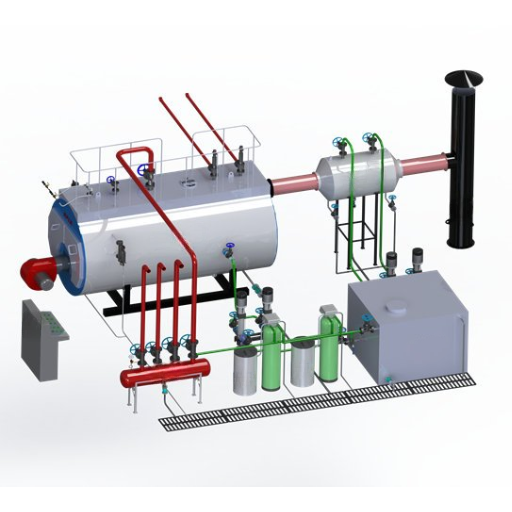
Advantages and Disadvantages of Different Boiler Types
| Boiler Type | Advantages | Disadvantages |
|---|---|---|
| Conventional | Dependable for high water needs; good for low pressure. | Large footprint; energy loss in standby heating. |
| Combi | Space-saving; instant hot water on demand. | Limited flow for multiple simultaneous outlets. |
| System | Supplies multiple outlets; compact tank configuration. | Requires storage cylinder space; potential heat loss. |
Choosing the Right Industrial Boiler for Your Needs
Among the things to factor in when searching for a good industrial boiler is the size of your commercial or industrial heating requirements. It involves determining how much steam or hot water you need and also the peak hours of that demand in order for the appliance to keep pace. Size is important; having an undersized machine may mean that it may not produce the quantity of heat required, while an oversized machine may create inefficiency as well as higher operational costs.
Evaluate capacity restrictions in your plant and see whether you could be reliant on one of the small-scale size boilers for the same purpose. Larger units may need their own boiler room on point the issue of running pipes for hot water cylinders or storage tanks. Space is a major determining aspect of your best choice for boiler installation, and it must form part of your decision-making process.
Now prioritize energy efficiency to lessen operational costs and the environmental impact. Find the best boilers that will come in as efficient as possible to correspond with your green vision. They generally consume less fuel and reduce emissions. Then ensure a potential candidate meets all regulations and thereby evades possible legal and environmental quarrels. By skillfully reflecting on all these variables; you may finally come with the industrial boiler that suits your demands in an as efficient and effective way as it can ever do.
Long-Term Considerations for Boiler Systems
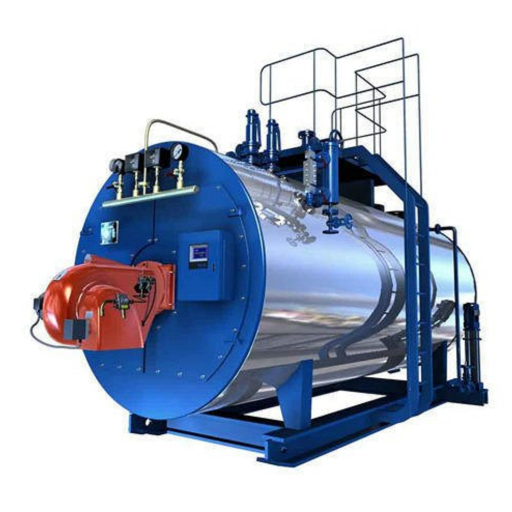
Longevity and Reliability of Biomass Heating Systems
Well maintained biomass heating systems are known to be durable and have long life expectancy. With regular maintenance, some systems are capable of going on for 20 years or more, so long as every component is fit for operation. Maintenance work includes cleaning the heat exchangers, visually inspecting the expansion joints and looking for signs of ash buildup. Life may be extended, and the system can operate efficiently through these very easy preventive measures.
Reliability becomes important if the biomass system is capable of lasting decades. Correctly designed and installed biomass systems may achieve reliable heating during cold periods. High-quality biomass fuels with low moisture content are essential in keeping the systems going in this regard along with following procedure provided by the manufacturer so that the biomass systems avoid failure and work at an optimum energy-level efficiency.
Another factor determining the longevity and reliability of biomass-heating systems is external exposure within the acceptable range. This is the way necessary for circumstances such as fuel store placement and regular servicing. Regular maintenance allows for monitoring efficiency of the system, including the combustion and the emissions, which enables the detection of any potential issues as early as possible. If treated correctly and installed under the optimal conditions, biomass systems would depreciate impact on the environment while performing the service that other systems fail to provide for decades. In long-term heating needs, biomass can become the preferred choice.
Impact of Technology Advancements on Boiler Selection
Technology advancement plays a major role in the selection of boilers these days: Due to the high-speed pace of the changes taking place, a lot of new varieties are already being largely accepted by industry. Boilers in this era have been influenced by technological advancements that affect performance efficiencies. Due to improved design, heat exchanger enhancements, better fuel combustion techniques, and improved electronic controls, the modern units are highly energy efficient lead with fewer emissions that are in line with the strict regulations in place, thus making some of the boilers comply with sustainable choices in homes or factories with fairly less air emissions.
There is also an even greater realm of technology-driven impacts. Boilers with internet integration and smart technologies can be loaded with big data to monitor operation, optimize efficiency, schedule maintenance, and tackle problems, and users can do this from a remote location. All this brings about good user-friendliness. Not only is energy managed with less work and fewer hiccups, but the user also virtually gets rid of the unexpected breakdown minor, which, though nothing ever guarantees its absence, saves time and money when anticipated intervention halts its way. Predictive maintenance further advances everything: Combining the power of IoT sensors for monitoring units and up-to-the-minute analytical insights to shape the prospective realm of service by fraught risks of cost high repairs into cheaper ones therefore sooner.”
Similarly, consideration of renewable energy sources has also shaped the evolution of boiler technology, launching more available systems that can work with biomass fuels or hybrid systems. Certainly, the long-term life of these systems is assured, as they offer reliability. When all is said and done, modern technology has made boilers safer, much cheaper to construct, and appropriately focused on environmental issues, further enabling these because of the combined local global emphasis.
Future Trends in Biomass Boiler Systems
The evolution of biomass boiler systems is riddled with improved energy efficiency and automation. Due to rising needs for sustainable energy solutions, the generation of bio-based boilers is designed with the aim to maximize fuel efficiency and limit emissions. Some of the innovations include re-improved combustion systems and heat exchangers that are bolstering the issue of smarter and more efficient units that can basically cater for both domestic purposes and industry. Such initiatives essentially target to comply with tighter environmental legislation, thus proving to be a cost-effective solution for user groups.
The advancement of biomass boiler systems highly depends on automation and smart technologies. Smart boilers contain sensors and IoT technology supporting real-time sensing and prediction for maintenance so that actual potentials can be realized from these technologies. These actions promote better efficiencies, decreasing the risk for unexpected failures. With digital tools still in operation, the idea is to speed up decision-making with fuel consumption and time intervals remaining at the optimum.
Big emphasis is put on renewable energy systems as a blueprint to the dictate of biomass boiler technology. By associating with photovoltaic panels or geothermal systems, biomass energy provides a very balanced and secure energy scheme. Accordingly, it helps in battling with the always present annoying drawbacks of the vairability in renewable energy resources. Also, the progress in biomass boiler technology, thirsty for new technologies, is to levy less dependence on the sources of traditional fossil fuels, one energy path at a time. These are the kind of trends whose indications will teach us how biomass boiler systems will be instrumental when ushering the era for a more sustainable and energy-resilient future.
Frequently Asked Questions (FAQ)
Q: Why does a manufacturer care about industrial biomass boiler selection?
A: Industrial biomass boiler selection refers to the choice of an appropriate boiler arrangement with biomass fuel for heating or steam generation. It is important for those in the chemicals, food, and cosmetics sector to have matching boilers that suit their production requirements, efficiency objectives, and emission standards. For instance, the same Filling Machine Selection Guide for Cosmetic Manufacturers will include an appropriate option for a very efficient boiler setup to provide consistent high-temperature steam for sterilization and the filling process with minimum heat losses.
Q: How can the right type of boiler for my facility be determined?
A: Starting with the needed steam pressure, temperature, and capacity, compare available training with different industrial types. With choice of each kind of industrial boiler, one must think about whether usage pattern and space constraints could be best catered for by a firetube, watertube, or boiler that supports biomass-fired steam generators. In a nutshell, fuel availability, emissions compliance, and the ability of the boiler to support your process with consistent high-temperature steam for equipment such as filling machines for the Filling Machine Selection Guide for Cosmetic Manufacturers are what must be anticipated once this channel is chosen.
Q: What are the key elements to consider vis-a-vis a boiler at cosmetic/light-manufacturing plants?
A: The primary reasons are steam purity; control of temperature; variability within load; area requirement; accessibility for maintenance; and coordination with equipment in a production line, like a Filling Machine Selection Guide for Cosmetic Manufactures. Other factors cover fuel type and supply availability with emphasis on sourcing sustainable fuel like biomass boilers do; as well as proper steam boiler control for product quality purposes and meeting industry regulations.
Q: Can biomass boilers be used in a situation where high temperature steam is needed?
A: Yes—the many designs of high-pressured biomass boilers can produce high-temperature steam that is suitable for heating, sterilization, and processing processes. However, be sure that the chosen boiler provides enough margin of steam pressure and temperature. When choosing an industrial biomass system, work with vendors to size and configure the boiler according to operational peak demands and the particular demands outlined in production guides like a Filling Machine Selection Guide for Cosmetic Manufacturers.
Q: Can you please give some advantages of choosing an industrial biomass boiler over fossil fuel-based options?
A: Benefits include reduced fossil carbon footprint, potential fuel cost stability, and eligibility for certain incentives. Different industrial sectors find biomass boilers are ideal for sustainable heat generation when locally sourced biomass is available. Nonetheless, selecting a boiler requires evaluating supply logistics, ash handling, and maintenance—factors that determine whether a biomass solution is truly optimal for your operations.
Q: What are the steps to follow when selecting a boiler for a new production line?
A: Steps involve defining process steam requirements (pressure, temperature, flow), identifying available fuels, evaluating emissions/regulatory constraints, comparing type of boiler options, modeling lifecycle costs, and engaging suppliers in the early design of a boiler system specific to your operating conditions and control configuration. One might compare the requirements also with the requirements in guidelines for choosing a filler machine for the cosmetics industry in order to assure that the steam system is favorable to filling, heating, and cleaning processes.
Q: How might a boiler keep remaining compliant and efficient as time goes by?
A: A proactive maintenance program should be implemented and combustion and boiler controls must be monitored. Regular water chemistry checks should be conducted to help prolong steam boiler life. Periodic efficiency tuning, emissions testing, and retrofits (economizers, controls) will also keep the unit performing. When seeking to buy an industrial boiler, select designs that are flexible: containers where modifications can be made to keep the boiler in step with your production needs and sustainability goals.
References
-
Commercial-Scale Biomass Combustion Equipment
This source from Penn State University provides an overview of equipment common to commercial-scale biomass combustors and considerations for selecting biomass systems.
Read more here -
Biomass Heating Project Analysis Chapter
A detailed analysis from Michigan State University discussing biomass combustion systems and their suitability for industrial process loads.
Read more here -
Guide to Low-Emission Boiler and Combustion Equipment
This guide discusses industrial boiler performance and includes guidelines for selecting boilers that burn biomass and other fuels.
Read more here - LHG vertical biomass steam generator