Get in Touch with Taiguo

Vertical vs Horizontal Biomass Boiler Guide

Contents
show
When one opts for the best biomass boiler for one’s applications, the choice often comes down to one decisive factor: vertical or horizontal? The two types have unique characteristics, advantages, and considerations that can really impact their performance, efficiency, and prospective applications.
Key Takeaway
This guide is aimed at revealing the differences between vertical and horizontal biomass boilers, thus helping you to reach an informed decision in line with your energy goals. If maximizing enclosure space, improving efficiency, or understanding even the technical underworkings is the goal, then this comprehensive guide will provide all you seek to know. Stay tuned as we shed light on the key features that differentiate these two boiler designs, which would allow for an easier and clearer choice at last.
Introduction to Biomass Boilers

What is a Biomass boiler?
A biomass boiler is a heating system solely designed to burn organic materials—for example wood, agricultural residues, and other renewable biomass sources—to produce heat or hot water. With the philosophy of renewable materials themselves, biomass boilers are sustainable compared to traditional heating methods using fossil fuels.
The operational principle of a biomass boiler is very simple. The biomass fuel is fed into the boiler and then combusted, resulting in the release of heat. This heat is then passed to the boiler itself, which heats the water that can be channeled through radiators, underfloor heating systems, or even utilized for cleaning purposes from the household/industry. Minimal ash is produced during combustion; hence, in several cases, biomass ash is considered an excellent fertilizer.
💡
Pro Tip
The main advantage of biomass boilers is environmental. In using renewable fuels, they sharply undercut greenhouse gas emissions from coal, oil, or natural gases. Also, many kinds of biomass-feeds are typically available locally so that transport-related emissions are reduced and the localness assists regional economies. Maintenance with some cleaning and fuel preparation is crucial to see that an efficient and durable system is maintained for operations.
Importance of Biomass in Heating Solutions
Biomass acts as the ultimate sustainable heating solution and gives a renewable substitute instead of the huge fossil fuel dependency. In drastic comparison from fossil-fuel-sourced energy, biomass uses materials derived from wood, agricultural residues, and other plant-based materials. This primary substitution is responsible for the great fight against the increase in greenhouse gas emissions and the adoption of clean environmental projects.
Another benefit that goes with biomass is that it supports local and regional economies. Many of the biomass fuels are produced and harvested locally, promoting substantial advantages over long-haul transportation. Besides reducing emissions emerging from transportation, it can open up ways to engage in jobs and business activities within various local communities. Besides this, biomass production at the scale of the community bond gives the ability and resilience to bond energy security by eliminating reliance on imported fuels.
⚠️ Important Note
Kindly bear in mind that maintaining these wooden creature comforts governs storing and scuttling with wood fuels. In many houses and industries these systems are poised to still remain highly effective and reliable due to the commencement of drastic technological developments—thus making modern biomass boilers an extremely viable option for energy cost reduction and environmental conservation. Striking the right balance among three major attributes of sustainability, economic benefits, and efficiency, the burning of biomass might possibly prove to be one of the most necessary components for the transition to cleaner energy systems.
Overview of Vertical and Horizontal Boilers
Vertical and horizontal boilers are two distinct types of industrial boilers, primarily distinguished by the orientation of their boiler shells and uses in heating applications. Regarding their different structural designs and operational characteristics, the latter is advantageous to those applications which might require a boiler type suitable to every industrial need. An understanding of the variances helps in making a selection on the proper boiler for a particular job.
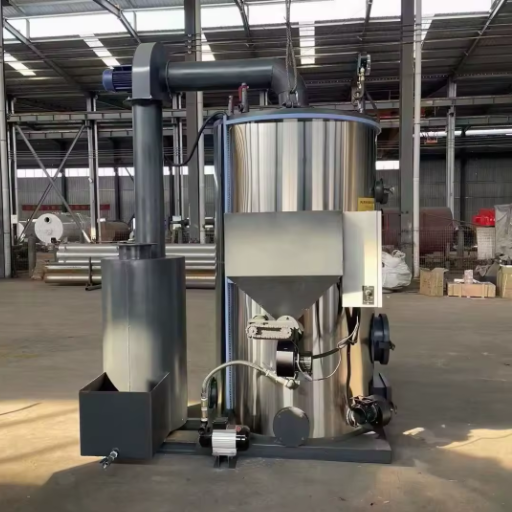
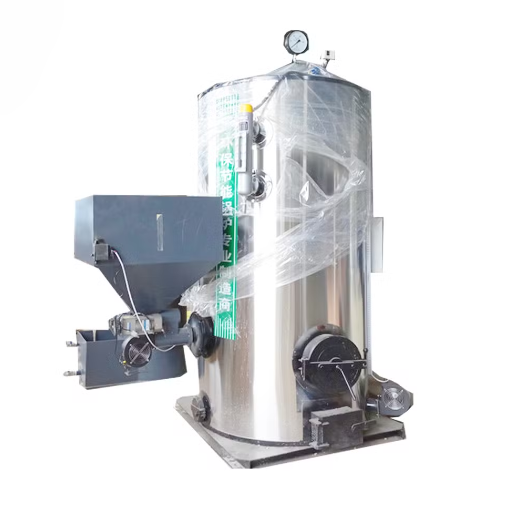
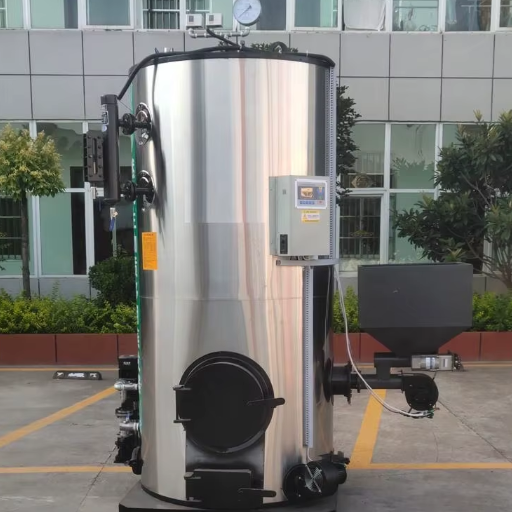
Vertical boilers are inherently compact and used primarily within small-scale operations or where floor area is limited. Vertical by upright design, these boilers are excellent for the use of mild heat output in applications such as for food processing or in laundries. Being cost-efficient when it comes to space utilization during installation, they find installation in places having limited room.
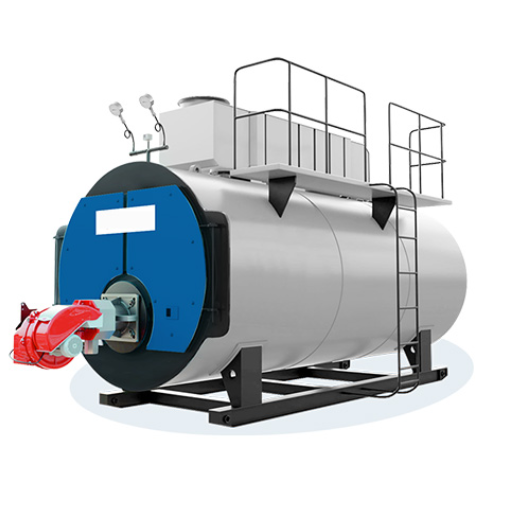
Horizontal boilers, on the other hand, are more extensive in size and are designed to be able to withstand higher heat and higher pressure demands. Due to the very structure of horizontal boilers, more expansive surfaces with heat exchange can fit it into the system and are adapted to numerous manufacturing plants such as in the chemical, power generators, steel, etc. From efficiency viewpoint, the horizontal company is greater due to a lesser need for repair work. As long as there is a supply of consistently vast quantities of energy, these systems prove as the best choice in every situation. In the end, whether to use a vertical or a horizontal boiler depends upon the amount of energy required, area available for use, and operating criteria.
Comparative Analysis of Vertical and Horizontal Biomass Boilers

Operational Efficiency and Heat Transfer Mechanisms
The increased design of the Horizontal Biomass Boilers actually makes them pretty outstanding heat transfer efficient and rarely results in any imbalance regarding various heat-covered areas. It helps with the further distribution of heat, leaving no room for any waste. Focused on smaller-scale but much more potent operations, horizontal biomass boilers are generally much more energy-efficient, owing mostly to their general efficiency toward elevated temperature stimulation in a style that streamlines their design.
Vertical biomass-fired boilers, on the other hand, are often preferred because of their compact layout and usability in areas with limited space. Though said to have less heat exchange area, they are quite defined for operations where high energy requirement is not much of a concern. Their vertical configuration enables unkempt natural fluid circulation, which in specific cases can augment their effectiveness even further, such as in smaller scale applications where space and simplicity are key considerations.
Clearly then, choosing between traditional horizontal or lesser-practiced vertical boilers will heavily depend upon the particular needs of a given operation. Horizontal boilers allow themselves to be put to the toughest of industrial uses where utmost heat transfer and efficiency are desired, while vertical boilers are ideally created for small job-sites with size considerations and little need for energy. Each brings unique advantages for particular applications so that the changing requirements can be met and done so without having to make accommodations with the type of boiler utilized.
Fuel Flexibility and Handling Capabilities
Fuel flexibility and handling capabilities of a certain type play an important role in the types of applications vertical and horizontal biomass boilers can be effectively used. Horizontal biomass boilers are known to have good fuel flexibility. They are designed in such a manner to hold fuel types like wood chips, pellets, and agricultural waste providing an excellent fuel-handling facility. These boilers are therefore extremely versatile and suited best for industries requiring high heat outputs and flexibility with regard to fuel.
Whereas a vertical biomass boiler is better suited for small-scale uses with a constant supply of fuel, a horizontal biomass boiler is more suitable for those where increases in the heat input are desired without having any changes in the structural form. Usually, vertical boilers work well with pelletized or extruded small-sized biomass fuels; for more variable and fanciful mixtures, the use of vertical boilers may pose restrictions. Efforts to clean or maintain vertical boilers, in contrast to horizontal boilers, are less cumbersome, particularly where reasonably safe fuel, better known to those putting the boiler to use, is consumed.
So the decision to go either vertical or horizontal primarily depends on the size of the operation and desired heat, and fuel source availability. Generally, horizontal ones would be great in larger-scale industrial applications that demand higher efficiencies and fuel flexibility.
Physical Space Requirements and Footprint
When comparing vertical and horizontal biomass boilers, the factor of significance relates to the space needs. The design of vertical boilers with a much smaller footprint makes them an excellent choice for environments where space is limited. Their smaller size makes it easier to install in places where floor space is limited, such as small commercial kitchens or urban sites.
Conversely, horizontal biomass boilers tend to need more floor space, generally owing to their wider design. They are well-suited for larger industrial operations or premises where space availability is less of an issue. The larger size comes in handy for higher fuel storage capacity and heat outputs, which is good for heating on a grand scale.
Whether a vertical or horizontal boiler is chosen, the prime concern is more the space available than what is specifically required for processing purposes.
Cost Considerations
Initial Investment Costs
For decision-making purposes, initial investment costs can largely influence when comparing vertical and horizontal biomass boilers. The vertical types may as a rule have a lower initial cost because fewer materials are called for due to a very compact design. Such have turned out suitable for applications where space itself is scarce and the costs will be minimized even further by that design. In contrast, a horizontal boiler would have higher initial costs because of its size (which is, in a way, higher) and the infrastructure required to install one till its place.
Ultimately, horizontal biomass boilers indeed are likely to be more suitable for larger plant operations as they demand higher output long-term efficiency. Capital expense may be higher, though they are designed for longevity and ease of maintenance, which may eventually reduce overall costs. Higher heat exchange areas in horizontal boilers may be a better shot for higher energy efficiencies—that might offset the initial investment.
Finally, the choice between a vertical and horizontal biomass boiler should go in accordance with the operation scenario, the space available and the financial implication of the required efficiency. In small scale, or if official space is really tight, the reactors could be preferable in terms of practicality and cost-effective. Horizontal biomass boilers will probably repay the larger initial investment rewards than the long scale output does require.
Long-term Running Costs and Maintenance
When you compare the rate of horizontal and vertical biomass boilers, both boilers seem to have some things to consider in regard to their running costs and maintenance. Vertical biomass burners are usually smaller and hence there are fewer concerns over the heavy investment and maintenance costs of big, modern DZL or SZL boilers. They are for those who are energy-conscious or are cozily installed with spatial limitations and economic incentives.
The maintenance requirement also varies for the two. Vertical boilers appear to be more friendly in their functioning, cheaper and easier to clean and maintain, but horizontal boilers are often given the latest technology—or techniques—that increase their long-term durability and reliability. The choice between these types is strictly based on the necessity that the amount of occupancy, available floor areas and space would sustain their energy output.
Cost Efficiency in Different Applications
The comparison of vertical to horizontal biomass boilers stresses the importance of their capital cost and operational efficiency measurements. Generally, vertical biomass boilers would be more advantageous due to the lower capital cost because of simplified configuration and space savings—a real boon for installations with less room and energy needs. If they deliver less efficiency, however, in huge industrial operations they come in handy.
Horizontal biomass boilers are costlier to buy and install, but greater operational efficiency is often attained with respect to the particular loads involved. In large-operational systems, horizontal boilers tend to accumulate more heat transfer and energy, making them more suitable for industry or high-capacity tasks. In addition, the horizontal boilers most likely come equipped with advanced technological means to optimize further thermal utilization, which will decrease long-term operational prices despite the higher installation cost.
Finally, one can choose the most appropriate biomass boiler, be it vertical or horizontal, keeping in view the measures earning feasibility for a specific location or plant size. For small institutions with budget constraints or space limitations, a vertical unit may very well be the preferred option. For units, warehouses, hotels and very large energy-consuming uses (such as breweries), large industry-based boilers are more cost-efficient in terms of superior efficiency and more durability.
Maintenance Needs and Accessibility
Typical Maintenance for Vertical Boilers
Maintenance of a vertical-type boiler is all about ensuring cost-effective steam production, longevity, and security. By doing routine check-ups on a boiler, we can prevent potentially hazardous instances or potential problems that could be dangerous over the long term. For example, inspection provides an opportunity to test leakage from the cooling water, to clean the inside and outside of the boiler, and to periodically perform checks on controls to ensure they are in their desired working condition. Plants with boilers usually require adopting an appropriate schedule for treating the water to prevent scaling and corrosion, as these impurities gradually reduce the efficiency of boilers.
Checking for the water level daily, ensuring that the burner is working efficiently, and reading safely are usual daily activities. As per manufacturer recommendations, the best exercise can also depend on solid discipline in keeping machines on a maintenance schedule—sometimes needing a certified technician.
The insulation must be treated and parts tested properly (including seals and burner system). Proceed with safety checks for all safety components; finish with a thorough cleaning of heat exchanger and combustion chamber.
Typical Maintenance for Horizontal Boilers
Regular maintenance ensures effective operation, the safety of the equipment, and its durability. Maintenance should cover checking all working parts for wear and tear, with due attention given to damage to or leakages from seals, gaskets, or the burner system. Keeping the system climate-proof by preventing leaks and ensuring the proper insulation ensures safe operations and minimizes heat loss. Diagnostic tests are essential for examining the system and its components for hindrances in functionality.
The central requirement in boiler maintenance is keeping them clean such that the furnace and the combustion chamber are free from soot or debris or sediment. Keeping these components clean helps prevent low operational efficiency that may cause problems in the system. Ventilation systems need to be checked and cleared of any blockages, thus enabling effective combustion and exhaust flow.
Documentation of maintenance practices must be done properly; they are required to allow the tracking of the system’s performance through time to detect any recurring issues that require special attention. It is important to follow the manufacturer’s recommended maintenance schedule, and, when necessary, this maintenance work require certified technicians to undertake complex maintenance inspections and repairs. Such measures could reduce downtime, increase energy efficiency, and improve the overall reliability of horizontal boilers.
Accessibility for Servicing and Repairs
Real access for servicing and repairs is very important for the effective performance of the horizontal boiler. Service points like inspection doors, control panel, and maintenance access ports shall be fairly reachable without undue dismantling. Such expectations enable the technician to perform normal maintenance actions like proper cleaning or inspection within a higher speed and greater efficiency.
Moreover, clarity in regard to these areas significantly minimizes the possibility of accidental damages occurring during servicing. Once again, in order to effect repair measures and assure safety for the maintenance crew, the installation on the boiler should allow generous space all around it. Removable panels and modular components can all help toward making servicing easier and shorten times of repair.
It is crucial to obey local safety and building regulations when repairing the equipment. This involves maintaining minimum clearance distances, proper lighting provisions, and clearly marking the most important access points. Emphasizing access in this way can facilitate simpler maintenance and shorten downtimes, thereby helping the longevity of the boiler system.
Ideal Applications for Each Boiler Type

Common Uses of Vertical Biomass Boilers
Vertical Biomass Boilers are designed to adapt without any hassles to several industrial environments and fields due to the efficiency and compact nature to which they are built. They are often used in small to medium-sized operations that demand consistent production of heat. Agricultural facilities will take advantage of Vertical Biomass Boilers for heating greenhouses and supporting the drying of crops, as these boilers utilize organic waste or residual biomass effectively as a source of fuel.
For smaller manufacturing plants and industrial-based operations such as moldings, dryings or steamings, the applications are reasonable. Being capable of utilizing any type of biomass fuel makes these boilers a cheaper and environment-friendly option when compared to any system based on fossil fuels. Besides, based on the vertical structure in fact, they can be set up in very tight locations where space is a premium.
In this approach, once again the neighborhood heating system is assigned for heating the kinds of heating provided within a small house or within a cluster of homes. These systems are mostly under the umbrella of sustainable energy initiatives that are promoting lowering carbon footprint and promote utilizing renewable energy sources. The vertical biomass boilers, by use of the accumulated biomass into really needed heat, energies go all toward energy independence but assumingly to the green environment at the same time.
Common Uses of Horizontal Biomass Boilers
Horizontal biomass boilers are used across a wide range including heating and energy, particularly in the sector of industrial and commercial utilization. In manufacturing plants, the boilers heat up for the production process and for specific procedures like drying, steaming, or material processing. They have high thermal efficiency since they convert biomass substance into useful heat power—for example wood chips, agricultural residues, or pellets—ideal for sectors seeking to reduce reliance on traditional fuels.
The next popular use derives from the combination of horizontal biomass boilers with the district heating systems to provide heat to entire communities, including residential, commercial, and public buildings. These systems are built to transport heat efficiently over long distances using a network of pipelines for the delivery of hot water or steam. In effect there are enormous advantages to communities using sustainable energy sources such as renewable biomass.
By employing horizontal biomass boilers in agriculture, many farms and greenhouse operations are capable of maintaining desired conditions for plant growth and animal care. A fine example would appear to be the utilization of any crop residues and animal byproducts the property gives, serving as fuel to create a close-the-loop system that significantly reduces the amount of waste flowing outside and keeps functioning costs down. The fact that they can be used in a multitude of conditions and remain so sustainable makes these biomass systems perfectly well-suited for all kinds of uses.
Frequently Asked Questions (FAQ)
Q: What is the difference between a Vertical biomass boiler and a horizontal biomass boiler?
A: The comparison of Vertical vs horizontal biomass boiler would address orientation and layout vertical boilers stack components and are space-saving with, a smaller water volume, while horizontal boilers spread lengthwise. Both can be designed as fire tube or water tube boilers and used to combust biomass generating steam and hot water. Given today’s availability, the former would best suit locations restricting space with high pressures, while the latter performs well when designed to match a reverse-case scenario. Choice will be subject to the heat requirements of biomass, space availability, steam pressure level needed, and considering whether the system would be required for CHP or simple heat water applications.
Q: What would be optimum choice between vertical and horizontal designs for steam boiler applications?
A: Vertical or horizontal designs depend on factors like required steam pressure, water capacity, and the amount of available space. Vertical types often are used for low capacity steam generation for compact installations and any available ground space, while horizontal types are most popularly used in power plants and industrial settings with fire tube designs and water tube steam designs. These generate higher steam pressures with much larger steam drums, so that these options can provide support for higher combustion efficiency and more extensive soot blower installations.
Q: How do fire tube and water tube designs affect biomass boiler performance?
A: Fire tube boilers pass hot gases through tubes surrounded by water; they are common for use in low to moderate steam pressures and heating equipment. Many times, they are utilized in horizontal boiler settings. Water tube boilers allow the passage of water through the tubes heated externally by hot gases and are chosen for high-pressure steam as well as power generation, becoming popular because of their quicker response, a larger heat transfer surface area, and use in cogeneration systems. Each can alter the biomass combustion with correct grates and ash handling.
Q: What are some of the most essential components of such boiler that differentiates vertical boilers from horizontal boilers?
A: They include mainly the firebox or grate where biomass combustion occurs, the tubes (fire tube or water tube), and the steam drum in water-tube designs, flue/flue gas paths, soot blowers, ash content handling system, and feedwater/water volume components. A vertical boiler may be more compact than a horizontal counterpart but a horizontal design offers a great deal of space for an expanded tube bank and waste-heat-recovery system.
Q: How do combustion efficiency and ash content affect the choice between vertical and horizontal types of biomass boilers?
A: Generally, combustion efficiency for given boiler is essentially guided by design of the grate, air supply, and surface area available for heat exchange. A longer length of fire tube or water tube of horizontal types could deliver improved heat transfer operations, while better managing hot gases in order to enhance the combustion efficiency and lessen soot. Biomass fuels with high ash content will need effective ash handling and more substantial and widely available or larger grates.
Q: Are vertical biomass boilers more suited to small-scale or space-saving installations?
A: Yes, biomass boilers are usually adapted for small applications and space-saving because they are supplied with a lower footprint and then can find themselves suited for buildings with a limited floor area. Overall, they are widely used boiler types for heating system equipment that delivers steam and hot water at medium pressures with only regard for costs for operations and simplicity.
Q: Can both vertical and horizontal biomass boilers be used for combined heat and power and power generation?
A: All designs are valid for combined heat and power (CHP) and power generation; however, water tube boilers with high pressure to boil are best suited in turbine-driven power plants for the reason that they can immediately produce high-pressure steam that can be used for the turbines, whereas vertical units, despite their rarity in large power generation, are more compatible in such demand in small CHP systems if their mere conformity suits the situation for the purposes of conserving space and capacity.
References
-
Industrial Combustion Systems – Biomass Handbook Chapter 5
This document discusses biomass combustion systems, including horizontal and vertical configurations, and their specific capital costs.
Read more here -
Biomass Energy at Work
A publication from Montana State University Extension that covers biomass systems, including horizontal pipes and vertical flex tubes.
Read more here -
Guide to Low-Emission Boiler and Combustion Equipment
This guide includes information on vertical tubeless boilers and their configurations for biomass and other fuels.
Read more here -
Biomass Boiler Installation at The Vermont Farmers Food Center
A case study discussing biomass boiler installations and comparing fuel costs across different configurations.
Read more here - LHG vertical biomass steam generator