Get in Touch with Taiguo

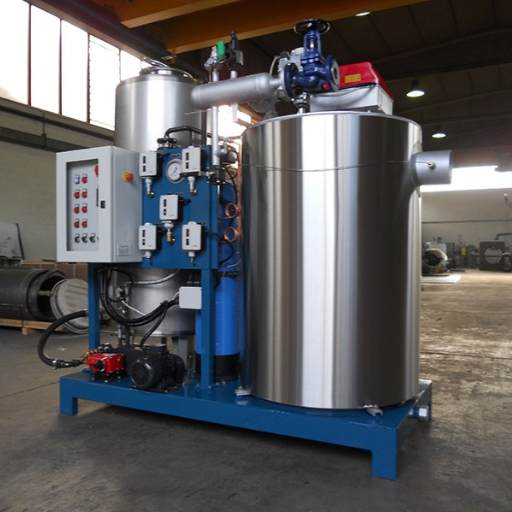
LHG Vertical Biomass Steam Generator Specifications

Contents
show
LHG Vertical Biomass Firewood Factory is the ultimate cure in the field of robust and renewable energy-heating practice. Powered by the renewable biomass, it operates as the environmental alternative to the fuel-burning convention. And no thinking is off the mark: this new energy conversion system is thus green in its operation but provides reliable energy output. This article will deal with some of the main specs of the LHG Vertical Biomass Steam Generator that will mend some more about the workable design and advantages of operation and other application potentials. Make no mistakes-thus, it will change our present polluted niche and make it somewhat eco-friendly.
Introduction to Biomass Steam Generators

What is a Biomass Steam Generator?
A biomass steam generator is a device that produces steam by burning biomass. The latter normally comprises renewable resources such as wood, agricultural waste and various other remnants. In the process of burning or somehow processing biomass, the heat produced is used to turn water to steam, which can further be used for numerous practical applications like power generation, heating and industrial processes.
The biomass steam generator is not only environment-friendly, because by using renewable things like biomass, it helps lessen dependence on fossil fuels-the greatest source of CO2 emissions. The burning of biomass releases CO2 but is considered as carbon-neutral as the CO2 emissions are counterbalanced by the carbon absorbed by the plants during their growth, thus contributing and further substantiate a more sustainable energy cycle.
Also, a biomass steam generator plays an important role in the proper management of a large quantity of agricultural and forestry waste material. This waste includes an undesirable level of emissions to the atmosphere and valuable nutrient losses when left just to decay; instead, it is taken as a new fuel source to help solve the significant greenhouse gas problem. In that case, biomass steam generators also play the essential dual role of minimizing the impact of that combustion on the environment while still providing a cost acceptable and reliable source of energy for communities and industries desirous of moving to cleaner energy alternatives.
Importance of Biomass in Energy Production
The significance of biomass in energy production lies in the provision of renewable energy source alternatives that reduce our dependence on fossil fuels. Unlike most other forms of electricity generation that rely on finite resources, biomass is made of organic materials like agricultural residues, wood, and plant-based materials, which makes it a sustainable avenue of renewable energy for power and heat. It is considered a carbon-neutral renewable energy resource as the carbon dioxide released during combustion equals the quantity absorbed during the growth of biomass. Hence, biomass can incite greenhouse gas emissions that are minimal.
One of the great things about biomass energy is its flexibility. It can be used for the generation of power, for the provision of heat requirements, and even as a source of raw materials for ethanol and biodiesel production. Different biomass power plants use different technologies including combustion, gasification, and anaerobic digestion in producing energy from biomass. This adaptability allows biomass to complement other renewable energy sources, including solar and wind, to maintain a secure and steady supply of energy.
Moreover, biomass is economically beneficial as it supports local industries and farming activities like biomass collection, processing and energy production which in turn generate employment opportunities. Apart from this, it helps in managing waste through using such residues arising from agricultural practices and forestry, which would otherwise pollute the environment. The uncovering of the futurecasting that connects communities to the required cleaner energy while guarding them from energy insecurity and promoting environmental sustainability is realized through integrating biomass within the wider energy spectrum.
Overview of LHG Series Vertical Biomass Steam Generators
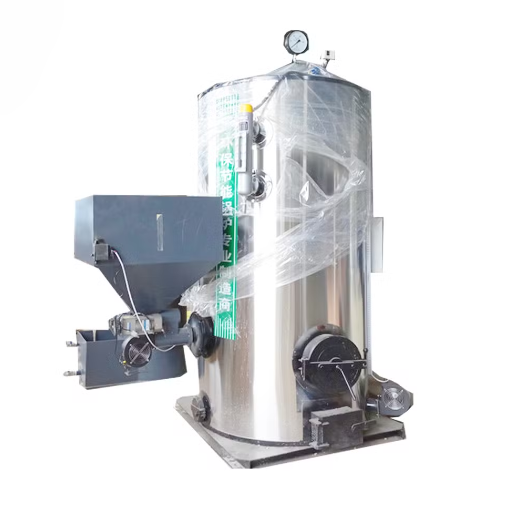
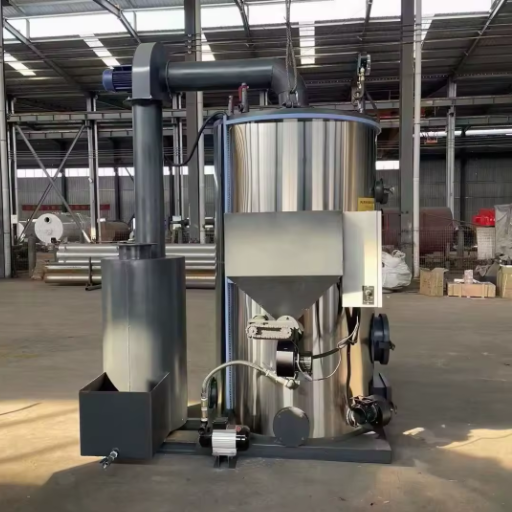
LHG series vertical biomass steam generators are a new system which aims at stepping out on top through steam process that is efficient and sustainable. These systems use biomass, an energy source that can be renewed, produced by organic materials for producing high-quality steam, which helps reduce countries’ oil-dependence and spring-up the resistance from the searching environmental impact. Made up of small vertical pieces of design, these units are easy to manufacture or setup and require less space for working, thereby presenting their use for various industrial and commercial methods.
One of the most efficient features of the LHG Series lies within its combustion system, responsible for efficiently converting energy and ensuring minimal unproductive emissions. Featuring modern advanced controls, these generators can perform at high rates of fuel efficiency, maintaining constant steam output with near zero effect on the local environment. On the opposite side, this system becomes very cost-prohibitive when precise fuel accounting is put in play. Due to their renewable resource properties, biomass options can also be actually considerably benefited under the mere task of waste-clearing effluent dump; in general, they are far more underpriced.
Moreover, the LHG Series can support easy service that implies the machine is low or mid in maintenance by performance standards. Safety equipment activates as the system is started; it gives them peace of mind about potential accidents by being equipped with automatic pressure and temperature controls. By utilizing bacteria in the form of biomass, they help to achieve renewable energy self-sufficiency while meeting the growing demand for a more environmentally friendly system for industries serious about sustainable growth.
Technical Specifications of LHG Vertical Biomass Steam Generators

Capacity and Pressure Ratings
The LHG vertical biomass steam generator can be tailored to different industrial procedures thanks to its incredible capacity and pressure rating. This system usually comes with steam capacities spanning from 100 kg/h up to 2000 kg/h, allowing for both small-scale and large-scale procedures. This characteristic also allows the system to be applied in several operating configurations, giving them an edge over competing methods.
With the pressure ratings, they typically operate at pressures ranging from 0.4 MPa to 2.5 MPa depending on the needs of the individual projects. Thus, the pressure is set in such a way that it provides a platform of operating anywhere in the industry, be it low-pressure or high-pressure issues. This variation can support energy retrieval. Operationally, the systems are made to be power-efficient and really resourceful facilities.
These biomass steam generators are designed for a broad and varied audience due to their capability to provide varying heating capacities and operating pressures. The option of combining the efficiency and environmental benefits of such a product offers economic actors a solution towards balance. Given their adaptability and environmental impacts, therefore, they could be said to pay an important role to the practical trajectory of modern industrial energy needs.
Fuel Types Supported
Biomass steam generators are capable of being compatible with a considerably different and larger quantity of fuel types, making them the most suitable way for a wide variety of applications. In fact, the most common fuel types to be used in this device are wood chips, sawdust, and agricultural residues, for instance; all are in abundance quantities and should be perennially and chemically biodegradable. Such increased reliance on sustainable energy sources helps in substituting fossil fuel availability for renewable and cleaner energy generation.
These pelletizing or briquetting systems are applied for the use of processed biomass products, which provides an equal amount of the partially constant fuel size and fuel quality. Therefore, it is hence a good choice for enterprises with predicable energy input, which indirectly helps contribute toward fuel-burning efficiencies since the better fuel required would suppress unnecessary product use. However, some others could potentially also consider industrial organic waste for biomass collection which would support additional advantages of utilizing energy output and resources management.
In supporting a variety of biomass fuel feedstocks, these steam generators help industries address challenges on both the energy efficiency and waste management sides. Optimum performance and sustainability are driven by the choice of the fittest fuel depending on regional availability and cost for the application in question.
Efficiency Ratings and Performance Metrics
Efficiency ratings of steam turbine boilers usually refer to thermal efficiency, combustion efficiency, and total system efficiency. Thermal efficiency specifically measures the worth of the energy received from the fuel that is then converted into utilizable heat; good performance systems can then be rated with indexes of 80-90% depending on fuel type and operating conditions. Proper insulation, modern designs, and advanced combustion technology will help to keep these high efficiencies.
Performance metrics have an impact on emission and fuel usage. It is because environmental degradation is highly undesirable, thus spurring techniques with low emissions permitting systems to be available in conformity to all stringent statutory requirements while upholding operational cleanliness. Metrics evaluating the ecological sustainability are carbon dioxide emissions and particulate matter. Then again, flexibility to adapt to a variety of fuel types ensures that fuels are efficiently used, which means industries could choose an affordable, locally available biomass resource without any trade-offs on the function.
Lastly, the durability and long-term reliability of steam generators have a huge impact on overall energy efficiency. Less downtime and higher operational lifespan will result in better rates of return on any investment, as well as reduced operating costs over time. Maintenance done on all these systems plus related plant monitoring and control systems will further elevate these metrics rendering a consistent performance and energy output for industrial applications.
Operational Benefits of LHG Vertical Biomass Steam Generators

Cost Savings and Economic Advantages
Companies really start saving costs by putting in penny on a dollar for LHG vertical biomass steam generators. These apparatus burning biomass, a widely available and renewable source of energy, offer considerably lower fuel cost versus fossil fuel. It is a great alternative if fossil fuel burn is substituted with biomass to drive great energy savings for company operations and promote sustainability initiatives.
Besides its essential usefulness, the economic advantage of great operational efficiencies besides the general economic advantages, thus reducing budget waste and ensuring proper concentration on steam production. There is, therefore, reduced operational costs as durability of efficiency ensures service of the equipment with reliability, thus optimizing investment. Furthermore, perceptive to the reduced maintenance needs, coupled with traditional steam generator costs projected hopefully to be significantly lowered.
Companies stand to benefit from potential government incentives and tax credits that are designed to encourage the use of renewable energy. They can qualify for financial support for the installation of biomass boiler generators so as to gain enhanced financial returns. All considered, therefore, the on- and off-the-job benefits make the biomass boiler generators from LHG a genuine alternative for those primarily in need of financial and environmental sustainability.
Environmental Benefits of Biomass Fuel
An important environmental benefit of biomass fuel is its provision of a renewable, sustainable energy source that reduces reliance on fossil fuels. The exploitation of organic materials-wood, agricultural residues, and biodegradable waste- is intended to check the exploitation of finite natural resources. This sustainable approach is so helpful because it allows the demands of energy to be effectively met without harming the environment.
The processing of biomass fuel gains advantage for climate change because it releases less greenhouse gas emissions compared to fossil fuel combustion. Indeed, all biomass materials, whatever they are, will certainly release carbon dioxide during combustion, albeit as part of the natural carbon cycle. This release of carbon dioxide will, on the whole, be balanced roughly by the amount that the plants absorbed during their growth. Thus, biomass becomes carbon-neutral if harnessed properly; the positive aspect of this is to limit or off-set the impacts of climate change, compared with emissions of the centuries-old carbon dioxide with burning of fossil fuels.
Furthermore, biomass energy saves the environment by using up materials that would have otherwise caused environmental pollution when dumped in landfills. The relevant energy consumption makes use out of agricultural, any forestry, or even municipal waste-to-energy. The biomass systems have a lot to do with resource conservation and the decreased emission of methane from degraded organic matter. These dual benefits imply that biomass becomes an earth-friendly option for both energy making and waste management.
High Efficiency Compared to Traditional Boilers
One might argue that these systems are very much more efficient compared to regular systems and hence do not create enough heat that passes on to humans. Apart from this, biomass systems live a whole new world compared with the regular boiler system, for example, since they use renewable organic materials for heating, they are environmentally friendly and do not release any pollution in comparison with the burning of fossil fuels, which is common with regular systems. Using biomass presents other advantages, like future energy independence and much greater efficiency in energy utilization, resulting from much more heat derived from the same quantity of fuel purely by the high efficiency of combustion in the process.
One of the most exciting things to happen in the way how the use of biomass is taking shape is that it is utilizing emerging technologies. With advanced technology, the more superior biomass-fired machines _waste_ less heat in comparison with their opponents through automatic computer-assisted fueling and temperature regulating systems. The consequence of this is the reduction of operational costs, which in turn makes biomass units cost-effective for energy production.
Also, the efficiency of biomass in terms of resources symbolizes environmental preservation. What makes this more interesting is that biomass energy may prove itself as a mechanism strictly local to the respective raw materials, wherein the only thing missing is the carbon burden resulting from transportation costs; hence, the system could have an average, highly efficient combustion efficiency of not less than 80%. Loose economics and a check on CO2 emissions meant that heaps of pushes are against biomass energy system introduction so as to instill an acceptance of green energy as well.
Applications of LHG Vertical Biomass Steam Generators
Industrial Use Cases
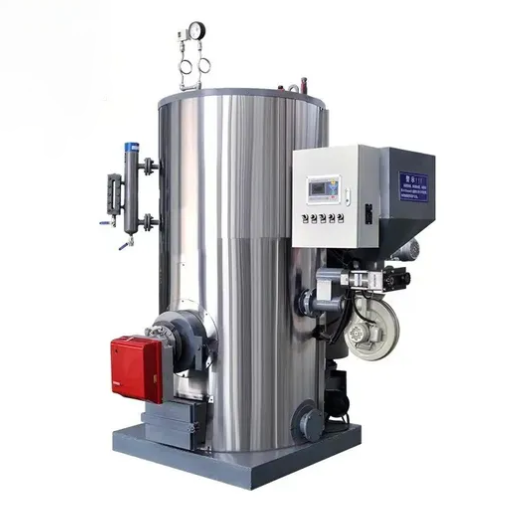
LHG vertical biomass steam generators are designed to be able to be employed across a broad section of energy-intensive industries that seek environmentally friendly and cost-effective boiler solutions. Industries employing these systems include food processing, beverage production, textiles, and pharmaceuticals. Applications include cooking, sterilization, and drying processes where steam is required. These users demand an output of steam with a focus on being cost-effective while decreasing the need for fossil fuel consumption.
Arguably, one of the most important advantages of a vertical-type biomass steam generator is its ability to utilize, when possible, biomass fuel indigenous to its location, such as agricultural residues and wood chips. This localized sourcing can not only save on costs as well as related environmental impacts consequent to fuel transportation, but it sources out a sustainable fuel for industries located in small rural or agricultural surroundings. Possibility in using ecofriendly fuels along with high combustion efficiency help a business to reduce its operational costs further down the line.
With the support of these generators, it now becomes easier to become compliant in industries where environmental regulations are needed. On-site waste materials and incomes are sold for this type of renewable energy, reducing the possibility of carbon emissions. On such occasions, the addition of this generator was also seen as a practical contribution to sustainability; such contributions always lead to brand value enhancement in the long run and are more than welcome by the environment.
Innovative Applications Across Various Industries
Scaled operation of the Vertical LHG biomass steam generator has been done over the years in different industries gain on account of its diverse application. The biggest industrial user of such steam generators lies in the food or food packaging commodities-often steam changes by exerting maximum effect on sterilization, drying, and heating requirements of various components and packaging commodities. Providing a clean and renewable energy resource, the system is to meet compliance concerning health and safety issues in accordance with strict regulatory standards.
In the textile industry, these are by far the biggest sustainable savings. In the coloring process that requires highest temperatures, the companies need these generators to create a more eco-friendly bio-solution, contrary to fossil-based solutions, to cut down steam consumption and get much less environmental conservation action.
Also of great value to the chemical and pharmaceuticals industries are biomass-fired generators. Steam is required for such activities as distillation, steam sterilization, and chemical synthesis. Through the use of biomass steam generators, these industries not only lower their carbon footprint but also meet environmental regulations while maintaining high performance and reliability. Employability and greenness of LHG vertical biomass steam generators make them an ideal choice across a broad spectrum of industrial applications.
Comparison with Other Biomass Systems
LHG vertical biomass steam generators are strikingly efficient when compared to other biomass systems. Traditional plants are often characterized by large and costly facilities and complex setups. Thus, while they may increase space requirements and operational costs, the vertical LHG system offers a solution to these problems by rendering a compact system that still delivers reliable services. Thus, with less space, these systems are quite adequate for use in small places.
LHG biomass steam generators are particularly noteworthy for their fuel flexibility. Whereas most other biomass systems are specifically engineered to efficiently utilize only one kind of biofuel, such as wood chips or agricultural waste, LHG biomass systems were designed to cater to a number of biofuels. The opportunity aligns quite well with some regular energy output and enables industrial operators to source biomass from near where the factory is located, which results in lowering logistics costs and supporting sustainability initiatives.
Very minimally maintained, the output of these generators is far superior to that of larger, more complicated biomass units. With streamlined mechanics and basically no moving parts to contend with, the LHG vertical biomass steam generators require maintenance far less frequently. Less downtime, coupled with an even higher level of reliability-that is what sets them apart. Their ability to operate so reliably and eco-competently while maintaining a capacity to fill the increasing demand for energy in the best possible manner makes the generators stand largely unchallenged as an energy-less power option to local industries.
Comparative Analysis with Competing Models
Vertical vs. Horizontal Biomass Steam Generators
Vertical and horizontal biomass steam generators differ in their design and applications and have different advantages to cater to the needs of the operations they are meant to serve. Hence, from the operational angle, vertical generators are typically more compact and space efficient, which makes it ideal for centres that have limited space. Being vertical structures, their installation is very easy and adaptable for a smaller environment. However, the capacity element might just fall lower, which means they are most suited for the low capacity and small-scale operation.
On the other hand, horizontal biomass steam generators are composed with larger scale industrial oriented needs in mind. Appreciating the horizon in their design concepts, they house a higher capacity envelope, making their implementation ideal for operations that demand a consistent and large steam output. This is reinforced by the opportunity for higher heat transfer efficiency enabled by a larger heating surface. However, they are generally rather space-consuming and complicated in installation vis-a-vis their vertical counterparts.
When one chooses between a vertical and horizontal biomass-fired steam generator, a number of crucial considerations include space availability, capacity, and operational efficiency. Vertical-type steam generators suit small- to medium-sized companies that require compactness. On the other hand, exceptions are for companies requiring massive amounts of energy due to higher energy production. By tailoring the design of the steam generator to meet certain operational demands, the business gains the possibility to improve its energy efficiency and ensure consistent steam generation.
Comparison with Coal Fired Steam Generators
Vertical biomass steam generators provide a more environmentally-friendly environment compared to coal-fired steam generators. This is owing to the amount of renewal by-products of biomass fuel (with the resources of wood or agricultural waste) and its decreased carbon dioxide emissions during combustion. Thus, using vertical biomass steam generators is considered an environmentally-sustainable option. In contrast, how much coal-fired generators pollute the environment by putting out carbon-dioxide emissions that tend to cause global warming, acid rain, air pollution, and increased smog from burning coal.) By using biomass, a company becomes the cleaner option that impinges on the atmosphere.
[Image comparing emission levels of biomass vs coal steam generators]
Yet, another prominent difference is regarding operational efficiency. The vertical biomass steam generator is superior in many ways in terms of its smaller size that gives it an advantage for speedy inception vis-à-vis coal-fired energy generation- leading to further higher costs for smaller to medium-sized companies looking only for little energy production. Coal-fired steam generators have been developed to accommodate large-sized energy amounts against long warm-up time. Coal-fired systems are very sensitive to maintenance and cleaning despite setup to facelift innovation to some extent on environmental conditions (residue buildup, stringency in emissions standards).
A vertical biomass steam generator has a considerable advantage in terms of logistics; it is flexible in relation to the opening up of installations in use.
Advantages Over Fossil Fuel-Based Generators
Biomass steam generators offer environmental advantages beyond any available from any other conventional fossil fuel-filled generator. Unlike other sources of hydrocarbon fuel, biomass energy is renewable. Biomasses are typically sourced from either organic by-products or wastes and result in minimal greenhouse gas emissions during combustion. Carbon neutrality will be realized with that biomass input into the natural carbon cycle-the carbon dioxide that arises from the fuel during combustion will be balanced as the biomass consumes it for growth. Thus biomass energy is decently sustainable and environmentally friendly.
Secondly, this plant is being cost-effective in time. The installation costs may be higher than in the case of traditional fossil fuels; however biomass fuels are abundant and reusable, hence this makes biomass fuel an economic option in the longer term. Countries have ample resources in agriculture or forestry so they can manage local wastes and cut down importing fossil fuels, thus making them more energy independent.
As alternatives, they allow agricultural byproducts, or organic waste, to serve as fuel, converting the same to a valuable energy source. This system not only minimizes landfills but also efficiently contributes to a circular economy. Together, these provide evidence of the efficiency of biomass as a more sustainable way to address the challenges of conventional energy systems based on fossil fuels.
Frequently Asked Questions (FAQ)
Q: What are key LHG vertical biomass steam generator specifications and product description?
A: The specifications and characteristics of the LHG vertical biomass steam generator are in many cases denoted by capacity, for instance 1000kg/h; design pressure, which often goes up to 10 bar; method of combustion: grate or pellet-fired; fuel types: biomass fuels, such as wood,rice husk, wood log, biomass pellet; and heat transfer arrangement: vertical water tube and fire tube. The description of the product comprises high thermal efficiency, an induced draft fan/blower system for controlled combustion, fully automatic feeds system for the pellets or grate biomass, such as economizer, ash handling, and automatic feeding for wood, as the option. These generators are typically used for industrial purposes and can also be made available as steam boilers or biomass steam boilers or even as an automated vertical biomass steam generator, meant for industrial equipment for household and industrial purposes.
Q: In comparison to traditional oil or coal steam boilers, how does the LHG vertical biomass steam generator stand?
A: The LHG vertical biomass steam generator provides environmentally-friendly and low-cost running when using biomass fuels opposition to oil steam boiler or coal steam boiler. Such steam generators achieve maximum combustion efficiency in the three-pass configuration. They can produce minimal smoke with proper driving and grate settings and reduce dependency on fossil fuels. While coal-fired or oil-fired steam boilers may offer better energy-intensity-to-capital ratios, LHG boilers possess higher cachet in cleaner biomass applications that can be set to be fully automatic, with an eye on pellet steam and biomass pellet to help ensure cleaner combustion and easier handling.
Q: What fuels and feeding systems are supported in LHG vertical biomass steam generator specifications?
A: LHG vertical biomass steam generator supports a wide range of fuels including biomass pellet, wood log, rice husk, pellet and other grades of biomass materials. The feeding system minimum can be of manual wood feeding to maximum automated wood and pellet feeding systems. A principle of air blower assisted, auxiliary or forced draft under-bed combustion is to provide hot air and proper furnace conditions feed materials.
Q. What are some efficiency and environmental performances often mentioned in specifications?
A. The usual specification stresses the need for thermal efficiencies (often, high-efficacy or energy-saving), low discharge (smoke-free combustion with suitably efficient induced draft and secondary air) and high heat transfer through water tube or three-pass designs. Features that add a sense of environment management are economizers for water preheating, ash removal, and control of fuel combustion with regards to caloric value of biomass. Atweder de Kleiner of Steam Boiler Manufacturers, Henan Taiguo Boiler and others mostly state compliance with local emission standards and the ability to use renewable biomass fuel.
Q: Can both be used for steam and hot water applications for LHG’s vertical biomass steam generators?
A: Sure. Most of the vertical biomass steam generator specifications by LHG cover both variants of steam boiler and hot water boilers. Some of the units have been designed as steam generators for the purpose of producing boiler steam at specified pressures (e.g. 10 bar) while others function as hot water boilers for heating boiler or other hot water applications. The industrial sets come in both horizontal and vertical models with electric steam boiler or electric heating as backup like dzh or dzl in hybrid systems for to have backup.
Q: What operation and maintenance considerations are in the LHG specifications for vertical biomass steam generators?
A: The major operational considerations in them include clearing the grate of ash periodically, conducting a furnace and water tube or fire-tube surface check, cleaning heat exchange surfaces for optimum efficiency, and servicing the ID fan and blower. Combustion greatly depends on fuel quality (moisture content and calorific value); pellets and pelletized wood generally offer a very stable performance. Good maintenance ensures a long life, safe operation, and efficient thermal performance in both heating boiler and steam applications.
Q: Are there particular LHG vertical biomass steam generator specifications for mini and industrial setups?
A: Yes. The specifications for mini or home-industrial models focus on the compact design with smaller capacities, simpler grate or pellet-fed furnaces, and are capable of working with backup options of electric steam generator or electric steam boiler. The industrial models have been presented as high-capacity variations with sturdier water tube or three-pass types and more significant grates. Manufacturers of industrial types are incorporated designs with optional higher ratings, such as 1000 kg/h upwards, higher pressures up to ten bars, and elements that allow for various forms and sizes of biomass fuels, so these can effectively use rice husk and wood logs.
References
-
Steam Generation from Biomass: Construction and Design of Large Boilers
This publication provides in-depth coverage of steam generator engineering for biomass combustion.
Read more here -
Biomass Combined Heat and Power Catalog of Technologies
A comprehensive document by the U.S. EPA discussing biomass power generation technologies, including steam turbines.
Read more here -
Part Load Operation Analysis of a Biomass Steam Generator
This study analyzes the operation of a biomass steam generator with specifications for superheated steam production.
Read more here - LHG vertical biomass steam generator