Get in Touch with Taiguo

The Complete Guide to Industrial Biomass Boilers

Contents
show
Industrial biomass boilers offer industries a sustainable and economically viable method of generating energy which produces fewer environmental impacts compared to conventional fossil fuel systems. This comprehensive guide explores the key aspects of industrial biomass boilers, from their operation and design to their economic and environmental benefits. The guide provides solutions for facility managers who want to improve energy efficiency, business owners who want to cut expenses, and environmental enthusiasts who want to discover sustainable energy technologies. The article will explain to you how biomass boilers serve as essential technology which supports the development of sustainable energy systems.
Key Takeaway
Industrial biomass boilers bridge the gap between waste management and energy production, offering a carbon-neutral alternative to fossil fuels that lowers operational costs while meeting strict environmental standards.
Understanding Biomass and Its Applications
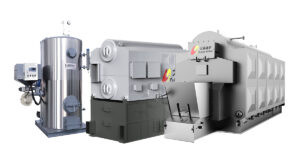
What is Biomass?
Biomass refers to organic materials derived from living organisms which create renewable energy sources. The biomass resource base includes wood, agricultural waste, food disposal items, and algae. The materials act as sustainable energy sources because they store solar energy through their photosynthetic process which requires appropriate management for access.
Biomass energy exists in stored form but scientists can extract it through three main methods which include combustion and fermentation and anaerobic digestion. Biomass combustion produces heat energy which industrial facilities can use to generate steam and electricity. The process transforms biomass into biofuels which include biogas and biodiesel and ethanol that industrial facilities and transportation systems can use.
Biomass stands as the most adaptable renewable energy source which exists today. The fuel source not only serves as a fossil fuel replacement but also enables waste reduction through the recycling of organic materials that would otherwise be discarded. The wide availability of biomass together with its ability to produce carbon-neutral energy makes it vital for achieving a sustainable energy system.
Types of Biomass Fuel
The three different biomass fuel types exist because of their distinct source origins and fuel material characteristics. Each type of waste material provides its own sustainable energy solution which helps to minimize environmental damage.
| Fuel Category | Examples | Primary Use |
|---|---|---|
| Wood & Ag Residues | Wood chips, sawdust, straw, rice husks, corn cobs | Heating and electrical production |
| Animal & Industrial Waste | Manure, food processing waste | Biogas (anaerobic digestion) and fertilizer |
| Energy Crops | Switchgrass, miscanthus, sugarcane | Biofuels (ethanol and biodiesel) |
Wood and Agricultural Residues: The category comprises materials which include wood chips together with sawdust and straw and crop stalks. The agricultural residues result from the forestry and agricultural activities which create these materials as their secondary products. The materials supply their heating capacity together with their electrical production ability because people need them for their heating requirements. Agricultural residues exist in the form of rice husks and corn cobs which serve as waste materials that people turn into biomass energy.
Animal and Industrial Waste: Animal waste, such as manure, is another significant source of biomass fuel. The process of anaerobic digestion converts the material into biogas which generates energy together with organic fertilizer as its waste product. The industrial sector uses food processing wastes as a biomass resource which transforms discarded materials into useful energy while decreasing environmental waste.
Energy Crops: The process of growing energy crops occurs with the specific goal of producing biomass for energy purposes. The current situation permits farmers to grow switchgrass and miscanthus and sugarcane because these plants grow quickly. The crops present an excellent choice because they grow well on land which does not compete with areas needed for food production. Energy crops are essential for producing biofuels, such as ethanol and biodiesel, which can be used in transportation and other sectors.
The three biomass fuel types enable clean energy production while they help to solve problems related to waste disposal. The components of these systems function as essential elements which support the development of sustainable energy systems that produce zero carbon emissions.
Biomass in Heating Systems
Biomass serves as a renewable and efficient resource which heating systems use to provide an eco-friendly option that replaces fossil fuels. Biomass heating systems use organic materials which include wood and agricultural residues and specially grown energy crops to produce heat that serves residential and commercial and industrial spaces. The systems have high value because they use resources which local areas provide, which helps decrease their need for imported fuels and creates economic benefits for nearby communities.
Biomass provides heating systems with their primary benefit because biomass functions as a carbon-neutral energy source. The combustion of biomass materials emits carbon dioxide which enters the atmosphere. The carbon dioxide emissions from biomass burning get counteracted by the carbon dioxide plants and trees absorb during their growth cycle. Biomass functions as an ideal option for greenhouse gas emission reduction because it emits lower emissions than traditional heating systems which operate on coal and oil and natural gas. The biomass heating systems minimize waste by transforming organic waste materials into energy that can be used.
Biomass heating systems exist in multiple types which include stoves and boilers and district heating networks. Users can customize each system according to their unique energy requirements. Small-scale biomass stoves function as ideal heating solutions for individual households, while large-scale biomass boilers deliver heating service to complete communities and industrial operations. The systems show how biomass can function as an environmentally friendly and efficient energy source which meets global heating demands while maintaining energy independence and protecting natural ecosystems.
Industrial Biomass Boiler Technology
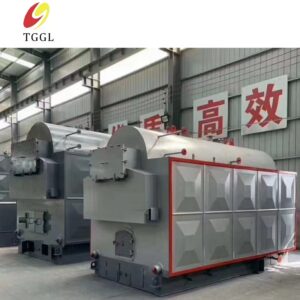
How Industrial Biomass Boilers Work
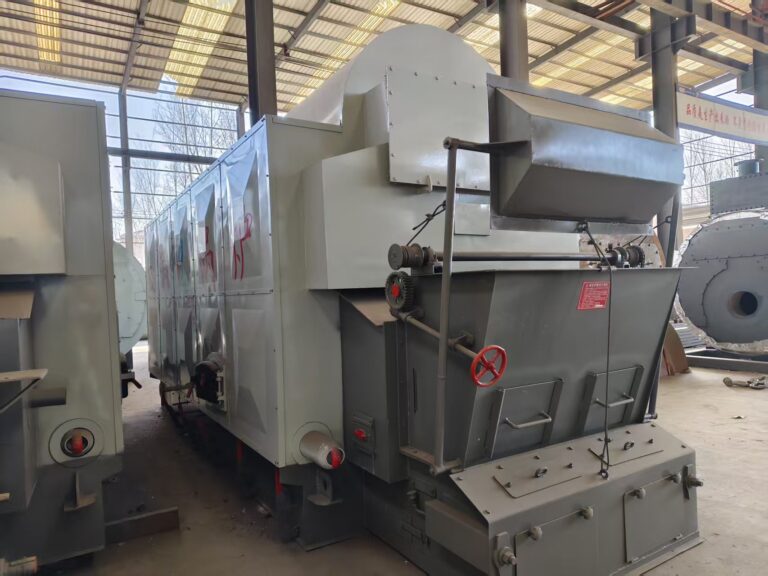
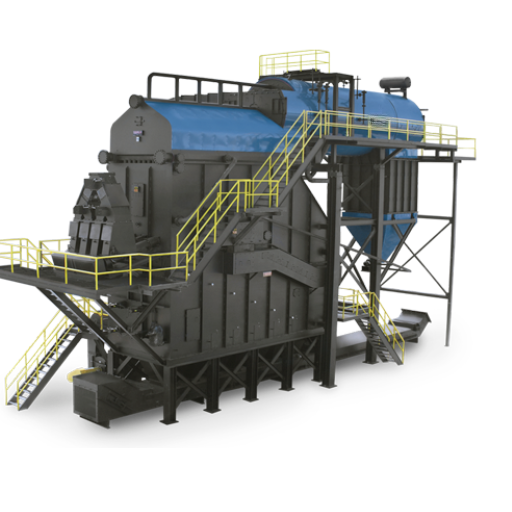
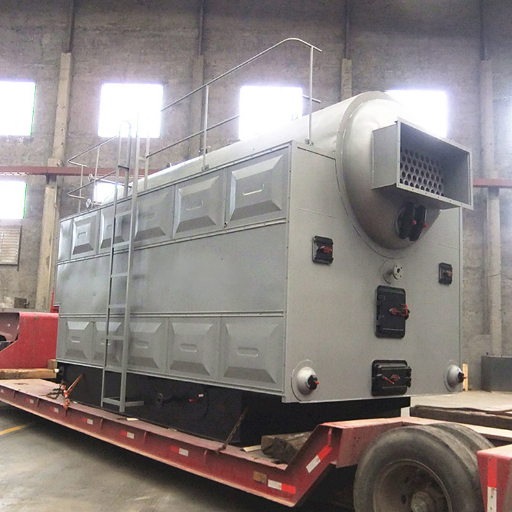
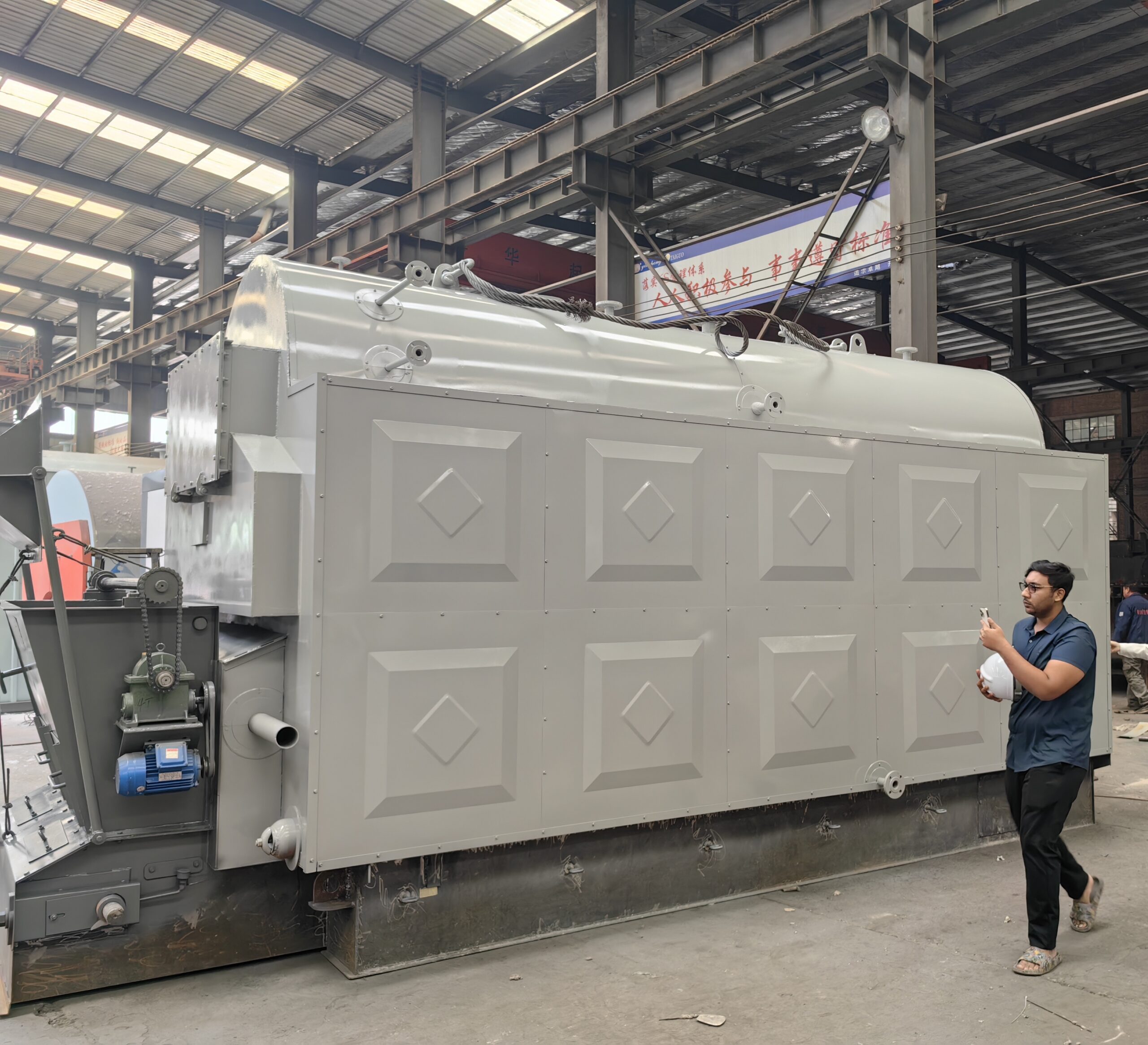
Industrial biomass boilers operate through their process of transforming organic matter into thermal energy through its combustion. Their systems operate by burning biomass materials which include wood chips and pellets and agricultural waste and specially cultivated energy crops. The combustion process takes place inside a chamber which receives biomass material for ignition and creates hot gases that transfer thermal energy to water or steam through a heat exchanger. The system uses heated water and steam for distribution which provides heat to industrial operations and commercial spaces.
The automated feed systems of industrial biomass boilers supply constant fuel flow which improves efficiency together with precise temperature controls and systems that reduce emissions. The components operate together to achieve energy output optimization while they reduce the environmental damage. The boiler needs proper maintenance together with regular cleaning to achieve its maximum performance and extended operational life.
Biomass boilers provide sustainable energy solutions because they rely on renewable resources which people can obtain from their local areas. Biomass combustion achieves carbon neutrality because the process releases carbon dioxide which matches the amount of carbon that plants absorbed during their growth. This makes biomass boilers an eco-friendly option for industries looking to reduce greenhouse gas emissions while meeting their heating and energy needs efficiently.
Components of Biomass Boiler Systems
Biomass boiler systems function through their essential elements which perform together to transform biomass fuels into thermal or electrical energy. The components work together to create efficient and environmentally friendly operations for biomass boiler systems:
- ✓
Combustion Chamber: Burns materials (pellets, chips, waste) to produce heat energy. - ✓
Heat Exchanger: Transfers generated heat to the designated heating or electricity system. - ✓
Fuel Storage & Feeding: Silos and hoppers use augers or conveyors for uninterrupted fuel delivery. - ✓
Control & Monitoring: Manages temperature, oxygen, and fuel supply for safety and efficiency. - ✓
Automatic Ash Removal: Handles combustion byproducts to reduce maintenance downtime.
Comparison with Traditional Gas Boilers
Biomass boilers and traditional gas boilers show fundamental differences through their choice of fuel and their impact on the environment. Biomass boilers use renewable organic materials while traditional gas boilers depend on fossil fuels that include natural gas and oil. Biomass boilers become more sustainable because their fuel sources which people believe to be carbon-neutral will remain sustainable when people use them responsibly.
The two systems show different performance levels. Biomass boilers require higher operating costs and need larger spaces because they must store and handle their fuel. The modern biomass boilers use automatic feeding and ash removal systems to simplify their operations while boosting operational efficiency. Gas boilers provide easy maintenance because they need less upkeep in compact designs which work well for small areas and homes that need basic solutions.
Biomass boilers produce much lower carbon dioxide emissions during operation than gas boilers which makes them an effective method for decreasing greenhouse gas emissions. The system can produce particulate matter which poses a risk to air quality without suitable filtration systems. Gas boilers produce fewer emissions than coal and oil systems yet their operation leads to renewable resource depletion while increasing carbon dioxide emissions. These factors make biomass boilers a preferable option for those prioritizing sustainability despite their higher maintenance demands.
Economic Benefits of Industrial Biomass Boilers
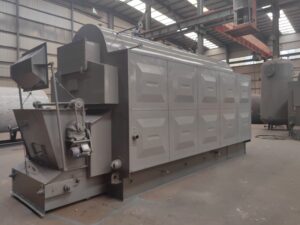
Cost Analysis of Biomass vs. Fossil Fuels
The cost difference between biomass and fossil fuels depends on three main factors which include resource availability and operational efficiency and market fluctuations. In areas where wood chips and agricultural residues are available biomass fuels become cheaper than fossil fuels which include coal and oil and natural gas. The local sourcing of biomass materials enables biomass systems to achieve lower transportation expenses which results in overall cost reductions that exceed fossil fuel costs.
💡
Pro Tip: Investment Recovery
Biomass boilers require higher initial investment expenses than conventional fossil fuel systems but they result in financial benefits through reduced fuel costs and government renewable energy funding. Many governments provide subsidies or tax breaks for biomass energy solutions which further improve their economic viability.
Environmental costs that occur from fossil fuel usage need to be included in total assessment. The externalities which include health effects from air pollution and climate change impacts of greenhouse gas emissions result in economic costs that occur indirectly. Biomass serves as a renewable energy source which provides industries with an environmentally friendly energy option that generates lower environmental costs and creates a financially viable solution for their long-term development.
Operational Savings and Efficiency
Organizations use renewable energy sources to achieve both operational savings and operational efficiency. Industries that switch to biomass can reduce overall energy expenses because biomass fuels provide better pricing stability than fossil fuels which are used in traditional energy sources. Businesses can use this stable pricing to create financial plans which extend over multiple years because they will spend less money on energy expenses throughout the upcoming years.
Biomass systems need less maintenance work than traditional energy systems which use old and ineffective technology. The upcoming biomass technology systems provide organizations with advanced performance capabilities which enable them to run their operations without interruptions. The enhanced system reliability enables industrial operations to function at their peak performance level while reducing the need for unplanned maintenance work operations.
Biomass fuels achieve energy savings through their superior energy efficiency. Its reduced carbon emissions lead to decreased regulatory compliance expenses for certain businesses which face environmental regulations and carbon tax requirements. Industries can achieve their sustainability targets by decreasing their greenhouse gas emissions and their fossil fuel consumption which brings them both financial advantages and positive public image results. Biomass operational efficiencies create a beneficial solution which supports both environmental protection and economic development.
Incentives and Financial Support for Biomass Projects
Governments and organizations worldwide provide multiple financial support systems and incentives to promote biomass project development. The initiatives work to advance renewable energy sources while decreasing greenhouse gas emissions and boosting economic development in rural areas. Project developers receive financial assistance through tax credits and grants and low-interest loans which make biomass energy systems more practical for implementation. Business and individual investors who develop biomass technology projects receive tax incentives. The tax benefits include deductions for installing renewable energy systems and tax credits for production and investment and certain duty tax obligations which are exempted from taxation. Biomass projects become more attractive to investors because the measures decrease total expenses which lead to greater business profitability. Biomass facility operators might receive carbon credits which enable them to trade emissions allowances through carbon markets thus improving their projects financial sustainability.
Grants and subsidies serve as essential financial assistance for organizations. Governments and non-governmental organizations allocate funding to support the research and development activities and the establishment of biomass projects. Developers use low-interest or zero-interest loans to obtain essential funding required for building and purchasing equipment. The financial instruments work together to provide two benefits which enable biomass energy usage to expand and drive new innovations while generating job opportunities whose outcomes support environmental sustainability and economic development initiatives.
Applications of Industrial Biomass Boilers

Biomass Heating in Manufacturing
Biomass heating in manufacturing uses wood and agricultural waste and other renewable organic materials to produce industrial process heating needs. The boilers create thermal energy which industrial operations require to complete drying and curing and heating and steam generation tasks. Biomass boilers serve multiple industrial applications because of their flexible design which enables operation in food processing and pharmaceutical and textile and paper manufacturing facilities.
Biomass heating provides its main advantage through its positive effects on environmental protection. Biomass produces carbon-neutral status which enables it to counteract greenhouse gas emissions that result from using fossil fuels. Local biomass sources enable manufacturers to cut down fuel transportation expenses while achieving energy self-sufficiency. Manufacturers that apply biomass systems into their operations gain two advantages through decreased carbon emissions and compliance with industrial emissions regulations which require emission reductions.
The economic advantages of biomass boilers drive their adoption throughout the manufacturing sector. The systems create financial advantages because plants that burn waste materials as fuel experience both reduced disposal costs and decreased energy expenses. The stable pricing of biomass during extended periods makes it a dependable sustainable solution for businesses which seek to enhance their environmental performance and operational efficiency.
Use in Agriculture for Sustainable Practices
Biomass boilers serve as essential systems which enable sustainable agricultural operations through their capacity to convert organic waste materials into energy. The process enables efficient energy extraction from agricultural waste materials which include crop residues and animal manure and wood waste thus decreasing fossil fuel dependence and solving waste disposal challenges. The system provides two advantages through its operational design because it reduces greenhouse gas emissions while delivering farmers access to an economical renewable energy solution.
Biomass boilers provide vital support to agricultural operations because they enable farms to establish complete energy self-sufficiency systems. Farms who use agricultural waste from their own land decrease their risk of facing unexpected changes in energy costs. The system generates energy within the local area which enables communities to maintain their operations while building better financial stability especially in rural areas which have limited access to traditional energy solutions.
The circular agricultural system receives support from biomass boiler operations. The system enables methane emissions reduction by transforming waste materials into fuel which organizations can use to achieve their resource management objectives. The system decreases pollution levels which benefits soil and environmental health while enabling farmers to reduce their business expenses. The agricultural industry finds biomass boilers to be an effective environmentally friendly method for achieving sustainable development.
District Heating Solutions with Biomass
Modern district heating systems depend on industrial biomass boilers which deliver renewable energy that meets industrial heating requirements through their efficient operations. The systems utilize organic materials as fuel which includes wood chips and pellets and agricultural residues to produce heat energy that gets distributed through residential and commercial and industrial networks. The process achieves substantial greenhouse gas emission reductions which meet sustainability requirements and climate action goals when compared to fossil fuel usage.
Biomass boilers provide the main benefit for district heating systems because they permit power generation through centralized heat production which improves energy efficiency. The systems provide communities and facilities with constant renewable energy breaks the requirement for separate fossil fuel heating systems which results in cleaner air and lower total energy expenses. The systems promote local resource utilization which leads to economic development and energy independence in the areas they operate.
Biomass boilers produce energy from waste materials which they convert into renewable power thus supporting the circular economy model. The approach decreases landfill waste while serving as an environmentally friendly energy generation method. Modern industrial biomass boilers have reached a point where technological progress enables their reliable operation and flexible use across different industrial applications which include existing district heating systems. The use of biomass in district heating systems helps cities develop sustainably because it brings both environmental and economic advantages which continue over time.
Choosing the Right Biomass Boiler System
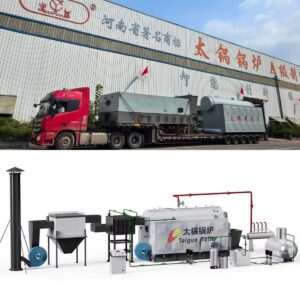
Factors to Consider When Selecting a Biomass Boiler
- 1
Fuel Compatibility
Assess local fuel availability, pricing, and storage capacity. These directly influence both maintenance and operational cost-effectiveness. - 2
Sizing and Efficiency
Ensure the system meets energy demand without overconsuming. High-efficiency ratings lead to optimization and lower fuel usage. - 3
Maintenance & Sustainability
Evaluate regular cleaning needs and verify sustainable fuel sources to maximize environmental benefits.
Future Trends in Biomass Boiler Technology
The future of biomass boiler technology will progress through technological achievements which enhance both efficiency and sustainable operation and the ability to use renewable energy systems. The development of advanced combustion technologies which achieve higher efficiency levels represents a major movement in contemporary society. Modern biomass boilers use advanced design elements which enable them to achieve better combustion results that decrease particulate emissions and environmental damage. The new technologies will help power plants produce more energy while they meet the requirements of stricter environmental environmental regulations which are currently in effect.
The development of smart technology systems represents an important trend in modern society. The growing adoption of IoT technology in biomass boilers enables users to watch their systems work fuel consumption patterns and maintenance requirements throughout each operational period. The system includes operational functions which enhance work efficiency while maintaining trustworthiness through stable equipment delivery. Smart systems use advanced technology to improve sustainable practices which result in better fuel consumption and lower wastage operations suitable for residential and industrial systems.
The future will focus on creating sustainable methods to acquire biomass fuels. The rising demand for sustainable resource management methods has led to increased interest in using waste-derived biomaterials together with maintaining complete supply chain traceability. The industry uses biomass fuel certification and sustainability verification processes to develop sustainable practices which create environmental benefits while preserving natural resources. The industry implements these sustainable practices to power biomass systems which deliver dependable energy services with lower environmental impact.
Frequently Asked Questions (FAQ)
Q: What are industrial biomass boilers and how do they differ from traditional fossil fuel boilers?
A: Industrial biomass boilers function as massive heating systems which produce steam through the combustion of renewable fuels including wood pellets, agricultural waste, and refuse-derived fuel. They generate lower carbon emissions throughout their operational lifespan compared to traditional fossil fuel boilers.
Q: Can industrial biomass boilers be used to generate electricity or are they only for heat?
A: They generate both. Boilers combined with steam turbines in combined heat and power (CHP) systems generate electrical power while delivering process steam and hot water for industrial operations.
Q: What fuel types do industrial biomass boilers accept?
A: They accept wood pellets, chipped wood, waste-to-energy feedstocks, refuse-derived (RDF) fuels, and gaseous biomass-derived fuels. Moisture content and fuel quality are critical for maintaining performance and avoiding soot.
Q: What combustion technologies ensure efficient operation?
A: Technologies include grate-fired systems, fluidized bed combustion, and advanced staged combustion systems. Fluidized bed combustion offers high fuel flexibility and combustion efficiency.
Q: How do CHP systems improve cost savings?
A: Cogeneration plants capture both thermal and electrical energy from a single fuel source, leading to better operating efficiency, decreased fuel usage, and lower overall operating expenses.
Q: What maintenance is important?
A: Regular inspections of grate and bed conditions, ash removal, refractory cleaning, and monitoring flue gas composition are essential to prevent soot and particulate buildup.
Q: How do emissions compare to fossil fuel systems?
A: Biomass produces lower net CO2 emissions. Particulate matter and NOx are controlled via advanced combustion tuning and flue gas cleaning systems like filters and scrubbers.
References
- Penn State Extension: Commercial-Scale Biomass Combustion Equipment – This article provides an overview of equipment used in commercial-scale biomass combustors and considerations for selection.
- U.S. Environmental Protection Agency (EPA): Industrial, Commercial, and Institutional Area Source Boilers – Covers regulations and details about boilers burning biomass, coal, or oil.
- USDA Forest Service: Biomass Boiler Conversion Potential in the Eastern United States – A paper characterizing commercial and industrial boilers in various U.S. regions.
- Industrial Biomass Fired Boiler Manufacturer in China