Get in Touch with Taiguo

Biomass Boiler Efficiency: Factors and Optimization


Contents
show
Biomass boilers have gained popularity as sustainable energy solutions because they provide businesses and households with an environmental-friendly power source. The systems need to operate at their highest efficiency because this requirement serves both environmental protection goals and cost-saving needs and performance stability requirements. This article examines the main elements which determine biomass boiler effectiveness and suggests practical methods for improving their operational performance. This guide will help facility managers and homeowners and renewable energy technology enthusiasts to use their biomass boilers effectively. The following content explains how implementing proper methods and using suitable instruments will result in both environmental benefits and financial advantages.
Key Takeaway
Peak biomass boiler efficiency is achieved through a synergy of high-quality fuel (low moisture), advanced combustion technology, and rigorous maintenance. Optimizing these factors simultaneously slashes operational costs while maximizing environmental sustainability.
Introduction to Biomass Boiler Efficiency
Definition of Biomass Boiler Efficiency
Biomass boiler efficiency measures how well a biomass boiler transforms biomass fuel energy into usable heat while preserving most of its energy content. The standard measurement method presents the results as a percentage which shows the proportion of fuel energy that is converted into heating output. A boiler system with high efficiency operates by converting most of its fuel energy into useful power which results in decreased operational expenses and waste generation.
The efficiency of a biomass boiler depends on three main elements which include the biomass fuel characteristics and the combustion procedure and the boiler upkeep activities. The combustion process achieves its best performance when biomass fuel maintains its clean and dry state while its size matches the required specifications. The system requires regular maintenance which includes both cleaning the heat exchange surfaces and checking the combustion chambers to stop energy losses while keeping the system running at its highest efficiency level.
Efficiency improvements lead to decreased fuel usage which results in reduced greenhouse gas emissions that support environmental sustainability. Biomass boilers achieve their energy efficiency through two processes which include their energy conversion system and their fuel waste reduction system which results in both cost savings and environmentally friendly heating options that help promote renewable energy solutions.
Importance of Boiler Efficiency for Cost Savings
Boiler efficiency functions as a vital element which directly impacts cost savings for both home users and industrial facilities. The operation of highly efficient boilers enables them to achieve identical heating output through reduced fuel consumption, resulting in decreased energy costs. Efficient boilers achieve extended financial advantages through their capacity to enhance performance while decreasing energy waste.
The operational efficiency of a boiler system directly affects its fuel consumption which results in increased operational expenses for organizations. The operation of a boiler system with lower efficiency requires additional fuel consumption which results in higher operational costs that accumulate throughout its lifespan. Users can achieve better performance for their systems through upgraded equipment which results in decreased operational expenses that occur repeatedly. The improved efficiency of systems decreases both the possibility of equipment failures and the need for maintenance work which results in lower costs for repairs.
The combination of environmentally friendly design and efficient operational performance enables boilers to achieve cost savings through compliance with environmental regulations and energy efficiency standards. Organizations that meet these standards enable their users to avoid financial penalties while gaining access to various programs that offer monetary grants and tax deductions for energy-saving initiatives. The combination of lower operating expenses with available financial incentives establishes boiler efficiency as a crucial element for organizations that seek environmentally friendly and affordable energy solutions.
Environmental Sustainability and Biomass Heating
Biomass heating system operates with organic materials as its primary fuel to generate thermal energy which meets the standards of renewable energy systems. The technology promotes environmental sustainability because it decreases fossil fuel dependency and decreases greenhouse gas emissions. Biomass operates as a carbon neutral fuel because its combustion process produces carbon dioxide emissions that equal the carbon dioxide which trees and plants absorb during their growth.
Biomass heating systems provide environmental advantages because they can transform waste products into energy, which would otherwise emit methane during decomposition. The use of byproducts for energy production in biomass systems decreases both emissions and the need for waste disposal solutions. Local biomass resources support community sustainability through job creation and increased commercial activities.
The environmental effects of biomass heating systems depend on proper resource handling procedures. Excessive biomass extraction results in tree loss and environmental degradation, which opposes sustainability objectives. The environmental advantages of biomass heating systems depend on organizations developing sustainable sourcing methods together with their designers creating effective operating frameworks.
Key Factors Affecting Biomass Boiler Efficiency
Fuel Quality: Type, Size, and Consistency
Biomass boiler efficiency depends on the quality of used fuel. Different biomass materials which include wood chips and pellets and agricultural residues possess different energy content and combustion characteristics which make fuel type essential for this process. The selection of a fuel which provides dependable energy content leads to constant thermal output which maintains steady boiler operation.
Fuel size and moisture content are equally important. The boiler system experiences operational problems because oversized particles create combustion difficulties and equipment breakdowns. The combustion process becomes less effective when fuel contains high moisture levels because extra energy must be used to remove the water. For optimum performance, using fuel with a uniform size and moisture content below recommended levels is essential.
The supply of fuel must maintain consistent quality. Quality changes and delivery problems cause operational interruptions which require additional maintenance work. High-quality biomass fuel sources should be established because they enable operational efficiency while reducing equipment damage, which results in lower operational expenses and longer equipment lifespans. The environmental and economic advantages of biomass heating systems become accessible when all important factors receive proper attention.
Moisture Content and Its Impact on Combustion
Biomass heating systems rely on moisture content as their key factor which determines combustion efficiency. Biomass fuel requires more energy when it contains high moisture levels because the moisture must be removed through evaporation before combustion can start. This directly reduces the system’s overall energy output and efficiency. The optimal moisture content for biomass should remain low because this condition enables clean and efficient burning throughout all operational periods.
Excessive moisture in fuel creates operational challenges for equipment. High-moisture biomass results in increased smoke production and pollutant emissions which create creosote and other combustion system debris. This situation results in more maintenance work while it creates risks for permanent equipment damage. The system requires fuel moisture control because this practice determines operational performance and equipment lifespan.
The proper drying and storage of biomass materials before their application helps to solve moisture content problems. The use of well-seasoned wood together with properly processed biomass materials leads to better burning performance which produces less pollution and needs less maintenance work. Users achieve maximum benefits from biomass heating systems through their moisture content optimization because this method improves system efficiency while reducing environmental harm.
Boiler Design and Technology Innovations
The current improvements in boiler design and technological development show 2 different benefits for biomass boilers. Biomass materials receive their optimal combustion through the implementation of new combustion chamber designs that achieve high efficiency. The systems achieve waste reduction through their precise control of airflow and fuel feed rates while they achieve maximum energy production. The technology combination delivers performance improvements together with reductions in particulate matter emissions and greenhouse gas emissions.
The development of automated control systems enables users to operate biomass boilers through its automated fuel supply and temperature and combustion process regulation. The systems maintain operational consistency through their automatic control of fuel and temperature and combustion operations, which eliminate the need for users to monitor them constantly. The system includes improved monitoring and diagnostic features, which enable maintenance personnel to perform needed maintenance tasks at the right time, resulting in decreased operational downtime and reduced service expenses. The biometric authentication system guarantees safe and trustworthy operation of the system through its automated operations.
The development of heat exchanger technology has produced improvements that enable better biomass boiler operation. The design of modern heat exchangers allows them to extract larger amounts of heat from flue gases, which leads to greater overall system efficiency. The innovation reduces energy waste while decreasing fuel needs, which enables biomass heating systems to achieve better environmental results and lower operational costs. The continuous progress in boiler design and technological development leads to biomass systems becoming viable and environmentally sustainable energy resources.
Operational Practices for High Combustion Efficiency
Regular Maintenance and Its Role in Optimization
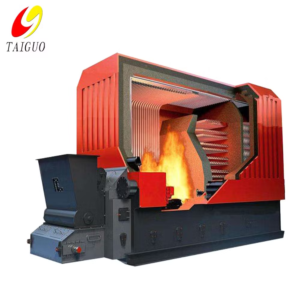
Biomass boilers achieve maximum combustion efficiency through their need for continuous maintenance work. The maintenance process stops potential system problems which include blockages and mechanical wear from occurring because it ensures proper system upkeep. Maintenance procedures require personnel to clean heat exchange surfaces and detect ash accumulation while verifying that all equipment functions correctly. The actions taken through these activities decrease energy wastage while the activities dedicated to maintaining heat transfer systems and the activities dedicated to fuel combustion systems operate with optimal efficiency.
💡
Optimization Tip
Regularly conduct testing of combustion parameters such as temperature and oxygen levels. Calibrating sensors ensures accurate control and stable power generation.
The process of system optimization relies on performance monitoring as its main component. The boiler reaches its maximum operational efficiency because operators conduct regular testing of combustion parameters which include temperature and oxygen levels. When combustion settings are not functioning properly, the system will burn fuel incompletely which results in lower operational efficiency and higher emissions. The process of regular sensor and controller calibration establishes accurate system control for all monitoring elements, which enables stable power generation throughout the entire system operation.
The maintenance schedule needs to be tailored for the unique operational requirements of the biomass boiler. The system needs more frequent inspection work because high usage and different fuel quality create operational challenges. The boiler will achieve better operational efficiency and extended lifespan through either professional maintenance services or operator training, because both methods bring about significant performance enhancements. The user achieves both environmental sustainability and cost savings through these practices, which also serve to optimize energy production.
Load Management Strategies for Improved Efficiency
Biomass boilers achieve their highest operational efficiency through proper load management. Operators achieve optimal boiler performance through precise load monitoring and control procedures. The system operates with maximum energy efficiency because it uses less energy while running at lower output levels, which results in reduced emissions.
The primary method requires operators to maintain boiler output between two different energy requirements. The process requires both demand forecasting and operational schedule creation. Operators can prevent energy supply problems through output matching, which adjusts boiler production to match peak energy consumption times. The power generator must maintain a stable energy output because power interruptions lead to more frequent system failures and higher operational costs.
The thermal storage systems require thermal storage systems to operate effectively. These systems enable users to store excess energy produced during low-demand times, which they can access during periods of increased demand. The system achieves better operational efficiency through these methods while maintaining a continuous flow of energy. The implementation of load management strategies together with active system monitoring and adjustments leads to better biomass boiler performance which supports eco-friendly energy solutions.
Control Systems for Biomass Boilers
The efficient and dependable functioning of biomass boilers depends on their control systems. The system controls the fuel feed rates and combustion air supply and temperature control to achieve maximum energy output while reducing emissions. The control systems achieve combustion stability through their automatic control of operational parameters which allows the boiler to reach its optimal performance level.
Real-time monitoring and diagnostics represent another crucial element of the system. The advanced control systems use sensors and software to monitor performance metrics which include fuel levels and heat output and flue gas composition. The system provides constant monitoring to enable early detection of potential problems which results in decreased system downtime and lower maintenance expenses. Operators can use the system’s collected data to make adjustments which will enhance their performance.
The majority of contemporary control systems feature interfaces which enable users to operate the system and troubleshoot problems with greater ease. The system enables biomass boilers to operate with less human involvement through its automated alerts and remote monitoring and programmable settings. The operational efficiency of biomass energy solutions improves through these features which also support their economic and environmental sustainability.
Optimization Techniques for Biomass Boilers
Combustion Optimization Strategies
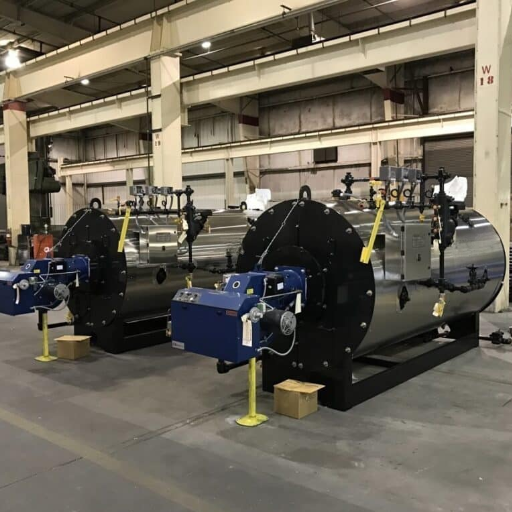
Biomass boiler systems need combustion optimization because it improves their operational performance while decreasing their hazardous emissions. The first strategy needs operators to keep their system air-to-fuel ratios within designated operational boundaries. The system needs exact air supply because any mismatch will result in partial combustion which wastes fuel resources while creating extra pollutants. The system requires periodic sensor and monitoring system calibration to achieve optimal operational conditions.
The second method uses sophisticated control technologies. The systems track combustion parameters which include temperature and oxygen content and flue gas emissions. The boiler system uses real-time data analysis to modify its fuel and air supply for maintaining optimal combustion operations. This operation decreases both unburned fuel and harmful pollutants like carbon monoxide.
Fuel quality establishes the main factor which determines how efficiently combustion will proceed. The combustion process becomes more stable when biomass fuel undergoes processing that maintains constant moisture levels and uniform particle size. Proper storage of biomass to prevent contamination or moisture absorption is equally important. The combination of these techniques creates major improvements in both operational performance and environmental sustainability for biomass boiler systems.
Minimizing Heat Loss in Boiler Systems
The combination of proper insulation maintenance work and efficient system function results in reduced heat loss from boiler systems. The process of insulating boiler pipes and valves and the boiler itself provides an easy method to decrease heat loss which enables most generated heat to be used for boiler operation. The development of modern insulation materials enables them to function at extreme temperatures while their thermal conductivity remains low, which results in improved operational efficiency.
⚠️ Important Maintenance Action
Perform regular checks on seals and vents. Even small insulation damages or leakages can result in significant energy loss over time.
Regular maintenance activities help technicians find and fix problems that cause heat loss through insulation damage and leakage. The examination of seals and vents along with other components establishes energy-saving measures that avoid excess energy loss through these systems. The boiler needs to function under its best pressure and temperature conditions because system misconfiguration results in higher energy requirements.
Utilization of Waste Heat for Enhanced Efficiency
Boiler systems achieve their maximum operational performance through the implementation of waste heat recovery systems. Industries can capture and recycle waste heat, which occurs through exhaust emissions and remaining thermal energy, to decrease their energy requirements for additional power generation. Heat recovery systems operate by redirecting their thermal energy resource into two main applications: feedwater preheating and secondary industrial process delivery. The system maintains its operational efficiency through energy conservation while generating operational savings that compound throughout the entire duration of equipment use.
The ecological sustainability of waste heat recovery systems gains significant support through their operational deployment. Facilities achieve reduced greenhouse gas emissions through energy recycling because it leads to decreased fuel requirements. The method enables companies to meet increasing environmental compliance demands while shrinking their carbon emissions, which results in ecologically sustainable operational practices that maintain productivity.
The systems establish better performance security for extended equipment operation periods. Boiler systems achieve extended operational lifespans through reduced primary energy dependency and effective use of residual thermal energy. The system achieves its complete potential through this process, which delivers stable power generation and enables environmentally sustainable business operations that reduce costs. Industrial operations achieve their desired operational efficiency and environmental sustainability through the implementation of waste heat recovery systems.
Real-World Case Study on Biomass Boiler Optimization
Overview of the Selected Case Study
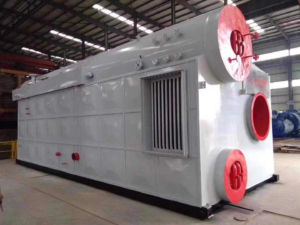
The study investigates how researchers can use biomass boiler systems to maximize both operational efficiency and environmental advantages. The project aimed to develop an energy conversion system which would minimize fuel losses while achieving lower emissions to fulfill sustainability targets. The research demonstrates that implementing targeted system changes to the boiler system resulted in better operational results while decreasing expenses for lost energy usage.
The organization established essential actions which involved implementing sophisticated monitoring systems to measure energy consumption while optimizing their operational functions. The operators used real-time data to control combustion parameters which resulted in better fuel efficiency and lower carbon output. The system obtained additional efficiency improvements through its implementation of waste heat recovery systems which extracted energy that would have been lost during operation.
Key Findings and Benefits of Optimization
The optimization of the biomass boiler brought substantial enhancements to both its operational efficiency and its environmental performance. The system achieved better energy output through enhanced combustion efficiency which decreased fuel needs and resulted in decreased operational expenses. The system’s enhanced performance allowed for decreased maintenance needs which extended the equipment’s operational time by decreasing repair downtime.
Case Outcome
Targeted optimization provided both economic advantages and environmental benefits, supporting sustainable industrial operations through lower carbon output.
The project produced significant environmental advantages. The optimization process achieved a substantial reduction of greenhouse gas emissions which helped meet sustainability targets and fulfill regulatory requirements. The system achieved maximum renewable energy production by using biomass more efficiently which resulted in decreased waste and a smaller carbon emissions footprint.
The case study demonstrates that optimizing biomass boilers results in both economic benefits and environmental protection commitments. The industry needs these advancements to create sustainable practices that achieve both financial success and environmental protection.
Frequently Asked Questions (FAQ)
Q: What is biomass boiler efficiency and why does “Biomass Boiler Efficiency: Factors and Optimization” matter?
A: Biomass boiler efficiency measures the capacity of a boiler to transform biomass fuel energy from wood pellets and chips and agricultural residues into usable heat. The understanding of biomass boiler efficiency requires knowledge about its various components together with their optimization methods because increased thermal efficiency leads to decreased operational expenses and reduced fuel requirements and diminished emissions from biomass power generation and industrial boiler operations. Enhancing boiler thermal performance requires the enhancement of combustion processes together with the improvement of heat transfer systems and the development of control mechanisms.
Q: Which factors most affect the thermal efficiencies of a biomass boiler?
A: Key factors that affect thermal efficiencies include fuel properties (calorific value, ash content, moisture), boiler design (fluidized bed, hot water boiler vs steam systems), operating conditions (boiler load, excess air, combustion temperature), heat transfer efficiency, scaling and fouling on heat surfaces, and component wear. The monitoring of these parameters in modern biomass plants and industrial boiler facilities occurs through sensor systems which use big data and artificial intelligence to detect efficiency drop causes and identify boiler efficiency improvement opportunities.
Q: How does fuel quality—like wood pellets and ash content—influence boiler performance?
A: The thermal efficiency of boilers together with their maintenance requirements depend on the quality of fuel used. High-moisture or low calorific value fuels reduce overall efficiency and increase fuel consumption; high ash content leads to more frequent cleaning, scaling, and component wear, which in turn lowers heat transfer efficiency. The selection of high-efficiency fuels including dried wood pellets with low ash content enables boilers to achieve cleaner combustion, maintain thermal efficiency, and decrease their operating expenses.
Q: What operational practices can improve boiler efficiency and reduce efficiency drop?
A: To achieve better boiler efficiency and prevent efficiency decreases, operators need to maintain their boiler load at design conditions while implementing controls that manage their combustion and feed rates and solving their thermal insulation problems and executing their scheduled boiler maintenance work to eliminate scaling and deposits. The application of artificial intelligence together with big data monitoring systems enables organizations to achieve maximum boiler performance by detecting their best operational practices and performance development patterns.
Q: How do different boiler designs which include fluidized beds and coal-fired boilers, impact their operational efficiency?
A: The performance of a system depends on its selected boiler design. Fluidized bed boilers can handle varied biomass fuels with superior combustion and lower emissions, often yielding higher overall efficiency for biomass fuels. Coal-fired boiler designs which operators convert to biomass need design changes for their combustion systems and feed mechanisms and ash handling systems to keep thermal efficiency. The choice between modern biomass systems and retrofitting existing systems determines three key factors which include heat transfer efficiency and scaling tendencies and the capacity to use various biomass fuels.
Q: What maintenance strategies are essential to maximize boiler performance and long-term savings?
A: Effective boiler maintenance is essential to maximizing boiler performance and securing long-term savings. The process of maintaining efficiency requires five different tasks which include conducting inspections for scaling and fouling, cleaning heat exchange surfaces, monitoring component wear, and maintaining correct combustion settings and preserving thermal insulation. The practice of preventive maintenance decreases unexpected downtime which occurs in both biomass plants and industrial boiler systems while it maintains operational expenses at a low level and enhances the effectiveness of boilers throughout their operational duration.
Q: Can adjusting operating conditions and boiler load improve efficiency and reduce emissions?
A: Yes. The operating conditions which include maintaining proper boiler load and controlling excess air and stabilizing combustion temperature, determine the maximum performance and efficiency and emission output of the boiler system. The partial load operation of boilers leads to efficiency losses, so the use of proper boiler sizing or modular systems should be implemented. The application of advanced controls or big data analytics to optimize these parameters leads to enhanced efficiency and better emission results.
References
-
The Optimization of Operational Parameters of a Biomass Fire-in-Tube Boiler
This study uses the Taguchi design method to optimize operational parameters for enhanced efficiency in biomass boilers.
Read more here -
Commercial-Scale Biomass Combustion Equipment
A resource from Penn State University Extension discussing thermal efficiency as a critical parameter in biomass combustion systems.
Read more here -
Emission Factors of Industrial Boilers Burning Biomass
A detailed report on efficiency improvements in biomass boilers, focusing on design considerations like moisture and fuel density.
Read more here - DZL Series Biomass Fired Hot Water/Steam Boiler
Ready to Optimize Your Output?
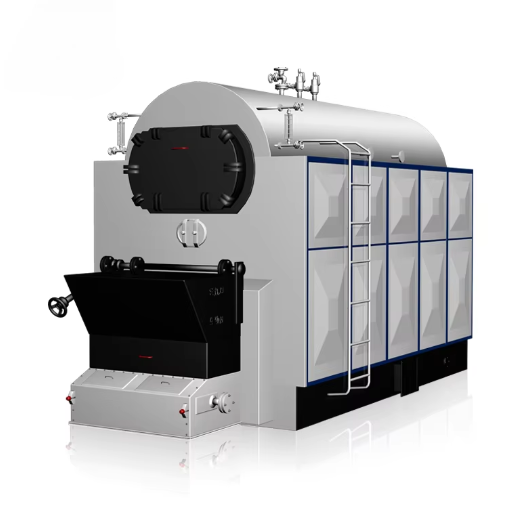
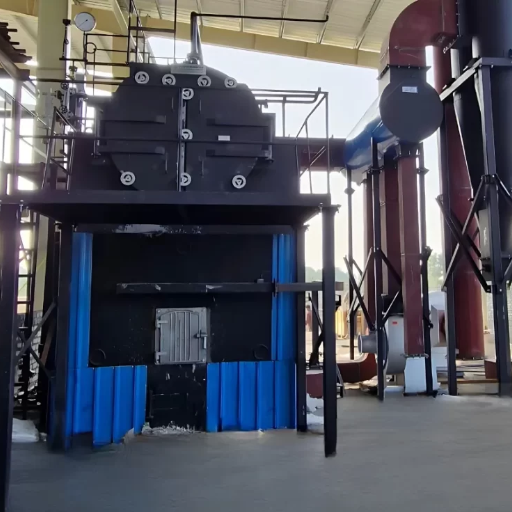
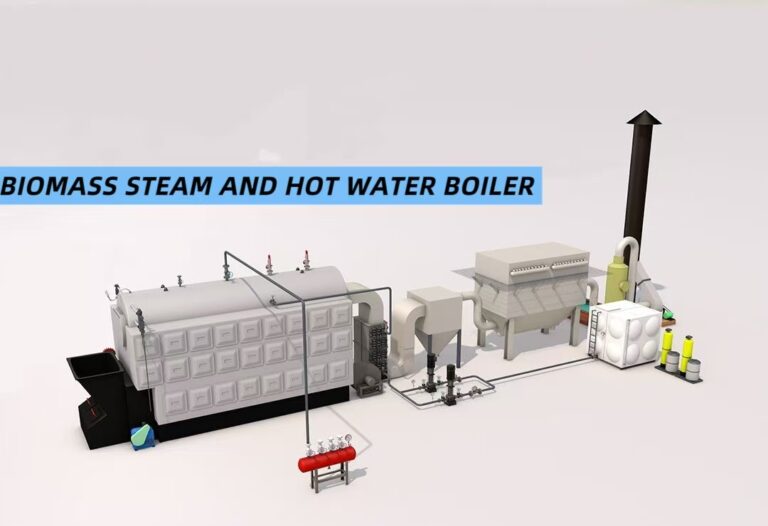
The DZL Series Biomass Fired Hot Water/Steam Boiler is engineered for maximum thermal transfer and fuel adaptability. Implementing these optimization techniques ensures long-term ROI and environmental compliance.