Get in Touch with Taiguo

Complete Guide to Buying Industrial Biomass Boilers

Contents
show
Biomass boilers are becoming popular among industries as they provide an eco-friendly solution which costs less than traditional fossil fuel systems. The process of selecting a suitable biomass boiler for your business needs to be approached with caution because it requires assessment of multiple factors which include capacity requirements and fuel selection and efficiency levels and total operational expenditures.
Executive Summary
This guide provides essential information which helps you to make better choices because it helps you to understand critical aspects of your decision-making process. This comprehensive resource will guide you through the process of learning about biomass boiler advantages and choosing the most suitable industrial model for your needs. The following content explains how new systems improve business operations while supporting environmental sustainability objectives.
Understanding Industrial Biomass Boilers
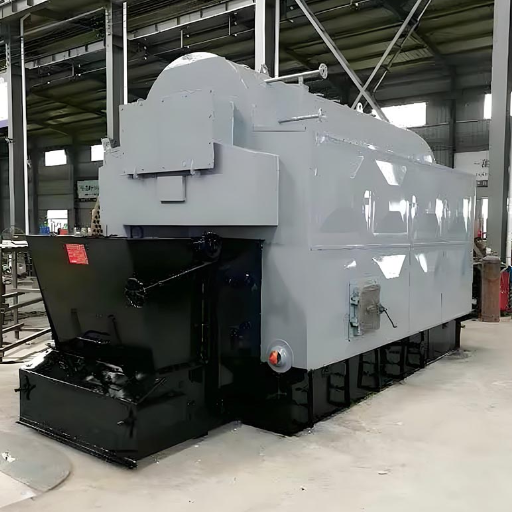
What is an Industrial Biomass Boiler?
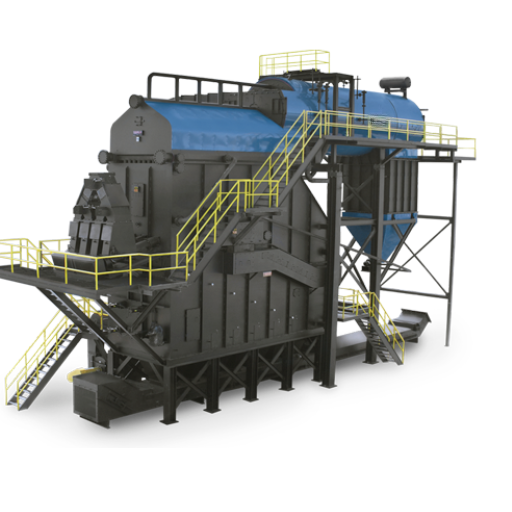
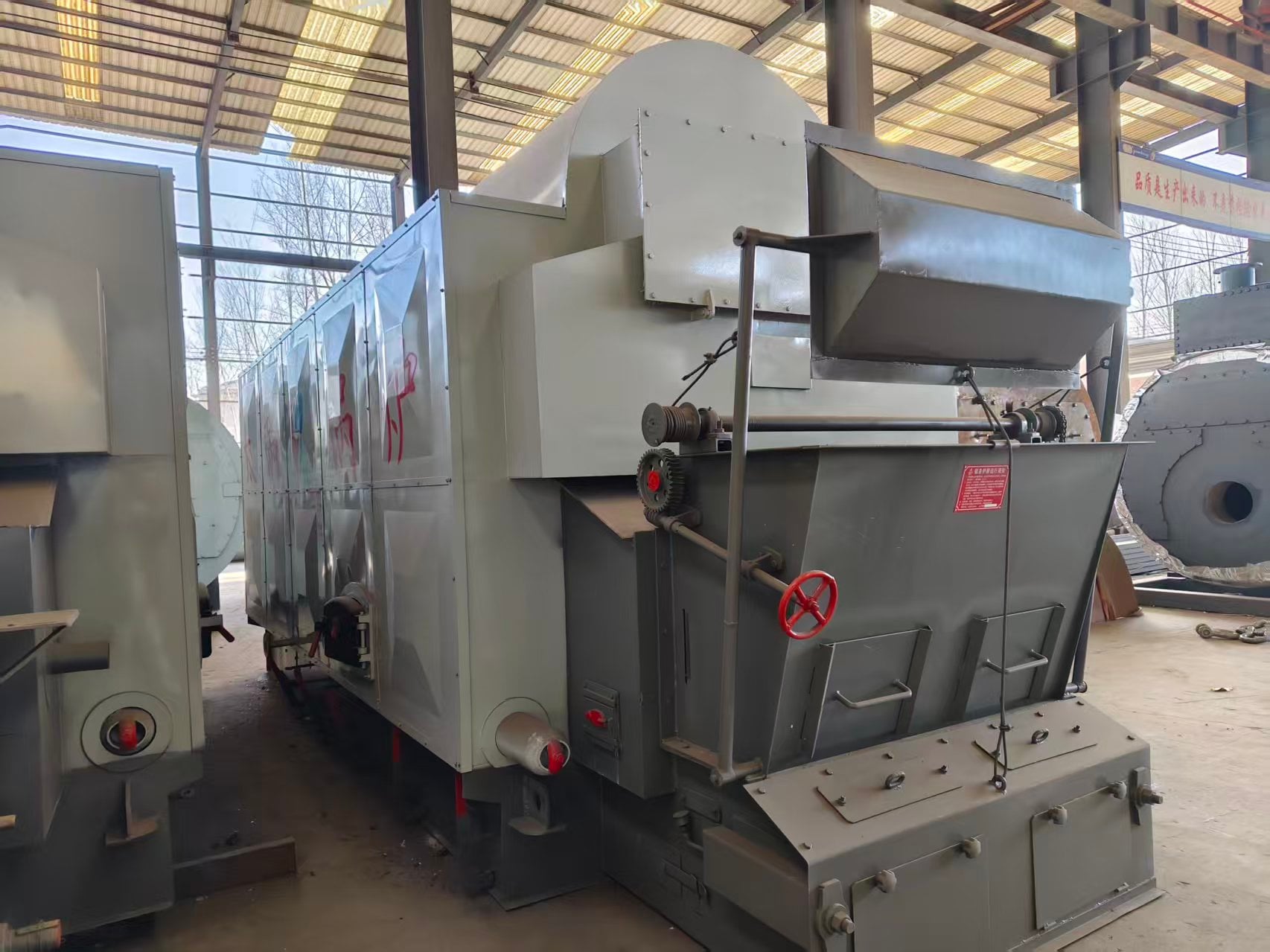
An industrial biomass boiler functions as a heating and power generation solution which burns biomass materials including wood pellets and agricultural residues and organic matter. Biomass boilers provide an environmentally sustainable solution because they use renewable resources instead of traditional fossil fuel boilers. The systems deliver high-performance heat solutions which meet the demands of industrial operations in manufacturing and food processing and district heating applications.
[Image of industrial biomass boiler system diagram]
Industrial biomass boilers operate by converting combustion heat into water which produces either steam or hot water. The system can power industrial operations and provide heating for spaces and produce electricity based on its design. The modern biomass boilers operate with high efficiency and reduced emissions through their advanced technological systems which enhance their fuel performance capabilities.
Biomass boilers enable businesses to reach their environmental objectives by decreasing their carbon emissions. The use of biomass as a fuel source supports sustainable energy practices because plants grow and absorb carbon from the atmosphere which makes biomass carbon neutral. The systems generate savings on operational expenses through their ability to run on inexpensive and widely available fuel sources which make them suitable for replacement of conventional energy systems.
Types of Biomass Boilers
Biomass boilers have gained recognition as both sustainable energy solutions and economical energy systems. The system offers multiple boiler types which different requirements and fuel preferences and efficiency levels and operational capabilities. The following section presents different biomass boiler types together with their essential features:
- 1
Wood Pellet Boilers
Wood pellet boilers rank as the most widely used biomass heating systems. They utilize compacted wood pellets which serve as their fuel source because these pellets are produced from compressed sawdust and industrial waste materials. The systems operate with high efficiency rates which typically reach 85 to 90 percent. The systems provide complete automation through their automated feed systems and self-cleaning mechanisms which enhance user comfort. The latest research shows that wood pellet boilers can decrease carbon emissions by up to 80 percent when compared to traditional fossil fuel systems. - 2
Log Boilers
Log boilers are designed to burn seasoned hardwood or softwood logs. The system offers flexible fuel options because it uses wood pellets but operates with less automated control than the wood pellet systems. The boilers function best for users who have continuous access to affordable wood that they can obtain from nearby sources. Research shows that log boilers operate most effectively in rural areas which allow them to reach efficiency levels between 70 and 80 percent when used properly. - 3
Wood Chip Boilers
Wood chip boilers operate as flexible heating systems which burn wood chips that originate from forest waste and wood recycling operations. The systems provide effective heating solutions for commercial buildings and schools and industrial facilities because they can manage substantial thermal requirements. Modern wood chip boilers can achieve more than 90 percent efficiency together with systems that automatically deliver fuel to the burners. The systems provide economic advantages because wood chips represent one of the least expensive biomass fuel types which cost between $20 and $50 per ton. - 4
Combined Heat and Power (CHP) Biomass Systems
CHP biomass systems generate both heat and electricity, which makes them an efficient solution for industrial operations and large-scale facilities. The systems use electricity generation byproducts to achieve efficiency rates between 80 and 90 percent while they minimize waste production. Recent market data shows that CHP biomass systems reduce energy expenses by up to 30 percent while delivering dependable energy output that satisfies both heating and power needs. - 5
Waste-to-Energy Biomass Boilers
Waste-to-energy biomass boilers operate on organic waste materials which include agricultural residues and food waste and industrial byproducts. The systems operate as dual-benefit technology because they handle waste management while creating energy. The development of waste-to-energy biomass systems has enabled technological advancements to achieve 85% operational efficiency which helps decrease landfill waste and supports renewable energy objectives.
Key Components of a Biomass Boiler System
A biomass boiler system operates through multiple essential elements which together make biomass conversion into energy accessible. The system contains main elements which fulfill the following functions.
| Component | Function & Specs |
|---|---|
| Fuel Storage | Uses silos and hoppers for multi-ton storage with automated feeding mechanisms. |
| Feeding System | Auger screw conveyors or pneumatic mechanisms deliver fuel at precise rates. |
| Combustion Chamber | Generates thermal energy; achieves NOx levels as low as 30-50 mg/m³. |
| Heat Exchanger | Achieves 85%–90% thermal efficiency through advanced heat recovery. |
| Ash Removal | Automated cleaning; byproduct (approx. 1% volume) reusable as fertilizer. |
| Flue Gas Cleaning | Utilizes cyclones, filters, and scrubbers to meet strict air quality standards. |
Assessing Your Energy Needs

Calculating Energy Requirements
The process of determining energy needs for industrial biomass boilers starts with measuring the total energy needs of your facility. This process requires evaluating historical power usage patterns between maximum and minimum electricity demands while identifying which operations need heating or electricity supply. The exact energy usage measurements will show you the required boiler system capacity.
The selection process requires you to examine your planned biomass fuel choice because fuel characteristics and heating value determine how well the boiler operates. The fuel’s energy value and its availability for use must be assessed to meet your planned consumption needs. This process guarantees your boiler will function at peak efficiency through a reliable system that provides continuous fuel delivery.
The process requires you to consider both seasonal changes and the planned growth of your operations. Planning for seasonal shifts in heating and energy needs will help you maintain continuous operations throughout the year. The potential increases in your business operations will guide you toward choosing a boiler system that supports your future requirements while avoiding expensive upgrades in the future. The complete assessment of these factors enables you to choose an industrial biomass boiler system which meets your specific energy needs.
Evaluating Facility Size and Usage
The assessment process for industrial biomass boiler system facility size and usage requires organizations to examine their energy consumption needs. Start by calculating the total square footage of your facility, as larger spaces typically require boilers with higher capacity to ensure consistent heating. The facility’s heat distribution pattern needs assessment to determine the optimal system configuration and equipment placement.
The next step involves studying your facility’s energy consumption patterns which include both peak usage times and seasonal demand variations. Energy usage data enables you to select a system that meets operational requirements while optimizing productivity. The boiler system needs to support future facility usage changes which will generate increased energy demands without the need for major system upgrades.
The operation schedule of your facility requires assessment together with the determination of necessary heat and energy levels for each operational period. Facilities that operate continuously at high capacity need stronger systems while facilities that use their equipment less frequently require systems which offer operational flexibility and fast start-up times. The assessment of these elements enables you to choose a biomass boiler system which meets your facility’s operational needs while delivering operational efficiency and financial savings throughout its lifespan.
Identifying Heat and Power Generation Needs
You must evaluate both existing energy needs and future energy requirements when assessing your facility’s need for heat and power generation capacity. The process begins with thermal energy demand assessment which includes heating and cooling and steam production requirements. The biomass boiler system must demonstrate its capacity to handle peak operational conditions through an assessment of energy consumption patterns during different seasons and operational times.
The next step requires you to detect possible combined heat and power (CHP) system installation sites which enable facilities to generate simultaneous electricity and usable thermal energy. CHP systems can significantly improve energy efficiency, particularly in locations with high and consistent energy demands. Facilities that require thermal energy throughout the entire year which includes food processing and healthcare organizations represent ideal environments for deploying these systems.
The final step requires you to evaluate both current system capacities and expected future needs. You should choose a system which can handle future energy demand increases without disrupting your existing business activities. Your biomass boiler system investment will meet your energy objectives and sustainability targets when you assess your present and future heat and power requirements. The system will achieve its best operational results while maintaining cost-effectiveness throughout its entire operational period.
Choosing the Right Biomass Boiler
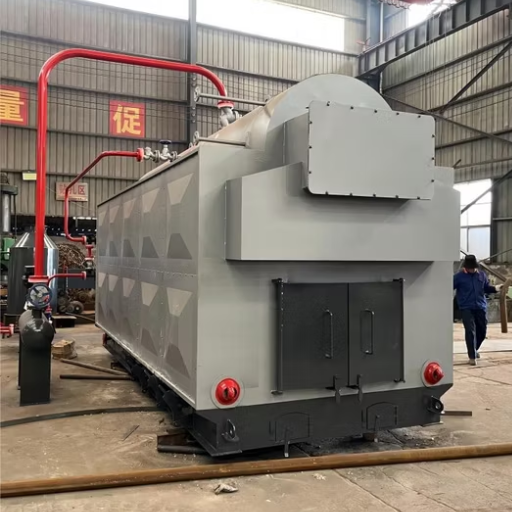
Comparing Different Boiler Types
Biomass boiler evaluation needs to assess three factors which include energy requirements and operational capabilities and financial restrictions. The three main types of biomass boilers are batch-fired, pellet-fired, and combined heat and power (CHP) systems, each designed for different applications and scales. Your requirements can be matched with the different types of items through their distinct features which show their unique attributes.
- ✓
Batch-fired boilers: Simple operation, ideal for small businesses with manual log/chip loading. - ✓
Pellet-fired boilers: Highly automated, efficient, and reliable for medium-to-large energy needs. - ✓
CHP systems: Simultaneous heat and electricity production for maximum industrial efficiency.
Efficiency Ratings and Performance Metrics
Biomass boilers achieve their efficiency through their ability to achieve thermal efficiency levels between 85 and 90 percent during optimum operating conditions. The system achieves its high efficiency because it extracts the maximum energy content from wood pellets and chips and agricultural waste biomass fuels. The precise efficiency of a system depends on its design and fuel quality and boiler maintenance but current systems use design methods that decrease heat loss while achieving environmentally friendly operations.
The performance of biomass boilers is also measured by their ability to maintain consistency in heat output and adapt to varying energy demands. Advanced control systems ensure that these boilers operate efficiently in both high-load and low-load conditions which allows them to function properly in industrial facilities and residential buildings. Their operation produces less carbon emissions than fossil fuel-based systems because they use environmentally friendly methods.
The evaluation process for biomass boilers requires assessment of three main factors, which include the type of fuel used, the integration of the system, and the need for proper maintenance, to determine both efficiency and performance outcomes. The regular cleaning process together with component inspection, which includes the heat exchanger, guarantees equipment performance at its best while extending the equipment operational time. Biomass boilers provide an energy solution that achieves high energy efficiency and environmental sustainability, which organizations and individuals can use to meet their energy needs and safeguard the environment.
Environmental Considerations
Biomass boilers provide an ecological energy solution which effectively decreases greenhouse gas emissions. The system operates sustainably by using organic materials which include wood pellets and agricultural residues and other renewable resources as its fuel source. Biomass materials operate as carbon-neutral energy sources because they emit only the carbon dioxide which plants absorbed during their growth process.
Waste reduction stands as another important environmental factor to consider. Biomass boilers can utilize organic waste products that would otherwise be discarded, helping to divert materials from landfills. The process generates energy while reducing waste because it uses resources which people typically underestimate. Local biomass material use creates economic benefits for regional communities while decreasing environmental expenses linked to transporting fuels from distant locations.
⚠️ Sustainability Warning
Sustainable biomass material sourcing stands as the essential requirement for achieving environmental advantages. The environmental benefits of a solution become lost when people practice overharvesting or use unsustainable methods which lead to deforestation and habitat destruction. The system requirements need proper design together with maintenance procedures because they must operate to restrict emissions which include particulate matter which must meet air quality standards.
The Procurement Process
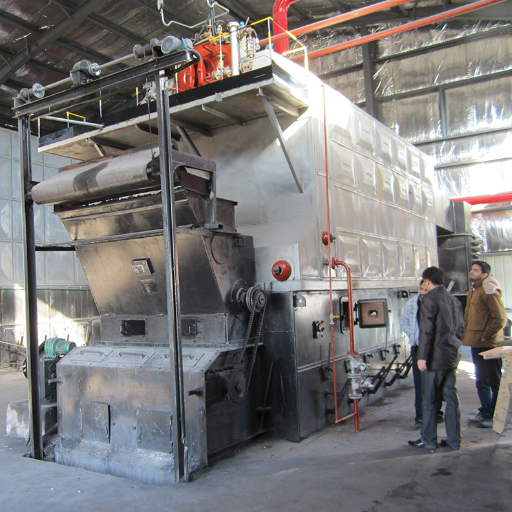
Finding Reliable Suppliers
Experts should assess supplier reliability for biomass boiler equipment based on three criteria which include their operational experience and business standing and their capability to meet established industry requirements. The procurement process becomes efficient when suppliers possess a history of delivering high-quality systems together with strong customer support. The supplier demonstrates dedication to quality through their environmental and safety compliance certifications which validate their operational standards.
The evaluation process requires assessment of the supplier’s capability to deliver complete service packages that cover installation work and ongoing maintenance and technical assistance. The trustworthy supplier should offer complete process support which helps you determine the appropriate biomass boiler solution for your requirements. The supplier’s ability to deliver reliable service through successful project completion should be demonstrated by their previous work which includes case studies and client references.
Understanding Pricing Structures
The total cost of biomass boiler systems depends on multiple essential elements which determine their pricing structure. The primary contributors include the initial investment for the boiler system, installation costs, and ongoing maintenance expenses. The components create financial transparency which enables you to assess your costs correctly without discovering hidden expenses.
Efficiency Highlight
Modern biomass systems can achieve up to 90% operational efficiency, significantly reducing long-term fuel expenditure compared to legacy coal or oil boilers.
The cost of the biomass boiler unit itself depends on the size and capacity required to meet your energy needs. The price of larger units increases because they possess greater capacity which enables them to manage higher operational loads. The expense of installation which requires special equipment to be set up at the facility including necessary modifications to current systems requires two different installation team rates. The installation quotes need to show exact details for entire installation process so you can understand total installation costs.
Negotiating Contracts and Terms
The negotiation process for biomass fuel contracts and service agreements requires negotiators to achieve two specific objectives which involve creating transparent agreements and establishing adaptable contract terms. The first step requires you to ask your potential suppliers for a complete cost breakdown together with their contract terms. The required information should include all fuel pricing details together with delivery costs and maintenance service rates and any other associated charges. Contracts that include detailed provisions show you the specific items which require payment while protecting you from unanticipated costs that may arise during the contract period.
The parties need to discuss contract flexibility because it plays an essential role in their agreement. The negotiation process should focus on developing contract terms which permit changes in energy requirements and biomass supply patterns throughout the contract period. The system should enable users to modify delivery methods and delivery quantities at any time without incurring any financial penalties. The negotiation process should establish contract length which provides both short-term flexibility and extended affordability through different pricing options. The parties will reach an agreement through effective communication which establishes their exact requirements for the agreement.
Post-Purchase Maintenance and Best Practices
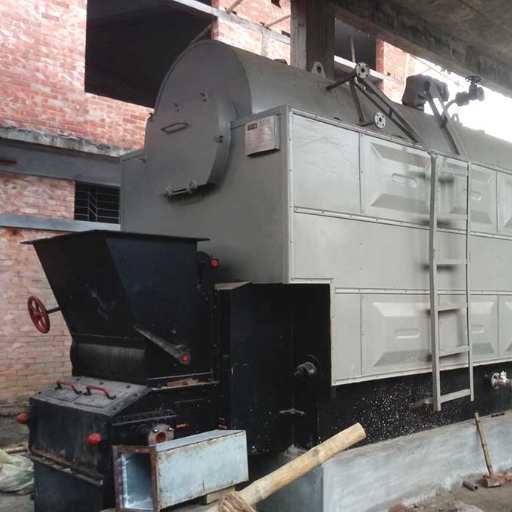
Routine Maintenance Procedures
Biomass boilers need their equipment checked and maintained on a regular basis to achieve their best work performance and extended operational lifespan. The essential maintenance steps require workers to clean the combustion chamber by removing ash and soot, which results in reduced operational efficiency. The team needs to perform inspections to confirm that all parts, including heat exchangers and fans, function as expected. The team must inspect the fuel feed system to identify blockages, which will enable them to maintain a steady biomass fuel supply.
The team needs to conduct flue and chimney monitoring and cleaning activities to stop deposit buildup from creating airflow blockages, which can create safety hazards. The testing of boiler safety features, including pressure release valves and sensors, should occur at regular intervals to guarantee that the system operates according to secure standards. The assessment of biomass fuel moisture content needs to occur because wet or dry materials result in operational inefficiencies. The team should schedule professional maintenance services at least once annually to complete complex tasks such as system calibration and thorough equipment inspections.
Troubleshooting Common Issues
Biomass boilers experience multiple operational problems which constitute their main operational challenges. The first common problem which arises during biomass boiler operation includes insufficient fuel combustion which results in diminished operational efficiency and heightened emission levels. The problem occurs because users select fuels of poor quality and fail to set their air-to-fuel ratios at correct levels. The solution requires the use of high-quality dry biomass fuel which meets the necessary standards and the verification that air supply settings have been correctly established for optimal combustion results.
Biomass boilers experience operational disruptions which result in system failures because their fuel feed systems become blocked. The system experiences blockages because the system receives fuel which contains excessively big pieces or irregularly sized components and debris starts to accumulate in the system. The solution requires regular feed system inspections and cleaning procedures which establish maintenance protocols to stop material accumulation. The operator must verify that the actual fuel used matches the required size and quality specifications which the boiler system needs.
A third issue that users may face is low heat output or fluctuations in temperature. The heat exchanger becomes dirty or clogged which results in the system losing its capability to transfer heat efficiently. The problem can be reduced through regular heat exchanger cleaning and ongoing observation of boiler operational parameters. Certified technicians should be consulted to solve persistent problems because they can effectively evaluate and solve the identified issues. The maintenance process which includes regular upkeep and active problem investigation enables biomass boilers to achieve their highest operational efficiency and dependability.
Optimizing Boiler Performance
Boiler performance requires proper operating conditions and scheduled maintenance to achieve optimal results. The most effective method for increasing efficiency requires maintaining the boiler at its designated temperature and pressure settings. Regular monitoring of these parameters allows for early detection of performance issues which can be resolved through immediate action. The use of high-quality fuel that meets your boiler requirements provides operational benefits while decreasing waste production throughout the process.
The cleaning process involves checking essential parts like heat exchangers and burners to ensure they will function correctly over time without developing faults. The components of the system experience performance decline when deposits and debris accumulate on its parts because this blockage prevents optimal heat transfer which results in energy losses. The system needs scheduled cleaning while professional inspectors should examine the equipment to find and fix issues before they become expensive problems.
Modern control systems provide a solution to enhance boiler operations because they control energy consumption while minimizing heat dispersion. Programmable thermostats and load-monitoring systems enable users to oversee their systems better while making necessary adjustments based on current demand conditions. Your boiler system will benefit from these tools because they provide energy savings and equipment protection which results in improved system performance and reliability throughout its operational life.
Frequently Asked Questions (FAQ)
Q: What should I consider when buying industrial biomass boilers for energy production?
A: When buying industrial biomass boilers, evaluate fuel type (woodchip, pellets, agricultural waste, husk, sawdust, biofuel), moisture content, calorific value and fuel consumption to estimate energy production and fuel costs. The evaluation process requires you to examine the boiler design between steam boiler systems and hot water systems while assessing their capacity range from 50kW to medium-sized boilers and their combustion chamber types which include fired boiler systems and CFB or circulating fluidized bed systems and their control system together with programmable logic for combustion process optimization. The assessment process needs to include both installation possibilities and the ability to connect with the gas grid for hybrid operation and the capacity to integrate with turbine systems and pressure steam systems for power generation.
Q: How do emissions and carbon footprint compare when choosing a biomass boiler versus traditional fossil fuel systems?
A: Biomass boiler systems typically result in lower carbon footprint and greenhouse gas emissions than traditional fossil fuel boilers because they use renewable biofuel and residue materials. Emissions from combustion depend on three factors which include the control of combustion air and the content of moisture and the design of boiler systems. The modern Hurst biomass and Hurst boiler designs enable efficient biomass combustion which produces minimal particulates and NOx emissions through effective exhaust gas treatment. The organization needs to verify three elements which include certification and emission controls and the availability of sustainable solutions from the supplier for their renewable energy and energy management initiatives that will lower carbon emissions.
Q: Why should industrial biomass boilers use circulating fluidized bed CF B boilers as their preferred boiler system?
A: CFB boilers represent a versatile option for biomass fired systems because circulating fluidized bed technology allows efficient combustion of varied solid fuel types (wood chips, husk, agricultural waste) with lower fuel preparation requirements. The CFB system maintains consistent combustion performance across multiple temperature and pressure levels while supporting various fuel types and reducing emissions through enhanced energy efficiency from biomass usage. The solution enables companies to achieve operational cost savings while decreasing expenses for fuel, which especially benefits organizations operating with medium to large boiler systems.
Q: What role does boiler design and control play in reducing fuel consumption and energy costs?
A: Boiler design and a modern control system directly influence fuel consumption and energy costs. Energy efficiency improves through the implementation of optimized combustion chamber geometry programmable logic controls for air/fuel ratio and ash handling separators and condense recovery systems. The design of biomass boiler systems enables them to decrease unburned combustibles while enhancing calorific value utilization and they function as integral components for technology and energy management projects which decrease operational expenses and total energy expenditures.
Q: Are there installation options and site considerations when buying industrial biomass boilers?
A: Yes. The available installation options require assessment of space needs for the boiler building and dry storage requirements for woodchip or pellet fuel and the complete solid fuel handling systems and the necessary connections to steam or hot water distribution networks and the need to meet local emissions standards. The evaluation should include all logistical requirements which involve fuel supply chain management and delivery access and sustainable project management solutions and pressure steam system foundation needs and existing turbine and heat network system compatibility.
Q: What maintenance and operation practices maximize longevity and performance of biomass boiler systems?
A: The maintenance schedule requires staff to perform combustion chamber cleaning and combustion air system testing and burner inspection and seal checking and exhaust gas and condensate monitoring and ash removal with effective separators. Operators need training on fuel quality management which includes understanding moisture content and fuel type and they should learn to use programmable logic controls for maintaining proper combustion. The boiler system achieves operational efficiency through proactive maintenance which decreases downtime and maintains fuel usage control and affordable operation throughout its entire lifespan.
Q: Can buying industrial biomass boilers deliver cost savings and sustainable energy solutions for my facility?
A: Yes. A well-selected biomass boiler can reduce energy costs compared with fossil fuel systems. The system achieves three advantages which include savings on fuel costs and a decrease in carbon emissions and the achievement of renewable energy and energy efficiency targets. The financial and environmental benefits from biomass fired systems reach their peak value when organizations assess their savings throughout the system’s life cycle and apply renewable energy incentives and combine their renewable energy sources with their complete technology and energy management systems.
References
-
Commercial-Scale Biomass Combustion Equipment
This article provides an overview of equipment common to commercial-scale biomass combustors and discusses considerations for selecting the right system.
Read more here -
Is Biomass Heat Right for You?
A guide on the efficiency and cleaner burning of newer wood boilers, including operational tips for optimal performance.
Read more here -
Techno-Economic Analysis of a Biomass Grid-Connected System
An academic paper analyzing the economic and technical aspects of biomass systems, including capital costs and fuel considerations.
Read more here - Industrial Biomass Fired Boiler Manufacturer in China