Get in Touch with Taiguo

5 Key Factors Affecting Biomass Boiler Efficiency

Contents
show
The renewable energy heating system optimization process needs biomass boiler efficiency factors to be understood. Biomass boilers attract increasing popularity because they produce fewer emissions and they generate lower operational costs, but their efficiency depends on multiple essential performance factors. The blog post analyzes five critical elements which determine the operational efficiency of your biomass boiler system.
Key Takeaway
This guide delivers essential information to help business owners and sustainable living homeowners optimize system performance. Proper maintenance, fuel quality, and system design create a new approach for you to control energy usage and decrease environmental impact.
Understanding Biomass Boilers
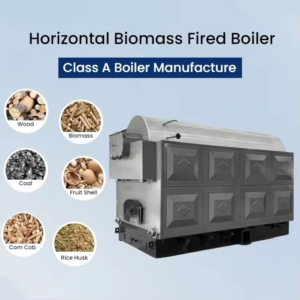
What is a Biomass Boiler?
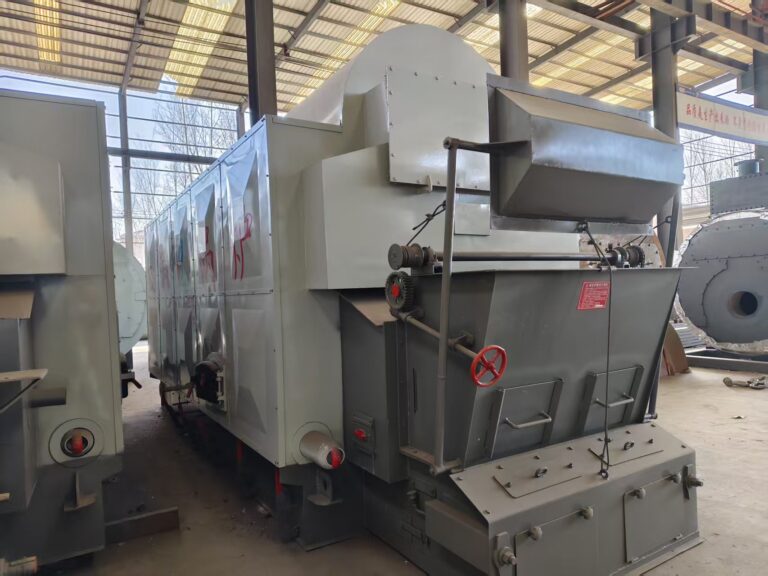
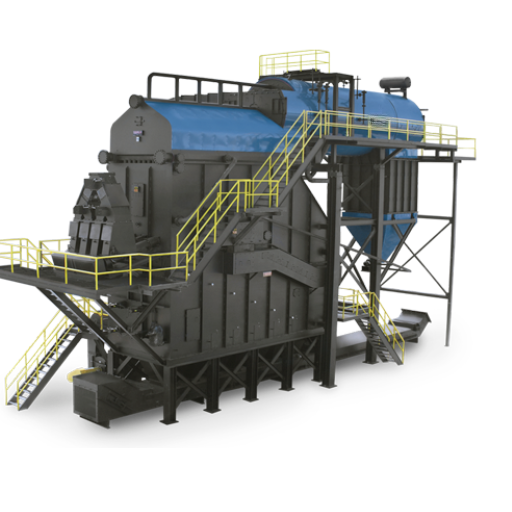
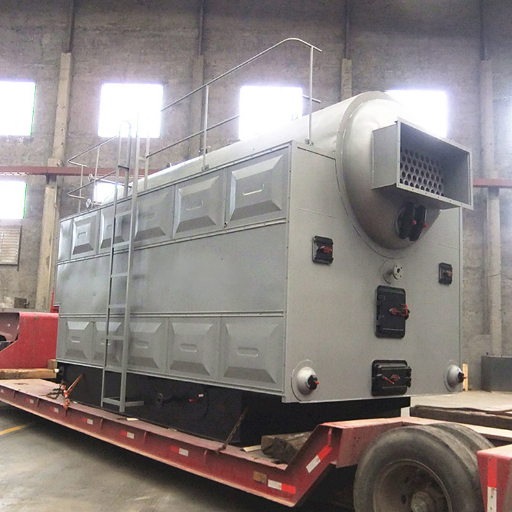
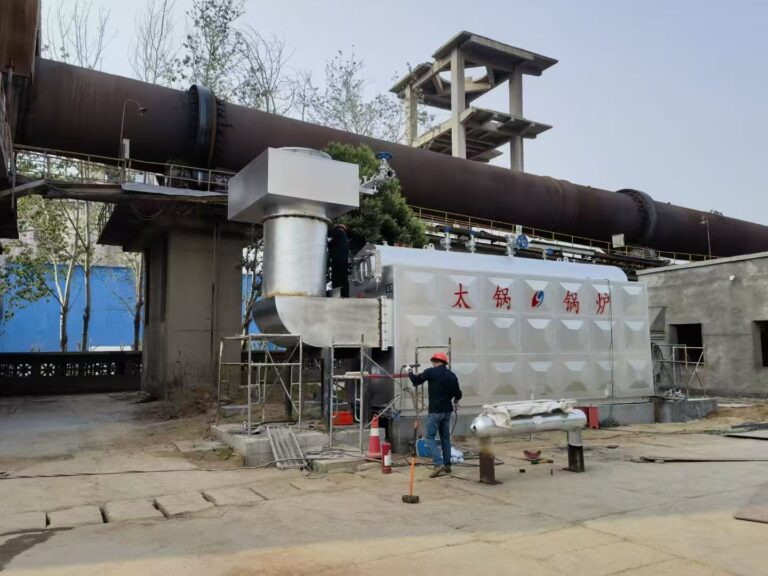
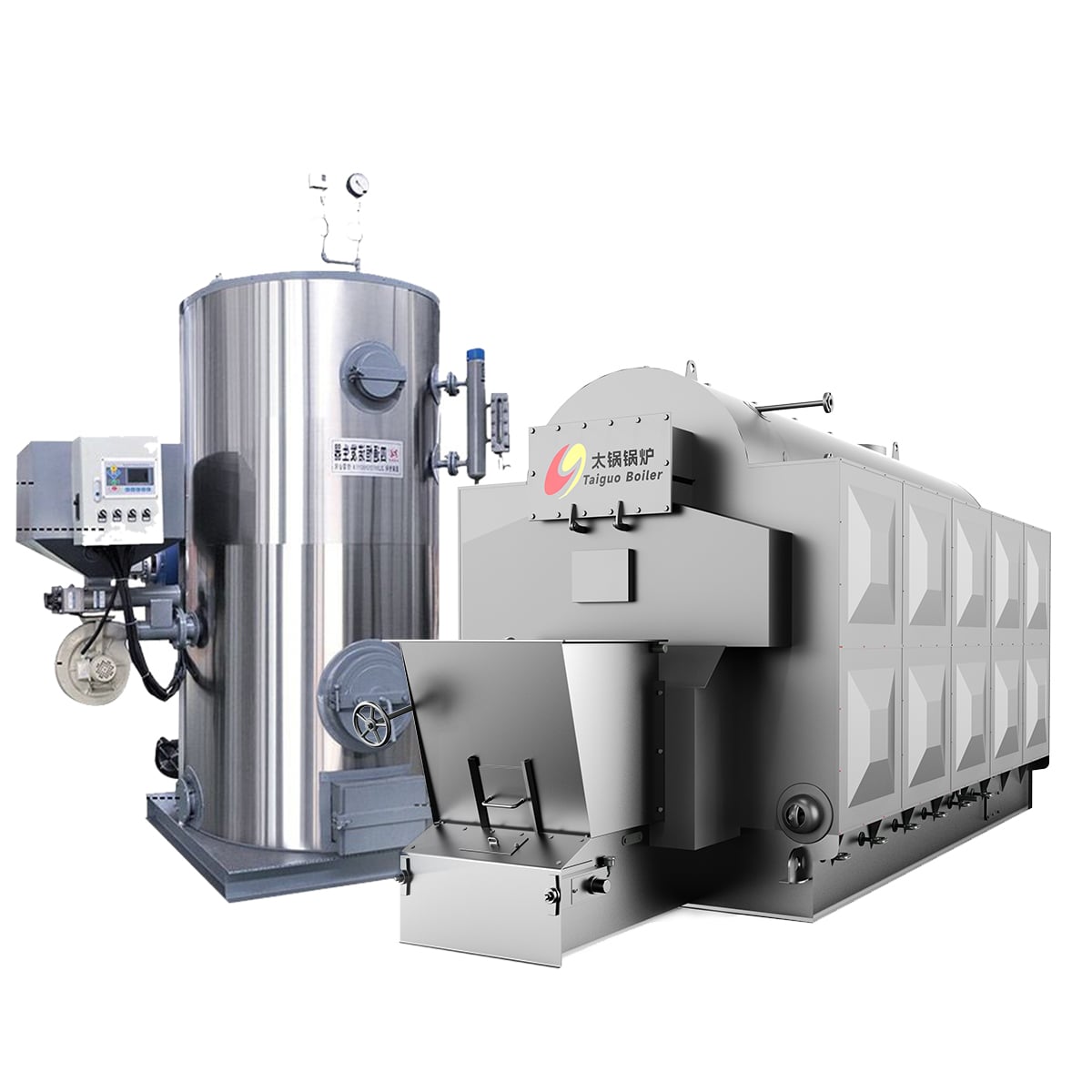
A biomass boiler functions as a heating system which produces heat and hot water through the combustion of organic materials. Biomass boilers utilize wood pellets, wood chips, and agricultural waste as their primary fuel sources because they operate on renewable resources instead of traditional fossil fuel systems. The system provides an environmentally friendly heating option which decreases carbon emissions while reducing the need for non-replaceable fossil fuel resources.
A biomass boiler operates through the process of organic fuel being fed into its combustion chamber where it is ignited to create heat. The system uses heat to warm water which moves through pipes to supply both heating and hot water needs. Biomass boilers serve as heating solutions for homes, businesses, and factories because their different sizes and capacities provide flexible heating options.
Biomass boilers provide sustainability benefits because they operate through renewable energy sources which produce no net emissions. The system decreases fossil fuel consumption through its use of organic waste and renewable biomass which results in reduced greenhouse gas emissions. Biomass fuel sources function as renewable resources whose responsible management creates an endless supply of energy.
💡
Pro Tip
Proper system management requires three essential elements: correct maintenance, effective fuel storage, and consistent fuel quality control to achieve optimal energy performance while reducing pollution effects.
Types of Biomass Fuels
Biomass fuels originate from various organic materials, which create an environmentally friendly energy solution. The primary fuel types consist of wood and forestry residues together with agricultural crops and waste, animal manure, and organic materials found in municipal and industrial waste. All three fuel sources extract energy from organic matter, which establishes biomass as a sustainable energy source for various applications.
- ✓
Wood and Forestry Residues: This category contains firewood, wood chips, and sawdust together with forestry by-products. These materials are popular because they are easy to process and exist in large quantities. - ✓
Agricultural and Organic Waste: Biofuels production uses corn, sugarcane, and switchgrass together with agricultural waste materials like straw and husks to create ethanol and biodiesel.
Industrial Biomass Boiler vs. Traditional Boilers
Industrial biomass boilers operate differently from conventional boilers because they achieve different energy efficiency levels, use different fuel types, and generate different environmental effects. Biomass boilers operate with renewable energy resources which include wood pellets and agricultural waste, while traditional boilers operate on fossil fuel combustion including coal, oil, and natural gas.
| Feature | Industrial Biomass Boiler | Traditional Boiler |
|---|---|---|
| Fuel Type | Renewable (Pellets, Waste) | Fossil Fuels (Coal, Oil, Gas) |
| Carbon Footprint | Carbon-Neutral Potential | High CO2 Emissions |
The main benefit of industrial biomass boilers comes from their ability to decrease greenhouse gas emissions. Biomass fuels become carbon-neutral because the carbon dioxide emissions from combustion equal the amount of carbon dioxide plants absorb through their growth process. The use of traditional boilers leads to increased carbon emissions, which serve as the main driver of global warming.
Biomass boilers create greater difficulties for operators than traditional boilers do. The system requires dedicated areas to house all machinery and biomass fuel storage space. The cost to install a biomass boiler system tends to exceed the installation expenses of a traditional boiler system. However, the environmental advantages and long-term fuel cost savings present businesses with an attractive solution to achieve economic and sustainability objectives.
Key Factors Affecting Biomass Boiler Efficiency
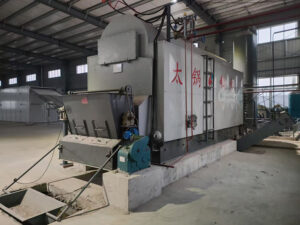
1. Fuel Quality
The operational effectiveness of a biomass boiler system depends on the specific quality of its utilized fuel. The use of high-quality biomass fuel, which includes dry and uniform wood pellets, produces constant combustion results while reducing residue accumulation. The moisture content of fuel determines its burning efficiency because fuels with lower moisture content deliver better combustion results. The use of poor-quality fuel containing contaminants and excessive moisture leads to incomplete combustion which increases maintenance requirements and decreases operational efficiency.
2. Combustion Air Control
The combustion system requires proper control of its combustion air supply because it helps to achieve peak operational efficiency while decreasing emission levels. The air supply needs to be carefully managed to ensure the correct air-to-fuel ratio is achieved. Excess air causes heat loss which decreases efficiency, whereas insufficient air supply creates incomplete combustion that results in soot accumulation and higher pollutant discharge. Modern systems use automated control systems which combine sensors with actuators for real-time air intake regulation.
3. Boiler Design and Sizing
The process of designing and sizing a boiler system serves as the essential element which determines both its operational efficiency and its energy conservation capabilities. Accurate sizing requires proper identification of boiler capacity needs (measured in BTUs or kilowatts) which enables the system to operate at optimal efficiency while minimizing fuel waste. The design process requires a complete assessment of building dimensions, insulation efficiency, and local weather conditions to prevent problems from overloading or underutilizing the system.
4. Maintenance and Cleaning
The boiler system needs regular maintenance and cleaning activities to achieve efficient and safe operation. Routine inspections help find and fix potential problems before they become major issues. The team needs to clean all boiler tubes and combustion chambers where soot and debris accumulate. Checking for leaks, monitoring water quality, and testing safety controls will increase system lifespan while enhancing energy efficiency and minimizing unexpected equipment failures.
5. System Integration and Operation
The successful functioning of a system depends on its ability to unite all components into one operational unit. The testing process starts with a check to confirm that all physical connections—piping, wiring, and control systems—are secured and positioned according to standards. The team needs to examine performance metrics through monitoring tools which track energy usage and operational efficiency to verify that all systems are working correctly together.
Combustion Dynamics in Biomass Boilers
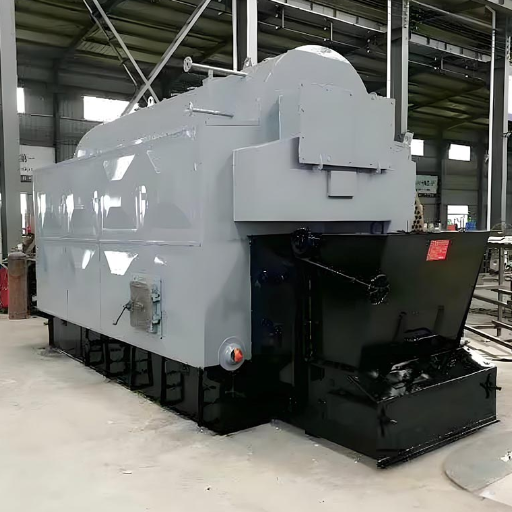
Importance of Combustion Air
The efficient operation of biomass boilers depends on combustion air as a crucial component. The system depends on proper airflow to deliver oxygen which enables fuel combustion for effective heat production. Without sufficient air, the system generates energy loss and harmful pollutants including carbon monoxide and unburned hydrocarbons. The system achieves maximum energy output with minimum emissions through proper maintenance of the air-to-fuel ratio.
The system’s combustion air supply determines both boiler system durability and operational dependability. Boiler surfaces experience soot and residue buildup because inadequate airflow prevents proper combustion. Conversely, the system incurs higher operational expenses from excessive airflow which results in unnecessary heat dissipation. The system achieves peak performance through balanced airflow which simultaneously decreases maintenance requirements.
The boiler’s performance depends on operators who need to monitor and control combustion air. Operators should regularly inspect air inlets, fans, and dampers to ensure they are free of blockages and functioning properly. Advanced systems often incorporate automated sensors and controls to regulate airflow dynamically, adapting to changing fuel conditions.
Flue Gas Management
The operation of combustion systems requires flue gas management because it ensures both operational efficiency and regulatory compliance. Flue gases primarily consist of nitrogen, carbon dioxide, water vapor, and smaller quantities of harmful substances such as carbon monoxide, sulfur dioxide, and nitrogen oxides. Effective management involves controlling these emissions to prevent environmental harm and comply with legal regulations.
The first step in flue gas management is ensuring proper filtration and removal of harmful elements. The flue gas cleaning process uses scrubbers, filters, and catalytic converters to remove pollutants before the gases are discharged. Emission monitoring systems enable operators to track emission levels which allows them to make immediate adjustments for output control purposes.
The process depends on routine maintenance and strict compliance with specified procedures. This involves duct cleaning, duct inspection, and sensor calibration to meet both regional and international emission standards. The combination of technological solutions with active monitoring decreases environmental hazards while creating operational efficiency.
Monitoring Flue Gas Temperature
Flue gas temperature monitoring serves as a vital requirement for achieving combustion system efficiency while maintaining operational safety. The operators safeguard their equipment through optimal temperature management which helps them avoid energy loss, material destruction, and waste emission creation. The system utilizes precise temperature measurements to provide environmental impact data for operational enhancement.
The process generally involves the use of temperature sensors installed within the flue gas system. The sensors operate continuously to collect gas temperature data which they send to the monitoring system. The sensors need regular calibration to maintain accuracy over time. Automated systems will notify personnel about temperature changes which need urgent attention to control system operations.
Regular Maintenance Practices
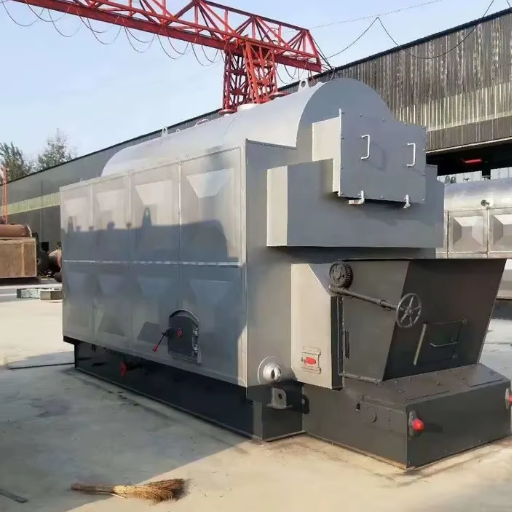
Importance of Regular Maintenance
The regular maintenance work for biomass boilers delivers two main benefits: enhanced system performance and extended equipment lifespan. The process detects potential problems before they develop into major system failures and expensive repairs, resulting in higher operational reliability and system uptime. Scheduled maintenance verifies all system components including burners, fans, and feed systems operate at peak performance.
Conducting regular inspections helps verify that all environmental regulations have been met. Emission levels from well-maintained biomass boilers remain below normal operating limits which results in better air quality and compliance with regional standards. System performance increases because equipment maintenance leads to better biomass utilization and lower waste production.
⚠️ Maintenance Notice
Regular maintenance serves as an affordable solution which achieves a balance between environmental protection, efficient energy use, and financial responsibility. It prevents the need for expensive equipment replacements later.
Common Maintenance Tasks for Biomass Boilers
- 1
Heat Exchanger Cleaning
Ash and soot accumulation will decrease heat transfer, leading to a decline in system performance. - 2
Fuel Delivery System Inspection
Components including augers and conveyors can accumulate debris and develop blockages; regular cleaning and testing are required. - 3
Ash Removal
Ongoing monitoring of ash levels and scheduled removal prevents equipment overload and maintains operational boiler efficiency.
Impact of Maintenance on Boiler Running Efficiency
Biomass boilers reach their highest operational efficiency through ongoing maintenance work which prevents equipment stress and maintains consistent system performance. The performance of equipment maintenance depends on ash system cleaning and component wear assessment. The absence of these activities increases the probability of operational disruptions, reduced heating capacity, and equipment breakdown.
The system achieves energy savings through scheduled maintenance activities which reduce wasted power during operations. Biomass boilers achieve efficient fuel consumption because they create the required thermal energy with minimal fuel loss. Lack of maintenance results in combustion problems, higher fuel consumption, and increased harmful gas emissions.
The process of maintenance extends the duration which equipment remains operational. Companies stop critical component wear by keeping parts in working condition. This method achieves cost savings by decreasing equipment downtime and future maintenance expenses. Regular scheduled maintenance helps biomass boilers operate as dependable, energy-efficient systems.
Choosing the Right Biomass Boiler
Criteria for Selecting an Industrial Biomass Boiler
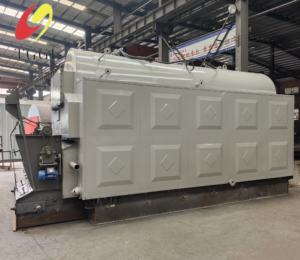
The first criterion for selecting an industrial biomass boiler requires all energy needs to be matched by the system’s operational capabilities. The thermal energy requirements of your facility need to be evaluated while the boiler system must show capability to deliver sufficient heating capacity. Boiler capacity requires precise measurement because both overestimation and underestimation lead to operational problems.
The efficiency of the boiler system and its ability to control emissions represent two essential evaluation factors. The biomass boiler selection process requires choosing a system which employs cutting-edge technologies to achieve maximum energy output while producing minimal emissions. The boiler requires both certifications and test results which demonstrate its ability to perform at specific levels.
The assessment requires you to analyze the complete maintenance and operation support requirements of the boiler system. A dependable system needs to support easy maintenance which requires both spare parts and technical assistance to be accessible. Researching your options and getting expert advice will help you make an optimal choice for your biomass boiler system because it represents a major financial commitment.
Collaboration with Boiler Manufacturers
Your biomass boiler system requires partnership with boiler manufacturers to achieve optimal operational efficiency. The manufacturers deliver precise information about their products including system requirements, installation instructions, and operational procedures. Their expertise enables system customization to meet your energy requirements and environmental compliance standards.
The manufacturer relationship provides your company access to specialized training programs and continuous technical assistance. These services enable operators to learn about system operations while they perform routine maintenance and resolve problems. The replacement parts that manufacturers provide function as authentic components needed to preserve system integrity.
Frequently Asked Questions (FAQ)
Q: What are the 5 key factors affecting biomass boiler efficiency?
A: The 5 key factors typically include fuel quality (biomass type and moisture), combustion efficiency and control, heat exchange effectiveness (boiler surface and design), boiler maintenance and operational practices, and system design including the boiler model and plant integration.
Q: How does the content of biomass fuel and moisture affect boiler efficiency?
A: Biomass with high moisture reduces combustion efficiency because extra energy is required to evaporate water. Choice of drier and consistent fuels enhances efficiency while maintaining proper operation of your biomass boiler system.
Q: Can combustion control and combustion efficiency improve energy efficiency?
A: Yes. Modern biomass boilers use advanced combustion control systems to maintain high combustion efficiency and temperatures while minimizing unburned carbon and emissions.
Q: Why is heat exchange design important for reaching high efficiency standards?
A: The heat exchange surface determines how effectively heat released from combustion is transferred to water or steam. Poorly functioning heat exchange systems lead to higher flue gas temperatures and decreased efficiency.
Q: How does boiler maintenance affect the efficiency and reliability of biomass boilers?
A: Regular maintenance prevents fouling, ash buildup, and corrosion. This includes cleaning heat exchange surfaces and inspecting feed systems to maintain efficient boiler operation and minimize future efficiency reductions.
Q: What operational practices can improve the efficiency of industrial biomass boilers?
A: Facilities should monitor performance through regular checks, ensure proper fuel storage to prevent damp fuel issues, tune combustion control systems, and optimize load profiles.
Q: Do environmental factors and plant integration affect biomass boiler performance?
A: Yes. Ambient humidity and temperature, as well as plant integration factors like flue gas recirculation or heat recovery, influence both combustion efficiency and heat exchange.
Q: Are modern biomass boilers more efficient than older models?
A: Modern boilers are more efficient because they use advanced combustion control systems, superior heat exchange technologies, and automatic monitoring systems to achieve better results.
Q: What steps can I take to monitor and improve my biomass boiler’s efficiency?
A: Monitor fuel usage, flue gas temperature, and stack emissions. To improve efficiency: use biomass with low moisture, implement robust combustion control, maintain heat exchange surfaces, and follow a strict maintenance schedule.
References
-
Characteristics of Biomass as a Heating Fuel
This source from Penn State University Extension discusses factors like heat value, moisture level, and chemical composition affecting biomass performance.
Read more here -
Wood Biomass for Energy
A USDA document detailing factors affecting the economic feasibility and efficiency of biomass systems, including wood waste and steam use.
Read more here -
Low Energy Houses Heated By Biomass Boilers
An academic paper from Purdue University discussing parameters like water flow rate, temperature, and pellet consumption in biomass boilers.
Read more here - Industrial Biomass Fired Boiler Manufacturer in China