Get in Touch with Taiguo

What is a Biomass Steam Boiler?

Contents
show
Biomass steam boiler technology is a perfect example of how it has been an increasing use of renewable energy based heat and power generation system. This is because unlike the conventional boilers that use fossil fuels, Biomass steam boiler uses the organic materials like wood chips, agricultural waste, and any other waste from biomass fuels to produce steam which is more efficient and environmentally friendly. Thus, this chapter tries to What is a biomass steam boiler? How does it work? Why is this technology becoming more and more popular in many sectors of the industry that are interested in reducing their carbon footprint. If you have questions about eco-friendly technologies and ways of performing any action in an eco-friendly manner, do not worry because this text will answer these questions and also provide information about the boons, use and operation of biomass steam boilers.
Introduction to Biomass Steam Boilers
An Introduction to Biomass Boilers
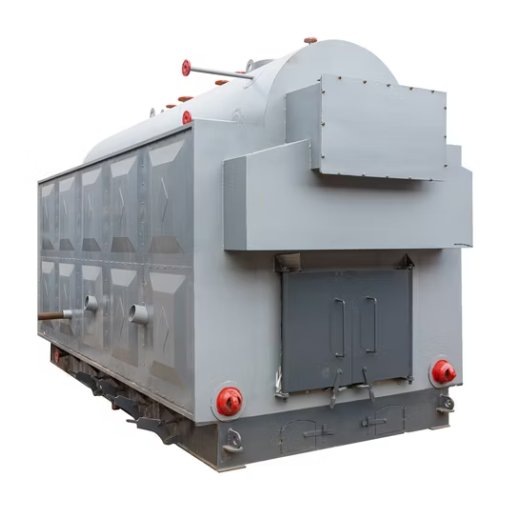
Biomass boilers can be defined as the system that comes into the role of the back in supplying hot water or steam in the central heating system of a home or enterprise. Basically, the use of any type of oil in a biomass boiler excludes the possibility of receiving the category-specific designation of the KOSTRUBA steel solid fuel boiler “plus” – none, namely – “free packages of solid fuels for house use”, which eventually results in increased costs for the heat production.
Sustainability is a key feature which adds to numerous pluses of the biomass-fired boilers as this source is taken from the nature and can be renewed. With almost no value-added processes, this source of energy is one of the best ways to eliminate fossil fuels. Plus, burning biomass within the regulatory framework curtails the carbon dioxide emission that may have been obviously fostered by growth of biomass in the open. In this system, the degradation of biomass and its conversion to energy is a process that takes up carbon which leads to the reduction of greenhouse gas emissions. Industries are intending metals even further into the future have learned to adapt themselves to the use of biomass steam boilers as a result of the need to reduce and meet the emissions quotas stipulated in the laws governing environmental conservations and ozone protection.
The Importance of Biomass in Renewable Energy
In the context of the shift towards renewable energy, one can note the existense of such [the–some therefore, other words such as these–more appropriate?longer phases] as ‘liquid energy,’ ‘alternate energy sources’–without any substantive analysis of these [what “these”?can be used in place of these]. All these terms appear to be synonymous and interchangeable, but in reality they represent different things as well as Cleaner technology. Biomass based energy is such kind. It is very flexible as can be prepared from different organic products such as farm residues, wood wastes, and even specially grown crops unlike many other forms of energy. The value of biomass is that it can be used to generate different types of energy i.e. heat, electricity and sometimes Bio-fuels and this is why the sector needs it. According to the latest data on renewable energy, the very sector also is – actively taking upon itself a big importance of producing such renewable energy sources as biomass. It would be noted that on top of that is the generation of power and fuels without any intermittent stops due to the changes in season (maybe wind or solar energy). In this regard, biomass is considered to be a vital form of energy that helps to maintain its security. These advantages have greatly boosted the acceptance of biomass as well as its modernization in order to make use of these technologies for future energy purposes.
How Does a Biomass Steam Boiler Function
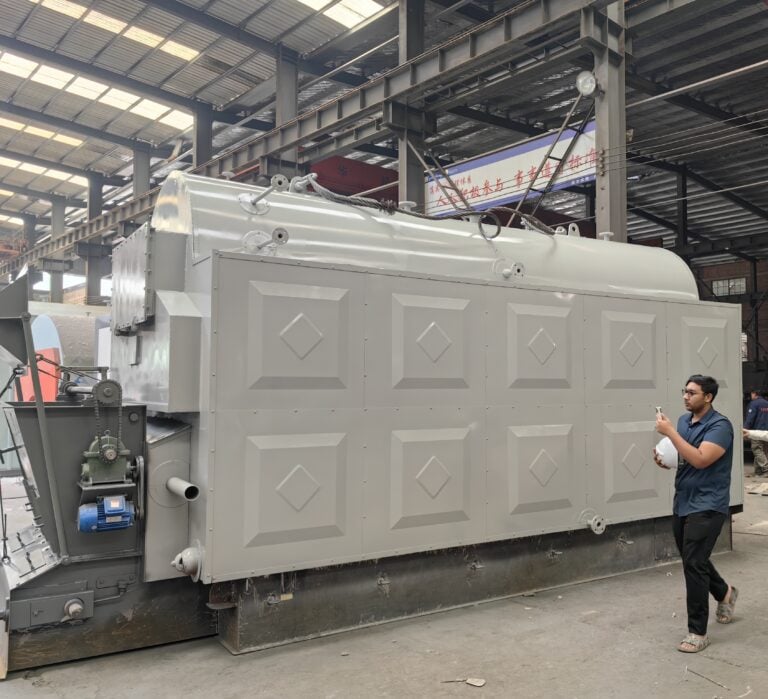
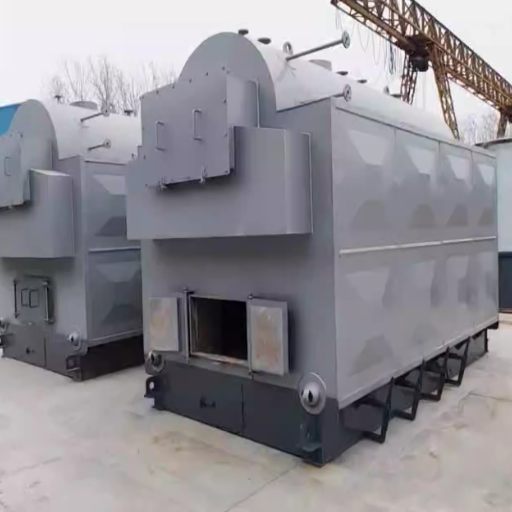
Biomass steam boilers are used as an alternative energy source and they burn fuel – wood logs, seeds, husks of trees, etc. into heat to generate steam. The Biomass combustion and steam generation process starts the moment the biomass feedstock is conveyed into the combustor of the boiler. The combustion heat is absorbed by the water in the boiler so that high-pressure steam is produced using heat exchangers within it. Such steam is then used for tasks like generating electrical energy, utilizing fluids in industrial settings or even in domestic environments where heat is needed.
State-of-the-art biomass-fired boilers usually arrive with enhanced capabilities and reduced emissions. For example, after the adoption process, the efficiency of advanced biomass is appreciably hiked by such add-ons as auto-feed silos, precise combustion technology, and the use of sophisticated designs in which heat lost to waste is recovered and exploited. Additionally, recent configurations of these machines now have technological details that incorporate, particulate filter devices, among others to curb emissions to the extent which environmental protectionism desires. Thus, it is only proper for more and more people to turn to the use of these types of apparatus as regards the provision of alternative sources without regard to where or who these people may be.
Types of Biomass Fuels Used in Steam Boilers
Biomass Radiators: Advantages of Evaporative Biomass Boilers
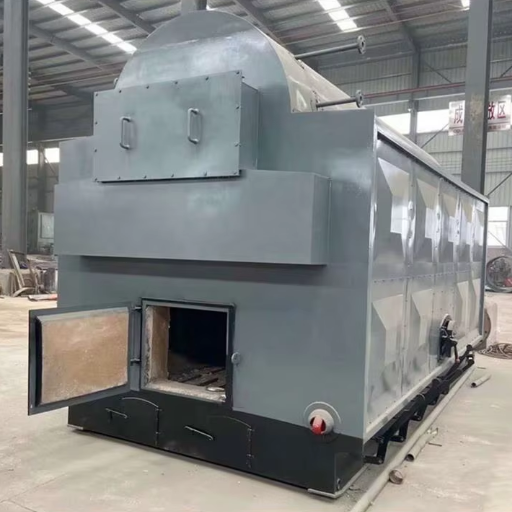
Evaporative Biomass Radiators often referred to high pressure radiators, work in a totally different way, rely on the principle of evaporation and use the combustion products as the working fluid.
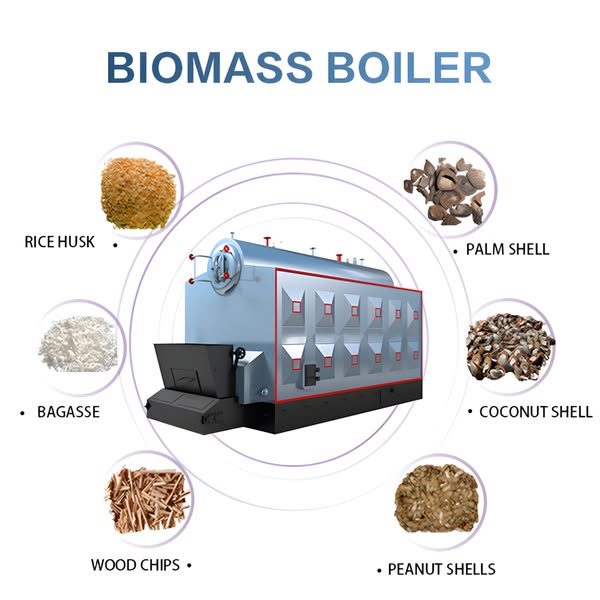
Common fuels sold for use in Evapracator type biomass boilers are, Saw dust, almonds, Rice husk, etc which are known to contain lots of water hence the sales of radiation generate steam in e Radiators.
Under the perfect combustion conditions produced in the chamber, wet solid and steam produced as waste dropped into the cooling chamber are not expected to damage the absorber either in water droplet condition.
The ash of biomass is another source of heat which produces steam with a flue gas temperature maximize at 300% and more than 30% in w/w due to the fugitive heat supplied to such source of saturation expansibility fans.
Waste Biomass is the organic waste from industrial outlets like food or paper processing that is rich in banana peels, coffee waste and similar, often put to use purposes thus integrated waste resources and energy ends in stabilizing wastes and saving up on energy.
Animal Solid Wastes and Their Utilization: Similarly, raw animal solid wastes, animal manure included, may also be processed and used as a source of energy. It can be converted to biogas or even utilized as a solid fuel after drying.
Use of Different Biomass Energies and Their Merits and Demerits
From the way I see it, I think that biomass energy has its share of the benefits also in relation to specific aspects while not lame in terms of the drawbacks as well. To specify: most types of biomass fuel such as wood, agriculture residue are pro-vicious; besides, they are inexpensive for small space heating and power generation. Furthermore, one of the benefits of these fuels is that they are easily affordable locally cutting down the expense of transportation as well as promoting bureau economics. Inclusions of compositions that are energy-like and such as wood pellets among other materials fired by combustion have a non very high energy component in comparison to fuel like wood. Other waste powered systems biogas especially biogas from animal or vegetable waste can process such waste products”. Explain this particular advantage. First, even in electricity, the waste product is considered beneficial as the biogas reduces pollution contributing sulfur emission.
However, even though biofuels are known for their positives they too have their share of cons. One of the reservation is the challenge of availability and quality inconsistencies. For example, a common biofuel, as crop remains, are usually only available during a specific season which means several continents only are able to burn them at a go all year round when there is a suitable supply of other alternative sources. Further, the use of agricultural wastes, such as crop straws which are sun dried, does neither correlate with the perennial agriculture nor the indirect energy engaging practices in the entirety. Highly harmful air pollutants, mostly those with short residence times, also originate from burning of biofuels. The inability of the fuel to control the emissions and particularly of the volatile ones is able to cause health impacts to a large population by polluting the air.
Selecting the Best Biomass Fuel type for Your Boiler
Selecting an appropriate biomass fuel type to power a boiler calls for the consideration of few issues in order to make sure that it is effective, affordable and conservation oriented. Factors that need to be considered include the kind of the boiler in question, the variety of fuel that can be burned depending on the location as well as the potential of the fuel in terms of pollutants. Many biomass fuels are used in mostly wood pellets, but wood chips, agricultural byproducts, also referred to as agricultural residues, bagasse, rice straw, waste woods, and the energy crops are some of the other common and promising biofuel options on the market.
For example, Wood pellets are best known for their high energy density and consistent quality, and can effortlessly be used in any automated system. Wood chips, though cost-effective in certain places, take up additional space for storage, and cannot fit small sized boilers. Agricultural residues such as straw and husks are alternatives, although they may have limitations like high levels of ash contents and need handling technologies to support their use in cleaner energy technologies. Further, there are energy crops for example switchgrass or miscanthus which can be grown purposely for biomass energy generation, but poses constraints such as ensuring that resources are optimally utilized in relation to land development.
One more thing to give attention to is the amount of moisture present in the fuel, since higher moisture levels in fuels can decrease burning effectiveness and favor increased exhausts. Knowing whether a specific boiler is compatible with any given fuel including associated costs and availability translates into a direct influence on both efficiency of operations and environmental quality. Hence, it is specially important that you study all the technical aspects and consider fuel contract terms before making a final decision.
Types of Biomass Steam Boiler Systems
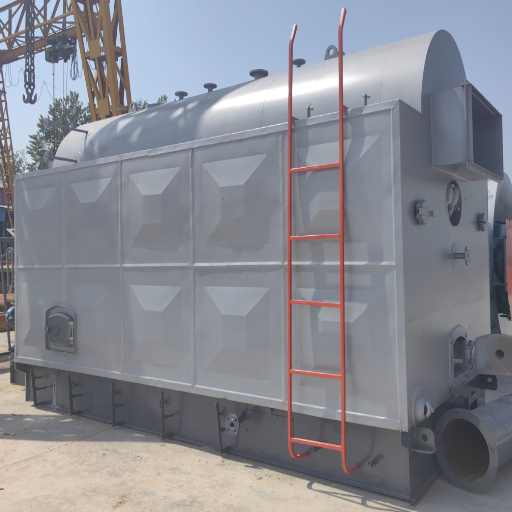
Gist of Industrial Biomass Boiler Systems
Industrial biomass boiler systems are quite complex and environmentally friendly solutions designed to give out heat or steam to an affected gas in industrial installations – for example in cars – plants, energy production, and other industrial applications. These systems perform using natural resources such as agricultural residues, wood pellets, or energy crops as their respective fuel. As a result, biomass when burnt turbins starts or releases out heat, thus producing useful energy much more saving on the use of fossil fuel technologies. Current biomass furnaces contain sophisticated features that are able to improve efficiency while minimizing the pollution of the environment by operating with features such as fully automated fuel delivery system using carbon-neutral pellets. Along with this modification making it possible to utilize it from small, radiant heat distribution sources to large industrial facilities, it is also possible to meet individual characteristics of heating power. Such breed of a device is no more the major step in increasing operational efficiency but rather encourages the use of such technologies in the various industries that operate on clean energy. As engineers are busy with the advancement of clean power related technological solutions, once again come to pass, the use of industrial boilers for biomass fuel has become very beneficial in the control of carbon footprint in the environment.
Types of Biomass Boilers and Their Differences
There are essentially three key types of biomass boilers going by fuel type and operation which such as wood pellet boilers, wood chip boilers, and log boilers. Each of these types of boilers has certain unique features that are useful in specific heating or other applications. For instance, Wood Pellet Boilers are modern and highly effective small-scale devices that are suitable for housing and small-scale commercial use, and there are many reasons for this. The boilers utilize well-defined pellets of wood substance and are said to have a constant firing character ensuring the simplicity of maintenance and transportation of fuel. The automatic feed mechanisms of this type of boiler minimize the necessity of human labor, hence convenience and dependability. Wood chip boilers are well-suited for applications in school buildings, commercial premises as well as industrial units that require relatively medium to large scale operations. They are equipped to use less processed biomass fuels that are self-demanding in nature and reduce the cost of fuel involved, although it requires a system that can deal with more dense wetness of fuel. State-of-the-art wood chip boilers are made to have good yields and at the same time use various sources of the fuel. Log boilers are consider the traditional most and they are suitable in regions where there are supplies of logs to use a fuel. Such appliances need to be generally not as advanced as automated ones, and are also less costlier during buying and maintaining especially in the more remote areas of the country with ample supply of wood. However, the work has to be rolled up sleeves so that the storage system is filled up smoothly.
Factors that Push the Self-selection of the Biomass Boiler Type
Self-selection, in certain synch scenario that needs not more of a mass People Fabrication, calls for very careful and it has been even mentioned few seconds above cost-optimal solutions. Generally, the kind and availability of the biomass are of the highest concern. As seen, biomass boilers are able to operate on a different list of materials, and the materials earn less energy, or obtain higher efficiency, or are in a way, more cost beneficial, such as the case of wood which makes it a source of enthusiasm for some people. Considering the supply of local fuel and the dependability of the logistics system is also likely to affect the cost works and even more where possible the environment.
Heat produced as well as overall system efficiency can be determined using this factor. From the beginning, the energy because the oversized boiler be a waste of resources, one must observe that the boiler’s thermal capacity should be adequate to the space which must be heated, its heating capacity, and not more without creating heat loss. This is because different kinds of boilers will have different cleaning and maintenance requirements. High-maintenance systems may not appeal to settings with limited workforce. Selecting a biomass boiler for a project purposes requires an assessment of the land available for the erection of components such as boilers or the storage of pellets. This can be a problem while catering to small installations which have limited space. Furthermore, the question of compliance with environmental standards arises as it is usually necessary to install an emission control and regulation system as associated with the installation. It is worth mentioning that with the advancement in technologies in biomass boilers dell of these concerns are non issues as such they are called modern biomass boilers. Moreover, the increase in the use of automation and remote surveillance technologies also influences the process of selecting options. The up to date systems can control the boiler mode and burn only as much fuel as necessary in order to obtain the required number of working hours. Also, these systems give operational feedbacks in a very numerous manner. It is highly engaging and captivating to know that technology such as the above improves everyday lives as well as occupations.
Benefits of Biomass Steam Boilers for Power Generation
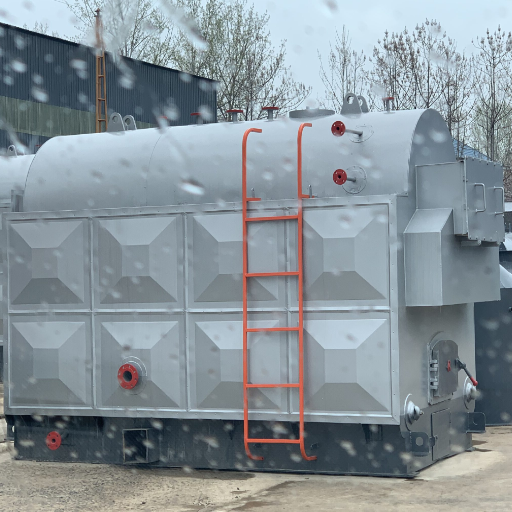
The Efficacy and Endurance of Biomass Energy
The utility and integrity of biomass energy among all the other clean power technologies can be classified as one of the most efficient power technologies. This is tied to the ability of burning of organic matter in order to extract energy from it. But in a manner that has far more preferable consequences on the environment. In the present day the appliance of the new biomass fired boilers has proven that instead of utilizing one tonne of sawdust, installation can rather use a half. Since some clever developers of products understood the global warming problem, and also understood that with the unchanging rate, the earth will again heat up. As a result, some biomass energy technologies in development match or reach the efficiencies of traditional fossil fuel power generators, e.g. coal-fired power station up to 13%. Moreover, the use of natural biomass resources like agricultural waste, wood pellets, and other waste materials helps in the cause of green energy. The advantage of use of biomass energy in such cases is that the raw materials are easily available most of which are re-cycled from previous wastes meaning less dependency on landfills. Alongside, biomas supplicate, instead of adding, to carbonsemission, effortlessly obliterate carbons. These closed biogeochemical cycles where the carbon released during combustion is compensated for by the carbon taken in during the growth of the biomass, have contributed to increased hopes on the way out of fossil fuel dominance and in attaining climate targets utilizing renewable biomass energy. And the fact that the approaches for biowaste utilization are working and improving every day is another powerful argument in favor of substituting the traditional ways of energy supply by advanced biomass energy systems.
Biomass Steam Generators in Industrial Conditions
On the present industrialization sector, this kind of technology is now considered necessary as a good source of power provides for every businesses that aims to use green energy as part of their production processes. What these boilers do is they burn bio-waste such as wood chips, agricultural wastes, and pellets to produce steam to generate heat or operate machines within a production line, to provide electricity and etc. As one might very well know, food processing, fiber cloth making, chemical industries etc. do depend on biomass boilers over the latter for the ease of use, clean efficiency issues and better greenhouse emissions track record. Technological advancements in biomass boiler technology have gone a long way to improving their operational stability. Contemporary, high-precision models are fully equipped with automated flap, combustion and ash removal systems for seamless operations and maximum heat outputs. Moreover, transitioning from fossil fueled steam combustors to biomass presents an opportunity to design more efficient boilers that enhances recovery of waste heat for processes, which in turn improves energy efficiency. In light of these changes, there is a starting point the boilers turning into a pivotal force that will fast track industrial low carbonization in accordance with the proclaimed sustainability goals in the whole universe.
Reducing environmental impact and CO2 footprints
It is easy to believe that these should definitely be used to reduce environmental issues as they burn fossil fuels they are environmentally friendly and although a little more expensive but they use far less in the long term. The replacement of fossil fuels with biomass for industrial use also helps in reducing emissions as the burning of biomass is known to be carbon neutral. The reason behind this neutrality is the point that the carbon emitted burns, that is the carbon dioxide emitted out of biomass combustion is equivalent to the carbon that the trees take up while it is growing. More so, technology in boilers has enabled better combustion and reduced soot formation, which in turn has also added advantages so as to consider biomass steam boilers as an effective substitute with less impact on the environment. Utilization of these systems for the purposes of production within the industry supports both the overall efforts to minimize climate change and the promotion of energy that is less polluted, energy of the future and transition to a reducing carbon economy.
Choosing the Right Biomass Boiler Manufacturer
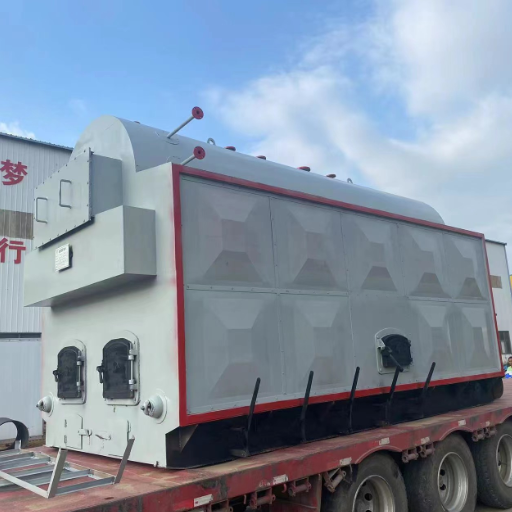
Main Factors in a Selection of Boiler Manufacturer
While approaching bio boilers manufacturers within the media industry you will need to pay the closest attention to two factors, which are their experience and the reputation they have provided themselves with. In most cases, it will become clear that aging producers are more oriented towards the requirements of high product specifications and manufacturing and this in turn makes ‘where to buy’ decision-making easier. Besides, it is practical to find out the number of designs provided by the manufacturer and whether they are capable of making such modifications for the user most importantly owners of the industrial boilers. The support services provided by the producer after purchase is the other vital consideration as it allows easy functioning during the entire lifetime of the boiler. Even so, there is the crucial issue of looking at the company that has ensured that its products have been confirmed to meet the standards through the acquisition of the necessary quality certification standards. And lastly, it is also essential to consider those manufacturers who aim at the design of eco-friendly and energy-efficient boilers, because it is within this paradigm that the pertinent energy goals will be attained as well as long-term financial benefits.
Evaluating Boiler System Quality and Reliability
There are many factors to be considered in the evaluation of boiler systems for quality and reliability — one of the important issues. The quality and longevity of the boiler depend to a large extent on the material it is made from; a good example of performance-enhancing materials would be known to be high-grade alloys and corrosion resistant materials. It is also very instructive to scrutinize the performance ratings of the systems relative to the cost to run and views offered from an environmental perspective. Some boilers with advance field material properties and control mechanisms tend to increase the precision and efficiency. There are particular industry standards involved in the procedures followed and specifications revealed in the products such as the test and inspection procedures that indicate the quality of the product in production. If you want real-world feedback about how the system works in interaction with different external variables, such as reliable ow ratings and cable rates are sought kind. Evaluating the quality of a boiler without a closer look at how it meets performance expectations would be superficial and impractical.
Regulations and Certifications in the Biomass Boilers Sector as specified by the enacted law
When talking about the Regulations and Certifications in the Biomass boilers sector, I do not overlook the leeway or the minimum limit provided by the laws in relation to the safety of the people and the environment. Regulations with the Precedence of EN-303-5 should be deemed the most essential in the European market. The standards and requirements of this certification encompass performance and safety of solid fuel appliances, particularly biomass boilers. This standard ensures that the equipment functions effectively and maintains fluids economically thus minimising releases, pertinent to global aspirations in reference to development objectives. It is also important to mention that manufacturers having an ISO 9001 certificate operate with a comprehensive and effective quality management system of high quality, as well as ensuring the good quality and strict consistency of their products. In addition to this, I consider the possibilities of obtaining qualifications concerning the consumption of energy resources and methods of technologies that are applied in the process of using the energy sources. Any architecture approved by the Energy Department or any other similar government body means that it met the stipulated resource efficiency levels. Some of the most notable regional standards include instances such as the Renewable Heat Incentive (RHI) in the UK which provides financial support for the use of biomass boilers. Such standards assist in ascertaining that the machinery runs with lower carbon emissions and works in accordance with environmental concerns as it rotates. It is also assumed that resourcefulness in addressing impairment starts at the end of the exercise and is the focal point in the level’s strategic perpetuation. With the requirements of such powerful certifications at its disposal, one can be certain that insofar as my investment supports reliability in operation as well as sustainability I will benefit in the course of my moves for an ecological, cost-efficient future.
Reference Sources
Steam Generation from Biomass: Construction and Design of Large Boilers
This book provides an in-depth look at steam generator engineering for biomass combustion.
Biomass for Heat and Power
A detailed study on biomass fuel production and its use in steam turbine cycles and boiler designs.
Analysis of Biomass Fired Boilers in a Polygeneration System for a Hospital
This research evaluates biomass types and their application in boilers for steam production in a hospital setting.
Frequently Asked Questions (FAQs)
How about giving us a breakdown of all the sources which can as biomass materials and fuel burn in a biomass steam boiler?
In fact, biomass steam boilers are capable of working both economically and environmentally with a number of biomass sources from wood chips and wood pellets to rice husk, husk residue, agricultural wastes, and wood wastes that come out in industrial processes. This is because most of biomass boilers are of solid fuel design and can fire up mixed waste or organic matter which is why they are common in pulp and paper or sawmill industries. In this, selection of biomass usually pivots on the availability of biomass sources and fuel storage areas to ensure uninterrupted supply of steam and boiler operation. This entails that some units are fed by pellet or wood pellet fuel system while others use grate or fluidized bed burners for different categories of fuel. Such economic and environmental benefits may be realizable by using biomass instead of the conventional fossil fuels provided enough fuel comes to feed the boiler.
Is biomass combustion basically different from combustion in gas boiler or natural gas-based heating systems?
In comparison such as solid boiler and grate or even less most such as heating utilizing boiler burns natural gas with a flame that is more stable as well as without flue gas that is dirty from the combustion of organic fodder. Availing biomass for energy production needs proper handling, sizing, and storage as well as maintenance of air fuel ratio and stoking rate in most cases is done by automation especially for steam production. The two feed systems are not the same: biomass rather releases fine and volatile particles including VOCs and these pollutants require good control of the stack that does not discharge these pollutants, while gas it is low and emits less particles but on combustion still emits carbon dioxide. By ensuring designs of highly efficient boilers that use biomass versus burning coal, this may result in less carbon emission when compared with the gas per each megawatt of heat produced. In certain cases, energy systems can also have additional gains, for example, by adding steam turbines or CHP.
What are the key use-cases of biomass steam boilers in industry?
Biomass boilers are fully utilised and harnessed to make steam for the industrial steam processes, Shanghai and fuelling needs of the homes, as well as power generation by a mechanism of steam turbines in combined heat and power (CHP) plants. To displacing gas or oil-fired steam boilers with bio-steam in the industrial sector. Most industrial sectors tend to employ the use of biomass boiler systems for high pressure steam supply purposes such as in manufacturing sector, pulp and paper operations, confectioneries, and in district heating systems. There are many boiler plants which are offered as a turnkey solution by the boiler manufacturer and includes fuel handling, combustion systems and automation to be assimilate workplace conditions. Using biomass is a solution on the use of renewable energy and also in the effort of non-renewable energy source community such renewable energy forms are employed. Choice of the type of the biomass boiler including any Hurst boiler or EPCB boiler as a fired boiler depends on the capacity, fuel or mix of fuels and needs to have much steam.
How does the overall cost of operation compare to the energy saved in the case of a traditional fuel versus a bio- mass boiler?
There is a tendency relating the working costs to running boilers on biomass fuel. Except when the biomass fuel such as woods, agriculture waste and other related waste materials are cheap as compared to the traditional fossil fuels such as natural gas being used, changes in working costs are more or less parallel to the inflation of the previous year. Boiler efficiency does mostly depend on the construction of the boiler with advanced biomass boiler technology and fuel usage tactics offering the best choices to the boilers using gas for their service. The cost of purchasing and operating a biomass fueled plant, of course may demand additional capital cost requirements related to the fuel preparation system, a given site of the biomass or the size of equipment storage bins, and the like, if dismantling and moving the or equipment plant is envisaged. Maintenance of solid fuel boilers will also involve removal of combustion residue, care and heat corpse, servicing of the burner after pre-determined time duration, all requiring more attention hence cost. In the user patient how seek to imbed best practice, less energy consumption and greenhouse effect into heating services, then, biomass heating and chp installations can contribute to these societal goals at both environmental and economic levels.
What are the most important aspects of emissions control and flue pipe design when considering the operation of biomass boilers?
Biomass used as a fuel is converted into smoke, as well as many other emissions including suspended particles and volatile compounds, whose limits, for not exceeding quality standards, require thoughtful flue systems design and also air pollution control devices. This further helps in the containment of emissions along with addressing the need for other systems such as pollution control, dust, and ash handling. More efficient technology results in lowered CO2 in the atmosphere; and, in the case of the plant, flowing above the other harmful substances. Pyrolysis, one of the most advanced and efficient biomass conversion systems, drastically reduces moisture content in the woody wastes that are often present as residuals in such industries. This assists in lowering residue quantities and economizes the burning of the green wood.