Get in Touch with Taiguo

Biomass Boiler Installation: Complete Timeline

Contents
show
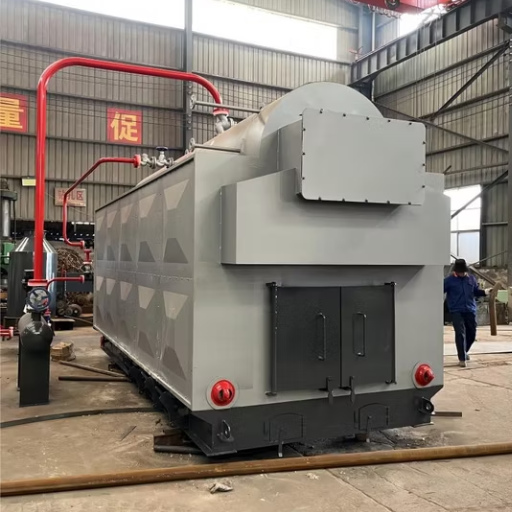
Switching over to a biomass boiler in the home is a big step towards living sustainably and energy efficiency, although it may seem quite complicated and overwhelming without a clear roadmap. This article seeks to make the picture much clearer. We will spell out the complete timeline for installing a biomass boiler from the very beginning to the end of the operational phase. Whether you are a homeowner looking to reduce your energy costs or a business owner thinking of environmentally attractive heating solutions, you will be walked through all the necessary steps so you can confidently undertake the entire installation process, safe in the knowledge that you are equipped with the right amount of trustworthy information. Let us get started with the economy being the core issue about energy investment in the biomass boiler while supporting a greener future!
Introduction to Biomass Boilers
What are Biomass Boilers?
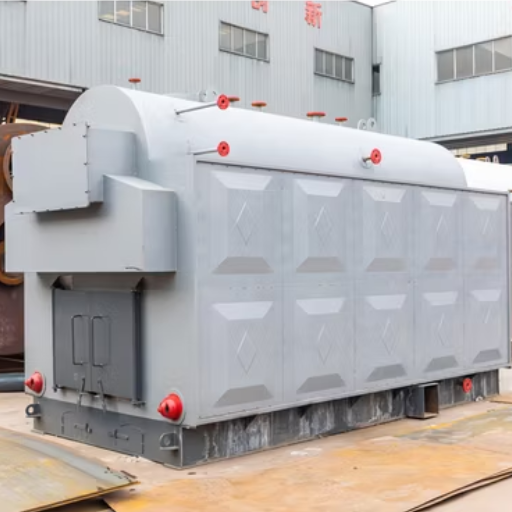
A biomass boiler is a heating system which burns organic substances like wood pelletes, chips, or logs. They heat water and provide heating and hot water for domestic, commercial, or industrial use in general. Unlike fossil fuels, such wood, biomass boilers burn renewable fuel which makes them an environmentally friendly source for heating.
The operation of a biomas boiler involves feeding fuel into the combustion chamber and setting it on fire in order to generate heat. This heat is then transferred to a water-based heating system where it is circulated through the radiators or underfloor heating in the building. Modern biomass boilers are fitted with automation technology for fuel feeding to increase efficiency and user convenience.
Key Takeaway
Biomass heating technology will secure an important role in carbon abatement by offsetting the CO2 emissions from combustion with that absorbed by the plants while growing, making biomass energy sources effectively zero carbon. With a reduction in the carbon-footprint, this provides a significant growth of local economies, using biomass fuel available locally and hence having a lowering effect on their greenhouse gases. It also massively reduces the necessity of imports of fossil fuels and thus provides greater energy security and sustainability.
How Biomass Boilers Work
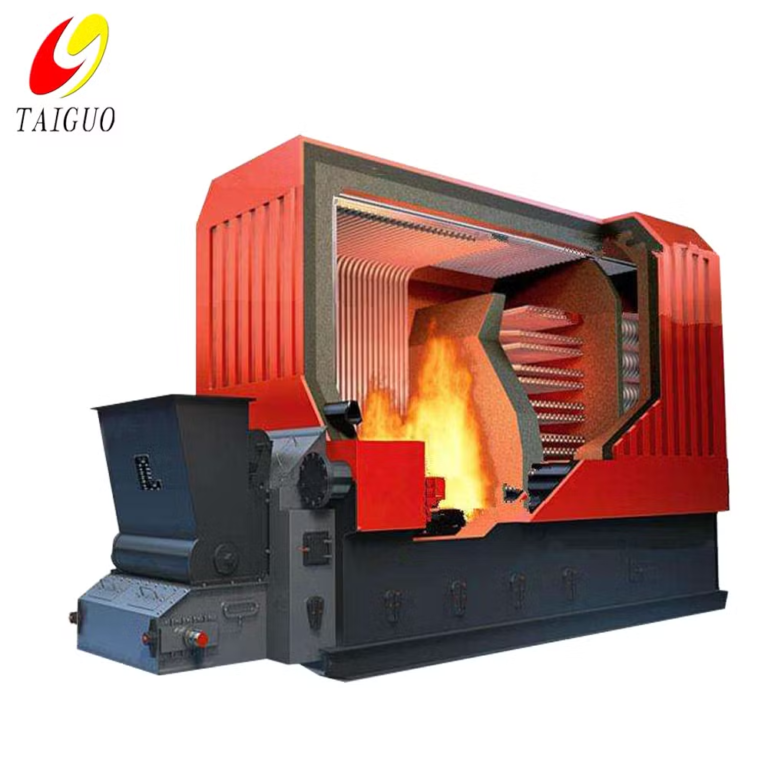
The biomass boilers’ modus operandi is by incinerating organic materials—such as wood pellets, chips, or logs—to produce heat. This heat is transferred to hot water or steam, which can heat the building or power other industrial processes. The combustion process in such boilers supervises to the last detail to ensure effective energy production while minimizing waste and emissions.
The start of operation commences with feeding biomass fuels into the combustion chamber of the water tube boiler. Once inside, the fuel is burnt for heat. In modern biomass boilers, an automated feed system is usually found inside the boilers, and the system uses sensors and controls to ensure the optimum quantity for specified combustion efficiency. The heat exchangers in the boiler, transport heat to the water, and hence the water is circulated through systems throughout houses or facilities and heat.
⚠️ Important Note
Ash, but simultaneously arduous for the boilers, also results in a perfect solution to the high bogey of maintenance and environmental pressure that is apt into the biomass-to-energy operations. Every biomass boiler must go through scheduled and preventive maintenance, which includes the process of cleaning up the combustion chambers in the boilers and inspecting the fuel quality. However, running safely and sustainability for heating issues, these boilers remain a near-zero emission source for climate and protect from carbon surplus.
Types of Biomass Boilers
Biomass boiler very grades come in a couple of types pocketing three different areas of implementation and fuel types the main ones being log boilers wood pellet boilers and wood chip boilers based on the factors available fuel system requirements and application; likewise, there are some specifications.
- ✓
Log Boilers: Log gasifiers are generally great in an operation with an ample supply of wood logs untreated. These boilers require users to load logs manually, hence they are economically prudent for such individuals in remote rural areas endowed with abundant wood resources. Ideally, log boilers are meant for smaller small-scale operations or households looking for independence from processed fuels. - ✓
Wood Pellet Boilers: Wood pellet boilers area sustainable and low-maintenance alternative. They use small, uniform pellets made from compressed wood byproducts, providing an energy resource of constant high density. Oftentimes, those with automatic fuel-feed arrangements are available, preventing most user intervention and raising their popularity for home and business heating. - ✓
Wood Chip Boilers: Intended for larger utility, wood chip boilers take in wood chips as fuel. They are capable of engaging in indispensable instorvel energieterminatio for institutions of larger scales with high energy demands. They are fairly efficient due to dealing with higher volumes of fuel, although relatively more space may be required for fueling farmersholdequipment. In many instances, wood chip boilers tend to be favored for their versatility and cost-effectiveness within industrial settings.
Initial Considerations for Installing a Biomass Boiler
Assessing Your Heating Needs
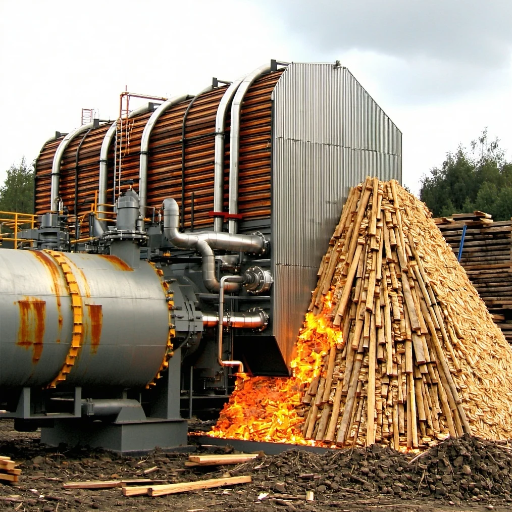
In deciding on the best biomass-boiler for use, assessing your heating needs is particularly crucial. A good start here brought in the rough estimation of the demands of energy relative to the property (in Kw hrs). Consider the buildings size, thickness of insulation, type of heating emitter you will use, example, heaters or under the floor heating. This will ensure that the boiler you chose is not pushed with power. Or, equally, it will enable to show you that the boiler was far more gigantic than the heating demand.
The kind of biomass fuel in line with your benchmarks concerning supply and willingness from the source has to be taken into account. The price, storage, and access scenarios for wood chips, pellets, and firewood are the key decision-makers. Some types of fuels are interesting for small-scale residential applications whereas big-scale industrial, commercial plants will allow you to choose some other kind of fuel. Furthermore, inspecting all these alternative fuels as early as possible will help you to settle for the most practicable and cost-effective choice.
Lastly, check the space available for the installation of the new biomass boiler and the storage for fuel. Biomass boilers, especially bulk fuel-based ones, like wood chips, require sufficient space for their implementation as well as adequately safe storage for fuel. Assure that space initializes the ease of transportation and handling of the fuel while always keeping in compliance with safety and ventilation regulations. An analysis encompassing these aspects will permit an informed judgment in favor of a system that will supply the needs of proper heating.
Choosing the Right Type of Biomass Boiler
Initially, the foremost concern while picking up the best type of biomass boiler is the heating requirements needed for your property or plant. The space should be judiciously size-assessed, annual energy requirements, and whether heating alone will take place or if the boiler will also be used for hot water. In this context, smaller systems would be suitable for residential environments, such as pellet boilers which are efficient and space-saving; whereas larger spaces like commercial or industrial purposes usually require more robust systems like wood core boilers because their energy requirements are higher.
Another fundamental factor pertains to the availability and kind of biomass fuel. Pellet boilers are generally designed to effectively operate with firm, processed pellets, whereas wood chips are design for less processed bulkier material. Evaluate the cost, local availability, and sustainability of your preferred source of fuel in your area. Somewhere around 100 km is a reasonable limit for transport. Locally sourced biomass has the effect of reducing transportation distances, furthering economic and environmental goals by reducing carbon footprints.
Finally, consider aspects pertaining to the boiler running and installation. Look for ample space where the unit and the fuel can be stored. You must give suitable considerations to easy maintenance access. Automation is another concern: some boilers offer automated cleaning and fuel feeding, while others are more hands-on. An informed decision should ensure the system is both efficient, economically priced, and suitable for specific needs.
Understanding Fuel Types: Logs vs. Pellets
Pellets and logs are fuel types for the most popular boiler systems. Logs are often preferred due to their lower cost and ease of availability, particularly in rural areas where wood is plentiful. It provides an environmentally sustainable heating source when obtained from managed woodlands. With logs, there is more manual work involved: cutting, drying, and frequent feeding into the boiler.
Pellets are quite the opposite. They offer incentives, as they are convenient and highly efficient. They are made from compressed wood dust and wood byproducts that give them a uniform size and moisture level for consistent burning. Most professional pellet boilers have automated systems cleaning them and feeding the boiler system, easing maintenance as opposed to logs, but they are more expensive to purchase relative to logs and tend not to be readily available based on how close are the supply chains in your region.
💡
Pro Tip
The distinguishing offer lies in user insights within a certain set of considerations given that logs and pellets tend to be the primary options fitting any given set of personal circumstances. With logs, the hands-on user has numerous advantages. It is often not much more than wood costs. On the other hand, for those who seek the ease of use with those perks of regularity or even variables in fuel energy, then pellets would be their best selection. Bear in mind the cost of the equipment for pellets, the storage issue, and the need to sustain it while considering the various choices in your field to enable an accurate comparison finished on a precise geared affect accordingly with respect to your heating needs.
Preparing for the Installation Process
Finding a Qualified Biomass Boiler Installer
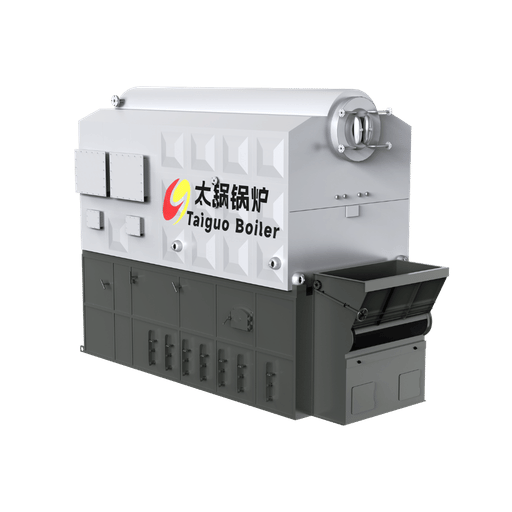
Finding a qualified biomass boiler installer is a cutting-edge task for setting up the system to run safely and in accordance with the regulatory rules. Begin by searching for engineers holding qualifications specific to biomass boiler installation—a key standard to go by. These installers are usually authorized by reputable industry associations and certifications, making it apparent that they have met the appropriate qualifications in biomass boiler works.
Other search criteria include price comparisons and references from a list of installers; not just prices but service levels, track records of the plumbing engineers chosen, and how they have been recommended among satisfied clients. If at all possible, gather information on the quality of work that speaks of the reliability of the installer from previous clients. This way, full communication will provoke an educated decision where mishaps might well fall away.
Furthermore, the consumer must check if the installer to be chosen carries out a detailed property evaluation prior to installation so as to identify the correct type and size of the boiler for the individual needs of heating. The trained installer is capable of educating the consumer about preventative maintenance and the service needed for their boiler system. The upshot of this is evidently more credibility to choose the right professional to carry out the biomass boiler installation.
Site Assessment and Preparation
Before the boiler is installed in a site, it is very essential that the entire location be visited in order to ensure the boiler operation’s superlative control and sustainability. The putative aim is to invite a parallel assessment of the area required to have all appurtenances and boiler fuel outbuildings. Here, the controlling indicators such as convenient location for fuel to be delivered, sufficient access for servicing, and a pollution-free environment in terms of good ventilation are discussed. The installation would substantially mitigate exposure to safety concerns and result in lesser use of energy.
For that, the site evaluation would also encompass an evaluation of the existing heating operation and its advantages concerning this system. All of the requirements of the pipework and heat distribution systems for potential adjustments or upgradings could be identified. At the same time, the insulation of the locale would be examined so that the heat needed will not be dispersed randomly out of the building, which will then increase the overall efficiency of the boiler. When everything has been chalked out, there are hopefully few surprises later on during the course of installation.
In conclusion, the biomass will be assessed with regard to the environmental requirements for the system entering the market, for fuel availability, and also for practices that are promoted by any actors in the region to assure eco-friendly operations. The installation design also considers local regulations and planning permissions, which need to satisfy the relevant requirements. Adequate site assessment and preparation are keys to scaling up the whole system, which is the installation of an efficient biomass boiler at one end with a very modest amount of energy for user overloaded at the other end.
Understanding Fuel Supply and Storage Requirements
Supply and storage of fuel, which are important components for the proper and reliable functioning of a biomass boiler system. The primary fuel considered most adequate should be one able to be procured on a regular and sustainable basis, such as wood chips, pellets or agricultural landfill residues. This will ensure the proper operation of the system every time it is turned on unless the energy output is substantial. A preliminary check, instead of ascertaining the availability of fuel, should be done to consider the potential fuel cost and whether the fuel is congruent with the boiler system so as to optimize system performance.
Adequate storage is key for maintaining fuel quality and avoiding degradation. The storage area must be well-organized, dry, and ventilated to avoid moisture in the biomass that would reduce its energy efficiency and increase emissions. Furthermore, the storage should be convenient to load and offload from whilst adhering to the safety and environmental stipulations. Introducing further measures such as covered storage or silos can help lengthen fuel life additionally.
Putting in place a transparent fuel chain management system helps in mitigating disruptions. This will involve the establishment of contracts with local vendors, ensuring fastest possible delivery, and keeping a certain amount in storage to be completely used just as an emergency supply. A well-structured fuel supply and storage plan, besides making an existing system run smoothly, returns profit to a high degree in effective waste-to-energy operations.
The Biomass Boiler Installation Process
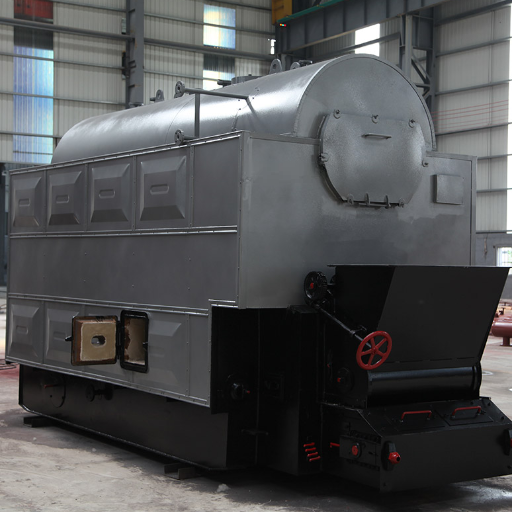
Step-by-Step Guide to Installation
- 1
Site Assessment and Preparation
The process of installation starts with a comprehensive review of the property to select the best site for the biomass boiler. It is of utmost importance to consider problems like the availability of space and proximity to fuel storage as well as evaluate maintenance access opportunities within the installation area. The area first must be safe and conform to local building regulations. Once the assessment is done, the area must be cleared and tailored to the installation, such as by laying the required foundation or conduit connections. - 2
Installation of the Boiler and Components
Post-preparation of the site now begins the piece-by-piece boiler and component fitting. For instance, installation, assembling, and connecting pipes, pumps, and heat exchangers with precession according to manufacturers’ standards and interconnections to other systems like water supply, electrical wiring, and also airing. The insulation of the pipes must now be done before further outdoor activities which are thoroughly assessed for energy efficiency. - 3
Testing and Commissioning
After the installation of the boiler, the tests taken are to ensure that the system is running correctly and safely. This testing includes testing the fuel feeder, monitoring the heat produced, and looking for system leaks. With successful tests, the commissioning follows, and the operator is trained on correct usage and maintenance control necessary to enhance the efficiency and useful life of the system.
Connecting Boiler Systems to Your Heating System
To connect a boiler system to your heating system effectively, it is important to consider the compatibility of components and design within the current system. To begin, consider the issue of if the type of the boiler meets the requirements of the heating system. The boiler is most likely to be a hot water counterpart to central heating. The proper size of the boiler is essential to make sure that the boiler is run properly, providing efficiency as well as preventing energy wastage or insufficient heating.
The next step after both the boiler and distribution system compatibility are confirmed involves linking the boiler into the distribution system. This linking process is mainly so that the boiler becomes part of the heating distribution system, which in most cases will include the piping, radiators, or underfloor heating system. During such activities, make sure to accurately make leak-proof joints with the right sealing so that the integrity of the system can be preserved. On the connection as well of the boiler to the thermostat and control system, it is also very vital that this be done properly for better operation.
Finally, before igniting and turning the system on, you must go down the entire heating system, clean it off the installation debris, and finally make sure that all parts are connected with suitable water pressure, heat power, and thermostat settings, each in perfect order. Indeed, expensive equipment such as an inactive system should give assurance to an engineer that everything is ready to go before initial startup. Usually when installed, the boiler should be monitored for leaks or blockages to sustain its performance and also maintain prolonged usage/lifetime of the boiler and heating system.
Testing and Commissioning the System
Whenever you have installed a boiler system, testing and commissioning the boiler system will involve the extremely necessary steps in assuring proper operational safety. Precede all of the testing by looking at whether the individual pieces of the systems made it correctly as per standards of the manufacturer, inspecting for proper alignment, a sure connection, and the absence of leaks and filled piping or valves. Ensure that safety measures have been implemented properly such as a pressure relief valve installation.
Next, after ascertaining and ensuring the physical set-up, the system will be powered up. While gradually terminating heat, keep the heat and pressure increasing as you always monitor the performance of the recording instruments. Variations to pressure levels, deviations at temperatures, or weird sounds are definitely the anxious moments to take heed and point out impending trouble. Ensure ventilation and avoid any fumes, and then, before having any major breakdown, observe whether the electric thermostat kept in place is actually switching as it is supposed to do by automatic sense on reaching the temp.
You will need to be carrying out some quality checks to see how well the system is working. Check those results against the operating orders as propagated in the user’s manual or as defined by the manufacturer. Document all irregularities, if any would be there; fix them up; and assure that the system is within operational parameters. This very procedure not only corroborates the system’s efficiency but also adds to the dependability of the beings in terms of power consumption.
Post-Installation Maintenance and Upkeep

Regular Maintenance Tasks for Biomass Boilers
Maintenance is crucial for the proper functioning of the biomass boilers. Tasks like checking the system help in ensuring that the boilers are working efficiently and safely. The primary purpose of checking heat exchanger surfaces is to avoid their buildup of soot or ash, which greatly decreases thermal efficiency. Keeping a close watch on the combustion area for blockages or residues disrupting fuel burning can go a long way also.
The fundamental efficiency of the biomass boilers also runs hand in hand with the quality and storage of fuel. To a great extent, the efficiency and cleanliness of the fuel storage system must be assured; indeed, a well-maintained fuel quality ensures an efficient and safe experience of boiler operation. MathA, ever as per this principle, to keep an eye on wet and/or lousy quality tanks. Users need the fuel to be really dry and contaminant-free. Quality storage is paramount because fuel in a wet state can easily be wasted, and biomass boilers running on degraded fuel run the risk of underperformance—inefficiencies, increased emissions, and damage to the system.
To test or calibrate safety mechanisms, such as pressure-relief valves, temperature controls, and alarms, is essential on a given basis. This is an assurance so that such mechanisms will act adequately in various conditions. Regular maintenance is involved in the life-prolonging aspect of the boiler together with the decrease in operational costs and environmental footprints.
Monitoring Fuel Supply and Delivery
Boiler operation is greatly impacted by an efficient and trustworthy supply of fuel. This begins with the fuel type and quality that is expected to be served in order to perform correctly. The higher quality of fuel the system is fed, the greater the efficiency that may be attained. Providing good fuel with oversight results in better reliability and efficiency of the energy system. Of its urgency, the required source of fuel—be it biomass, coal, or oil—should be capitalized upon.
Monitoring fuel delivery’s fuel quality is also crucial. The probability of an incomplete burn can be set to zero. An incomplete burn only delays the end product of the combustion process, which then suggests numerous emissions with various impurities issuing from other substances that gasify during the entry of the fuel mix into the combustion zone. An incomplete burn is not only a matter of having less than perfectly efficient combustion but is also a threat to equipment. At this point, it might be very advantageous to check our storage tanks, pipelines, and associated plant equipment to see if everything is in order.
Prolific energy calculation helps to take a good measure of costs for sustainable and dedicated efforts, too. Fuel economy is computed, of course, at the end of the chain by tracking consumption ex post. However, the constant requirement for analyzing consumption course according to expenditure is always there. In so doing, one can extend service of the plant. Prudence lies in one’s choice. Thus, a lower energy bill is paid and one pollutes the environment with less residue.
Ensuring Efficient Operation of Biomass Systems
To ensure the efficient conduct of biomass systems, regular maintenance and monitoring is of critical importance. Routine checking of components such as feeding mechanisms, combustion chambers, and ash handing systems makes it feasible to understand wear and damage at an early stage. Thus, the system works to its peak capacity, with as little downtime as possible. Cleaning of heat transfer rooms has to be regular to prevent the build-up of residues that, in turn, would impair energy efficiency.
Fuel quality is an essential requirement for proper biomass-system performance. Biomass fuels of low moisture contents with the proper particle size guarantee efficient combustion with a lower emission rate. Fuel impurities should be avoided as these can damage the system or unnecessarily inflate operational costs. Good investment in the storage of biomass helps to maintain the quality of fuels as they age, thereby retaining their inherent energy value under constant conditions.
Moreover, the interconnection of the latest technologically advanced control systems with operation also benefits contemporary biomass systems. These states monitor real-time raw materials feed rates, temperature, and pressure, thereby allowing the operator of a system to make an informed decision in regard to needed tweaks that will consider automation that will provide better reliability of the system to improve the overall efficiency of the system by ensuring an improved combustion process while maintaining effective fuel selection. Through proper maintenance and fuel selection, combined with proven technology, the efficient and reliable operation of biomass systems will also promote sustainable energy solutions.
Frequently Asked Questions (FAQ)
Q: What is the biomass boiler installation process and how long does it typically take?
A: The biomass boiler installation process requires site survey work to determine the appropriate boiler type which will require flue or chimney construction before combustion equipment installation and fuel hopper and storage and delivery system linking and manufacturer and installer commissioning can begin. The standard installation process for domestic heating systems requires multiple days to complete which can extend to weeks when the system size and installation complexity and development regulations and new flue installation requirements are considered. Industrial installations which are designed for larger commercial systems require extended installation time because they involve extra fuel handling and larger order sizes and need to connect with current energy systems.
Q: What factors determine the correct system size during biomass boiler installation?
A: The process of determining system size requires assessment of three main factors which include heat demand and fuel specifications and building insulation characteristics and the biomass boiler’s function as a replacement for traditional heating systems which include gas and oil systems. The installer assesses domestic heating load or commercial requirements to specify a suitable boiler and combustion system. Biomass boilers require precise size determination to achieve efficient operation while decreasing greenhouse gas emissions and providing reliable power generation.
Q: What types of fuel are used and how does fuel delivered affect installation?
A: The fuel used ranges from wood pellets and logs and chips to all organic materials which come from forestry and agricultural sources. Pellet boilers need a hopper system to feed fuel automatically while log biomass boiler systems need manual fuel handling for operation which works best in buildings that permit operators to load fuel by hand. The delivery of bulk chips as fuel requires facilities to install bigger storage areas together with automated feeding systems which will impact how storage and delivery systems operate and which combustion equipment must be selected for the installation process.
Q: Do biomass boilers require more maintenance than conventional boilers?
A: Biomass boilers require regular cleaning and ash removal and they need flue and flue gas path inspection and they require combustion system servicing at scheduled intervals. Some types, like pellet boilers, tend to be more automated and require less daily attention, whereas log boilers require manual handling and more frequent maintenance. The operational needs of biomass boilers require continuous maintenance to sustain efficiency and emissions control which results in higher operational costs than gas or oil systems.
Q: What regulations and permits are involved in the installation of a biomass boiler?
A: Different jurisdictions establish specific regulations which require air quality permits to control flue gas emissions and building regulations to govern permitted development and safety standards to protect combustion equipment while planning rules determine chimney and flue installations. The boiler type must comply with local standards through installer verification while manufacturers and installers handle compliance requirements, customers need to verify which permits are necessary for their storage and delivery systems and any major changes they plan to make.
Q: How do boiler types compare—pellet boilers, log biomass boiler and chip systems?
A: Pellet boilers automatically feed fuel through their hoppers which makes them suitable for home heating since they have compact designs. Log biomass boilers need operators to manually load their fuel which results in simpler operations yet requires ongoing hand-operated maintenance. Chip systems and larger boilers come in different sizes and designs which match the operational needs of larger facilities that receive fuel shipments. The selection process requires consideration of fuel supply options combined with the energy content of available fuels and the storage capacity and automation needs of the system.
Q: What are common flue and chimney considerations during installation?
A: The flue must safely route flue gas away from the building and can be a stainless steel flue, liner for an existing chimney, or a bespoke external flue stack. Flue gas condensation and corrosion risks mean correct materials and gradients are essential. The chimney or flue design affects system efficiency, emissions performance and compliance with local regulations, and installers size the flue based on the combustion system and boiler types selected.
Q: What should I expect regarding costs, fuel supply and long-term operation after installation?
A: The initial expenses cover the biomass boiler together with its combustion equipment and the installation of flue and storage and all authorized development charges. The ongoing expenses of a business depend on its choice of fuel and the energy content of that fuel and whether the business uses delivered fuel or manual fuel handling. Biomass boilers produce ash and need frequent cleaning, but their operational emissions decrease when they use sustainable fuel and proper maintenance because they generate continuous energy output which exceeds fossil fuel combustion. The biomass boiler installation process needs you to collaborate with the manufacturer and installer about system sizing and delivery and storage planning and maintenance scheduling.
References
-
Biomass Boiler Installation at The Vermont Farmers Food Center
This report details the installation of a multi-fuel biomass boiler, including specifications and process insights.
Read more here -
An Introduction to Biomass Heating
A comprehensive guide from Penn State University Extension covering combustion processes, fuel choices, and equipment for biomass heating.
Read more here -
PYROT Assembly and Installation Instructions
Detailed assembly and installation instructions for biomass boilers, including operating and maintenance guidelines.
Read more here - SZL Series Biomass Fired Hot Water/Steam Boiler