Свяжитесь с Taiguo


Как паровые котлы обеспечивают безопасную и эффективную переработку пищевых продуктов: типы, выбор и рекомендации
Пар — невидимый двигатель производства большинства продуктов, которые мы едим. Будь то смешивание молока при 161°F или приготовление целой партии консервированной продукции при температуре выше 250°F, промышленные паровые котлы в течение всей смены обеспечивают пищевые предприятия именно тем количеством тепловой энергии, которое им требуется. Однако многие руководители предприятий по-прежнему откладывают выбор котла напоследок, в результате чего устанавливают котельные системы избыточной мощности, которые перерасходуют топливо и перегружают дымовые трубы во время производственных пиков. Это руководство подробно объясняет, как паровые котлы для пищевой промышленности работают в реальных условиях, какие типы котлов подходят для разных задач и как выбрать, эксплуатировать и обслуживать котельную установку, чтобы предприятие стабильно выпускало качественные продукты без сбоев. Если вы владеете молочным заводом, бойней или промышленной пивоварней, рассмотренные здесь решения по выбору оборудования напрямую повлияют на эксплуатационные расходы, показатели безопасности пищевых продуктов и время бесперебойной работы производства.
Содержание руководства
- Какие функции выполняет паровой котёл в пищевом производстве?
- Типы паровых котлов для производства пищевых продуктов и напитков
- Основные процессы пищевого производства, для которых необходим пар
- Как рассчитать мощность и выбрать паровой котёл для пищевого предприятия
- Энергоэффективность и виды топлива для котлов пищевой промышленности
- Техническое обслуживание, безопасность и соблюдение требований при эксплуатации котлов в пищевой промышленности
- Выбор надёжного производителя паровых котлов
- Часто задаваемые вопросы
Какие функции выполняет паровой котёл в пищевом производстве?
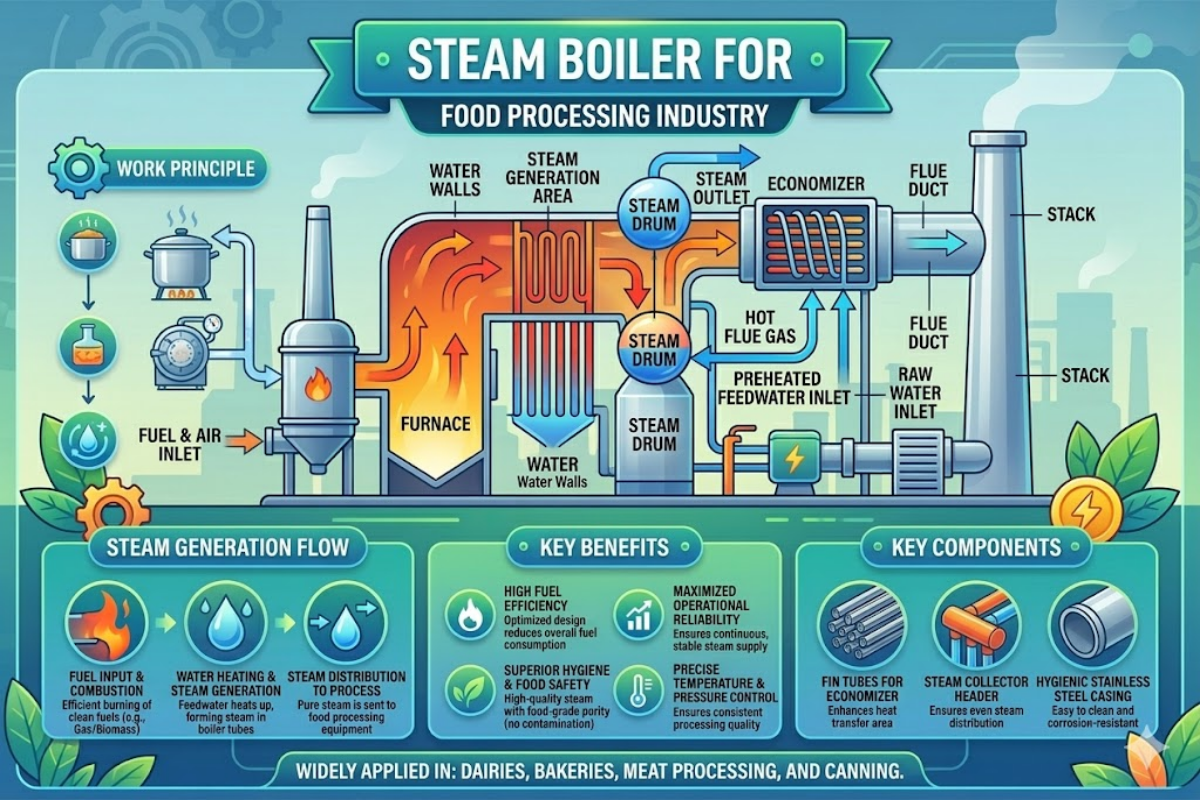
 Паровой котёл на пищевом предприятии вырабатывает пар высокого давления за счёт сжигания топлива или работы электрических нагревательных элементов. Затем пар по трубопроводам поступает к различным участкам производственной линии и обеспечивает контролируемый подвод тепла к варочным котлам, ретортным камерам, системе CIP или контурам обогрева здания.
В котельной установке давление и температура пара неразрывно связаны, и именно поэтому пар так ценен в пищевой промышленности. При 10 psi температура пара достигает примерно 240°F. При 50 psi она превышает 297°F. При 150 psi она превышает 365°F. Возможность регулировать подачу тепла позволяет одной котельной установке обслуживать несколько процессов — стерилизацию, пастеризацию, варку, сушку и санитарную обработку, — обеспечивая для каждого необходимую заданную температуру.
Например, на мясоперерабатывающих предприятиях непосредственно на стерилизацию приходится более 60% потребности в паре, а ещё 18% используется для смешивания, очистки и нагрева воды. На молочных предприятиях пар подаётся к различному оборудованию — от пастеризаторов и выпарных аппаратов до систем CIP, которые между производственными циклами санитарно обрабатывают тысячи футов трубопроводов из нержавеющей стали.
Паровой котёл на пищевом предприятии вырабатывает пар высокого давления за счёт сжигания топлива или работы электрических нагревательных элементов. Затем пар по трубопроводам поступает к различным участкам производственной линии и обеспечивает контролируемый подвод тепла к варочным котлам, ретортным камерам, системе CIP или контурам обогрева здания.
В котельной установке давление и температура пара неразрывно связаны, и именно поэтому пар так ценен в пищевой промышленности. При 10 psi температура пара достигает примерно 240°F. При 50 psi она превышает 297°F. При 150 psi она превышает 365°F. Возможность регулировать подачу тепла позволяет одной котельной установке обслуживать несколько процессов — стерилизацию, пастеризацию, варку, сушку и санитарную обработку, — обеспечивая для каждого необходимую заданную температуру.
Например, на мясоперерабатывающих предприятиях непосредственно на стерилизацию приходится более 60% потребности в паре, а ещё 18% используется для смешивания, очистки и нагрева воды. На молочных предприятиях пар подаётся к различному оборудованию — от пастеризаторов и выпарных аппаратов до систем CIP, которые между производственными циклами санитарно обрабатывают тысячи футов трубопроводов из нержавеющей стали.
💡 Совет специалиста
Качество пара не менее важно, чем его количество. Если пар и горячая вода непосредственно соприкасаются с продуктами — например, при бланшировании или стерилизации банок, — они должны соответствовать требованиям к пару кулинарного качества согласно FDA 21 CFR 173.310, который разрешает использовать только одобренные FDA ингредиенты для обработки котловой воды в пределах установленных концентраций.
Типы паровых котлов для производства пищевых продуктов и напитков
Жаротрубные котлы
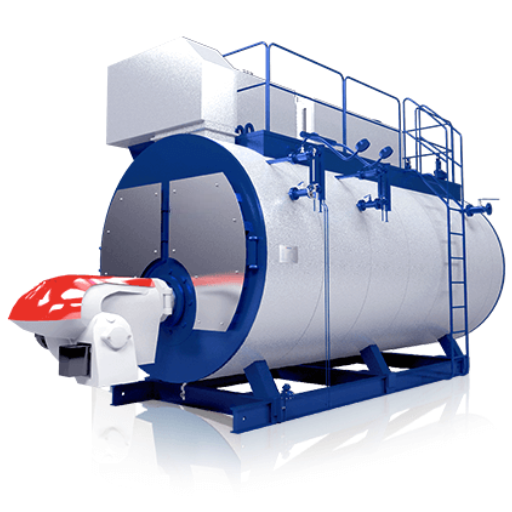
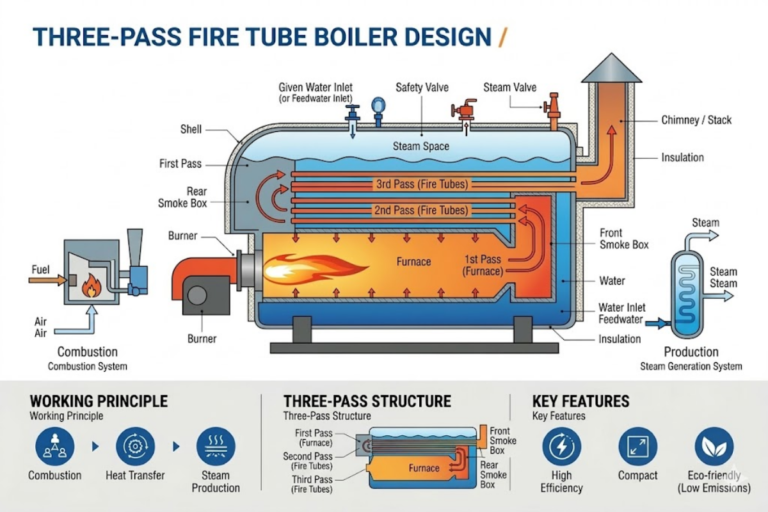
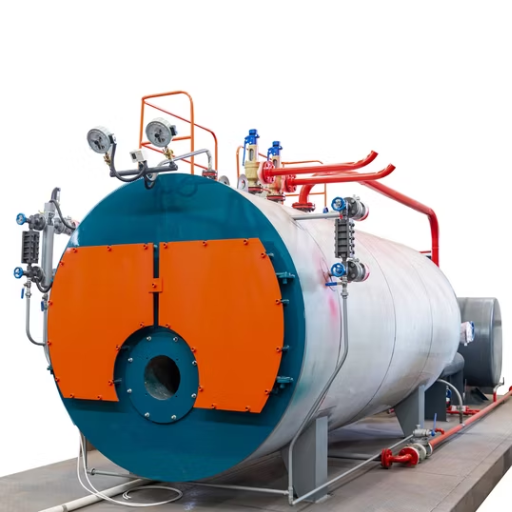
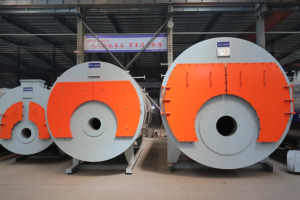
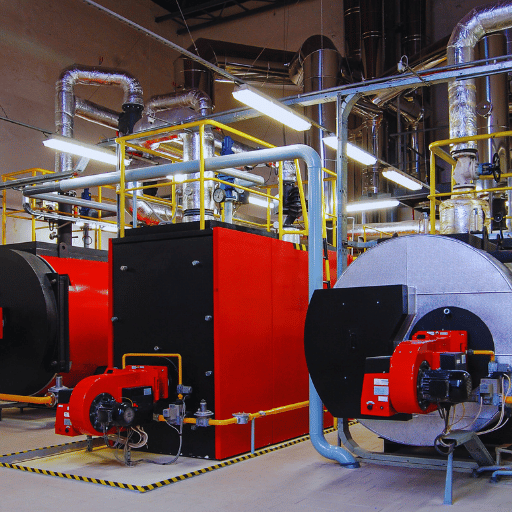
Жаротрубный котёл — это тип установки прямого топочного нагрева для выработки пара, применяемый на малых и средних пищевых предприятиях. Горячие газы проходят по трубам, окружённым водой внутри большого цилиндрического корпуса, и нагревают воду до образования пара. Жаротрубные котлы широко используются на малых и средних пищевых производствах, поскольку хорошо работают при переменной паровой нагрузке и требуют сравнительно небольших первоначальных капиталовложений. Жаротрубные котлы вырабатывают до примерно 50,000 lb/hr пара при относительно низком рабочем давлении, обычно не превышающем 250 psig. При работе на природном газе тепловой КПД составляет от 75% до 85%. Эти топливные котлы остаются экономически выгодным и надёжным решением для большинства пищевых предприятий.Водотрубные котлы
Водотрубные котлы работают по противоположному принципу: вода движется внутри труб, а горячие продукты горения под давлением обтекают их снаружи и передают тепло. Водотрубные котлы способны вырабатывать пар при более высоких температурах и давлениях, вплоть до примерно 3000 psig, поэтому их применяют в котельных установках высокой производительности для эффективного покрытия кратковременных пиков потребления пара. Промышленные водотрубные установки обычно вырабатывают свыше 100,000 lb/hr пара и, как правило, используются на крупных пищевых производствах или там, где требуется одновременная когенерация электроэнергии. При работе на природном газе тепловой КПД обычно составляет от 80% до 92%.Электрические котлы
Электрический котёл напрямую преобразует электроэнергию в тепло с тепловым КПД, близким к 100%, и не производит выбросов на месте эксплуатации. Поскольку процесс горения отсутствует, оборудование для отвода дымовых газов не требуется, а топливо не хранится на территории, электрические котлы подходят для небольших пищевых предприятий с ограниченной площадью котельной или для регионов, где местные нормы по выбросам существенно ограничивают эксплуатацию оборудования. Недостатком является более высокая стоимость энергии в расчёте на BTU в регионах, где тарифы на электроэнергию превышают стоимость природного газа.Котлы на биомассе
Котёл на биомассе сжигает сельскохозяйственные отходы, древесную щепу, стебли сельскохозяйственных культур или топливные гранулы для выработки пара. Такая конструкция подходит для пищевых предприятий, которые уделяют особое внимание экологической устойчивости и расположены рядом с экономически выгодными каналами поставок биомассы. Хотя КПД горения, то есть отношение полученной полезной энергии к энергии, содержащейся в топливе, обычно несколько ниже, чем у установок на природном газе, многие организации могут считать топливо из биомассы углеродно-нейтральным для целей нормативного регулирования, что помогает пищевым компаниям выполнять корпоративные экологические обязательства. Котлы на биомассе оптимальны для производственных предприятий, на которых образуются подходящие отходы.| Характеристика | Жаротрубный | Водотрубный | Электрический | На биомассе |
|---|---|---|---|---|
| КПД | 75–85% | 80–92% | ~99% | 65–80% |
| Максимальная производительность | ~50,000 lb/hr | 1,500,000+ lb/hr | ~50,000 lb/hr | ~100,000 lb/hr |
| Максимальное давление | ~250 psi | 3,000+ psi | ~300 psi | ~900 psi |
| Выбросы на месте эксплуатации | NOx, CO₂ | NOx, CO₂ | Нет | Твёрдые частицы, CO₂ (нейтральный) |
| Оптимальное применение | Малые и средние пищевые предприятия | Крупные производства / когенерация | Малые предприятия / зоны с жёсткими ограничениями по выбросам | Предприятия, ориентированные на экологическую устойчивость |
| Первоначальные затраты | Ниже | Выше | Средние | Выше (система подачи топлива) |
💡 Совет специалиста
На многих современных пищевых предприятиях среднего размера несколько котлов устанавливают по «модульной» схеме: вместо одного крупного агрегата используют несколько небольших жаротрубных котлов. Такая конфигурация позволяет поэтапно включать горелки в соответствии с фактической плановой потребностью в паре, упрощает последовательное техническое обслуживание каждого агрегата и снижает риск остановки всей линии при отказе одного котла.
Основные процессы пищевого производства, для которых необходим пар
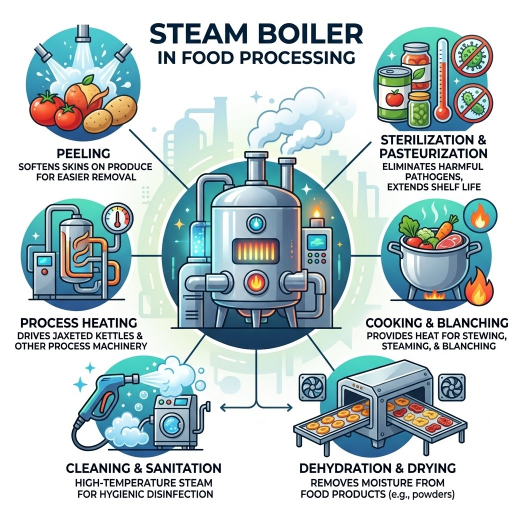
 Практически во всех отраслях пищевой промышленности пар непосредственно влияет на безопасность продуктов, их качество и скорость производства. Паровые котлы при производстве пищевых продуктов и напитков обслуживают множество процессов, каждый из которых предъявляет особые требования к температуре, давлению и чистоте пара. Недостаточный контроль любого из этих параметров, как правило, равносилен браку партии или нарушению нормативных требований. Ошибка в любом из них может привести к браку партии, нарушению нормативных требований или загрязнению продукции.
Стерилизация и обработка в реторте
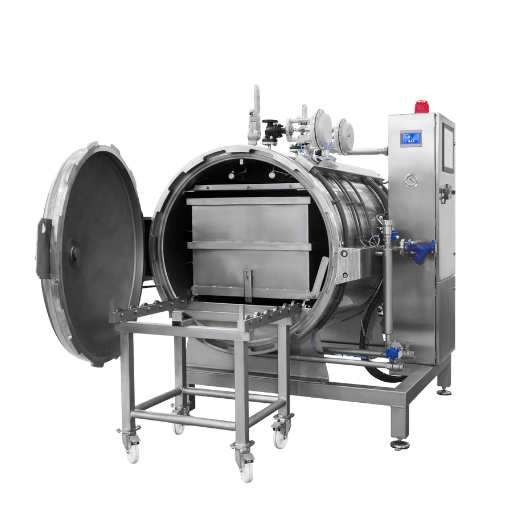
Промышленная стерилизация в ретортной системе проводится при 240–250°F (116–121°C), чтобы уничтожить споры Clostridium botulinum и обеспечить длительное хранение продукции. Согласно требованиям Службы безопасности и инспекции пищевых продуктов Министерства сельского хозяйства США (FSIS). Режимы термической обработки должны устанавливаться признанным специалистом по технологическим процессам с использованием валидированных сочетаний времени и температуры согласно 9 CFR 431. Котельные установки, подающие пар в реторты, должны поддерживать абсолютно стабильное давление: даже кратковременное прекращение подачи пара во время предусмотренного режима обработки может нарушить расчёты летальности и потребовать повторной обработки или утилизации всей партии.Пастеризация
Пастеризация предназначена для уничтожения патогенных бактерий без ухудшения вкуса или пищевой ценности продукта. Стандартная высокотемпературная кратковременная пастеризация HTST молока проводится при 161°F (72°C) в течение 15 секунд, а при ультравысокотемпературной обработке UHT температура достигает 280°F (138°C) на 2–4 секунды. Паровой котёл для переработки молока должен стабильно подавать чистый пар при точно заданном давлении, чтобы теплообменники поддерживали целевую температуру с отклонением не более ±1°F на протяжении всего производственного цикла.Варка, бланширование и сушка
Насыщенный пар под давлением 15–50 psi используется в варочных котлах с паровой рубашкой и установках непрерывного приготовления мяса, птицы и готовых блюд. Поверхностное бланширование овощей при температуре около 190–210F в течение 1–5 min для подготовки продукции к замораживанию и консервированию предусматривает инактивацию ферментов, вызывающих потерю качества. Барабанные и распылительные сушилки также применяются при производстве пищевых продуктов и напитков, где пар служит основным источником тепла для удаления воды.Мойка и санитарная обработка (CIP/SIP)
Мойка на месте (CIP) и стерилизация на месте (SIP). Горячая вода и пар циркулируют через технологическое оборудование, резервуары и трубопроводы, очищая и стерилизуя поверхности оборудования между производственными циклами. Для большинства систем требуется диапазон температур 170–212F во время ополаскивания CIP и 250F+ во время этапов стерилизации SIP. На предприятиях по переработке молока и производству напитков только на CIP может приходиться 15–25% суточного потребления пара.⚠️ Распространённая ошибка
Недостаточная производительность по пару для циклов CIP — одна из наиболее частых ошибок при выборе котла для пищевого предприятия. Циклы CIP нередко выполняются одновременно с производством, поэтому оба процесса потребляют пар в одно и то же время. Если мощность котельной установки была рассчитана только на пиковую производственную нагрузку без учёта одновременной потребности CIP, падение давления увеличит продолжительность цикла CIP, сократит время работы производства и повысит эксплуатационные расходы.
250°F
Температура стерилизации в реторте
161°F
Пастеризация молока методом HTST
60%+
Пар для стерилизации на мясоперерабатывающем предприятии
Как рассчитать мощность и выбрать паровой котёл для пищевого предприятия
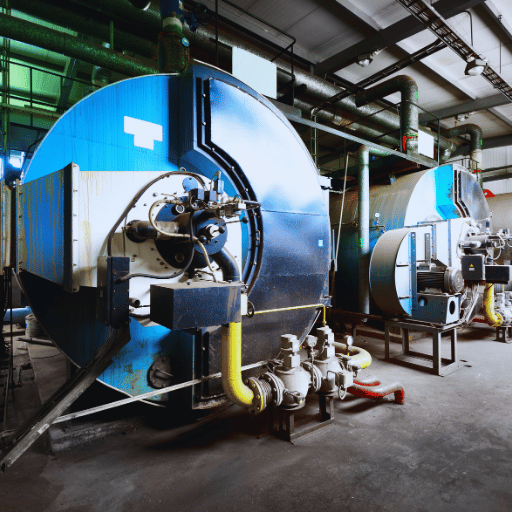 Чтобы правильно выбрать котёл для пищевого предприятия, необходимо согласовать его производительность по пару с фактическими требованиями технологических процессов, а не просто выбрать самый крупный агрегат, помещающийся в котельной. Котёл избыточной мощности расходует лишнее топливо из-за слишком частых циклов включения, а недостаточная мощность создаёт узкие места в производстве и риски для безопасности пищевых продуктов.
Шаг 1: рассчитайте общую потребность в паре
Составьте перечень всех потребляющих пар процессов на предприятии: варочных котлов, реторт, пастеризаторов, сушильных установок, систем CIP и систем поддержания микроклимата помещений. Для каждого компонента укажите необходимый расход пара (lb/hr), давление (psi) и суточный график работы. Сложите все одновременные пиковые нагрузки и увеличьте полученное значение на 15–20%, чтобы определить минимальную требуемую производительность котла.Шаг 2: учтите изменчивость нагрузки
Пищевое производство редко работает с постоянной нагрузкой. Пекарне может требоваться полная подача пара в 4 часа утра для предварительного нагрева печей, затем к середине утра нагрузка может снизиться до 30%, а во время дневного цикла CIP снова резко вырасти. На молочных предприятиях часто наблюдаются резкие скачки потребления при одновременном запуске пастеризаторов и выпарных аппаратов. Именно из-за такой изменчивости каскад из нескольких котлов часто эффективнее одного крупного агрегата: котлы вводятся в работу только при увеличении потребности в паре.Шаг 3: оцените требования к качеству пара
Если пар непосредственно соприкасается с пищевыми продуктами при бланшировании, стерилизации или увлажнении, требуется пар кулинарного качества или фильтрованный пар, соответствующий требованиям FDA 21 CFR 173.310 к добавкам для котловой воды. При косвенном применении пара, например в нагревательных рубашках и теплообменниках, требования к чистоте ниже, но надлежащая водоподготовка всё равно необходима для предотвращения образования накипи, коррозии и уноса примесей. Мощность котлов пищевой промышленности должна обеспечивать одновременную подачу пара в контуры прямого и косвенного нагрева.- ✔ Задокументировать всё потребляющее пар оборудование с указанием давления и расхода
- ✔ Определить совокупную пиковую потребность при одновременной работе оборудования (производство + CIP)
- ✔ Добавить запас 15–20% к расчётной пиковой нагрузке
- ✔ Выбрать одиночную или модульную конфигурацию котлов с учётом изменчивости нагрузки
- ✔ Убедиться, что категория чистоты пара соответствует каждому процессу (кулинарный или технический пар)
- ✔ Проверить размеры котельной, вентиляцию и доступ к системе подачи топлива
По нашему опыту работы с предприятиями пищевой промышленности более чем в 100 странах, наиболее частая ошибка связана с расчётом мощности. Многие воспринимают котёл как оборудование с постоянной нагрузкой. Потребность пищевых предприятий в паре по своей природе изменчива, поэтому котельная установка должна учитывать эту изменчивость, а не только номинальную производительность оборудования. — Инженерная команда Taiguo, 49 лет в производстве промышленных котлов
Энергоэффективность и виды топлива для котлов пищевой промышленности
| Вид топлива | Типичный КПД | Выбросы на месте эксплуатации | Оптимальное применение |
|---|---|---|---|
| Природный газ | 85–95% | Низкие выбросы NOx и CO₂ | Большинство пищевых предприятий с газоснабжением |
| Биомасса (древесина/гранулы) | 65–80% | Твёрдые частицы, углеродно-нейтральный CO₂ | Предприятия с местными поставками биомассы |
| Электроэнергия | ~99% | Нулевые на месте эксплуатации | Малые предприятия, зоны с жёсткими ограничениями по выбросам |
| Жидкое топливо (#2 / #6) | 80–88% | Повышенные выбросы SOx и твёрдых частиц | Резервное топливо / двухтопливные системы |
Технологии повышения эффективности
Современные промышленные котельные установки благодаря нескольким проверенным технологиям могут обеспечивать общий тепловой КПД выше 90%, высокую энергоэффективность и точное регулирование температуры при переменной нагрузке. Экономайзер, отбирающий тепло у дымовых газов для предварительного нагрева поступающей питательной воды, позволяет вернуть 4–6% потенциальной энергии топлива, которая иначе уходит через дымовую трубу. При достаточно низкой температуре обратной воды конденсационный теплообменник позволяет дополнительно повысить степень утилизации тепла. Система коррекции по кислороду автоматически регулирует соотношение воздуха и топлива, поддерживая максимальный КПД горения при переменной нагрузке и снижая избыток воздуха с типичных 15–20% до 3–5%. В Руководстве Министерства энергетики США по выбору котельного и горелочного оборудования с низким уровнем выбросов указано, что системы управления горением совместно с оборудованием утилизации тепла могут сокращать расходы на топливо на 10–20% по сравнению с базовым режимом эксплуатации. Для среднего пищевого предприятия, ежегодно расходующего $300,000–$500,000 на котельное топливо, это означает годовую экономию $30,000–$100,000. Соблюдение требований по выбросам представляет собой ещё одну цель. Нормативы EPA для промышленных, коммерческих и учрежденческих котлов устанавливают предельные значения NOx, SO, CO и твёрдых частиц в зависимости от типа и размера котла. Котёл, работающий на природном газе, обычно соответствует ограничениям по выбросам без дополнительного оборудования, тогда как агрегатам на угле или тяжёлом жидком топливе часто требуются системы селективного каталитического восстановления или электрофильтры, существенно повышающие капитальные затраты и расходы на техническое обслуживание. Эти нормативные условия подталкивают пищевую промышленность к выработке пара с помощью природного газа и электричества, поскольку оба варианта значительно сокращают выбросы без установки дополнительного оборудования.10–20%
Сокращение расходов на топливо за счёт утилизации тепла
95%
Максимальный КПД конденсационного газового котла
💡 Совет специалиста
Опыт наших проектов более чем в 100 странах показывает, что добавление экономайзера в тракт дымовых газов обеспечивает самую высокую окупаемость среди мер по повышению эффективности существующих котельных установок пищевых предприятий. Благодаря снижению расхода топлива он обычно окупается за 12–18 месяцев ещё до выполнения каких-либо других модернизаций.
Техническое обслуживание, безопасность и соблюдение требований при эксплуатации котлов в пищевой промышленности
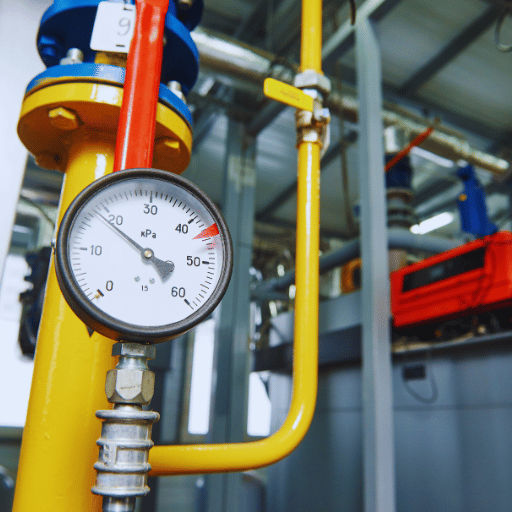 Котёл, который исправно выглядит при вводе в эксплуатацию, но из-за ненадлежащего технического обслуживания через два года превращается в изношенное и отказавшее оборудование, является обузой, а не активом. Надёжность в пищевом производстве означает, что котёл в каждую производственную смену стабильно вырабатывает пар первоклассного качества без непредвиденных простоев, останавливающих линию и создающих риск порчи продукции.
Нормативно-правовая база
В США проектирование, изготовление и контроль паровых котлов должны соответствовать требованиям Кодекса ASME по котлам и сосудам под давлением (BPVC). Редакция ASME BPVC 2025 года находится в процессе включения посредством ссылок в нормативные акты многих штатов. NFPA 85, (Кодекс по опасностям котельных установок и систем горения, редакция 2023 года) устанавливает требования по предотвращению пожаров и взрывов в котельных при эксплуатации оборудования на природном газе и жидком топливе. В большинстве юрисдикций требуется ежегодная проверка котла сертифицированным инспектором, а операторы обязаны иметь соответствующие удостоверения машинистов котельных установок. Для пищевых предприятий дополнительные нормативные документы, например FDA 21 CFR 173.310, определяют, какие реагенты для водоподготовки разрешено использовать в котлах, вырабатывающих пар, который контактирует с пищевыми продуктами.Программа водоподготовки
Эффективная водоподготовка — безусловно, самая важная мера технического обслуживания, позволяющая максимально продлить срок службы котла и сохранить чистоту пара. Необработанная или недостаточно обработанная питательная вода вызывает три разрушительных явления: образование накипи на поверхностях теплопередачи, которое снижает эффективность и создаёт риск разрыва труб; коррозию внутренних элементов котла, наиболее заметную на линии уровня воды и в трубопроводах возврата конденсата; а также унос растворённых твёрдых веществ с паром, загрязняющий пищевые продукты при обработке с непосредственным контактом. ASME опубликовала рекомендации по отбору проб и контролю химического состава питательной и котловой воды в современных промышленных котлах, охватывающие такие параметры, как pH, растворённый кислород, общее содержание растворённых твёрдых веществ (TDS), щёлочность и жёсткость. Соблюдение этих рекомендаций предотвращает большинство отказов котлов и обеспечивает надёжность, необходимую для выполнения графика пищевого производства.⚠️ Распространённая ошибка
Мало какие факторы способствуют преждевременному отказу котла в той же степени, что и пренебрежение водоподготовкой. Отложения накипи толщиной всего 1/16″ на котловых трубах могут увеличить расход топлива на 12–15% и вызвать перегретые участки, приводящие к разрыву труб в системах неудовлетворительного качества. Надлежащая водоподготовка обычно обходится дешевле одной аварийной замены трубы и одновременно устраняет источник непредвиденного простоя.
Регламент профилактического технического обслуживания
- ✔ Ежедневно: проверять уровень воды, давление пара, внешний вид пламени горелки и работу продувочного клапана
- ✔ Еженедельно: проверять предохранительный клапан, оценивать качество возвращаемого конденсата и регистрировать расход топлива
- ✔ Ежемесячно: очищать горелочное устройство, осматривать огнеупорную футеровку и проверять автоматику отключения при низком уровне воды
- ✔ Ежегодно: проводить полный внутренний осмотр согласно кодексу ASME, гидростатическое испытание давлением и калибровку всех защитных устройств
- ✔ Постоянно: контролировать концентрацию реагентов для водоподготовки и корректировать дозирование с учётом изменений качества питательной воды
Выбор надёжного производителя паровых котлов для пищевой промышленности
Основные критерии оценки
С 1976 года Taiguo производит паровые котлы для всех четырёх основных категорий топлива: жидкотопливные и газовые (серии WNS, SZS), работающие на биомассе и угле (серии DZL, SZL), нагреватели термомасла (серии YYQW, YGL) и электрические котлы (серии LDR, WDR). Производственный комплекс Taiguo площадью 60,000 м² оснащён специализированными испытательными лабораториями, а индивидуальные котельные установки компании поставлены предприятиям пищевой, фармацевтической, текстильной и химической промышленности более чем в 100 странах. Каждый проект получает комплексную поддержку: от первоначальной консультации до монтажа, пусконаладочных работ и пожизненной технической помощи.
- Опыт реализации проектов для пищевой промышленности: насколько хорошо производитель освоил изготовление котлов именно для предприятий по переработке пищевых продуктов?
- Ассортимент продукции: предлагает ли производитель жаротрубные, водотрубные и электрические котлы, а также котлы на биомассе или выпускает только один тип оборудования?
- Индивидуальные решения: проектирует ли производитель котельные установки с учётом конкретных требований — давления пара, вида топлива, ограничений котельного помещения и нормативов по выбросам — или продаёт только серийное оборудование?
- Сертификация: какими знаками соответствия располагает производитель — клеймами ASME, сертификатом ISO 9001, специальными региональными разрешениями (CE, DOSH и т. д.) — подтверждающими соблюдение производственной дисциплины?
- Монтаж и запуск: обеспечивает ли производитель поддержку при монтаже на объекте, обучение операторов и беспроблемную интеграцию оборудования в существующую инфраструктуру предприятия?
- Послепродажное обслуживание: насколько легко приобрести запасные части, предусмотрен ли дистанционный мониторинг системы и какое время реагирования заявлено для экстренного сервисного обслуживания?
Часто задаваемые вопросы
В: Какой тип парового котла лучше всего подходит для переработки пищевых продуктов?
Посмотреть ответ
Это зависит от размера предприятия и паровой нагрузки. Жаротрубные котлы лучше всего подходят для небольших и средних пищевых предприятий: они лучше справляются с колебаниями нагрузки и требуют меньших первоначальных затрат. Водотрубные котлы предпочтительнее для крупномасштабного производства, при необходимости высокого давления или совместной выработки энергии. Электрические котлы наиболее применимы на небольших предприятиях с жёсткими ограничениями по выбросам. Выбирайте конфигурацию котла с учётом фактических условий на пищевом производстве (которые могут соответствовать реальному режиму работы предприятия), доступности топлива и требований местных нормативных документов.
В: Сколько пара требуется предприятию по переработке пищевых продуктов?
Посмотреть ответ
От примерно 500 lb/hr для небольших коммерческих пекарен до около 30,000+ lb/hr для крупных линий по производству молочной продукции. Сложите все совпадающие по времени пиковые нагрузки, затем добавьте 15-20% в качестве коэффициента запаса.
В: Можно ли использовать электрические котлы при переработке пищевых продуктов?
Посмотреть ответ
Да, для этого можно использовать электрические котлы. Их тепловой КПД близок к 100%, а на объекте отсутствуют продукты горения — остаются только водяной пар и тепло. Это привлекательный вариант для небольших пищевых предприятий и других объектов с жёсткими требованиями к качеству воздуха. Не нужны ни резервуар для хранения топлива, ни газоход, ни дымовая труба. Основной недостаток в большинстве регионов — более высокая стоимость электроэнергии в расчёте на BTU по сравнению с природным газом. Перед установкой необходимо сопоставить более высокую цену электроэнергии с меньшими первоначальными капитальными и эксплуатационными затратами.
В: Что такое пищевой пар и почему он важен?
Посмотреть ответ
Пищевой пар (также известный как фильтрованный пар) — это пар с пониженным содержанием золы, твёрдых частиц и других примесей, что позволяет ему контактировать с пищевыми продуктами при стерилизации, бланшировании или непосредственной подаче пара. В США в котлах, вырабатывающих пар для контакта с пищевыми продуктами, согласно 21 CFR 173.310 разрешается использовать только одобренные добавки для питьевой воды. К обычному технологическому пару предприятия, используемому для нагрева рубашек и центральных систем вентиляции и кондиционирования, этот стандарт допуска не применяется.
В: Как избежать незапланированного простоя котла?
Посмотреть ответ
Правильный водно-химический режим, регламентное техническое обслуживание и резервирование. Повреждения труб возникают из-за накипи и коррозии, которые обусловлены неудовлетворительным водно-химическим режимом; надлежащая водоподготовка позволяет предотвратить отказы. Дополните её регулярными проверками со стороны операторов, ежемесячными осмотрами горелки и ежегодными проверками на соответствие нормам ASME. Для максимальной производительности используйте несколько небольших котлов, чтобы проводить техническое обслуживание одного агрегата без остановки производства. Предприятия, последовательно контролирующие все три аспекта, достигают готовности котельного оборудования на уровне 98%+ в течение многолетних эксплуатационных циклов.
В: Какие нормы безопасности распространяются на паровые котлы пищевых предприятий?
Посмотреть ответ
В США паровые котлы должны соответствовать требованиям ASME (American Society of Mechanical Engineers) к проектированию, изготовлению и проверкам в процессе эксплуатации; почти каждый штат США принимает нормы ASME посредством ссылки и требует ежегодных проверок в присутствии сертифицированного инспектора с аттестацией National Board. NFPA (National Fire Protection Association) 85, Кодекс по опасностям котельных установок и систем горения, регулирует предотвращение пожаров и взрывов в котельных, устанавливая требования к блокировкам топливной системы, циклам продувки и системам контроля пламени. В ряде юрисдикций обученные операторы котельных установок обязаны иметь лицензию. Пищевые предприятия, где пар непосредственно контактирует с продуктом, должны соблюдать требования FDA (Food & Drug Administration) 21 CFR 173.310, ограничивающие концентрацию химических реагентов для обработки воды одобренными FDA добавками: например, содержание циклогексиламина в паре не должно превышать 10 ppm, а в производстве молочной продукции его применение полностью запрещено. В США EPA (Environmental Protection Agency) обеспечивает соблюдение установленных Законом о чистом воздухе предельных значений выбросов NOx, SO₂, CO и твёрдых частиц, причём конкретные ограничения зависят от номинальной тепловой мощности и вида топлива каждого котла. Для оборудования на природном газе, электричестве и угле на одном предприятии могут действовать разные ограничения. Несоблюдение любого из этих требований или всех требований в совокупности может привести к остановке предприятия, наложению штрафов регулирующими органами или принудительным мерам вплоть до отзыва продукции.
Нужна помощь в выборе подходящего парового котла?
Инженеры Taiguo могут оценить потребность вашего предприятия по переработке пищевых продуктов в паре и порекомендовать паровой котёл для пищевой промышленности с учётом производственного графика, доступности топлива и требований нормативных документов, опираясь на 49-летний опыт производства.
Запросить бесплатную консультацию →Об этом руководстве
Этот материал подготовлен командой технических авторов Taiguo на основе нашего 49-летнего опыта создания котельных установок для предприятий по переработке пищевых продуктов, производителей молочной и мясной продукции и напитков по всему миру. Представленные технические сведения, диапазоны температур и ссылки на нормативные документы основаны на информации правительства США и других отраслевых источников, включая USDA FSIS, FDA 21 CFR, ASME BPVC и U.S. DOE, и сопоставлены с данными собственных инженерных журналов наших проектов, реализованных более чем в 100 странах. Рассмотренные в этой публикации котлы производит и продаёт Taiguo.
Ссылки и источники
- 21 CFR 173.310 — добавки для котловой воды — Food and Drug Administration — веб-сайт правительства США
- Директива 7530.2 — проверочные мероприятия на предприятиях консервной промышленности — USDA Food Safety and Inspection Service, профессиональные ресурсы, литература
- Руководство по выбору котлов и оборудования для сжигания топлива с низким уровнем выбросов — U.S. Department of Energy, Office of Scientific & Technical Information, данные International Energy Agency
- Промышленные, коммерческие и учрежденческие котлы — нормативы загрязнения воздуха — U.S. Environmental Protection Agency, Built Environment Program
- Кодекс ASME по котлам и сосудам, работающим под давлением (BPVC) — American Society of Mechanical Engineers
- NFPA 85 — Кодекс по опасностям котельных установок и систем горения — National Fire Protection Association
- Пастеризация — температурные стандарты и история — Wikipedia