تواصلوا مع Taiguo



غلاية الظهر الرطب مقابل الظهر الجاف: المزايا، وفروق التصميم، وكيفية الاختيار
إذا كنتم تختارون غلاية أنابيب لهب لتطبيق صناعي يستخدم البخار أو المياه الساخنة، فمن أولى القرارات التصميمية التي يتعين عليكم اتخاذها تحديد ما إذا كنتم تفضلون تكوين الظهر الرطب أم الظهر الجاف. استُخدم كلا التكوينين لسنوات عديدة، لكنهما يختلفان من حيث طريقة عكس اتجاه غازات الاحتراق عند مؤخرة الغلاية—ولهذا الاختلاف وحده آثار كبيرة في الكفاءة، والصيانة، وتكاليف التشغيل، والإجهاد الحراري، ودورة حياة المعدات. توضح هذه الوثيقة خصائص كل تصميم، وتقارن الخيارين وفق الجوانب الأكثر أهمية لمهندسي المصانع واختصاصيي المشتريات، وتقدم إطارًا لاتخاذ القرار من أجل اختيار الحل الأمثل لمتطلبات تطبيقكم المحدد. للاطلاع على اعتبارات التسعير ذات الصلة، راجعوا دليلنا حول الغلاية البخارية الصناعية.
محتويات هذا الدليل
ما غلايات الظهر الرطب والظهر الجاف؟
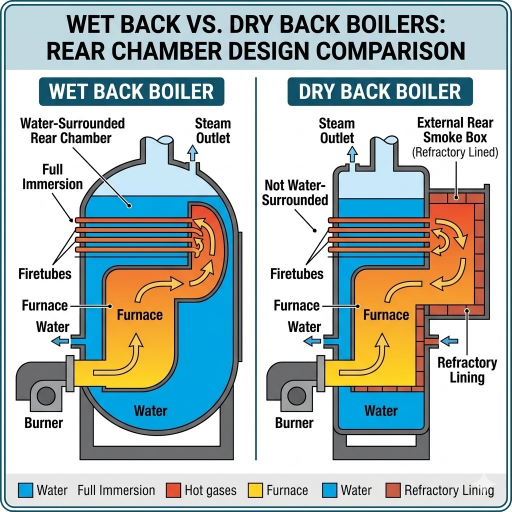 الغلاية ذات الظهر الرطب هي غلاية أنابيب لهب مزودة بحجرة خلفية لعكس المسار ومحاطة بالكامل بالمياه. وفيها تمر غازات الاحتراق الخارجة من فرن صناعي عبر حجرة عكس مبردة بالمياه قبل دخولها المسار الثاني للأنابيب. ولأن الحجرة تقع داخل وعاء الضغط، تنتقل حرارة الجزء الأعلى سخونة من مسار الغازات مباشرة إلى مياه الغلاية بدلًا من أن تمتصها البطانة الحرارية المقاومة للحرارة.
في المقابل، تستخدم الغلاية ذات الظهر الجاف جدارًا خلفيًا مبطنًا ببطانة حرارية مقاومة للحرارة لتغيير اتجاه غازات المداخن. والباب الخلفي عبارة عن هيكل فولاذي مصبوب مبطن بمواد حرارية مصبوبة أو بطوب حراري. وتعمل هذه البطانة الحرارية حاجزًا للحرارة—فتعزلها بدلًا من نقلها. وكانت غلايات الظهر الجاف هي التصميم الأصلي للغلايات البحرية من نوع Scotch، وقد تراجعت حصتها السوقية باطراد.
الغلاية ذات الظهر الرطب هي غلاية أنابيب لهب مزودة بحجرة خلفية لعكس المسار ومحاطة بالكامل بالمياه. وفيها تمر غازات الاحتراق الخارجة من فرن صناعي عبر حجرة عكس مبردة بالمياه قبل دخولها المسار الثاني للأنابيب. ولأن الحجرة تقع داخل وعاء الضغط، تنتقل حرارة الجزء الأعلى سخونة من مسار الغازات مباشرة إلى مياه الغلاية بدلًا من أن تمتصها البطانة الحرارية المقاومة للحرارة.
في المقابل، تستخدم الغلاية ذات الظهر الجاف جدارًا خلفيًا مبطنًا ببطانة حرارية مقاومة للحرارة لتغيير اتجاه غازات المداخن. والباب الخلفي عبارة عن هيكل فولاذي مصبوب مبطن بمواد حرارية مصبوبة أو بطوب حراري. وتعمل هذه البطانة الحرارية حاجزًا للحرارة—فتعزلها بدلًا من نقلها. وكانت غلايات الظهر الجاف هي التصميم الأصلي للغلايات البحرية من نوع Scotch، وقد تراجعت حصتها السوقية باطراد.
55%
حصة غلايات أنابيب اللهب من سوق الغلايات الصناعية (2025)
25+ سنة
العمر التشغيلي المتوقع للغلاية مع الصيانة السليمة
التصميم والإنشاء: الظهر الرطب مقابل الظهر الجاف
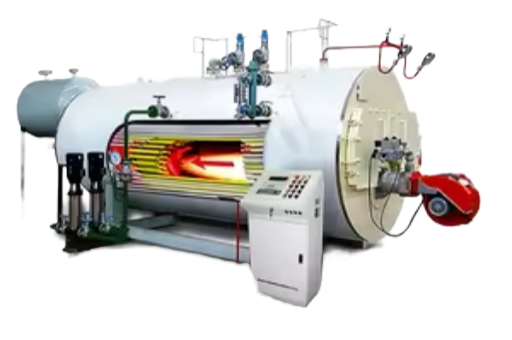 في الغلاية ذات الظهر الرطب، تكون الحجرة غلافًا فولاذيًا مبردًا بالمياه يقع داخل الغلاف الأسطواني للغلاية. تغادر الغازات حجرة الاحتراق، وتدخل حجرة العكس ذات الغلاف المائي، وتنعكس بزاوية 180 درجة، ثم تتدفق إلى أنابيب المسار الثاني. ويكون لوح تثبيت الأنابيب الخلفي لوحًا منفصلًا يمكنه التمدد والانكماش بصورة مستقلة عن الغلاف الأسطواني للغلاية.
أما الغلاية ذات الظهر الجاف، فيُبطّن جدارها الخلفي بمواد حرارية مقاومة للحرارة — إما مواد حرارية مصبوبة أو طوب حراري. ويتيح باب فولاذي مفصلي الوصول لإجراء الصيانة. ويكون لوح تثبيت الأنابيب الخلفي مشتركًا مع الغلاف الأسطواني للغلاية، ما يعني أنه لا يستطيع التحرك بصورة مستقلة عند تغير درجة الحرارة. وينشئ ذلك نقطة تركز للإجهاد أثناء الدورات الحرارية.
في الغلاية ذات الظهر الرطب، تكون الحجرة غلافًا فولاذيًا مبردًا بالمياه يقع داخل الغلاف الأسطواني للغلاية. تغادر الغازات حجرة الاحتراق، وتدخل حجرة العكس ذات الغلاف المائي، وتنعكس بزاوية 180 درجة، ثم تتدفق إلى أنابيب المسار الثاني. ويكون لوح تثبيت الأنابيب الخلفي لوحًا منفصلًا يمكنه التمدد والانكماش بصورة مستقلة عن الغلاف الأسطواني للغلاية.
أما الغلاية ذات الظهر الجاف، فيُبطّن جدارها الخلفي بمواد حرارية مقاومة للحرارة — إما مواد حرارية مصبوبة أو طوب حراري. ويتيح باب فولاذي مفصلي الوصول لإجراء الصيانة. ويكون لوح تثبيت الأنابيب الخلفي مشتركًا مع الغلاف الأسطواني للغلاية، ما يعني أنه لا يستطيع التحرك بصورة مستقلة عند تغير درجة الحرارة. وينشئ ذلك نقطة تركز للإجهاد أثناء الدورات الحرارية.
| البُعد التصميمي | الظهر الرطب | الظهر الجاف |
|---|---|---|
| حجرة عكس المسار | مبردة بالمياه ومحاطة بمياه الغلاية | مبطنة بمواد حرارية مقاومة للحرارة (طوب حراري أو مواد مصبوبة) |
| لوح تثبيت الأنابيب الخلفي | لوح منفصل — يسمح بالتمدد الحراري المستقل | مشترك مع الغلاف الأسطواني — مقيد الحركة وتتجمع عنده الإجهادات |
| مسار الحرارة عبر الجدار الخلفي | تنتقل الحرارة مباشرة إلى المياه | تمتص البطانة الحرارية الحرارة (تعزلها ولا تنقلها) |
| سطح التسخين | ~5.0 قدم مربع لكل BHP مقنن | أقل — لا يضيف الجدار المبطن سطحًا للتسخين |
| الإجهاد الحراري | أقل — توزيع موحد لدرجة الحرارة | أعلى — نقطة ساخنة عند الحد الفاصل بين البطانة الحرارية ولوح تثبيت الأنابيب |
| إمكانية الوصول للفحص | فتحة فحص خلفية أو وصول عبر لوح تثبيت الأنابيب الأمامي | باب خلفي مفصلي — سهولة الفحص البصري |
💡 نصيحة مهنية
عند فحص غلاية ذات ظهر رطب، تحققوا من حجرة العكس المبردة بالمياه بحثًا عن تراكم القشور أو التآكل النقري. ونظرًا إلى وجودها في منطقة الغازات الأعلى سخونة، تؤثر معالجة المياه غير الملائمة في هذه الحجرة قبل ظهور التلف على الأسطح الأخرى.
مقارنة الكفاءة وانتقال الحرارة
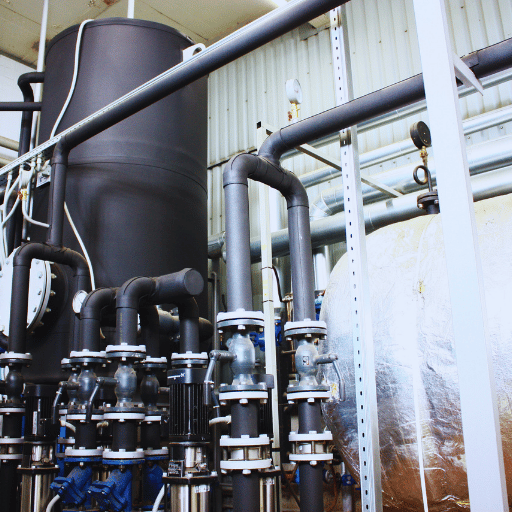 يرجع اختلاف كفاءة انتقال الحرارة بين غلايتي الظهر الرطب والظهر الجاف إلى ما يحدث للحرارة عند مؤخرة الغلاية. ففي الغلاية ذات الظهر الرطب، تلامس غازات الاحتراق سطحًا مبردًا بالمياه عند النقطة التي تبلغ فيها الغازات أعلى درجة حرارة – مباشرة بعد مغادرة فرن صناعي. وتنتقل هذه الحرارة إلى مياه الغلاية. أما في الغلاية ذات الظهر الجاف، فتُسخَّن الحرارة نفسها بواسطة المادة الحرارية المقاومة للحرارة التي تعزل بدلًا من أن توصل، ما يؤدي إلى فقد إشعاعي عبر الجدار الخلفي.
تعمل غلايات أنابيب اللهب الحديثة بكفاءة احتراق تبلغ 80-84% عند استخدام الغاز الطبيعي وتحت ضغوط التشغيل المعتادة. وكما توضح ورقة نصائح البخار #25 الصادرة عن وزارة الطاقة الأمريكية، فإن كل انخفاض بمقدار 40F في درجة حرارة غازات المداخن يعادل زيادة بنحو 1% في كفاءة الغلاية. ولأن تصاميم الظهر الرطب تبرد الغازات بكفاءة أكبر عند حجرة العكس الخلفية، فإنها تستعيد حرارة كانت الغلاية ذات الظهر الجاف ستفقدها عبر الجدار المبطن.
يرجع اختلاف كفاءة انتقال الحرارة بين غلايتي الظهر الرطب والظهر الجاف إلى ما يحدث للحرارة عند مؤخرة الغلاية. ففي الغلاية ذات الظهر الرطب، تلامس غازات الاحتراق سطحًا مبردًا بالمياه عند النقطة التي تبلغ فيها الغازات أعلى درجة حرارة – مباشرة بعد مغادرة فرن صناعي. وتنتقل هذه الحرارة إلى مياه الغلاية. أما في الغلاية ذات الظهر الجاف، فتُسخَّن الحرارة نفسها بواسطة المادة الحرارية المقاومة للحرارة التي تعزل بدلًا من أن توصل، ما يؤدي إلى فقد إشعاعي عبر الجدار الخلفي.
تعمل غلايات أنابيب اللهب الحديثة بكفاءة احتراق تبلغ 80-84% عند استخدام الغاز الطبيعي وتحت ضغوط التشغيل المعتادة. وكما توضح ورقة نصائح البخار #25 الصادرة عن وزارة الطاقة الأمريكية، فإن كل انخفاض بمقدار 40F في درجة حرارة غازات المداخن يعادل زيادة بنحو 1% في كفاءة الغلاية. ولأن تصاميم الظهر الرطب تبرد الغازات بكفاءة أكبر عند حجرة العكس الخلفية، فإنها تستعيد حرارة كانت الغلاية ذات الظهر الجاف ستفقدها عبر الجدار المبطن.
| عامل الكفاءة | الظهر الرطب | الظهر الجاف |
|---|---|---|
| استعادة الحرارة عند الجدار الخلفي | تبريد مباشر بالمياه — تنتقل الحرارة إلى البخار/المياه | امتصاص بالبطانة الحرارية — تفقد الحرارة بالإشعاع |
| الكفاءة بمرور الوقت | مستقرة — لا تتدهور الأسطح المبردة بالمياه | متراجعة — تتدهور البطانة الحرارية فتزداد الفواقد |
| درجة حرارة الغازات عند مدخل المسار 2 | أقل — يخفض التبريد بالمياه درجة حرارة الغازات | أعلى — تحتفظ البطانة الحرارية بالحرارة داخل تيار الغازات |
| إجهاد أطراف الأنابيب الناتج عن الغازات الساخنة | أقل — تدخل غازات أبرد إلى أنابيب المسار الثاني | أعلى — تدخل غازات أشد سخونة إلى الأنابيب |
الصيانة والمتانة والتكلفة الإجمالية
 تمثل متطلبات الصيانة أحد أبرز أوجه الاختلاف بين غلايات الظهر الرطب والظهر الجاف. إذ يجب فحص البطانة الحرارية في وحدات الظهر الجاف واستبدالها دوريًا – وهو عبء إضافي من حيث التكلفة ووقت التوقف تتجنبه تصاميم الظهر الرطب تمامًا.
| مهمة الصيانة | الظهر الرطب | الظهر الجاف |
|---|---|---|
| استبدال البطانة الحرارية | غير منطبق — لا تُستخدم مواد حرارية مقاومة للحرارة | كل 3 سنوات تقريبًا لبطانة الباب الخلفي الحرارية |
| إحكام إغلاق الباب الخلفي | لا يوجد باب خلفي — وعاء ضغط محكم الإغلاق | يلزم استخدام حشيات وأطقم إحكام خاصة بالشركة المصنعة |
| فحص الإجهاد الحراري | فحص سنوي قياسي — مخاطر أقل | يلزم رصد أدق عند الحد الفاصل للوح تثبيت الأنابيب |
| أثر معالجة المياه | حاسم — تقلل القشور على حجرة العكس من الأداء | مهم، لكن تلف البطانة الحرارية هو الشاغل الرئيسي |
| إمكانية الوصول لفحص الأنابيب | الوصول عبر لوح تثبيت الأنابيب الأمامي أو فتحة الفحص الخلفية | إزالة الباب الخلفي بالكامل — فحص بصري أسهل |
⚠️ خطأ شائع
يمكن أن تتراكم تكاليف استبدال البطانة الحرارية في غلايات الظهر الجاف — بما فيها المواد والعمالة ووقت التوقف — لتساوي التكلفة الأصلية للغلاية أو تتجاوزها على مدى عمرها التشغيلي البالغ 25 عامًا. احسبوا دائمًا التكلفة الإجمالية للملكية، وليس سعر الشراء وحده، عند تقييم دليل أسعار الغلايات البخارية.
المزايا الرئيسية لتصميم الغلاية ذات الظهر الرطب
 أصبحت الغلاية ذات الظهر الرطب التكوين القياسي لغلايات أنابيب اللهب الحديثة لعدة أسباب مترابطة. وتنبع كل ميزة من الفكرة الأساسية نفسها: إحاطة حجرة العكس بالمياه بدلًا من الاعتماد على بطانة حرارية مقاومة للحرارة.
- كفاءة مستدامة أعلى – تتيح حجرة العكس المبردة بالمياه انتقالًا فعالًا للحرارة عبر التقاط حرارة غازات الاحتراق عند النقطة الأعلى سخونة في مسار الغازات ونقلها مباشرة إلى مياه الغلاية بدلًا من فقدها بالإشعاع عبر البطانة الحرارية.
- عدم تدهور البطانة الحرارية — تستغني تصاميم الظهر الرطب تمامًا عن المواد الحرارية المقاومة للحرارة في حجرة العكس الخلفية. فلا يوجد ما يتآكل أو يتشقق أو يتقشر، ولا يلزم توقف مجدول لاستبدال البطانة الحرارية.
- إجهادات حرارية أقل – يستطيع لوح تثبيت الأنابيب الخلفي المنفصل في الغلاية ذات الظهر الرطب التمدد والانكماش بحرية، ما يقلل الكلال الحراري عند وصلات الأنابيب بلوح تثبيت الأنابيب. وبذلك يمتد العمر التشغيلي لوعاء الضغط.
- تكاليف صيانة أقل على مدى العمر التشغيلي – يؤدي حذف البطانة الحرارية من التكوين إلى إزالة بند نفقات متكرر يواجهه مشغلو غلايات الظهر الجاف كل بضع سنوات. ولا يلزم استخدام حشيات منفصلة للباب الخلفي أو أطقم إحكام خاصة بالشركة المصنعة.
- توليد مستقر للبخار – نظرًا إلى احتفاظ الحجرة المبردة بالمياه بخصائص مستقرة لانتقال الحرارة لسنوات وعقود، فإنها توفر إنتاجًا أكثر استقرارًا وقابلية للتنبؤ من البخار مع تحسين دوران المياه.
- حيز تشغيلي أصغر – لأن غلايات الظهر الرطب لا تحتاج إلى استيعاب مساحة الفتح اللازمة لأبواب الظهر الجاف المفصلية، فإنها تشغل حيزًا خلفيًا إجماليًا أصغر.
أي تصميم ينبغي أن تختاروا؟
سيحدد نمط الاستخدام، وإمكانات الصيانة، والميزانية المتاحة اختياركم. وفيما يلي مصفوفة قرار مبسطة.
اختاروا الظهر الرطب عندما:
- يتطلب تطبيقكم تشغيل غلاية بخارية بقدرة تتجاوز 200 BHP
- ترغبون في تقليل تكاليف الصيانة ووقت التوقف على المدى الطويل
- يعمل مصنعكم بدورة تشغيل ثابتة أو شاقة تتضمن دورات حرارية متكررة
- تستخدمون الغاز الطبيعي أو تكوينات مواقد مزدوجة الوقود
- تعطون الأولوية لأدنى تكلفة إجمالية للملكية على حساب تكلفة الشراء الأولية
- تتوفر لديكم مساحة خلفية محدودة لفتح الباب
- تقتصر ميزانيتكم على أدنى تكلفة أولية للمعدات
- تحتاجون إلى الوصول المتكرر من الخلف لفحص الأنابيب في التطبيقات التي تستخدم وقودًا شديد التآكل
- تعمل الغلاية بدورة تشغيل منخفضة مع عدد قليل من الدورات الحرارية
- يمتلك فريق الصيانة لديكم قدرات داخلية لإصلاح البطانة الحرارية
⚠️ خطأ شائع
يُعد اختيار غلاية ذات ظهر جاف لتطبيقات البخار الصناعية الشاقة، حيث تخضع الغلاية لدورات تشغيل وإيقاف متكررة، خطأ شائعًا. فالدورات الحرارية تسرّع تدهور البطانة الحرارية وكلال لوح تثبيت الأنابيب في تصاميم الظهر الجاف — وهما تحديدًا نمطا العطل اللذان تتجنبهما تكوينات الظهر الرطب عبر الحد من أضرار الدورات الحرارية. وبالنسبة إلى مشروعات الغلايات ذات أهداف خفض الانبعاثات، تؤدي الكفاءة المستدامة لوحدة الظهر الرطب أيضًا إلى خفض انبعاثات الاحتراق لكل وحدة بخار منتجة.
الأسئلة الشائعة

س: ما الفرق بين الغلاية ذات الظهر الرطب والغلاية ذات الظهر الجاف؟
عرض الإجابة
يكمن الفرق في حجرة عكس المسار الخلفية. ففي الغلاية ذات الظهر الرطب، تُحاط هذه الحجرة بالمياه، فتنتقل الحرارة مباشرة إلى مياه الغلاية. أما الغلاية ذات الظهر الجاف، فتُبطّن جدارها الخلفي بمواد حرارية مقاومة للحرارة بدلًا من ذلك.
س: ما المزايا الرئيسية للغلاية ذات الظهر الرطب؟
عرض الإجابة
تشمل مزايا الغلاية ذات الظهر الرطب كفاءة حرارية مستدامة أعلى (إذ تمتص الحجرة المبردة بالمياه الحرارة التي تفقدها تصاميم الظهر الجاف عبر البطانة الحرارية)، وعدم وجود تكاليف لاستبدال البطانة الحرارية، وتقليل الإجهادات الحرارية على لوح تثبيت الأنابيب، وخفض نفقات الصيانة طوال العمر التشغيلي، وزيادة استقرار إنتاج البخار، وتصغير الحيز الخلفي. وتتراكم هذه الفوائد على مدى العمر التشغيلي للمعدات البالغ 25+ عامًا.
س: هل تكلف غلايات الظهر الرطب أكثر من غلايات الظهر الجاف؟
عرض الإجابة
تتميز غلايات الظهر الرطب بسعر شراء أولي أعلى بسبب تعقيد بنيتها الداخلية. ومع ذلك، تكون التكلفة الإجمالية للملكية أقل لأن وحدات الظهر الرطب لا تحتاج إلى استبدال البطانة الحرارية، وتتطلب صيانة أقل للباب الخلفي، وتحافظ على كفاءة أعلى طوال عمرها التشغيلي. وتشير مصادر القطاع إلى أن تكاليف البطانة الحرارية في غلايات الظهر الجاف وحدها قد تتراكم لتساوي سعر المعدات الأصلي على مدى 25 عامًا.
س: ما الغلاية ذات الظهر الرطب وثلاثة مسارات؟
عرض الإجابة
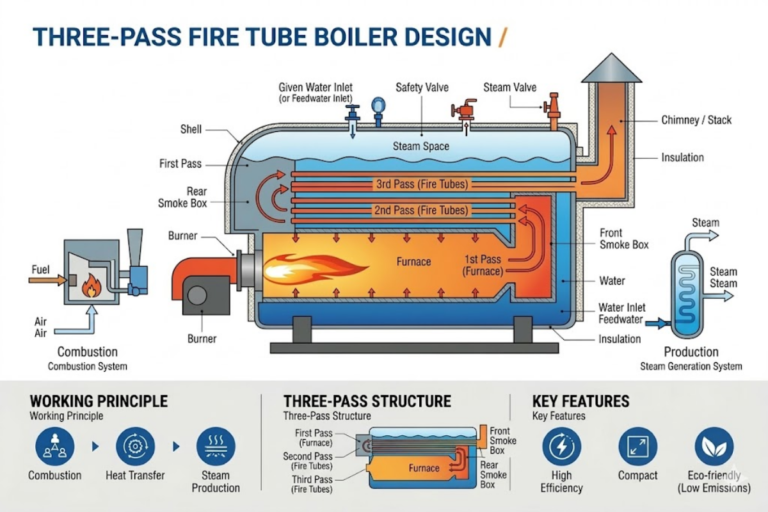
تمرر الغلاية ذات الظهر الرطب وثلاثة مسارات غازات الاحتراق عبر ثلاثة مسارات منفصلة داخل الغلاف الأسطواني للغلاية. المسار 1 هو حجرة الاحتراق (أنبوب فرن صناعي المركزي الكبير)، حيث يحدث 40–60% من إجمالي انتقال الحرارة. وفي الخلف، تعيد حجرة عكس مبردة بالمياه توجيه الغازات إلى أنابيب المسار الثاني. وبعد انتقال الغازات إلى الأمام، ينعكس اتجاهها مجددًا وتتدفق عبر أنابيب الغلاية في المسار الثالث قبل خروجها إلى مجرى غازات المداخن، بما يحقق الاستعادة الكاملة لحرارة الاحتراق. ويستخلص هذا الترتيب ثلاثي المسارات أقصى قدر من الحرارة من عملية احتراق واحدة للوقود. ولأن حجرة العكس في وحدة الظهر الرطب ثلاثية المسارات تتعامل مع الغازات عند أعلى درجة حرارة في النظام بأكمله، فإن استخدام حجرة مبردة بالمياه بدلًا من البطانة الحرارية في هذه النقطة يؤثر بدرجة كبيرة في الكفاءة الإجمالية للغلاية ومتانتها. اعرفوا المزيد في دليلنا حول تصميم غلاية أنابيب اللهب ثلاثية المسارات.
س: ما عمر الغلاية ذات الظهر الرطب مقارنة بالغلاية ذات الظهر الجاف؟
عرض الإجابة
يمكن أن يصل عمر كل منهما إلى 25 عامًا أو أكثر: لكن غلايات الظهر الرطب تدوم مدة أطول قليلًا لعدم احتوائها على بطانة حرارية ولانخفاض الإجهاد الحراري عند لوح تثبيت الأنابيب.
س: ما أكواد ASME المنطبقة على تصميم غلايات أنابيب اللهب؟
عرض الإجابة
يجب أن تمتثل غلايات أنابيب اللهب في الولايات المتحدة إلى كود ASME للغلايات وأوعية الضغط (BPVC). ويغطي القسم I غلايات القدرة التي تعمل ببخار يزيد ضغطه على 15 psig. وينطبق القسم IV على غلايات التسخين التي تعمل دون هذا الحد. ويحدد القسم II المواد، ويغطي القسم V طرق الفحص غير الإتلافي، ويحدد القسم IX مؤهلات اللحام واللحام بالنحاس. ويجب أن يستوفي كل من تصميمي الظهر الرطب والظهر الجاف متطلبات الكود نفسها.
حول هذا التحليل
تورّد Taiguo غلايات أنابيب لهب ذات ظهر رطب وظهر جاف لاستخدامات البخار والمياه الساخنة. ويستند دليل المقارنة هذا إلى المؤلفات الفنية المنشورة من وزارة الطاقة الأمريكية، والجمعية الأمريكية للمهندسين الميكانيكيين، والمجلس الوطني لمفتشي الغلايات وأوعية الضغط. وبالنسبة إلى بعض النتائج الخاصة بتطبيقات محددة، نستند إلى خبرات القطاع عندما لا تتوفر أسماء وتكاليف محددة في المصادر العامة.
المراجع والمصادر
- ورقة نصائح البخار #25 لوزارة الطاقة — تركيب مولدات الاضطراب في غلايات أنابيب اللهب ثنائية وثلاثية المسارات — وزارة الطاقة الأمريكية
- تحسين أداء أنظمة البخار: دليل مرجعي للقطاع الصناعي — وزارة الطاقة الأمريكية
- أفضل ممارسات الإدارة #8: أنظمة الغلايات البخارية — البرنامج الفيدرالي لإدارة الطاقة التابع لوزارة الطاقة
- كود الغلايات وأوعية الضغط (BPVC) — الجمعية الأمريكية للمهندسين الميكانيكيين
- دورات الإجهاد المستحث حراريًا في غلايات أنابيب اللهب — المجلس الوطني لمفتشي الغلايات وأوعية الضغط